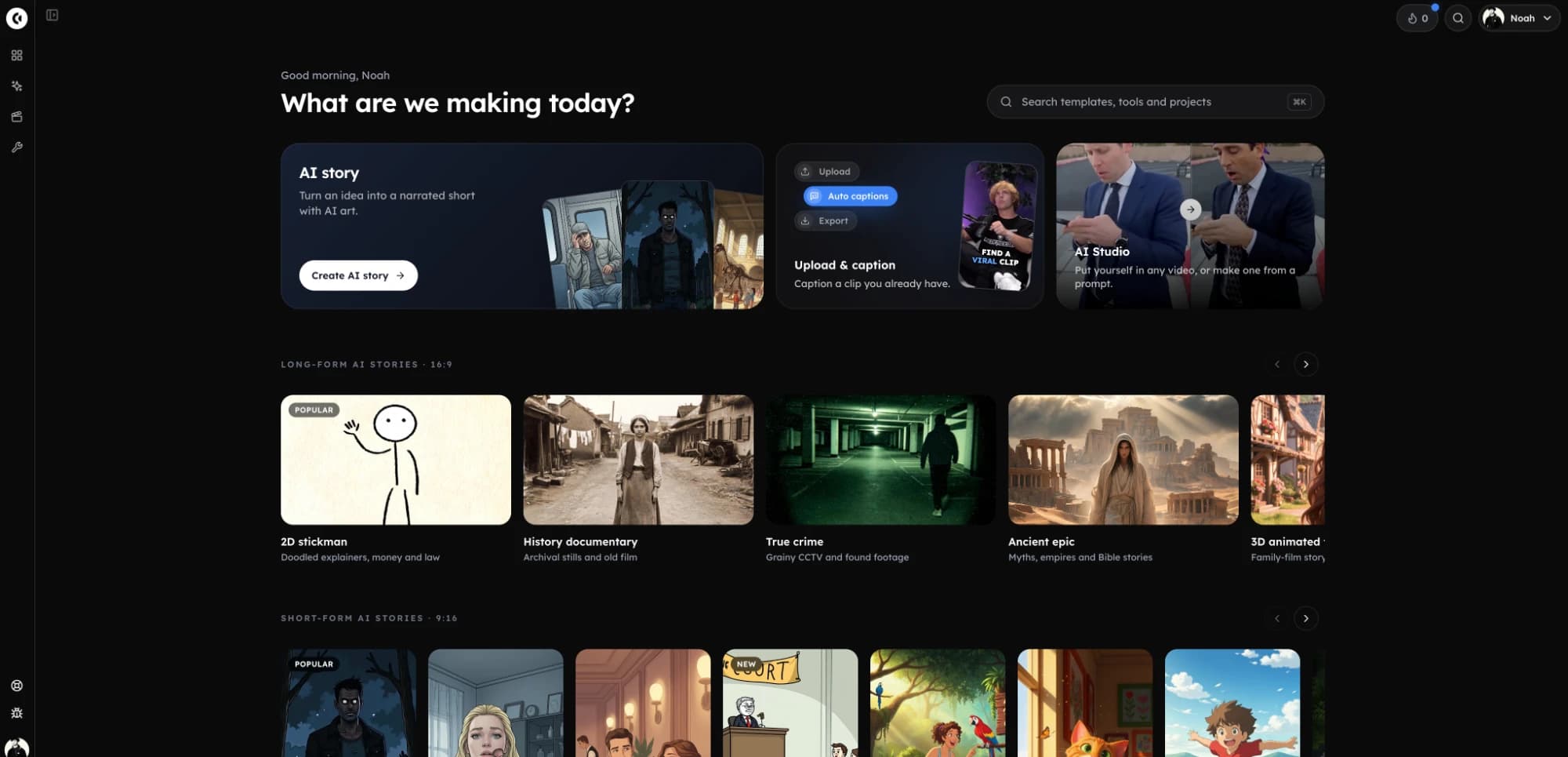
AI story generator with consistent characters.
A story only works if the viewer recognises who it is about. Write a script or an idea, and Clippie keeps your hero the same hero in every scene: same face, same outfit, same colours, from the hook to the last line.
- Characters per storyUp to 8
- Story looks46
- Frames9:16 and 16:9
Short answer
To make an AI story video with consistent characters, add the characters to the story before the scenes are drawn. In Clippie’s AI Story you paste a script, add or accept the suggested characters, and each one gets a single picture in the story’s look. Every scene that mentions a character is then drawn from that picture, on 21 of the 46 looks.
Checked against the product on 13 November 2026.
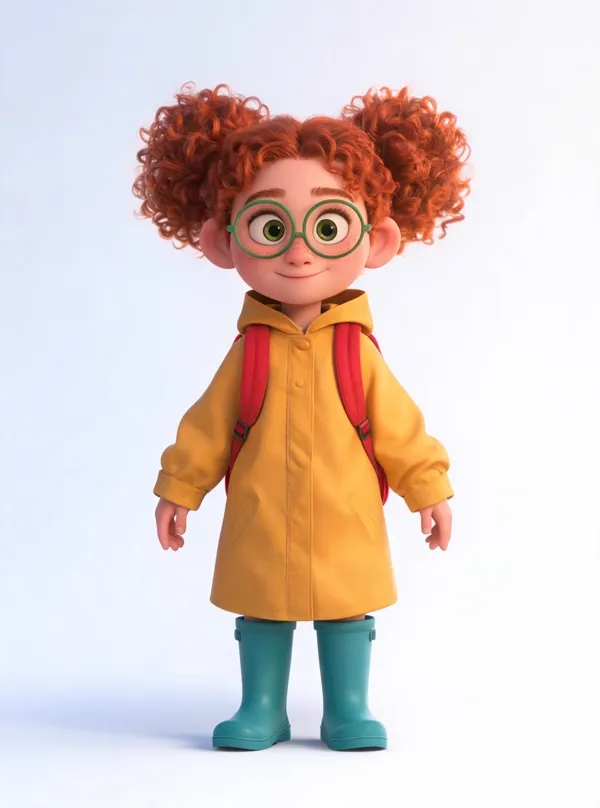
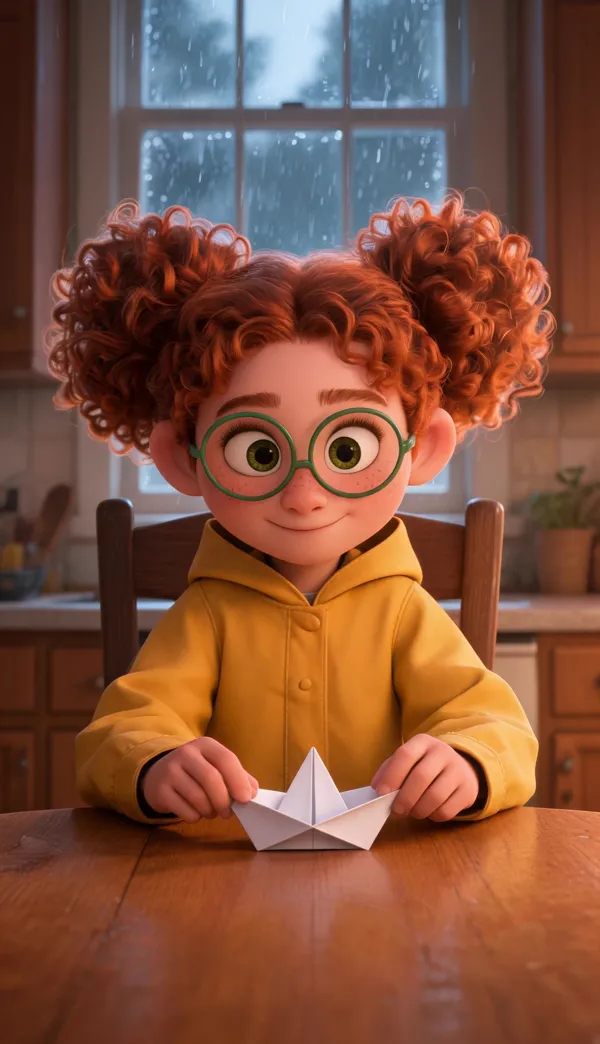
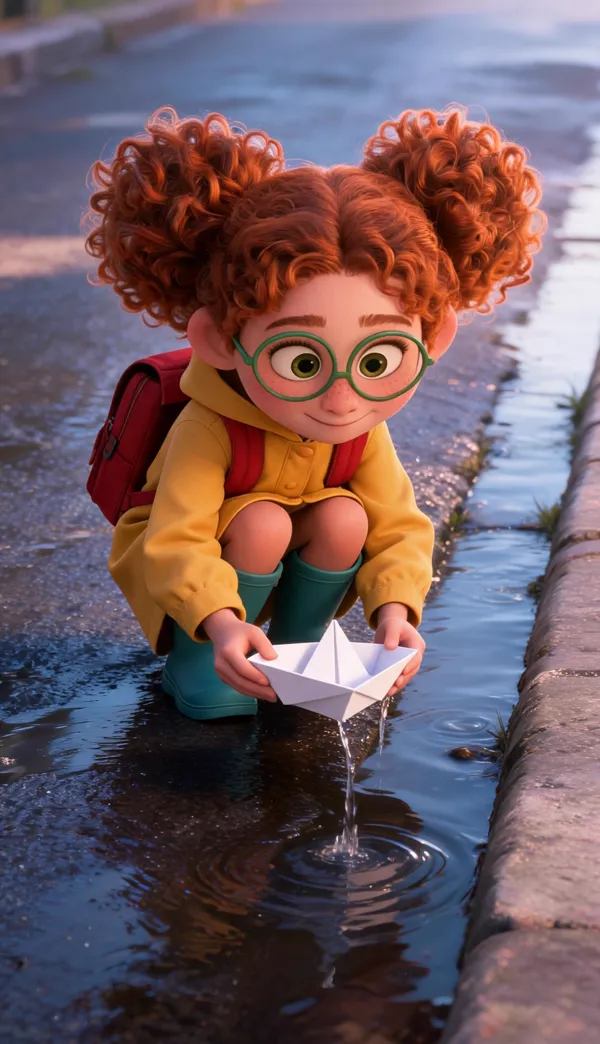
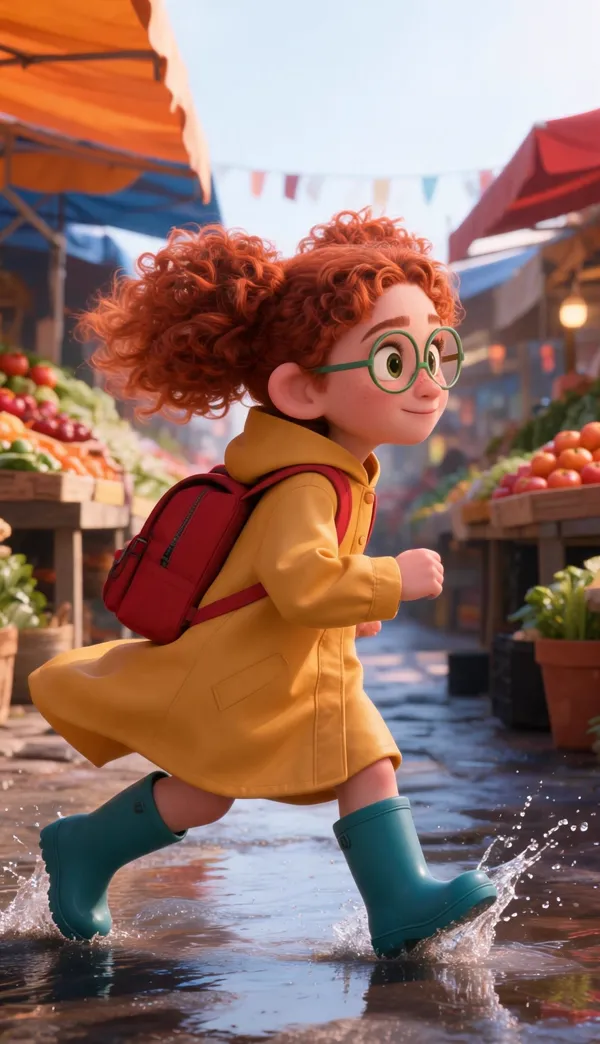
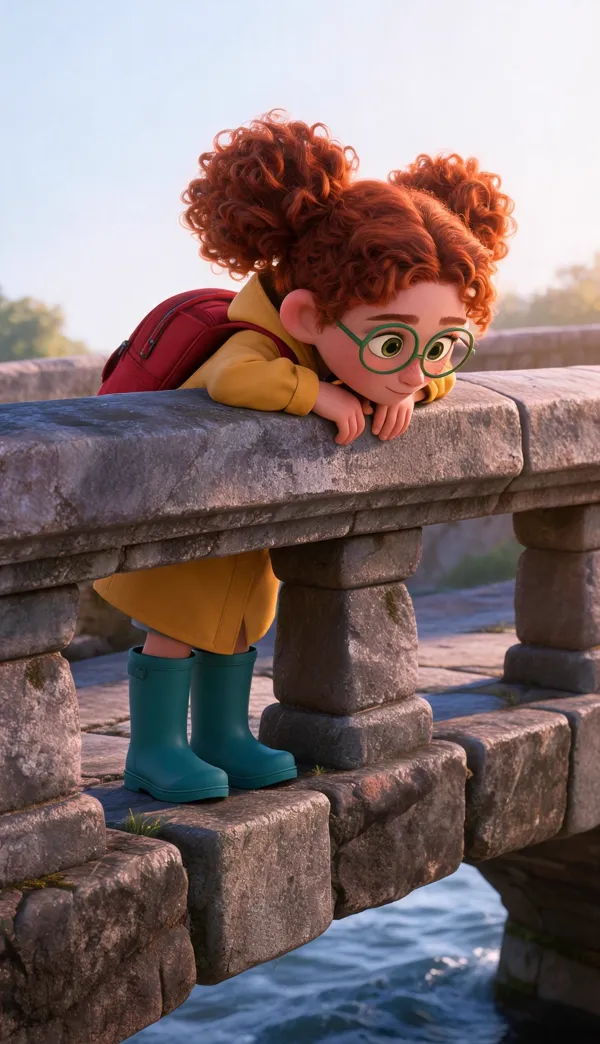
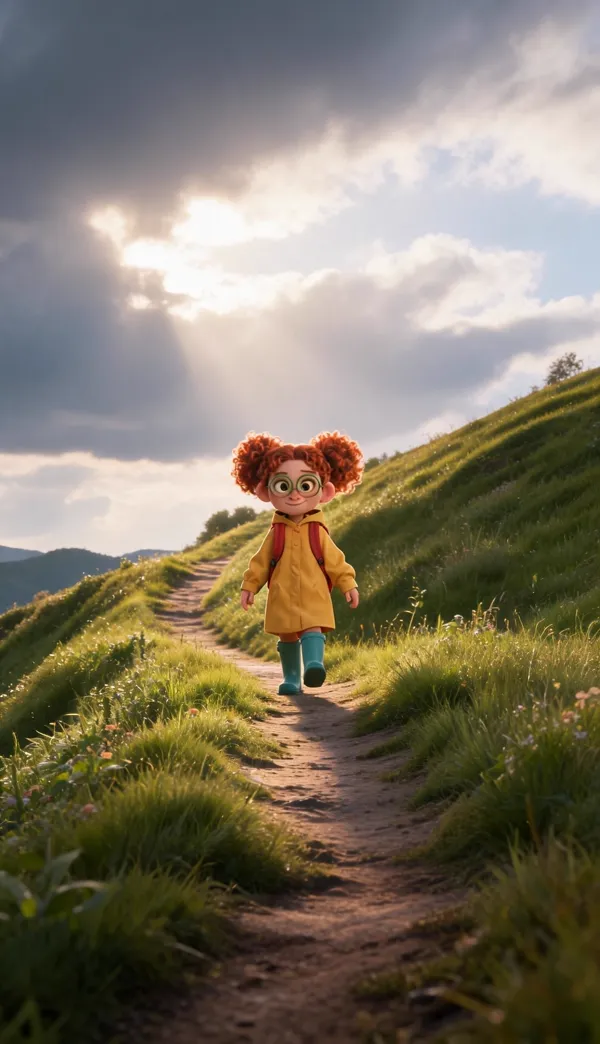
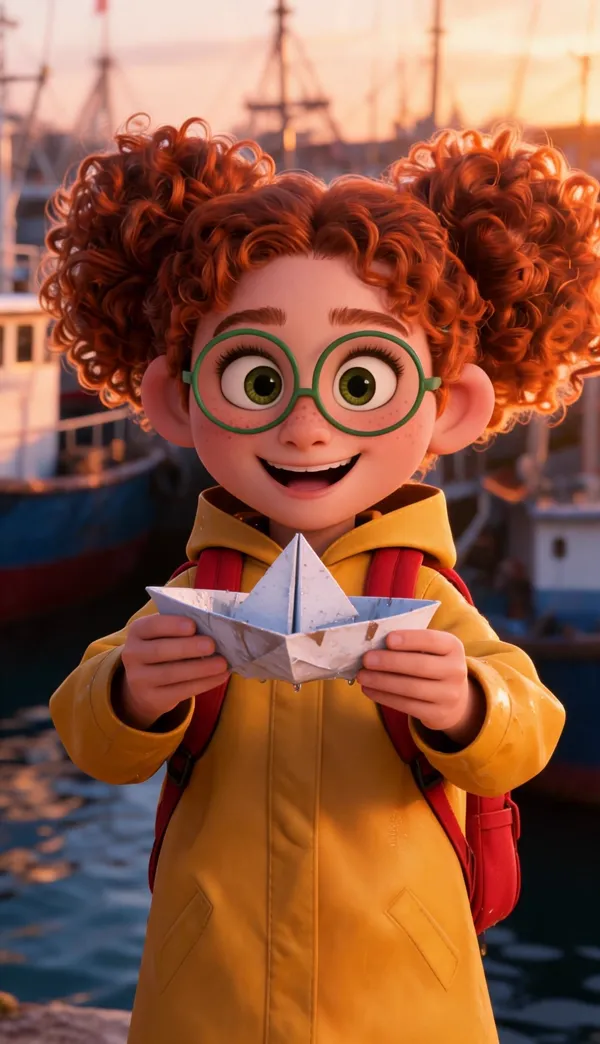
One picture of Mira, drawn from a single “Looks like” line, then six scenes of one story drawn from it in the 3D animated film look. First take, nothing retouched: the hair, glasses, raincoat, boots and backpack hold in close shots, wide shots and from the side.
How to make a story with consistent characters. Five steps.
- 1
Write or generate the script
Paste your own, or type an idea and the AI script writer drafts one in the tone and length you choose.
- 2
Choose the look
Pick one look for the whole story. Looks with the standing-figure mark draw characters from their picture.
- 3
Set the cast
Accept the characters Clippie found in the script or add your own, up to 8. Describe them, draw them or bring them in from your library.
- 4
Generate the scenes
Clippie splits the script into scenes, narrates it, and draws each scene from the pictures of the characters in it.
- 5
Fix, animate and export
Redraw any scene or any character’s scenes, animate the moments that need motion, add captions and export.
Story looks and how each keeps your characters. Pick one before you generate.
21 of Clippie’s 46 story looks, and any look you describe yourself, send each character’s picture to the scenes they are in. The rest keep the character from the written “Looks like” line. Checked 13 November 2026.
| Look family | Drawn from the character’s picture | Kept from the “Looks like” line |
|---|---|---|
| Stickman | Bare stickman, Caveman stickman, Whiteboard stickman, Doodle explainer, Painted stickman | Classic stickman |
| 3D & games | Fruit people, 3D animated film, Kids cartoon, Claymation, Toy brick, Blocky voxel | Pixar 3D, Minecraft, Lego, Low poly |
| Cartoon | None yet | Creepy cartoon, Polished cartoon, 90s Disney, Dark cartoon, Bright creepy cartoon, Bright dark cartoon, Vibrant cartoon, Adult cartoon, Simpsons, Corporate satire, Whiteboard |
| Illustrated & anime | Soft anime, Storybook, Editorial | Studio Ghibli, Cute anime |
| Comic | Noir ink | Comic realism, Comic book, Dark comic, Black & white comic |
| Realistic & cinematic | Cinematic, History documentary, True crime, Ancient epic, Phone photo, Vintage film | Ultra realistic, Film still, 18th century |
In the look gallery, looks that use character pictures carry a standing-figure mark, and the “Use character pictures” filter lists only those.
Writing a story that keeps its characters. What to do in the script.
The cast does most of the work. A few habits in the script make sure every scene is matched to the right character.
Name the hero, and use the name
Scenes are matched to characters by what the narration says. A script that introduces “Mia” and then calls her “she” for ten sentences gives the middle scenes nothing to match. Use the name once per beat, or type @ and pick the character so the link is explicit. The narrator reads “@Mia” as “Mia”.
If the script uses other words for someone, such as “the old man” for Tomas, add them when Clippie suggests the character. They are saved as aliases, and scenes that never say the name still draw the right person.
Keep the cast small
A story can hold 8 characters, but two or three is easier to follow at phone size and easier to keep distinct. Give each one a different silhouette or colour so the viewer can tell them apart in a wide shot.
Crowds and extras count too. If your hero is a stickman and so are the villains, add the villains as a group with their own look. Otherwise every figure is drawn like the hero.
Characters who are heard but not seen
A first-person narrator, a voice on the radio or a monster you never show should not be drawn at all. Add them to the cast and switch on “Keep off screen”. You can say what the viewer sees in their place, such as “a shadow under the door”, and no stand-in figure appears.
Changing your mind after the story is drawn
You do not have to get the cast right first time. Add a character or change one after the story is generated, and Clippie lists the scenes that mention them and redraws only those. A single scene can also be regenerated with a different instruction while keeping the characters’ pictures, and “Redo pictures” redraws the whole story in a new look, with the described characters redrawn to match.
A story editor that remembers who is in it. Everything in one place.
Characters found in your script
Clippie reads the script and suggests the recurring characters and groups, with the other words the script uses for them, so “the grey figures” are still drawn as your zombies.
Described is enough
Write what a character looks like and skip the drawing. When the story is generated, Clippie draws their picture in the story’s look first, then draws the scenes from it.
One picture, every scene
Each character has a picture. On 21 looks, every scene the character is in is drawn with that picture as its reference, so the face, outfit and proportions come from one source.
@mentions in the script
Type @ and pick a character. The scene knows exactly who it is about, and the narrator reads the name as a normal word.
Keep someone off screen
A narrator, a ghost or a voice on the phone can be named in the script without ever being drawn, or shown as something else, like a soft glowing light.
Fix one character, not the whole video
Add or change a character after the story is generated and redraw only the scenes they are in. Every other scene stays exactly as it was.
Frequently asked questions.
How do I make an AI story video with the same character in every scene?
Add the character to the story’s cast before generating. In Clippie, open AI Story, pick a look with the standing-figure mark, add the character with a name and a “Looks like” line, and generate. Their picture is drawn once and used as the reference for every scene they appear in.
Do I have to draw the characters myself?
No. Describe them and Clippie draws each one in the story’s look when the story is generated. You can also draw them yourself first to approve the design, upload a picture, or pick ready-made characters from the library.
Will Clippie find the characters in my script?
Yes. Under the script it suggests the recurring characters and groups it found, each with a look written for the story’s style. Add the ones you want with one click and edit them like any other character.
Is the character identical in every single scene?
Close, not guaranteed. A reference picture steers the drawing far more than a text description does, and the main traits (head shape, hair, outfit, colours) normally hold from scene to scene. Small details such as a logo or the exact number of buttons can still vary, so look through the scenes before you animate. A scene that drifted can be redrawn on its own without touching the others.
Which looks use character pictures?
21 of the 46 story looks, plus any look you describe yourself: Stickman: Bare stickman, Caveman stickman, Whiteboard stickman, Doodle explainer and Painted stickman. 3D & games: Fruit people, 3D animated film, Kids cartoon, Claymation, Toy brick and Blocky voxel. Illustrated & anime: Soft anime, Storybook and Editorial. Comic: Noir ink. Realistic & cinematic: Cinematic, History documentary, True crime, Ancient epic, Phone photo and Vintage film. They carry a standing-figure mark in the look gallery. The other looks keep characters from the “Looks like” line.
Do characters keep the same voice too?
A narrated story is read by one narrator, so the voice is the same throughout. In Characters talk, each character has their own voice and speaks their own lines on camera, and that voice is saved with them in the library.
How long can the story be?
From a 30-second Short to a long-form video. The AI script writer drafts scripts up to 10 minutes, and you can paste a longer one. The same cast is used for every scene, however many there are.
How much does it cost?
Clippie is a paid product, with plans from $19.99 a month. Characters, character pictures and scene pictures are included on a plan. The voiceover uses your plan’s voice minutes and the export uses its export minutes. Animating scenes is optional and uses AI credits, with the total shown before you start.
Guides from the Clippie blog.
How to Create AI Story Videos with Clippie AI (2026 Guide)
Learn how to create engaging AI story videos using Clippie AI. This step-by-step guide shows how to generate scripts, choose voices, create scenes, and produce faceless story videos optimized for short-form platforms.
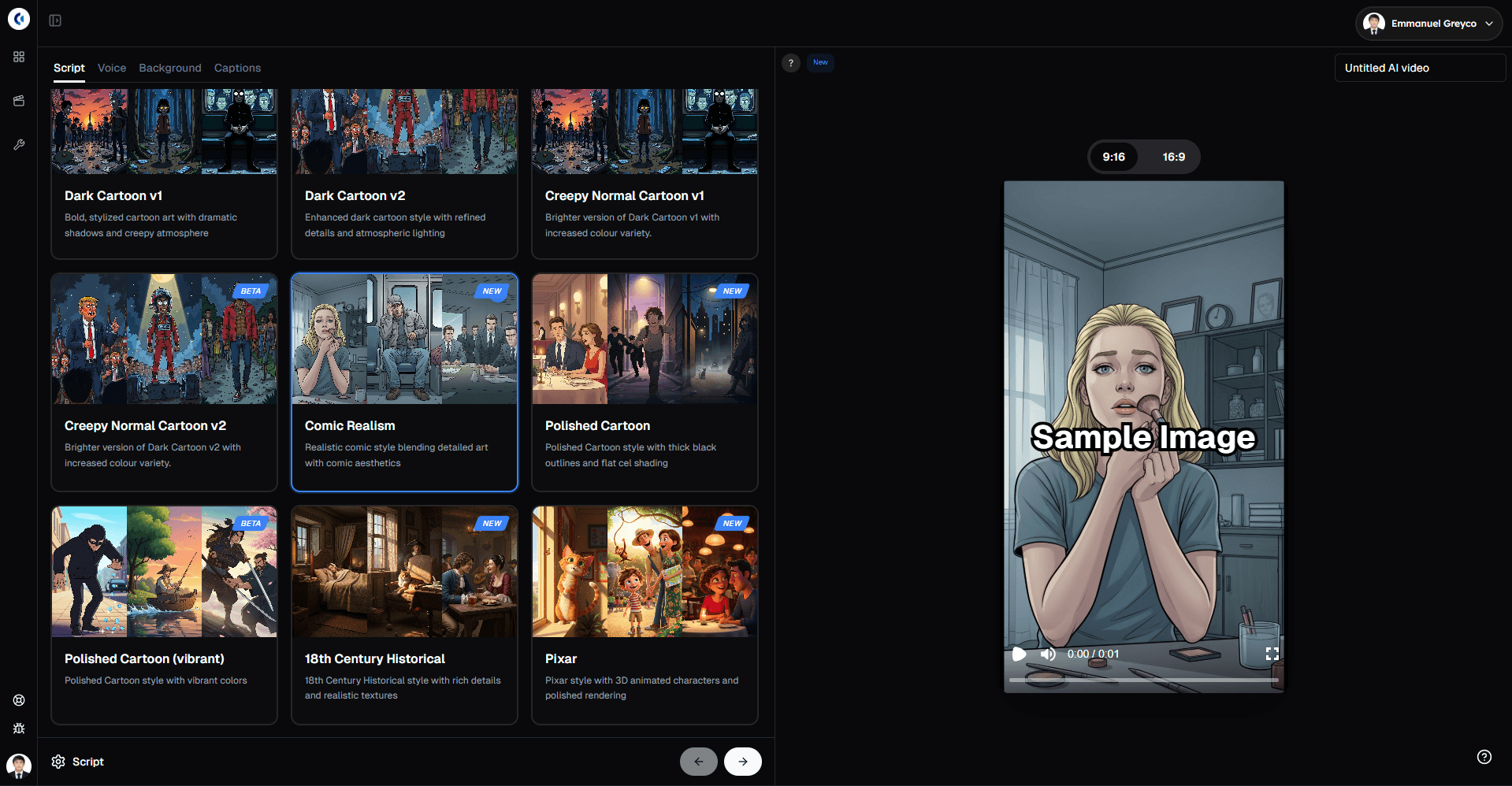
The Ultimate Guide to Clippie's AI Story Video: Create Viral AI-Generated Stories Fast
Complete guide to creating viral AI-generated story videos with Clippie. Step-by-step tutorials, art style customization, new features, and proven viral strategies for 2025.