Stickman history videos, told one person at a time.
A stick figure carries a big story well, because the events do the work. Pick an event or a period, and Clippie writes it, draws it in the setting you ask for and narrates it.
- Creators1,000,000+ and counting
- Views generatedOver 5 billion
- MonetizationCopyright safe
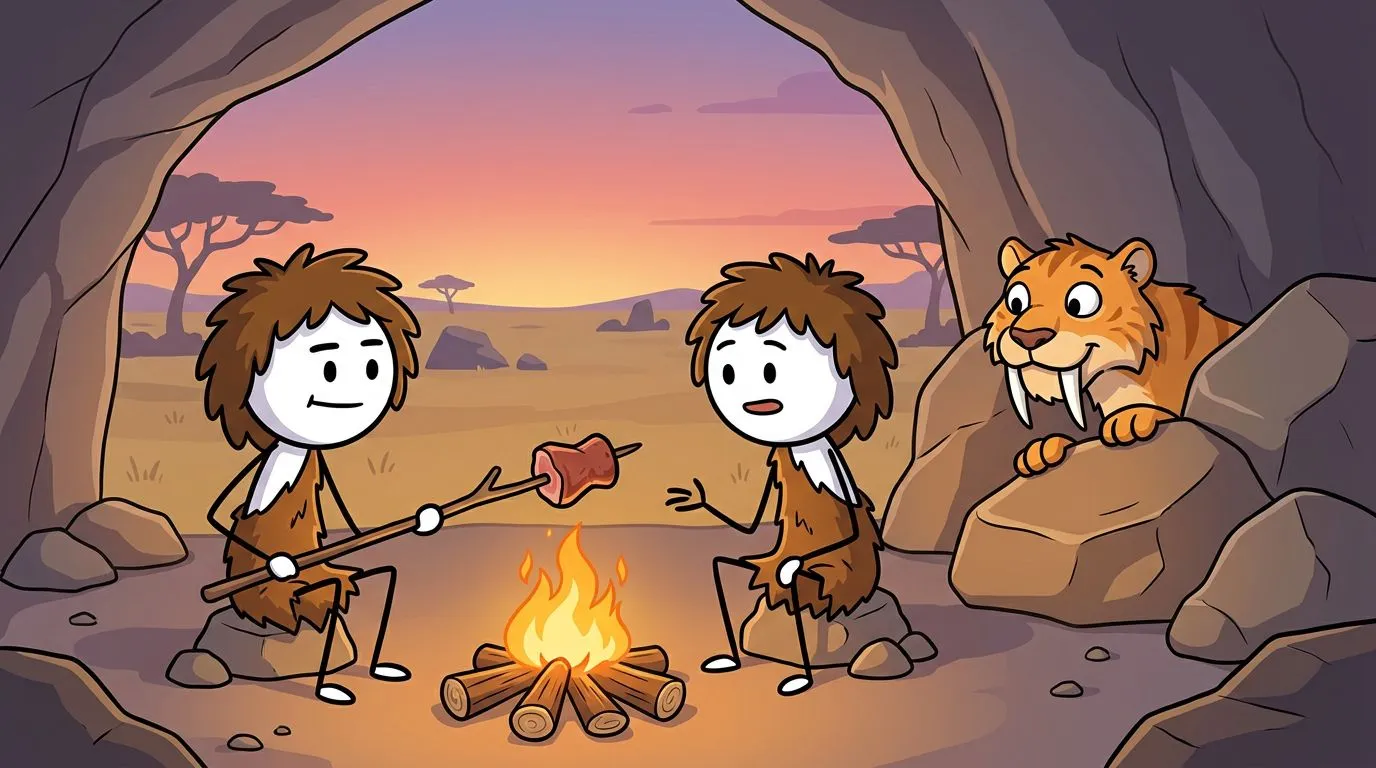
A courtroom in Classic stickman and early humans in Caveman stickman. For other periods, set the era in scene instructions.
How to make a stickman history video. Four steps.
- 1
Narrow it down to one story
“The Roman Empire” is a book. “The afternoon Rome lost an army at Cannae” is a video. Pick a person and a moment to follow.
- 2
Draft with the Historical or War theme
The Historical theme asks for real events and factual detail. War covers battles, strategy and the human cost. Or paste your own research.
- 3
Fix the era in scene instructions
“Ancient Rome, 216 BC. Roman soldiers wear red tunics and bronze helmets.” Clippie folds that into every picture.
- 4
Check the facts, then generate
Verify names and dates against a real source before you spend voice minutes. Then pick a measured narrator, generate and export in 16:9.
Which look for which history. Bare stickman wears nothing, so it depends on the costume.
| What you are telling | Stickman look | Why | Scene instruction to try |
|---|---|---|---|
| Prehistory | Caveman stickman | Fur tunics and savanna are built in | None needed |
| Empires and kings | Painted stickman | Clothes and props that fit the scene | “Ancient Rome. Senators wear white togas.” |
| Wars and battles | Painted stickman | Uniforms and weather, in moody lighting | “1916, the Somme. Mud, grey sky, British uniforms.” |
| Trials and scandals | Classic stickman | Big expressions for human drama | “Salem, 1692. Plain Puritan dress.” |
| Inventions and how things were built | Doodle explainer | One clear object per scene | “Keep the castle in the centre of every scene.” |
These are suggestions. Scene instructions take up to 2,000 characters. Check how a scene draws before generating a long video.
Getting history right. Without losing the story.
Follow one person through a big event
History on a large scale is hard to draw and easy to forget. A stick figure is well suited to the opposite: one soldier, one clerk or one queen, seen up close, while the larger event moves around them. Open on a specific moment, tell the viewer what that person does not know yet, and let the wider story arrive through them.
How to check an AI history script
The AI writer is good at shape and can be wrong on detail. Before generating, go through the draft for these:
- Names and dates: check each one against a reputable source, not another AI.
- Numbers: casualty figures and army sizes are often disputed, so say “around” or “estimates vary”.
- Quotes: cut any famous line you cannot find a source for. AI writers invent them.
- Openings: the writer may start with a startling statistic, and that is where to look first.
Sensitive subjects
War, atrocity and religion need more care than a stick figure suggests, and cartoon scenes can look flippant if the tone is off. Use the Serious voice delivery and avoid jokes unless they serve the point. A never-show rule keeps a figure off screen, such as “never show the prophet, only a soft glowing light”. Platforms have their own rules on violent content, so check them for anything graphic.
Stickman or documentary look?
Stick figures suit stories told with some warmth or humour. If you want the feel of archival stills and old film instead, Clippie’s historical documentary maker is built for that. For early humans specifically, see the ancient humans page.
Nearby topics. Pick the one closest to yours.
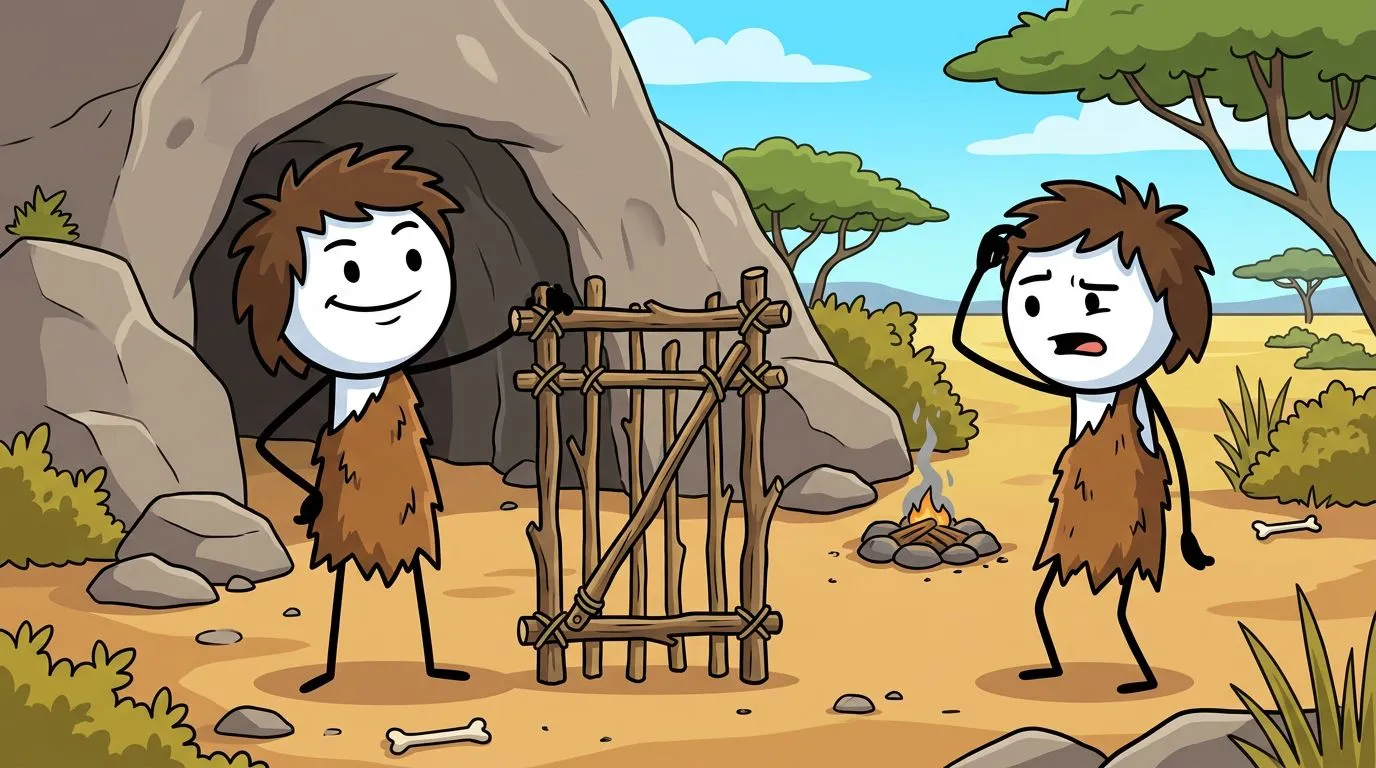 StoryAncient humans stickman videos“What did ancient humans do all day?” and “How did humans invent…?” explainers.
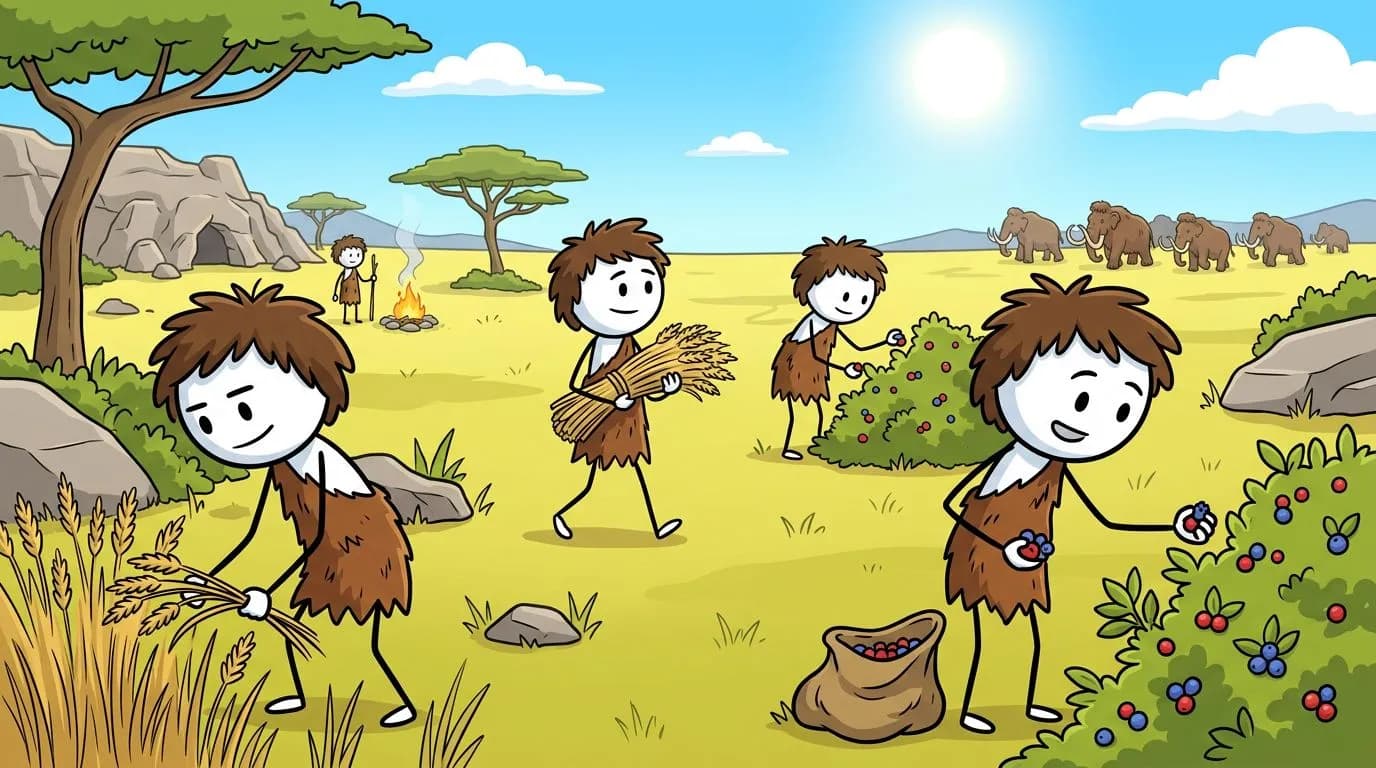 FormatVideos like Neon RushHalf-hour “how did humans invent…” stickman documentaries.
 How-toLong stickman videos10 minutes and longer, without drawing 100 scenes.
 How-toStickman YouTube videosStart a faceless stickman channel in 16:9, and what YouTube asks of it.
Built for telling the past. What the editor gives you.
Historical and War themes
Plus Mythology, Religion and Politics, which steer the writer toward that kind of story.
Rules for every scene
Scene instructions set the period, the place and the costume once, for the whole video.
Never-show rules
Keep a person off screen and show a symbol instead, which the instructions apply throughout.
A measured narrator
Set a voice to Serious or Calm, and use [pause] where a moment needs room.
Long enough for it
Draft up to 10 minutes, or paste a longer script, in chapters if you need to.
Fix one wrong scene
A helmet from the wrong century? Redraw that scene without touching the rest.
Frequently asked questions.
Which stickman look is best for history?
Painted stickman for most periods, because figures can wear clothes and carry props that fit the scene. Classic stickman suits trials and scandals, Caveman stickman suits prehistory, and Doodle explainer suits how things were built. Bare stickman wears nothing, which makes period detail hard.
Do you have samples of Roman or medieval stickmen?
Not yet, so we are not showing any. The samples here are real Classic and Caveman scenes. Periods come from your scene instructions, so try a short video first to see how your era draws before you commit to a long one.
Can I trust the AI writer on historical facts?
Not without checking. The Historical theme asks for factual detail, but AI writers can confuse dates, invent quotes and repeat myths. Check every name, date and quote against a reputable source.
How is this different from the ancient humans page?
Ancient humans videos answer everyday questions about prehistory in a fixed caveman look. This page is about recorded history: named people, dated events and periods with their own clothing.
How long should a stickman history video be?
A single event often fills 5 to 15 minutes. The AI writer goes to 10 minutes at a time, and you can paste a longer script.