
Why Auto-Edited Videos Are Becoming the New Standard for Creators
Discover why AI-powered auto-edited videos are revolutionizing content creation. Complete analysis of technology, adoption trends, and the future of automated video editing.

The content creation landscape is experiencing a fundamental technological shift as profound as the transition from film to digital cameras or from desktop publishing to web-based design. Auto-edited videos, content produced through AI-powered systems that automatically handle cutting, pacing, effects, captions, and other traditional editing tasks, have evolved from experimental novelty to emerging industry standard within just the past 18-24 months. This transformation isn't merely about tools becoming more sophisticated; it represents a complete reimagining of who can create professional video content, how quickly they can produce it, and what baseline quality audiences expect.
Traditional video editing has historically functioned as a bottleneck restricting content creation to those with either specialized technical skills acquired through years of training, substantial budgets enabling outsourcing to professional editors, or willingness to invest 3-8 hours editing per 10-minute video, time commitment that severely limits output volume and creative experimentation. This editing barrier has shaped the entire creator economy structure, determining which ideas get executed, which platforms creators can maintain presence on, which businesses can afford video marketing, and ultimately which voices reach audiences. The democratization of editing through AI automation is dismantling these barriers with profound implications.
The convergence of several technological and market forces explains why auto-editing adoption is accelerating dramatically in 2025 specifically rather than gradually evolving over decades. AI capabilities have crossed critical thresholds where automated editing quality now matches or exceeds average human editors for many content types, platform algorithms increasingly reward posting consistency that manual editing struggles to maintain, audience expectations have shifted toward valuing content frequency and substance over production complexity, and economic pressures push creators and businesses toward efficiency enabling competitive content volume. These forces compound synergistically rather than operating independently, creating the conditions for rapid widespread adoption that establishes new industry standards within months rather than years.
The Inevitability of Auto-Editing Adoption
Understanding why auto-editing is becoming standard rather than remaining niche specialty requires recognizing the fundamental economic and competitive pressures driving adoption.
The content volume arms race creates impossible demands through platform algorithms rewarding frequent consistent posting (YouTube Shorts and TikTok particularly favor daily or multiple-daily uploads), audience expectations for regular new content from followed creators, competitive dynamics where slower creators lose audience share to faster competitors, and multi-platform presence requirements demanding 3-5x content volume as single-platform strategies. Manual editing fundamentally cannot satisfy these volume demands while maintaining quality and creator sanity. Auto-editing isn't just efficiency improvement, it's enabling participation in modern content ecosystems that manual workflows make impossible.
The democratization imperative expands who can create professionally by eliminating technical skill barriers preventing non-editors from producing polished content, removing budget barriers making professional editing accessible at $0-100 monthly versus $50-200 per video for human editors, enabling rapid experimentation since failed concepts waste minutes rather than hours, and leveling playing field where small creators compete on equal production footing with established competitors. This democratization fundamentally expands total addressable creator market, millions of people with valuable expertise, perspectives, or entertainment value who were excluded from video content by editing barriers can now participate.
The efficiency economics make manual editing increasingly untenable as creator time becomes more valuable through direct revenue opportunities competing with editing time, opportunity costs of production time versus content strategy or audience engagement, team scaling economics where auto-editing enables smaller teams producing more content, and business sustainability requiring manageable production overhead rather than exhausting manual work. As creator businesses mature, the economics increasingly favor automation enabling focus on uniquely human value creation rather than mechanical technical execution.
The quality paradox reveals that auto-editing often produces better results than rushed manual work because AI maintains consistent technical standards (audio levels, caption accuracy, pacing) while fatigued humans make mistakes, exhaustion from manual editing reduces quality of creative decisions that actually differentiate content, time pressure forces cutting corners on important elements when editing consumes all available time, and systematic AI processes catch errors better than stressed ad-hoc human review. The irony is that "manual for quality" often produces worse outcomes than "automated with strategic human oversight" for time-constrained creators.
What You'll Learn in This Comprehensive Analysis
This analysis provides complete understanding of the auto-editing revolution transforming content creation, explaining the technology driving change, the market forces accelerating adoption, and the implications for creators, businesses, and the industry's future.
We'll begin by precisely defining what auto-edited videos actually are, moving beyond marketing buzzwords to understand the specific technical capabilities, distinguishing genuine automation from assisted editing, and recognizing the spectrum of automation levels available today. This definitional clarity prevents confusion about what current technology actually delivers versus speculative future capabilities.
Next, you'll discover the technology behind automatic editing including the AI systems powering automation, the specific editing tasks AI can now handle autonomously, the remaining limitations requiring human oversight, and how the technology continues advancing rapidly. Understanding these technical foundations helps you evaluate which auto-editing tools actually deliver on their promises versus those making unrealistic claims.
We'll explore why more creators are switching to AI-powered workflows through quantitative adoption data, creator testimonials and case studies, the specific problems auto-editing solves, and the workflow transformations enabling new possibilities. This section demonstrates that adoption isn't hype, it's rational response to genuine capability advances solving real creator problems.
The use cases examination shows how auto-editing serves different creator categories including individual YouTubers managing entire channels solo, brands producing marketing and social content at scale, agencies serving multiple clients efficiently, educators and trainers creating learning materials, and emerging creator categories that couldn't exist without automation. These concrete examples illustrate auto-editing's versatility across diverse content types and business models.
Finally, you'll discover the future of auto-editing including near-term technological advances emerging in 2025-2026, long-term trajectories toward more sophisticated automation, how the creator economy will restructure around automated production capabilities, and what these changes mean for your specific content creation or business goals. This forward-looking analysis helps you position strategically for changes that will reshape the industry over coming years.
By the end of this analysis, you'll have complete clarity on why auto-editing is becoming the new standard, how it will affect your content creation approach, and how to leverage these capabilities strategically for competitive advantage.
Table of Contents
What Auto-Edited Videos Are
The Tech Behind Automatic Editing
Why More Creators Are Switching to AI
Use Cases: YouTubers, Brands, Agencies
The Future of Auto-Editing
FAQs
Conclusion

1. What Auto-Edited Videos Are
Clarifying exactly what constitutes auto-editing prevents confusion between genuine automation and traditional editing with minor AI assistance.
Defining Auto-Editing Versus AI-Assisted Editing
The terminology around automated video production creates confusion requiring clear definitions distinguishing different automation levels.
True auto-editing handles complete production workflows with minimal human intervention including accepting raw footage or scripts as input, automatically identifying and executing cuts based on content analysis, applying appropriate transitions, effects, and styling, generating and synchronizing captions without human transcription, selecting and integrating appropriate music and sound effects, and producing export-ready final videos requiring minimal or no human touch-up. The defining characteristic is that AI makes substantive creative and technical decisions rather than just executing human-specified instructions. Platforms like Clippie AI represent this category by transforming scripts and rough footage into polished videos through predominantly autonomous processing.
AI-assisted editing provides intelligent suggestions within human-directed workflows including suggesting cut points that humans approve or modify, generating transcripts for manual caption placement, offering color grading presets humans select and adjust, recommending transitions humans choose to apply, and automating specific mechanical tasks like silence removal while humans handle creative decisions. The defining characteristic is humans remain primary decision-makers with AI providing tools and suggestions. Applications like Adobe Premiere Pro's AI features represent this category, powerful assistance but fundamentally human-driven workflow.
The spectrum of automation ranges across multiple levels including Level 1 (basic automation): Simple repetitive task automation like batch exporting or format conversion, Level 2 (intelligent assistance): AI suggestions requiring human approval and execution, Level 3 (supervised automation): AI handles complete workflows but humans review and modify outputs, Level 4 (autonomous automation): AI produces final outputs with humans providing only high-level direction and spot-checking, and Level 5 (fully autonomous): Theoretical future state where AI handles everything from concept to publication without human involvement. Current auto-editing tools operate primarily at Level 3-4, producing usable outputs requiring strategic human oversight rather than detailed technical intervention.
Why the distinction matters for understanding industry transformation: True auto-editing fundamentally changes production economics by reducing per-video time from hours to minutes, while AI-assisted editing provides incremental efficiency improvements. Auto-editing enables new creator categories who lack editing skills, while assisted editing makes skilled editors more efficient. Auto-editing establishes new quality baselines accessible to everyone, while assisted editing maintains advantage for those with editing expertise. The auto-editing revolution represents paradigm shift rather than incremental improvement, explaining rapid adoption and industry restructuring.
What Auto-Editing Systems Actually Do
Understanding specific capabilities clarifies what's genuinely automated versus requiring human input.
Intelligent scene detection and cutting analyzes footage identifying natural scene boundaries, detecting and removing filler words, pauses, and mistakes, cutting boring or unnecessary sections while preserving narrative flow, adjusting timing for optimal pacing based on content type, and creating logical sequences from unordered footage. This analysis replaces the hours humans spend scrubbing through timelines identifying where to cut, often the single most time-consuming aspect of manual editing.
Caption and subtitle generation handles complete text workflow through transcribing spoken content with 90-95%+ accuracy, synchronizing text to audio at millisecond precision, formatting captions for readability and platform requirements, styling text for visual appeal and brand consistency, and positioning to avoid obscuring important visual elements. Quality AI caption generation is essentially indistinguishable from professional human transcription while being 20-30x faster.
Audio enhancement and mixing addresses technical sound quality including removing background noise and echo, balancing levels across different audio sources, applying compression and EQ for clarity and professionalism, ducking music appropriately under dialogue, and ensuring final mix meets platform loudness standards. These technical processes require specialized audio engineering knowledge when done manually but are systematic enough for AI to handle consistently well.
Visual enhancement and effects applies professional polish including basic color correction ensuring consistent appearance, exposure and white balance adjustments, applying stylistic color grading matching desired aesthetic, adding appropriate transitions between scenes, and incorporating effects, animations, or graphics enhancing presentation. While humans can achieve more nuanced results, AI color correction and effects are sufficient or better than rushed manual work for most content.
Content-aware B-roll selection and integration matches supporting visuals to primary content by analyzing narration or dialogue identifying concepts needing visual support, searching stock libraries or provided footage finding relevant visuals, cutting and arranging B-roll matching timing and pacing, and applying appropriate effects creating cohesive integrated result. This eliminates the tedious searching and arranging process consuming 30-60 minutes in manual workflows.
Music and sound effect integration enhances audio landscape through selecting appropriate background music matching mood and energy, setting volume levels supporting rather than overwhelming content, adding sound effects emphasizing key moments, and ensuring audio elements create cohesive soundscape. While humans can make more sophisticated musical choices, AI selection is appropriate for most content types particularly when humans can override selections easily.
Platform-specific optimization ensures technical compliance including formatting for correct aspect ratios (16:9, 9:16, 1:1, 4:5), adjusting duration for platform requirements or optimal performance, setting appropriate resolution and compression, embedding metadata and tags, and creating platform-optimized export files. These technical specifications are perfectly suited to automation since they're objective requirements rather than creative decisions.

What Current Auto-Editing Cannot Yet Do Well
Understanding limitations prevents unrealistic expectations and clarifies where human expertise remains essential.
Strategic creative direction and positioning requires human judgment including deciding which stories to tell or angles to pursue, determining overall narrative arc and emotional journey, establishing brand voice and personality expression, making positioning decisions about target audience and competitive differentiation, and setting goals and success criteria for content. These strategic decisions determine whether content achieves business or creative goals, AI can assist research and ideation but humans must provide direction.
Complex narrative storytelling with sophisticated structure challenges current AI including managing complex multi-thread narratives with interweaving storylines, building sophisticated dramatic tension and emotional arcs, executing callbacks and references requiring understanding entire content corpus, creating genuinely surprising or subversive narrative choices, and balancing multiple tones or perspectives coherently. While AI can handle linear straightforward narratives well, complex storytelling still benefits significantly from human creative expertise.
Brand and creative authenticity maintenance demands human oversight including ensuring content authentically represents brand values and voice, maintaining consistency with established creative vision and aesthetic, adding personal touches and examples only humans can provide, making taste-based judgments about appropriateness and tone, and recognizing when technical correctness produces emotionally wrong results. AI can implement brand guidelines but humans must establish and judge adherence to brand essence.
Context-dependent decision-making requires human understanding including navigating culturally sensitive topics appropriately, recognizing current events making certain content inappropriate, understanding audience-specific references and humor, adapting to feedback and community-specific needs, and making judgment calls on ambiguous situations. AI lacks the broader contextual awareness humans bring from living in communities and cultures.
Highly specialized or artistic content may exceed AI capabilities including cutting music videos with artistic synchronization to beats and lyrics, editing documentary content requiring investigative journalism judgment, creating avant-garde or experimental visual storytelling, executing sophisticated comedic timing and joke structure, and producing narrative cinema requiring advanced cinematography understanding. As AI advances, these frontiers shift, but highly specialized creative work currently benefits from human expertise.
Quality judgment and strategic refinement remains human domain including evaluating whether content actually achieves intended goals, determining when automated output needs human refinement, making strategic choices between multiple valid AI suggestions, recognizing when to override AI recommendations based on strategic context, and conducting final approval ensuring content meets standards and expectations. Humans remain accountable for results, requiring judgment about when to trust AI versus intervene.
The Hybrid Human-AI Workflow Model
Most effective auto-editing implementation combines automation with strategic human oversight rather than pursuing full autonomy.
The optimal division of labor assigns AI to mechanical precision tasks (captions, cutting silences, audio levels, format conversion, basic corrections) where consistency and speed matter, template and pattern implementation (transitions, effects, styling) following established guidelines, research and suggestion generation (B-roll options, music selections, title ideas) providing options for human choice, and technical compliance verification (loudness standards, platform requirements) meeting objective criteria. Meanwhile humans provide strategic direction (goals, positioning, audience, messaging), creative decision-making (narrative structure, stylistic choices, brand voice), contextual judgment (appropriateness, sensitivity, timing), quality assurance (strategic verification, final approval), and continuous improvement (analyzing performance, refining systems, updating templates).
The workflow typically follows this pattern: Humans plan content strategy, topics, and key messages. AI generates script outlines or structures based on direction. Humans refine scripts adding expertise, personality, and specific examples. Humans record footage or gather source materials. AI assembles initial edit with cuts, captions, effects, and B-roll. Humans review identifying sections needing refinement. AI implements requested changes and adjustments. Humans approve final output and publish. Both humans and AI analyze performance for continuous improvement. This hybrid approach produces better results faster than either pure human or pure AI workflows.
The efficiency multiplier from hybrid workflows comes from AI handling 70-80% of production time (mechanical tasks), humans focusing 100% of effort on 20-30% of decisions determining success (creative choices), eliminating human time waste on tasks AI handles better (precision mechanical work), enabling faster iteration through AI speed on revision cycles, and maintaining quality through strategic human oversight preventing AI mistakes. Most creators report 60-80% time reduction with maintained or improved quality through optimized human-AI collaboration versus pure manual workflows.

2. The Tech Behind Automatic Editing
Understanding the AI systems powering auto-editing clarifies why capabilities have advanced so dramatically specifically in 2024-2025.
The AI Technologies Enabling Automation
Multiple distinct AI technologies combine creating comprehensive auto-editing capabilities.
Natural Language Processing (NLP) enables content understanding through transcribing spoken audio to accurate text, understanding semantic meaning and context of content, identifying key concepts, topics, and themes, detecting emotional tone and intent, and recognizing entities (people, places, products, concepts). This language understanding enables AI to make intelligent editing decisions based on content meaning rather than just technical audio patterns. The 2023-2024 advances in large language models (ChatGPT, Claude, etc.) directly improved video editing AI by providing superior content comprehension.
Computer Vision analyzes visual content enabling scene detection identifying shot changes and visual segments, object recognition detecting people, products, and scene elements, action recognition understanding what's happening in footage, quality assessment identifying technical issues (blur, exposure, shakiness), and shot composition analysis understanding framing and visual balance. Computer vision enables AI to make visually-informed editing decisions, knowing when subjects are in frame, when important action occurs, and when visual transitions are appropriate.
Audio signal processing handles sound technical analysis through speech recognition transcribing with high accuracy, speaker diarization identifying who's talking when, emotion and emphasis detection understanding vocal tone and intention, noise classification identifying and separating speech from background sounds, and music analysis understanding tempo, genre, and emotional qualities. Advanced audio AI enables sophisticated sound mixing and enhancement that previously required specialized audio engineering expertise.
Machine learning pattern recognition learns from data to improve performance including training on millions of successfully edited videos learning effective patterns, analyzing audience retention data identifying what editing choices maintain engagement, recognizing brand-specific style patterns enabling consistent output, adapting to user preferences through feedback and corrections, and continuously improving through exposure to more data. This learning capability means auto-editing tools become more sophisticated over time rather than remaining static.
Neural network architectures provide the computational structure enabling multimodal understanding processing video, audio, and text simultaneously, attention mechanisms focusing on important elements while ignoring noise, transformer architectures enabling understanding of sequential content and context, generative capabilities creating new content (music, effects, transitions), and transfer learning applying knowledge across different content types and domains. These architectural advances from 2022-2024 specifically enabled the auto-editing capability leaps making current systems viable for professional production.
The Technical Workflows Auto-Editing Systems Execute
Understanding specific technical processes reveals sophistication of modern auto-editing.
Content analysis and understanding phase begins workflow by transcribing all audio creating searchable text, analyzing visual content identifying scenes and key moments, understanding semantic content recognizing topics, themes, and structure, detecting sentiment and emotional tone throughout content, and identifying technical quality issues requiring attention. This comprehensive analysis takes 2-5 minutes for typical 10-minute video versus the hours of human review required for equivalent understanding.
Strategic planning and assembly builds initial structure through determining optimal cutting points based on content flow, identifying boring or unnecessary sections for removal, planning pacing and rhythm appropriate to content type, selecting appropriate transition types between segments, and creating initial timeline with all elements roughly positioned. This planning replaces the mental work editors do before touching software, AI systematizes intuition about structure.
Technical enhancement and polish applies professional finish including removing filler words, pauses, and audio artifacts, balancing audio levels and applying mixing, correcting color and adjusting exposure, adding effects and transitions between scenes, and generating and positioning captions. These technical processes are systematic enough that AI often achieves more consistent results than humans would manually.
Content enrichment enhances basic edit with supporting elements through identifying moments benefiting from B-roll or visual enhancement, searching libraries finding relevant supporting footage, cutting and timing B-roll matching narration or dialogue, selecting and integrating appropriate background music, and adding sound effects emphasizing key moments. This enrichment transforms raw talking-head or screen recording content into polished professional videos.
Platform optimization and export prepares final deliverables by formatting for target platform specifications, adjusting for optimal duration and pacing, compressing appropriately for file size and quality balance, embedding captions and metadata, and creating platform-specific variations (YouTube, TikTok, Instagram) simultaneously. This final technical step often requires 20-30 minutes of manual attention but AI handles in seconds.
Iterative refinement based on feedback enables continuous improvement through analyzing which editing choices correlate with better performance, learning from user corrections and overrides, adapting to brand and style preferences over time, improving caption accuracy through vocabulary learning, and refining content understanding through contextual learning. This improvement loop means auto-editing tools become increasingly personalized and effective with continued use.
Why Auto-Editing Capabilities Advanced Suddenly
Understanding why progress accelerated specifically in 2023-2025 rather than gradually evolving over decades.
The foundation model revolution (2022-2023) provided step-change improvement through large language models (GPT-4, Claude) enabling superior content understanding, multimodal models processing text, audio, and video jointly, transfer learning enabling video AI to leverage advances from language models, scaled training on massive datasets improving generalization, and dramatic cost reductions making advanced AI economically viable for video processing. These foundational advances created new capabilities that video-specific AI could build upon.
Compute cost declines made sophisticated processing economically feasible including GPU costs decreasing dramatically through competition and scale, cloud computing enabling access to powerful processing without hardware investment, optimized algorithms requiring less computation for equivalent results, specialized AI chips (TPUs, custom silicon) improving efficiency, and widespread availability making advanced processing accessible to startups and individuals. The video processing that cost $10-50 per video in 2020 might cost $0.10-1.00 in 2025 with better quality.
Training data availability improved model quality through millions of YouTube videos providing training examples, open datasets for specific tasks (scene detection, caption accuracy), synthetic data generation expanding training sets, user feedback loops improving models continuously, and diverse content types training models handling varied scenarios. Better training data directly translates to better model performance in real applications.
Architecture innovations enhanced capabilities including attention mechanisms improving content focus and understanding, transformer models revolutionizing sequence processing, diffusion models enabling video generation and enhancement, retrieval-augmented generation improving factual accuracy, and efficiency optimizations enabling real-time processing. These technical advances from academic research rapidly transferred to commercial applications.
Commercial investment accelerated from proof-of-concept to production through venture funding flowing into video AI startups, major tech companies (Adobe, Google, Microsoft) prioritizing video AI, competition driving rapid improvement cycles, user-driven iteration based on real creator needs, and ecosystem development enabling interoperability and integrations. The combination of technical capability and commercial investment specifically in 2023-2025 created conditions for auto-editing to cross viability threshold for widespread adoption.

The Remaining Technical Challenges
Understanding current limitations clarifies development trajectory and realistic near-term expectations.
Long-form narrative understanding remains challenging for maintaining coherence across 20-60+ minute videos, understanding complex plot developments and character arcs, executing callbacks and references to earlier content, managing multiple storylines or themes simultaneously, and creating sophisticated dramatic structures. Current AI excels at short-form linear content but complex long-form storytelling still benefits significantly from human creative direction.
Artistic subtlety and taste defies systematic approaches including making sophisticated aesthetic judgments about mood and tone, recognizing when technical correctness produces emotionally wrong results, understanding cultural or subculture-specific appropriateness, executing sophisticated humor or comedic timing, and creating genuinely surprising or subversive creative choices. These taste-based decisions require cultural immersion and creative intuition that AI systems are beginning to approximate but haven't mastered.
Context-dependent adaptation challenges AI systems including adjusting to current events making certain content inappropriate, recognizing audience-specific references and in-jokes, navigating culturally sensitive topics appropriately, adapting to community feedback and evolving standards, and understanding implied context not explicitly stated. Humans bring lifetime of contextual learning that AI systems approximate through training but don't fully replicate.
Creative originality and innovation remains predominantly human domain including developing genuinely novel narrative structures or formats, creating breakthrough visual styles or techniques, innovating beyond established patterns and templates, taking creative risks with uncertain outcomes, and recognizing when to break rules for effect. AI excels at implementing and optimizing existing patterns but genuine creative innovation remains primarily human contribution.
The trajectory suggests that these limitations will gradually shrink as AI capabilities advance, but human creative direction and oversight will remain valuable for professional content creation for foreseeable future (5-10+ years). The opportunity isn't replacing human creativity with AI but rather enabling humans to focus creative energy on uniquely valuable decisions while AI handles mechanical execution and pattern implementation.

3. Why More Creators Are Switching to AI
Adoption data and creator testimonials reveal specific problems auto-editing solves driving rapid workflow transformation.
The Quantitative Adoption Evidence
Multiple data sources confirm accelerating shift toward auto-edited content.
Market research and surveys document adoption trends including a 2024 Creator Economy Report showing 67% of full-time creators using AI tools in production workflows (up from 31% in 2023), with 43% specifically using AI for video editing automation. Video editing AI market projections estimate reaching $2.8 billion by 2027 (CAGR of 34.2% from 2023), indicating massive investment and adoption. Platform data shows TikTok reporting 40% of creator videos incorporate AI editing tools in production, and YouTube estimating 35% of daily uploads utilize some form of automated editing assistance (including captions, effects, or cutting).
Tool-specific adoption statistics from leading platforms reveal rapid growth with Clippie AI reporting 400% user growth from Q4 2023 to Q4 2024 with 5 million+ videos created on platform, Descript's "Remove Filler Words" AI feature used in over 15 million videos in 2024, Runway ML reporting 2 million+ monthly active users (10x growth from 2022), and CapCut's AI features utilized in 35% of app video edits (hundreds of millions monthly). These platform-specific numbers demonstrate not just experimentation but mainstream integration into production workflows.
Creator survey data reveals motivations and satisfaction including 78% of creators using auto-editing reporting time savings of 50%+ compared to manual workflows, 68% stating they can produce 2-3x more content in same time investment, 73% reporting maintained or improved content quality after adopting AI tools, and 81% saying they would not return to fully manual editing workflows. The satisfaction and retention rates suggest genuine value creation rather than temporary hype adoption.
Demographic and vertical patterns show some variations including individual content creators (YouTubers, TikTokers) showing highest adoption at 71%, followed by brands/businesses at 64%, agencies/production companies at 58%, and traditional media/broadcast at 37%. Content type adoption varies with educational and tutorial content showing 76% adoption, social media and entertainment at 72%, marketing and promotional at 69%, news and informational at 54%, and artistic/cinematic content at 31%. These patterns align with expectations, content types where production volume and efficiency matter most show highest adoption, while highly artistic content maintains human-centric workflows.

The Problems Auto-Editing Solves
Specific pain points driving creator migration toward automated workflows.
The time compression problem creates impossible demands through platform algorithms requiring frequent posting (daily or multiple daily for short-form), multi-platform presence expecting 3-5x content volume, limited production time competing with strategy, engagement, and other business needs, and burnout from manual editing consuming 50-70% of production time. Creators report that manual editing time was the single biggest bottleneck preventing them from executing their content strategies, auto-editing directly eliminates this constraint enabling previously impossible posting frequencies.
The skill barrier problem excludes many valuable voices including subject matter experts with valuable knowledge lacking video editing skills, entrepreneurs and business owners without time to develop editing expertise, educators and trainers focused on teaching not production, community leaders and advocates with important perspectives but no technical skills, and emerging creators deterred by steep learning curves. Auto-editing democratizes professional production enabling people to create content based on expertise or perspective rather than technical editing capabilities.
The cost barrier problem prevents many from competing through professional editors costing $50-200 per video ($600-2,400 monthly for 3 weekly videos), full-time editor salaries ranging $40,000-80,000 annually plus benefits for in-house staff, software subscriptions and training requiring $1,000-3,000 annual investment, and equipment and infrastructure for editing (powerful computers, monitors) adding $2,000-5,000 upfront. Auto-editing platforms typically cost $50-200 monthly enabling professional production at fraction of human editor costs, fundamentally changing production economics particularly for individual creators and small businesses.
The consistency problem challenges manual workflows through variable human performance based on energy, mood, and circumstances, difficulty maintaining output during illness, vacation, or personal challenges, quality variations between videos depending on available time and attention, and sustainable pace limits preventing scaling beyond personal capacity. Automated systems provide consistent quality regardless of circumstances, enabling reliable production schedules and quality standards that manual workflows struggle to maintain long-term.
The experimentation problem limits learning and growth since high manual editing time investment makes testing expensive, causing reluctance to try new formats or approaches when each requires hours of work, limiting iteration cycles learning what works taking months rather than weeks, and preventing rapid response to trends when production takes days per video. Auto-editing's speed enables rapid experimentation testing multiple approaches quickly, learning from data rather than intuition, and adapting to trends while still relevant. This experimentation velocity accelerates creator growth and adaptation.
Creator Testimonials and Case Studies
Real creator experiences illustrate transformation in concrete terms.
Educational content creator case study - James Chen, educational technology YouTuber with 850K subscribers, reports: "I was manually editing 3 videos weekly, spending 12-15 hours on editing alone. I couldn't maintain the consistency my audience expected while also researching content, engaging with comments, and managing sponsorships. After implementing Clippie AI, my editing time dropped to 3-4 hours weekly for same output, freeing 10+ hours for strategic work. Within 6 months I scaled to 5 videos weekly without increasing time investment, and my channel growth accelerated 40% through increased consistency." The quantitative impact: 67% time reduction, 67% output increase, 40% growth acceleration, transformative rather than incremental.
Social media agency case study - Sarah Martinez, owner of 8-person social media agency serving 25 clients, explains: "We were bottlenecked by video editing capacity. Each client needed 8-12 video assets monthly, requiring 1.5-2 editor FTEs just keeping up with demand. After implementing auto-editing workflows, our editing time per video dropped from 45-60 minutes to 12-15 minutes. We absorbed 40% more client load without hiring additional editors, dramatically improving unit economics. Our client satisfaction improved because we could iterate faster responding to feedback and trends." The business transformation: 70-75% time reduction enabling 40% revenue growth with same team, fundamentally changing business scalability and profitability.
Independent content creator case study - Marcus Johnson, fitness and wellness creator across YouTube, Instagram, and TikTok with combined 400K followers, shares: "As a solo creator managing everything myself, I was drowning. Between filming, editing, community management, and actually training clients, I was working 70-80 hour weeks and approaching burnout. Auto-editing was literally career-saving. I went from 8-10 hours weekly editing to 2-3 hours, mostly just reviewing and approving automated outputs. This freed time for client work that actually generates revenue and for personal health that prevents burnout. I'm producing more content with better work-life balance." The sustainability impact: 75% editing time reduction enabling sustainable long-term career versus burnout trajectory.
Brand marketing team case study - Lisa Thompson, video content manager at mid-size B2B SaaS company, reports: "Our team of 3 was struggling to maintain video presence across multiple channels. We needed educational content, product updates, customer testimonials, social clips, and more, the volume was overwhelming. After implementing auto-editing, we scaled from producing 8-10 videos monthly to 25-30 without team expansion. The AI handles mechanical editing while we focus on strategy, messaging, and brand consistency. Our video engagement improved 35% through increased posting frequency even though individual video production became more efficient." The scaling impact: 3x output increase enabling comprehensive video strategy that was previously impossible with limited team bandwidth.
The Competitive Pressure Dynamic
Auto-editing adoption creates feedback loops accelerating further adoption across creator communities.
Early adopter advantages compound over time through higher posting frequency improving algorithmic distribution and channel growth, ability to capitalize on trends faster than manual-workflow competitors, capacity for experimentation discovering successful approaches quickly, and time freed for strategic work improving content quality where it matters. Early adopters gain audience and revenue leads that later adopters struggle to overcome.
The catch-up imperative forces adoption among slower movers as audience expectations shift toward frequent consistent content that manual editing struggles to provide, algorithms favor posting consistency that automated workflows enable, competitive content volume continues increasing raising baseline requirements, and efficiency gaps translate directly to revenue and audience disparities. Creators watching competitors scale through automation face strong pressure to adopt or accept being out-competed.
The new baseline establishment raises industry standards since audiences come to expect professional captions, polish, and production across all content, platforms may adjust algorithms assuming creator access to efficient tools, brand partnerships may require faster turnaround and higher volume than manual editing allows, and staying competitive requires matching industry production capabilities. As auto-editing becomes standard, not adopting becomes active disadvantage rather than neutral choice.
Network effects accelerate adoption through creators sharing efficiency strategies and tool recommendations, platforms integrating auto-editing making it default workflow, education and training incorporating AI-assisted workflows as standard practice, and younger creators entering market with AI-first workflows never learning manual approaches. These dynamics suggest adoption will continue accelerating rather than plateauing.

4. Use Cases: YouTubers, Brands, Agencies
Different creator categories benefit from auto-editing in distinct ways revealing technology's versatility.
Individual YouTubers and Content Creators
Solo creators gain leverage previously requiring teams.
Tutorial and educational creators benefit enormously from auto-editing through high content volume requirements making manual editing unsustainable, straightforward linear content structure well-suited to automation, value proposition based on information rather than production artistry, and audience prioritizing learning outcome over production complexity. Screen recording tutorials particularly benefit since AI can automate cutting, captioning, and basic enhancement enabling 3-5x content output. Example: Programming tutorial creators producing daily 10-15 minute videos teaching specific concepts, volume impossible without efficient editing workflows.
Gaming and entertainment creators leverage automation for maintaining competitive content volume through daily uploads or multiple-daily shorts maintaining audience engagement, highlights and compilation content assembled from longer gameplay sessions, reaction and commentary content where personality matters more than editing sophistication, and rapid response to trending games or topics requiring fast production. Auto-editing enables gaming creators to maintain presence across multiple games and formats without overwhelming editing workload.
Vlog and lifestyle creators use automation for maintaining consistent posting schedules through weekly or multiple-weekly vlogs requiring reliable production capability, daily shorts or clips extending content across platforms, behind-the-scenes and casual content where raw authenticity matters more than polish, and travel or event coverage where production speed enables sharing content while still relevant. Many lifestyle creators report auto-editing freed them from "laptop vacation syndrome" where travel required bringing editing equipment and spending evenings editing.
Commentary and analysis creators accelerate opinion and reaction content through timely response to news, trends, or viral events requiring rapid production, compilation and critique content assembling examples and evidence, debate and discussion content where pacing and captions matter more than visual complexity, and multiple platform presence requiring varied content formats and durations. Auto-editing enables same-day or next-day response to developing stories impossible with manual editing requiring days per video.
Personal brand builders scale content establishing authority through educational content demonstrating expertise across topics, thought leadership maintaining visibility and influence, behind-the-scenes content humanizing personal brand, and multi-format content (long-form, shorts, clips) maximizing reach and engagement. Auto-editing enables personal brands to maintain comprehensive content presence that would require dedicated team members with manual workflows.
Brands and Business Marketing Teams
Organizations leverage auto-editing for sustainable video marketing at scale.
Social media marketing content requires consistent high-volume production including daily or multiple-daily posts across platforms (Instagram, TikTok, LinkedIn, Facebook), product showcases and features explaining offerings and benefits, customer testimonials and social proof building trust, tips and educational content providing audience value, and behind-the-scenes culture content humanizing brands. Marketing teams report auto-editing enables maintaining video-first social strategies that would require multiple full-time video editors with manual workflows.
Product marketing and demos benefit from efficient explainer production through feature announcement videos launching new capabilities, tutorial content helping customers use products effectively, comparison content positioning against alternatives, use case demonstrations showing practical applications, and update and iteration content maintaining current information. Auto-editing enables product teams to produce video content directly without relying on bottlenecked creative teams, accelerating go-to-market velocity.
Internal communications and training scales video for organizational needs including onboarding content for new employees, training and development materials, leadership communications and updates, process documentation and procedures, and culture and value content reinforcing organizational identity. Internal teams often lack video production expertise making auto-editing particularly valuable enabling departments to create necessary content without specialized skills or creative team dependencies.
Customer education and support expands video knowledge bases through FAQ videos answering common questions, troubleshooting guides resolving typical issues, best practices content optimizing customer success, feature deep-dives explaining complex capabilities, and integration tutorials connecting products with customer workflows. Support and success teams can create video content directly using auto-editing rather than waiting for creative team capacity, enabling comprehensive video knowledge bases that improve customer satisfaction and reduce support costs.
Event and announcement content captures timely marketing moments including conference and event highlights, product launches and reveals, company milestone celebrations, partnership and collaboration announcements, and seasonal or campaign content. Auto-editing enables rapid turnaround transforming event footage into shareable content same-day or next-day rather than the week+ delays typical with manual editing and creative team queues.
Agencies and Production Companies
Service providers achieve dramatically better unit economics and client satisfaction.
Social media management agencies scale client services efficiently through managing 10-50+ client accounts requiring 8-15 video assets monthly each, maintaining consistent brand voice and quality across clients, rapid iteration responding to client feedback and performance data, seasonal campaign execution across multiple simultaneous clients, and competitive pricing requiring efficient production economics. Agencies report auto-editing enables serving 2-3x more clients with same team size or dramatically improving profitability per client through reduced labor costs.
Content marketing agencies deliver comprehensive video strategies including blog post to video repurposing expanding content formats, pillar content broken into multiple shorter pieces, seasonal campaign content across channels and formats, thought leadership content for client executives, and educational content establishing client authority. Auto-editing enables agencies to pitch and deliver comprehensive video strategies that would be cost-prohibitive for clients with manual production pricing.
Video production companies augment creative services with efficiency including handling high-volume lower-complexity projects that don't justify full production team allocation, offering tiered services with automated options at accessible price points, providing rapid iteration and revision cycles during client review processes, scaling post-production capacity without proportional hiring, and maintaining profitable margins on longer-tail client work. Production companies report auto-editing doesn't replace high-end creative work but enables profitable service of mid-market clients previously uneconomical to serve.
Educational content developers create courses and training at scale through producing comprehensive course libraries with 50-200+ video lessons, updating content keeping pace with industry changes, creating micro-learning and bite-sized content for mobile platforms, producing multilingual versions with captions and voiceover, and developing specialized content for different audience segments or skill levels. Educational content developers report auto-editing transformed economics of course creation enabling much more comprehensive and frequently updated libraries than manual production allowed.
Platform and tool documentation creators maintain technical content including product tutorial libraries covering all features and use cases, integration guides connecting products with other tools, troubleshooting and FAQ video databases, what's new content highlighting updates and improvements, and onboarding sequences welcoming new users. Technical documentation teams can maintain video libraries directly using auto-editing rather than competing for creative team capacity, ensuring documentation comprehensiveness and currency impossible with manual production bottlenecks.

Emerging Creator Categories Enabled by Auto-Editing
New content types become economically viable through production efficiency.
AI-first creators building channels around synthetic content including faceless channels with AI voiceover and automated editing, compilation and curation channels adding value through selection and organization, translation and localization channels adapting content across languages and cultures, remix and commentary channels building on others' work with added perspective, and synthetic persona channels creating consistent AI-generated characters or hosts. These formats become economically viable specifically because auto-editing enables professional production without extensive technical skills or time investment.
Niche expertise channels from subject matter experts previously excluded by technical barriers including academic and research content making specialized knowledge accessible, professional skills training from industry practitioners, hobbyist and enthusiast communities sharing specialized knowledge, local and community information serving geographic communities, and advocacy and activism channels amplifying important but under-resourced causes. Auto-editing removes the editing skill and time barriers that prevented many valuable voices from creating video content, democratizing media production.
Multi-channel network operators managing channel portfolios including individuals operating 3-10+ channels across different niches simultaneously, content studios producing multiple channel brands, media companies maintaining portfolio of properties, and investment-oriented channel acquisition and operation businesses. Portfolio approaches become feasible specifically because auto-editing enables efficient production across multiple properties without proportional team scaling.
International and multilingual creators expanding global reach through translated and localized content versions, culturally adapted content for different regions, multilingual caption and voiceover production, global news and information aggregation, and cross-cultural education and exchange content. Auto-editing combined with translation AI enables individual creators to maintain genuinely global presence previously requiring international teams.
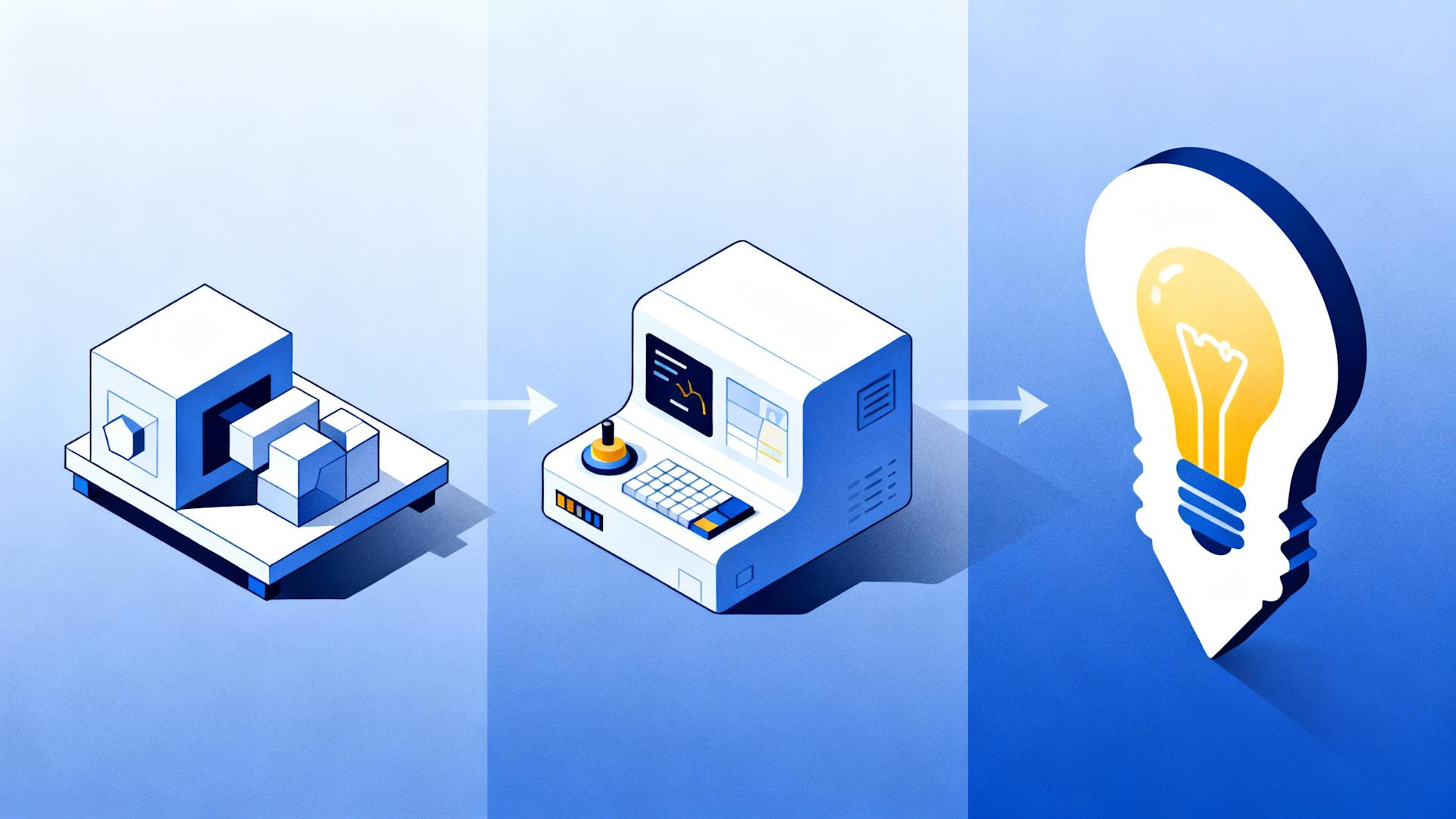
5. The Future of Auto-Editing
Understanding technological trajectories and market evolution helps creators position strategically.
Near-Term Advances (2025-2026)
Imminent capabilities emerging from current development work.
Real-time collaborative editing will enable multiple stakeholders providing input simultaneously including clients approving and directing automated edits in real-time, teams collaborating on projects without sequential handoffs, viewers participating in live content creation through suggestions and votes, and AI learning preferences through interactive collaboration rather than post-hoc corrections. This collaborative model transforms editing from solitary technical work to interactive creative process engaging all stakeholders.
Hyper-personalized content variations at scale will enable automated A/B testing creating multiple versions from single production, platform-specific optimization going far beyond current aspect ratio adjustments, audience segment customization tailoring content to viewer demographics or preferences, dynamic content updating keeping evergreen content current without re-production, and individual viewer personalization adjusting content based on viewing history and preferences. This variation capability turns single productions into multiple optimized versions maximizing performance across contexts.
Enhanced creative capabilities will expand what AI can handle autonomously through advanced narrative structure understanding enabling better story editing, sophisticated aesthetic judgment matching human taste on subtler creative decisions, improved context awareness understanding cultural sensitivity and appropriateness, emotion and engagement optimization actively designing for maximum retention and impact, and creative suggestion generation proposing novel approaches rather than just implementing patterns. These advances will blur the line between AI assistance and genuine AI creativity.
Seamless workflow integration will eliminate remaining friction between tools including unified platforms handling complete production from concept through distribution, automated handoffs between AI tools without manual export/import cycles, natural language control interfaces enabling editing through conversation rather than technical interfaces, mobile-first creation enabling professional production entirely on phones, and distributed collaboration enabling async teamwork without centralized workstations. Integration advances will make sophisticated production as simple as writing a text message.
Quality and realism improvements will approach and in some cases exceed professional human capabilities including imperceptible AI voiceover indistinguishable from professional voice actors, photorealistic AI-generated B-roll and visual assets eliminating stock footage needs, sophisticated audio mixing matching professional sound engineers, advanced color grading matching professional colorists, and cinematic effects and transitions matching Hollywood production quality. These quality advances will eliminate the remaining cases where auto-editing produces obviously inferior results to skilled human work.
Long-Term Trajectories (2027-2030+)
Transformative possibilities as technology matures further.
Fully autonomous content production may eventually handle end-to-end creation including analyzing audience data identifying content opportunities autonomously, generating scripts and outlines for topics showing demand, producing complete videos from scratch without human-recorded footage, publishing and optimizing automatically including metadata and scheduling, and iterating based on performance data continuously improving over time. While this autonomous extreme likely remains 5-10+ years away for most content types, the trajectory points toward AI systems requiring only high-level strategic direction producing complete content pipelines.
AI creative collaboration as genuine creative partner rather than just tool including generating original creative concepts and approaches rather than just implementing human ideas, proposing narrative structures and story approaches humans wouldn't think of, offering artistic direction and aesthetic choices based on deep understanding of creative principles, identifying opportunities for creative risk-taking and innovation, and engaging in creative dialogue exploring possibilities collaboratively. This evolution positions AI as creative collaborator rather than production assistant.
Democratized Hollywood-quality production makes cinematic production accessible to everyone through AI-generated photorealistic footage from text descriptions, virtual sets and environments eliminating location shooting, synthetic actors enabling any character or casting without real performers, sophisticated special effects applied automatically, and post-production polish matching big-budget productions. This democratization enables individual creators to produce content with production values currently requiring millions in budget and large technical teams.
Personalized content ecosystems where every viewer experiences optimized version including dynamic content adjusting to individual viewer preferences and watching patterns, real-time content generation creating unique videos for each viewer based on interests, interactive narratives where viewer choices determine story direction and outcome, learning experiences adapting difficulty and pacing to individual comprehension, and feedback loops continuously improving content based on aggregate viewer behavior. This personalization represents shift from broadcast model to truly individual content experiences.
The evolving creator role shifts toward strategic direction and human connection as technical production becomes fully automated including creators as strategists defining vision, positioning, and goals while AI handles execution, curators selecting and directing AI-generated content rather than producing manually, community builders focusing on authentic human connection and relationships, subject matter experts providing knowledge while AI handles presentation, and creative directors providing taste and judgment guiding AI creative partners. The future creator focuses increasingly on uniquely human capabilities, strategy, authenticity, expertise, connection, while AI handles increasingly sophisticated technical and even creative execution.
Industry Structure Transformation
How creator economy reorganizes around automated production capabilities.
Barrier elimination fundamentally expands creator population through technical skill requirements declining toward zero, production cost barriers dropping 90%+, time investment requirements decreasing 70-80%, equipment and infrastructure needs minimizing, and accessibility enabling participation regardless of resources, location, or background. This barrier elimination suggests creator population could expand 10-50x as anyone with valuable perspective, expertise, or entertainment value can participate without technical or economic constraints.
Competition intensification as production efficiency enables volume increases requiring new differentiation strategies beyond technical production quality, emphasizing authentic personality and unique perspectives AI cannot replicate, strategic positioning and audience understanding determining success, and community building creating defensible audience relationships. As production becomes democratized, success factors shift entirely to strategic and human elements rather than technical capabilities.
Value chain reconfiguration redistributes where value is created and captured including creators capturing more value previously going to editors and production teams, platforms and AI tools capturing some value through enabling infrastructure, audience attention becoming scarcer relative to content abundance, and authentic human connection and expertise becoming premium differentiators. The economic distribution shifts toward those providing strategic direction and human elements versus technical execution.
New business models emerge leveraging efficiency economics including multi-channel portfolio operations managing dozens of properties efficiently, content licensing and syndication at unprecedented scale, AI-first creator studios producing high volumes with small teams, knowledge monetization from experts previously excluded by production barriers, and hybrid models combining AI efficiency with strategic human curation. These new models fundamentally change creator economy structure and opportunity distribution.
Education and training evolution adapts to new production reality through curriculum shifting from technical editing skills to creative strategy and direction, AI-tool fluency becoming baseline requirement like computer literacy, emphasis on uniquely human skills AI cannot replicate (creativity, empathy, strategic thinking), and continuous learning adapting to rapidly evolving capabilities. Educational institutions and training programs increasingly teach "AI creative direction" rather than manual production techniques.
Ethical and Quality Considerations
Important implications requiring thoughtful navigation.
Authenticity and disclosure questions emerge including when and whether to disclose AI-involvement in production, maintaining authentic human connection despite automation, distinguishing between AI assistance and AI-generated content, establishing norms around synthetic versus human-created content, and preventing deceptive practices using AI to misrepresent reality. Industry and platforms will likely develop standards addressing these ethical considerations as technology matures.
Quality baseline shifts create new standards and expectations with professional-level production quality becoming expected baseline rather than premium offering, content evaluated primarily on substance and strategy rather than technical execution, audience expectations shifting toward higher content volume and frequency, and competition focusing on differentiation beyond production quality. These shifts potentially elevate overall content quality while intensifying competition on non-technical dimensions.
Creative homogenization risks require active mitigation through over-reliance on AI templates potentially reducing creative diversity, algorithmic optimization potentially reinforcing existing patterns rather than innovation, ease of production potentially favoring quantity over quality, and economic pressure potentially driving toward lowest-common-denominator content. Creators and platforms will need to actively cultivate diversity and innovation preventing homogenization auto-editing efficiency could enable.
Access and equity implications create both opportunities and concerns including democratization enabling previously excluded voices while potentially overwhelming audiences with content abundance, successful creators possibly leveraging automation to dominate attention more completely, economic benefits potentially concentrating among early adopters and strategic operators, and questions about whether democratization truly expands opportunity or just intensifies competition. The net impact on creator economy equality remains uncertain requiring monitoring and potential intervention.
FAQs
1. Will auto-editing replace human video editors entirely?
Auto-editing will transform but not eliminate the professional editing role, similar to how digital photography transformed but didn't eliminate professional photography. The likely evolution shows commodity editing work (basic cuts, captions, routine social content) will automate almost entirely over 3-5 years, with basic video editing skills becoming less valuable as AI handles technical execution. However, creative editorial work requiring sophisticated storytelling, artistic judgment, and strategic direction will remain valuable and may become more important as automation handles mechanical tasks. Professional editors' roles are evolving toward creative direction, brand stewardship, and AI supervision rather than technical execution, with editors becoming more productive overseeing AI systems producing multiple projects rather than manually editing single videos. The analogy to graphic design is instructive, tools like Canva democratized basic design, but professional designers remain valuable for sophisticated work requiring creative expertise and strategic thinking. Similarly, professional editors will remain essential for high-end creative content, but the volume of work requiring human editing will decline significantly as AI quality improves. Creators and businesses should view auto-editing as augmentation enabling humans to focus on high-value creative decisions rather than replacement eliminating human involvement. The economic reality is that demand for video content is essentially infinite, so even as AI handles more technical work, opportunities expand for humans providing strategic creative direction the expanding content volume requires. Junior editors may face more challenging job markets as entry-level technical work automates, but experienced editors bringing creative judgment and strategic expertise will continue finding opportunities, often at higher value since they can leverage AI tools accomplishing far more than manual workflows allowed.
2. How good is the quality of auto-edited videos compared to professional human editing?
Current auto-editing quality depends significantly on content type and specific use case, with quality ranging from exceeding human capabilities in some areas to significantly lagging in others. Areas where AI equals or exceeds human quality include caption accuracy and synchronization (95-98% with top tools matching or exceeding professional transcribers), technical audio processing like noise removal and level balancing (AI often more consistent than human engineers), basic color correction and exposure adjustment (meeting professional standards for most content), cut detection and silence removal (systematic precision), and format and platform optimization (perfect adherence to technical specifications). Areas where AI provides good results requiring minor human refinement include content assembly and initial cutting (70-80% of final result from AI with human refinement), B-roll selection and integration (AI suggests appropriate options humans finalize), music selection and sound design (appropriate choices humans can override), transition and effect application (templates applied consistently), and pacing for straightforward content (educational, tutorial, informational). Areas where human judgment remains clearly superior include complex narrative storytelling with sophisticated structure, artistic creative decisions requiring taste and cultural understanding, brand voice and personality expression requiring authentic connection, context-dependent judgment about appropriateness and sensitivity, and highly specialized content requiring domain expertise. Quantitative comparisons show audience engagement metrics (retention, engagement rates) are comparable for AI-edited versus human-edited content in educational and informational categories, with some evidence AI-edited content performs better due to consistent technical quality and optimal pacing. However, highly creative or artistic content still shows human advantage in audience perception and engagement. The practical reality for most creators is that AI-edited content meets or exceeds the quality they could achieve manually given realistic time constraints, the comparison isn't "AI versus professional human editor with unlimited time" but rather "AI versus what the creator can actually produce manually within available time." In that realistic comparison, AI typically wins because consistency, technical precision, and time-efficiency produce overall better results than rushed manual work. The key insight is viewing auto-editing as producing professional baseline quality that humans can enhance rather than as replacement attempting to match human creative ceiling.
3. What types of content are best suited for auto-editing versus still requiring primarily human editing?
Content types show dramatically different automation suitability based on structure complexity, creative versus technical emphasis, and production volume requirements. Highly suitable for auto-editing includes educational and tutorial content with linear structure and clear information focus, social media clips and shorts prioritizing speed and volume over artistic complexity, talking-head or interview content following conversational structure, screen recording and software tutorials where demonstration matters more than artistry, product demos and explainer videos with straightforward narrative, customer testimonials and case studies with template-friendly structure, news and informational content emphasizing current information over creative presentation, compilation and list videos assembling multiple examples or items, and repurposed content adapting existing material to new formats. These content types typically see 70-85% editing work automated with minimal quality compromise. Moderately suitable for auto-editing includes vlogs and lifestyle content where personality matters but production can be efficient, gaming content and highlights where volume matters more than cinematic quality, business and corporate communications with professional standards but straightforward needs, training and onboarding content requiring clarity more than creativity, podcast and audio-first video where visual elements support audio, webinar and presentation recordings capturing events and talks, and behind-the-scenes content where authentic raw footage is appropriate. These types benefit significantly from automation (50-70% time savings) but require more human creative direction. Less suitable for current auto-editing capabilities includes documentary and investigative content requiring editorial judgment and narrative sophistication, music videos needing artistic synchronization to audio, comedy and sketch content depending on sophisticated timing and structure, cinematic narrative content with complex storytelling, avant-garde or experimental creative work pushing boundaries, highly emotional or sensitive content requiring nuanced judgment, and brand flagship content where highest creative standards justify manual investment. Even these categories benefit from AI assistance on technical tasks, but creative direction remains predominantly human. The decision framework considers production volume requirements (high volume favors automation), technical versus creative emphasis (technical content automates better), audience quality expectations (educational audiences prioritize information, artistic audiences prioritize craftsmanship), available resources and expertise (limited resources favor automation), and strategic importance (flagship content may justify manual work, volume content benefits from automation). Most creators find hybrid approach optimal, auto-editing for volume content maintaining consistency, human-directed editing for flagship content deserving creative investment.
4. How much does auto-editing actually cost compared to traditional editing approaches?
The cost comparison overwhelmingly favors auto-editing across virtually all scenarios, representing one of the primary adoption drivers. Traditional manual editing costs include professional editor rates of $50-200 per video for freelance editing ($600-2,400 monthly for 3 weekly videos), full-time editor salaries of $40,000-80,000 annually plus benefits for in-house staff, software and tool subscriptions of $500-2,000 annually for professional editing software, training and skill development requiring ongoing investment, hardware and infrastructure including powerful computers, monitors, and storage ($3,000-10,000 upfront plus replacements), and opportunity cost of creator time if editing themselves (5-8 hours per video at $25-50+ per hour value equals $125-400 per video in opportunity cost). Total traditional editing costs might range from $150-500 per video for outsourcing, or equivalent in time value if editing manually. Auto-editing platform costs by comparison include comprehensive platforms like Clippie AI at $50-200 monthly for unlimited video production (amortizing to $3-15 per video at high volume), specialized tools at $10-50 monthly for specific capabilities, AI writing assistance at $20-40 monthly supporting script development, stock asset subscriptions at $15-50 monthly for footage and music, and workflow tools supporting collaboration and organization at $10-30 monthly. Total auto-editing stack costs might reach $100-300 monthly enabling production of 20-50+ videos, amortizing to $2-15 per video. The cost comparison shows 85-95% reduction in per-video costs through automation, with payback periods of under 1 month for creators previously outsourcing editing or under 3 months based on opportunity cost value for those editing manually. Beyond direct costs, auto-editing provides additional economic benefits including enabling volume increases generating more revenue from same time investment, allowing strategic focus on activities with higher economic returns, providing consistent quality reducing waste from mistakes or re-work, and enabling experimentation discovering successful approaches faster. The economics are compelling enough that resistance to adoption typically stems from concerns about quality or creative control rather than cost considerations. For businesses, the decision calculation compares auto-editing platform costs ($100-300 monthly) against either editor salary/benefits ($40k-80k+ annually) or freelance editing costs ($600-2,400+ monthly), making auto-editing economically obvious for all but the largest organizations requiring specialized creative expertise. The rare scenarios where traditional editing makes economic sense include flagship content where creative excellence justifies premium cost, highly specialized content requiring rare expertise, and large organizations with existing editor teams that can be repurposed toward higher-value creative direction rather than mechanical editing. For the vast majority of creators and businesses, auto-editing delivers 10-20x return on investment compared to traditional approaches.
5. Do I need technical skills or video editing experience to use auto-editing tools effectively?
One of auto-editing's primary value propositions is dramatically lowering skill barriers, making professional-quality video production accessible to people with zero editing experience. Current leading platforms require minimal technical prerequisites including basic computer literacy (able to use web applications and upload files), content development skills (scripting or outlining what you want to communicate), strategic direction ability (understanding your audience and goals), quality judgment (recognizing good versus poor outputs), and willingness to learn platform-specific interfaces (typically 1-4 hours for basic proficiency). Notably absent from requirements are traditional editing skills like timeline editing proficiency, understanding of cutting techniques and transitions, color grading and audio mixing expertise, effects and animation capabilities, or technical video encoding knowledge. Platforms like Clippie AI specifically design interfaces for non-editors through guided workflows walking users through content creation step-by-step, plain language controls rather than technical terminology, preview and adjustment interfaces enabling refinement without technical understanding, template libraries providing starting points, and AI suggestions guiding decisions without requiring expertise. The learning curve comparisons show auto-editing platforms require 2-8 hours of learning for basic competency producing usable videos versus 40-200+ hours for traditional editing software competency, with full proficiency achieved in 10-20 hours of practice versus 200-500+ hours for traditional editing mastery. Case studies demonstrate complete beginners producing professional-quality videos within first week of platform use. However, some skills still provide advantages when using auto-editing including content strategy and planning to maximize video effectiveness, basic visual literacy understanding composition and framing, brand understanding ensuring outputs align with positioning, storytelling ability structuring narratives effectively, and audience understanding informing tone and approach decisions. These strategic skills matter increasingly as technical execution barriers lower. The practical reality is that auto-editing democratizes the "how to produce" aspects of video creation, shifting success factors toward "what to produce" and "why it matters", strategic and creative decisions that don't require technical skills but do require audience understanding and communication ability. The typical new user journey involves producing first videos using default settings and templates learning basic platform navigation, gradually customizing settings and styles developing personal aesthetic, eventually developing sophisticated workflows and templates for recurring content types, and finally achieving expert-level efficiency producing videos in minutes. Most users report feeling comfortable producing usable content within first 3-5 videos and proficient within first 20-30 videos. The conclusion is that auto-editing genuinely delivers on the promise of making video production accessible to non-technical users, though some learning investment improves results significantly.
6. How will auto-editing affect the competitive landscape for content creators?
Auto-editing fundamentally reshapes competitive dynamics in the creator economy with both equalizing and intensifying effects. The equalizing effects include lowering barriers enabling more diverse voices and perspectives to participate, reducing advantages of well-resourced creators who could afford teams or outsourcing, enabling small creators to match production quality of larger competitors, and allowing focus on content substance and strategy rather than production capabilities. These equalizing forces suggest more competition from more diverse creators. However, intensifying effects simultaneously emerge including successful creators leveraging automation to dominate through volume advantages (posting 3-5x more frequently), early adopters building audience and algorithmic advantages before others adapt, sophisticated operators developing efficient workflows outcompeting less systematic creators, and established creators using freed time for strategic initiatives (community building, brand partnerships) rather than just more content. The net effect creates interesting dynamics where competition intensifies in some dimensions while opportunity expands in others. New differentiation factors determine success in automated production environment including authentic personality and perspective AI cannot replicate, strategic audience understanding and positioning, community building creating loyal engaged audiences, unique expertise or creative vision providing genuine value, and systematic optimization continuously improving performance. Technical production quality becomes baseline expectation rather than differentiator. The strategic implications suggest creators should embrace automation early gaining volume and experimentation advantages, invest freed time in strategic differentiation (authentic connection, unique expertise, community building), develop systematic approaches to content strategy and optimization, and recognize that competing on production quality alone becomes less viable as quality baselines rise. The market structure evolution may see bifurcation into mass market content competing on volume and consistency enabled by automation, and premium specialized content competing on unique creative vision or expertise, with less viability for middle-market content competing primarily on production quality that automation democratizes. Geographic democratization may emerge as creators anywhere globally can produce professional content without expensive local infrastructure or talent. Language barriers diminish as AI-powered translation and localization enable global reach. Niche and specialized content becomes more viable as efficient production enables serving smaller audiences profitably. The overall conclusion is that auto-editing increases both opportunity (more people can create professionally) and competition (more professional content competing for attention), requiring strategic thinking about differentiation beyond just production quality that technology democratizes.
7. What should I look for when evaluating auto-editing platforms and tools?
Selecting appropriate auto-editing tools requires evaluating multiple dimensions beyond just features lists. Output quality assessment includes reviewing example videos platform produces across your content type, testing with your actual content during free trials (most platforms offer 7-14 day trials), comparing AI-generated captions for accuracy (should be 90%+ accurate), evaluating audio enhancement and mixing quality, and checking whether color correction and visual polish meet your standards. Quality varies significantly across platforms despite similar feature claims. Ease of use evaluation involves assessing whether interface feels intuitive for your skill level, measuring actual time required to produce videos (not just claimed time savings), determining whether workflow matches your natural content development process, evaluating whether customization and refinement is straightforward, and confirming whether learning curve fits available time for training. Some platforms optimize for complete beginners while others assume more sophistication. Feature completeness verification confirms platform handles all your requirements including caption and subtitle generation capabilities, audio enhancement and mixing, B-roll and stock footage integration, music and sound effects libraries, platform-specific optimization for your targets (YouTube, TikTok, Instagram, etc.), batch processing if producing high volumes, template and preset systems for efficiency, collaboration features if working with teams, analytics and performance tracking, and export options matching your needs. Missing critical features forces cobbling together multiple tools. Cost and pricing structure analysis examines monthly or annual subscription costs, whether pricing scales with usage or is unlimited, what limitations exist at different tiers, total cost of ownership including complementary tools needed, and comparison against traditional editing costs. Ensure pricing sustainability for your production volume. Platform reliability and support considerations include checking platform uptime and performance stability, evaluating processing speeds and rendering times, confirming data security and privacy practices, assessing customer support responsiveness and quality, reviewing update frequency and feature development velocity, and researching company stability and likely longevity. Integration and workflow fit evaluates compatibility with tools you already use, export format flexibility, whether platform fits your specific content type and style, scalability as your needs grow, and whether you can migrate content and templates if switching later. The evaluation framework prioritizes output quality first (poor quality videos aren't worth any efficiency), ease of use second (tools you don't actually use provide zero value), completeness third (missing features force tool-switching eliminating efficiency benefits), cost fourth (usually favorable compared to alternatives), and ecosystem fit fifth (integration and compatibility). Practical evaluation should involve testing multiple platforms with your actual content types during free trial periods rather than relying solely on marketing materials or third-party reviews since optimal choice depends on your specific content types, workflows, and preferences.
Conclusion
Auto-edited videos have transitioned from experimental novelty to emerging industry standard within remarkably compressed timeframe of 18-24 months, driven by convergence of technological maturity, market forces, and changing creator economics. This shift represents paradigm change rather than incremental improvement in video production, fundamentally altering who can create professional content, how quickly they can produce it, what baseline quality audiences expect, and how creator economy competition and opportunity distribute.
The technological foundation enabling this transformation combines multiple AI capabilities, natural language processing understanding content semantically, computer vision analyzing visual elements intelligently, audio signal processing handling sound technically, and machine learning continuously improving through exposure to data. These technologies crossed critical quality thresholds in 2023-2024 where automated editing outputs match or exceed average human editors for many content types, particularly educational, tutorial, informational, and social media content dominating modern platforms. The 95%+ caption accuracy, professional audio enhancement, appropriate cutting and pacing, and platform optimization that current AI tools provide represents genuinely professional quality rather than barely-acceptable compromise.
The market forces accelerating adoption create compounding dynamics making auto-editing increasingly inevitable. Platform algorithms reward posting consistency that manual editing struggles to maintain. Multi-platform presence requirements demand 3-5x content volume compared to single-platform strategies. Audience expectations shift toward valuing frequent substantive content over production complexity. Competitive pressures favor creators who can experiment rapidly learning what works while manual-workflow competitors remain stuck producing slowly. These forces operate independently but reinforce each other, creating accelerating adoption curves rather than gradual linear growth.
The real-world adoption evidence confirms auto-editing has crossed from early adopter experimentation to mainstream integration, with 67% of full-time creators now using AI tools in production workflows, 43% specifically using automated editing, and satisfaction rates exceeding 80% among adopters. The quantitative time savings of 60-80% consistently reported across creator categories, combined with maintained or improved content quality, demonstrate genuine value creation rather than temporary hype. The testimonials from individual creators, brands, and agencies describe not incremental improvements but transformative changes enabling previously impossible posting volumes, business scaling, or work-life balance.
The diverse use cases across individual YouTubers maintaining multiple channels, brands executing video-first marketing strategies, agencies serving multiple clients efficiently, educators creating comprehensive course libraries, and emerging creator categories that couldn't exist without automation demonstrate auto-editing's versatility across content types and business models. This broad applicability suggests the technology will permeate content creation universally rather than remaining confined to specific niches.
The Fundamental Reshaping of Creator Economics
Auto-editing's most profound impact extends beyond just efficiency improvements to fundamentally restructuring creator economy economics and competitive dynamics. The democratization of professional production makes participation accessible based on expertise, perspective, or entertainment value rather than technical skills or financial resources. The millions of potential creators previously excluded by editing barriers can now participate, dramatically expanding total creator population and content volume.
The competitive intensity simultaneously increases as production efficiency enables higher volumes from existing creators while barriers lower enabling new entrants. Success factors shift decisively toward strategic elements, authentic personality and perspective, audience understanding and positioning, community building and engagement, unique expertise or creative vision, and away from technical production capabilities that automation democratizes. This shift potentially benefits creators with genuine substance over those competing primarily on production polish.
The economic distribution changes as value previously captured by editors and production teams shifts partially to creators producing efficiently, partially to platforms and AI tools providing enabling infrastructure, and partially to audiences through abundant high-quality free content. The creator middle class may hollow out as automation enables either highly efficient solo operations or scalable studio operations, with less viability for traditional small production teams competing on execution rather than strategy.
Strategic Positioning for the Auto-Edited Future
Creators, brands, and businesses should position strategically for continued rapid evolution of auto-editing capabilities. Early adoption provides compounding advantages through building audience while competitors adapt slowly, developing efficient workflows before competition intensifies, and investing freed time in strategic differentiation building defensible positions. The window for early-adopter advantages remains open in late 2025 but will close as adoption reaches saturation likely within 12-24 months.
Strategic focus should emphasize uniquely human capabilities that automation doesn't replicate including authentic personality and genuine human connection, strategic thinking about audience needs and positioning, creative vision and artistic judgment, domain expertise and unique perspectives, and community building creating relationships rather than just broadcasting content. These elements become primary differentiators as technical production becomes commodity capability.
Continuous adaptation will prove essential as AI capabilities advance rapidly, competition intensifies across all content categories, audience expectations evolve with improving baseline quality, and platform algorithms adjust to automated production ubiquity. The creators succeeding long-term will be those who view AI as enabling tool amplifying human creativity and strategy rather than replacement eliminating human involvement.
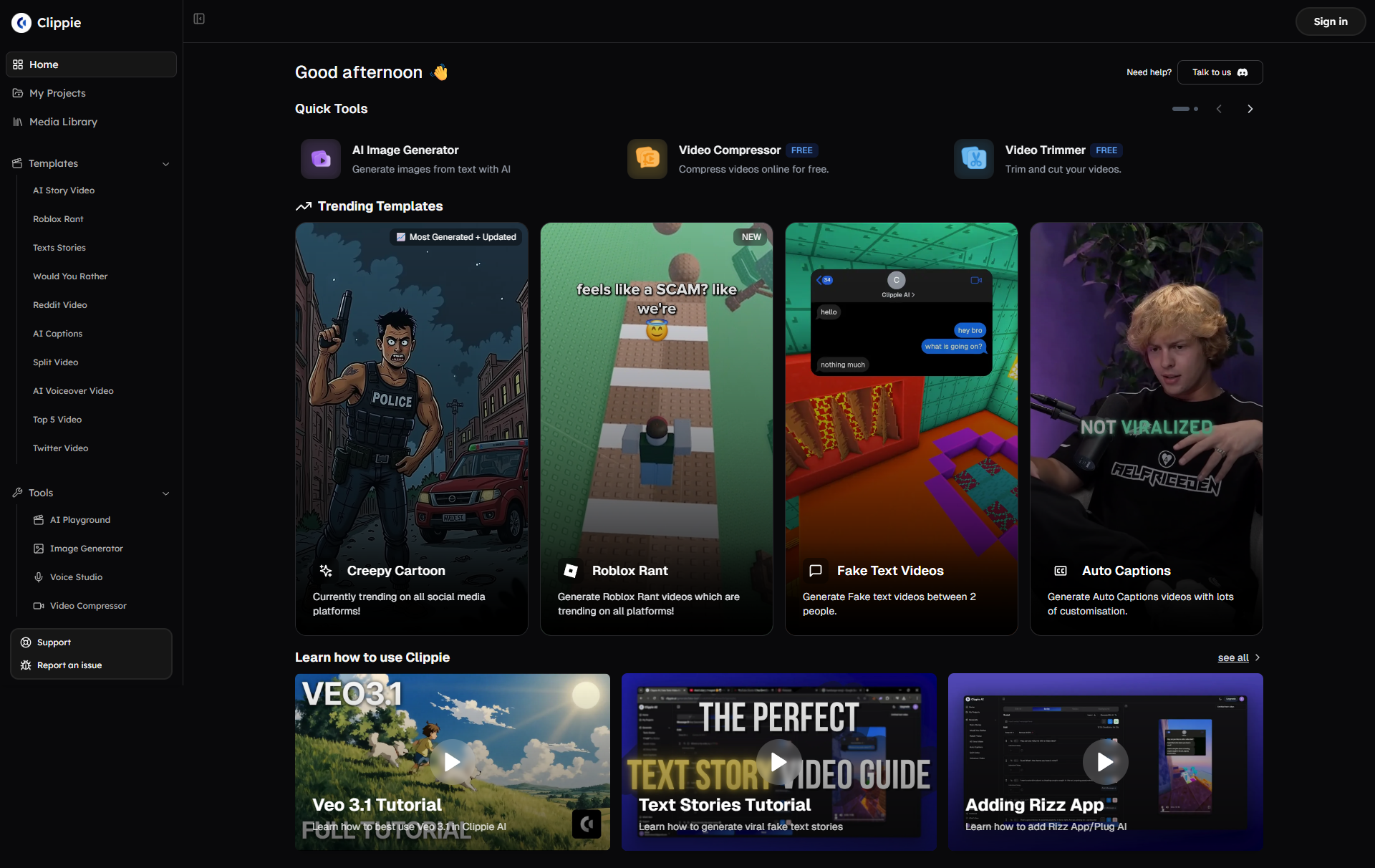
Clippie AI represents the current state-of-the-art in comprehensive auto-editing platforms, enabling professional video production at speeds and scales impossible with traditional workflows while maintaining quality that drives genuine audience engagement and business results. Whether you're an individual creator seeking efficient scaling, a brand building video-first marketing strategy, or an agency serving multiple clients, start creating with Clippie today, and experience how auto-editing transforms video production from bottleneck constraining growth into competitive advantage enabling success.
Start Your Free Clippie Trial Now and join the auto-editing revolution reshaping the creator economy. Your efficient, scalable, professional video production future starts with the workflow transformation you implement today.
Related Blog Posts
1. The Complete Guide to Choosing Video Editing AI Tools: Feature Comparison and Selection Framework: Detailed analysis of available auto-editing platforms including comprehensive feature comparisons across leading tools, workflow integration and ecosystem considerations, pricing and ROI analysis for different creator types, and decision frameworks matching tools to specific needs and content types.
2. From Manual to Automated: A Creator's Guide to Transitioning Video Workflows: Step-by-step transition guide for creators moving from manual to AI-assisted editing including workflow analysis identifying optimization opportunities, change management and skill development strategies, hybrid approaches combining human and AI capabilities, and case studies showing successful transitions across creator categories.
3. The Future of Creative Work: How AI Augmentation Is Reshaping Content Creation Careers: Broader analysis of AI's impact on creative professions including evolving skill requirements for content creators, new career paths and specializations emerging, economic implications for creative professionals, and strategies for positioning successfully in AI-augmented creative economy.
Make an AI story video
Write a script or let AI write one. Clippie turns it into a narrated video with AI scenes, voiceover and captions.
Read more

How to Make Top 5 Ranking Videos in 2026 (Step-by-Step)
Build ranking Shorts that can still earn: pick a debatable topic, set clear criteria, source clips you may use, script the countdown, add your commentary.

How to Create Short-Form Videos Using AI: 8 Steps (2026)
A beginner workflow for AI videos on TikTok, Reels and Shorts: pick a format, script a hook, add visuals, voice and captions, export at 9:16, label AI.

7 Free CapCut Alternatives for Short-Form Video (2026)
Compare Edits, YouTube Create, VN, Clipchamp, Canva, DaVinci Resolve and Shotcut: what each gives free users, what it caps first and where it falls short.