
Veo3 Explained: Google DeepMind’s AI Video Model & What It Means for Creators
Discover how Google DeepMind’s Veo3 AI video model is changing short-form content. Learn how it differs from tools like Clippie AI and what it means for creators in 2025.
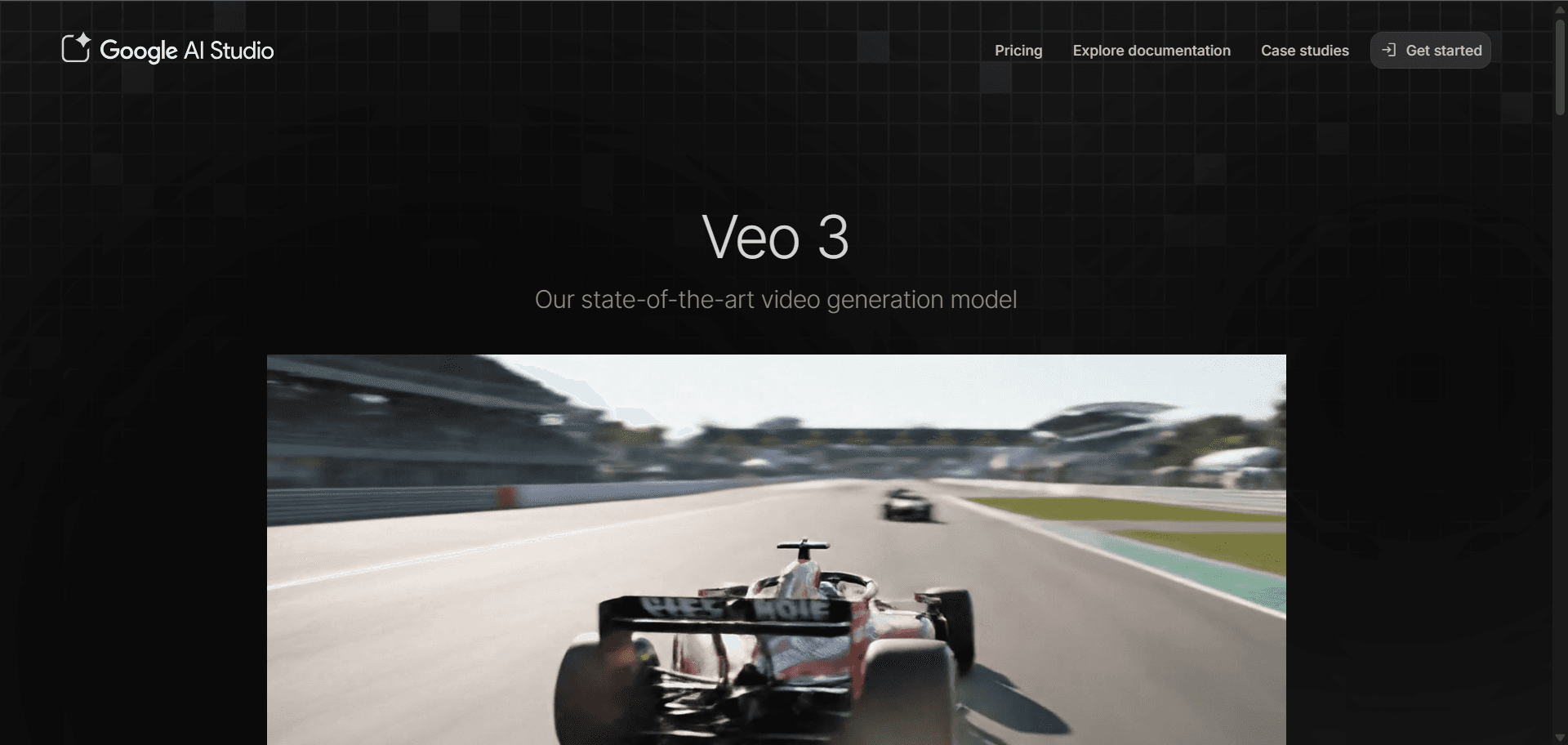
Addressing the Main Topic
Artificial intelligence has rapidly become the backbone of digital content creation, and video is at the forefront of this revolution. Google DeepMind’s latest release, Veo3, is being positioned as the next leap forward in AI-generated video. For creators who rely on TikTok, YouTube Shorts, Instagram Reels, or even faceless content on emerging platforms, Veo3 promises to redefine not just how videos are produced but also how they perform in increasingly competitive algorithms.
Why This Topic Is Relevant Today
In 2025, content consumption is at an all-time high, and the competition for attention has never been tougher. Audiences expect short, engaging, and visually stunning content. Traditional editing methods are not only time-consuming but also limited in scalability. Enter Veo3, a model that fuses Google DeepMind’s AI research with video generation at scale. For creators, understanding how Veo3 works, and more importantly, how it compares to existing tools like Clippie AI, could be the difference between stagnation and explosive growth.
Clear Definition of the Topic
So what exactly is Veo3? In plain terms, Veo3 is Google DeepMind’s third-generation AI video model. Unlike basic AI editors that automate captions or repurpose long-form content, Veo3 is capable of generating high-quality, cinematic-style videos from simple prompts. Imagine typing, “a motivational 10-second short with fast transitions and bold captions about success” and getting a finished, platform-ready video in seconds. Veo3 blends generative AI, natural language understanding, and predictive editing to craft videos that feel human-made, but at machine speed.
Overview Paragraph Summarizing the Blog
This blog will walk you through what Veo3 is, how it differs from current tools like Clippie, its potential impact on short-form platforms, and what creators can expect in the future. We’ll explore its capabilities, compare its strengths and weaknesses with existing creator-first AI tools, and provide actionable insights for anyone who wants to leverage AI in 2025. By the end, you’ll know exactly whether Veo3 should be part of your video creation toolkit or if platforms like Clippie still hold the edge for specific niches.
Table of Contents
What Is Veo3?
Differences from Current Tools
Impact on Short-form Platforms
Comparing Veo3 & Clippie
Future Predictions
FAQs
Conclusion
1. What Is Veo3?
Veo3 is Google DeepMind’s latest AI video generation model, designed to push the boundaries of AI-first video creation. Unlike earlier models (such as Veo1 and Veo2) that primarily focused on experimental outputs, Veo3 is optimized for creator-ready production. It understands prompts in natural language, generates relevant visuals, and can integrate dynamic captions, transitions, and even voiceovers.
Whereas other AI tools excel at repurposing or automating existing footage, Veo3 positions itself as a content engine, building videos from scratch or drastically enhancing raw creator footage. Its design is particularly aligned with Google’s ecosystem, meaning integration with YouTube Shorts and related Google tools is expected to be seamless.
2. Differences from Current Tools
Most current AI video tools, including Clippie AI, Submagic, Pictory, and Fliki, focus on short-form automation. For example:
Clippie AI specializes in transforming tweets, scripts, or audio into faceless short-form videos optimized for TikTok and Reels.
Submagic is known for its advanced captioning and editing templates.
Pictory and Fliki help repurpose long-form content into bite-sized highlights.
Veo3 differs because it doesn’t just automate; it creates original video content. It combines generative AI with video editing capabilities, meaning creators can build viral content without a script, footage, or prior planning. This makes it a more AI-native creation tool rather than a helper tool for human editors.
3. Impact on Short-form Platforms
Short-form video platforms like TikTok, YouTube Shorts, and Instagram Reels thrive on fresh, fast-moving content. Veo3 could change the game by giving creators the ability to produce dozens of videos per day, each tailored to trending hashtags, sounds, or themes.
For instance, a motivational niche creator could generate 20 variations of the same quote, each styled differently, to test what works best with the algorithm. A finance channel could create engaging explainer videos in minutes, while entertainment niches could churn out AI-generated skits or animations at scale.
However, the real-world impact will also depend on how these platforms respond. TikTok’s algorithm, powered by ByteDance AI, and YouTube’s Shorts recommendation system may favor AI-boosted content or penalize it if audiences feel it lacks authenticity.
4. Comparing Veo3 & Clippie
While Veo3 is revolutionary, it’s not necessarily the go-to solution for every creator. Clippie AI remains highly attractive for faceless creators who want structured automation rather than generative unpredictability.
Clippie Strengths: Perfect for niches like Reddit stories, motivational shorts, and finance facts. It offers templates, trending style packs, and SEO-friendly output that directly aligns with TikTok and Shorts.
Veo3 Strengths: Creates entirely new video concepts from scratch. More experimental, flexible, and suited to creators who want originality at scale.
Clippie Weakness: Limited when it comes to generating new storylines without existing inputs.
Veo3 Weakness: May produce videos that feel too “AI-made” unless carefully fine-tuned. Also, as a Google-backed tool, it may prioritize YouTube Shorts over TikTok or Instagram.
Ultimately, Clippie is a practical monetization tool for creators today, while Veo3 is a glimpse into the future of content creation.
5. Future Predictions
By 2026, it’s highly likely that Veo3 will integrate directly into YouTube Studio, giving Shorts creators a built-in AI production suite. TikTok will respond by leveraging BytePlus and ByteDance AI to stay ahead, possibly merging features similar to Veo3 into its editing environment.
For creators, this means a dual-tool strategy: use Clippie AI for fast, scalable, faceless content in trending niches, and experiment with Veo3 for groundbreaking creative campaigns. Brands may gravitate toward Veo3 for high-production ads, while independent creators may stick with Clippie for predictable growth.
The future is not about one tool replacing another, it’s about how these tools coexist and complement each other.
FAQs
Is Veo3 available to the public? Currently, Veo3 is in limited release with beta testing for select partners. Broader access is expected by mid-to-late 2025, with public rollout likely tied to YouTube Shorts.
How does Veo3 differ from Clippie? Veo3 generates original, cinematic-quality videos from scratch using AI prompts. Clippie, on the other hand, specializes in automating and scaling faceless short-form videos with pre-built templates optimized for virality.
Which tool is best for TikTok creators? For TikTok specifically, Clippie remains the stronger option because its outputs are designed for TikTok’s fast-paced, template-driven ecosystem. Veo3 may work better for YouTube Shorts and Google-aligned platforms.
Will Veo3 replace human editors? Not entirely. While Veo3 automates much of the creative process, human editors bring context, emotion, and brand storytelling that AI can’t fully replicate. Instead of replacement, expect collaboration.
Can I monetize AI-generated videos made with Veo3? Yes, YouTube and TikTok currently allow monetization of AI-generated videos as long as the content complies with their community guidelines. Veo3’s advanced editing could make monetization even easier by producing advertiser-friendly content.
Conclusion with Strong CTA
Veo3 represents a massive leap in AI video creation, but whether it’s the right tool for you depends on your goals. If you want to scale faceless content quickly and predictably, Clippie AI still wins. If you’re ready to experiment with next-generation, AI-first cinematic content, Veo3 could give you the edge in 2025 and beyond.
👉 Ready to stay ahead of the curve? Start experimenting with Clippie AI today while keeping a close eye on Veo3’s rollout because the future of short-form content belongs to those who embrace AI first.
Related Blog Posts
Submagic vs Clippie AI: Which AI Video Tool Actually Scales Your Views?
BytePlus & ByteDance: The AI Giants Behind TikTok’s Video Evolution
How to Generate Viral YouTube Shorts Automatically with Clippie AI (2025 Guide)
Generate it in AI Studio
Create videos with Seedance and Veo, or copy any dance onto your own character with Motion Control.
Read more

How to Make Top 5 Ranking Videos in 2026 (Step-by-Step)
Build ranking Shorts that can still earn: pick a debatable topic, set clear criteria, source clips you may use, script the countdown, add your commentary.

How to Create Short-Form Videos Using AI: 8 Steps (2026)
A beginner workflow for AI videos on TikTok, Reels and Shorts: pick a format, script a hook, add visuals, voice and captions, export at 9:16, label AI.

7 Free CapCut Alternatives for Short-Form Video (2026)
Compare Edits, YouTube Create, VN, Clipchamp, Canva, DaVinci Resolve and Shotcut: what each gives free users, what it caps first and where it falls short.