
The Ultimate Guide to Automating Your Social Media Content
Learn how to automate your social media content using AI tools. Create a month of posts in hours while maintaining authenticity and engagement.

Every content creator, entrepreneur, and brand manager faces the same exhausting reality: social media success demands relentless consistency across multiple platforms, publishing fresh content daily or multiple times daily while maintaining quality, creativity, and authentic engagement with audiences. The mathematics are brutal, if you're posting once daily across just three platforms, that's 90+ pieces of content monthly. At 30 minutes per post for ideation, creation, and publishing, you're investing 45+ hours monthly just maintaining baseline social media presence before any strategic growth initiatives.
This unsustainable workload forces an impossible choice: sacrifice content quality by rushing production to maintain frequency, or sacrifice posting consistency by investing proper time in each piece and falling behind competitors who post more regularly. Neither option leads to optimal results. Quality without consistency fails to build algorithmic momentum, while consistency without quality generates content audiences scroll past without engagement. The traditional manual approach to social media management simply cannot scale without burning out creators or requiring full-time dedicated teams beyond most individuals' and small businesses' resources.
The emergence of sophisticated AI-powered automation has fundamentally changed this equation. Modern automation goes far beyond simple post scheduling, it encompasses intelligent content creation, strategic multi-platform distribution, personalized engagement management, and performance optimization that learns from results. When implemented thoughtfully, automation enables creating an entire month of high-quality, platform-optimized content in just a few focused hours while maintaining the authenticity and personality that drives genuine audience connection.

The Automation Paradox: More Content, Better Quality
The counterintuitive truth about proper social media automation is that it typically improves rather than diminishes content quality by freeing creators from time-consuming mechanical tasks to focus on strategic creative decisions that actually determine content success. Manual content creation forces you to handle everything, ideation, writing, design, formatting, posting, and engagement monitoring, leaving little mental bandwidth for the strategic thinking that separates exceptional content from mediocre posts.
Automation handles the tedious mechanical work including formatting content for different platforms' technical specifications, resizing images and videos for optimal display across devices, scheduling posts for optimal timing across time zones, monitoring mentions and engagement for response opportunities, and tracking performance metrics identifying successful patterns. This mechanical work requires precision but not creative judgment, making it ideal for automated systems while human creativity focuses on high-value strategic decisions including understanding your audience's genuine interests and pain points, crafting messages that resonate emotionally and drive action, developing unique perspectives that differentiate your content, maintaining authentic voice and personality in all communications, and analyzing performance data to inform content strategy evolution.
The optimal workflow combines AI efficiency on mechanical tasks with human strategic direction on creative elements, creating a production process where you spend your time on activities that genuinely require human insight while systems handle everything else. This combination consistently outperforms both pure manual production (too slow and exhausting) and completely automated content without human oversight (too generic and impersonal).
What You'll Learn in This Comprehensive Guide
This guide provides the complete systematic framework for building social media automation systems that dramatically reduce time investment while maintaining or improving content quality and audience engagement. Whether you're currently drowning in daily content creation demands, struggling to maintain consistency across platforms, or simply want to scale your social media presence without proportional time increases, you'll discover how to build sustainable automated workflows.
We'll begin by clarifying what real content automation actually looks like in 2025, moving beyond outdated conceptions of robotic scheduling tools to understand modern AI-powered systems that intelligently adapt content, optimize distribution, and maintain authentic engagement. This foundation helps you recognize which automation approaches deliver genuine value versus those that waste time on activities that don't meaningfully improve results.
Next, you'll discover the AI tools that make effective automation accessible including comprehensive platforms providing end-to-end automation, specialized tools excelling at specific tasks, and how to integrate multiple tools into cohesive workflows rather than being constrained by single-platform limitations. We'll cover both free and paid options with honest assessments of which tools actually deliver on their promises.
The core of this guide walks you through creating a full month of content in just hours through systematic batch creation processes, strategic content calendars that balance various post types, repurposing frameworks that maximize value from each piece of content, and cross-platform optimization ensuring each post performs well on its specific platform rather than using generic one-size-fits-all approaches.
You'll learn scheduling strategies that maximize engagement and algorithmic favor including optimal posting frequency and timing for different platforms, audience behavior patterns informing when to publish, automation tools that handle scheduling logistics, and how to maintain flexibility for timely content while running automated systems.
Finally, we'll address the critical challenge of keeping automated content authentic, the techniques that preserve your unique voice, maintain genuine audience connection despite automation, balance efficiency with personalization, and avoid the robotic, obviously-automated feel that audiences instinctively distrust.
By the end of this guide, you'll have a complete automation system enabling you to produce and manage a month's worth of engaging, platform-optimized social media content in just 3-5 focused hours rather than 45+ hours of daily grind, a 10x efficiency improvement that transforms what's possible for your business or personal brand.
Table of Contents
What Real Content Automation Looks Like
AI Tools That Make Automation Easy
Creating A Full Month of Content in Hours
The Best Scheduling Strategies
Keeping Automated Content Authentic
FAQs
Conclusion

1. What Real Content Automation Looks Like
Understanding modern automation capabilities helps you build realistic expectations and implement systems that actually deliver results rather than wasting time on outdated approaches.
Beyond Simple Post Scheduling
Many creators mistakenly equate automation with basic post scheduling, writing content manually then using tools like Buffer or Hootsuite to publish at predetermined times. While scheduling is a component of automation, it represents only the most basic level of what's possible in 2025.
Modern comprehensive automation encompasses multiple interconnected capabilities working together to reduce human workload while maintaining content quality. These capabilities include intelligent content generation where AI suggests or drafts post copy based on topics, formats, and target audiences rather than requiring manual writing from scratch. AI image and video creation generates visual assets matched to post themes without requiring design skills or extensive asset libraries. Smart cross-platform adaptation automatically reformats single pieces of content for multiple platforms' technical specifications and cultural norms. Performance-based optimization learns from engagement patterns and automatically emphasizes content types and topics that resonate while deprioritizing underperformers. Automated engagement monitoring tracks mentions, comments, and messages enabling timely human responses without constantly checking every platform. Analytics and reporting automatically aggregate performance data identifying trends and opportunities without manual data compilation.
This comprehensive approach transforms social media management from constant reactive firefighting to strategic oversight where you make high-level decisions while systems handle implementation details.

The Three Levels of Automation
Social media automation exists on a spectrum from basic mechanical assistance to advanced intelligent systems. Understanding these levels helps you choose appropriate tools and approaches for your specific needs and comfort level.
Level 1: Mechanical Automation (Basic Scheduling)
This foundational level simply handles the logistics of publishing content at specified times across platforms. You create all content manually, then use scheduling tools to publish automatically. Benefits include posting at optimal times regardless of your availability, maintaining consistency even during busy periods or travel, and managing multiple platforms without logging into each separately. However, this level provides no help with content creation itself, you still manually develop all ideas, write all copy, create all visuals, and format everything for each platform. Time savings are modest, typically 5-10 hours monthly from reduced platform-hopping and strategic timing optimization.
Level 2: Template-Based Automation (Semi-Intelligent Systems)
This intermediate level uses templates, frameworks, and content libraries to accelerate creation while maintaining consistency. AI might suggest content ideas based on trending topics, templates provide starting points for common post types, asset libraries supply reusable visual elements, and repurposing workflows adapt existing content for different platforms or formats. Benefits include faster content production through starting points rather than blank pages, greater consistency in visual branding and messaging, and easier repurposing maximizing value from each content investment. Time savings typically reach 15-25 hours monthly as template-based production is 2-3x faster than creating from scratch.
Level 3: Intelligent Automation (AI-Powered End-to-End Systems)
This advanced level leverages sophisticated AI for substantive content creation, adaptation, and optimization with minimal human input required. AI generates complete post drafts based on topic guidance and style parameters, creates platform-specific versions automatically optimized for each platform's specifications and culture, learns from performance data which content types and topics drive engagement, and adapts future content accordingly. It generates or selects visual assets matched to content themes and performs A/B testing by creating variations and identifying winners. Benefits include 5-10x production speed compared to manual creation, continuous improvement as systems learn from performance, the ability to scale across numerous platforms without proportional time increase, and freeing creators for strategic planning rather than tactical execution. Time savings can reach 35-40 hours monthly as AI handles the majority of creation and all mechanical distribution.
Most successful automated workflows combine elements from all three levels, intelligent systems handle content generation, template frameworks ensure consistency, and basic scheduling manages publication logistics.
What Gets Automated vs. What Stays Human
Effective automation requires understanding which tasks benefit from automation versus which require irreplaceable human judgment and creativity.
Ideal candidates for automation include repetitive mechanical tasks that don't benefit from creative input such as resizing images for different platforms and devices, scheduling posts for optimal times across time zones, cross-posting to multiple platforms with proper formatting, generating routine updates like business hours or promotional reminders, and compiling performance data into summary reports. Also well-suited are content types following predictable formulas including curated content sharing relevant industry news with brief commentary, motivational quotes formatted with appealing visuals, tips and tricks following established templates, repurposed content adapted from longer-form material, and FAQ responses addressing common questions. Additionally, administrative monitoring tasks benefit from automation such as tracking brand mentions across platforms, identifying comments or messages requiring responses, monitoring competitor activity and industry trends, and detecting potential PR issues or customer service problems.
Requiring human oversight and creative input are strategic decisions determining direction including content calendar planning aligned with business goals, brand voice and personality development, responding to current events or trending topics, crisis management or sensitive customer situations, and analyzing deeper performance patterns for strategy shifts. Original creative content expressing unique perspectives benefits from human input including storytelling that draws from personal experience, opinion pieces on industry developments or debates, original research or insights your audience can't find elsewhere, humor or emotional content requiring cultural sensitivity, and community-building content fostering genuine connection. Strategic engagement deserves human attention including responding to complex questions or concerns, building relationships with key community members or influencers, participating in meaningful conversations versus surface-level interactions, addressing criticism or negative feedback with appropriate nuance, and identifying business development opportunities through community engagement.
The optimal approach automates everything that doesn't require uniquely human capabilities while preserving bandwidth for activities where human judgment, creativity, and authenticity create irreplaceable value.
The ROI of Social Media Automation
Understanding automation's return on investment helps justify tool costs and implementation effort while setting realistic expectations.
Time savings represent immediate tangible returns that most creators recognize easily. Manual social media management for three platforms posting daily typically requires 45-60 hours monthly including content ideation and research, writing and editing posts, creating or sourcing visuals, formatting for different platforms, publishing at strategic times, monitoring and responding to engagement, and analyzing performance. With comprehensive automation, equivalent content output requires just 8-15 hours monthly including strategic content planning and theme development, reviewing and editing AI-generated drafts, creating or selecting key visual assets for important posts, making final approval decisions before automated publishing, and reviewing performance data for strategic insights. This represents 30-50 hours saved monthly, time that can be reinvested in revenue-generating activities, product development, or simply maintaining better work-life balance.
Quality improvements often accompany well-implemented automation contrary to concerns that automation degrades quality. Automated systems maintain consistency in posting frequency that algorithms reward, enable platform-specific optimization improving engagement rates, free mental bandwidth for strategic thinking about content rather than just execution, allow sufficient time for creating hero content that drives significant results, and reduce burnout preventing quality degradation from exhaustion. Many creators report that their content quality actually improves after implementing automation because they're no longer rushing through creation under daily posting pressure.
Business growth acceleration represents automation's ultimate return through expanded platform coverage you couldn't manage manually, increased posting frequency boosting algorithmic favor, more consistent presence building audience trust and anticipation, capacity for experimenting with new content types without overwhelming bandwidth, and time freed for business development activities that actually generate revenue. Creators who automate social media often report being able to simultaneously manage 5-7 platforms that would have been impossible manually, dramatically expanding their reach without increasing time investment.
Cost-benefit calculations vary based on your situation but typically favor automation quickly. A comprehensive automation platform might cost $50-200 monthly while saving 35+ hours. If your time is worth $25/hour, that's $875+ monthly value from a $100 investment, an 8.75x return. Even if you value your time at just $10/hour, you're still gaining $250+ value monthly. For businesses, the calculation becomes even more favorable when considering opportunity costs of founders spending dozens of hours monthly on social media versus revenue-generating activities.
Common Automation Misconceptions
Several persistent myths about social media automation prevent creators from implementing systems that would dramatically improve their results.
Myth: Automation makes content feel robotic and impersonal - Modern AI can capture your voice and style when properly configured, and the time savings allow investing more in genuinely personal content where it matters most. The robotic feel comes from bad automation using generic templates without customization, not from automation itself.
Myth: Audiences can always tell when content is automated - Well-executed automation is invisible to audiences who judge content on value and entertainment, not creation method. Only poorly implemented automation with obvious tells like identical posting times to the minute, generic content clearly from templates, or complete absence of timely/reactive content reveals automation.
Myth: Automation violates authenticity and audience trust - Authenticity stems from genuine value provision and personality expression, not from manually typing each post. Many creators maintain highly authentic brands while using extensive automation by ensuring automated content reflects their actual perspectives, maintaining voice consistency through style guidance, balancing automated content with genuine personal updates, and remaining genuinely engaged in community conversations.
Myth: Automation is only for large brands with big budgets - Modern tools have democratized automation, making sophisticated systems accessible at costs affordable for solo creators and small businesses. Free and low-cost options exist for creators at all budget levels.
Myth: Once you automate, you can completely ignore social media - Automation reduces time investment dramatically but doesn't eliminate the need for strategic oversight, genuine engagement, and adjustment based on results. Think of automation as having an assistant rather than replacing your presence entirely.
Myth: Platform algorithms penalize automated content - Platforms care about engagement signals, not how content was created. Automated content that resonates with audiences receives the same or better algorithmic treatment as manual content since consistency and optimal timing often improve with automation.

2. AI Tools That Make Automation Easy
The automation tool landscape includes hundreds of options ranging from genuinely transformative to essentially useless marketing hype, making strategic tool selection critical.
Comprehensive All-in-One Platforms
These tools aim to handle your entire social media automation workflow through integrated systems covering content creation, scheduling, and analytics.
Clippie AI provides end-to-end social media automation specifically optimized for video content creation and multi-platform distribution. The platform handles script generation from topic prompts with tone and style customization, automated video editing with captions, transitions, and effects, platform-specific optimization creating separate versions for YouTube, TikTok, Instagram, Facebook, and Twitter, batch processing enabling creation of dozens of videos in single sessions, and scheduling with strategic timing recommendations. The tool particularly excels at creating short-form vertical video content that drives engagement across modern social platforms while maintaining consistent quality and brand alignment. Pricing scales with usage from free trials through professional tiers for high-volume creators, making it accessible for individuals through businesses. Clippie represents the current state-of-the-art for creators whose automation strategy centers on video content, the dominant format across growing platforms.
Later focuses on visual content planning and scheduling across Instagram, Facebook, Twitter, Pinterest, TikTok, and LinkedIn. The platform provides visual content calendar for drag-and-drop planning, media library for organizing assets and maintaining brand consistency, hashtag suggestions and performance tracking, best time to post recommendations based on audience activity, basic analytics tracking engagement and growth, and Linkin.bio feature for driving traffic from Instagram. Later works well for brands and creators whose content is primarily visual (photos, graphics, videos) and who want intuitive visual planning interfaces. Pricing includes a limited free tier with paid plans starting around $18 monthly.
Hootsuite offers enterprise-grade social media management across 20+ platforms with team collaboration features including unified dashboard for managing multiple accounts and platforms, content scheduling with approval workflows for teams, social listening and monitoring for brand mentions and keywords, detailed analytics and custom reporting, team collaboration tools with role-based permissions, and integration with numerous other business tools. Hootsuite suits businesses and agencies managing multiple clients or brands requiring robust collaboration and reporting. Pricing starts around $99 monthly making it more expensive than creator-focused alternatives but justified for complex organizational needs.
Buffer provides streamlined social media management emphasizing simplicity and ease of use across Facebook, Instagram, Twitter, LinkedIn, and Pinterest. Features include clean, intuitive scheduling interface, browser extension for easy content sharing while browsing, engagement tools for responding to comments and messages, analytics tracking post performance and audience growth, team collaboration with content approval workflows, and Pablo image creator for simple social media graphics. Buffer balances power with simplicity, making it accessible for small businesses and solo creators who want straightforward automation without overwhelming complexity. Pricing includes a limited free plan with paid tiers starting around $6 monthly per social channel.

Specialized Content Creation Tools
These platforms excel at specific aspects of content automation, often integrating with scheduling tools to complete your workflow.
ChatGPT and Claude (AI language models) provide conversational AI for content drafting and ideation including generating post ideas based on topics or themes, writing initial drafts in various tones and styles, rephrasing content for different platforms or audiences, brainstorming content angles and hooks, and answering questions to develop content expertise. These tools work best for text-heavy content on platforms like Twitter, LinkedIn, and Facebook where written posts dominate. They require human editing and oversight to ensure accuracy and brand alignment but dramatically accelerate initial drafting. Pricing ranges from free tiers with limitations to $20 monthly for premium access with expanded capabilities.
Canva specializes in visual content creation with automation features including thousands of social media templates for various platforms and post types, brand kit for maintaining color schemes, fonts, and logo consistency, content calendar for planning visual campaigns, background remover and photo editing tools, animation features for creating motion graphics, and scheduling directly to social platforms from the interface. Canva democratizes design for non-designers, enabling professional-looking visual content without extensive graphic design skills. Pricing includes a generous free tier with Canva Pro at $13 monthly unlocking premium features and expanded asset libraries.
Jasper (formerly Jarvis) focuses on marketing-optimized AI copywriting including templates for social media posts across platforms, tone adjustment matching your brand voice, content brief inputs guiding AI in right directions, SEO optimization for discoverability, and workflow integration with content calendars. Jasper positions itself specifically for marketing teams and entrepreneurs needing content that drives business results rather than just engagement. Pricing starts around $39 monthly making it more expensive than general AI language models but potentially justified through marketing-specific optimization.
Lumen5 and InVideo provide AI-powered video creation from text including automatic video generation from blog posts or scripts, stock footage library with AI-powered relevant clip selection, text overlay and caption automation, music library with mood-based selection, and multiple format exports optimized for different platforms. These tools help creators tap into video's dominance across social platforms without extensive video editing skills. Both offer free tiers with paid plans starting around $19-30 monthly unlocking higher quality exports and expanded features.
Scheduling and Publishing Platforms
When combined with content creation tools, these platforms handle distribution logistics enabling consistent presence without manual posting.
CoSchedule provides marketing-focused scheduling with content calendar capabilities including unified marketing calendar across social, blog, email, and other channels, ReQueue feature automatically filling gaps with best-performing content, social automation rules creating posts automatically from triggers like new blog posts, team collaboration with workflows and approval processes, and analytics tracking campaign performance holistically. CoSchedule particularly suits content marketers managing integrated campaigns across multiple channels rather than just social media. Pricing starts around $29 monthly.
SocialBee emphasizes category-based scheduling and content recycling including content categories ensuring mix of promotional, educational, and engagement posts, evergreen content recycling automatically reposting best performers, audience targeting posting different content to different follower segments, content variation creating multiple versions of posts for testing, and AI assistant suggesting content and optimal posting times. SocialBee's category approach ensures balanced content mix preventing over-promotion. Pricing starts around $29 monthly.
MeetEdgar pioneered automatic content recycling and variation including content library organized by category and topic, automatic recycling ensuring your best content continues reaching new followers, unlimited variations creating A/B tests easily, category-based scheduling maintaining content balance, and unlimited users enabling team collaboration. Edgar suits creators with substantial content libraries wanting to maximize long-term value from best-performing posts. Pricing starts around $29 monthly.
Analytics and Optimization Tools
These platforms help you understand what's working and inform strategic decisions about future content.
Sprout Social provides enterprise-grade analytics and listening including detailed performance analytics across platforms, competitive benchmarking against other accounts in your space, social listening tracking brand mentions, keywords, and sentiment, optimal send time recommendations based on audience behavior, and comprehensive reporting with custom dashboards. Sprout Social targets serious businesses and agencies requiring deep analytical capabilities. Pricing starts around $249 monthly making it expensive but justified for organizations where social media drives significant business value.
Iconosquare specializes in Instagram and Facebook analytics including hashtag performance tracking identifying which tags drive engagement, competitor analysis monitoring other accounts' strategies and results, influencer tracking measuring campaign impact, automated reporting scheduled delivery of performance summaries, and optimal posting time recommendations. Iconosquare suits creators and brands whose strategies focus heavily on Instagram and Facebook. Pricing starts around $49 monthly.
Building Your Tool Stack
Most successful automation systems combine multiple specialized tools rather than relying exclusively on single platforms, as no tool excels at everything.
Starter stack for solo creators on a budget might include free ChatGPT for content ideation and drafting, free Canva for visual creation and basic scheduling, free Later account for Instagram-focused scheduling, and native platform analytics for basic performance tracking. Total cost: $0 monthly with time investment for learning and implementing across tools.
Intermediate stack for growing creators or small businesses often combines Clippie AI ($50-100 monthly) for video content automation, Buffer Essentials ($15 monthly) for non-video scheduling and team collaboration, Canva Pro ($13 monthly) for visual assets and branding, and ChatGPT Plus ($20 monthly) for enhanced content drafting. Total cost: ~$100 monthly with significantly expanded capabilities and time savings.
Advanced stack for established creators or agencies typically includes Clippie AI Professional ($150-200 monthly) for high-volume video production, Hootsuite or Sprout Social ($100-250 monthly) for comprehensive multi-platform management, Canva for Teams ($30 monthly) for brand consistency across team members, and Jasper or similar ($40+ monthly) for marketing-optimized copywriting. Total cost: $300-500+ monthly justified by managing multiple brands or high content volumes efficiently.
The optimal approach involves starting with free or low-cost tools proving the automation concept, identifying your specific bottlenecks and needs through experience, investing strategically in tools addressing your highest-impact needs, and regularly evaluating whether paid tools deliver sufficient value justifying their costs. Many creators maintain hybrid approaches using free tools for some functions while paying for capabilities they can't achieve otherwise.
Tool Selection Criteria
Evaluate automation tools systematically rather than being swayed by marketing claims or feature lists that don't address your actual needs.
Platform coverage should match where your audience actually engages. Tools supporting YouTube, Instagram, TikTok, and Twitter matter far more than those covering niche platforms your audience doesn't use.
Content format specialization determines whether tools fit your content strategy. Video-focused creators need tools like Clippie that excel at video automation, while visual brands benefit from Canva-centric workflows.
Ease of use and learning curve directly impacts whether you'll actually use tools consistently. Powerful but complex tools often go unused while simpler solutions get implemented despite more limited capabilities.
Integration capabilities with your existing workflow and other tools prevent creating disconnected silos requiring constant manual data transfer between systems.
Pricing structure should align with your budget and usage patterns. Pay-per-post models suit sporadic users while unlimited subscriptions benefit high-volume creators.
Customer support and community quality matters when encountering challenges. Responsive support prevents automation breakdowns from becoming extended disruptions.
Scalability ensures tools grow with your needs rather than requiring migration to new platforms as your volume increases.

3. Creating A Full Month of Content in Hours
Systematic batch creation processes enable producing 30+ days of content in focused 3-5 hour sessions rather than daily grinding.
The Batch Creation Mindset
Efficient content automation requires fundamentally rethinking your production approach from reactive daily creation to strategic batch production.
Daily creation approaches force context-switching where you constantly shift between ideation, creation, and publishing modes, interrupt deep work with publishing deadlines, prevent building creative momentum through short sessions, create pressure that reduces quality, and generate anxiety about maintaining consistency. This reactive approach treats each post as isolated unit requiring complete creative process from blank page to publication.
Batch creation approaches enable deep focus by dedicating uninterrupted time to single tasks like ideation or creation, build creative momentum as you work through similar content, allow stepping back to review and refine before committing, reduce decision fatigue through systematic processes, and create buffer inventory protecting against busy periods or creative blocks. Batch production treats content as interconnected campaigns with themes, variations, and strategic purposes rather than isolated posts.
The psychological shift from "I need to post something today" to "I'm creating my next month's content strategy" transforms content creation from stressful obligation to strategic business activity.
Phase 1: Strategic Content Planning (30-45 minutes)
Invest brief time in strategic planning that guides efficient tactical execution during creation phases.
Define your content themes for the upcoming month by identifying 3-5 core topics aligning with business goals, current industry trends, audience interests based on past performance, seasonal or timely subjects relevant to your niche, and balancing evergreen content with timely material. These themes provide structure preventing random scattered posts without clear purpose.
Establish content categories and ratios ensuring balanced mix including educational content (30-40%) teaching valuable skills or information, engagement content (20-30%) asking questions or encouraging interaction, promotional content (10-20%) highlighting your products or services, entertainment content (20-30%) building connection and personality, and curated content (10-20%) sharing relevant industry news or others' insights. These percentages are starting points, adjust based on your audience and goals.
Map content to platforms strategically recognizing each platform's strengths including short-form video (YouTube Shorts, TikTok, Instagram Reels) for entertainment and quick tips, longer-form video (YouTube) for in-depth education and storytelling, visual posts (Instagram feed) for aspirational content and branding, text-based posts (Twitter, LinkedIn) for thought leadership and discussion, and live video (Instagram Live, YouTube Live) for authentic connection and Q&A. Don't create identical content for all platforms, adapt your themes to each platform's strengths.
Create a content calendar template organizing the month ahead by blocking specific days for different content types, planning theme weeks grouping related content, scheduling key promotional dates or product launches, building in flexibility for timely reactive content, and noting any seasonal events or industry happenings. This calendar guides creation while preventing overwhelm through clear structure.
Phase 2: Batch Content Creation (2-3 hours)
With strategic plan established, efficient creation fills your calendar with specific posts.
Video content batch creation using Clippie AI dramatically accelerates social video production. Begin by preparing 8-10 video topics or scripts aligned with your content themes. Upload all scripts or topic prompts to Clippie in a single batch creation session. Configure consistent branding, style preferences, and platform specifications across all videos. Let Clippie generate all videos using AI automation for captions, editing, effects, and optimization. Review generated videos making minor adjustments as needed rather than accepting everything blindly. Export in platform-specific formats for YouTube Shorts, TikTok, Instagram Reels, and other target platforms. This process produces 8-10 professional videos in 60-90 minutes versus 6-8 hours manual creation, a 5-6x efficiency improvement.
Text content batch creation follows similar systematic approaches. Develop 10-15 post topics or angles aligned with your content themes and categories. Use AI tools like ChatGPT to generate initial drafts for all posts in single session by providing clear prompts about tone, length, and purpose for each. Review and edit AI drafts personalizing with your voice, expertise, and specific examples rather than using generic AI output verbatim. Create 2-3 variations of top-performing content types enabling A/B testing and providing backup options. Organize finished text posts by platform and category in your scheduling tool or spreadsheet. This systematic approach produces 10-15 posts in 30-45 minutes versus 3-4 hours creating from scratch individually.
Visual content batch creation using Canva or similar tools involves selecting 5-7 core visual templates aligned with your branding and content types. Duplicate templates creating 10-15 variations for different posts. Customize each with specific text, imagery, and colors matching individual post topics. Export in platform-specific dimensions (1080x1080 for Instagram feed, 1080x1920 for Stories/Reels, 1200x628 for Facebook, etc.). Create variations of top performers for future rotation and recycling. This template-based approach produces 10-15 custom graphics in 30-45 minutes versus 2-3 hours designing each from scratch.
Content repurposing maximizes value from existing high-quality material. Identify your 3-5 best-performing blog posts, videos, or other long-form content. Extract 5-10 key insights or moments from each piece of source content. Create short-form adaptations (quotes, clips, stats, tips) optimized for social platforms. Develop platform-specific versions of each insight (video clip for TikTok, quote graphic for Instagram, discussion thread for Twitter). Schedule repurposed content strategically to introduce new followers to your best work. Single long-form piece generates 25-50 social posts through systematic repurposing, dramatically expanding content volume without equivalent creation time.
Phase 3: Optimization and Scheduling (45-60 minutes)
Transform created content into strategically scheduled campaign optimized for engagement.
Caption and hashtag optimization enhances each post's effectiveness by writing platform-appropriate captions for each piece of content (concise for Twitter, longer storytelling for Instagram, professional for LinkedIn), incorporating relevant keywords naturally for discoverability without keyword stuffing, researching and adding 3-5 strategic hashtags per post on platforms where they matter, including clear calls-to-action guiding desired audience responses (follow, comment, share, visit link), and varying caption length and style across posts preventing repetitive patterns.
Schedule content strategically using your automation tool to maintain optimal frequency (typically 1-3 posts daily per platform depending on audience expectations and platform norms), post at times when your specific audience is most active based on analytics, balance content categories throughout month avoiding promotional clusters or topic repetition, maintain consistency week-over-week that algorithms reward, and leave some flexibility for timely reactive content responding to trends or current events.
Create content buffers and backup options protecting against unforeseen circumstances by maintaining 1-2 week buffer beyond your active calendar, preparing extra evergreen posts to fill unexpected gaps, keeping variations of key content types ready for quick customization, and documenting your process enabling others to maintain consistency if you're unavailable.
Set up monitoring and engagement systems ensuring automation doesn't mean abandonment including configuring notifications for comments and mentions requiring responses, scheduling daily 15-minute engagement sessions for authentic community participation, using monitoring tools tracking brand mentions and relevant conversations, and preparing responses to common questions enabling quick personalized replies.
Content Calendar Templates and Frameworks
Structured frameworks accelerate planning while ensuring strategic balance.
The 5-3-2 content framework provides simple ratio guidance including 5 pieces of entertaining or educational content providing value without expecting anything in return, 3 pieces of curated or shared content from others demonstrating you're not self-absorbed, and 2 pieces of promotional content highlighting your offerings, products, or services. This 5-3-2 pattern repeated weekly creates 40 posts monthly with healthy balance preventing over-promotion while maintaining business objectives.
The theme week approach organizes content around unified topics by dedicating each week to specific theme (Week 1: Productivity tips, Week 2: Tool reviews, Week 3: Behind-the-scenes, Week 4: Industry trends), creating 5-7 related posts exploring different angles of that week's theme, maintaining coherence making each post reinforce others, building audience anticipation as they recognize weekly patterns, and simplifying creation through focused theme exploration.
The campaign-based calendar structures content around specific business objectives by planning 2-3 major campaigns monthly (product launches, seasonal promotions, awareness initiatives), surrounding campaigns with supporting educational and engagement content, building momentum toward key dates through progressive content series, measuring campaign performance holistically rather than post-by-post, and learning from results to inform future campaign planning.

Maintaining Quality While Scaling Volume
High-volume production risks diluting quality if not managed carefully.
Establish quality standards defining minimum acceptable level including clarity ensuring posts communicate intended messages effectively, value providing tangible benefit whether entertainment, education, or connection, brand alignment reflecting your voice and positioning consistently, technical quality meeting platform standards without amateur errors, and engagement potential including elements that encourage audience participation.
Implement review processes catching issues before publication by personally reviewing AI-generated content rather than blindly auto-posting, checking random samples from batches rather than assuming consistency, maintaining fresh perspective by reviewing several days after creation, seeking feedback from trusted colleagues or community members, and monitoring early performance of scheduled content allowing cancellation if something seems off.
Balance automation with originality ensuring content doesn't feel machine-generated through mixing automated content with occasional handcrafted posts showing personal touch, adding specific examples, stories, or insights AI can't generate, maintaining your authentic voice through editing AI drafts, responding personally to engagement rather than using automated responses, and periodically creating content addressing current events or time-sensitive topics.
4. The Best Scheduling Strategies
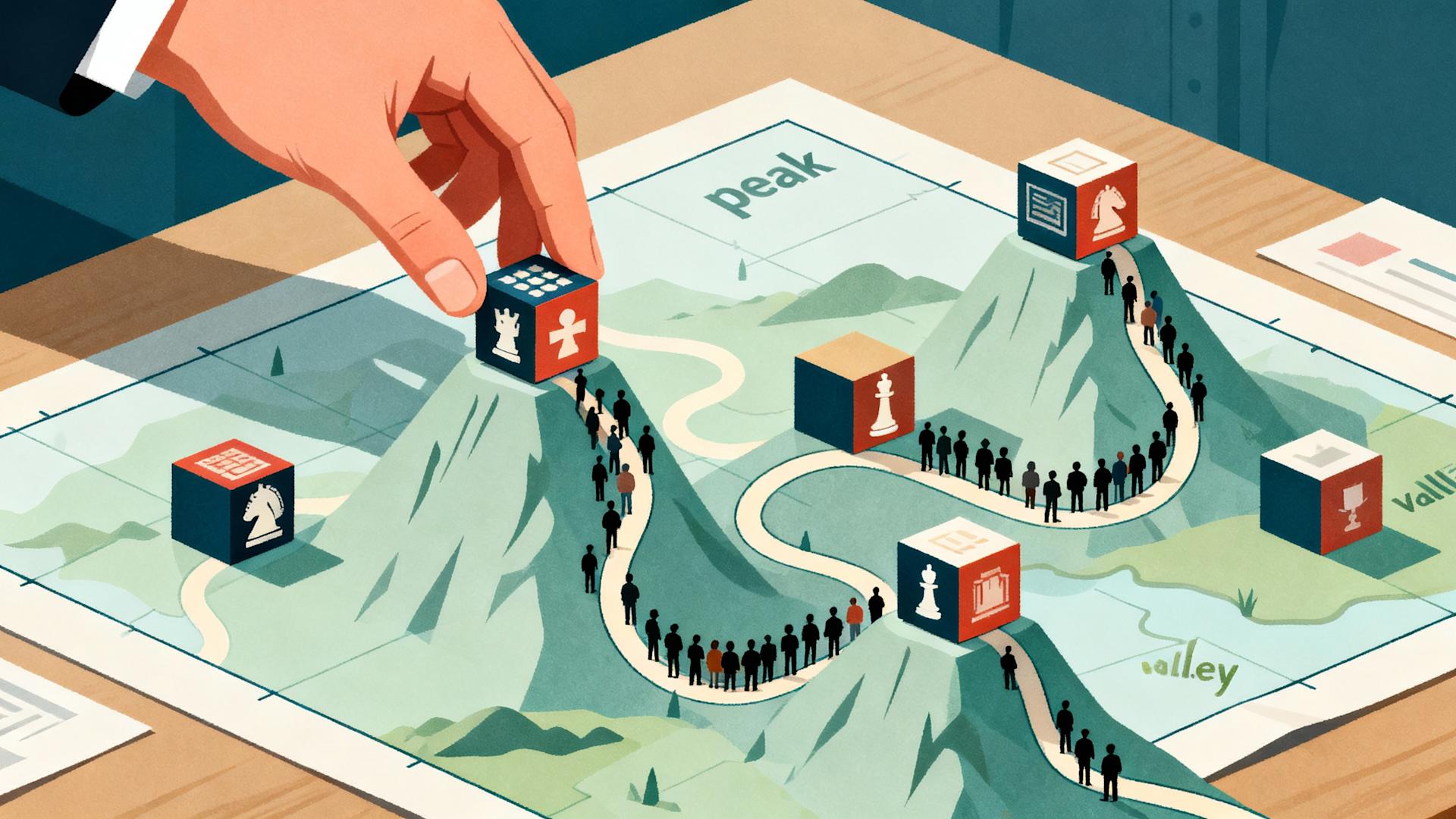
Strategic scheduling maximizes content impact and algorithmic favor while maintaining authentic presence.
Platform-Specific Posting Frequencies
Optimal frequency varies dramatically by platform based on audience expectations and algorithmic mechanics.
YouTube (Shorts and traditional) performs well with 3-5 Shorts daily for maximum algorithmic favor and discovery potential, 1-3 traditional videos weekly maintaining quality while feeding algorithm's preference for consistency. Daily Shorts maintain feed presence while weekly long-form builds deeper audience relationships. Over-posting traditional content can overwhelm subscribers without proportional benefit.
TikTok rewards high frequency with 3-7 posts daily often ideal for maximum reach and viral potential as platform's algorithm gives every video testing opportunity and many creators find posting 5+ times daily generates best growth. However, quality threshold matters, posting seven mediocre videos underperforms posting three excellent ones. Maintain frequency only if quality remains high.
Instagram requires balancing multiple formats with 1-2 feed posts daily maintaining visual presence without overwhelming followers, 2-4 Stories daily providing behind-scenes authenticity and timely updates, and 3-5 Reels weekly capitalizing on Instagram's Reels promotion. Instagram's algorithm rewards consistency across formats rather than focusing exclusively on one.
Twitter thrives on high frequency given platform's fast-moving nature with 3-10+ posts daily considered normal for active accounts, participation in trending conversations as they emerge, and mixture of original content and engagement with others' posts. Twitter's chronological-leaning algorithm means posts have brief visibility windows making frequency essential.
LinkedIn favors quality over quantity with 1 post daily or 3-5 weekly being sufficient for professional networks, longer-form thought leadership performing better than quick takes, and engagement with others' content often more valuable than raw posting volume. LinkedIn's professional context rewards substantive contributions over constant presence.
Facebook continues working well with 1-2 posts daily for business pages maintaining presence without spamming, mixture of content types (text, images, video, links), and emphasis on engagement-generating content given algorithm's focus on meaningful interactions. Facebook's reduced organic reach means quality and engagement matter more than frequency alone.
Optimal Posting Times
General timing guidelines provide starting points but your specific audience behavior should ultimately guide scheduling.
Universal patterns that hold across most audiences include weekday mornings (6-9 AM) when people check social media before starting work, lunch periods (12-1 PM) when people browse during breaks, early evenings (5-7 PM) during commutes and post-work relaxation, and Sunday evenings (7-9 PM) as people prepare for the upcoming week. However, these broad patterns vary by audience demographics, industries, and geographies.
Analyzing your specific audience provides more accurate guidance through reviewing platform analytics showing when your followers are online, testing different posting times systematically and measuring performance, noting time zones where your audience concentrates, and considering your audience's lifestyle and when they likely engage with social media. A B2B SaaS company targeting US professionals finds very different optimal times than a fitness influencer with global audiences.
Platform-specific timing recommendations based on aggregated research include YouTube Shorts (2-4 PM weekdays when people take afternoon breaks), TikTok (7-9 AM and 7-11 PM when users browse during personal time), Instagram (11 AM-1 PM and 7-9 PM for highest engagement across formats), Twitter (8-10 AM and 6-9 PM when professionals check during commutes and evenings), and LinkedIn (7-8 AM, 12 PM, and 5-6 PM around work schedule boundaries). These are research-based averages, your mileage varies based on specific audience composition.
International audience considerations complicate timing when your followers span time zones including focusing on time zones where most followers concentrate, scheduling multiple versions of posts for different regional audiences, using scheduling tools that optimize for follower location automatically, and recognizing that viral content succeeds regardless of initial posting time through sustained algorithmic promotion.
Scheduling Tools and Automation
Efficient scheduling requires tools handling logistics while you focus on strategy.
Native platform scheduling available on most major platforms provides basic scheduling functionality directly within platform interfaces including Instagram allowing scheduling from Creator Studio, YouTube supporting scheduled uploads for videos and Shorts, Facebook Pages including post scheduling in page management tools, LinkedIn offering post scheduling for profiles and pages, and Twitter's native scheduling in web interface. Native scheduling costs nothing beyond platform usage but lacks cross-platform management, advanced analytics, and optimization features third-party tools provide.
Dedicated scheduling platforms provide enhanced capabilities including Clippie AI for video-specific scheduling across multiple platforms optimized for each platform's specifications, Buffer, Hootsuite, Later, and SocialBee for cross-platform scheduling with various features and price points, CoSchedule and SocialBee for content calendar views enabling visual planning, automation features like queue filling and content recycling maintaining consistent presence with less manual work, and analytics integration tracking performance across scheduled content. These tools typically cost $15-100+ monthly but save substantial time and improve results justifying investment for active social media managers.
Queue-based scheduling offered by tools like Buffer and SocialBee simplifies maintaining consistency by creating category-based queues (educational, promotional, engagement content), adding content to queues without specifying exact post times, letting tools automatically schedule from queues at optimal times, and automatically recycling evergreen content maintaining presence without constant new creation. This approach is particularly effective for accounts maintaining steady presence across weeks and months without specific timely campaigns.
Balancing Automation with Timely Content
Fully automated schedules risk appearing disconnected from current events and conversations requiring strategic balance.
Maintain scheduling flexibility by keeping 20-30% of your calendar open for reactive timely content, monitoring trending topics and conversations in your niche daily, preparing rapid-response content addressing breaking news or viral trends, and being willing to pause scheduled content if something more timely demands attention. Rigid adherence to planned schedules when major relevant events occur makes you appear out-of-touch or tone-deaf.
Create rapid-response workflows enabling quick content production when opportunities arise including maintaining templates for common content types enabling fast customization, keeping source material readily accessible for quick adaptation, having approval processes streamlined for timely content, and documenting lessons from successful reactive content to improve future responses. The goal is reducing turnaround from hours to minutes when trends demand immediate participation.
Monitor context continuously ensuring scheduled content remains appropriate by reviewing upcoming scheduled posts daily for relevance and appropriateness, being aware of news and events that might make planned content insensitive, maintaining ability to cancel or delay scheduled posts if contexts shift, and having backup content ready to replace cancelled posts without leaving gaps. Content that was perfectly appropriate when scheduled might become problematic if major events occur before publication.
Analytics-Driven Schedule Optimization
Continuous performance analysis improves scheduling effectiveness over time.
Track posting time performance by analyzing which posting times generate best engagement for your specific content, comparing different times systematically rather than just posting whenever convenient, noting whether patterns vary by content type or day of week, and adjusting your default schedule based on accumulated evidence rather than assumptions. Most scheduling tools provide analytics breaking down performance by posting time.
Measure frequency impact understanding optimal posting volume by testing different frequencies for specific platforms measuring follower response, monitoring whether increased frequency improves or hurts engagement rates, noting whether your specific audience prefers daily presence or less frequent higher-quality posts, and finding sustainable frequency balancing growth objectives with production capacity. Some creators discover posting three times weekly generates better results than daily posting if quality suffers at higher frequency.
Analyze content type performance by schedule identifying patterns including whether certain content types perform better at specific times (educational morning, entertainment evening), if day-of-week affects certain content types more than others (motivational Mondays, fun Fridays), whether your promotional content performs better certain days, and when your audience engages most with specific content categories. These insights enable sophisticated scheduling matching content types to optimal times.
Implement continuous improvement by reviewing scheduling performance monthly, making small adjustments testing new timing hypotheses, maintaining what works while experimenting systematically, and documenting findings creating institutional knowledge about your audience's behavior. Scheduling optimization is ongoing process rather than one-time setup.

5. Keeping Automated Content Authentic
The greatest challenge and opportunity in content automation is maintaining genuine authentic connection with audiences despite using systems and AI assistance.
Defining Authenticity in Automated Content
Authenticity doesn't require manual creation of every element but rather ensuring your personality, values, and genuine perspectives permeate content regardless of production method.
What authenticity actually means in modern content includes expressing your genuine perspectives and expertise not just generic information anyone could generate, maintaining consistent voice and personality making content recognizably yours, providing value aligned with your actual capabilities and knowledge rather than false expertise, engaging in genuine relationships with community members not just broadcasting at them, and acknowledging both your strengths and limitations creating human connection through vulnerability. Authenticity is about honesty and consistency in self-presentation rather than production methodology.
What authenticity doesn't require contrary to common misconceptions includes manually typing every word of every post, editing AI drafts maintains authenticity if content reflects your true positions, personally creating every visual element, designed graphics are authentic if they represent your brand accurately, posting in real-time rather than scheduling, thoughtful pre-planned content is often more authentic than reactive rushing, revealing everything about your life, selective sharing of relevant aspects maintains authenticity without oversharing, and sacrificing professionalism for raw realness, polished presentation and authenticity aren't mutually exclusive.
The authenticity spectrum helps calibrate automation approach by recognizing fully automated generic content without personalization sits at one extreme lacking authenticity, AI-assisted content with meaningful human oversight and personalization maintains authentic voice, and fully manual bespoke content might be marginally more authentic but often isn't worth efficiency sacrifice. The optimal zone is strategically automated content with sufficient human input preserving what makes you distinctive.
Preserving Your Voice Through Automation
Your distinctive voice is perhaps the most important element to maintain when automating content production.
Train AI on your writing style rather than accepting generic AI output by providing AI tools examples of your best writing so they learn your patterns, specifying tone preferences (casual, professional, humorous, inspirational), noting phrases, word choices, and sentence structures you favor or avoid, teaching AI your perspective on industry topics and common questions, and iteratively refining AI output through consistent editing that teaches preferred directions. Most advanced AI tools improve their outputs for you specifically as they receive more examples and corrections.
Develop voice guidelines documenting your communication approach including key attributes defining your voice (authentic, expert, approachable, irreverent), specific phrases or terminology you use consistently, topics you address from particular angles, and things you never say or positions you never take. These guidelines ensure consistency across automated content and help anyone assisting with content production maintain your voice.
Edit rather than accept AI content verbatim by always reviewing AI-generated drafts before posting, adding personal examples, stories, or insights AI couldn't know, adjusting tone where AI output doesn't quite match your style, removing generic phrases replacing with your specific language, and ensuring content actually reflects your true knowledge and positions. The edit process is where authenticity enters AI-assisted content.
Mix automated and personal content maintaining balance including scheduling mostly AI-assisted content for consistency and efficiency while regularly interspersing fully personal posts addressing current thoughts or experiences, sharing behind-scenes glimpses of your work or life, responding authentically to comments and conversations, and creating timely reactive content demonstrating your engagement with current events. This mix shows audiences there's a real person behind the content not just automated systems.
Building Genuine Engagement Despite Automation
Automation shouldn't mean abandoning personal connection with your community.
Prioritize authentic engagement in ways automation can't replace by personally responding to comments rather than using templated responses, initiating conversations with community members not just answering questions, acknowledging loyal followers and regular engagers by name, sharing user-generated content celebrating community contributions, and hosting live sessions or Q&As providing real-time personal interaction. These genuine moments build relationships automation can't substitute.
Create engagement-focused content inviting authentic participation including asking specific questions requiring thoughtful responses not just "yes/no" answers, sharing controversial or debate-worthy positions (within reason) that generate discussion, requesting advice or input making followers feel consulted, featuring community members' content or answers in your posts, and creating participatory challenges or campaigns involving your audience actively. This content generates conversations requiring human engagement rather than just passive viewing.
Monitor for genuine connection opportunities automation might miss by reviewing comments for questions enabling deeper value provision, identifying community members who could become brand ambassadors or collaborators, noting feedback patterns suggesting content direction adjustments, watching for misunderstandings requiring clarification, and catching sentiment shifts needing authentic personal responses. Automation provides efficiency, but humans recognize nuanced opportunities for deepening relationships.
Be transparent about automation when appropriate and beneficial by acknowledging you use tools to maintain consistency without specifying which or how extensively, focusing on the value provided rather than production methodology, sharing your automation journey if your audience would find it interesting or helpful, and never pretending things are manual when they're automated if directly asked. Most audiences appreciate efficiency and consistency over manual martyrdom as long as value remains high.
Red Flags of Over-Automation
Certain warning signs indicate automation has crossed into inauthenticity requiring correction.
Generic content indistinguishable from competitors suggests AI is generating without sufficient personalization. If your content could come from anyone in your niche without audiences noticing, you've automated away distinctiveness. Solution: add more specific examples, stories, and perspectives only you can provide.
Tone inconsistency where some posts sound like you while others feel generic indicates uneven automation quality. Solution: review all content consistently or train AI better on your voice.
Disconnection from current events when obviously relevant industry news or cultural moments go completely unaddressed while you maintain scheduled content shows automation's rigidity. Solution: build flexibility for timely reactive content.
Declining engagement rates despite consistent posting might indicate audiences perceive content as less valuable or personal. Solution: analyze which content types maintain engagement and shift away from purely automated content toward hybrid approaches.
Negative feedback explicitly mentioning content feels automated or impersonal represents direct audience signal requiring response. Solution: rebalance automation mix toward more personal content and engagement.
Personal disconnection where you yourself feel like you're just feeding content machines rather than building relationships suggests automation has become end rather than means. Solution: reconnect with original purposes and adjust systems supporting those rather than replacing them.
Case Studies: Automation Done Right
Learning from creators successfully balancing automation with authenticity provides actionable models.
The educator who automates tactics while remaining strategic uses Clippie AI to produce 5 educational video Shorts daily teaching specific techniques in his niche, but personally responds to every question in comments within 24 hours, creates weekly long-form content addressing themes emerging from Short comments, regularly goes live for deep-dive Q&A sessions where followers can interact directly, and shares personal learning journey stories in occasional posts explaining his own challenges and breakthroughs. This approach uses automation for consistent tip delivery while maintaining personal connection through engagement and storytelling.
The entrepreneur who automates promotion while staying personal schedules posts promoting her products and services through automated systems ensuring consistent visibility, but shares daily behind-scenes Stories showing actual work process and personal life, responds personally to all DMs and mentions building individual relationships, creates weekly value-first content teaching concepts unrelated to her products, and regularly asks for feedback implementing community suggestions visibly. The automation handles necessary promotional functions while personal content and engagement build trust and loyalty.
The creator who batch creates but times personally produces a month of video content in focused multi-day sessions using AI tools for efficiency, but reviews each video daily before it posts ensuring continued relevance and appropriateness, writes captions responding to that day's specific context or audience comments from previous posts, monitors community throughout the day responding in real-time to engaged followers, and freely pauses scheduled content when personal circumstances or world events make them inappropriate. This maintains production efficiency while preserving responsive personal presence.
FAQs
1. Won't my audience be able to tell I'm using automation and lose trust in my authenticity?
Audiences care about value and genuine connection, not production methodology. The perception of inauthenticity stems from bad automation, generic templated content lacking personality or perspective, complete absence of personal engagement or responsiveness, obviously robotic patterns like posting at exactly 3:00 PM daily to the second, and content that doesn't reflect genuine expertise or distinctive viewpoint. Well-executed automation is essentially invisible because it handles mechanical distribution and technical production while your personality, expertise, and engagement remain authentically present. Think of automation like using a microphone during public speaking, it's a tool that amplifies and distributes your voice without making the message inauthentic. The key is ensuring automated content genuinely reflects your perspectives, maintaining your distinctive voice through editing AI outputs, balancing automated posts with personal engagement and interaction, and remaining responsive to your community's questions and feedback. Many successful creators use extensive automation while their audiences perceive them as highly authentic and accessible because the automation enables consistency and quality the creators couldn't maintain manually while freeing time for genuine engagement. If automation frees you from tedious mechanical work to spend more time thoughtfully engaging with your community, you're likely becoming more authentic, not less.
2. How much time should I realistically expect to save with content automation?
Time savings depend on your current approach and how comprehensively you implement automation, but most creators report saving 30-50 hours monthly, typically 60-80% of time previously spent on social media management. Manual content creation for three platforms with daily posting typically requires 45-60 hours monthly including ideation and planning (8-10 hours), content creation (20-30 hours), platform formatting and posting (5-8 hours), engagement monitoring and response (8-10 hours), and performance tracking (4-5 hours). With comprehensive automation, equivalent output requires just 12-18 hours monthly including strategic planning and theme development (2-3 hours), batch content creation with AI assistance (3-5 hours), reviewing and approving scheduled content (2-3 hours), genuine engagement with community (3-5 hours), and performance analysis (2 hours). This represents 30-45 hours saved monthly that can be reinvested in revenue-generating activities, content strategy refinement, or simply better work-life balance. Early in automation implementation, savings are more modest (maybe 15-20 hours monthly) as you learn tools and optimize workflows, but efficiency improves dramatically within 1-2 months. The specific savings vary by content type, video content automation through Clippie AI often saves more time than text automation since video editing is more technically complex. Solo creators typically see larger percentage savings than teams since automation reduces coordination overhead. The key insight is that automation doesn't just save time, it improves consistency which drives better algorithmic performance and audience growth, creating compound benefits beyond just hours saved.
3. Is it possible to completely automate social media or will I always need to monitor and engage personally?
Complete "set and forget" automation without any human involvement is technically possible but strategically inadvisable and often counterproductive. Social media fundamentally involves building relationships and community, which requires authentic human presence even if production is automated. The optimal approach involves automating mechanical content production and distribution (90-95% of time spent creating and posting content), while maintaining personal involvement in strategic decisions (content themes, messaging, brand positioning), genuine engagement (responding to comments, participating in conversations, building relationships with key community members), timely reactive content (addressing current events, trends, or community questions that scheduled content doesn't cover), and monitoring for issues (customer service problems, reputation concerns, community sentiment shifts). Most successful automated systems require 15-30 minutes daily of human attention for engagement and monitoring versus 1-2+ hours previously spent on content creation and posting. Think of automation as having an assistant who handles content production and publishing while you focus on the relationship-building and strategic thinking that actually require your unique human judgment. The creators who try completely hands-off automation typically see declining engagement and growth as audiences sense the absence of genuine human presence. Those who use automation to free time for more authentic engagement and better strategy often report improved results compared to pre-automation performance because they're focusing human effort where it matters most rather than spending it on mechanical tasks that don't require human creativity.
4. What should I do if my automated content stops performing well or engagement drops?
Declining performance after implementing automation usually indicates one of several correctable issues rather than fundamental problems with automation itself. First, analyze whether the issue is actual performance decline or just perception, review your metrics comparing post-automation performance to pre-automation baseline rather than assumptions. Sometimes automation actually improves consistency but creators focus on individual post variations. If genuine decline occurs, common causes include content becoming too generic without sufficient personalization, solution is adding more specific examples, stories, and perspectives through editing AI outputs, posting frequency increasing beyond what your audience wants, solution is testing lower frequency or breaking up content across more platforms, content mix becoming imbalanced with too much promotion or not enough variety, solution is reviewing your content calendar ensuring proper category balance, and timely content gaps where automated schedule misses important current events or conversations, solution is building more flexibility for reactive content. Additional considerations include checking whether platform algorithm changes are affecting all creators not just your automated content, verifying your automated content maintains quality standards rather than accepting mediocre AI output, ensuring you're still engaging authentically in comments and conversations not just broadcasting, and testing whether specific content types work better automated versus requiring more personal touch. The solution usually involves refinement rather than abandonment, adjust your automation approach rather than returning to fully manual production. Many creators find mixing 80% automated content with 20% fully personal posts maintains engagement while preserving most efficiency benefits. Implement changes incrementally testing their impact rather than wholesale approach overhauls.
5. Can I use automation for all social media platforms or do some platforms penalize automated posting?
Most major platforms don't penalize proper automation, they care about content quality and engagement, not creation methodology. However, platforms do restrict or penalize certain automation practices while allowing others. Acceptable automation includes using approved scheduling tools (Buffer, Hootsuite, Later, native platform schedulers), posting unique content to each platform even if created systematically, maintaining human engagement in comments and conversations, and responding to messages and mentions personally. Risky or prohibited automation includes using unauthorized third-party tools that violate platform terms of service, cross-posting identical content simultaneously without platform-specific adaptation (especially problematic when watermarks from other platforms are visible), using automated responses to comments and messages without human oversight, buying automated engagement (followers, likes, comments), and using bots for automated following/unfollowing or mass DM campaigns. Platform-specific considerations include YouTube welcoming scheduled video uploads and doesn't penalize automation if content quality remains high, Instagram being sensitive to third-party posting tools and preferring native scheduling or approved partners like Creator Studio, TikTok accepting scheduled posts but algorithm favors authentic active engagement, Twitter being generally automation-friendly for content posting but monitoring for spam patterns, and LinkedIn accepting automation but professional context demands higher quality standards. Best practices for staying platform-compliant include using official or approved tools specifically authorized by platforms, adapting content uniquely for each platform rather than identical cross-posting, maintaining genuine personal engagement separate from automated posting, reading and following each platform's terms of service regarding automation, and monitoring for any warnings or reduced reach that might indicate automation issues. The key principle is using automation to amplify your authentic presence rather than replacing human creativity and engagement entirely.
6. How do I maintain my unique voice and personality when using AI to create content?
Maintaining distinctive voice through AI-assisted content requires strategic approach treating AI as assistant that requires direction and editing rather than accepting its output verbatim. Start by training AI on your voice through providing examples of your best writing AI can learn patterns from, specifying tone attributes (casual, professional, humorous, authoritative), noting specific phrases or terminology you consistently use, and explaining your unique perspective on common industry topics. When generating content, give AI detailed context including not just topic but your specific angle or take, any personal experiences or examples to incorporate, and target audience and what they need from this content. Most importantly, always edit AI output adding personal stories or examples AI couldn't know, adjusting phrases that don't sound like you, incorporating current thoughts or observations bringing content into present moment, removing generic statements replacing with specific insights demonstrating expertise, and ensuring positions stated actually reflect your genuine views. Develop voice documentation including written guidelines describing your voice characteristics, list of words/phrases you use frequently and avoid consistently, examples of how you address common topics in your niche, and documentation of your values and perspectives informing content. Mix automated and personal content strategically scheduling mostly AI-assisted content for consistency while regularly creating fully personal posts from scratch, sharing unscripted behind-scenes updates, responding personally to engaged community members, and addressing timely topics requiring immediate authentic perspective. Finally, regularly audit your content by reviewing as if you're audience member asking "does this sound like me?", checking whether distinctive elements of your voice remain present, and noting whether content provides unique value reflecting your actual expertise versus generic information anyone could generate. The goal isn't choosing between efficiency and authenticity but rather using AI efficiency for mechanical production while preserving distinctiveness through strategic human oversight and editing.
7. Should I mention to my audience that I use automation tools, or keep it private?
Whether to disclose automation depends on context, audience, and how transparency serves your relationship with followers. Arguments for transparency include building trust through openness about your processes, positioning yourself as efficient and strategic rather than trying to fake manual effort, potentially providing value by sharing tools and strategies with audience interested in similar efficiency, and avoiding perception of deception if audiences discover automation independently. Arguments for discretion include audiences caring about value received not production methodology, disclosure sometimes triggering unfair perception that automated equals inauthentic, creating unnecessary distraction from content value by focusing on process, and most manual creators don't disclose their production processes either. The optimal approach for most creators involves not actively hiding automation but not making it central to your brand narrative, focusing communication on value and results rather than production methodology, being honest if directly asked but not proactively announcing tools used, and sharing automation journey if your specific audience would find it valuable (particularly if you serve other creators or entrepreneurs). Avoid extremes of loudly declaring "this was made with AI" on every post (unnecessarily defensive and reduces content's perceived value) or trying to hide obvious automation creating perception of deception if discovered. The most authentic approach treats tools as implementation details, like photographers don't announce which camera they used on every photo, your audience generally doesn't need to know which tools enabled your content unless that information specifically serves them. If your niche is productivity, efficiency, or creator tools, sharing your automation approach might provide direct value to followers. If your niche is unrelated, discussing tools probably distracts from your actual message. The key principle is that transparency should serve your audience's interests and your authentic relationship with them, not just defend against potential criticism or hide aspects of your process.
Conclusion
Social media automation represents one of the most transformative opportunities available to modern creators, entrepreneurs, and brands seeking to maintain consistent compelling presence across platforms without the unsustainable time investment traditional manual approaches demand. The mathematics are undeniable, producing daily content across multiple platforms requires 45-60+ hours monthly using manual methods that lead inevitably to either burnout or abandoned consistency. Neither outcome serves your growth objectives or audience relationships.
The emergence of sophisticated AI-powered automation tools has fundamentally changed this impossible equation. Modern automation extends far beyond simple post scheduling to encompass intelligent content creation, strategic multi-platform distribution, performance optimization, and engagement monitoring, all while maintaining the authentic voice and genuine connection that make social media valuable for building brands and businesses. When implemented thoughtfully, automation enables creating an entire month of high-quality, platform-optimized content in just 3-5 focused hours while preserving the personality and perspective that make your content distinctive.
Throughout this comprehensive guide, you've discovered that effective automation requires systematic approaches across every dimension of social media management. Understanding what real automation looks like moves you beyond outdated conceptions of robotic scheduling to modern AI-powered systems that intelligently adapt content, optimize distribution, and learn from performance while preserving human strategic oversight. Selecting the right AI tools from hundreds of options enables building workflows that match your specific needs, budget, and content types rather than forcing yourself into one-size-fits-all systems that don't serve your unique requirements.
The systematic approach to creating a full month's content in hours transforms social media from reactive daily grinding to strategic batch production where you invest focused time in content creation sessions, leverage AI assistance for mechanical production and optimization, maintain quality through strategic human oversight and editing, and free substantial time for genuine engagement and community building. Strategic scheduling ensures your content reaches audiences when they're most receptive while maintaining flexibility for timely reactive content that keeps you connected to current conversations and trends.
Perhaps most critically, maintaining authenticity despite automation ensures your efficiency gains don't come at the cost of the genuine human connection that makes social media valuable for relationship-building and business growth. Authenticity doesn't require manual production of every element, it requires ensuring your personality, values, and genuine perspectives permeate content regardless of production methodology, maintaining engagement with your community that no automation can replace, balancing efficient automated content with personal touches and genuine interactions, and continuously monitoring whether your automation serves your audience relationships or undermines them.
The Compounding Advantages of Strategic Automation
The true power of content automation extends beyond simple time savings to create multiple reinforcing advantages that compound over weeks and months. Consistency benefits accrue as regular posting builds algorithmic favor, audience trust, and anticipation. Platform coverage expands as efficiency enables managing 5-7 platforms that would be impossible manually, dramatically increasing your reach and discoverability. Quality improvements often emerge as automation frees mental bandwidth for strategic thinking about content rather than just tactical execution. Experimentation becomes feasible as rapid production enables testing multiple content approaches, formats, and topics to discover what resonates. Strategic focus shifts to high-value activities as time freed from content creation gets invested in genuine engagement, performance analysis, and business development.
These advantages compound over time. In month one, automation might save 20 hours. By month three, as workflows optimize and you learn what works, savings might reach 35 hours while content quality and engagement actually improve. By month six, you're managing more platforms with better performance than pre-automation while investing less time, the definition of strategic leverage.
Implementation: Your Path Forward
If you're currently manually creating all social media content and feeling overwhelmed by consistency demands, implement automation systematically starting this week. Begin by selecting core tools that match your needs, Clippie AI for video-centric strategies, Buffer or Later for multi-platform text and visual content, or comprehensive platforms like Hootsuite if managing multiple brands or requiring team collaboration. Invest 2-3 hours learning your chosen tools thoroughly rather than jumping into production expecting immediate mastery.
Create your first month of content using batch production approaches outlined in this guide. Block a 4-5 hour focused session for strategic planning and content creation, use AI assistance for drafting and production while maintaining strategic oversight, review and edit AI outputs ensuring they reflect your voice and expertise, schedule content strategically across the month, and maintain some calendar flexibility for timely reactive content. This initial investment establishes your automation system that then requires just 2-3 hours monthly to maintain.
Monitor performance analytically in your first 30-60 days of automation. Track whether consistency improves, compare engagement rates to pre-automation baseline, identify which content types work well automated versus requiring more personal touch, gather audience feedback about content quality and value, and refine your approach based on evidence rather than assumptions. Most creators find automation improves results while dramatically reducing time investment, but optimization requires systematic testing and adjustment.
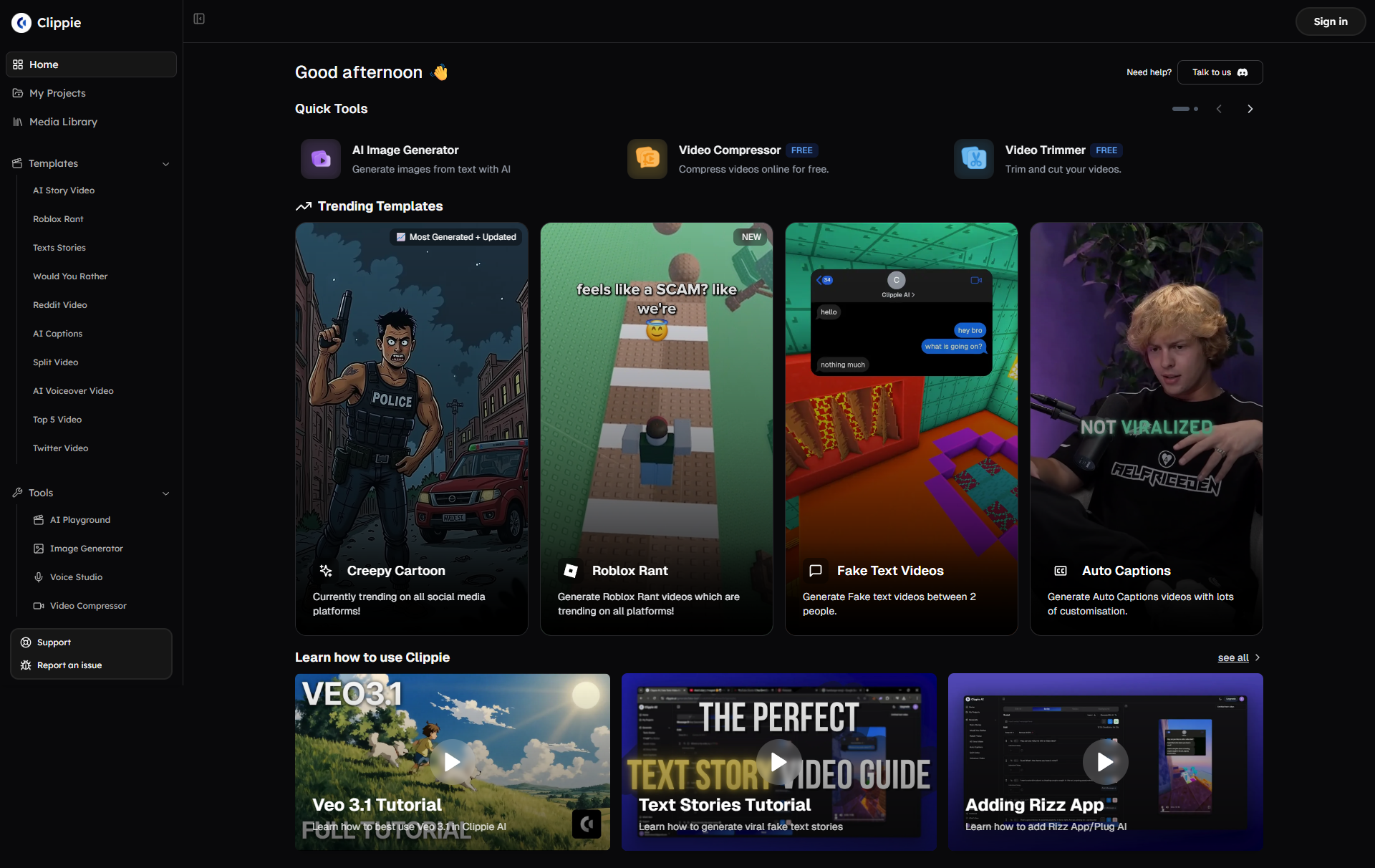
Clippie AI is the fastest way to create professional, engaging video content for social media that drives genuine engagement while maintaining the production efficiency enabling consistent cross-platform presence. Whether you're implementing automation for the first time or optimizing existing workflows that remain too time-intensive, start creating with Clippie today, and experience how efficiently you can produce the volume and quality of content that modern social media success demands.
Start Your Free Clippie Trial Now and begin building the automation systems that transform social media from overwhelming time drain into strategic business asset. Your sustainable, scalable social media presence starts with the systems you implement today.
Related Blog Posts
1. How to Repurpose One Piece of Content Into 50+ Social Media Posts: Discover the complete content repurposing framework that extracts maximum value from every piece of long-form content including systematic approaches to breaking down long-form material, platform-specific adaptation strategies, formatting variations that maintain freshness, and tools that accelerate repurposing workflows.
2. Social Media Analytics That Actually Matter: What to Track and Ignore: Learn which metrics truly indicate social media success versus vanity metrics that waste attention including engagement quality versus quantity assessments, traffic and conversion tracking that proves business impact, audience growth quality indicators, content performance patterns informing strategy, and analytics tools providing actionable insights without overwhelming data.
3. Building a Personal Brand on Social Media While Working Full-Time: Explore realistic strategies for developing social media presence and personal brand despite limited time including time management frameworks for consistent content creation, prioritization strategies focusing effort on highest-impact activities, efficiency systems enabling quality despite constraints, and sustainable approaches preventing burnout while building authority and audience.
Make an AI story video
Write a script or let AI write one. Clippie turns it into a narrated video with AI scenes, voiceover and captions.
Read more

How to Make Top 5 Ranking Videos in 2026 (Step-by-Step)
Build ranking Shorts that can still earn: pick a debatable topic, set clear criteria, source clips you may use, script the countdown, add your commentary.

How to Create Short-Form Videos Using AI: 8 Steps (2026)
A beginner workflow for AI videos on TikTok, Reels and Shorts: pick a format, script a hook, add visuals, voice and captions, export at 9:16, label AI.

7 Free CapCut Alternatives for Short-Form Video (2026)
Compare Edits, YouTube Create, VN, Clipchamp, Canva, DaVinci Resolve and Shotcut: what each gives free users, what it caps first and where it falls short.