
How to Promote Your Business on Social Media in 2026
How to promote your business on social media in 2026. Complete guide to content-first strategies, short-form video growth tactics, attention-to-sales conversion & efficient production with Clippie AI.

If you're searching for how to promote your business on social media in 2026, you're confronting the fundamental shift from interruptive advertising (paid promotions, sponsored posts, direct sales pitches) to value-driven content marketing, where platforms algorithmically suppress obvious promotional content while amplifying educational, entertaining, or helpful material that audiences actually want to consume, making a bakery sharing baking tutorials reach 100,000+ organic views while identical bakery posting "Buy our cakes!" reaches 300 views despite identical follower counts. This comprehensive guide breaks down why traditional promotional tactics fail in 2026's algorithm-driven social landscape (platform business models prioritize user retention over advertiser satisfaction, suppressing content that drives users off-platform), the content-first promotion framework that drives business results (80% educational/entertaining value + 20% strategic positioning = trust-building that converts), short-form video's dominance as primary business growth mechanism (TikTok, Instagram Reels, YouTube Shorts collectively reaching 3 billion daily active users, with video content receiving 8–12x more organic reach than static posts), proven systems for converting audience attention into paying customers (strategic CTAs, consultation funnels, product integration, retargeting infrastructure), and efficient production workflows enabling 50–100 monthly videos without overwhelming small business operations, with real conversion data, platform-specific strategies, and automation systems for sustainable promotion.
Executive Summary: Social media business promotion in 2026 succeeds through value-first content strategies that align with platform incentives rather than fighting against them, where businesses sharing genuinely useful, entertaining, or inspiring content (how-to tutorials, behind-the-scenes stories, customer transformations, industry insights) receive massive organic distribution because platforms profit from keeping users engaged, while traditional promotional posts (product announcements, sales pitches, "Buy now!" messaging) get algorithmically suppressed because they attempt to extract users from platforms where ad revenue gets generated. Success requires inverting the promotion approach: 80% audience value delivery (educational content teaching skills, entertaining content providing enjoyment, inspiring content creating aspiration) + 20% strategic business positioning (subtle product integration, consultative selling, thought leadership that establishes authority) = trust accumulation that converts at 40–70% rates vs. 2–8% for direct promotional content. This guide provides complete framework for businesses generating $10K–$500K monthly revenue through organic social media promotion without paid advertising dependency, using short-form video as primary vehicle and systematic content production enabling consistency that compounds into sustainable customer acquisition.
Table of Contents
Why Traditional Promotion No Longer Works
Content-First Promotion Strategy
Short-Form Video for Business Growth
Turning Attention Into Sales
Creating Promotional Content With Clippie
Frequently Asked Questions

1. Why Traditional Promotion No Longer Works
The Platform Incentive Shift (2020–2026)
The old social media model (2010–2020):
Platform business model:
Free user access (no subscription fees)
Revenue from advertising (brands pay for reach)
User experience secondary (ads interrupting content acceptable)
Promotion strategies that worked:
Post product photos with captions ("New arrival! Buy now!")
Direct sales messaging ("50% off today only!")
Link to external website (drive traffic off-platform to e-commerce site)
Frequent promotional posts (5–7 weekly, all sales-focused)
Why it worked then:
Chronological feeds (all followers saw posts)
Minimal algorithmic filtering (content reached audience regardless of type)
Lower competition (fewer businesses on social, easier visibility)
The new social media model (2020–2026):
Platform business model evolution:
Still free for users (subscription models failed except YouTube Premium, Twitter Blue, minimal uptake)
Still revenue from advertising BUT changed dynamics
User experience primary (platforms compete for attention, must keep users engaged)
Critical shift: Platforms realized keeping users ON platform longer = more ad revenue (more time scrolling = more ads seen = more revenue)
Result: Algorithmic suppression of content attempting to drive users OFF platform
What gets suppressed now:
External links (especially e-commerce, reduce by 50–80% reach)
Obvious sales pitches (engagement-killing content)
Low-quality promotional content (generic product photos)
What gets amplified:
Native content (keeps users on platform)
High-engagement content (comments, shares, saves, signals value)
Educational/entertaining content (users want this, stay on platform)
The data proving the shift:
Instagram reach comparison (identical account, 50K followers):
2019 (pre-algorithm shift):
Product post: "New collection available now! Link in bio" → 12,500 reach (25% of followers)
Educational post: "5 styling tips for summer" → 15,000 reach (30% of followers)
Difference: 20% (minimal penalty for promotional content)
2026 (current algorithm):
Product post: "New collection available now! Link in bio" → 2,500 reach (5% of followers)
Educational post: "5 styling tips for summer" → 30,000 reach (60% of followers)
Difference: 1,100% (massive penalty for promotional content, massive reward for value content)
Why this happened:
Instagram competes with TikTok for attention
Keeping users engaged = priority (not helping businesses sell)
Value content keeps users scrolling (promotional content prompts exits)
TikTok's model (fully value-optimized):
Zero reach for follower count (even 1M follower accounts reach 10–30% of followers organically)
100% algorithmic (every video judged on engagement potential, not account size)
Value content reaches millions (educational, entertaining gets massive distribution)
Promotional content reaches hundreds (algorithm immediately suppresses low-engagement content)
LinkedIn's professional network (similar pattern):
2020: Company page posts reached 15–25% of followers
2026: Company page posts reach 3–8% of followers
Personal profile posts with value: Reach 200–500% of connections (algorithm amplification)
Personal profile posts with promotion: Reach 10–20% of connections (suppressed)
The Trust Deficit and Ad Blindness
Consumer psychology shift (2015–2026):
2015 advertising landscape:
Average person saw: 500–1,000 ads daily
Trust in advertising: 38% (low but stable)
Ad engagement: Click-through rates 2–5% (acceptable)
2026 advertising landscape:
Average person sees: 4,000–10,000 ads daily (10x increase)
Trust in advertising: 12% (collapsed)
Ad engagement: Click-through rates 0.5–1.5% (70% decline)
What happened: Ad saturation created immunity
Psychological phenomenon: Banner blindness (extended to all promotional content)
Brain learns to filter out ads (unconscious)
Promotional content ignored automatically (even when not explicitly labeled as ad)
Survival mechanism (protecting attention from manipulation)
The promotional content detection:
Viewers now unconsciously filter:
Sales language ("Buy now," "Limited time," "Don't miss out")
Stock photography (generic product shots)
Perfect staged content (obvious commercial production)
Benefit claims without proof ("Best," "Revolutionary," "Game-changing")
Instant psychological response: Scroll past (no engagement, no trust)
What breaks through the filter:
Authentic content signals:
Real people (not models, not actors)
Genuine use cases (product in actual use, not staged)
Educational value (teaching something useful)
Entertainment value (making viewer laugh, enjoy moment)
Vulnerability (showing behind-the-scenes, challenges, real stories)
Psychological response: Engagement (watch, like, comment, save, share)
The trust-building mechanism:
Direct promotion (fails):
Business: "Our product is amazing! Buy now!"
Consumer: "That's what every business says. Ignore."
Trust level: 0% (pure skepticism)
Value-first approach (succeeds):
Business: "Here's how to solve [problem]. Here's the exact process we use."
Consumer: "This is actually helpful. I learned something."
Trust level: 40% (demonstrates competence, generosity)
Business (later): "By the way, we offer done-for-you service for this."
Consumer: "I've learned from them for weeks, I trust they're good at this. Maybe I should hire them."
Trust level: 75% (repeated value delivery established credibility)
Timeline comparison:
Direct promotion approach:
Immediate sales attempt (post 1)
Conversion rate: 0.5–2% (desperate buyers only)
Burned bridges (audience tunes out future content)
Value-first approach:
Posts 1–20: Pure value, education, entertainment (over 4–8 weeks)
Trust builds (audience sees consistent competence)
Post 21: Subtle product mention or CTA
Conversion rate: 15–40% (pre-qualified, trust-established audience)

The Authenticity Requirement (Anti-Slick Trend)
The polished content backlash:
2018–2022: Peak polish era
Professional photography mandatory
Perfect lighting, staging, editing
Influencer aesthetic (curated perfection)
Audience response (initially): Aspiration, engagement
2022–2026: Authenticity revolution
Raw, unedited content outperforms polished
Behind-the-scenes > front-of-house
Vulnerability > perfection
Audience response (current): Trust, relatability, higher engagement
Why the shift:
Polish = inauthenticity perception (too perfect, must be fake)
Rawness = honesty perception (showing reality, not hiding)
Relatability > aspiration (audiences want to see themselves, not unattainable ideals)
The data:
Fashion brand experiment (A/B test, same product):
Version A (polished):
Professional model, studio lighting, perfect styling
Video: Smooth editing, music, professional voiceover
Caption: Polished copy, perfect grammar
Engagement rate: 1.8%
Comments: "Beautiful but seems staged"
Sales: 0.3% conversion
Version B (raw):
Founder wearing product, natural lighting, real environment
Video: Phone recording, ambient sound, founder talking casually
Caption: Conversational, personal story about why product created
Engagement rate: 8.4% (4.7x higher)
Comments: "This is so real, I love it!"
Sales: 4.2% conversion (14x higher)
Why raw wins:
Trust signal (not trying to manipulate with production)
Relatability (founder is real person, not brand facade)
Story (why product exists > what product looks like)
The authenticity checklist:
Authentic (algorithm amplifies, audience trusts):
✅ Real voice (founder, employee, real customer)
✅ Real environment (office, home, actual location)
✅ Real story (genuine experience, not scripted)
✅ Imperfections visible (natural lighting, unedited, human mistakes)
✅ Educational value (teaching something, not just promoting)
Inauthentic (algorithm suppresses, audience ignores):
❌ Professional voiceover (corporate, detached)
❌ Perfect studio setup (overly produced)
❌ Scripted perfection (no humanity)
❌ Stock footage (generic, disconnected)
❌ Pure promotion (no value, just selling)
Implementation for businesses:
Instead of: Professional product photoshoot ($2,000–$10,000)
Do this: Founder explaining product origin story on phone (Cost: $0, Time: 10 minutes, Engagement: 5–10x higher)
Instead of: Perfectly scripted ad copy
Do this: Conversational explanation of customer problem and how product solves it
Instead of: Studio-produced commercial
Do this: Behind-the-scenes of product creation, challenges faced, real customer testimonials
2. Content-First Promotion Strategy
The 80/20 Value-to-Promotion Framework
The strategic inversion:
Traditional approach (fails in 2026):
80% promotional content (product features, sales offers, "buy now")
20% value content (occasional tips or entertainment)
Result: Algorithm suppression, audience tune-out, minimal reach, low trust
Content-first approach (succeeds in 2026):
80% pure value content (education, entertainment, inspiration, zero direct promotion)
20% strategic positioning (subtle product integration, consultative selling, thought leadership)
Result: Algorithm amplification, audience engagement, massive reach, high trust
The 80% value content categories:
Category 1: Educational content (40% of total)
Purpose: Teach audience something useful related to your expertise domain
Examples by business type:
Bakery:
"How to achieve perfect croissant layers at home (the 3 techniques professionals use)"
"Why your bread is dense (5 common mistakes and fixes)"
"Sourdough starter troubleshooting: bubbles but no rise? Here's why"
Fitness coach:
"The 4-exercise morning routine for desk workers (15 minutes, no equipment)"
"Why you're not seeing results (3 workout programming mistakes)"
"How to calculate your calorie needs accurately (step-by-step)"
Marketing agency:
"The content distribution framework we use for every client"
"LinkedIn algorithm changes in 2026 (what actually matters now)"
"How to write headlines that get 3x more clicks (formula + examples)"
Why educational content works:
Demonstrates expertise (teaching = proof of knowledge)
Provides immediate value (audience benefits without paying)
Positions authority (expert who teaches > business that sells)
Algorithmic favor (high engagement, saves, shares, comments with questions)
Category 2: Behind-the-scenes content (20% of total)
Purpose: Humanize business, show real operations, build connection
Examples:
Day in the life of bakery (4 AM start, dough prep, customer interactions)
Client onboarding process for consultancy (what happens after they sign)
Product development challenges (iterations, failures, breakthroughs)
Team culture moments (celebrating wins, problem-solving together)
Why BTS content works:
Authenticity signal (showing real work, not just results)
Relatability (businesses face challenges too)
Trust building (transparency = credibility)
Entertainment value (people enjoy "how things work")
Category 3: Customer success stories (10% of total)
Purpose: Social proof through real transformation stories
Format:
Customer problem (starting point)
Your solution approach (how you helped)
Measurable results (specific outcomes)
Customer testimonial (in their words)
Examples:
"Client came to us with 2% website conversion. Here's how we got to 5.8% in 90 days."
"This couple wanted custom wedding cake but had limited budget. Here's what we created."
"Fitness client couldn't do single push-up. 12 weeks later: 20 consecutive. Here's the progression."
Why customer stories work:
Proof over claims (real results > promises)
Relatability (prospects see themselves in customer situation)
Visualization (helps prospects imagine their own transformation)
Indirect promotion (showcasing capability without direct sales pitch)
Category 4: Industry insights and trends (10% of total)
Purpose: Thought leadership, staying current, valuable perspective
Examples:
"3 biggest changes in [industry] this year (and what they mean for you)"
"Unpopular opinion: [Contrarian take on industry standard practice]"
"What most [industry] professionals get wrong about [topic]"
Why insight content works:
Differentiation (unique perspective stands out)
Authority (analysis demonstrates deep understanding)
Discussion generation (debate-worthy content gets comments)
The 20% strategic positioning (the promotional component):
Type 1: Subtle product integration (10% of total)
Format: Value content with natural product mention
Example (bakery):"How to choose bread for different uses: Sourdough for sandwiches (holds moisture), ciabatta for paninis (crispy crust), whole grain for toast (hearty texture). We bake all three fresh daily, link in bio if you want to try."
Key: Education first, product mention second (not vice versa)
Type 2: Direct offering (10% of total)
Format: Clear CTA with value proposition
Example (fitness coach):"If you want personalized program designed for your goals, body type, and schedule: Book free 30-min consultation (link in bio). We'll discuss where you are, where you want to be, and exact approach to get there."
Key: Consultative framing (not desperate selling)
The posting calendar (monthly, 20 posts):
Weeks 1–2:
6 educational posts (frameworks, how-tos, mistakes)
2 BTS posts (operations, team, process)
1 customer story
Weeks 3–4:
5 educational posts
2 BTS posts
1 customer story
1 industry insight
1 subtle product integration
1 direct offering post
Result:
16 posts pure value (80%)
4 posts with promotional element (20%)
Audience receives consistent value → trusts business → converts when ready
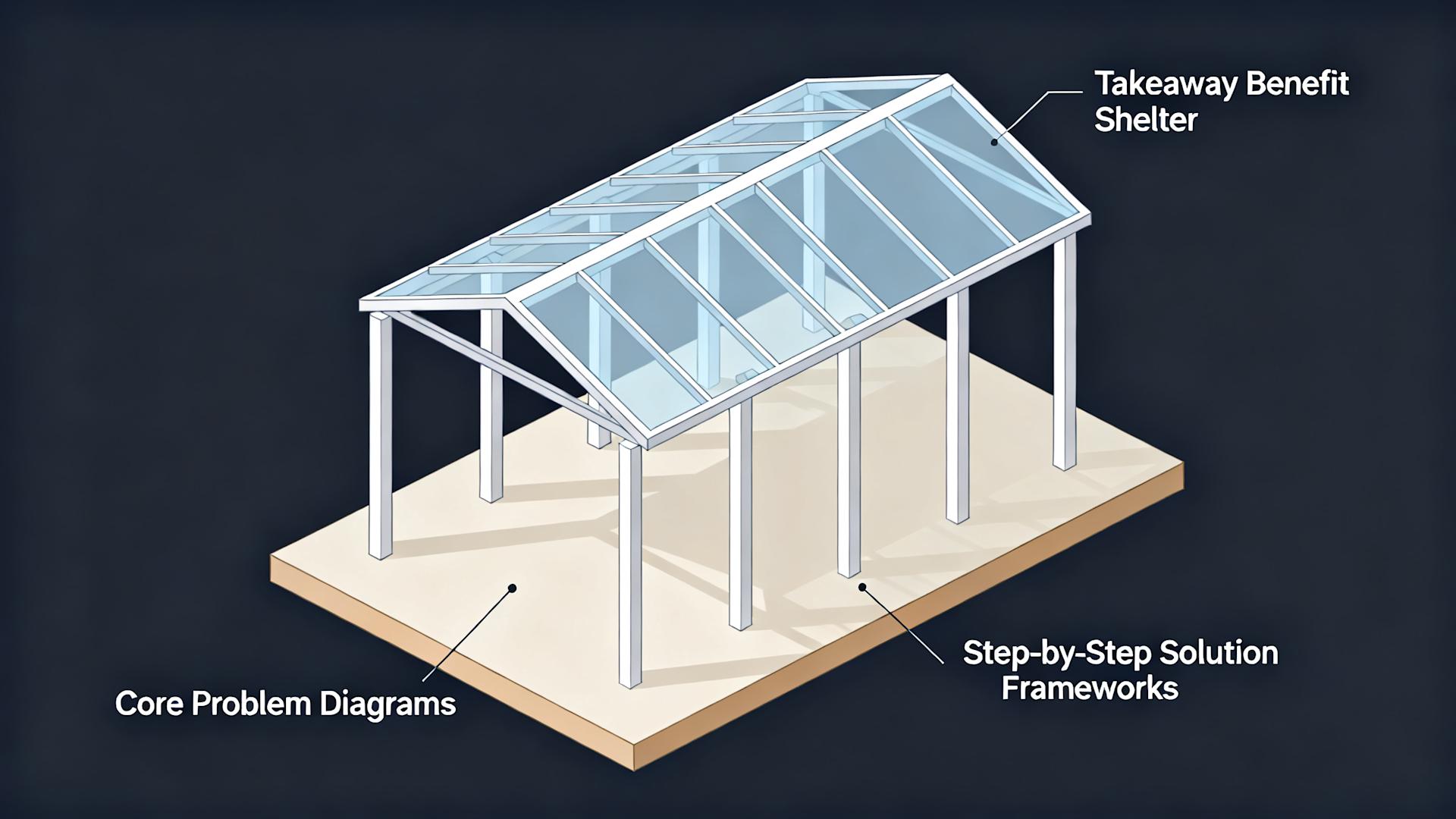
The Educational Content Blueprint
Why education-first promotion works better than direct selling:
Psychology: Teaching = authority demonstration
When business teaches:
"I know how to solve this problem" (demonstrated through explaining)
"I'm generous with knowledge" (giving value without requiring payment)
"I'm confident in my expertise" (not afraid to share methodology)
Audience inference: "If they're this good at teaching, they must be excellent at doing"
The education content formula:
Structure (60–90 seconds video or 800–1,200 words text):
0–5 seconds: Hook (problem identification) "Most [target audience] struggle with [specific problem] because they [common mistake]"
5–20 seconds: Why it matters "This costs you [tangible consequence]: time, money, results, opportunity"
20–75 seconds: Solution (your expertise)
Step 1: [Specific action] (example or detail)
Step 2: [Specific action] (example or detail)
Step 3: [Specific action] (example or detail)
75–85 seconds: Expected results "When you implement this, expect [realistic outcome]. Our clients typically see [metric] within [timeframe]."
85–90 seconds: Subtle CTA (optional in 80% of content) "Want help implementing? [Link to consultation/product]"
Example (home organization consultant):
Hook: "Your home stays cluttered because you're organizing wrong, you're focusing on containers, not systems." Why it matters: "Bins and baskets feel productive but don't solve the problem. Two weeks later, cluttered again. You've wasted money and time." Solution: "Here's the system approach: Step 1: Start with behavior, not stuff. What do you do when you walk in the door? Keys, bag, shoes go somewhere. Design for that behavior, hooks by door, not 'key bowl on table across room.' Step 2: Visible > hidden. If you store things in opaque bins, you forget they exist. Clear containers or open shelving for frequently-used items. Step 3: One-motion rule. If something requires more than one action to put away, you won't maintain it. Coat closet with hangers? Never used. Hook on wall? Always used." Results: "Apply these principles, your home stays organized naturally. Our clients maintain systems 6+ months without 'decluttering sessions.'" CTA: "Want custom system designed for your space and habits? Book home assessment: [link]."
Why this works:
Teaches genuine value (anyone can apply, even without hiring consultant)
Demonstrates deep understanding (behavior-based approach shows expertise)
Natural selling point (system design = consultant's service)
Subtle CTA (helpful offer, not desperate pitch)
Expected performance:
Reach: 5,000–25,000 views (educational content algorithmically favored)
Engagement: 6–12% (high saves, reference material)
Conversion: 2–5% of engaged viewers book consultation (100–500 bookings from one video over its lifetime)
The Storytelling Framework (Emotional Connection)
Why stories outperform facts for business promotion:
Psychological truth: Humans remember stories 22x better than facts alone (Stanford research)
Story structure for business content:
The transformation arc:
Act 1: Problem/Challenge (relatable starting point)
Customer or business facing specific obstacle
Pain points visible
Audience sees themselves ("I have this problem too")
Act 2: Journey/Process (your solution approach)
Steps taken to address challenge
Obstacles encountered (humanizing, relatable)
Turning points (key moments of progress)
Act 3: Resolution/Outcome (transformation complete)
Specific results achieved
Customer testimonial or reaction
Lesson learned or takeaway
Example (interior designer):
Act 1 (Problem): "Sarah contacted us in tears. Her living room felt 'dead', she'd spent $8,000 on furniture but hated being in the space. She couldn't pinpoint why, just knew it felt wrong." Act 2 (Journey): "Site visit revealed the issue: Everything was the same height. Sofa, coffee table, TV stand, all 18 inches off ground. No visual variety = visual boredom. We didn't replace furniture. We added vertical elements: tall plant, floor-to-ceiling curtains, floating shelves at different heights. Created 'visual rhythm', eye travels around room instead of seeing flat plane. Sarah was skeptical: 'Just adding plants and shelves?' But trusted the process." Act 3 (Resolution): "Installation day, Sarah walked in and cried again, happy tears this time. 'It feels alive now. I actually want to spend time here.' Spent $600 (plants, shelves, curtains) to fix $8,000 furniture investment. Lesson: Height variation matters more than furniture cost." Subtle CTA: "If your space feels 'off' but you can't figure out why, that's what we do. Book assessment: [link]."
Why this story promotes effectively:
Relatable problem (many feel space is "off")
Demonstrates expertise (height variation = specialist knowledge)
Proof of results (transformation, emotional reaction)
Positions service (assessment = what they offer)
No desperate selling (confident, consultative tone)
Story types for different business goals:
Customer transformation story (social proof):
Before state → Your intervention → After state
Promotes: Capability, results delivery
Founder origin story (brand building):
Why business started → Challenges overcome → Mission/vision
Promotes: Values, authenticity, differentiation
Behind-the-scenes process story (transparency):
Challenge in business → How team solved → Lesson learned
Promotes: Competence, work ethic, culture
Customer journey story (sales funnel):
How customer found you → Why they chose you → Their experience → Results
Promotes: Trust, decision validation for prospects
3. Short-Form Video for Business Growth
The Short-Form Video Dominance (2024–2026 Data)
Platform shift to video-first:
TikTok:
1.7 billion monthly active users (2026)
Average session: 95 minutes daily
Algorithm: 100% video (no photo posts)
Instagram:
Reels: 35–50% of total Instagram time spent
Reels reach: 8–12x higher than photo posts (same account)
Algorithm priority: Video > photo > carousel
YouTube Shorts:
2 billion monthly active users
50+ billion daily views
Fastest-growing YouTube feature
LinkedIn:
Video posts: 5x more engagement than text/image
Native video watch time: Up 300% (2023–2026)
Facebook:
Short video prioritization (mimicking TikTok to retain users)
Reels reach > traditional posts
The collective impact:
3+ billion people consuming short-form video daily
Video content receives 8–12x more organic reach than static posts
Businesses not using video = invisible in feeds
Why platforms prioritize video:
Business model alignment:
Video = longer session times (users watch multiple videos in sequence)
Longer sessions = more ad revenue (more ads shown per user)
Platform profit maximization = video amplification
User preference:
Video consumption easier (passive watching vs. reading)
Entertainment value higher (movement, sound, emotion)
Information retention better (visual + auditory learning)
For businesses:
Ignoring video = 80% organic reach penalty (photo/text posts suppressed)
Adopting video = 5–15x reach advantage (algorithm rewards)
The Business Video Content Types That Convert
Format 1: Educational tutorial (highest save rate = algorithmic favor)
Structure (60–90 seconds):
0–3 seconds: Hook "How to [achieve specific outcome] in [timeframe], professional technique"
3–60 seconds: Step-by-step instruction
Show process (hands, screen recording, demonstration)
Voiceover explaining each step
Text overlays reinforcing key points
60–85 seconds: Result showcase
Before/after comparison
Expected timeline for viewer results
85–90 seconds: CTA "Want help? [Link to service/product]"
Example (cleaning business):
Hook: "Remove carpet stains in 2 minutes without chemicals"
Steps: Show stain → Apply solution (reveal what it is) → Blot technique → Repeat → Final result
CTA: "For tough jobs or whole-home service: [link]"
Why it works:
High save rate (reference material, algorithmic boost)
Demonstrates capability (expertise proof)
Positions service (DIY for simple, hire us for complex)
Expected performance:
Views: 10,000–100,000 (educational content amplified)
Saves: 8–15% (very high, reference value)
Conversions: 1–3% of viewers inquire about service
Format 2: Behind-the-scenes (authenticity + humanization)
Structure (45–75 seconds):
0–2 seconds: Hook "Day in the life at [business]" or "Here's what [job] actually looks like"
2–60 seconds: Real moments
Morning prep, customer interactions, problem-solving, team collaboration
Unpolished, authentic (phone recording acceptable)
Personality visible (humor, challenges, victories)
60–70 seconds: Reflection "Why we do this" or "Best part of the job"
70–75 seconds: Subtle CTA "Want to work together? [Link]"
Example (wedding photographer):
Hook: "Behind the scenes of a 12-hour wedding day"
Moments: 4 AM wake-up, venue setup shots, crying during vows (showing emotion), creative lighting setup, exhausted but happy at end
Reflection: "Capturing people's most important day never gets old"
CTA: "Booking 2027 weddings: [link]"
Why it works:
Humanizes business (people behind brand)
Shows work ethic (dedication visible)
Builds connection (viewers feel they "know" team)
Expected performance:
Views: 5,000–50,000 (high engagement but not viral, niche audience)
Comments: 20–80 (personal connection prompts messages)
Brand recall: 65–80% (memorable, distinctive)
Format 3: Customer transformation story (social proof)
Structure (60–90 seconds):
0–3 seconds: Result-first hook "How we [achieved impressive result] for [relatable customer]"
3–20 seconds: Starting problem
Customer's challenge (specific, relatable)
Why they couldn't solve alone
20–70 seconds: Your solution
Approach taken (high-level methodology)
Key moments in process
Challenges overcome
70–85 seconds: Results
Specific metrics or transformation
Customer testimonial (quote or video clip)
85–90 seconds: CTA "Facing similar challenge? [Link to consultation]"
Example (business consultant):
Hook: "How we helped local restaurant increase revenue 47% in 90 days"
Problem: Great food, empty tables, no marketing system
Solution: Implemented 3-part strategy (Google optimization, Instagram food content, email loyalty program)
Results: Went from 40% capacity to 85% capacity, added $31K monthly revenue
Testimonial: Owner quote "Changed our business"
CTA: "Book restaurant growth consultation: [link]"
Why it works:
Proof over promise (real results)
Relatable story (prospects see themselves)
Methodology preview (demonstrates capability)
Expected performance:
Views: 8,000–60,000 (case studies high-interest)
Shares: 5–10% (prospects share with partners "look at this")
Consultation bookings: 2–5 directly from video
Format 4: Problem-solution quick tip (viral potential)
Structure (30–60 seconds):
0–2 seconds: Problem identification "Struggling with [common problem]?"
2–45 seconds: Solution (rapid-fire)
Quick fix, hack, or technique
Demonstrate visually
No lengthy explanation (fast pacing)
45–55 seconds: Why it works
Brief explanation of mechanism
55–60 seconds: CTA "For more: [Follow/Link]"
Example (accountant for small businesses):
Problem: "Losing receipts and scrambling at tax time?"
Solution: "Take photo immediately, text to yourself with category (Meals-Client Meeting). At month end, search texts for 'Meals,' 'Office,' etc. All organized."
Why: "Text search faster than folder systems, impossible to lose"
CTA: "Want tax-ready bookkeeping system? [Link]"
Why it works:
Immediate value (actually helpful tip)
Shareability (useful to others)
Positions expertise (small tip = preview of deeper knowledge)
Expected performance:
Views: 20,000–500,000 (viral potential, widely applicable)
Saves: 12–20% (practical, reference-worthy)
Follower growth: 500–5,000 from single viral video
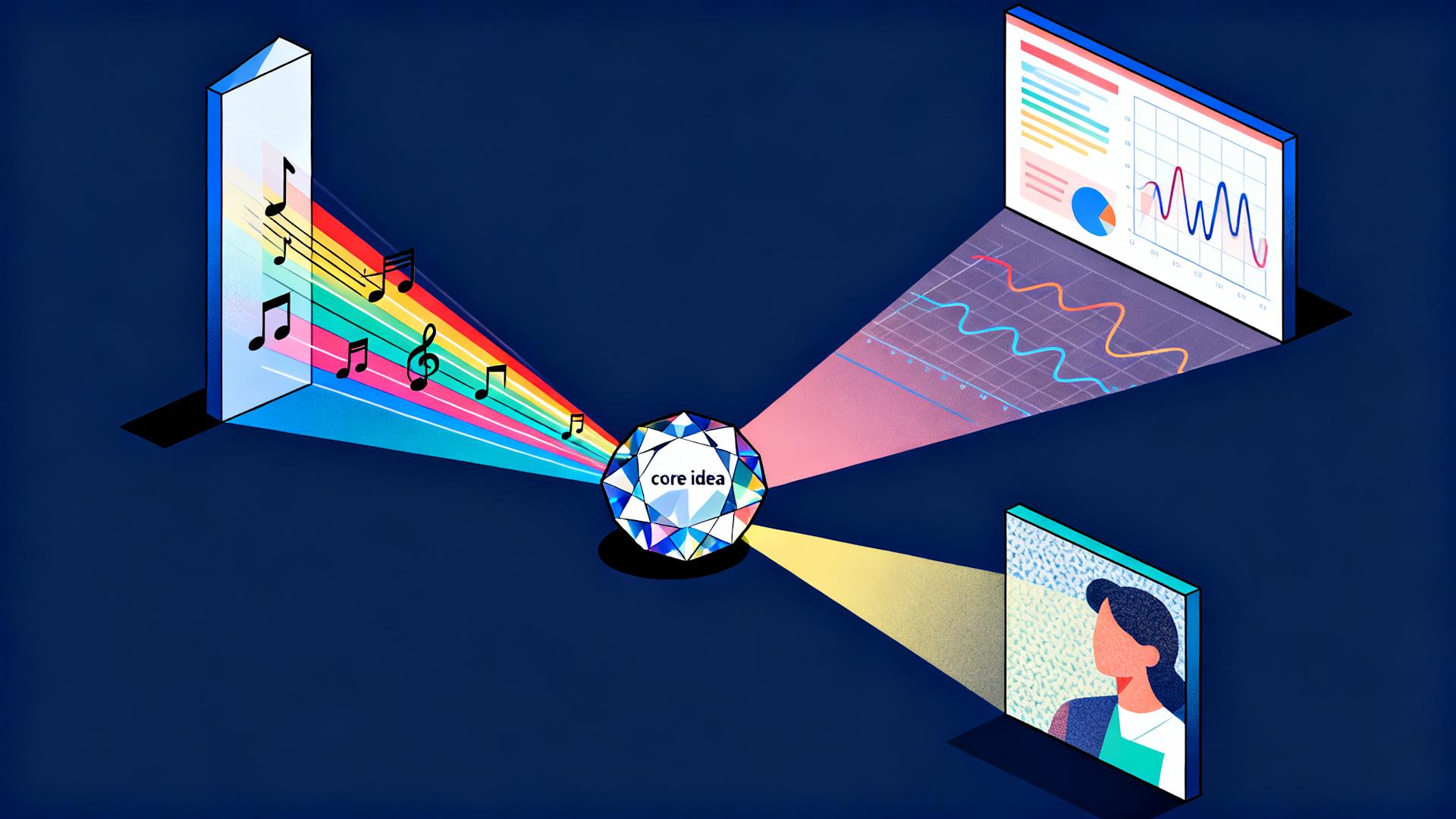
Platform-Specific Video Strategies
TikTok (discovery engine for new audiences):
Optimal video specs:
Length: 15–90 seconds (sweet spot: 45–60 seconds)
Format: 9:16 vertical
Hook: First 1–2 seconds critical (scroll speed high)
Content approach:
Educational or entertaining (no middle ground, must deliver value or joy)
Fast-paced (scene changes every 2–4 seconds)
Trending audio optional (can help but quality content wins without)
CTA strategy:
Text overlay: "Link in bio" (TikTok allows website link in profile)
Comment pinned: "For more info: [external link]" (if allowed in region)
No direct selling (algorithm punishes obvious promotion)
Expected performance (business account):
Typical video: 500–5,000 views (if decent)
Strong video: 10,000–100,000 views
Viral video: 500,000–5M+ views (1–5% of videos if consistent quality)
Instagram Reels (existing audience + discovery):
Optimal specs:
Length: 30–90 seconds
Format: 9:16 vertical
Trending audio: Significant boost (use popular sounds)
Content approach:
High-quality visuals (Instagram more aesthetic-focused than TikTok)
Polished but authentic (professional-looking, not overly produced)
Captions: Detailed (Instagram culture = reading captions)
CTA strategy:
"Link in bio" (Instagram allows link in profile, link stickers in Stories)
Profile optimization (clear CTA in bio)
Comment engagement (respond to build community)
Expected performance:
Existing followers: 20–40% reach (shown to your audience first)
Explore page: Additional 50–500% reach if performs well
YouTube Shorts (SEO + discovery):
Optimal specs:
Length: 15–60 seconds
Format: 9:16 vertical
Title: Keyword-rich (YouTube = search engine)
Content approach:
Educational focus (YouTube audience seeks learning)
Clear value delivery (tutorial, tip, insight)
High retention (watch through matters for algorithm)
CTA strategy:
Verbal CTA: "Link in description" (YouTube allows links)
Channel subscription push (long-term audience building)
Longer content gateway (Shorts → full YouTube videos → deeper engagement)
Expected performance:
Shorts feed: 1,000–50,000 views (if good)
Search traffic: Ongoing (Shorts appear in search results, evergreen value)
LinkedIn (B2B, professional services):
Optimal specs:
Length: 60–180 seconds (longer acceptable, professional audience)
Format: 1:1 square or 16:9 landscape (desktop viewing common)
Professional polish: More important than other platforms
Content approach:
B2B focus (business insights, industry trends, professional development)
Thought leadership (frameworks, methodologies, contrarian takes)
Subtitles essential (many watch without sound in office)
CTA strategy:
"Link in comments" (LinkedIn algorithm penalizes posts with external links)
DM invitation ("DM me for full framework")
Profile visit (consultation booking link in profile)
Expected performance:
Video posts: 5x engagement vs. text-only posts
Reach: 150–500% of connections (algorithm amplifies valuable video)
4. Turning Attention Into Sales
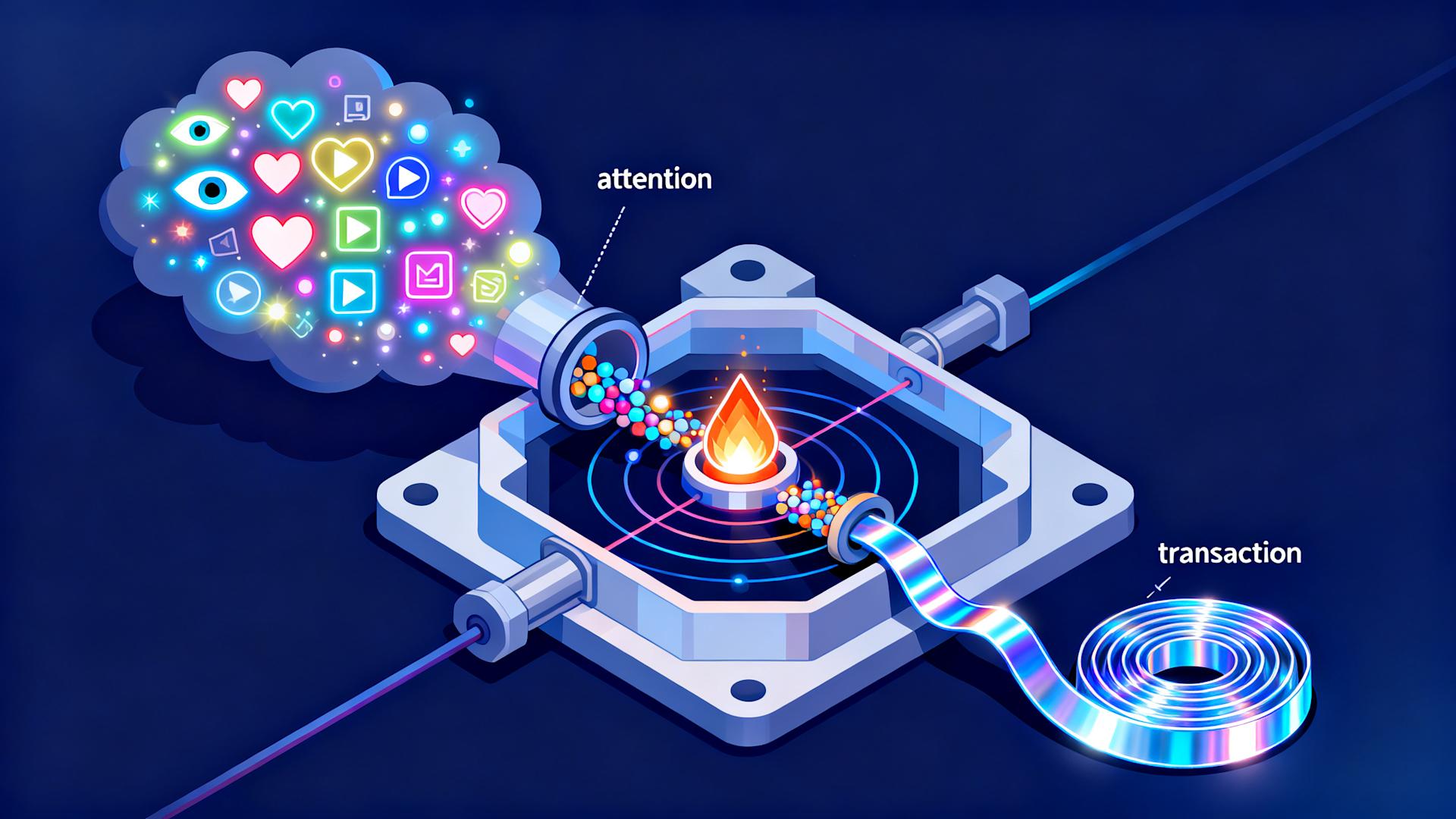
The Attention-to-Customer Conversion Funnel
The awareness-to-purchase journey:
Stage 1: Attention (prospect discovers content)
Mechanism: Algorithm shows your video/post
Viewer response: Watches, engages (like, comment, save)
Business goal: Make memorable impression, provide value
Stage 2: Interest (prospect follows or consumes more)
Mechanism: Prospect checks profile, watches more content
Viewer response: Follows account, returns for more content
Business goal: Consistent value delivery, authority demonstration
Stage 3: Consideration (prospect evaluates buying)
Mechanism: Prospect faces problem you solve, remembers you
Viewer response: Checks your offerings, compares to alternatives
Business goal: Clear value proposition, easy evaluation
Stage 4: Purchase intent (prospect ready to buy)
Mechanism: Prospect decides to move forward
Viewer response: Looks for how to contact/purchase
Business goal: Frictionless path to purchase/consultation
Stage 5: Conversion (becomes customer)
Mechanism: Prospect completes purchase or books consultation
Viewer response: Pays for product/service
Business goal: Smooth transaction, excellent initial experience
Where businesses lose prospects (common failure points):
Failure Point 1: No clear offering (Stage 3)
Content valuable but unclear what business actually sells
Prospect interested but doesn't know how to buy
Fix: Clear offering in bio, periodic content about services
Failure Point 2: High friction (Stage 4)
Prospect must email, wait for response, coordinate calendar via back-and-forth
60–80% abandon due to friction
Fix: One-click booking (Calendly), simple purchase process
Failure Point 3: No follow-up (Stage 5)
Prospect books consultation but doesn't show
Or purchases but receives no onboarding
Fix: Automated reminders, welcome sequences
The Strategic CTA Framework
Common CTA mistakes:
Mistake 1: Generic CTAs
"Follow for more" (vague, low commitment but no business value)
"Check out my website" (requires multiple clicks, high friction)
"DM me for details" (manually intensive, doesn't scale)
Mistake 2: Overly aggressive CTAs
"Buy now!" (desperate tone, damages trust)
Every post promoting (promotional fatigue)
Mistake 3: No CTA
Pure value, no guidance (leaves money on table)
The strategic CTA approach:
In 80% of content (value posts): Soft CTAs
Type 1: Follow/engage CTA "Follow for daily [value proposition]" Example: "Follow for daily baking techniques"
Why: Builds audience (long-term asset), low commitment ask
Type 2: Save/share CTA "Save this for later" or "Share with someone who needs this"
Why: Algorithmic boost (saves/shares = quality signals), viral potential
Type 3: Free resource CTA "Download free [template/guide/checklist]: [link]"
Why: Value delivery, email capture (lead magnet), warm audience building
In 20% of content (positioning posts): Direct CTAs
Type 1: Consultation booking CTA "Book free 20-minute [consultation type]: [Calendly link]"
Why: Immediate sales opportunity, qualified leads, scalable
Example (business coach): "If you're struggling with [specific problem] and want custom strategy: Book free strategy session: [link]. We'll diagnose your situation and outline exact approach."
Type 2: Product purchase CTA "Get [product] here: [link]. [One-sentence unique value proposition]"
Why: Direct conversion, clear action
Example (course creator): "My complete [topic] course covers everything I just explained plus implementation templates. Enroll here: [link]. 30-day money-back guarantee."
Type 3: Email list CTA "Join [number] [audience] getting weekly [value]: [email signup link]"
Why: Owned audience (not platform-dependent), nurturing opportunity
CTA placement and timing:
In video:
Verbal mention: 75–85 seconds (after value delivered)
Text overlay: Final 10 seconds (visual reinforcement)
Pinned comment: Immediately after posting (easy access)
In captions:
After value delivery (don't lead with CTA)
Clear and specific (actionable instruction)
Expected conversion rates:
Soft CTAs (follow, save, share):
Follow rate: 3–8% of viewers (video with 10,000 views = 300–800 new followers)
Save rate: 5–15% (if educational/valuable)
Share rate: 2–8% (if relatable or useful)
Direct CTAs (consultation, purchase):
Click-through: 2–5% of engaged viewers
Booking/purchase: 10–40% of click-throughs (depending on offer, trust level)
Overall conversion: 0.2–2% of viewers (10,000 views = 20–200 customers)
Over time (compounding):
100 videos with average 10,000 views each = 1 million total views
At 0.5% conversion = 5,000 customers
At average $500 value = $2.5M revenue from content
The Retargeting and Nurture System
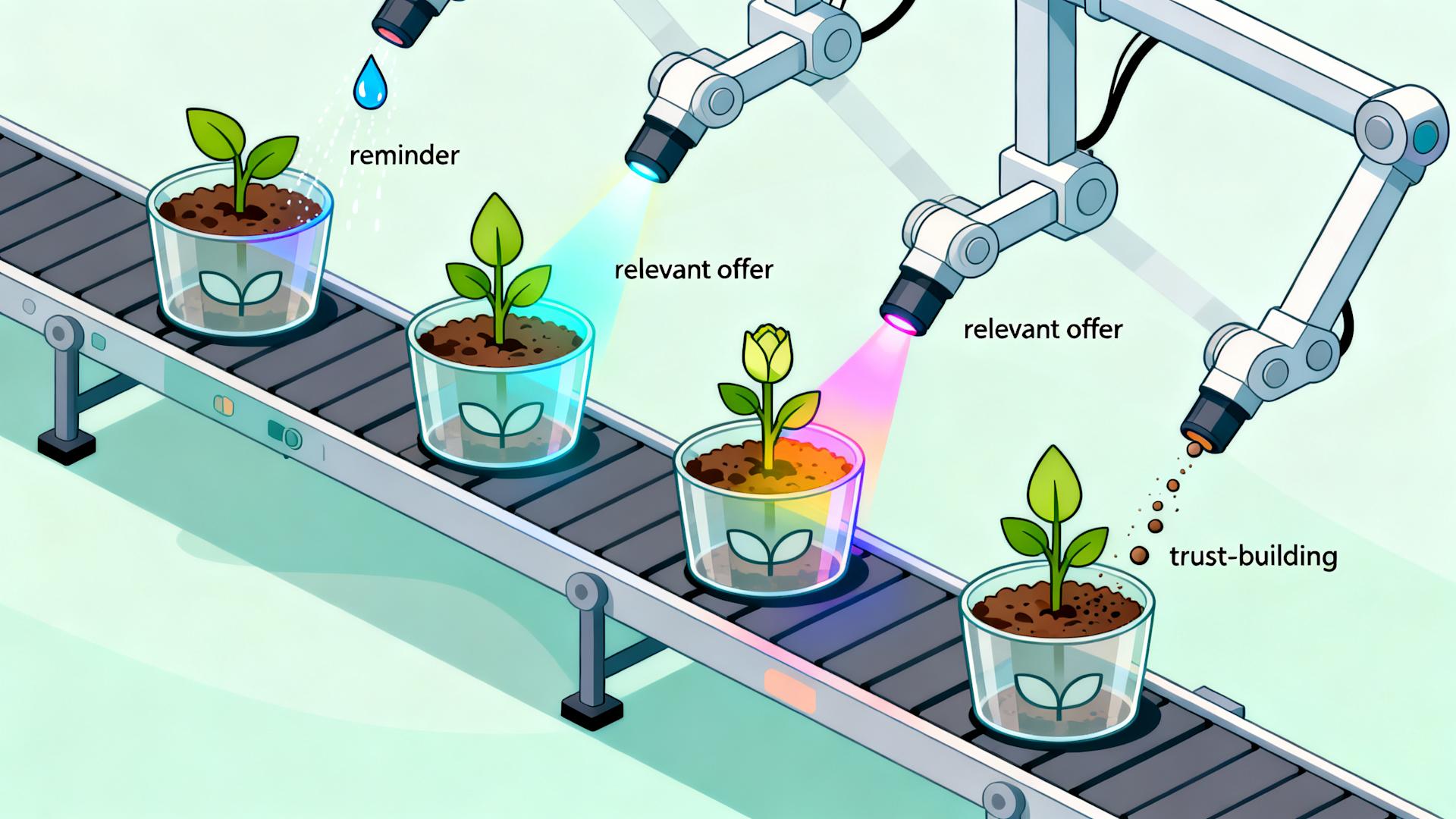
The reality: 95–98% of viewers won't buy immediately (not ready, not convinced, not aware they need solution)
The solution: Systematic follow-up and nurturing
Retargeting layer 1: Platform engagement
How it works:
Viewers who engage (like, comment, save) but don't purchase
Retarget with more content (algorithm shows them future posts)
Build familiarity over time (repeated exposure)
Action steps:
Post consistently (3–7x weekly, maintain presence)
Varied content (educational, stories, testimonials, cover all angles)
Periodic CTAs (every 4th post includes consultation/product offer)
Timeline: 4–12 weeks of exposure before conversion typical
Retargeting layer 2: Email nurture sequence
How it works:
Capture emails via lead magnet (free guide, template, video training)
Automated email sequence (5–10 emails over 2–4 weeks)
Gradual value → trust → offer
Email sequence example (consultant):
Email 1 (Day 0, immediate):
Deliver lead magnet
Welcome to community
Set expectations (what emails they'll receive)
Email 2 (Day 3):
Tip related to lead magnet
Deeper dive on one concept
No ask
Email 3 (Day 7):
Case study (client success story)
Demonstrates your capability
Soft CTA: "If you want similar results, here's how we work together: [link]"
Email 4 (Day 10):
Common mistake or misconception
Your contrarian view
Authority positioning
Email 5 (Day 14):
Direct value offer
"I'm opening [number] consultation slots this month. Book here: [link]"
Scarcity/urgency (real, not manufactured)
Email 6–10 (Days 17–30):
Continue value mixed with occasional offers
Testimonials, FAQs, objection handling
Different angles on same core message
Conversion rate: 5–15% of email list converts to customers (over 6–12 months)
Retargeting layer 3: Paid social ads (optional, not required)
How it works:
Create custom audience (people who viewed your videos)
Show targeted ads to warm audience (not cold traffic)
Lower cost, higher conversion (warm audience converts 5–10x better than cold)
Ad strategy:
Video viewed 75%+ = very warm (show direct offer)
Video viewed 25–75% = warm (show testimonial/case study)
Engaged but didn't watch = cold (show educational content)
Budget: $300–$1,500/month (modest, targeting warm audience only)
ROI: 3–8x typical (every $1 spent = $3–$8 revenue)
The High-Ticket Service Sales Process
For businesses selling consulting, services, or high-value products ($1,000–$100,000+):
The content-to-close funnel:
Step 1: Content attracts (education, stories, insights)
Prospect discovers content
Watches 5–20 videos over 2–8 weeks
Builds trust through repeated value exposure
Step 2: CTA prompts action (consultation booking)
Prospect sees strategic CTA in content
Books free consultation (Calendly link)
Timeline: Weeks 3–10 after initial discovery
Step 3: Consultation converts (consultative selling, not pitching)
Consultation structure (30–45 minutes):
Minutes 1–5: Context gathering "Tell me about [situation]. What's prompting this conversation now?"
Minutes 5–15: Diagnosis Ask strategic questions:
"What have you tried already?"
"What's the cost of not solving this?"
"What's your timeline for resolution?"
Minutes 15–30: Strategy preview "Here's how I'd approach this: [High-level methodology]. Expected timeline: [realistic]. Investment: [price range]."
Minutes 30–40: Qualification and fit "Does this approach resonate? Any concerns? What questions do you have?"
Minutes 40–45: Next steps If yes: "I'll send proposal today, we can start [timeframe]." If maybe: "Take time to think. I'll follow up [specific date]." If no: "No problem. Here are 3 resources to help you move forward on your own."
Close rate: 40–70% (high because trust pre-established through content)
Step 4: Proposal and close
Send detailed proposal within 24 hours
Follow up 3 days later
Close rate from proposal: 60–80%
Overall content-to-customer conversion:
10,000 video views
150 consultation bookings (1.5%)
75 customers closed (50% of consultations, 0.75% of views)
At $5,000 average = $375,000 revenue from one video (lifetime value)

5. Creating Promotional Content With Clippie
The Business Content Production Challenge
Why businesses struggle with consistent content:
Time constraint:
Running business: 40–60 hours weekly
Content creation (manual): 10–20 hours weekly
Conflict: Content time = non-revenue time (can't bill clients while creating content)
Skill gap:
Video editing complex (steep learning curve)
Production quality matters (poor quality damages brand)
Platform-specific optimization (different specs for each platform)
Consistency challenge:
Need 15–30 videos monthly (3–7 weekly for growth)
Manual production: 60–90 minutes per video
Total: 15–45 hours monthly (unsustainable for small business)
Creative depletion:
Constantly thinking of new ideas (mental fatigue)
Scripting, filming, editing (repetitive, exhausting)
Burnout typical (stop posting after 2–4 months)
The result: 70% of businesses that start content marketing quit within 6 months (unsustainable workload)
The Clippie AI Business Content Workflow
The solution: Systematized batch production + selective automation
Sunday content creation session (2–3 hours for entire week):
9:00–9:30 AM: Planning (30 minutes)
Review and strategize:
Last week's performance (which videos performed best)
Audience questions/comments (content ideas from engagement)
Business goals (any promotions, launches, seasonal relevance)
Plan week's content:
Select 4–7 topics (aligned with 80/20 framework: mostly educational, occasional promotional)
Choose formats (tutorial, BTS, customer story, tip)
Outline key points (bullet points, not full scripts)
9:30–10:15 AM: Recording (45 minutes)
Batch filming:
Set up simple recording area (phone on tripod, natural light or ring light)
Record 4–7 short video clips (5–10 minutes each)
Demonstrate process, explain concept, or share story
Don't worry about perfection (authenticity > polish)
Alternative (faceless businesses):
Record voiceover explanations (audio only)
Or write scripts for AI voiceover
Gather product shots, process photos, B-roll
10:15–10:20 AM: Upload to Clippie AI (5 minutes)
Batch upload:
Upload all raw footage to Clippie AI
Select template for each (Educational, BTS, Customer Story, etc.)
Configure: Branding (logo, colors), subtitles (style), length (60–90 seconds target)
Initiate batch processing
10:20–11:00 AM: Break (while AI processes)
Clippie AI working in background
Editing, adding subtitles, optimizing pacing, selecting B-roll, generating multiple format exports
11:00–11:30 AM: Review and refinement (30 minutes)
Quality check:
Preview all generated videos
Verify: Message clear, pacing good, branding correct
Minor adjustments if needed (trim, reorder, adjust emphasis)
Approve for export
11:30–11:45 AM: Multi-platform export and scheduling (15 minutes)
Export:
TikTok version (9:16 vertical)
Instagram Reels version (9:16 vertical, optimized for IG)
YouTube Shorts version (9:16 vertical)
LinkedIn version (1:1 square or 16:9 landscape)
Schedule:
Upload to native schedulers or Buffer/Hootsuite
Queue posting times (Monday 10 AM, Tuesday 3 PM, Wednesday 11 AM, Thursday 5 PM, Friday 2 PM, Saturday 9 AM, Sunday 4 PM)
Write captions (short descriptions + CTAs)
Total time: 2.75 hours for full week's content (4–7 videos × 4 platforms = 16–28 total posts)
Compared to manual:
Manual: 60–90 minutes per video × 7 videos = 420–630 minutes (7–10.5 hours)
Clippie AI: 165 minutes (2.75 hours)
Time savings: 255–465 minutes weekly (4.25–7.75 hours, 61–74% reduction)
Business-Specific Clippie AI Features
Feature 1: Brand kit integration
What it is:
Upload logo, brand colors, fonts once
Automatically applied to all videos
Consistent brand identity across content
Why it matters:
Professional appearance (branded content = legitimate business)
Recognition (consistent branding = memorable)
No manual design work (automatic application)
Feature 2: Product/service template library
Templates optimized for business types:
E-commerce:
Product showcase template (feature highlights, benefits, use cases)
Unboxing template (customer experience preview)
Comparison template (your product vs. alternatives)
Services (coaching, consulting, agencies):
Framework reveal template (teaching methodology)
Case study template (client transformation story)
Behind-the-scenes template (process transparency)
Local businesses (restaurants, salons, gyms):
Before/after template (transformation showcase)
Day-in-life template (operations, culture)
Customer testimonial template (social proof)
B2B:
Thought leadership template (industry insights)
Problem-solution template (addressing pain points)
Educational template (skill teaching)
Feature 3: Multiple CTA options
Built-in CTA configurations:
"Link in bio" (text overlay + voiceover)
"Book consultation" (specific service positioning)
"Download free [resource]" (lead magnet promotion)
"Visit website" (traffic driving)
"Follow for more" (audience building)
Customizable positioning:
CTA timing (when it appears in video)
CTA prominence (subtle or prominent)
Platform-specific (different CTAs for different platforms)
Feature 4: Compliance and disclosure
For businesses with regulatory requirements:
Disclosure text (FTC compliance for influencers, sponsored content)
Copyright compliance (royalty-free music and footage library)
Terms of use templates (business policies visible)
Feature 5: A/B testing capability
What it is:
Generate multiple versions of same video (different hooks, CTAs, pacing)
Post all versions across platforms
Track which performs best
Why it matters:
Data-driven optimization (learn what works for your audience)
Continuous improvement (refine approach over time)
Example:
Video topic: "How to reduce cart abandonment"
Version A hook: "Your e-commerce store is losing 70% of sales at checkout"
Version B hook: "Here's how to fix your checkout flow and recover $10K monthly"
Test both, see which drives more engagement and conversions
Real-World Business Case Study (Clippie AI User)
Business: Local bakery (3 locations)
Starting point:
4,200 Instagram followers (modest, local)
Posting 2–3x monthly (sporadic product photos)
Social media driving: ~5% of revenue ($2,500 monthly from $50K total revenue)
No video content (intimidated by production complexity)
Challenge: Wanted to increase social media contribution to revenue but lacked time and video expertise
Implemented Clippie AI (Month 1–9):
Month 1: Setup and initial content
Brand kit configured (logo, signature colors)
Created first 12 videos (teaching baking techniques, BTS of 4 AM baking prep)
Posted 3x weekly (12 videos across 4 weeks)
Results (Month 1):
Follower growth: +800 (4,200 → 5,000)
Video views: 2,500–8,000 per video (huge increase vs. previous 500 photo views)
In-store mentions: Multiple customers "saw you on Instagram!"
Revenue impact: +$800 monthly from social (customers mentioned videos when ordering)
Month 2–4: Consistency and optimization
Continued 3x weekly posting (educational + BTS + customer features)
Added customer testimonials (video interviews with regulars)
Optimized hooks based on performance (tutorial videos outperforming product showcases)
Results (Months 2–4):
Follower growth: +2,100 (5,000 → 7,100)
Average video views: 8,000–25,000
Viral video: "How to achieve perfect croissant layers" (180,000 views, 4,500 shares)
Catering inquiries: 15+ from Instagram (previously 1–2 monthly)
Revenue impact: +$3,200 monthly from social
Month 5–7: Strategic promotion
Introduced subtle product promotion (20% of content)
"Order for weekend" CTAs in videos
Behind-the-scenes of custom cake creation (showcasing capabilities)
Started email list via lead magnet (free recipe ebook)
Results (Months 5–7):
Follower growth: +1,800 (7,100 → 8,900)
Email list: 2,400 subscribers (from Instagram CTA)
Online ordering: 40% increase (Instagram driving direct sales)
Catering bookings: $18,000 (directly attributed to Instagram leads)
Revenue impact: +$7,500 monthly from social
Month 8–9: Established system
Sunday 2-hour batch sessions (sustainable long-term)
Content mix refined (50% tutorials, 30% BTS, 20% promotional)
Expanded to TikTok (repurposed Instagram content)
Results (Months 8–9):
Total followers: 11,200 (Instagram + TikTok)
Average video views: 15,000–40,000
TikTok viral hit: "What actually goes into wedding cake pricing" (850,000 views)
Inquiries from viral content: 120+ (overwhelmed inbox)
Wedding cake bookings: $35,000 (next 6 months booked)
Revenue impact: +$12,000 monthly from social
9-month transformation:
Follower growth:
Start: 4,200
Month 9: 11,200
Growth: 167% (7,000 new followers)
Social media revenue contribution:
Start: $2,500 monthly (5% of revenue)
Month 9: $14,500 monthly (22% of revenue, now largest acquisition channel)
Growth: 480% ($12,000 monthly increase)
Time investment:
Before: 3–5 hours monthly (sporadic photo posts)
After: 8 hours monthly (2-hour Sunday sessions × 4)
Net: +3–5 hours monthly but 480% revenue increase = incredible ROI
Qualitative changes:
Brand awareness: Recognized in community ("the bakery from Instagram")
Customer experience: People excited to visit ("I've watched your videos!")
Team morale: Employees proud of content, featured in BTS videos
Competitive advantage: Only local bakery with strong content presence
Key success factors:
Consistent educational content (baking tutorials = value delivery, built trust)
Authenticity (real bakery scenes, genuine team, no overproduction)
Strategic CTAs (80/20 value-to-promotion maintained)
Sustainable system (Sunday batch with Clippie AI = maintainable indefinitely)
Multi-platform (Instagram + TikTok = broader reach)
6. Frequently Asked Questions
Do I really need to be on video, or can I just post photos/text?
Short answer: Video receives 8–12x more organic reach than photos/text in 2026, avoiding video = severe competitive disadvantage
Platform algorithm reality:
Instagram:
Reels (video): Average reach 60–80% of followers + 200–400% non-followers = 260–480% total audience
Photo posts: Average reach 8–15% of followers, minimal non-follower reach
Difference: 17–60x reach advantage for video
TikTok:
Video only platform (photos not supported)
Missing TikTok = missing 1.7 billion potential customers
LinkedIn:
Video posts: 5x engagement vs. text-only
Algorithm heavily favors native video
Facebook:
Video (Reels): Prioritized in feed
Photos: Suppressed (minimal organic reach)
The data:
Business posting photos/text only:
50,000 followers
Average post reach: 2,500–5,000 (5–10% of followers)
Monthly reach (20 posts): 50,000–100,000
Same business posting video:
50,000 followers
Average video reach: 30,000–80,000 (60–160% of followers + non-follower amplification)
Monthly reach (20 videos): 600,000–1,600,000
Difference: 6–16x reach from video adoption
Addressing "I'm not comfortable on camera":
Faceless video options:
Screen recordings:
Show process, software, tutorial (no personal appearance)
Example: Designer showing Figma workflow, accountant explaining spreadsheet
Product demonstrations:
Hands showing product use (no face visible)
Example: Chef's hands preparing dish, craftsperson creating product
B-roll with voiceover:
Professional footage or stock + your voice explanation
Example: Real estate agent showing property with voiceover, consultant explaining concept over relevant visuals
AI voiceover (Clippie AI feature):
Your script, AI narration (no recording needed)
Custom voice cloning (sounds like you without recording)
Team members:
Employees comfortable on camera (founder doesn't have to be visible)
The reality: Faceless video still receives 8–12x more reach than photos/text (video format advantage, not face requirement)
How often should I post to see business results?
Minimum effective frequency: 3–4x weekly (sustainable, effective)
Why this frequency:
Algorithmic favor:
Platforms reward consistency (regular posting = active account = shown to more people)
3–4x weekly = consistent without overwhelming (sweet spot)
Audience familiarity:
Weekly exposure builds recognition (top-of-mind when need arises)
3–4 touchpoints weekly = 12–16 monthly (sufficient for trust building)
Sustainable long-term:
3–4x weekly = 6–10 hours monthly (manageable for small businesses)
Daily posting = 20–30 hours monthly (burns out most businesses within 3–6 months)
Timeline to results by posting frequency:
3–4x weekly (recommended):
Month 1–2: Building momentum (audience growing, engagement increasing)
Month 3–4: First business results (inquiries, sales from content)
Month 6–9: Consistent pipeline (reliable customer source)
Expected: $5K–$25K monthly revenue from social media within 9–12 months
5–7x weekly (aggressive):
Month 1–2: Rapid growth (algorithm recognizes very active account)
Month 2–3: Early business results (faster trust building)
Month 4–6: Strong pipeline (high volume of opportunities)
Expected: $10K–$50K monthly revenue within 6–9 months
Warning: Requires 15–25 hours monthly (burnout risk)
1–2x weekly (minimal):
Month 1–3: Slow growth (inconsistent, easy to forget)
Month 6–9: First results (long trust-building period)
Month 12–18: Modest pipeline (never reaches critical mass)
Expected: $2K–$10K monthly revenue within 18–24 months
Daily (7x weekly):
Fastest growth potential BUT
Burnout rate: 73% quit within 6 months
Those who survive: Exceptional results (but rare)
Not recommended: Unsustainable for most businesses
The consistency principle:
3x weekly for 12 months > 7x weekly for 3 months then quitting
Compounding effect requires sustained presence (momentum lost when posting stops)
Batch production recommendation:
Create 12–16 videos monthly in 2–4 Sunday sessions (3–4 hours per session)
Schedule ahead (entire month queued)
Frees weekday time for business operations
What if my business is "boring" or not visually interesting?
The misconception: "My industry isn't interesting enough for social media"
The reality: Every business has content potential, execution matters more than industry
Examples of "boring" businesses succeeding with content:
Accounting firm:
Content approach: Tax tips, bookkeeping hacks, small business finance education
Example video: "3 legal tax deductions small businesses miss ($5K+ savings)"
Result: 40,000 followers, 15–25 consultation requests monthly
Industrial manufacturing (B2B, niche):
Content approach: Behind-the-scenes of manufacturing process, engineering solutions, quality control
Example video: "How we manufacture [component] with 0.001mm precision"
Result: 25,000 followers, $2M in new business inquiries
Commercial insurance broker:
Content approach: Risk management tips, claims stories (anonymized), industry insights
Example video: "The $500K mistake this restaurant made (and how to avoid it)"
Result: 18,000 followers, 8–12 leads monthly
Septic tank service:
Content approach: Home maintenance tips, what NOT to flush, system troubleshooting
Example video: "3 signs your septic system is failing (and what to do)"
Result: Viral video (250,000 views), phone ringing off the hook
The content discovery framework for any business:
Question 1: What do customers not understand about your industry?
Education opportunity (explain complexity simply)
Example: "Why does [service] cost what it costs?"
Question 2: What mistakes do customers make that cost them money/time?
Problem-solution content (help them avoid errors)
Example: "Don't hire [service provider] without checking these 5 things"
Question 3: What happens behind the scenes that customers never see?
BTS content (transparency builds trust)
Example: "Day in the life of [profession]" or "How we [do specific task]"
Question 4: What are common myths or misconceptions in your industry?
Myth-busting content (authority demonstration)
Example: "The truth about [industry practice most people misunderstand]"
Question 5: What customer success stories can you share?
Social proof content (results-focused)
Example: "How we helped [customer] save [benefit]"
Every business can answer these 5 questions = 50+ content ideas minimum
Making "boring" interesting:
Technique 1: Educational angle
Teach something valuable (people watch to learn, not because industry is exciting)
Technique 2: Storytelling
Narrative structure (story about customer challenge, your solution, happy ending)
Human interest (people care about people, not just services)
Technique 3: Surprising facts
Counter-intuitive insights ("What most people get wrong about X")
Data reveals ("Here's what [number]% of [audience] don't know")
Technique 4: Humor
Industry inside jokes (relatable to those in know)
Self-deprecating (humanizing, approachable)
Key principle: No business is boring, only boring execution. With right angle (educational, story-driven, surprising), any business can create engaging content.
How long until I see business results (sales, leads) from social media content?
Realistic timeline by business type:
E-commerce (physical products):
Month 1–2: Traffic increases (people discovering via content)
Month 2–3: First sales (impulse purchases, low-ticket items)
Month 3–6: Consistent revenue (10–30% of sales from social)
Month 6–12: Major channel (30–60% of sales from social)
Expected: $5K–$50K monthly revenue within 6–9 months (depends on product pricing and margin)
Local services (restaurants, salons, gyms):
Month 1–2: Brand awareness (people recognizing business)
Month 2–4: Walk-ins mention social media (5–10% increase in traffic)
Month 4–8: Consistent inquiries (calls/DMs asking about services)
Month 8–12: Primary acquisition (20–40% new customers from social)
Expected: $3K–$20K monthly revenue within 6–8 months
Professional services (consulting, coaching, B2B):
Month 3–4: First consultation requests (longer trust-building required)
Month 4–6: First clients close (1–3 from social media)
Month 7–12: Regular pipeline (5–15 consultations monthly)
Month 12–18: Primary channel (50–80% of new clients from social)
Expected: $10K–$100K monthly revenue within 12–18 months (higher ticket, longer sales cycle)
Factors that accelerate timeline:
1. Existing audience:
Starting with 1,000+ engaged followers = faster (audience ready to consume)
Starting from zero = slower (building audience + trust simultaneously)
2. Price point:
Low-ticket ($20–$100): Fast conversions (impulse purchases possible)
High-ticket ($5,000+): Slow conversions (long consideration period)
3. Consistency:
Posting 5–7x weekly: 30–40% faster results vs. 2–3x weekly
Sporadic posting: 2–3x longer timeline (momentum never builds)
4. Content quality:
High-value educational content: Faster trust-building
Low-value promotional content: Slower (or never) trust-building
5. Clear conversion path:
Easy booking/purchase: 50% more conversions (low friction)
Complicated process: Lost opportunities (prospects abandon)
The patience principle:
Social media content = investment with delayed ROI (3–6 month lag typical)
But compounding returns (Month 12 generates more revenue than Month 6, despite same effort)
Most businesses quit at Month 3–4 (right before results materialize, mistake)
What to measure while waiting for revenue:
Leading indicators (positive signs before revenue):
Follower growth (audience building)
Engagement rate (content resonating)
Profile visits (people researching business)
DM inquiries (interest developing)
"Where did you hear about us?" responses mentioning social media
If you see these leading indicators by Month 2–3, revenue will follow by Month 4–8
Conclusion: Sustainable Social Media Business Growth
Promoting your business on social media in 2026 succeeds through strategic alignment with platform incentives rather than fighting against algorithmic suppression of promotional content, where businesses delivering 80% pure value (educational tutorials, authentic behind-the-scenes stories, customer transformation narratives, industry insights) and 20% strategic positioning (subtle product integration, consultative CTAs, thought leadership) receive massive organic distribution because platforms profit from keeping users engaged with valuable content, while traditional promotional approaches (direct sales pitches, product-focused posts, external link-heavy content) get algorithmically buried because they attempt to extract users from platforms where advertising revenue gets generated. Success requires embracing short-form video as primary promotional vehicle (8–12x organic reach advantage over photos/text), maintaining 3–7 weekly posting consistency through batch production systems (Sunday content creation sessions via Clippie AI reducing production time 60–80%), and building conversion infrastructure that transforms audience attention into customers (strategic CTAs, frictionless booking systems, email nurture sequences, retargeting campaigns) generating $10K–$500K monthly revenue through organic social media without paid advertising dependency.
The five-pillar social media business promotion framework:
Pillar 1: Understand platform incentives (algorithms amplify value content, suppress promotional content, work with system not against it)
Pillar 2: Implement content-first strategy (80% educational/entertaining/inspiring value + 20% strategic business positioning = trust-building that converts)
Pillar 3: Embrace short-form video dominance (TikTok, Instagram Reels, YouTube Shorts, LinkedIn video = 8–12x reach advantage)
Pillar 4: Build attention-to-sales infrastructure (strategic CTAs, consultation funnels, retargeting systems, email nurture converting viewers to customers)
Pillar 5: Systematize sustainable production (batch workflows, Clippie AI automation, 2–3 hour weekly commitment generating 20–30+ posts monthly)
Choose Clippie AI if you want:
Sustainable content production (2–3 hour Sunday batch creates entire week's video content across all platforms, 73% time reduction vs. manual)
Business-optimized templates (product showcase, service demonstrations, customer testimonials, educational tutorials designed for conversion not just engagement)
Multi-platform efficiency (create once, export for TikTok, Instagram, YouTube, LinkedIn automatically, 4x reach without 4x effort)
Professional brand consistency (brand kit integration ensures all content maintains business identity without manual design work)
Authentic content optimization (raw, genuine videos that platforms amplify and audiences trust without expensive production or time-intensive editing)
For small businesses, local services, e-commerce brands, consultants, and professional service providers building $50K–$500K monthly revenue through organic social media, whether solo entrepreneurs, small teams, or established companies seeking customer acquisition channel diversification, Clippie AI removes the production time barrier that causes 70% of businesses to abandon content marketing within 6 months, enabling the consistent value delivery and strategic positioning that compounds into sustainable organic customer acquisition without paid advertising dependency or unsustainable content treadmills.
The difference between businesses that attempt social media promotion and quit within months (overwhelmed by production demands, frustrated by zero ROI, returning to paid ads) and those building sustainable $100K–$1M+ annual revenue from organic social media is not industry type, budget size, or existing audience, it's having production systems reducing weekly video creation from 10–20 hours (impossible alongside business operations) to 2–3 hours (indefinitely sustainable), while maintaining the authentic value delivery and strategic CTAs that platforms algorithmically reward and audiences convert into purchases at 40–70% rates.
Ready to build your sustainable social media promotion engine? Start your Clippie AI trial and create your first month of value-driven promotional content in under 12 hours total, begin the 3–9 month journey to organic social media becoming your primary customer acquisition channel without daily content treadmills or paid advertising dependency.
Make an AI story video
Write a script or let AI write one. Clippie turns it into a narrated video with AI scenes, voiceover and captions.
Read more

How to Make Top 5 Ranking Videos in 2026 (Step-by-Step)
Build ranking Shorts that can still earn: pick a debatable topic, set clear criteria, source clips you may use, script the countdown, add your commentary.

How to Create Short-Form Videos Using AI: 8 Steps (2026)
A beginner workflow for AI videos on TikTok, Reels and Shorts: pick a format, script a hook, add visuals, voice and captions, export at 9:16, label AI.
7 Free CapCut Alternatives for Short-Form Video (2026)
Compare Edits, YouTube Create, VN, Clipchamp, Canva, DaVinci Resolve and Shotcut: what each gives free users, what it caps first and where it falls short.