
How To Get Out of View Jails on YouTube & TikTok
Escape view jail on YouTube and TikTok with proven recovery strategies. Learn what triggers suppression and how to restore your reach in 2025.
Every creator's nightmare scenario follows a familiar pattern: your videos have been consistently getting thousands of views, your audience is growing steadily, and your engagement looks healthy. Then suddenly, without warning or explanation, your latest video gets 47 views. The next one? 83 views. The one after that barely reaches 100. You check your analytics obsessively, refresh the page hoping for a mistake, and wonder what you did wrong. Welcome to view jail, the algorithmic suppression that feels like being shadow-banned but operates under different mechanics that creators desperately need to understand.
View jail isn't a myth or paranoid creator conspiracy theory. It's a real phenomenon where platform algorithms dramatically reduce the distribution of your content, often without explanation or notification. Your videos still appear on your profile, your followers can still find them, but the algorithm simply stops recommending them to new viewers. The effect is devastating: videos that should reach tens of thousands based on your historical performance struggle to break a few hundred views, and the psychological impact of watching your hard work go unseen can be crushing.
The frustration intensifies because platforms rarely acknowledge view jail exists or provide clear explanations for why your reach suddenly tanked. You're left searching for answers, trying random fixes based on forum speculation, and wondering if your channel is permanently damaged. Some creators abandon promising channels entirely, convinced they've been permanently blacklisted, when in reality they're just experiencing temporary suppression that has clear causes and proven recovery strategies.
Why Understanding View Jail Matters in 2025
The algorithmic landscape in 2025 has become increasingly sophisticated and, paradoxically, more opaque. Both YouTube and TikTok have deployed advanced AI systems that evaluate content across hundreds of variables, making decisions in milliseconds about whether to promote your video to broader audiences or restrict its distribution. These systems are designed to protect user experience and platform health, but they're also imperfect, sometimes flagging legitimate creators based on patterns that seem suspicious even when they're not.
The stakes for creators have never been higher. Short-form video continues to dominate social media engagement, with YouTube Shorts serving 70+ billion daily views and TikTok maintaining 1.7 billion monthly active users who spend an average of 95 minutes daily on the platform. This massive audience represents extraordinary opportunity for creators building businesses, establishing brands, and generating income through content. But algorithmic suppression can instantly halt momentum, prevent monetization milestone achievement, and waste weeks or months of consistent effort.
Understanding view jail matters because recovery is possible, but only when you understand what triggered suppression in the first place and implement the right corrective strategies. The difference between creators who recover quickly and those who spiral into permanent obscurity often comes down to knowledge: understanding how platform algorithms work, recognizing the specific triggers that cause suppression, and implementing proven recovery techniques rather than random desperate measures that might actually worsen the situation.
The creator economy rewards those who understand platform mechanics and adapt quickly to algorithmic feedback. While some creators waste months fighting view jail through trial and error, others implement systematic recovery strategies and restore their reach within 7-14 days. This knowledge gap creates competitive advantages that compound over time, creators who master algorithmic recovery spend more time growing and less time stuck in suppression cycles.
What Is View Jail and How Does It Differ From Other Issues?
Before diving into solutions, it's critical to understand exactly what view jail is and how to distinguish it from other reach problems that require different solutions.
View jail is algorithmic suppression where the platform's recommendation systems dramatically reduce how frequently your content is shown to new viewers, while your content remains technically published and accessible. This differs from shadow banning (where content is hidden from search and recommendations entirely), account suspensions (where you lose posting privileges), or simple poor performance (where content fails to resonate despite normal distribution).
The hallmark of view jail is the dramatic and sustained drop in views relative to your established baseline. If your videos typically get 5,000-10,000 views and suddenly multiple consecutive videos struggle to reach 100-200 views, you're likely experiencing algorithmic suppression. The key indicators include sudden drops (not gradual decline), consistency across multiple videos (not just one poor performer), and normal engagement rates on the limited views you do receive (suggesting the content isn't the problem).
View jail operates through distribution throttling rather than content removal. Your videos still appear on your profile, followers still receive notifications, and anyone searching specifically for your content can find it. What changes is the algorithm's willingness to recommend your content to new viewers through the primary discovery mechanisms, the For You page on TikTok, the Shorts feed on YouTube, and recommendation algorithms that drive the majority of views for successful creators.
Understanding this mechanism is crucial because it informs recovery strategy. You're not trying to get your content restored (it was never removed), and you're not trying to regain posting privileges (you never lost them). You're trying to signal to the algorithm that your content is safe, valuable, and worthy of renewed promotional investment.
What You'll Learn in This Comprehensive Guide
This guide provides everything you need to understand, diagnose, escape, and prevent view jail on both YouTube and TikTok. Whether you're currently experiencing suppression or want to avoid it proactively, you'll discover the specific strategies that successful creators use to maintain algorithmic favor and recover quickly when suppression occurs.
We'll start by clearly defining what view jail means on each platform, how to accurately diagnose whether you're actually experiencing suppression versus other issues, and the specific mechanics of how algorithmic suppression operates on YouTube and TikTok. You'll understand exactly what's happening behind the scenes when your views suddenly tank.
Next, we'll examine the main triggers that cause view suppression, the specific creator behaviors, content characteristics, and posting patterns that raise red flags in algorithmic systems. Understanding these triggers is essential because recovery requires eliminating the behaviors that triggered suppression in the first place. Attempting recovery strategies while continuing to trigger the algorithm simply extends your jail sentence.
You'll discover the complete reset strategy for recovering from view jail, including the specific actions to take immediately when you detect suppression, the timeline for recovery, and how to measure progress. This systematic approach replaces random desperate measures with proven strategies that address the root causes of suppression.
We'll explore the content formats that help break you out of view jail, the specific types of videos that tend to perform well even under suppression and signal to the algorithm that your content deserves renewed distribution. These strategic content choices accelerate recovery by generating the engagement signals algorithms use to evaluate content quality.
Finally, you'll learn the posting patterns and preventive strategies that reduce the risk of future suppression. Once you've escaped view jail, maintaining algorithmic favor requires understanding what keeps your account in good standing and avoiding the patterns that trigger suppression cycles.
By the end of this guide, you'll have complete clarity on view jail mechanics and a systematic approach to recovery that works regardless of your niche, audience size, or content type. More importantly, you'll understand how to prevent view jail in the first place, keeping your channel growing consistently without algorithmic disruptions.
Table of Contents
What "View Jail" Means on YouTube and TikTok
Main Triggers That Cause View Suppression
Reset Strategy: How to Recover Your Reach
Content Formats That Break You Out of View Jail
Posting Patterns That Prevent Future Suppression
FAQs
Conclusion
1. What "View Jail" Means on YouTube and TikTok
Understanding the precise mechanics of view jail on each platform helps you diagnose suppression accurately and implement platform-specific recovery strategies.
Defining View Jail Across Platforms
View jail refers to algorithmic suppression where platforms dramatically reduce content distribution without removing videos or suspending accounts. The term originated in creator communities as they collectively recognized patterns of sudden, severe view drops that weren't explained by content quality or posting time variations.
On both YouTube and TikTok, view jail manifests as your content receiving minimal impressions from the algorithm's recommendation systems. Your videos still exist, your followers can still watch them, but the platforms stop promoting your content to new viewers through their primary discovery feeds. This distribution throttling creates the effect of being "jailed", your content is confined to a tiny audience rather than reaching the broader viewership you've established.
The suppression typically affects your account rather than individual videos, meaning multiple consecutive posts receive limited distribution. This pattern distinguishes view jail from simple poor performance where one video flops while others perform normally. When you're in view jail, even content that would typically perform well struggles to gain traction because the algorithm isn't giving it the initial push needed to prove its value.
YouTube Shorts View Jail Mechanics
YouTube's algorithm operates through a testing and expansion model. When you publish a Shorts video, the algorithm initially shows it to a small audience to gauge performance. Based on engagement metrics from this initial group, watch time percentage, likes, comments, shares, and whether viewers watch the video multiple times, the algorithm decides whether to expand distribution to broader audiences.
View jail on YouTube Shorts occurs when your content gets stuck in the initial testing phase without receiving the distribution expansion that successful videos enjoy. Your Shorts might receive 50-200 views from the initial test audience, but if the algorithm determines performance doesn't warrant expansion, distribution stops there. The video becomes effectively buried, accessible only to your existing subscribers who actively check your channel.
The suppression mechanism relates to YouTube's emphasis on viewer retention and satisfaction. The platform obsessively tracks whether viewers watch videos completely, whether they watch related videos afterward, and whether they remain on YouTube rather than leaving the platform. If your content consistently underperforms on these metrics, the algorithm concludes that showing your videos to more people would hurt overall platform engagement and restricts your distribution accordingly.
YouTube's view jail tends to be account-level rather than video-specific. Once the algorithm determines your content isn't meeting quality thresholds, it reduces the initial test audience size for your subsequent uploads, creating a vicious cycle where you receive insufficient data to prove your content's value. Your Shorts might be excellent, but if the algorithm only shows them to 30 people, you can't generate the engagement signals needed to escape suppression.
The duration of YouTube view jail varies based on how you respond. Accounts that continue posting content matching previous patterns may remain suppressed for weeks or months. Accounts that implement strategic changes and post content that performs well despite limited initial distribution can reset algorithmic perception within 7-14 days. The key is demonstrating changed behavior that addresses whatever triggered suppression originally.
TikTok View Jail Mechanics
TikTok's algorithm operates somewhat differently, using a more aggressive testing and recycling system. Every video receives an initial push to a small audience, typically a few hundred viewers from your general region who follow similar accounts or engage with similar content. TikTok monitors incredibly detailed engagement metrics including watch completion rate, rewatches, likes, comments, shares, follows generated, and whether viewers visit your profile.
If your video performs well in this initial test, TikTok promotes it to increasingly larger audience pools, first thousands, then tens of thousands, potentially millions if performance remains strong at each level. This pyramid expansion model is why TikTok videos can go viral days or even weeks after posting; the algorithm continues testing content that shows promise.
View jail on TikTok occurs when your videos consistently fail the initial performance tests, causing the algorithm to reduce your starting audience size and skip the expansion process. Instead of showing your new video to 300-500 initial viewers, TikTok might only show it to 50-100 people. With such limited initial distribution, even good content struggles to generate sufficient engagement signals to trigger expansion, trapping you in suppression.
TikTok's view jail is particularly frustrating because the platform provides minimal transparency about content performance. Unlike YouTube which provides detailed analytics about where views come from, TikTok offers limited insight into why videos aren't receiving distribution. Creators are left inferring algorithmic decisions from view patterns without clear explanation of what went wrong.
The suppression on TikTok often relates to content repetitiveness, engagement patterns that seem inauthentic, or posting behaviors that suggest automation or manipulation. The platform is extremely sensitive to anything that seems like gaming the system. Even innocent patterns, like posting at exactly the same time daily or using identical hashtag sets repeatedly, can trigger algorithmic skepticism that reduces your distribution.
TikTok view jail also tends to be account-level and can persist for varying durations. Some creators report escaping in 3-5 days after changing posting patterns, while others remain suppressed for weeks. The platform seems to give second chances more readily than YouTube, but it also re-suppresses accounts that return to triggering behaviors, creating cycles of suppression and recovery that characterize some creator experiences.
How to Diagnose View Jail Accurately
Before attempting recovery strategies, confirm you're actually experiencing view jail rather than other issues that superficially resemble it but require different solutions.
Sudden dramatic drop represents the primary indicator. Review your last 10-20 videos and look for sudden shifts in view counts. If your videos consistently received 5,000-15,000 views and then suddenly five consecutive videos struggle to reach 500 views, you're likely in view jail. Gradual decline over months suggests audience fatigue or content staleness rather than algorithmic suppression.
Consistency across multiple videos distinguishes view jail from simple poor performance. Everyone posts videos that flop occasionally, that's normal. But when multiple consecutive videos underperform despite varied content, posting times, and topics, algorithmic suppression is the likely cause. If only one video tanked while others performed normally, you had a bad video, not view jail.
Normal engagement rates on limited views suggests the content isn't the problem. Check your engagement rate (likes + comments + shares ÷ views). If this percentage remains similar to your historical average despite fewer views, your content quality isn't the issue, distribution is. People who do see your videos still engage normally; the algorithm simply isn't showing them to many people.
Geographic and source analysis provides additional evidence. On YouTube, check where views originate. If "Browse features" and "Suggested videos" sources have dried up while "Channel pages" remain consistent, you're experiencing recommendation suppression. On TikTok, if your videos used to reach "For You" page viewers but now only reach "Following" feed viewers, that's view jail.
Account health signals can indicate algorithmic skepticism. Did you recently receive Community Guidelines warnings? Have videos been removed for policy violations? Did you experience unusual engagement patterns like sudden follower spikes or drops? These account-level signals often precede or accompany view jail.
Comparison with niche benchmarks helps contextualize performance. Are other creators in your niche also experiencing drops, suggesting platform-wide issues or trend shifts? Or are you the only one suffering while competitors maintain strong performance? Isolated suppression suggests account-specific view jail rather than broader platform changes.
Time duration of suppression matters for diagnosis. Temporary drops lasting 24-48 hours might be normal algorithmic fluctuation or time zone variations. Sustained suppression lasting 7+ days across multiple videos strongly indicates view jail requiring active intervention.
What View Jail Is NOT
Distinguishing view jail from related issues prevents pursuing wrong solutions that waste time or worsen situations.
Not shadow banning: Shadow banning makes your content invisible in search results and hashtag feeds while allowing followers to see it. View jail means your content is visible but not being algorithmically recommended. You can verify this distinction by searching for your content from a logged-out browser, if it appears, you're not shadow banned.
Not account suspension: Suspension prevents posting entirely and usually comes with explicit notification. View jail doesn't restrict your ability to post; it just limits distribution of what you do post.
Not content removal: Individual videos flagged for policy violations are removed or age-restricted with notifications. View jail leaves all your content published and accessible; the algorithm simply stops promoting it.
Not poor content quality: Sometimes videos just aren't good, and audiences legitimately disengage. This creates isolated underperformance rather than the systematic suppression across all content that characterizes view jail. Honest assessment of content quality is important, don't blame the algorithm for genuinely poor videos.
Not audience fatigue: Long-term gradual decline often indicates your existing audience is tiring of your content, requiring creative refresh. This differs from view jail's sudden, dramatic drop. Audience fatigue develops over weeks or months; view jail happens suddenly.
Not time zone or posting time issues: Suboptimal posting times create lower-than-average performance but not the dramatic suppression view jail produces. If changing posting times doesn't restore views, time zones aren't the problem.
Not platform-wide issues: Occasionally, platforms experience technical problems affecting all creators. Check creator forums and social media to see if others are experiencing similar issues simultaneously. If it's just you, it's view jail; if it's everyone, it's a platform problem.
The Psychology of View Jail
Understanding the emotional impact helps creators respond strategically rather than emotionally.
View jail triggers intense psychological responses because it feels personal and punitive even though it's algorithmic. The sudden loss of validation that views represent can be devastating, particularly for creators who've built their identity or income around their channel success. This emotional intensity often leads to counterproductive responses, posting more frequently (which can worsen suppression), abandoning the channel entirely (throwing away salvageable accounts), or making dramatic content changes that alienate existing audiences.
The lack of explanation compounds frustration. Platforms don't typically notify you of suppression or explain what triggered it, leaving creators feeling helpless and confused. This uncertainty drives creators to forums where they encounter conflicting advice, conspiracy theories, and anecdotal strategies that may not apply to their specific situation.
Recognizing these emotional patterns helps you respond more rationally. View jail is usually temporary and recoverable. It's algorithmic feedback about your content or posting patterns, not personal judgment of your worth as a creator. Approaching recovery systematically and unemotionally produces better outcomes than panicked experimentation or discouraged abandonment.
2. Main Triggers That Cause View Suppression
Understanding what causes view jail is essential for both recovery and prevention. These triggers represent red flags in algorithmic systems that suggest problematic creator behavior.
Repetitive Content Patterns
Platforms heavily penalize content that appears repetitive because audience research shows viewers disengage from creators who post the same thing repeatedly.
Identical formats and structures trigger algorithmic concern when every video follows the same exact template. If your last 15 videos all open with identical hooks, use the same background music, follow the same pacing, and end with identical calls-to-action, algorithms interpret this as low-effort content farming rather than creative expression. The occasional format consistency is fine, many successful creators have signature styles, but extreme repetition suggests automation or minimum-effort posting.
Repeated text overlays and captions raise flags, particularly when you're essentially posting the same message with minor variations. If every video has captions saying "Follow for more" or "Wait until the end," algorithms notice this repetition. The platforms want each video to provide unique value rather than being interchangeable variations of the same thing.
Same exact content reposted represents the most obvious trigger. Uploading the same video multiple times hoping for better performance almost always results in suppression. Algorithms recognize duplicate content through video fingerprinting and penalize accounts that try this approach. Even when you slightly modify videos, changing captions or music but keeping identical footage, algorithms often detect the duplication.
Template-driven sameness occurs when using AI tools or templates that produce visibly similar output across all videos. If every video has the identical transition timing, same text animation styles, and matching aesthetic, the platform questions whether you're adding genuine creative value or simply feeding templates. This particularly affects creators using AI video tools without sufficient customization.
Topic exhaustion happens when you've covered a topic so thoroughly that your new videos don't add novel information or perspectives. Educational creators sometimes trigger this by creating multiple videos answering the same question slightly differently. Algorithms prefer content that expands your catalog rather than redundantly covering ground you've already addressed.
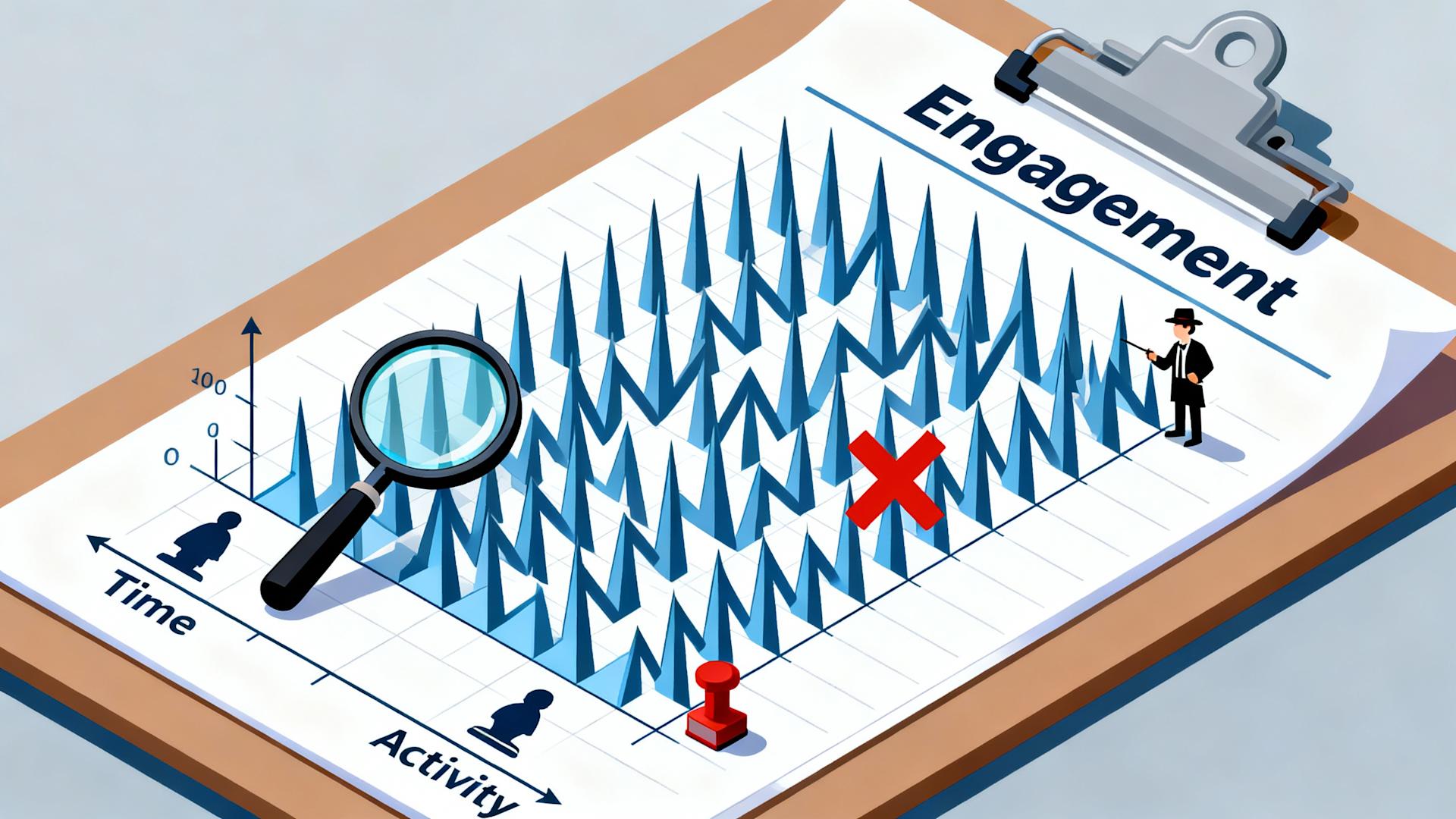
Suspicious Engagement Patterns
Platforms obsessively monitor engagement patterns to detect manipulation, and even innocent behaviors can sometimes appear suspicious.
Sudden follower spikes from purchased followers, follow-for-follow schemes, or viral videos that attracted low-quality audiences create red flags. If you gained 10,000 followers in two days and 99% of them never engage with your subsequent content, algorithms interpret this as inauthentic growth suggesting manipulation.
Engagement pods and reciprocal liking are explicitly against platform policies but still commonly used by desperate creators. When the algorithm notices you and the same 30-50 accounts consistently like and comment on each other's content within minutes of posting, it recognizes pod behavior and suppresses all participants.
Comment spam and generic engagement triggers suspicion when your videos receive dozens of generic comments like "Nice!" or "Great video!" from accounts that comment identically on thousands of videos. Even if you're not soliciting this spam, receiving it can create algorithmic skepticism about your engagement authenticity.
Unnatural like-to-view ratios suggest manipulation. If your video has 50 views and 45 likes, that's statistically improbable for organic engagement and suggests you and friends manually liked it. Similarly, having zero engagement on hundreds of views appears unusual and might trigger algorithmic investigation.
Follow-unfollow patterns where accounts follow you then unfollow days later appear to platforms as growth manipulation. If your follower count shows unusual volatility, gaining hundreds then losing hundreds repeatedly, algorithms question whether you're engaging in prohibited growth tactics.
Bot-like viewing patterns occur when the same accounts watch your videos immediately upon posting without watching content from other creators in your niche. This suggests coordination that platforms interpret as artificial inflation rather than genuine interest.
Policy Violations and Community Guidelines
Even minor guideline violations can trigger suppression that affects subsequent content even after violations are resolved.
Copyright strikes from using unlicensed music, movie clips, or other creators' content remain the most common violation. A single strike might just remove the offending video, but multiple strikes often trigger account-wide suppression. Even after strikes expire, your account may face closer algorithmic scrutiny.
Misleading metadata and clickbait crosses the line when titles and thumbnails make promises your content doesn't deliver. A video titled "I WON $100,000" that's actually about wanting to win someday constitutes misleading metadata that triggers suppression after enough viewers click away disappointed.
Sensitive content without proper restrictions including discussions of violence, dangerous activities, or adult themes without age restrictions or content warnings can trigger suppression. Platforms err on the side of limiting distribution for content that might be inappropriate for general audiences.
Spam, scams, and deceptive practices include promoting get-rich-quick schemes, misleading business opportunities, or deceptive products. Even if technically legal, content promoting questionable offerings often faces distribution limits.
Dangerous or harmful content featuring risky stunts, violence, disturbing imagery, or content that could inspire dangerous imitation receives strict algorithmic limits. This includes challenges, pranks involving potential harm, or content that could influence vulnerable viewers negatively.
Misinformation and misleading claims particularly about health, news, elections, or other sensitive topics trigger fact-checking systems and distribution limits. Making specific medical or political claims without appropriate disclaimers or citations can result in suppression.
Platform-Specific Technical Issues
Certain technical factors trigger algorithmic concern about your content quality or authenticity.
Watermarks from other platforms like TikTok watermarks on YouTube Shorts or Instagram watermark on TikTok violate the platforms' preferences for original content. These watermarks signal you're cross-posting rather than creating platform-specific content, triggering suppression. Clippie AI helps creators avoid this by producing platform-optimized content without revealing cross-posting.
Low video quality and technical problems including poor resolution, bad audio, excessive compression artifacts, or shaky unstabilized footage suggest low-effort content. While not explicitly violations, extremely poor technical quality can limit algorithmic promotion because platforms want to showcase quality content.
Incorrect aspect ratios and formatting like posting horizontal 16:9 videos to vertical-optimized feeds creates poor user experience. While the content still appears, algorithms may limit distribution because improper formatting suggests you're not optimizing for the platform.
Abnormally short or long durations outside optimal ranges can limit distribution. YouTube Shorts over 60 seconds don't qualify as Shorts, while TikToks under 3 seconds often don't receive full algorithmic consideration. Platforms have sweet spots, typically 15-45 seconds, where distribution is maximized.
Missing or excessive hashtags affects discoverability and algorithmic categorization. Using 30 hashtags appears spammy, while using zero hashtags prevents proper content categorization. The optimal range is typically 3-5 relevant hashtags that accurately describe your content.
Caption and description issues like keyword stuffing, misleading tags, or excessive links trigger spam filters. While optimizing metadata is important, overdoing it creates the opposite effect, flagging your content as potentially manipulative.
Posting Behavior Red Flags
How you post, not just what you post, significantly influences algorithmic perception.
Inconsistent posting frequency extremes confuse algorithms. Posting 15 videos in one day then nothing for two weeks appears unusual compared to consistent schedules. Similarly, extremely rigid posting (uploading at 3:47 PM every single day) can appear automated rather than human.
Rapid-fire posting of multiple videos within minutes triggers spam detection systems. Even if each video is unique, posting five videos in ten minutes appears automated or low-effort, suggesting content farming rather than thoughtful creation.
Long absences followed by sudden activity creates skepticism. If you didn't post for six months then suddenly uploaded daily, algorithms may initially limit your distribution while assessing whether your account was purchased, hacked, or represents legitimate resumed activity.
Cross-posting identical content simultaneously to multiple platforms with the same captions, hashtags, and timing appears automated. While using content across platforms is normal, doing so identically and simultaneously raises automation concerns.
Deleting and reuploading videos repeatedly signals either policy violation attempts or performance gaming. If you upload a video, delete it when it underperforms, and reupload hoping for better results, algorithms notice this pattern and may suppress your account.
Using automation tools for posting, engagement, or analytics violates most platforms' terms of service. Even scheduling tools that seem legitimate can trigger suppression if they behave in ways platforms interpret as bot-like.
Audience Behavior Signals
How viewers interact with your content provides the algorithm with quality signals that affect your distribution.
High early dropoff rates where viewers click away within 1-3 seconds consistently signal that your content doesn't match what titles/thumbnails promised or doesn't grab attention quickly enough. Multiple videos with 10-20% average watch time suggest serious content-audience mismatch.
Low engagement relative to views indicates viewers aren't finding content valuable enough to like, comment, or share. If you're getting views but virtually no engagement, algorithms conclude your content isn't resonating and reduce distribution.
Negative feedback signals including "not interested" selections, channel blocks, or reports directly tell algorithms viewers dislike your content. Accumulating negative signals across multiple videos triggers suppression.
Failing to retain viewers for related content means people watch one of your videos but don't watch subsequent videos from your channel. This signals your content isn't building audience loyalty that platforms value.
Profile visit rates and follow-through matter significantly. If viewers watch your video but rarely visit your profile or follow your account, platforms interpret this as disposable content rather than brand-building content worth promoting.
The Accumulation Effect
Individual triggers rarely cause immediate view jail. More commonly, suppression results from accumulating multiple smaller flags over time. You might post repetitively (mild concern), have slightly suspicious engagement (minor flag), and include watermarks (another ding). Individually, none trigger suppression, but collectively they tip algorithmic scales toward restricting your distribution.
This accumulation effect explains why view jail sometimes seems to come from nowhere. You've been gradually accumulating strikes against algorithmic favor without realizing it, and eventually cross a threshold that triggers suppression. Understanding this helps with prevention, avoiding even minor triggering behaviors prevents accumulation that leads to jail.
3. Reset Strategy: How to Recover Your Reach
Escaping view jail requires systematic approach addressing the root causes of suppression while demonstrating changed behavior to the algorithm.
Immediate Actions When You Detect View Jail
The first 48 hours after recognizing suppression are critical for stopping the bleeding and beginning recovery.
Stop posting immediately rather than continuing to pump out content that will only receive limited distribution. Every video you post while suppressed trains the algorithm that your content consistently underperforms, reinforcing the suppression. Take a 3-7 day posting break to reset patterns.
Audit your recent content for triggering patterns by reviewing your last 15-20 videos. Look for repetitiveness, policy violations, watermarks, poor quality, or other red flags discussed in the previous section. Create a detailed list of every potential trigger you identify.
Delete genuinely problematic content including videos with policy violations, extremely poor performance, or obvious guideline issues. Don't mass-delete everything, that appears suspicious, but remove clear problems. This signals to the algorithm you're self-correcting rather than defending problematic content.
Review Community Guidelines thoroughly on both platforms to ensure you understand current policies. Guidelines change regularly, and violations you weren't aware of might have triggered suppression. Familiarize yourself with what's prohibited so future content avoids violations.
Check your account standing in platform settings. Look for any strikes, warnings, or notifications you might have missed. Address any specific issues the platform has flagged before proceeding with recovery strategies.
Document your baseline metrics including typical view counts, engagement rates, traffic sources, and audience demographics before suppression. This data helps you measure recovery progress objectively rather than relying on feelings.
Join creator communities focused on your platform to check whether suppression is widespread or isolated to your account. Platform-wide issues require waiting out rather than account-specific recovery strategies.
The 7-14 Day Reset Protocol
This systematic approach addresses the causes of suppression while signaling changed behavior to algorithmic systems.
Days 1-3: Posting pause and content audit: Take a complete posting break. Use this time to thoroughly analyze what triggered suppression. Watch your last 20 videos objectively as if you were a new viewer. Identify patterns in format, content, style, and posting behavior. Create a detailed plan for what you'll change moving forward.
Days 4-7: Strategic content creation: Create 3-5 videos that specifically address whatever triggered suppression. If repetitiveness was the issue, create videos in entirely different formats. If quality was the concern, invest significantly more time in production value. If engagement was low, create highly engaging content types proven to generate interaction. Don't post these yet, just create them.
Day 7-8: The reset post: Post your first comeback video strategically. Choose your absolute best content from what you created, something genuinely different from previous patterns that you're confident will engage your existing audience. Post at your historically best time for maximum initial performance.
Days 9-11: Monitor and measure: Watch the performance of your reset video closely. Check whether you're receiving more distribution than during suppression. Look at traffic sources to see if "Browse features" or "For You" traffic is returning. If performance improves, you're on the right track. If it remains suppressed, reassess what triggers you might not have addressed.
Days 12-14: Gradual increase: If your reset video showed improvement, post 1-2 more videos in your new, improved style. Maintain quality and avoid returning to triggering patterns. Gradually increase posting frequency back toward your normal schedule but only if performance continues improving.
Days 15+: Sustained new patterns: If you've recovered distribution, maintain your improved content approach. Don't immediately revert to previous patterns thinking you've "served your time." The algorithm needs sustained evidence that you've genuinely changed behavior, not just temporarily improved.
Platform-Specific Recovery Tactics
Each platform responds to slightly different recovery approaches based on their algorithmic priorities.
YouTube Shorts recovery tactics:
Focus on watch-through rate improvement. Create shorter videos (15-30 seconds) with immediate hooks that retain viewers through the entire duration. YouTube's algorithm heavily weights watch-time percentage, so shorter, engaging content performs better during recovery than longer content risking dropoff.
Leverage your existing subscribers by creating content specifically designed to generate strong engagement from your current audience. Subscriber engagement signals to YouTube that your content has value, potentially triggering expanded distribution. Ask questions, encourage comments, and create controversy that generates discussion.
Use trending topics and hashtags to access new audience pools. If your usual niche audience has disengaged or isn't receiving your content, trending topics can introduce you to entirely new viewers who don't have suppression-related biases against your channel.
Collaborate or feature other creators through duets, reactions, or mentions. Association with successful creators in good algorithmic standing can provide credibility by proxy, potentially helping escape suppression faster.
Optimize for external traffic by sharing your Shorts to social media, embed in blogs, or feature in newsletters. External traffic sources that bring engaged viewers signal to YouTube that your content has value beyond the platform, potentially triggering algorithmic reconsideration.
TikTok recovery tactics:
Create highly shareable content during recovery since TikTok's algorithm heavily weights shares as quality signals. Relatable, funny, surprising, or emotionally resonant content that people want to share with friends can help you break through suppression faster.
Engage authentically with your niche by genuinely commenting on other creators' videos, duetting or stitching in creative ways, and participating in trending challenges. This organic community engagement signals active participation rather than automated posting.
Use fresh trending sounds rather than your usual music choices. New sounds with growing momentum can access audience pools less familiar with your suppressed account, providing clean-slate evaluation opportunities.
Post at varied times to break any patterns the algorithm might interpret as automated. If you always posted at 7 PM, try 10 AM, then 3 PM, then 9 PM across different days. This variance signals human behavior rather than scheduled automation.
Create content specifically for your existing followers to boost engagement rates on limited views. Since you're receiving reduced distribution, make that limited distribution count by creating content that deeply resonates with your core audience, generating disproportionately high engagement that signals quality to the algorithm.
Content Strategies That Signal Reset
Certain content approaches help communicate changed behavior to algorithmic systems.
Completely different visual styles from your suppressed content. If you used primarily text-on-screen videos, switch to on-camera content. If you featured fast-paced editing, try slower, more cinematic approaches. This visual distinction helps algorithms recognize changed patterns.
New content categories within your niche. If you've exhausted a specific topic, explore related but different aspects of your broader category. Educational creators might shift from how-to tutorials to myth-busting, while entertainment creators might shift from pranks to storytelling.
Higher production value demonstrates increased effort. Better lighting, improved audio quality, thoughtful editing, and professional graphics signal that you're treating your channel more seriously than during the suppressed period.
Story-driven content performs well during recovery because it naturally generates higher watch-through rates and engagement. Rather than informational or promotional content, tell engaging stories that hook viewers emotionally and keep them watching.
Interactive content that explicitly requests audience participation through questions, challenges, polls, or calls-to-action generates the engagement signals algorithms interpret as quality indicators.
What NOT to Do During Recovery
Certain desperate measures worsen suppression or delay recovery.
Don't mass delete your content library hoping for a clean slate. This appears suspicious and removes proof of your account's legitimate history. Only delete clearly problematic videos.
Don't buy views, followers, or engagement to artificially boost performance. Platforms detect these services and permanently suppressing accounts that use them. Authentic recovery is the only viable path.
Don't start a new account unless suppression persists beyond 30 days despite proper recovery efforts. Starting over means losing your existing audience and starting from zero. Most view jail is temporary and recoverable, making new accounts unnecessary.
Don't spam post thinking volume will overcome suppression. Posting daily or multiple times daily during recovery typically extends suppression by triggering spam detection systems.
Don't copy competitor content hoping their success will transfer. Algorithmic systems detect derivative content and suppress it regardless of the original's performance.
Don't argue with or blame the algorithm publicly. Negative posts about the platform in your content or comments doesn't help and may trigger manual review that confirms algorithmic suppression decisions.
Don't give up immediately. Recovery typically takes 7-14 days of consistent improved behavior. Many creators abandon recoverable accounts after just 3-4 days, assuming permanent damage when recovery was still in progress.
Measuring Recovery Progress
Knowing whether your efforts are working helps you stay motivated and adjust strategy if needed.
View count trajectory should show gradual improvement across 3-5 videos, not instant recovery. If your first post-suppression video gets 400 views compared to 100 during suppression, that's progress even if you're not back to 5,000 yet.
Traffic source shifts indicate algorithmic confidence restoration. Check whether "Browse features" on YouTube or "For You" on TikTok are returning as traffic sources. This matters more than absolute view counts, distribution source indicates algorithmic treatment.
Engagement rate consistency helps confirm content quality isn't the issue. If your engagement rate remains stable or improves, content quality is fine and you're just waiting for distribution to recover.
Follower growth resuming signals that new viewers are discovering and choosing to follow your account, indicating algorithms are promoting your content to fresh audiences again.
Watch time improvements particularly watch-through percentage on YouTube suggest your content quality has improved, making algorithmic re-promotion more likely.
Comparative performance against your pre-suppression baseline shows recovery progress. Create a simple spreadsheet tracking views, engagement rate, and traffic sources to objectively measure improvement rather than relying on feelings.
When to Consider Starting Over
While most accounts recover, certain circumstances might justify creating a new account.
Permanent suspension or strikes that won't expire make recovery impossible. If your account faces permanent strikes limiting monetization or features indefinitely, starting fresh might be necessary.
Suppression lasting 60+ days despite proper recovery efforts suggests deeper algorithmic issues. If you've implemented all recovery strategies properly for two months without improvement, starting over may be faster than continued recovery attempts.
Fundamental niche or brand pivots that require completely different content from your existing catalog. If you're abandoning your niche entirely, a fresh start might make sense rather than confusing existing audiences and algorithms with dramatic content shifts.
Learning opportunity if you've identified major mistakes in your approach. Sometimes creators realize their initial strategy was fundamentally flawed and a fresh start with corrected approach makes more sense than trying to fix an account with extensive problematic history.
However, recognize that new accounts face their own challenges including building from zero followers, establishing algorithmic trust, and potentially facing suppression if you repeat the mistakes that triggered jail on your previous account. Starting over should be a last resort after exhausting recovery strategies.
4. Content Formats That Break You Out of View Jail
Certain content types perform well even under algorithmic suppression and help signal quality to recommendation systems, accelerating recovery.
Story-Driven Content
Narrative-based videos consistently generate strong engagement metrics that help escape suppression.
Personal experience stories connect emotionally with viewers and naturally encourage completion. Rather than instructional or informational content, share stories from your life related to your niche. Educational tech creators might share their worst tech failure story. Fitness creators could share their transformation journey. These narratives hold attention better than dry information.
Dramatic narrative arcs keep viewers watching to discover outcomes. Structure stories with setup, conflict, and resolution rather than presenting information linearly. This storytelling approach naturally generates higher watch-through rates that signal content quality to algorithms.
Relatable struggle stories where you share challenges resonate strongly with audiences facing similar issues. Vulnerability creates connection that generates engagement through comments from viewers sharing their own experiences. This authentic interaction signals community value to platforms.
Before-and-after transformations work across niches from fitness to finance to productivity. The dramatic contrast creates compelling viewing, and audiences want to watch through to the payoff. Document real transformations rather than creating fake ones, authenticity matters for sustained engagement.
Mystery and suspense formats that withhold information strategically keep viewers watching. Pose questions early and delay answers, tease surprising revelations, or structure content to build tension that resolves near the end. This narrative technique prevents early dropoff that characterizes suppressed content.
Trend-Jacking and Timely Content
Leveraging trending topics and formats can access audience pools less affected by your suppression.
Current trending sounds and music provide entry points to trend-based discovery. When you use audio that's currently viral, your content appears in trend searches and sounds pages, circumventing typical algorithmic distribution. The freshness signals to platforms that you're active and relevant.
Viral challenge participation demonstrates community engagement and platform awareness. Participating in challenges popular in your niche shows algorithms you're creating content aligned with current user interests, potentially triggering reconsideration of suppression.
Timely news reactions in your niche provide relevance and urgency that audiences seek. React to industry news, breaking developments, or controversial topics while they're trending. This timeliness can help content perform better than evergreen content during recovery.
Trending format adaptations mean using popular video structures while maintaining your niche focus. If "Get Ready With Me" videos are trending, adapt that format to your niche, "Get Ready With Me While I Explain Quantum Physics" or "GRWM While Day Trading." This combination of trending format with niche expertise can break through suppression.
Seasonal and calendar-based content tied to holidays, events, or seasons provides timeliness that algorithms favor. Content about New Year's resolutions in January or back-to-school strategies in August benefits from timely relevance.
High-Engagement Interactive Content
Content formats that naturally generate engagement help prove value during suppression.
Question-based videos that explicitly ask viewers to comment with answers, opinions, or experiences generate interaction that algorithms interpret as quality signals. Ask controversial questions, request advice, or pose thought experiments that require viewer input.
This-or-that comparisons where you present two options and ask viewers to pick generate comments and engagement. Product comparisons, strategy debates, or opinion polls all work well. The structure naturally encourages viewer participation through comments declaring their preference.
Caption-this and fill-in-the-blank formats explicitly request engagement by presenting scenarios requiring viewer completion. Show interesting images or video clips and ask viewers to caption them, or provide sentence starters that viewers complete in comments.
Duets and stitches (on TikTok) or reactions (on YouTube) to other creators' content naturally generate engagement and can introduce your content to new audiences through the original creator's network. Choose content that allows you to add genuine value through your reaction or response.
Polls and prediction content where you make predictions or ask viewers to predict outcomes generates return visits and comments. Ask viewers to guess tomorrow's stock market movement, predict sports outcomes, or forecast industry trends, then create follow-up content addressing whether predictions were accurate.
Challenge or dare yourself publicly and document results. Commit to 30-day challenges, test viral theories, or attempt difficult goals while updating viewers on progress. This serial nature encourages viewers to return for updates and comment on progress.
Tutorial and Educational Content
Practical how-to content performs well during recovery when structured for high retention.
Quick-win tutorials that deliver immediate value in under 30 seconds provide complete satisfaction quickly. Teach one specific micro-skill, shortcut, or trick rather than comprehensive tutorials. This focused approach generates higher completion rates.
Problem-solution formats that identify a specific pain point then provide solutions address clear audience needs. Research common questions in your niche and create concise videos answering them perfectly. This utility generates shares and saves that signal value.
Myth-busting content that addresses misconceptions in your niche generates engagement through controversy. Viewers who believed myths comment defending them, while viewers learning truth thank you, creating bidirectional engagement that algorithms reward.
Life hack compilations presenting multiple quick tips rapidly maintain attention through variety. The format prevents boredom by constantly introducing new information before attention wanes.
Demonstration videos showing processes visually rather than explaining them verbally. The show-don't-tell approach works particularly well for creative, technical, or physical skills where watching is more valuable than listening.
Emotional and Inspirational Content
Content that creates strong emotional responses generates engagement and sharing that helps recovery.
Motivational content during difficult times resonates when authentic. Share encouraging messages, success principles, or mindset shifts that helped you. Avoid generic motivation, make it specific and personal to generate genuine connection.
Heartwarming stories about kindness, generosity, or human goodness naturally get shared. Feel-good content that creates emotional uplift performs well across demographics and can access audiences outside your typical niche.
Controversial or debate-worthy opinions generate engagement through agreement and disagreement. Take thoughtful positions on debated topics in your niche, explain your reasoning, and invite respectful discussion. The engagement this generates signals value even when viewers disagree.
Nostalgia content tapping into collective memories creates emotional connection and sharing. Reference cultural touchpoints, childhood experiences, or "remember when" moments that resonate with specific demographics.
Inspiring transformation stories of people overcoming obstacles resonate universally. Share stories of others in your niche who succeeded despite challenges, creating both inspiration and proof that success is possible.
Behind-the-Scenes and Authentic Content
Transparency and authenticity create connection that generates strong engagement during recovery.
Process videos showing how you create content, run your business, or develop your skills. Audiences increasingly value transparency about creator processes, and this meta-content often performs well.
Failure and lesson content where you share mistakes and what you learned generates engagement through vulnerability. Admitting failures humanizes you and creates comment discussions about similar experiences viewers have had.
Day-in-the-life content showing your actual routine and work provides parasocial connection that builds loyal audiences. While not appropriate for all niches, lifestyle integration with expertise creates engaging multi-dimensional content.
Equipment and tool reviews in your niche provide utility while demonstrating expertise. Reviews naturally generate comments with viewer experiences and questions, creating engagement that signals value.
Q&A content answering viewer questions directly demonstrates audience relationship and naturally generates engagement from viewers whose questions you answer plus viewers with related questions.
Platform-Specific Format Optimization
Different platforms favor different formats, so optimize for your specific platform during recovery.
For YouTube Shorts:
15-30 second videos with immediate hooks
Vertical format optimized content (not horizontal crops)
Clear, legible text overlays readable on mobile
Strong first 3 seconds since Shorts play automatically
Looping structures that encourage rewatches
For TikTok:
7-21 second quick-hit content for maximum completion
Sound-first content utilizing trending audio
Text-light videos that let visuals carry meaning
Authentic, unpolished aesthetic appropriate for platform
Story arcs that complete within single video
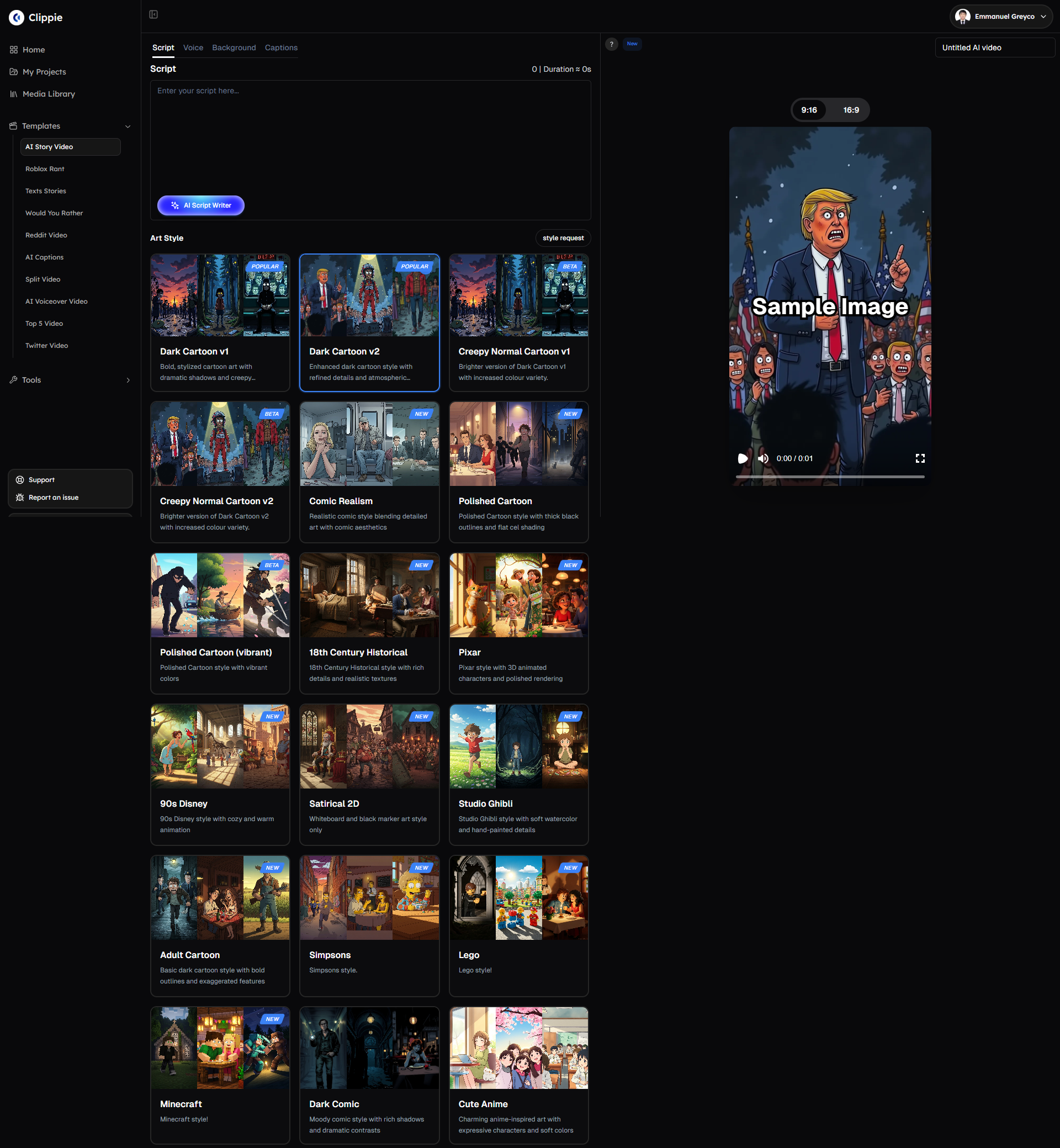
Content Creation Using Clippie AI
When recovering from view jail, production speed and quality both matter. Clippie AI helps create recovery content efficiently while maintaining the quality needed to signal value to algorithms.
Use Clippie to rapidly test different content formats during recovery without spending hours editing each experiment. Create 5-10 varied videos quickly to discover which formats perform best with your returning distribution. The platform's caption accuracy ensures professional polish, template customization allows distinctive styling, and platform-specific optimization means each video is formatted ideally for YouTube or TikTok without watermarks that would trigger suppression.
The time saved through Clippie's efficient workflow can be reinvested in content strategy, audience engagement, and creative planning, the high-level activities that actually drive recovery rather than getting buried in tedious editing work.

5. Posting Patterns That Prevent Future Suppression
Once you've escaped view jail, maintaining algorithmic favor requires understanding and implementing sustainable posting patterns.
Optimal Posting Frequency
Finding the right posting cadence prevents both spam flags and audience neglect.
Platform-specific frequency guidelines:
YouTube Shorts thrives on 3-5 posts weekly rather than daily posting. The platform's audience typically watches content in browsing sessions, and overwhelming them with your content creates fatigue. Quality over quantity applies particularly on YouTube where each video receives extended algorithmic life compared to TikTok's faster turnover.
TikTok supports higher frequency with 5-7 posts weekly or even daily posting for some niches. The platform's fast-moving feed means your content disappears quickly, and consistent presence helps maintain algorithmic favor. However, even on TikTok, posting multiple times daily risks spam flags unless each video is genuinely unique and high-quality.
Consistency matters more than frequency. Posting three videos weekly on Monday, Wednesday, and Friday trains both audience and algorithm to expect content. This consistency appears more legitimate than erratic posting, 15 videos one week then nothing for three weeks, which raises automation concerns.
Quality threshold maintenance means never posting content that doesn't meet your quality standards just to hit frequency goals. A delayed posting schedule is always better than posting mediocre content that underperforms and signals decreased quality to algorithms.
Strategic breaks paradoxically help long-term consistency. Taking planned week-long breaks after sustained posting periods (posting 3x weekly for 8 weeks, then taking one week off) appears more human than never missing a single scheduled post for months, which can appear automated.
Time and Audience Optimization
When you post significantly impacts initial performance that influences algorithmic promotion.
Audience active time analysis through platform analytics shows when your specific audience is online. Don't rely on generic "best time to post" advice, analyze your own data. Check when your videos historically receive fastest initial engagement, as this indicates audience availability.
Time zone considerations matter for geographically concentrated audiences. If your audience is primarily US-based, posting at 3 AM Eastern alienates them regardless of what generic algorithms suggest. Match posting times to your audience's waking hours.
Avoid ultra-predictable timing that appears automated. If you always post at exactly 2:00 PM, vary by 5-15 minutes around that time. Post at 1:54 PM, then 2:07 PM, then 1:59 PM. This variance signals human behavior while maintaining general time optimization.
Test different times systematically by rotating posting times across several weeks and measuring performance. Your optimal time might differ from what you assume or what worked previously as your audience evolves.
Consider competitive landscape timing. If your niche competitors all post at 6 PM, posting at 8 PM might provide less competition for viewer attention. Test whether slightly off-peak times improve performance by reducing noise.
Content Variety and Pattern Breaking
Maintaining novelty prevents the repetitiveness triggers that contribute to view jail.
Format rotation systems ensure you're not posting identical content types consecutively. If you have three content formats that work, tutorials, stories, and comparisons, rotate through them rather than doing five tutorials straight. Create a content calendar that mandates variety.
Visual style variations prevent template-obvious sameness. Even when maintaining brand consistency, vary backgrounds, framing, lighting, or editing styles enough that each video feels fresh. Don't use the exact same template for every video.
Topic diversity within your niche keeps content interesting for audiences and algorithms. If you teach productivity, rotate between time management, organization systems, digital tools, mindset, and work-life balance rather than posting 15 consecutive time management videos.
Length variation prevents formulaic patterns. Mix 15-second quick hits, 30-second mid-length content, and 45-60 second deep dives rather than making every video exactly 22 seconds.
Music and audio variety matters particularly on TikTok. Using identical background music for every video appears template-driven. Rotate through different sounds, use trending audio occasionally, and sometimes use no music at all.
Thumbnail and text variation ensures each video has distinctive visual identity. Don't use the same text placement, font, color scheme, and composition for every video. Create visual variety that makes each video look unique in a scrolling feed.
Engagement Strategy
How you engage with your own content and community affects algorithmic perception.
Respond to comments authentically on your videos, particularly in the first few hours after posting. This engagement signals active creator presence and community building. However, avoid copy-pasting identical responses which appears automated.
Engage with your niche community by watching, commenting, and interacting with other creators' content. This organic participation signals you're an active community member rather than just a content broadcaster. Spend at least 15-30 minutes daily engaging authentically.
Avoid engagement pods or reciprocal arrangement where creators agree to like/comment on each other's content. These appear obvious to algorithms through timing analysis and participant tracking.
Encourage genuine discussion in your content rather than just asking for engagement. Ask thought-provoking questions, take controversial (but thoughtful) positions, or present dilemmas that generate organic discussion rather than generic "great video!" comments.
Pin meaningful comments rather than generic praise. Pinning a thoughtful question or interesting perspective encourages deeper comment threads that signal community value.
Follow-up content based on comment feedback demonstrates you're listening to your audience. When multiple comments request deep-dives on specific topics, create that content and acknowledge the audience requests. This responsive approach builds community and signals audience-creator relationship.
Technical Quality Standards
Maintaining consistent technical quality prevents quality-based suppression triggers.
Resolution standards should consistently hit platform-recommended specs. Upload 1080p minimum for YouTube Shorts, ensure TikTok videos are sharp and properly formatted. Avoid visibly compressed or pixelated content.
Audio quality matters enormously for retention. Invest in decent microphones or use AI voice synthesis tools like Clippie that produce clear, professional audio. Bad audio causes immediate viewer dropoff that algorithms notice.
Lighting consistency creates professional appearance that signals serious creator commitment. You don't need expensive lighting, but avoid dark, muddy, or inconsistent lighting that appears low-effort.
Editing polish including smooth transitions, intentional effects, and purpose-driven editing demonstrates craft. While over-editing can hurt authenticity, sloppy editing with awkward cuts or timing issues signals low quality.
Accessibility features including captions on all videos improve user experience and signal platform-supportive behavior. Both YouTube and TikTok promote content with accurate captions because it serves deaf/hard-of-hearing communities and viewers watching without sound.
Content Planning and Strategy
Systematic approach to content prevents the desperation posting that often triggers suppression.
Content calendar creation at least two weeks ahead prevents last-minute rushed content. Plan topics, formats, and posting dates in advance, allowing time for quality production rather than daily scrambling.
Batch content creation where you produce multiple videos in single sessions improves efficiency and consistency. Create 4-6 videos in one production day, then schedule them across the following weeks. This approach prevents the stress of daily creation while maintaining posting consistency.
Trend monitoring helps you identify opportunities for timely content without forcing trends. Follow your niche closely enough to know when trends emerge that align with your expertise, then create relevant content quickly.
Performance review of your last 30 videos monthly helps identify what's working. Analyze which formats, topics, and approaches generate best engagement and algorithmic distribution. Double down on winners while phasing out consistent underperformers.
Experimentation slots in your content calendar allow testing new approaches without risking your consistent performers. Dedicate 1-2 slots monthly to experimental formats or topics. If experiments succeed, integrate them into regular rotation; if they fail, the damage is contained.
Cross-Platform Strategy
Using content across platforms requires strategic approach to avoid triggering watermark or duplication concerns.
Platform-native creation means optimizing separately for each platform rather than posting identical content everywhere. Use tools like Clippie AI that can create platform-specific versions without revealing cross-posting through watermarks or formatting.
Content adaptation rather than duplication involves modifying content for each platform's culture and format preferences. A 60-second YouTube Short might become three 20-second TikToks focusing on different aspects of the same topic.
Timing delays between cross-posted content reduce obvious duplication. Post to YouTube immediately, then delay TikTok version by 24-48 hours. This prevents simultaneous identical posting that appears automated.
Format diversification across platforms lets you maintain efficiency while avoiding duplication flags. Create primary content for your strongest platform, then repurpose elements for other platforms in different formats rather than direct republishing.
Watermark removal is essential when cross-posting. Use editing tools that produce clean content without platform branding. Clippie AI specifically addresses this by creating platform-optimized content without watermarks that would trigger suppression.
Red Flags to Avoid
Certain patterns should be actively avoided to prevent triggering new suppression.
Never post the same video twice on the same platform. If a video underperforms, analyze why rather than reuploading hoping for better luck.
Avoid sudden dramatic style changes that appear inauthentic. Evolve your style gradually rather than completely reinventing overnight, which appears suspicious.
Don't ignore platform policy updates that might affect your content. Follow official creator channels and adjust to new guidelines proactively rather than discovering violations through suppression.
Avoid aggressive follow/unfollow tactics that violate platform manipulation policies. Grow audiences organically through quality content rather than growth hacks.
Never artificially inflate engagement through purchased views, likes, followers, or comments. These services are detected and result in permanent suppression or bans.
Don't join engagement pods or reciprocal engagement arrangements. These are explicitly prohibited and obviously detectable through timing and participant analysis.
FAQs
1. How long does view jail typically last if I don't actively try to fix it?
View jail duration without active recovery varies significantly based on what triggered suppression and platform-specific factors. On TikTok, some creators report natural recovery after 14-21 days as the algorithm seems to periodically reassess suppressed accounts automatically. However, this isn't guaranteed, some creators remain suppressed for months without active intervention. YouTube tends to maintain suppression longer without demonstrated changed behavior, with many creators reporting suppression lasting 30-60 days or more when they continue posting similar content without addressing triggering patterns. The key insight is that passive waiting often extends suppression unnecessarily, while active recovery strategies can restore reach in 7-14 days. If you're in view jail and not actively implementing recovery strategies, you're likely extending your suppression significantly beyond necessary duration. The algorithm has no incentive to restore your distribution if you haven't demonstrated changed behavior that addresses whatever triggered suppression originally.
2. Can I appeal view jail or contact the platform for help?
Unfortunately, view jail isn't an official designation that platforms acknowledge or for which they provide formal appeals processes. Unlike copyright strikes or community guideline violations that come with notifications and appeal options, algorithmic suppression happens silently without explanation or appeal mechanisms. You cannot typically contact YouTube or TikTok support and say "I think I'm in view jail" and receive meaningful assistance. Support teams generally don't have authority to override algorithmic decisions or insight into why specific accounts receive limited distribution. Some creators have had success using platform creator support channels to report technical issues that might be causing suppression (like improperly flagged content or system errors), but these cases are rare. The lack of official acknowledgment or appeal process is precisely why understanding view jail mechanics and implementing systematic recovery strategies is essential, you cannot rely on platform intervention to solve the problem. Your recovery is entirely dependent on signaling changed behavior through your content and posting patterns that algorithm systems automatically detect and reward.
3. Will creating a new account help me avoid the suppression on my current account?
Creating a new account can bypass suppression on your existing account, but this approach carries significant disadvantages that make it a last-resort option rather than a first-line solution. Starting fresh means losing your existing follower base (which may still engage if distribution returns), abandoning your content library and analytics history, and sacrificing any channel authority and monetization eligibility you've built. Additionally, if you repeat the behaviors that triggered suppression on your original account, your new account will likely face the same issues. Platforms can also detect relationships between accounts through device fingerprinting, IP addresses, payment information, and behavioral patterns, meaning your new account might inherit some algorithmic skepticism from your suppressed account. The decision to start over should only come after exhausting recovery strategies for 60+ days without improvement, or when your existing account has permanent strikes or violations that cannot be resolved. For most creators, investing 7-14 days in systematic recovery of your existing account produces better outcomes than starting completely over. Your existing account has history, audience, and content that new accounts lack, assets worth fighting to restore rather than abandoning prematurely.
4. Does view jail affect my existing followers' ability to see my content?
View jail primarily affects algorithmic recommendation distribution to new viewers rather than delivery to existing followers, but the relationship is more complex than simple follower notification. On YouTube, subscribers who have notifications enabled should still receive alerts when you post, and your content should appear in their subscription feeds. However, the algorithm may deprioritize your content in their home feed recommendations where most viewing happens. On TikTok, your existing followers should see your content in their "Following" feed, but this represents a tiny fraction of potential views since most TikTok consumption happens through the "For You" page which is algorithmically curated. View jail doesn't typically prevent follower access, but it dramatically reduces new viewer discovery which normally drives the majority of views even for accounts with substantial followings. This is why view jail is so impactful, platforms are discovery-driven rather than subscription-driven, meaning algorithmic recommendation accounts for 70-90% of views for most creators. Losing that algorithmic promotion while retaining follower access still results in 80-95% view decreases relative to normal performance. Your followers can still find and watch your content if they actively seek it, but you lose the passive discovery that drives most growth and engagement.
5. Are certain content niches more prone to view jail than others?
Yes, certain niches face higher risk of view jail due to their content characteristics or because they attract behaviors that trigger algorithmic flags. Finance, cryptocurrency, health/medical, and political content face higher scrutiny because platforms want to prevent misinformation in sensitive areas, content in these niches may experience stricter algorithmic evaluation and faster suppression for guideline-adjacent content. "Get rich quick" and business opportunity niches attract many creators using manipulative tactics (purchased engagement, exaggerated claims, misleading thumbnails) which means algorithms scrutinize the entire niche more closely, sometimes catching legitimate creators in broad filtering. Highly competitive niches like motivational content and life advice are saturated with template-driven, low-effort content, making algorithms more sensitive to repetition triggers that might be tolerated in less saturated niches. Controversial niches including religion, parenting, or social issues generate negative feedback signals from viewers who disagree, which can accumulate and trigger suppression even when content doesn't violate policies. Gaming, educational technology, and creative niches typically face lower suppression risk when content is original and follows guidelines. However, any niche can experience view jail if creators violate posting patterns, use suspicious engagement tactics, or repeatedly post low-quality content. The niche creates baseline risk levels, but individual creator behavior ultimately determines whether suppression occurs.
6. Can using AI video tools like Clippie AI trigger view jail?
Using AI video tools does not inherently trigger view jail, many successful creators use AI tools including Clippie AI without experiencing suppression. What matters is how you use these tools and whether the output appears template-obvious or low-effort. The primary risk with AI tools occurs when creators use default templates without customization, producing content that looks identical to hundreds of other creators using the same tool and templates. This visual sameness triggers repetitiveness flags. However, Clippie AI specifically addresses this concern through extensive customization capabilities that let creators develop unique styles despite using AI assistance. The platform's caption accuracy, platform-specific optimization, and professional output quality actually help prevent view jail by ensuring technical quality remains high and content appears polished rather than low-effort. The critical factor is using AI tools strategically as production accelerators while maintaining creative input and customization rather than using them as completely hands-off content factories that produce generic, template-obvious videos. Creators who use Clippie to efficiently produce high-quality, customized content maintain algorithmic favor, while creators who use any tool (AI or traditional) to mass-produce low-effort, repetitive content risk suppression regardless of the specific tool used.
7. What should I do if I follow all recovery advice but remain suppressed after 30 days?
Persistent suppression beyond 30 days despite implementing proper recovery strategies suggests either deeper issues with your account or that you haven't fully identified and addressed all triggering patterns. First, conduct an exhaustive audit using fresh perspective, ask fellow creators or creator coaches to review your recent content and posting patterns to identify triggers you might be missing due to familiarity with your own content. Second, verify your account standing for any strikes, warnings, or policy violations you might have overlooked that require specific resolution. Third, dramatically increase the contrast between your suppressed content and recovery content, make changes so obvious that algorithms cannot miss the behavioral shift. Fourth, consider whether your niche or content type faces inherent algorithmic challenges that require completely different content approaches rather than incremental improvements. Fifth, test whether external traffic sources like social media promotion, email newsletters, or blog embeds can generate enough engagement to signal value despite limited algorithmic distribution. If suppression persists beyond 60 days despite these efforts, evaluate whether starting a new account makes more sense than continued recovery attempts, particularly if you've identified fundamental strategy errors that a fresh start would avoid. However, even in these cases, ensure you've learned what triggered original suppression so you don't repeat patterns on a new account.
Conclusion
View jail represents one of the most frustrating experiences in the creator journey, watching your hard work go unseen due to algorithmic decisions that feel arbitrary and unexplained. The sudden loss of reach, the uncertainty about causes, and the lack of official acknowledgment or support from platforms create genuine distress that can derail creator careers. But while view jail is real and impactful, it's also typically temporary and recoverable when you understand the mechanics behind algorithmic suppression and implement systematic recovery strategies.
The most important insight from this comprehensive guide is that view jail isn't punishment or personal judgment, it's algorithmic feedback about creator behavior patterns that platforms interpret as potentially problematic. Repetitive content, suspicious engagement, policy violations, technical issues, and posting patterns that appear automated all trigger protective systems designed to maintain platform quality and user experience. Understanding these triggers transforms view jail from mysterious punishment into decipherable feedback that guides your recovery strategy.
Recovery from view jail requires systematic approach rather than desperate random measures. The immediate pause to stop reinforcing suppression patterns, thorough audit to identify what triggered algorithmic concern, strategic content reset that demonstrates changed behavior, and sustained new patterns that prove genuine improvement, this sequence consistently produces recovery within 7-14 days when properly implemented. The creators who escape view jail quickly are those who treat it as a diagnostic signal requiring specific corrective actions rather than unfair punishment requiring only patience.
The content formats and posting patterns we've explored throughout this guide provide concrete actions you can take immediately when experiencing suppression. Story-driven content, trend-jacking, high-engagement interactive formats, and quality tutorials all help demonstrate value to algorithms even with limited initial distribution. Optimal posting frequency, time-based audience optimization, content variety, and technical quality standards prevent the patterns that trigger suppression in the first place. These aren't theoretical principles, they're proven strategies that successful creators use to maintain algorithmic favor and recover quickly when suppression occurs.
The Broader Implications of Understanding View Jail
Mastering view jail mechanics provides insights that extend beyond suppression recovery into general algorithmic literacy that benefits all aspects of your creator journey. Understanding what platforms reward and penalize helps you make strategic decisions about content formats, posting patterns, and growth tactics that align with platform priorities rather than fighting against them.
The creator economy increasingly rewards those who understand platform mechanics at a deep level. While some creators struggle repeatedly with suppression cycles, others maintain consistent algorithmic favor because they've internalized the patterns that platforms reward. This knowledge gap creates compounding advantages, creators who avoid view jail maintain momentum, build audiences consistently, and reach monetization milestones faster than those cycling through suppression periods that halt growth for weeks at a time.
Tools like Clippie AI accelerate recovery and prevention by ensuring technical quality, platform-specific optimization, and production efficiency that allows strategic focus on algorithmic favor rather than getting buried in tedious editing. The time saved through efficient AI-assisted production can be reinvested in the strategic content planning, audience engagement, and creative experimentation that truly drive growth. When recovering from view jail, speed matters, Clippie's rapid production capabilities help you test multiple content approaches quickly to identify what works without waiting days between experiments.
Prevention as the Ultimate Strategy
While this guide provides comprehensive recovery strategies, the ultimate goal should be avoiding view jail entirely through sustainable content practices. The posting patterns, content variety, engagement strategies, and quality standards that prevent suppression are the same practices that build sustainable creator businesses. View jail prevention isn't about gaming algorithms or walking algorithmic tightropes, it's about genuine quality, audience value, and authentic community building that platforms naturally reward.
Creators who focus on providing genuine value to their specific audiences, maintain consistent quality standards, engage authentically with their communities, and evolve creatively within their niches rarely experience sustained view jail. When temporary suppression does occur, they recover quickly because their foundational practices align with platform priorities. Building your creator practice on these principles creates resilience against algorithmic fluctuations and suppression cycles that derail less strategic creators.
Your Next Steps
If you're currently experiencing view jail, implement the recovery protocols outlined in this guide immediately. Stop posting, audit your recent content for triggering patterns, create strategic reset content that demonstrates changed behavior, and measure your recovery progress objectively. Most importantly, maintain perspective, view jail is temporary feedback, not permanent judgment, and recovery is entirely achievable through systematic approach.
If you're not currently suppressed, use this knowledge proactively to prevent view jail through sustainable content practices. Review your posting patterns, content variety, and technical quality against the standards we've discussed. Identify any behaviors that might trigger future suppression and correct them before algorithms intervene.
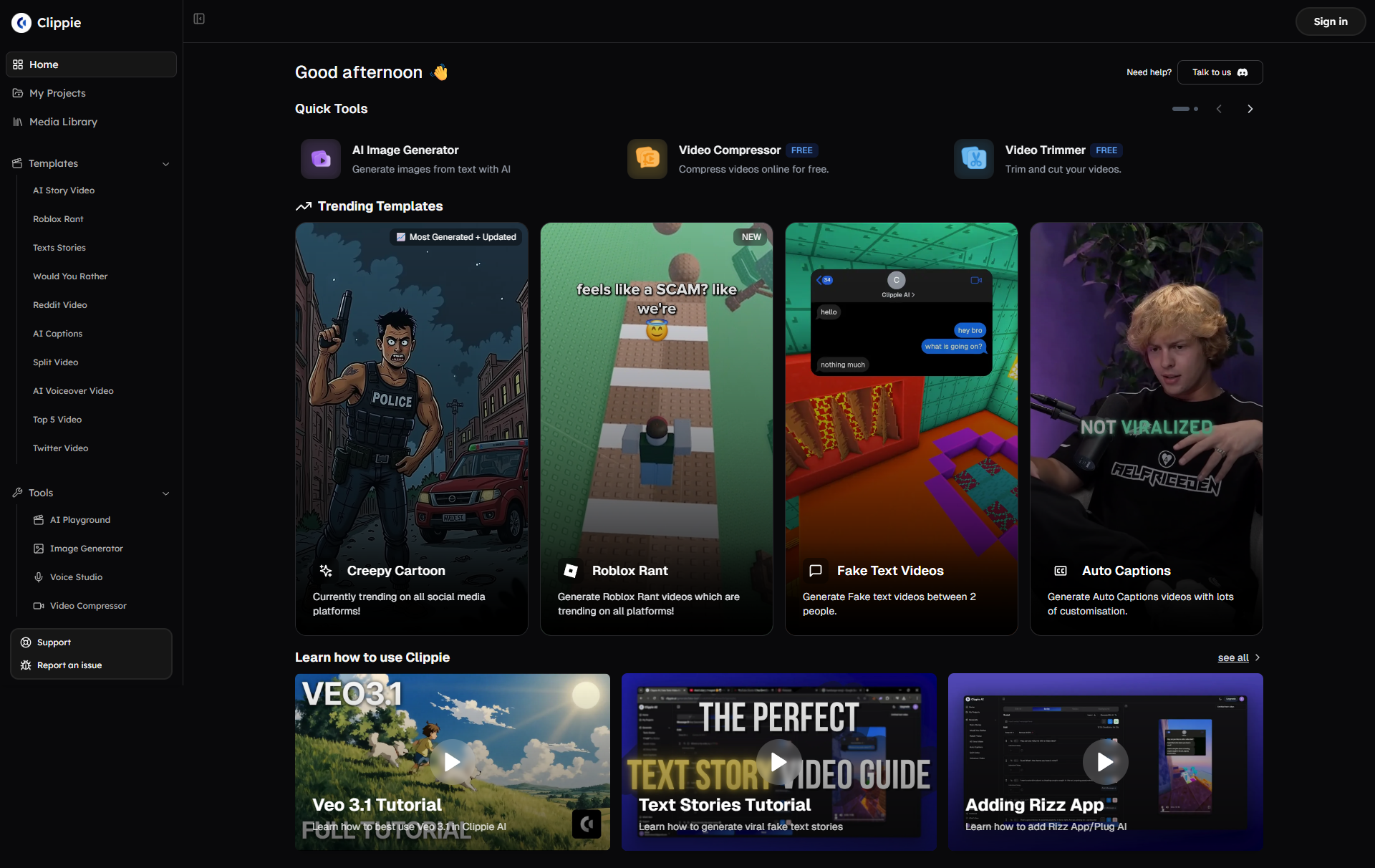
Clippie AI is the fastest way to create high-quality, platform-optimized content that maintains algorithmic favor while accelerating your production workflow. Whether you're recovering from view jail and need to quickly test multiple content approaches, or building sustainable content practices that prevent suppression, start creating with Clippie today, and experience how efficiently you can produce the quality content that platforms reward and audiences love.
Start Your Free Clippie Trial Now and build your creator business on the foundation of quality, consistency, and algorithmic understanding that drives sustainable success. Your audience is waiting, and the algorithm is ready to reward strategic creators who understand its priorities.
Related Blog Posts
1. YouTube Shorts Algorithm Secrets: How to Get More Views in 2025: Master the complete YouTube Shorts algorithm with detailed strategies for maximizing distribution, including retention optimization, traffic source leveraging, and the specific engagement signals that trigger algorithmic promotion for explosive growth.
2. TikTok Growth Strategy: From 0 to 100K Followers Without Paid Ads: Discover the complete organic growth framework for TikTok including content formulas, posting strategies, engagement tactics, and algorithmic optimization that successful creators use to build massive audiences without advertising spend.
3. The Complete Guide to Monetizing Short-Form Video Content in 2025: Explore every monetization pathway available to short-form content creators including ad revenue, brand partnerships, affiliate marketing, digital products, and coaching services, with real creator case studies and revenue benchmarks across different niches and audience sizes.
Make an AI story video
Write a script or let AI write one. Clippie turns it into a narrated video with AI scenes, voiceover and captions.
Read more

How to Make Top 5 Ranking Videos in 2026 (Step-by-Step)
Build ranking Shorts that can still earn: pick a debatable topic, set clear criteria, source clips you may use, script the countdown, add your commentary.

How to Create Short-Form Videos Using AI: 8 Steps (2026)
A beginner workflow for AI videos on TikTok, Reels and Shorts: pick a format, script a hook, add visuals, voice and captions, export at 9:16, label AI.
7 Free CapCut Alternatives for Short-Form Video (2026)
Compare Edits, YouTube Create, VN, Clipchamp, Canva, DaVinci Resolve and Shotcut: what each gives free users, what it caps first and where it falls short.