
How to Build a Content Calendar That Actually Works
Master content calendar creation with proven strategies for planning, organizing, and executing consistent content. Complete guide to themes, tools, trend balance, and sustainable workflows.
The vast majority of struggling content creators share one critical failure pattern: they operate reactively, deciding what to create hours or days before posting, experiencing constant stress about "what to post next," allowing gaps in posting consistency that destroy algorithmic momentum, and burning out from the perpetual grind of last-minute content creation without strategic direction. This reactive approach creates vicious cycle where inconsistency leads to poor algorithmic performance, requiring even more effort to regain lost momentum, while the constant decision-making overhead consumes creative energy that should go toward content quality and audience engagement, and the absence of strategic planning prevents building toward meaningful channel goals or capitalizing on predictable opportunities.
In contrast, successful sustainable creators operate proactively through systematic content calendars providing clarity weeks or months in advance about what content they're creating and when, reducing daily decision fatigue by front-loading strategic thinking into planning sessions, enabling consistent posting that algorithms reward with steady promotion, and creating sustainable workflows preventing burnout through batch production and strategic pacing. The content calendar transforms content creation from chaotic reactive scramble into systematic strategic operation, the difference between running a business and constantly firefighting emergencies.
Yet most creators' attempts at content calendars fail spectacularly within 2-4 weeks, abandoned as too rigid and constraining when creative inspiration strikes, too complex and time-consuming to maintain alongside actual content creation, disconnected from reality when planned content doesn't match actual production capacity, or simply ignored when immediate pressures override planned intentions. These failures stem not from content calendars being inherently flawed tools but from fundamental misunderstandings about what effective content calendars actually are and how they should function within creator workflows. A content calendar isn't a rigid inflexible schedule dictating every detail months in advance, it's a strategic framework providing structure while maintaining creative flexibility, a planning tool reducing decision overhead without eliminating spontaneity, and a business system ensuring consistency and strategic progress while preventing burnout.
Why Content Calendar Failure Is So Common
Understanding why most content calendar attempts fail reveals how to design systems that actually work.
The rigidity trap destroys calendars when creators treat them as inflexible commitments rather than flexible frameworks, planning every detail months ahead then feeling constrained when better ideas emerge, refusing to adjust calendars when circumstances change treating deviation as failure, and experiencing guilt and abandonment when reality doesn't match plans perfectly. Effective calendars provide structure without rigidity, they're guides not prisons.
The complexity spiral makes calendars unsustainable when systems become so elaborate they require hours of weekly maintenance, tracking so many variables and details that updating becomes overwhelming, using sophisticated tools requiring extensive learning and ongoing management, and creating planning overhead exceeding time saved through organization. Effective calendars are appropriately simple, complex enough to be useful but simple enough to maintain sustainably.
The disconnect from capacity dooms calendars when planning assumes unrealistic production capability, scheduling daily posting when sustainable capacity is 3-4 weekly, planning complex productions without allocating sufficient production time, and creating ambitious calendars that look impressive but are completely unexecutable. Effective calendars reflect honest capacity assessment, they plan what you can actually accomplish not what you wish you could do.
The strategy absence makes calendars meaningless when they're just posting schedules without strategic purpose, listing "post something" without clarity about content types or goals, lacking connection to audience needs or channel objectives, and functioning as task lists rather than strategic tools. Effective calendars serve strategy, they translate goals into systematic execution not just organize random content.
What This Comprehensive Guide Delivers
This tutorial provides complete systematic framework for creating and maintaining content calendars that actually work in practice.
The foundational section establishes why content calendars matter beyond just organization including how consistency compounds algorithmically over months, why strategic planning improves content quality and audience growth, how calendars prevent burnout through sustainable workflows, and what realistic expectations look like for calendar benefits and limitations. Understanding the "why" prevents misunderstanding what calendars can accomplish.
The strategic planning section covers mapping themes and content pillars including identifying monthly strategic themes providing coherence across content, developing weekly tactical focus areas maintaining variety within consistency, balancing different content types serving multiple audience needs and platform requirements, and aligning calendar with business goals and growth strategies. Strategic clarity transforms calendars from scheduling tools into business execution systems.
The practical implementation section provides tools and systems for calendar management including spreadsheet-based solutions for simple accessible calendaring, project management platforms for sophisticated workflows, specialized creator tools designed specifically for content planning, and automation and integration reducing manual calendar maintenance. Tool selection affects calendar sustainability dramatically, right tools make calendars effortless while wrong tools make them burdensome.
The balance and optimization section addresses maintaining healthy sustainable calendars through balancing trending content and evergreen material optimizing for both immediate performance and long-term value, managing production workflows supporting calendar execution sustainably, preventing creative stagnation through systematic variety and experimentation, and maintaining flexibility adapting calendars to changing circumstances and opportunities. Sustainable calendars evolve and breathe rather than remaining static rigid.
The consistency and burnout prevention section tackles maintaining execution without exhaustion including building buffer content protecting against inevitable disruptions, batching production for efficiency without sacrificing quality, managing energy and motivation through sustainable pacing, and implementing systems recovering quickly from inevitable calendar breaks. Sustainability matters more than perfection, working calendars beat abandoned elaborate plans.
By completing this guide, you'll understand both the strategic framework for effective content calendars and the practical systems for implementing and maintaining them sustainably, transforming your content creation from reactive chaos into systematic strategic operation.
Table of Contents
Why Creators Need a Content Calendar
Mapping Out Monthly & Weekly Themes
Tools to Help You Plan Faster
Balancing Trends With Evergreen Posts
Maintaining Consistency Without Burnout
FAQs
Conclusion
1. Why Creators Need a Content Calendar
Establishing the business case for systematic content planning beyond just staying organized.
The Algorithmic Consistency Advantage
How regular predictable posting drives exponentially better platform performance than sporadic creation.
The algorithmic momentum principle shows platforms rewarding consistent creators disproportionately where YouTube's algorithm explicitly favors channels posting on consistent schedules providing reliable content to recommend, TikTok's system promotes creators maintaining regular posting patterns demonstrating commitment and reliability, Instagram's feed and recommendation algorithms similarly reward consistent presence and engagement, and cross-platform patterns show consistency mattering as much as content quality for algorithmic distribution. The algorithmic preference for consistency isn't arbitrary, platforms business model depends on reliable content supply they can confidently recommend to users knowing creators will continue delivering.
The compound visibility effect shows consistency creating exponential growth advantages where each new video receives algorithmic promotion based partly on channel's overall consistency and performance, consistent posting maintains momentum preventing "cold start" problems requiring rebuilding promotion from zero, regular content keeps channel active in algorithm's awareness versus sporadic creators losing visibility, and sustained consistency over 3-6 months creates dramatic cumulative advantages over equally talented inconsistent creators. A creator posting consistently at mediocre quality often outperforms exceptionally talented creator posting sporadically, consistency provides algorithmic leverage that quality alone cannot overcome.
The audience expectation establishment turns consistency into competitive advantage where regular posting trains audience to expect and anticipate new content, building habitual viewership and engagement patterns, creating disappointment and disengagement when consistency breaks destroying momentum, enabling notification and subscription value since audience knows content arrives predictably, and establishing creator identity as reliable versus unreliable affecting brand perception and loyalty. Audience relationships require reliability, inconsistent creators never build deep audience connections regardless of content quality.
The practical consistency challenge without calendar systems shows creators struggling to maintain regularity through constant decision paralysis about what to create next, energy drain from perpetual "starting from zero" without momentum or planning, life disruptions causing posting gaps that destroy months of algorithmic momentum, and burnout from unsustainable reactive creation attempting to maintain consistency through willpower alone. Content calendars solve consistency problems systematically rather than depending on motivation or willpower which inevitably fail.
Strategic Content Development and Quality
How planning ahead paradoxically improves content quality versus reactive last-minute creation.
The creative quality paradox shows planning improving content despite seeming to reduce spontaneity where advance planning provides time for research, development, and refinement impossible in last-minute creation, strategic frameworks prevent repetition and staleness through systematic variety planning, thinking time between ideation and production enables subconscious processing improving ideas, and reduced time pressure prevents rushed low-quality execution that undermines good concepts. The best spontaneous content comes from creators who've planned frameworks enabling spontaneity within structure rather than complete chaos.
The audience alignment advantage from strategic planning shows calendars enabling systematic audience research and response where you can identify audience questions and needs systematically addressing them in planned content, analyze performance patterns planning more of what works and less of what doesn't, balance different audience segments ensuring comprehensive value delivery not just serving vocal minority, and plan content progressions building audience knowledge and engagement systematically over weeks. Reactive creation randomly serves whoever commented most recently, planned creation strategically serves entire audience systematically.
The production value improvement through batching and planning includes time for proper research gathering information and examples strengthening content, script development and refinement improving structure and delivery, production setup and quality control preventing rushed sloppy execution, and editing and polish time creating professional results versus acceptable rough cuts. The production quality gap between planned batch-produced content and reactive last-minute creation is dramatic, viewers perceive and respond to quality differences even if unconsciously.
The creative development trajectory shows planning enabling intentional skill building where you can plan content specifically developing skills or formats you're learning, test variations systematically learning what works rather than random experimentation, build toward ambitious projects through preparatory content and skill development, and maintain creative freshness through planned variety and challenges preventing stagnation. Reactive creation keeps you doing what's comfortable, planned creation drives growth and development.
Burnout Prevention and Sustainable Workflows
How systematic planning paradoxically reduces work stress versus increasing rigidity.
The decision fatigue reduction provides immediate psychological relief where planning sessions front-load decisions into focused strategic time rather than constant daily "what should I create," reducing daily creative burden to execution rather than ideation and decision-making, preventing analysis paralysis from infinite options by creating bounded frameworks, and freeing mental energy for quality execution rather than perpetual planning and decision-making. Decision fatigue is real and cumulative, eliminating daily "what to post" decisions saves enormous psychological energy.
The sustainable pacing framework calendars enable includes planning realistic production loads matching actual capacity preventing overcommitment, building recovery time and buffer preventing perpetual deadline stress, distributing effort across weeks and months rather than intense bursts and crashes, and enabling vacation and breaks without destroying channel momentum through advance planning. Sustainable creators plan for sustainability, unsustainable creators burn bright then flame out.
The motivation and momentum maintenance through visible progress where calendars provide tangible progress tracking showing accomplished work and maintaining motivation, enable celebration of milestone completion reinforcing positive creation habits, prevent discouragement from perceived lack of progress making systematic advancement visible, and create accountability structures helping maintain commitment during inevitable motivation dips. The psychological benefit of seeing planned content systematically completed cannot be overstated, it transforms creation from Sisyphean struggle into visible progressive achievement.
The stress reduction from buffer and flexibility proper calendars provide includes advance content buffer protecting against life disruptions and unexpected delays, planned flexibility accommodating trending opportunities and inspiration without destroying structure, reduced panic and crisis from always having next content planned and partially prepared, and mental space for creativity and quality rather than perpetual emergency firefighting. The chronic stress of reactive content creation destroys creativity and quality, systematic planning creates psychological safety enabling best work.
Business Growth and Strategic Progress
How calendars enable intentional channel development versus random wandering.
The strategic goal alignment calendars provide transforms random content into systematic progress where monthly themes can target specific growth objectives (new audience segments, skill development, monetization preparation), content progressions build toward major launches or campaigns rather than isolated disconnected posts, performance tracking reveals what's working enabling doubling down on successful strategies, and regular review and adjustment keeps content aligned with evolving goals rather than inertia. Random content might accidentally achieve goals, planned content systematically pursues them.
The audience building system calendars enable includes content funnels systematically moving audience from discovery to loyal community, addressing different audience journey stages (awareness, consideration, decision, loyalty), building comprehensive value libraries serving audience needs systematically, and creating signature content series building brand identity and audience expectations. Successful channels aren't random collections of good videos, they're systematically built libraries serving audience journeys.
The monetization enablement from systematic planning shows diverse content portfolios supporting multiple revenue streams (ad revenue, sponsorships, products, services), consistent demonstration of audience value and engagement attracting sponsor interest, systematic product launch preparation through audience education and need development, and brand building through cohesive strategic presence rather than disconnected random posts. Monetization requires demonstrated capability and reliability, calendars provide evidence supporting monetization conversations.
The competitive positioning advantage systematic creators achieve includes consistent presence outpacing sporadic competitors regardless of their talent, strategic content targeting underserved niches and opportunities competitors miss randomly, building comprehensive topical authority through systematic coverage competitors cannot match, and sustainable pace enabling outlasting competitors who burn out from unsustainable reactive approaches. The creator landscape is littered with talented failures who couldn't maintain consistency, systematic calendar users compound small advantages into insurmountable leads.
2. Mapping Out Monthly & Weekly Themes
The strategic framework translating goals into systematic executable content plans.
Identifying Your Core Content Pillars
Establishing the foundational themes around which all content revolves.
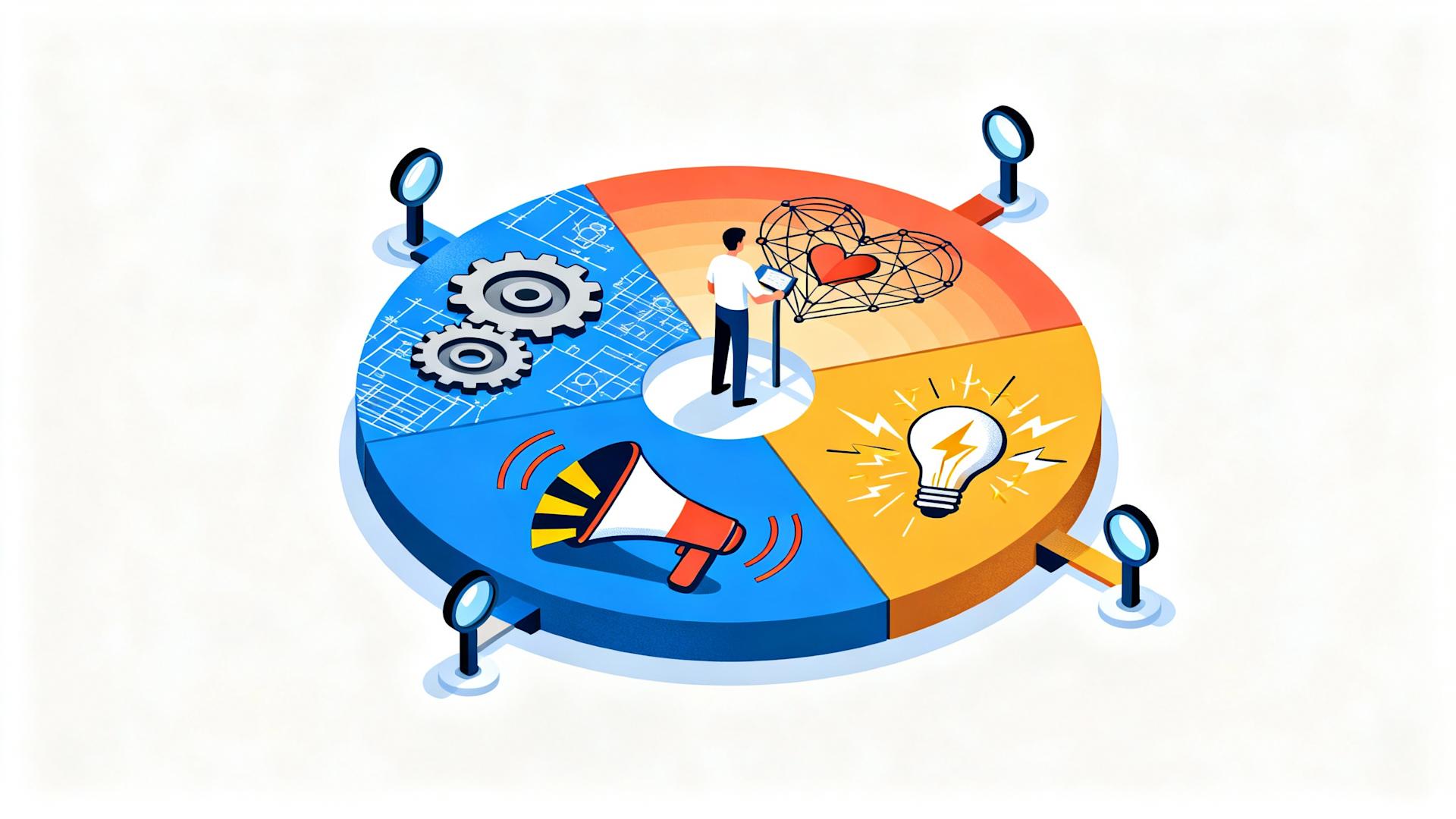
The content pillar concept provides strategic structure through 3-5 major themes representing what your channel is fundamentally about, topics you can create endless content within without repetition or staleness, subjects where you have expertise or unique perspective providing genuine value, and themes aligned with audience interests and needs revealed through research. Content pillars aren't random topics, they're strategic foundations supporting channel identity and systematic value delivery. Example pillars for productivity channel: "Time Management Systems," "Focus and Deep Work," "Energy and Motivation," "Tool Reviews and Recommendations."
The pillar identification process involves analyzing your most successful content finding common themes that resonate, researching audience questions and pain points revealing systematic need patterns, evaluating your expertise and unique perspectives determining where you provide genuine value, and considering business goals ensuring pillars support monetization and growth strategies. The pillars should feel natural and energizing, if pillar feels forced or draining, it's wrong foundation for sustainable content.
The pillar balance and coverage ensures comprehensive value delivery where different pillars serve different audience needs and preferences, rotation between pillars maintains variety preventing audience fatigue from repetition, each pillar receives sufficient attention building depth and authority, and pillar selection allows endless content generation within each preventing creative exhaustion. Test pillar sustainability: can you generate 20-30 content ideas within each pillar relatively easily? If not, pillar may be too narrow or misaligned with your knowledge and interests.
The pillar evolution over time recognizes channel development where initial pillars might shift as you discover audience preferences and your own interests, adding or removing pillars as channel grows and diversifies or focuses, refining pillar definitions based on performance and feedback, and maintaining core identity while allowing strategic evolution. Pillars provide structure not prison, they should evolve serving channel growth rather than constraining it.
Planning Monthly Strategic Themes
Translating pillars into monthly focus areas providing coherence while maintaining pillar rotation.
The monthly theme concept creates focused coherent periods where month focuses on specific pillar or topic within pillar providing depth, all content that month relates to theme creating topical authority and audience value, theme enables comprehensive coverage of topic in ways single videos cannot, and monthly cadence is long enough for depth but short enough to maintain variety and avoid staleness. Monthly themes transform disconnected content into strategic campaigns building toward comprehensive value delivery.
The theme selection process balances multiple factors including rotating through content pillars ensuring balanced coverage over quarter or year, responding to seasonal relevance and audience needs (productivity in January, holiday content in December), building toward launches or monetization opportunities through preparatory theme months, and maintaining mix of evergreen and timely themes balancing long-term and immediate value. The theme calendar might look like: January - "New Year Productivity Systems," February - Deep Work and Focus," March - Energy Management," April - Tool Ecosystem Review."
The monthly theme execution creates coherent value delivery where week 1 introduces theme and foundational concepts, weeks 2-3 provide depth through varied perspectives and formats, week 4 synthesizes theme with advanced applications or summaries, and throughout month, trending or reactive content relates back to theme when possible. The monthly arc creates journey for audience rather than disconnected individual posts, they're learning and building understanding systematically.
The theme planning timeline operates on strategic horizon where current month executes planned theme with full calendar of specific content, next month is outlined with theme selected and rough content ideas identified, months 2-3 ahead have themes selected without specific content details, and 3-6 month horizon has tentative theme possibilities without firm commitment. This multi-horizon planning balances structure and flexibility, you're never scrambling for next month's direction but maintaining flexibility for opportunities and adjustments.
Developing Weekly Tactical Content Plans
Translating monthly themes into specific weekly content maintaining variety within coherence.
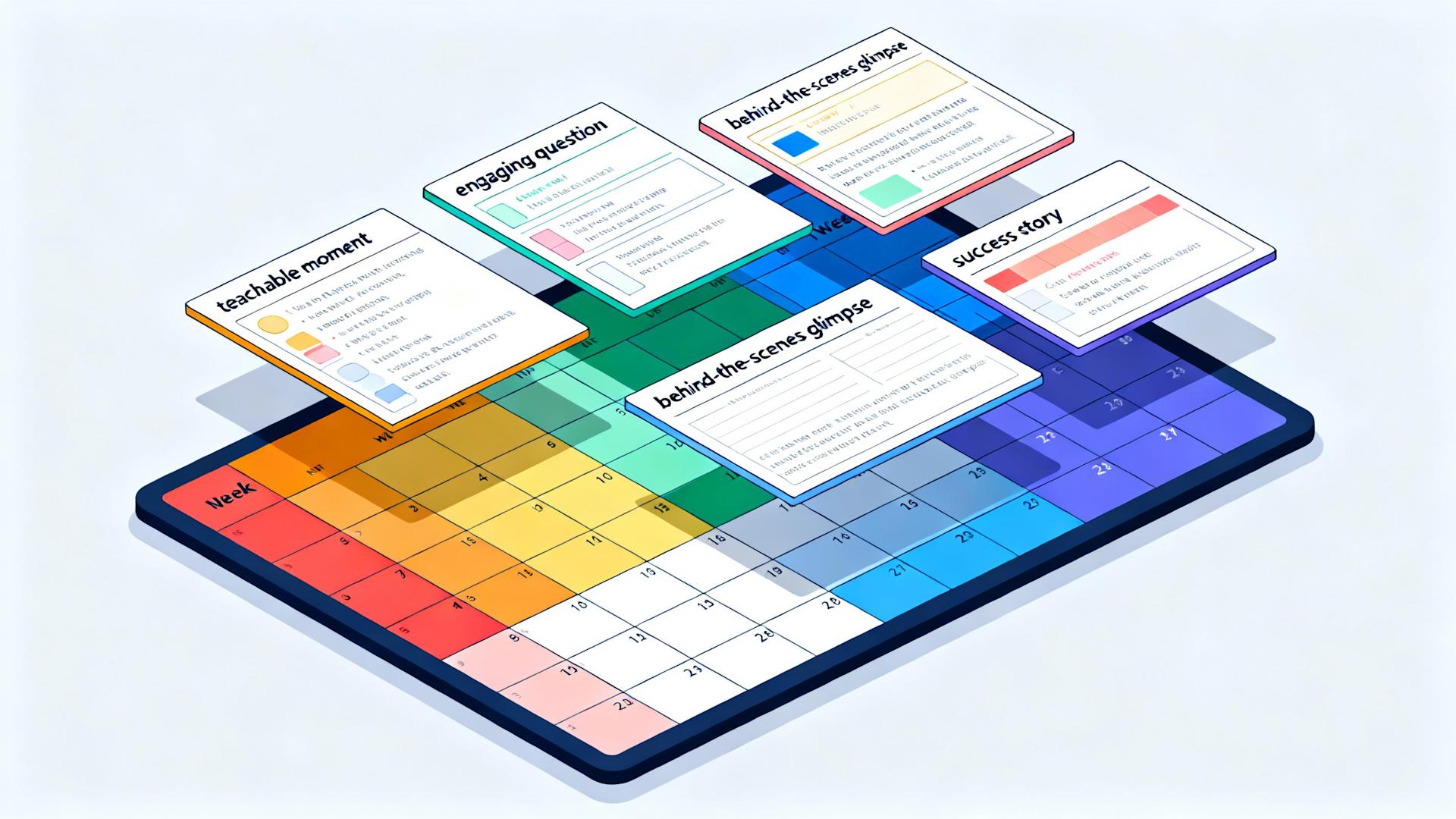
The weekly content structure provides tactical execution framework where each week addresses specific aspect of monthly theme advancing narrative arc, content slots are allocated to different formats and platforms ensuring comprehensive presence, variety within week prevents staleness while maintaining thematic coherence, and weekly planning is specific enough for production but flexible enough for adjustments. Example week in "Productivity Systems" month: Monday - morning routine system (TikTok/Shorts), Wednesday - deep dive productivity app review (YouTube), Friday - Q&A addressing audience productivity challenges (Instagram/blog).
The platform-specific planning ensures comprehensive presence where YouTube receives 1-2 longer videos weekly (tutorials, deep dives, comprehensive guides), TikTok/Shorts/Reels receive 3-7 short-form posts weekly maintaining algorithmic favor, Instagram/Twitter receive daily presence through stories, tweets, or carousel posts, and blog/newsletter receive weekly comprehensive content for SEO and email list building. The multi-platform strategy requires calendaring each platform's content preventing platform neglect or imbalanced attention.
The format variety planning within themes maintains engagement where tutorials and how-tos provide tactical value, commentary and analysis provide perspective and thought leadership, reviews and comparisons help audience make decisions, personal stories and case studies provide inspiration and relatability, and Q&A or reactive content ensures audience responsiveness and community building. The format rotation prevents creative stagnation and serves different audience learning preferences, some people want tactical how-tos, others want inspiration, others want deep analysis.
The weekly review and adjustment creates learning loop where Sunday or Monday review previous week's performance identifying what worked and what didn't, adjust current week's calendar based on trends, opportunities, or capacity changes, verify current week's content is produced or production is on schedule, and brief look-ahead to next week ensuring no surprises or preparation gaps. The weekly review takes 15-30 minutes but prevents major calendar drift and enables systematic optimization over time.
Balancing Different Content Types and Formats
Ensuring calendar serves multiple strategic purposes rather than becoming monotonous or unbalanced.
The strategic content type matrix includes hero content (major flagship pieces demonstrating expertise and building authority), hub content (regular reliable content maintaining consistency and serving core needs), hygiene content (answering basic questions and serving discovery through search), trending content (responsive to current events and trending topics), and experimental content (testing new ideas and formats for learning and growth). The balanced calendar includes all types in appropriate proportions, typically 10-20% hero, 60-70% hub, 10-15% hygiene, 5-10% trending, 5-10% experimental.
The format and length variation prevents audience fatigue where long-form comprehensive videos (10-20+ minutes) provide deep value occasionally, medium-form videos (5-10 minutes) serve typical tutorial and education needs regularly, short-form content (60 seconds) maintains platform algorithm favor through high-frequency posting, and written content (blogs, newsletters) serves SEO and different consumption preferences. The variety serves both audience preferences (different people prefer different formats) and algorithmic requirements (different platforms favor different content types and lengths).
The evergreen versus timely balance optimizes for both immediate and long-term value where evergreen content continues delivering value and traffic for months or years through search and recommendations, timely content capitalizes on trends and current interest generating immediate engagement and viral potential, and strategic balance might be 70% evergreen providing sustainable foundation and 30% timely capturing opportunities. The over-emphasis on trending content creates channel dependent on trends with no sustainable foundation, while over-emphasis on evergreen content misses viral opportunities and trending topic visibility.
The audience journey content progression serves different audience segments where discovery content attracts new audience through search, trends, and shareability, education content builds value and loyalty for aware but not engaged audience, conversion content moves engaged audience toward monetization actions (newsletter signup, product purchase), and retention content maintains existing loyal audience preventing churn. The comprehensive calendar systematically serves entire audience journey rather than fixating on single stage (typically discovery at expense of retention and conversion).
3. Tools to Help You Plan Faster
Practical platforms and systems making calendar creation and maintenance efficient and sustainable.
Spreadsheet-Based Calendar Systems
The accessible powerful foundation most creators should start with.
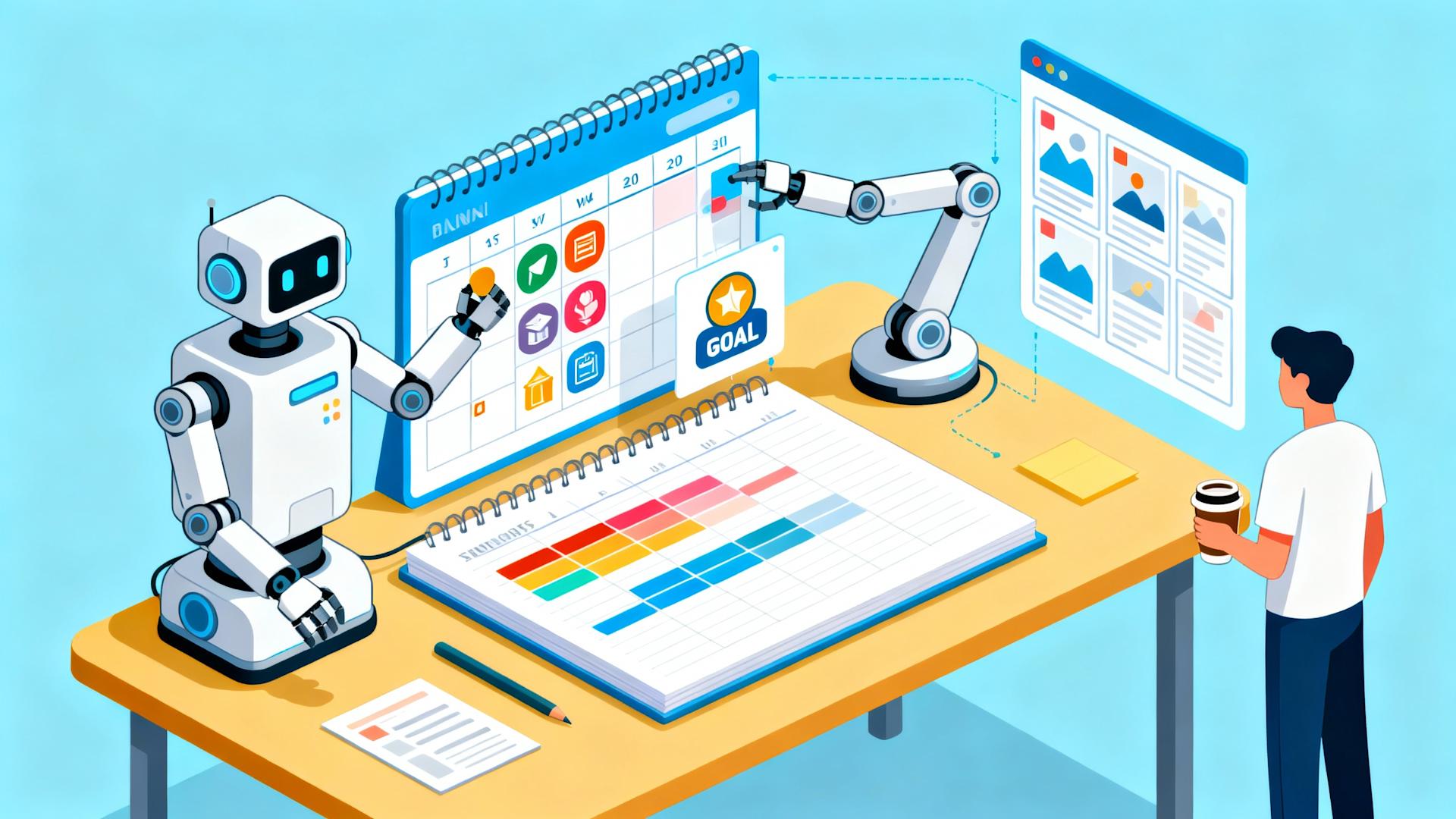
Google Sheets calendar advantages provide free accessible starting point where platform is free and universally accessible without software purchases, templates exist abundantly for content calendars providing starting structures, sharing and collaboration enable team access and input if needed, and sufficient functionality for most creators without overwhelming complexity. The spreadsheet approach feels familiar and requires minimal learning investment, you can build functional calendar in 30-60 minutes using existing templates or simple custom design.
The effective spreadsheet structure includes date column showing when content publishes, platform column indicating where content goes (YouTube, TikTok, Instagram, etc.), content pillar/theme column maintaining strategic alignment, specific title/topic column providing clarity on exact content, status column tracking production stage (ideation, scripted, filming, editing, published), and notes column for additional context, links, or reminders. This basic structure provides comprehensive planning without overwhelming complexity, you can see at a glance what's planned when and production status.
The spreadsheet workflow integration maintains calendar efficiently where planning sessions add content ideas to future dates, weekly reviews update status and make adjustments, production team (or solo creator) references calendar for next content to produce, and performance data can be added to closed content for analysis. The key is calendar being single source of truth, if it's not in calendar, it's not planned. All ideation flows into calendar preventing ideas from getting lost.
The spreadsheet limitation recognition helps understand when to upgrade where complex multi-platform multi-person workflows become difficult to manage in spreadsheets, automated reminders and task management require platform upgrades, integration with other tools (analytics, publishing platforms) isn't possible, and visual calendar views may be more intuitive than spreadsheet grid. Most solo creators and small teams find spreadsheets completely adequate, upgrade only when clear need emerges not because sophisticated tools seem appealing.
Project Management and Workflow Platforms
When and how to use comprehensive platforms for sophisticated calendar management.
Notion for content calendaring provides sophisticated flexible system where database views enable calendar, table, board, and gallery perspectives of same content, templates can automate content creation reducing manual work, relations and rollups connect content to pillars, campaigns, and performance data, and extensive customization enables perfect fit for your workflow. Notion excels for creators wanting sophisticated system who enjoy configuration and customization, supporting team collaboration with different roles and permissions, and building comprehensive knowledge base and resource library alongside content calendar. The learning curve is steeper than spreadsheets but capability ceiling much higher.
Trello for visual workflow management uses card-based kanban system where content ideas move through stages (ideation → scripted → production → editing → scheduled → published), visual drag-and-drop feels intuitive and satisfying, cards hold all content information, assets, and discussion, and simple interface requires minimal learning investment. Trello suits creators who think visually and want workflow visibility, managing production processes with multiple stages, and preferring simplicity over extensive customization. The limitation is Trello is better for workflow than strategic calendar view, it shows what's in production more clearly than what's planned long-term.
Asana for task and deadline management provides structured project management where tasks have clear assignees (important for teams), deadlines and dependencies ensure accountability and scheduling, multiple views (list, board, timeline, calendar) serve different needs, and robust automation reduces manual status updates and reminders. Asana suits teams with multiple people needing coordination, creators managing complex production with many dependencies, and those wanting sophisticated task and deadline management. The system feels more corporate than creative platforms, works well for systematic producers less well for chaotic creatives.
Monday.com and ClickUp for comprehensive management offer extensive capabilities where complete business management extends beyond just content calendar, extensive automation and integration with other tools, highly customizable workflows matching any process, and robust team collaboration and communication features. These platforms suit established creator businesses with teams and complex operations, agencies managing multiple clients or channels, and creators wanting single platform for all business operations. The complexity and cost ($10-30+ per user monthly) make sense only for sophisticated operations, overkill for solo creators or simple workflows.
The platform selection criteria helps choose appropriately where start with spreadsheet for first 3-6 months validating calendar benefits before investing in platforms, upgrade when specific pain points emerge (can't see workflow status, team coordination difficult, calendar maintenance too manual), choose based on workflow preferences (visual thinkers → Trello, database thinkers → Notion, task-oriented → Asana), and avoid over-engineering by choosing simplest tool meeting actual needs. The best calendar is the one you actually maintain, sophisticated abandoned calendar provides zero value versus simple maintained spreadsheet providing enormous value.
Specialized Creator Content Planning Tools
Purpose-built platforms designed specifically for content creator workflows.
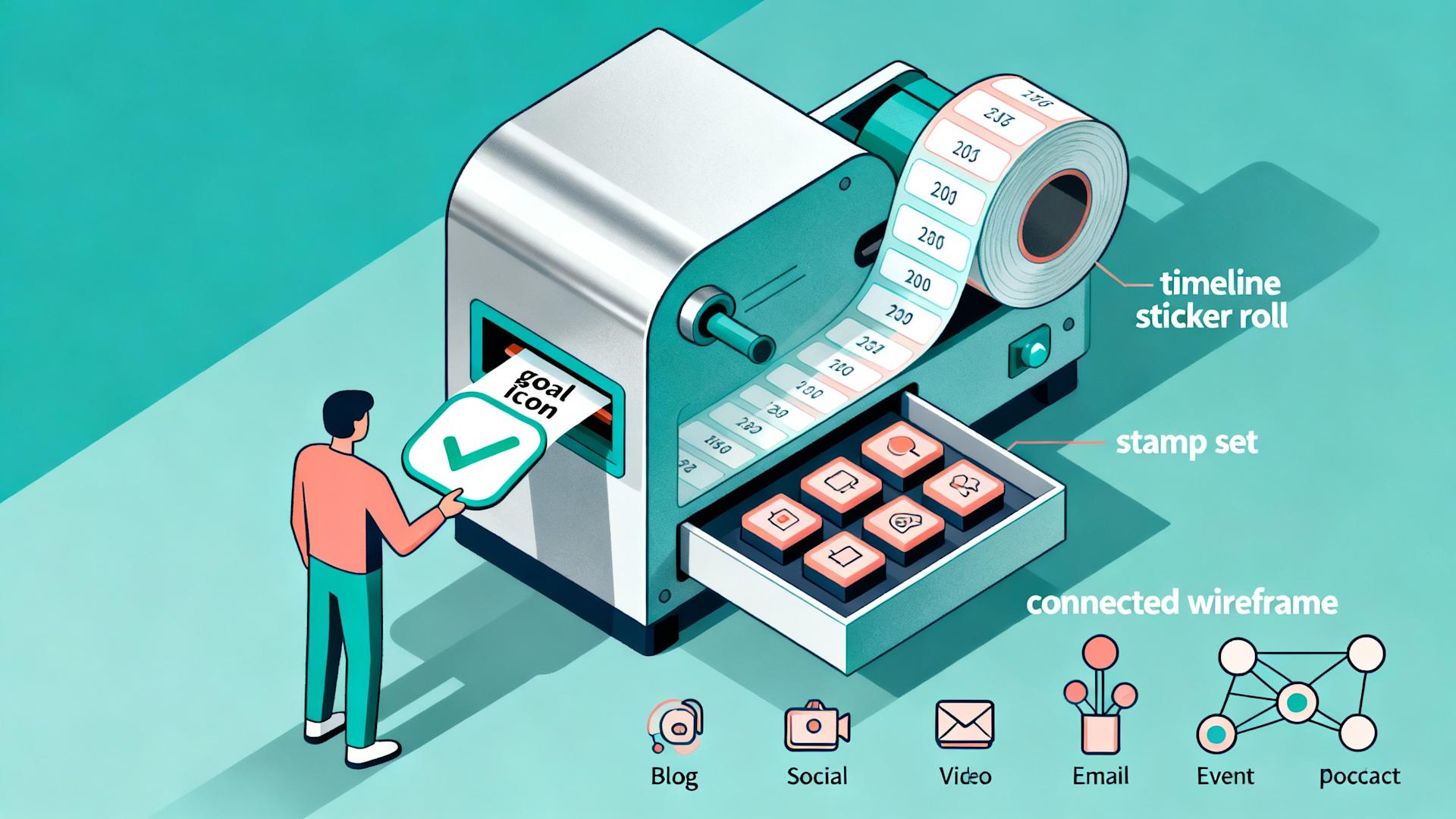
ContentCal and Later for social media scheduling combine planning and publishing where calendar planning directly connects to scheduled publishing, platform previews show how content will appear before posting, optimal timing suggestions based on audience activity patterns, and team collaboration enables coordination across creators and roles. These tools suit social-media-focused creators (Instagram, TikTok, Twitter primary platforms), teams needing coordination and approval workflows, and creators wanting single platform for planning and execution. The limitation is focus on social media often excluding YouTube or blog content.
CoSchedule for comprehensive marketing calendaring provides sophisticated content and marketing management where social media, blog, video, and email integrate in unified calendar, marketing campaign management coordinates complex multi-channel initiatives, analytics integration shows performance alongside planning, and team workflows enable larger operations. CoSchedule suits content businesses managing comprehensive marketing operations, agencies coordinating client campaigns and content, and established creators with diverse content and marketing needs. The $29-299+ monthly pricing targets businesses not individual creators, overkill for solo operators.
Creator-specific tools like Planable, Loomly, Hootsuite offer various specialized capabilities where Planable excels at visual content approval workflows, Loomly provides content inspiration and optimization suggestions, Hootsuite combines planning with social media management and monitoring. The specialized features justify adoption only if specific pain points match tool capabilities, don't adopt because features exist, adopt because you need those specific features solving actual problems.
The specialized tool value assessment determines if worth investment where calculate time saved through automation and integration versus monthly cost, evaluate if platform improves content quality or consistency measurably, consider if team coordination benefits justify expense, assess if learning curve and platform dependency acceptable, and honestly evaluate if simpler free tools provide 80% of value at zero cost. Most solo creators find specialized tools aren't necessary until channel generates $1,000+ monthly revenue where tool costs are minimal percentage of income and time savings are valuable.
Automation and Integration for Efficiency
Reducing manual calendar maintenance through smart automation.
Zapier and Make (formerly Integromat) automation connects disparate tools where new YouTube video automatically adds to calendar as published status, Instagram posts scheduled in planning tool automatically update calendar, performance data from analytics automatically populates calendar for review, and content ideas from various sources (email, notes, forms) automatically add to calendar ideation section. The automation prevents manual data entry and keeps calendar accurate without constant maintenance effort. The value increases dramatically for multi-platform multi-tool workflows where manual sync becomes burdensome.
Native platform integrations reduce tool proliferation where Google Calendar integration shows content deadlines alongside other commitments, Slack integration sends calendar reminders and updates to team, Google Drive or Dropbox integration connects content assets to calendar, and analytics platform integration imports performance data. The integrations create unified workflow ecosystem reducing context switching and manual coordination. The key is not connecting everything possible but connecting what genuinely saves time and reduces friction, each integration adds complexity that should be justified by clear benefit.
The automation strategy framework guides smart implementation where automate repetitive manual tasks consuming time without requiring judgment (data entry, status updates, notifications), maintain manual control over creative and strategic decisions where judgment matters, start with high-impact simple automations proving value before complex systems, and regularly audit automations ensuring they're still serving needs not just running because they exist. The automation goal isn't maximum automation but optimal automation freeing time for high-value creative and strategic work.
The tool consolidation principle prevents platform proliferation where fewer integrated tools typically work better than many specialized disconnected tools, each additional tool adds learning curve, maintenance burden, and subscription cost, and simple unified workflow typically more sustainable than sophisticated multi-platform complexity. The ideal system uses 1-3 core tools (calendar platform, production tool, analytics) with minimal automation connecting them rather than 10-15 specialized tools all requiring coordination and maintenance. Simplicity scales better than complexity.

4. Balancing Trends With Evergreen Posts
Strategic approach to calendar content mix optimizing for both immediate and long-term value.
Understanding Trending Versus Evergreen Content
Definitional clarity revealing different strategic purposes and optimal balance.
Trending content characteristics create immediate but temporary value through topics tied to current events, popular culture, or platform trends with limited lifespan, content capitalizing on existing audience attention and search volume, typically short-form formats matching trending topic consumption patterns, and providing viral potential through timely relevance and shareability. Trending content can generate enormous immediate views and engagement but typically sees dramatic drop-off after 2-7 days as trend passes, the value is spike not sustainability. Examples: commentary on viral video, response to trending challenge, news reaction, seasonal or holiday content.
Evergreen content characteristics create sustained long-term value through topics with enduring audience interest and search demand, content solving persistent problems or answering ongoing questions, typically longer comprehensive formats serving deep needs, and providing steady sustainable traffic through search and recommendations for months or years. Evergreen content generates modest initial views but accumulates substantial total value over time through sustained discovery, the value is compound not spike. Examples: "how to" tutorials, comprehensive guides, fundamental concept explanations, skill-building courses.
The strategic value difference between content types shows trending content driving channel discovery and awareness reaching new audiences through viral moments, providing engagement spikes supporting algorithm favor, creating community connection through shared cultural moments, but offering no sustainable foundation or long-term value. Evergreen content builds sustainable traffic and authority creating reliable audience acquisition and revenue, demonstrating expertise and value attracting loyal audience, providing foundation for channel growth independent of trends, but often struggling for initial traction without trending boost. The optimal strategy combines both rather than choosing exclusively.
The calendar balance framework suggests rough guideline of 60-70% evergreen content providing sustainable foundation and long-term value, 20-30% timely content capturing trending opportunities and seasonal relevance, and 10-20% experimental content testing new ideas and formats. The specific balance depends on content niche (news and commentary require more trending content, tutorials and education more evergreen), platform emphasis (TikTok favors trending, YouTube supports evergreen better), and channel goals (rapid growth might emphasize trending, sustainable business evergreen). Test and track balance determining what works for your specific situation rather than rigidly following percentages.

Identifying and Planning for Trends
Systematic approach to trend identification and calendar integration.
The trend monitoring systems capture opportunities systematically where daily scan of platform trending pages (TikTok discover, YouTube trending, Twitter trends) reveals current topics, Google Trends shows search volume patterns and emerging interests, competitor monitoring identifies what's working in your niche, and audience engagement reveals topics generating interest and questions. The trend monitoring takes 15-30 minutes daily but provides enormous value through opportunity identification, you can respond to trends day 1-2 while still relevant versus discovering them day 7 when mostly passed.
The trend evaluation framework determines which trends warrant content where trend aligns with content pillars and channel identity not random off-brand opportunities, you have unique perspective or value to add not just jumping on bandwagon, trend has sufficient lifespan for production (at least 3-5 days from identification to publish), you can produce quality content quickly without sacrificing standards, and trend provides genuine audience value not just views. Not every trend deserves content, strategic selection based on brand fit and value prevents diluting channel identity through random trend-chasing.
The trend calendar integration maintains flexibility for opportunities where calendar includes "flex slots" specifically reserved for trending content without specific planning, planned evergreen content can shift 1-2 days accommodating urgent trending opportunities, batch production of evergreen content creates buffer enabling trending pivots, and team communication protocols enable rapid coordination when trending opportunities emerge. The calendar provides structure while maintaining tactical flexibility, you're not so rigidly scheduled that trending opportunities are impossible but not so chaotic that you're entirely reactive.
The rapid trend content workflow enables quick quality production where trend template formats reduce production time (standard intro, reaction format, consistent styling), pre-prepared assets (graphics, music, effects) enable faster assembly, streamlined approval or review for trending content accepting "good enough" versus "perfect", and dedicated trending content time blocks (daily 1-2 hour slots) enable rapid response. Some creators maintain "trending content day" weekly where planned content shifts to trending opportunities if worthy trends exist, otherwise executes planned evergreen content as scheduled.
Building Sustainable Evergreen Content Library
Systematic approach to comprehensive valuable content providing long-term channel foundation.
The evergreen content identification reveals systematic opportunities where keyword research shows consistent search volume for topics indicating sustained interest, audience questions and pain points reveal persistent problems needing solutions, fundamental concepts and skills in your niche require explanation and education, and common mistakes or misconceptions need correction and clarification. The evergreen topics often feel "obvious" or "already covered", but comprehensive quality coverage still provides value and audience prefers your perspective and style to existing alternatives.
The pillar page and cluster strategy maximizes evergreen content value where comprehensive pillar pages cover broad topics comprehensively (example: "Complete Guide to Content Calendars"), supporting cluster content addresses specific subtopics in detail (examples: "Choosing Calendar Tools," "Planning Monthly Themes," "Maintaining Calendar Consistency"), internal linking connects cluster content to pillar creating topical authority, and SEO value compounds as comprehensive topic coverage builds domain authority. This strategic structure provides more value than disconnected individual posts, you're building comprehensive resource library not just creating random content.
The evergreen production batching creates efficient sustainable workflow where monthly evergreen theme enables producing 4-8 related videos in focused batch, research and scripting for related content happens together reducing redundancy, consistent setup and style reduces production reconfiguration, and batch editing of similar content improves efficiency and quality. The batching might mean dedicating one week monthly to evergreen production creating month's worth of evergreen content in focused sprint, freeing other weeks for trending, experimental, or promotional content.
The evergreen update and refresh strategy maintains long-term value where annually reviewing top-performing evergreen content for updates maintaining accuracy and relevance, adding new information or examples keeping content current, improving quality through better production, editing, or presentation, and republishing or promoting refreshed content recapturing search and recommendation visibility. The evergreen content investment compounds over years if maintained, don't treat published content as "done" when updates could restore or enhance value.
The Strategic Content Mix Framework
Putting it all together into systematic balanced calendar.
The weekly content structure balancing types might look like: Monday - trending short-form (TikTok/Shorts responding to weekend trends), Tuesday - evergreen tutorial (YouTube comprehensive how-to), Thursday - pillar cluster content (deep dive on specific subtopic), Friday - community/Q&A content (addressing audience questions and feedback), and Sunday - experimental or personal content (testing new formats or building personal connection). This structure maintains variety and balance while providing consistency and predictability, audience knows what to expect when.
The monthly content arc provides coherent journey where week 1 introduces monthly theme with trending hook connecting theme to current relevance, weeks 2-3 provide evergreen depth through comprehensive coverage and tutorials, week 4 synthesizes and applies theme through case studies, advanced applications, or summaries, and throughout month trending responses relate back to theme when possible. The monthly coherence creates value greater than sum of parts, audience learns systematically rather than consuming disconnected posts.
The quarterly strategic planning maintains long-term vision where quarter emphasizes different content pillars providing comprehensive rotation, major launches or campaigns have supporting content calendar building toward goals, seasonal or predictable events receive advance planning, and performance review reveals what's working informing next quarter's strategy. The quarterly horizon balances structure with flexibility, you're planning strategically without rigid long-term commitments preventing adaptation.
The performance tracking and optimization creates learning loop where trending content performance reveals which trends and formats work best for your audience, evergreen content search traffic and long-term views show what provides sustainable value, audience engagement and feedback reveals what resonates and what falls flat, and systematic tracking of content type performance informs calendar balance adjustments. The calendar should evolve based on data not remain static, double down on what works, reduce what doesn't, and continuously test new approaches.
5. Maintaining Consistency Without Burnout
The critical systems preventing calendar abandonment through sustainable implementation.
Building Buffer Content and Production Ahead
The safety net preventing disruptions from destroying consistency.
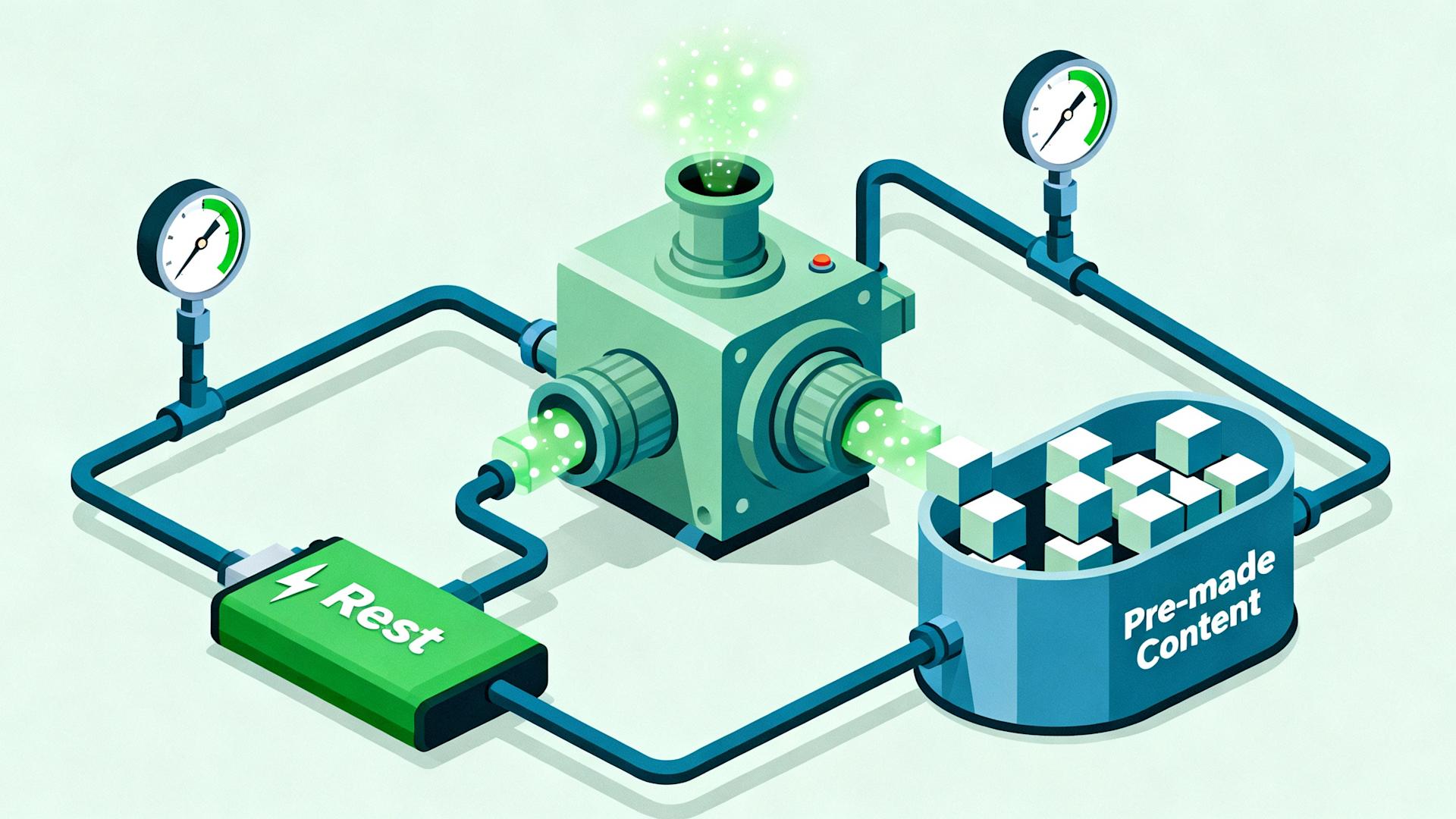
The content buffer concept provides resilience through maintaining 2-4 weeks of completed content ahead of publishing schedule, protecting against illness, emergencies, or life disruptions, reducing stress and urgency from always racing deadlines, and enabling vacation or breaks without posting gaps. The buffer isn't perfectionism or over-preparation, it's business continuity planning ensuring channel survives inevitable disruptions. Most abandoned channels failed not because creator quit but because life disruption broke consistency and they couldn't recover momentum.
The buffer building strategy creates sustainable padding where initial sprint produces 8-12 videos establishing buffer before regular posting begins (requires 2-4 weeks focused production), ongoing production slightly exceeds publishing pace (producing 4 videos weekly while publishing 3) slowly growing buffer, and batch production creates buffer spikes offset by maintenance phases. The buffer building feels like working ahead without immediate gratification, you're producing content that won't publish for weeks, but psychological security and stress reduction justify effort.
The buffer maintenance discipline prevents buffer erosion where published video triggers immediate replacement production maintaining buffer level, temptation to "bank" extra production for easier future week is resisted, buffer is protected as sacred emergency fund not convenience fund for laziness, and calendar tracks both buffer level and publishing schedule. The buffer only helps if actually maintained, many creators build buffer then gradually consume it through undisciplined production eventually returning to reactive scrambling.
The buffer size optimization balances security and flexibility where 1-2 weeks provides minimal protection against short disruptions but feels achievable, 3-4 weeks provides strong protection and significant stress reduction worth building toward, 5-8 weeks provides exceptional security but may feel excessive and reduce responsiveness, and optimal size depends on production volatility and life situation. Creators with stable predictable lives need less buffer than those with irregular schedules or family responsibilities.
Batching Production for Efficiency
Strategic workflow reducing context switching and improving output quality.
The batching benefits create dramatic efficiency gains where single setup serves multiple videos reducing reconfiguration overhead, mental focus on single content type or topic improves quality and speed, research and preparation serves multiple pieces reducing per-video investment, and workflow optimization through repetition improves with each successive video in batch. The efficiency improvement from batching is typically 30-50%, you produce 6 videos in time unbatched production requires for 4 videos. The compound time savings over months are enormous.
The effective batching approach structures production systematically where weekly or biweekly filming sessions produce multiple videos (typically 4-8 depending on complexity), editing sessions process multiple videos together (editing similar content together more efficient than scattered), research and scripting batches develop multiple related scripts together, and publishing and promotion happen on schedule using batched content. The batching might mean filming all month's content in first week, editing in second week, and publishing throughout month, or weekly batches of 3-4 videos filmed Monday, edited Tuesday-Wednesday, and published Thursday-Sunday.
The batching challenges and solutions prevent common pitfalls where batching same content risks repetition and staleness (solve through variety within batch, different formats or angles on theme), long gaps between filming and publishing reduce responsiveness (solve through maintaining trending content slots outside batch system), and energy drain from intensive production sessions causes burnout (solve through realistic batch sizes, better to batch 4 videos comfortably than burn out batching 10). The sustainable batching finds balance between efficiency and exhaustion, push batch size until you notice quality declining or energy crashing then reduce to sustainable level.
The batch workflow integration with calendar shows calendar planned in batches (monthly themes naturally batch), production scheduled in focused sessions rather than daily fragments, buffer built through batch production excess (batching 5 while publishing 4 weekly grows buffer), and calendar tracking shows both batch production schedule and individual publishing schedule. The batching requires discipline maintaining production schedule even when buffer exists, resist temptation to skip batch production because buffer is comfortable, as this gradually erodes buffer requiring eventual crisis production.
Managing Energy, Motivation, and Creative Health
Psychological sustainability preventing burnout and calendar abandonment.
The energy and motivation cycle recognition shows creation has natural rhythms where some weeks feel energized and productive enabling extra output, other weeks feel drained requiring minimal survival mode operation, seasonal patterns affect energy (many creators struggle November-December with holiday demands), and long-term cycles show periodic burnout and renewal requiring planned recovery. The calendar should accommodate rhythms not fight them, forcing consistent high output during natural low-energy periods causes burnout and resentment.
The sustainable pacing principles prevent exhaustion where calendar matches realistic sustainable capacity not aspirational maximum output, planning includes recovery time and creative renewal preventing perpetual production grind, production goals allow bad days and low-energy weeks without guilt or failure, and long-term view prioritizes sustainability over optimization accepting "good enough" output maintaining consistency. The marathon mindset matters, sustainable modest pace compounds into greater total output than unsustainable sprints and crashes.
The creative variety and renewal prevents staleness and stagnation through rotating content types and formats maintaining creative engagement, experimental content slots testing new ideas preventing stifling routine, occasional breaks from calendar for pure creative play without publishing pressure, and inspiration input through consuming others' content, learning new skills, and experiencing life. The calendar shouldn't become prison eliminating creativity, it should be framework enabling creativity through reduced logistical burden.
The burnout warning signs trigger preventive action where dreading content creation that previously felt enjoyable or neutral, quality declining despite same time investment, procrastination and avoidance of production tasks increasing, resentment toward audience or content itself developing, and physical symptoms (exhaustion, headaches, sleep problems) correlating with production. The burnout response includes immediately reducing production volume to sustainable minimum (better to post twice weekly consistently than daily until crashing), taking deliberate 1-2 week complete break if needed allowing genuine recovery, reassessing calendar ensuring it serves you not enslaves you, and potentially pivoting content strategy if fundamental misalignment exists between calendar and authentic interests.
The Calendar Review and Adjustment Rhythm
Systematic maintenance keeping calendar serving needs not becoming burden.
The weekly calendar review maintains tactical execution where Sunday or Monday 15-30 minutes reviews coming week verifying production aligned with schedule, identifies trending opportunities potentially warranting calendar adjustments, updates production status preventing surprises, and briefs look-ahead to following week avoiding upcoming crunches. The weekly review keeps calendar living document not static artifact, it evolves with circumstances maintaining relevance and utility.
The monthly strategic review evaluates performance and direction where 60-90 minutes monthly reviews what worked and what didn't across past month, analyzes performance data informing content strategy adjustments, plans next month's theme and rough content outline, and assesses calendar sustainability making workload adjustments if needed. The monthly review provides strategic correction ensuring calendar serves channel goals not just maintaining arbitrary schedule.
The quarterly comprehensive evaluation reassesses fundamentals where half-day quarterly session reviews overall channel strategy and calendar alignment, evaluates content pillars ensuring they still resonate and engage, analyzes competitive landscape and audience evolution, plans upcoming quarter's strategic priorities and campaigns, and considers major calendar or strategy shifts if performance warrants. The quarterly evaluation provides space for substantial changes versus incremental weekly and monthly adjustments.
The calendar abandonment recovery salvages failed calendars rather than guilt-spiraling where acknowledge calendar failure without judgment or shame, most creators fail multiple calendar attempts, identify specific failure cause (too rigid, too complex, unrealistic capacity, lack of discipline), design simpler more realistic calendar addressing specific failure cause, restart with grace and realistic expectations not perfectionism, and remember imperfect maintained calendar provides vastly more value than abandoned perfect calendar. The calendar mastery develops through iteration, each failure provides learning informing more sustainable next attempt.
FAQs
1. How far in advance should I actually plan content, weeks, months, or just days ahead?
The optimal planning horizon balances structure with flexibility operating on multiple time scales simultaneously rather than choosing single planning timeframe. The multi-horizon framework most successful creators use includes high-level strategic planning 3-6 months ahead establishing themes, campaigns, and major content arcs without specific details, monthly tactical planning solidifying next month's theme and rough content outline with increasing specificity, weekly detailed planning firming up specific content titles, formats, and production schedules for coming 2-3 weeks, and daily execution following calendar while maintaining flexibility for trending opportunities. This telescoping approach provides long-term strategic direction without rigid commitment to details that will inevitably change. The practical implementation shows current week fully planned with specific content, scripts, and production scheduled ready for execution, next 2-3 weeks outlined with topics and themes identified but details flexible, current month thematically planned but individual content somewhat fluid, and 2-6 months strategically sketched with themes and major initiatives but completely flexible on details. The flexibility by horizon prevents paralysis and wasted planning, detailed planning months ahead wastes time since circumstances change, but zero forward planning creates constant scrambling and reactive creation. The content type and production complexity affects planning horizon where simple short-form content can be planned days ahead with rapid production, complex long-form content requires weeks or months advance planning for research, production coordination, and quality control, and collaborative content involving others requires months advance planning for scheduling and coordination. The personal working style matters where some creators need extensive advance structure finding it reducing stress and enabling better work, while others find excessive advance planning stifling preferring loose frameworks with maximum flexibility. The honest self-assessment reveals your optimal planning horizon, experiment with different timeframes observing stress levels, quality outcomes, and consistency maintenance. The planning efficiency consideration shows detailed planning of content you'll ultimately change or abandon wastes time, plan only to level of detail warranted by time horizon (loose sketches for distant future, detailed plans for near term). The evolution trajectory shows beginners often starting with loose short-term planning (week ahead) building confidence, advancing to monthly planning as systems stabilize, and potentially expanding to quarterly strategic planning as channel matures, the planning sophistication should grow with channel not start at maximum complexity overwhelming beginners. The realistic expectation includes accepting that plans will change, unexpected opportunities will arise, some planned content will be abandoned or postponed, and calendar serves as guide not scripture, flexibility and adaptation are features not bugs.
2. What do I do when I just don't feel like creating the content that's on my calendar?
The resistance to planned content represents common challenge requiring systematic response rather than calendar abandonment. The diagnostic assessment identifies resistance source where content genuinely misaligned with interests or expertise suggesting calendar or strategy problem requiring correction, temporary motivation dip from normal energy cycles that will pass if you push through, creative staleness from repetitive content suggesting variety or renewal needed, or procrastination and avoidance of difficulty that discipline can overcome. The different sources require different responses, forcing through genuine misalignment causes burnout while giving in to every motivation dip prevents consistency. The immediate tactical responses include implementing swap rules where planned content can be swapped with other calendar content (tomorrow's topic moved to today, today's moved to future) maintaining production without rigid adherence, using minimal viable content approach producing simpler version of planned content maintaining consistency without full planned effort, or delegating production if team or VA available focusing your energy on unavoidable creative work. These tactics maintain calendar consistency while accommodating resistance without completely abandoning structure. The strategic responses for recurring resistance include reassessing content pillars ensuring they genuinely interest and energize not just seem strategically sound, if pillar consistently feels like obligation not opportunity, remove or replace it, building greater variety into calendar preventing repetition and staleness, creating "passion project" content slots preserving space for genuine enthusiasm and experimentation, and scheduling difficult or draining content when energy typically highest (Monday morning for many) rather than random assignment. The discipline versus forcing distinction matters where healthy discipline means producing when you don't feel like it but can accomplish quality work (most professional work requires this), while unhealthy forcing means producing despite being so resistant or exhausted that quality suffers and resentment builds. The sustainable approach exercises discipline during normal resistance while respecting genuine burnout or misalignment signals. The prevention strategies reduce future resistance where content library of backup ideas provides alternatives when planned content feels wrong, flexible calendar structure allows swaps and adjustments without guilt, regular creative renewal through learning, inspiration input, and non-content experiences, and honest capacity assessment prevents overscheduling that inevitably generates resistance. The community and accountability consideration shows sharing calendar commitments publicly or with peers creates helpful external accountability, discussing resistance with community or mastermind often reveals solutions or perspective, and realizing others experience similar challenges normalizes experience reducing shame and isolation. The permission framework includes permission to adjust calendar when resistance reveals genuine problems, permission to produce simpler content maintaining consistency when exhausted, permission to take planned breaks preventing burnout, but also commitment to push through normal resistance rather than giving in to every motivation dip. The balanced approach exercises discipline maintaining consistency while remaining responsive to genuine burnout or misalignment signals requiring calendar adjustment or break.
3. How do I balance my content calendar with trending topics that pop up unexpectedly?
The trend balance requires systematic flexibility built into calendar rather than choosing between structure and responsiveness. The flex slot strategy reserves specific calendar positions for trending content without advance planning where typically 20-30% of content slots marked "trending/flex" in calendar allowing opportunistic trend responses, planned evergreen content in these slots as default if no worthy trends emerge, and rapid trend evaluation process determining if trending opportunity warrants displacing planned content. This structure provides dedicated trend capacity without sacrificing calendar stability, you're planning for trend responsiveness not leaving everything to chance. The trend evaluation framework determines which trends merit attention where trend aligns with content pillars and channel brand not random off-topic opportunities, you have unique valuable perspective to contribute not just bandwagon jumping, trend has sufficient lifespan (3-5+ days) for your production speed, quality content is achievable without excessive sacrifice, and trend provides genuine audience value not just views. Many trends fail these criteria, strategic selection prevents diluting channel identity or quality through indiscriminate trend chasing. The rapid response workflow enables quick quality production where trend templates and formats reduce production time (standard reaction format, consistent styling, streamlined workflow), pre-prepared assets (graphics, intro/outros, music) enable faster assembly, dedicated trending time blocks (daily 1-2 hours) available for quick productions, and streamlined approval accepting "good enough" for trending content versus "perfect" for planned content. Some creators maintain "trending Tuesday" or similar dedicated day where default planned content can be displaced by trending opportunities if they arise, otherwise executing planned content as scheduled. The calendar adjustment protocols prevent chaos where minor trending content (social media posts, short reactions) happens outside calendar not displacing planned productions, moderate trending opportunities can displace flex slots or shift planned content 1-2 days, major trending opportunities can reorganize entire week if truly valuable, and calendar review weekly assesses if trend responses maintained balance or tipped too far from evergreen foundation. The tracking and evaluation measures trend content ROI where performance data shows if trending content delivers better results than evergreen justifying displacement, retention and subscriber value reveals if trend viewers become loyal audience or just temporary traffic, and long-term channel health monitored ensuring trend chasing isn't undermining sustainable foundation. The sustainable trend balance typically shows 70-80% content following planned calendar providing strategic foundation and sustainable value, 20-30% trending/reactive content capturing opportunities and maintaining platform relevance, with flexibility between these ranges based on niche and platform (news and commentary require more trending; tutorials and education more evergreen). The honest assessment determines your actual trend capacity where production speed affects how quickly you can respond to trends (slow production makes trend chasing difficult), audience expectations matter (some audiences want rapid trend coverage, others prefer thoughtful evergreen content), and personal energy for trend monitoring and rapid response varies (some creators energized by trend chasing, others drained by it). The permission framework includes permission to skip trends that don't meet evaluation criteria even if everyone else is covering them, permission to be "late" to trends if your production timeline doesn't allow day-one response, permission to maintain calendar discipline even when trends are happening, but also permission to break calendar for truly exceptional trending opportunities that clearly warrant response. The balanced sustainable approach treats trending content as tactical enhancement to strategic calendar foundation rather than replacing strategy with reactive trend chasing.
4. My content takes longer to produce than planned, how do I adjust my calendar without giving up entirely?
The production time miscalculation represents extremely common challenge requiring systematic capacity adjustment rather than calendar abandonment. The honest capacity assessment identifies realistic production pace where tracking actual time for recent content reveals real production duration versus estimated, different content types have dramatically different time requirements requiring separate planning, your actual available production time per week accounting for job, family, and life is finite requiring honest acknowledgment, and quality standards affect duration, lowering standards might increase pace but harm quality and satisfaction. The data-driven assessment might reveal you planned 3 videos weekly assuming 2 hours each (6 total hours) but actual production averages 4 hours each requiring 12 hours you don't have, the math simply doesn't work regardless of motivation or discipline. The calendar adjustment options address capacity gaps where reducing planned content volume (3 videos weekly to 2) matching realistic capacity is better than planning 3 and delivering 1.5 inconsistently, simplifying content types producing shorter simpler formats requiring less time, extending production timelines planning content further ahead allowing longer production per piece, and improving production efficiency through batching, templates, or skill development potentially increasing capacity over time. Most creators must reduce volume or simplify format, attempting to force unsustainable pace causes burnout and eventual abandonment. The strategic simplification approaches maintain consistency through shorter video durations reducing editing and production time while maintaining posting frequency, simpler formats like talking head reducing complex editing, effects, or graphics requirements, template-based content reducing creative and production decisions, and repurposing and cross-posting leveraging single production for multiple platform posts. The quality threshold question asks what minimum acceptable quality enables consistency, perfectionism kills more channels than inadequacy. Finding "good enough" that feels acceptable enables consistency that "perfect" prevents. The efficiency improvement strategies address time requirements where production skill development through practice and learning improves speed naturally over months, tools and automation reduce time on repetitive tasks (Clippie reducing editing from 2 hours to 20 minutes), batch production improving efficiency through reduced context switching, and delegation or collaboration if budget allows outsourcing portions of production. These improvements increase capacity without sacrificing quality but require time investment before benefits materialize, expect 3-6 months before substantial efficiency improvements. The buffer strategy prevents immediate crisis where existing buffer provides breathing room during calendar adjustment, reduced production temporarily consumes buffer while building sustainable rhythm, and buffer rebuild happens gradually once sustainable pace established. The calendar redesign process starts fresh where abandon existing unrealistic calendar without guilt, it was learning experience not failure, design new calendar using actual data on production time and available hours, build in margin recognizing unexpected delays and life disruptions, and start conservative planning to rebuild confidence before attempting to push limits. The communication and expectation management with audience shows reduced frequency can be explained honestly ("going from daily to 3x weekly to ensure quality") and often receives support, posting schedule transparency helps audience adjust expectations, and consistent execution of reduced schedule builds more trust than inconsistent execution of ambitious schedule. The honest reality includes accepting that your available time limits sustainable content volume, wishing for more time doesn't create it, acknowledging that most successful creators post less frequently than you might think (2-4x weekly is common for quality content), and recognizing that consistency at modest frequency beats inconsistency at high frequency every time. The permission framework includes permission to post less frequently than you'd like if that's realistic capacity, permission to produce simpler content than you'd ideally create if that enables consistency, permission to adjust calendar multiple times finding sustainable rhythm, but also commitment to execute honestly assessed realistic calendar rather than perpetually adjusting to avoid discipline.
5. Should I plan content differently for different platforms (YouTube, TikTok, Instagram), or use the same calendar?
The multi-platform calendar question requires strategic clarity about cross-platform relationship and content strategy. The unified calendar approach works when content is designed for cross-platform distribution where single piece of content adapted for multiple platforms (long YouTube video becomes multiple TikToks and Instagram Reels), calendar tracks primary content creation with secondary platform distribution automatic or templated, production effort focuses on primary content with repurposing requiring minimal additional work, and consistent theme and message across platforms builds unified brand. This approach suits creators maximizing single content investment through multi-platform distribution, those with limited production time requiring efficiency, and strategies prioritizing depth on one platform with presence on others. The example workflow creates comprehensive YouTube video (primary production), extracts 5-10 short clips for TikTok and Shorts (minimal additional editing), creates Instagram carousel or Reel summary (quick reformat), and potentially Twitter thread or blog post (transcript-based). The single calendar tracks YouTube production with automatic multi-platform distribution following. The platform-specific calendar approach works when different platforms receive unique native content where each platform has distinct content strategy serving different purposes or audiences, content is specifically created for each platform's format and culture, calendar tracks separate content streams for each platform, and production allocates dedicated time to each platform. This approach suits creators building distinct presences on each platform, those with sufficient production capacity for multiple content streams, and strategies treating platforms as distinct channels not distribution network. The example workflow shows YouTube receives 1-2 long-form weekly videos (tutorials, vlogs, commentary), TikTok receives 5-7 daily short-form native content (trends, quick tips, entertainment), and Instagram receives 3-4 weekly static posts plus daily stories (behind-scenes, community engagement). Each platform has separate calendar sections tracking distinct content. The hybrid approach combines unified and separate strategies where core strategic content appears across all platforms with platform-specific adaptations, each platform also receives some unique native content playing to platform strengths, primary calendar tracks core cross-platform content, and secondary tracking handles platform-specific content. This balances efficiency and platform optimization, you're not completely reinventing for each platform but respecting platform differences. The strategic decision factors include available production time and resources (limited time favors unified approach maximizing single content investment; abundant time allows platform-specific content), audience overlap across platforms (same audience everywhere favors unified content; distinct platform audiences favor platform-specific content), platform strengths and your capabilities (some creators excel at short-form TikTok, others at long-form YouTube, emphasize strengths), and business goals and monetization (YouTube ad revenue might justify focus there; TikTok virality might prioritize that platform). The practical implementation approaches show unified calendar as single spreadsheet with content and platform distribution columns, platform-specific calendars as separate sheets or sections for each platform, hybrid calendars showing core content with platform-specific content sections, and some creators using different tools (notion for strategy and YouTube, Later or Planable for social platforms). The tool doesn't matter as much as clear structure you'll actually maintain. The cross-platform content adaptation best practices include reformatting for platform norms (vertical for TikTok/Reels, horizontal for YouTube), adjusting length for platform preferences (60 seconds for TikTok, 10+ minutes for YouTube), modifying hooks and packaging for platform algorithms (text overlays for TikTok, thumbnails for YouTube), and platform-native publishing rather than obvious cross-posts (edit for each platform rather than identical auto-posting). The quality threshold question affects strategy where pursuing platform-specific content that's mediocre because of spread-thin production might perform worse than high-quality cross-platform content adapted well, focus and quality often beats breadth and mediocrity. The evolution path many creators follow starts with single platform focus building foundation and skills, expands to cross-platform distribution repurposing primary content once production is systematic, potentially adds platform-specific content to key platforms once resources allow, and maintains strategic clarity about platform priorities rather than equal effort everywhere. The honest recommendation for most creators includes focusing 70-80% of production on primary platform where you have strongest advantage or opportunity, distributing that content to other platforms with platform-appropriate adaptation, adding platform-specific content only if it provides clear incremental value worth production investment, and maintaining single unified calendar tracking all content with platform column rather than completely separate calendar systems. The exception cases where platform-specific calendars make sense include agencies or teams with specialized platform roles producing distinct content, established creators with sufficient resources for multiple content streams, and strategies where platform purposes genuinely differ (YouTube for education, TikTok for entertainment, Instagram for community).
6. How do I handle calendar planning if I don't know what will perform well yet?
The performance uncertainty represents valid challenge requiring experimental systematic approach rather than paralysis. The initial calendar strategy when uncertain emphasizes variety and testing where plan diverse content types observing which resonates best with audience, rotate through content pillars discovering which generates engagement and growth, experiment with different formats, lengths, and styles gathering performance data, and maintain flexibility adjusting calendar based on early results rather than rigid commitment to unvalidated plans. The initial 3-6 months function as learning laboratory where consistency matters more than optimization, you're gathering data informing future strategy. The minimum viable calendar approach prevents perfectionism paralysis where create simple calendar planning just 2-4 weeks ahead based on best guesses and principles, commit to executing calendar gathering real performance data, analyze results identifying patterns and opportunities, and iterate calendar based on data rather than premature optimization. The action and learning beat analysis paralysis, imperfect executed calendar generates data enabling improvement while perfect theoretical calendar never implemented generates zero learning. The performance tracking system captures learning where basic metrics tracked for each video (views, retention, engagement, traffic sources, audience behavior), content characteristics documented (topic, format, length, pillar, etc.), patterns analyzed regularly (weekly or monthly) identifying what's working, and calendar adjusted systematically based on data rather than feelings or random changes. The simple spreadsheet tracking these variables for each video reveals patterns quickly, after 20-30 videos clear trends typically emerge showing which content types and topics perform best. The experimentation framework enables systematic learning where testing one variable at a time enables clear attribution (comparing different topics with same format, or different formats with same topic), control content provides baseline (consistently using proven format while testing variations), and sufficient sample size prevents premature conclusions from outliers or randomness (test approach across 3-5 videos minimum before concluding). The rapid testing approach frontloads learning where initial months emphasize variety and experimentation accepting some content will underperform, information gained from failures provides value guiding future strategy, and discovering what works early provides foundation for compounding growth. The calendar evolution based on learning shows month 1-2 using diverse experimental calendar testing wide variety, month 3-4 analyzing patterns and narrowing focus to better-performing content types, month 5-6 doubling down on validated approaches while maintaining some experimentation, and ongoing optimization continuously testing and refining based on results. The flexibility and adjustment protocols prevent rigid commitment to failing strategies where monthly calendar review analyzes performance adjusting next month's plan, willingness to abandon or modify pillars that consistently underperform, and permission to pivot strategy substantially if data reveals misalignment. The startup mentality serves well, treat initial calendar as hypothesis to be tested and modified not permanent truth. The learning from competitors and successful channels accelerates discovery where researching top performers in niche reveals what content works providing starting hypotheses, analyzing trending content shows current platform preferences, and monitoring audience engagement on your and competitor content reveals preferences and interests. The learning from others doesn't mean copying, it means informed hypothesis formation rather than random guessing. The audience feedback integration generates direct learning where comments reveal questions and interests you can address, polls and questions asking audience what they want (most will tell you if you ask), engagement patterns show what resonates (saves, shares, rewatches indicate value), and direct conversation with audience members provides qualitative insight complementing quantitative analytics. The realistic expectations for learning timeline show clear patterns typically emerging after 20-40 videos and 2-4 months providing enough data for confident conclusions, some videos performing unexpectedly requiring investigating why rather than ignoring outliers, and ongoing learning continuing indefinitely as platform algorithms and audience preferences evolve. The confidence building through data shows initial uncertainty gradually giving way to data-informed confidence as patterns emerge, validated calendar approaches providing foundation for scaling and consistency, and remaining uncertainty acknowledged through maintaining experimentation and flexibility. The permission framework includes permission to not know initially what will work, everyone starts here, permission to create uncertain calendar and learn from results rather than waiting for perfect knowledge, permission to change calendar substantially based on learning, but also commitment to systematic testing and analysis rather than random reactive changes chasing every performance fluctuation.
7. What's the bare minimum calendar system I need to actually get benefits?
The minimum viable calendar question reveals that sophisticated systems aren't necessary for dramatic benefits. The absolute bare minimum showing meaningful benefits includes knowing what content you're creating for next 1-2 weeks (doesn't need to be perfect or detailed, just directional clarity), having rough themes or topics identified preventing "what do I post" paralysis, writing down this plan somewhere (spreadsheet, paper, notes app, format doesn't matter) making it visible and reference-able, and reviewing/updating plan weekly maintaining rolling 2-week visibility. This minimal system takes 15-30 minutes weekly but eliminates decision fatigue and enables consistency, the core benefits with minimal overhead. The simple spreadsheet template provides accessible starting point with columns for date, platform, topic/title, content pillar, and status, five columns providing essential organization without complexity. The weekly planning rhythm maintains minimal calendar where Sunday or Monday spend 20-30 minutes planning next week's content using simple template, Thursday or Friday update status and verify production is on track, and continuously add ideas to future weeks as inspiration strikes preventing idea loss. The simple system flexibility allows adjustments while maintaining structure, swap planned content if inspiration strikes, shift dates by day or two if production delayed, and add or remove content based on capacity and opportunities. The evolution from minimal system happens naturally where initial minimal calendar builds confidence and demonstrates value, adding monthly themes provides strategic coherence once weekly planning is habitual, incorporating batch production improves efficiency once calendar is established, and potentially upgrading tools as needs become clear and budget allows. The evolution should be gradual based on needs not premature complexity, start minimal and add only what provides clear incremental value. The common mistakes with minimal systems include over-engineering initially adding complexity before mastering basics, abandoning system when first imperfection appears rather than adjusting and continuing, treating minimal system as temporary rather than potentially sufficient indefinitely, and adding features because they seem useful rather than solving actual experienced problems. The minimalist principle suggests adding complexity only when lack creates clear problem, many creators find minimal systems completely adequate indefinitely never requiring sophisticated platforms. The context where minimal systems work best includes solo creators without team coordination needs, straightforward content without complex production dependencies, creators valuing simplicity and wanting to minimize planning overhead, and those testing calendar concept before committing to sophisticated implementation. The context where minimal systems struggle includes complex multi-platform multi-person operations requiring coordination, sophisticated content with long production timelines requiring tracking many moving pieces, and creators who genuinely benefit from extensive planning and tracking finding detailed systems reducing rather than adding stress. The honest assessment of your needs guides appropriate system complexity, don't build elaborate system because it seems professional if simple system serves you better. The permission framework includes permission to start absurdly simple with just weekly planning in notes app, permission to stay simple indefinitely if it's working rather than feeling obligated to upgrade, permission to add complexity gradually as genuine needs emerge, but also commitment to actually maintaining even minimal system rather than abandoning it for reactive chaos. The critical success factors regardless of system complexity include actually reviewing and updating calendar regularly (weekly minimum), using calendar to guide production rather than ignoring it, maintaining realistic plans matching actual capacity, and treating calendar as flexible framework not rigid constraint. These principles matter infinitely more than system sophistication, maintained simple calendar beats abandoned sophisticated system every time.
Conclusion
The content calendar represents transformation from reactive content chaos into strategic systematic creative business, fundamentally changing how you approach creation through replacing daily "what should I post" paralysis with clear strategic direction, enabling consistency that algorithms reward and audiences appreciate, preventing burnout through sustainable planned workflows, and driving intentional channel growth toward meaningful business goals. The calendar isn't administrative overhead or creativity constraint, it's liberation from perpetual emergency mode enabling your best creative work within sustainable business framework.
The comprehensive framework provided in this guide, from understanding why calendars matter algorithmically and strategically, through mapping monthly themes and weekly tactical plans, selecting appropriate tools matching your needs and complexity tolerance, balancing trending opportunities with evergreen foundation, to maintaining consistency without burning out, equips you with both strategic understanding and tactical systems for successful calendar implementation. The calendar mastery develops through iteration and learning, not perfect initial execution, requiring commitment to systematic approach while maintaining flexibility and self-compassion through inevitable adjustments and occasional failures.
The strategic planning foundation establishes content pillars providing endless content possibilities, monthly themes creating coherent value delivery and topical authority, weekly tactical plans executing strategy through specific platform-appropriate content, and balanced content mix serving both immediate algorithmic performance and long-term sustainable growth. The strategic clarity transforms content from random posts into systematic business building where each piece serves overall goals and audience journey rather than existing in isolation. The planning operates on multiple horizons simultaneously, rough strategic direction 3-6 months ahead, monthly thematic planning solidifying coming month, weekly detailed planning for immediate execution, and daily tactical flexibility accommodating trending opportunities and inspiration within structured framework.
The practical implementation through appropriate tools ranges from simple spreadsheet calendars providing adequate functionality for most creators to sophisticated project management platforms serving complex team operations, with automation and integration reducing manual maintenance overhead for multi-platform multi-tool workflows. The tool selection should match actual needs not aspirational sophistication, starting simple and upgrading only when clear pain points emerge justifying additional complexity and cost. The best calendar is the one you actually maintain, simple spreadsheet you update weekly beats sophisticated platform you abandon after two months.
The balance and optimization recognizing different content types serve different strategic purposes shows trending content capturing immediate opportunities and algorithmic favor while evergreen content builds sustainable long-term foundation, with optimal balance typically 60-70% evergreen and 20-30% trending maintaining both immediate performance and compound growth. The systematic trend monitoring and evaluation, combined with calendar flex slots and rapid production workflows, enables responding to trends strategically without abandoning planned evergreen foundation. The performance tracking and systematic optimization based on data rather than intuition or random changes continuously improves calendar effectiveness and channel performance over time.
The sustainability and burnout prevention recognizing that perfect abandoned calendar provides zero value while imperfect maintained calendar compounds enormous benefits over months shows buffer content protecting consistency against inevitable life disruptions, batching production creating efficiency enabling higher output from same time investment, energy and motivation management preventing exhaustion through realistic pacing and creative renewal, and systematic review and adjustment keeping calendar serving you rather than constraining you. The calendar should reduce stress and enable creativity, if it's creating anxiety and resentment, something needs adjustment.
Your Content Calendar Implementation Plan
Begin building your calendar system immediately through these systematic steps:
Week 1: Foundation and assessment - Identify your 3-5 content pillars representing core channel themes and endless content possibilities, honestly assess your realistic production capacity (available hours weekly, sustainable content volume), gather existing content ideas populating initial calendar without starting from zero, and select calendar tool starting simple with spreadsheet unless clear need for sophisticated platform. This foundation week establishes what your calendar will organize and realistic expectations for execution.
Week 2: Initial calendar creation - Map next month's strategic theme providing coherence to coming content, plan next 2-4 weeks of specific content filling calendar with topics and formats, build 1-2 weeks of buffer content ahead of publishing establishing safety margin, and establish weekly review rhythm (Sunday or Monday 20-30 minutes) maintaining calendar. This creation week produces working calendar ready for execution and systematic maintenance.
Week 3-4: Execution and refinement - Execute calendar producing and publishing planned content, track actual production time revealing realistic capacity, gather performance data on published content informing optimization, and adjust calendar based on reality rather than defending initial plan. These execution weeks test calendar in practice revealing needed adjustments while building calendar habit and confidence.
Month 2-3: Optimization and systematization - Analyze content performance identifying what works and what doesn't, adjust content pillars and calendar balance based on data, implement batching and production workflows improving efficiency, and build buffer to 2-4 weeks protecting against disruptions. These optimization months transform initial calendar into refined systematic business operation.
Month 4+: Sustainable maintenance and growth - Maintain weekly and monthly calendar review rhythms keeping system current, continuously experiment and test within framework preventing stagnation, scale production and complexity gradually as channel and resources grow, and celebrate systematic progress and consistency your calendar enables. The long-term sustainable operation compounds benefits over years building successful meaningful creator business.
Clippie AI dramatically accelerates calendar execution and sustainability through integrated production workflow enabling 10-20 minute video creation matching your calendar ambitions, batch processing supporting efficient systematic production of multiple planned videos, comprehensive platform optimization ensuring calendar content performs well algorithmically across TikTok, YouTube, and Instagram, and sustainable workflows preventing the burnout that destroys calendar discipline and consistency.
Start Your Free Clippie Trial Now and transform your content calendar from aspirational planning document into efficient executable business system. Your systematic strategic content creation, the consistency and growth it enables, and the sustainable creator business it builds start with the calendar commitment and production system you implement today.
Related Blog Posts
1. The Complete Guide to Batch Video Production: Creating 20+ Videos in One Day: Comprehensive systematic framework for efficient batch production including optimal batch sizing preventing quality degradation and burnout, production workflow organization from research through final export, quality control systems ensuring consistency across batched content, and integration with content calendars translating planned content into efficient production.
2. How to Analyze Content Performance and Actually Use the Data: Strategic guide to performance analytics informing calendar optimization including essential metrics for different content types and platforms, pattern identification revealing what's working and what isn't, A/B testing frameworks for systematic experimentation, and translating analytics insights into calendar and strategy adjustments driving measurable improvement.
3. Building a Sustainable Creator Business: Systems, Workflows, and Scaling Strategies: Business development guide for creators growing beyond solo operation including systematic workflows supporting consistent professional operation, team building and delegation enabling scaling beyond personal capacity, monetization diversification reducing dependence on single revenue stream, and sustainable growth strategies preventing burnout while building meaningful creator business.
Make an AI story video
Write a script or let AI write one. Clippie turns it into a narrated video with AI scenes, voiceover and captions.
Read more

How to Make Top 5 Ranking Videos in 2026 (Step-by-Step)
Build ranking Shorts that can still earn: pick a debatable topic, set clear criteria, source clips you may use, script the countdown, add your commentary.

How to Create Short-Form Videos Using AI: 8 Steps (2026)
A beginner workflow for AI videos on TikTok, Reels and Shorts: pick a format, script a hook, add visuals, voice and captions, export at 9:16, label AI.

7 Free CapCut Alternatives for Short-Form Video (2026)
Compare Edits, YouTube Create, VN, Clipchamp, Canva, DaVinci Resolve and Shotcut: what each gives free users, what it caps first and where it falls short.