
How To Always Get Viral Videos on YouTube
Learn the exact framework for consistently creating viral YouTube videos. Master algorithm mechanics, hooks, topics, thumbnails, and repeatable success strategies.

Every creator dreams of the viral moment, waking up to notifications exploding, watching view counts climb by thousands per minute, and experiencing the intoxicating validation that millions of people are watching your content. But for most creators, virality remains an elusive lightning strike that happens once if they're lucky, never to be repeated despite desperate attempts to recreate the magic. They analyze their viral video obsessively, try to duplicate its formula, and watch subsequent uploads sink back into obscurity, convinced that virality is pure luck accessible only to the algorithmic chosen few.
This belief that viral success is random represents the single biggest misconception holding creators back from building sustainable channels. While individual video performance certainly contains unpredictable elements, consistent viral success follows identifiable patterns that can be studied, understood, and systematically replicated. The creators achieving viral video after viral video aren't luckier than you, they've decoded the mechanics of virality and engineered their content creation process to maximize viral probability with every upload.
The difference between creators who occasionally stumble into viral success and those who consistently produce high-performing content comes down to understanding systems rather than hoping for accidents. Random virality happens when you accidentally align with algorithmic preferences and audience psychology without understanding why. Systematic virality happens when you intentionally engineer every element of your content, from topic selection through thumbnail design to retention optimization, around the known factors that drive explosive growth.
Why "Always Viral" Is About Probability, Not Guarantees
Let's establish realistic expectations immediately: no creator literally gets viral videos "always" in the sense of 100% success rate. Even the most successful YouTubers produce some videos that underperform relative to their channel average. What distinguishes systematic creators from hopeful amateurs is their hit rate, the percentage of videos that achieve or exceed viral thresholds for their channel size.
Amateur creators might see 5-10% of their content perform significantly above average, with one truly viral video in 50-100 uploads if they're fortunate. Systematic creators following proven frameworks achieve 40-60% above-average performance rates, with genuinely viral videos occurring in 1 out of every 5-10 uploads. This dramatic difference in probability stems from understanding and implementing the mechanical factors that influence algorithmic promotion and audience engagement.
The goal isn't eliminating all uncertainty, that's impossible in a system influenced by countless variables including current events, platform algorithm changes, competitor activity, and viewer mood fluctuations. The goal is stacking probabilities heavily in your favor so that even your "failures" perform reasonably well while your successes achieve explosive reach. This probability stacking transforms content creation from gambling into strategic business.
The State of Viral Content in 2025
The YouTube landscape in 2025 presents both unprecedented opportunities and intense competition for viral success. The platform serves over 2.7 billion monthly active users consuming over 1 billion hours of video daily, creating massive audience potential for content that captures algorithmic favor. YouTube Shorts has added an additional viral pathway with 70+ billion daily views, creating opportunities for rapid channel growth that didn't exist just years ago.
However, over 500 hours of content upload to YouTube every minute, meaning your video competes with an overwhelming volume of alternatives for viewer attention. The algorithm has become increasingly sophisticated in predicting what individual viewers want to watch, making generic "one-size-fits-all" content less viable while rewarding highly targeted content that serves specific audience segments exceptionally well.
The creators winning in this environment understand that viral success now requires precision rather than broad appeal. Niche-focused content that perfectly serves a specific audience often outperforms generic content trying to appeal to everyone. The algorithm rewards watch time, engagement, and satisfaction so effectively that 100,000 deeply engaged viewers generates more long-term channel success than 1 million casual viewers who click away disappointed.
AI tools have democratized production quality while simultaneously raising baseline expectations. Tools like Clippie AI enable creators to produce professional-quality content efficiently, but this accessibility means audiences now expect polish even from small channels. The advantage goes to creators who combine AI production efficiency with strategic content planning rather than using AI as a shortcut to producing high volumes of mediocre content.
What You'll Learn in This Comprehensive Guide
This guide provides the complete systematic framework for maximizing your viral probability with every video you create. You'll discover not just what makes individual viral videos successful, but how to engineer consistent viral performance across your entire content catalog.
We'll begin by demystifying how YouTube's algorithm actually decides which videos to promote, moving beyond surface-level understanding to the mechanical factors that trigger explosive distribution. You'll understand the specific signals that tell the algorithm your video deserves broader audiences, and how to intentionally generate those signals.
Next, you'll learn the psychology and mechanics of viral hooks, the opening seconds that determine whether viewers stay or leave, and consequently whether algorithms promote or suppress your content. You'll discover proven hook formulas that work across content types and how to adapt them to your specific niche.
The topic selection framework will transform how you choose what to create, moving from creating what you feel like making to systematically identifying topics with maximum viral potential before investing production time. This strategic approach prevents the common creator mistake of beautifully producing content nobody wants to watch.
You'll master the thumbnail and title formula that drives click-through rates high enough to trigger algorithmic promotion. This goes far beyond generic "make it colorful" advice to specific psychological triggers and design patterns that consistently outperform.
Finally, you'll learn the systems and processes that enable repeatable viral success rather than one-hit wonders. This includes content analysis frameworks, iteration strategies, and the mental models that separate creators who scale from those who plateau.
By the end of this guide, you'll have a complete playbook for dramatically increasing your viral hit rate, transforming your channel from hoping for occasional success to systematically engineering consistent high performance.
Table of Contents
How the Algorithm Chooses Videos to Push
Viral Hooks That Capture Immediate Attention
High-Demand Topic Selection Framework
Thumbnail & Title Formula for High CTR
How to Repeat Viral Success Consistently
FAQs
Conclusion
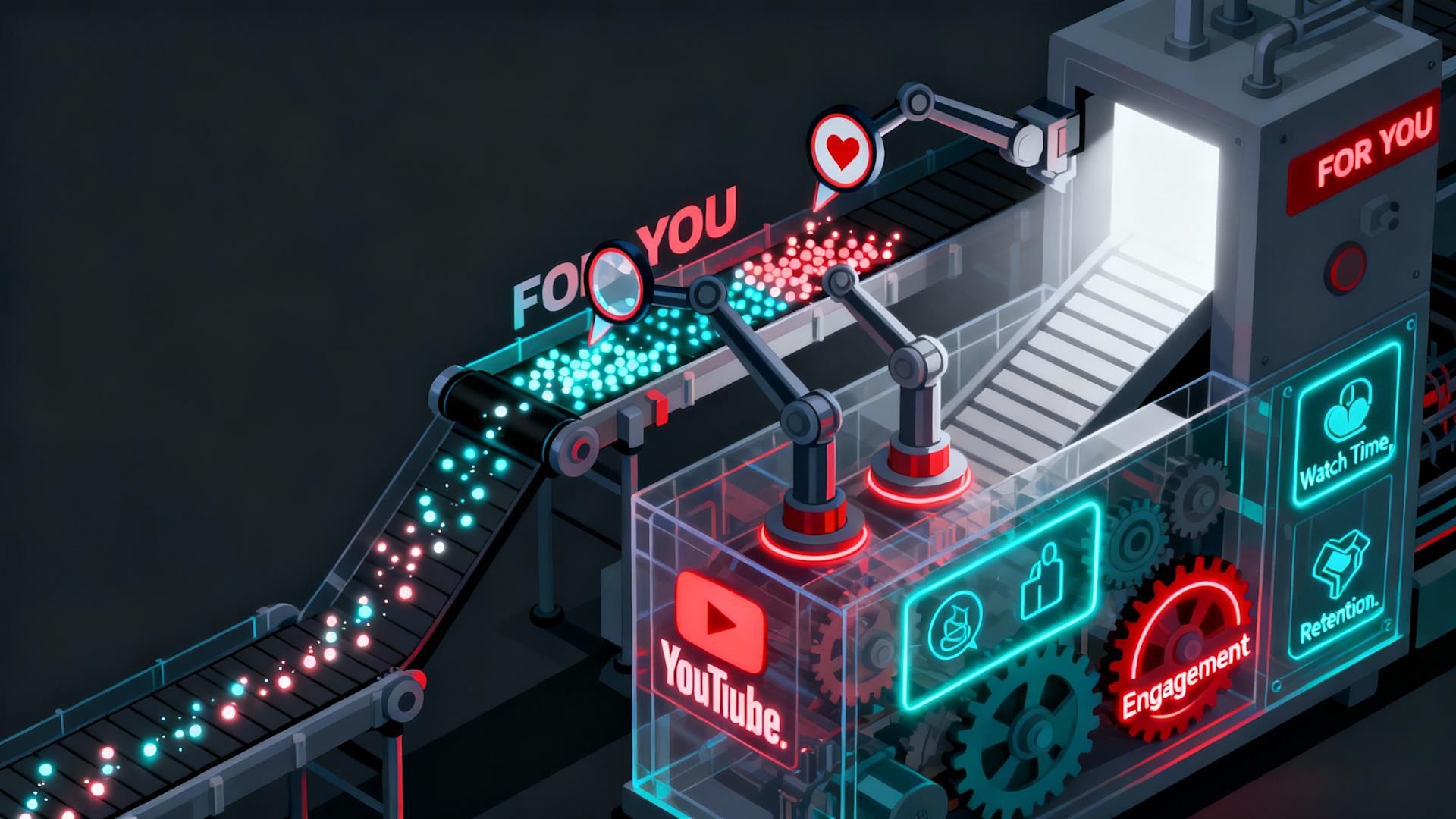
1. How the Algorithm Chooses Videos to Push
Understanding YouTube's recommendation algorithm at a mechanical level transforms content creation from art into science, revealing the specific levers you can pull to increase viral probability.
The Two-Phase Promotion System
YouTube's algorithm operates through a testing and expansion model that every creator must understand to engineer viral success.
Phase 1: Initial Testing (First 1-72 Hours)
When you publish a video, YouTube doesn't immediately show it to millions of people. Instead, the algorithm conducts a controlled test by showing your video to a small initial audience, typically 100-1,000 viewers depending on your channel's historical performance and subscriber base. This test audience includes your most engaged subscribers, viewers who've watched similar content recently, and people in your geographic region who engage with your content type.
During this crucial testing phase, the algorithm monitors incredibly detailed engagement metrics to determine video quality. It tracks click-through rate (what percentage of people shown your video actually click), average view duration (how long viewers watch before leaving), average percentage viewed (what portion of your video viewers complete), likes and comments relative to views, shares and saves as quality signals, whether viewers watch more of your content afterward, and whether they subscribe after watching.
The algorithm makes rapid quality assessments based on these metrics. If your video performs well compared to similar content and your channel's baseline, YouTube expands distribution to a larger test audience, perhaps 5,000-10,000 viewers. If performance remains strong, expansion continues to increasingly larger audiences, 50,000, then 500,000, then millions. This pyramid expansion explains why viral videos often show delayed growth, gradually building momentum over days or even weeks rather than exploding instantly.
Conversely, if your video underperforms during initial testing, low click-through rate, high early dropoff, minimal engagement, YouTube halts expansion and your video remains trapped with minimal views. This isn't shadow banning or suppression; it's the algorithm protecting viewers from content they're unlikely to enjoy based on demonstrated response patterns.
Phase 2: Sustained Distribution (Beyond 72 Hours)
Videos that pass initial testing phases continue receiving distribution as long as they maintain strong engagement metrics. The algorithm continually reassesses whether your video satisfies viewers and adjusts distribution accordingly. This explains why some videos show steady view growth for weeks or months while others peak quickly and fade.
Evergreen content that remains relevant and continues generating strong engagement metrics can receive algorithmic promotion for months or even years after publication. Tutorial content, educational videos, and problem-solving content often show this sustained growth pattern. Trending topic content typically peaks within 3-7 days as cultural relevance fades, but exceptional engagement can extend promotion longer than less engaging trending content.
The sustained distribution phase favors videos that generate "sessions", keeping viewers on YouTube watching multiple videos rather than viewing once and leaving. Videos that successfully direct viewers to watch more content from your channel or other creators signal high quality to the algorithm, triggering increased promotion.
Critical Ranking Signals That Trigger Expansion
Understanding which specific metrics most influence algorithmic promotion helps you optimize content strategically rather than guessing what matters.
Click-Through Rate (CTR): The Permission Signal
Click-through rate measures what percentage of people shown your video actually choose to click it. If YouTube shows your thumbnail to 10,000 people and 800 click, your CTR is 8%. This metric determines whether you get shown to broader audiences in the first place, if people don't click when shown your video, the algorithm concludes the content isn't appealing and restricts distribution.
CTR benchmarks vary by traffic source. Browse features and suggested videos typically show 4-8% CTR for decent performance, with 8-12%+ indicating exceptional thumbnail and title effectiveness. Homepage impressions often show lower CTR (2-4%) because viewers browse passively. Search traffic CTR varies enormously based on keyword competitiveness and result positioning.
The first 48 hours of CTR performance critically influence long-term distribution. High initial CTR signals to the algorithm that your video appeals to its target audience, triggering expanded testing. Videos that start with 6-10% CTR during initial testing often receive massive distribution expansion if other metrics align.
However, CTR alone doesn't determine success, if viewers click then immediately leave disappointed, the algorithm recognizes the disconnect between promise (thumbnail/title) and delivery (actual content), suppressing distribution despite high CTR. This is why clickbait undermines long-term channel performance even when it temporarily inflates views.
Average View Duration (AVD): The Quality Signal
Average view duration measures how many minutes viewers watch on average before leaving. A 10-minute video where viewers average 7 minutes demonstrates significantly higher quality than a video where viewers average 2 minutes. YouTube heavily weights this metric because longer watch time directly correlates with viewer satisfaction and platform engagement.
The algorithm compares your video's AVD against similar videos to determine relative quality. If your gaming tutorial averages 8 minutes of watch time while competing tutorials average 5 minutes, the algorithm interprets your video as superior and promotes it more aggressively. This explains why some videos with modest view counts outperform higher-view competitors in search rankings and suggestions, sustained engagement trumps raw view totals.
Improving AVD requires strategic content structuring including strong openings that immediately deliver value, pacing that maintains interest without lulls, clear value delivery that matches thumbnail promises, strategic payoff placement encouraging completion, and avoiding obvious conclusions that prompt early exits.

Audience Retention Patterns the Algorithm Rewards
Beyond simple average percentages, YouTube analyzes retention patterns to identify high-quality content.
The Ideal Retention Curve
Exceptional videos show retention curves that remain above 50% for the first 30 seconds (demonstrating effective hooks), maintain steady engagement through the middle (indicating valuable content), show gradual rather than cliff-like decline (suggesting natural content completion), and spike at the end (viewers staying for conclusions or rewatching endings).
The algorithm particularly rewards videos that buck typical retention patterns by maintaining 60-70%+ retention through their duration rather than showing the standard quick decline to 30-40%. This exceptional retention signals content so compelling that viewers choose to watch despite endless alternatives competing for their attention.
Re-watches and Looping
One of the most powerful but underutilized signals is viewer re-watching behavior. When viewers watch your video multiple times or rewatch specific sections, this signals exceptional value that the algorithm aggressively rewards. Short-form content under 60 seconds particularly benefits from looping, when viewers watch your Short 3-4 times consecutively, this dramatically boosts distribution.
Creating re-watch-worthy content involves including information-dense sections worth reviewing, building unexpected moments viewers want to experience again, embedding details viewers catch on second viewing, and for Shorts specifically, creating looping structures where endings flow naturally into beginnings.
Watch Sessions: The Multiplier Effect
YouTube's ultimate goal is keeping viewers engaged on the platform, not just with your individual video. The algorithm therefore heavily rewards content that generates "sessions", viewers watching multiple videos consecutively rather than viewing once and leaving.
Videos that successfully drive viewers to watch 3-5+ additional videos signal extraordinary value and receive massively amplified distribution. This explains why some creators' videos consistently receive more algorithmic promotion than seemingly similar content from competitors, they've mastered session generation that multiplies their perceived value to YouTube.
Strategies for generating sessions include end screens directing to specific next videos, creating series content where videos naturally lead to sequels, strategic playlist organization that encourages binge watching, and content callbacks referencing previous videos that intrigue new viewers to explore your catalog.
The Subscriber Signal Paradox
Many creators misunderstand how subscriber counts influence algorithmic promotion, leading to strategic mistakes.
Subscribers Matter Less Than You Think
YouTube's algorithm in 2025 cares far more about engagement signals than raw subscriber counts. Channels with 10,000 highly engaged subscribers who watch everything often receive more algorithmic promotion than channels with 100,000 disengaged subscribers who rarely watch. The quality of your subscriber base dramatically outweighs quantity.
This explains the common phenomenon where creators notice their videos stop performing after hitting certain subscriber milestones. What's actually happening is their subscriber-to-view ratio has declined because they accumulated too many subscribers who don't engage. The algorithm interprets this as declining content quality and reduces distribution accordingly.
Non-Subscriber Views Drive Virality
Truly viral videos typically show 90-95%+ of views coming from non-subscribers, with primary traffic sources being suggested videos, browse features, and YouTube search rather than subscriber feeds. The algorithm promotes content to relevant viewers regardless of subscription status, meaning great content reaches massive audiences even from tiny channels.
This liberating reality means you don't need a large existing subscriber base to achieve viral success, you need content that performs exceptionally well with whatever audience first views it. Small channels can absolutely produce viral videos if they engineer strong engagement signals during initial testing phases.
Strategic Subscriber Building
Rather than obsessing over subscriber counts, focus on attracting subscribers who genuinely want your specific content type and will actually watch future uploads. Targeted subscribers who consistently engage dramatically boost algorithmic perception of your content quality, while vanity subscribers who never return after subscribing actively hurt your channel.
Build quality subscriber bases by including clear, specific subscription CTAs explaining exactly what future content to expect, creating series content that encourages subscription for continuity, consistently delivering on your channel's value proposition, and avoiding sub-for-sub schemes or giveaways that attract disengaged subscribers.
Traffic Sources and Viral Pathways
Different traffic sources provide different viral pathways, each requiring distinct optimization strategies.
Browse Features (Homepage and Shorts Feed)
Browse traffic comes from viewers scrolling their YouTube homepage or Shorts feed without specific search intent. This high-volume traffic source can generate explosive view counts but demands exceptional thumbnail/title combinations that capture attention among countless alternatives. Browse features favor content that appeals broadly to viewers' demonstrated interests rather than niche-specific content.
Optimizing for browse features requires understanding your target viewer's interests beyond just your niche, creating thumbnails that stand out visually in crowded feeds, crafting titles that generate curiosity without requiring context, and analyzing which of your videos receive browse traffic to identify patterns.
Suggested Videos
Suggested video traffic appears alongside and after other videos, providing contextual recommendations. This traffic source offers the most reliable path to sustained viral growth because it enables audience borrowing, your content appearing alongside successful videos in your niche. Videos that generate strong suggested traffic often show steady growth over weeks or months as they continue appearing beside popular content.
Optimizing for suggested videos involves studying what content YouTube suggests alongside top videos in your niche, creating content naturally related to successful videos (similar topics, audience, or style), maintaining engagement metrics that exceed competing suggested videos, and strategically titling content to appear related without appearing derivative.
YouTube Search
Search traffic comes from viewers explicitly looking for specific content, typically using question or how-to queries. This traffic source provides evergreen growth potential as your video continues appearing in search results months or years after publication. Search-driven viral growth tends to be slower but more sustainable than browse-driven spikes.
Search optimization requires keyword research identifying high-volume, low-competition search terms, creating content that thoroughly answers specific queries, optimizing titles to include primary keywords naturally, and comprehensive descriptions incorporating secondary keywords and related terms.
Platform-Specific Algorithm Variations
YouTube Shorts and traditional YouTube operate on related but distinct algorithmic principles.
YouTube Shorts Algorithm Priorities
Shorts prioritize different engagement signals than traditional content including completion rate (what percentage of viewers watch the entire Short), rewatches and loops (viewers watching multiple times consecutively), likes relative to views (higher threshold than traditional content), and viewer engagement immediately after watching (liking, commenting, or watching more Shorts).
The Shorts algorithm also shows higher viral velocity, content can explode from zero to millions of views within 24-48 hours if initial engagement signals are exceptional. However, Shorts virality is more fragile, with view spikes often dropping quickly as the algorithm moves on to promoting newer content.
Traditional Content Algorithm Priorities
Traditional YouTube videos emphasize average view duration in absolute minutes, session generation and watch time contribution, specific audience targeting and niche satisfaction, and sustained engagement over days and weeks rather than immediate spikes.
Traditional content shows more predictable viral growth patterns with clearer optimization pathways. The longer format allows demonstrating value that justifies the time investment viewers make, creating stronger algorithmic signals when executed well.
Common Algorithm Misconceptions
Several persistent myths about YouTube's algorithm mislead creators into counterproductive strategies.
Myth: Posting frequently improves algorithmic favor - False. Upload frequency doesn't directly influence how the algorithm promotes individual videos. Posting more frequently helps accumulate subscribers and watch time faster, but each video receives distribution based on its individual performance rather than channel posting frequency. One exceptional video weekly outperforms seven mediocre daily uploads.
Myth: Perfect upload timing guarantees success - Partially false. While posting when your audience is online slightly improves initial testing performance, exceptional content succeeds regardless of upload time because algorithmic promotion extends far beyond immediate subscriber notification. Time zones matter less than content quality for viral success.
Myth: The algorithm suppresses certain channels - Almost always false. What creators interpret as "suppression" is typically the algorithm accurately assessing that recent content doesn't engage viewers as effectively as previous uploads. Declining performance usually stems from content quality issues, not algorithmic bias against specific channels.
Myth: You need millions of subscribers to go viral - Completely false. The algorithm promotes content to relevant viewers regardless of channel size. Tiny channels regularly produce viral videos if content engagement justifies distribution expansion. Subscriber count influences initial test audience size but doesn't determine viral ceiling.

2. Viral Hooks That Capture Immediate Attention
The opening 3-8 seconds of your video disproportionately determine its success, making hook optimization the highest-leverage skill in content creation.
Why Hooks Matter More Than Ever
YouTube's algorithm heavily weights early retention when assessing video quality. If 50% of viewers leave within the first 5 seconds, the algorithm concludes your content doesn't match viewer expectations and restricts distribution. Conversely, maintaining 70-80%+ retention through the first 30 seconds signals exceptional quality that triggers expanded promotion.
The psychological reality is that modern viewers make almost instantaneous keep-watching-or-leave decisions, particularly in browse and suggested video contexts where they're casually exploring rather than specifically seeking your content. Your hook needs to justify the time investment before viewers' attention drifts to countless alternatives competing for their focus.
Effective hooks accomplish three critical functions simultaneously: preventing immediate dropoff through pattern interruption, setting clear expectations for what value the video delivers, and generating curiosity or emotional engagement that motivates continued watching.
The Psychology of Effective Hooks
Understanding why certain openings retain attention while others hemorrhage viewers helps you engineer compelling hooks systematically.
Pattern Interruption Principle
Human attention naturally wanders unless actively captured. Effective hooks interrupt whatever mental state viewers were in before encountering your video, forcing conscious engagement with your content. This interruption can be visual (dramatic or unexpected imagery), auditory (compelling music, sound effects, or voiceover), emotional (humor, surprise, shock, curiosity), or informational (immediately valuable or intriguing information).
The critical element is distinctiveness from both the previous content viewers watched and the generic patterns they've seen countless times before. Starting with "Hey guys, welcome back to my channel" fails as a hook because it's indistinguishable from ten thousand other videos. Starting with a dramatic moment, unexpected statement, or visual that differs from typical content captures attention through novelty.
The Value-Front-Loading Method
Viewers watch content in exchange for value, entertainment, information, inspiration, or problem-solving. The faster you deliver genuine value, the more likely viewers remain engaged. Exceptional hooks front-load value delivery by showing compelling results before explaining process, presenting the most interesting or surprising information first, demonstrating emotional payoff before setup, or delivering the "why this matters" before detailed explanation.
This value-first approach contradicts natural storytelling instincts that build gradually toward climax, but YouTube's algorithmic reality rewards immediate gratification over narrative craft. You can incorporate traditional story structure after establishing that continuing to watch will be worthwhile.
The Curiosity Gap Technique
One of the most reliable hook approaches involves creating information gaps that viewers psychologically need to close. This works because human brains are wired to seek completion, once we start a pattern or story, we experience mild discomfort until reaching resolution. Strategic hooks establish questions or scenarios that viewers feel compelled to see resolved.
Effective curiosity gaps promise specific, intriguing outcomes without explaining how they're achieved, present contradictions or surprises that demand explanation, reference consequences or results without revealing causes, or establish stakes that make the outcome emotionally significant.
The key distinction between effective curiosity gaps and irritating clickbait is whether you actually deliver on the established curiosity. Creating gaps you fully satisfy generates viewer appreciation and algorithmic reward. Creating gaps you never meaningfully address generates frustration and algorithmic punishment.
Hook Formulas That Work Across Niches
While specific implementation varies by content type, certain hook structures reliably capture and maintain attention.
Formula 1: Result-First Opening
Start by showing the compelling end result, payoff, or conclusion, then rewind to explain how you achieved it. This formula works exceptionally well for tutorials, transformations, experiments, and educational content where the result itself is inherently interesting or valuable.
Structure: Open with 3-5 seconds showing dramatic result or outcome, include brief statement establishing what was achieved, optionally add a one-sentence teaser about how surprising or difficult the achievement was, then transition to beginning or explanation phase.
Example applications: Educational content: "This equation solves in 30 seconds what normally takes 5 minutes, here's how." Transformation content: "This is me after 30 days of [X], here's what happened." Experiment content: "We spent $10,000 testing this, here's what we discovered."
This formula succeeds because it immediately answers the viewer's subconscious question: "What do I get from watching this?" Once viewers know the destination is worthwhile, they'll invest time learning the journey.
Formula 2: Problem-Consequence Opening
Begin by identifying a problem your target audience faces, immediately followed by highlighting painful consequences of not solving it. This formula works particularly well for how-to content, problem-solving videos, and any content positioning itself as providing solutions.
Structure: Identify specific, relatable problem in opening line, immediately describe a consequence or implication that creates urgency, then position your video as providing the solution.
Example applications: "If your YouTube videos aren't getting views, you're probably making this mistake that kills your CTR." "When your code has this bug, it won't just fail, it'll corrupt your entire database." "Editing videos manually wastes 4-5 hours you could spend creating more content."
This formula works by triggering loss aversion, humans are more motivated to avoid losses than pursue equivalent gains. Highlighting what viewers risk losing by not watching is often more compelling than promoting what they'll gain.
Formula 3: Contradiction or Surprise Opening
Start with a statement that contradicts common beliefs, expectations, or conventional wisdom in your niche. Surprise creates pattern interruption while establishing your video offers non-obvious insights worth discovering.
Structure: Make bold or counterintuitive claim in opening seconds, optionally add brief context establishing why this contradicts expectations, promise to explain or prove the claim through the video.
Example applications: "Small YouTube channels actually have ADVANTAGES over large channels for going viral." "The 'healthy' breakfast you're eating is making you gain weight." "Learning to code is easier than learning to drive, here's why."
This formula succeeds by challenging viewers' existing mental models, creating cognitive dissonance they resolve by continuing to watch. However, you must actually justify your contradiction with compelling logic or evidence, unjustified contrarianism annoys viewers rather than engaging them.
Formula 4: The Pattern-Break Opening
Start mid-action, mid-story, or mid-conversation without traditional setup, context, or introduction. This technique capitalizes on viewers' instinctive engagement with incomplete patterns and their desire to understand context for what they're witnessing.
Structure: Begin with an interesting moment from the middle of your video's narrative or demonstration, allow this moment to play for 3-8 seconds establishing intrigue, then backtrack to explain context and how you reached that point.
Example applications: Starting a cooking video mid-meal rather than with ingredient list, beginning a gaming video during an intense moment rather than starting the gameplay session, opening an educational video with a surprising fact before explaining the broader topic.
This formula creates immediate engagement through confusion or intrigue that demands resolution, but requires careful execution to avoid confusing viewers to the point of frustration rather than productive curiosity.
Formula 5: The Direct Value Promise
Simply and clearly state exactly what value viewers will receive and how quickly they'll get it. This straightforward approach works particularly well when targeting viewers with high intent, people actively searching for solutions or information rather than casually browsing.
Structure: Open with clear, specific promise of value delivery, add time frame establishing quick payoff, optionally include credibility element explaining why you can deliver this value.
Example applications: "I'll show you how to create viral YouTube thumbnails in under 5 minutes using free tools." "By the end of this video, you'll understand quantum physics well enough to explain it to a 10-year-old." "This tutorial teaches you Python in 20 minutes with no prior coding experience needed."
This formula succeeds through clarity and specificity rather than mystery or surprise. It works best for educational and tutorial content where viewers arrive with clear problems they need solved.
Adapting Hooks to Content Types
Different content categories require hook customization while maintaining core psychological principles.
Educational and Tutorial Content Hooks
Educational viewers arrive with clear learning goals, making them more tolerant of slightly longer hooks that establish credibility and scope. However, you still must demonstrate immediate value through quick tips, showing end results first, or establishing clear learning outcomes in opening seconds.
Effective educational hooks front-load the most interesting or valuable insight, establish clear scope preventing information overwhelm, demonstrate teaching clarity through concise explanation, or show real applications of what viewers will learn.
Entertainment Content Hooks
Entertainment viewers seek emotional engagement, humor, surprise, excitement, drama, rather than practical information. Hooks must deliver entertainment value immediately rather than promising future payoff.
Entertainment hooks typically feature the funniest or most dramatic moment upfront, establish characters or premise quickly through action rather than explanation, create immediate emotional response through relatable situations or unexpected twists, or generate curiosity about what happens next through compelling setup.
Review and Commentary Content Hooks
Review and commentary viewers want to know your perspective and whether your analysis will provide value beyond their own viewing or experience. Hooks must establish credibility while presenting intriguing perspective.
Effective review hooks present your surprising or controversial take immediately, reference widely known context quickly, establish expertise through insight rather than credentials, or create debate through well-argued controversial positions.
Vlog and Lifestyle Content Hooks
Lifestyle viewers seek parasocial connection and interesting experiences. Hooks must establish relatability while promising interesting situations or insights from your life.
Lifestyle content hooks typically share a surprising or dramatic life moment immediately, establish emotional stakes for the situation you're documenting, create vicarious excitement about experiences viewers haven't had, or present relatable problems or situations with intriguing solutions.
Technical Hook Execution
Even perfectly structured hooks fail if technical execution undermines their effectiveness.
Visual Hook Elements
The first visual frame viewers see often determines whether they continue watching. Opening visuals should be high-energy or intriguing, visually distinct from generic content patterns, well-lit and professionally composed even if intentionally raw, and matched to the emotional tone of your hook.
Avoid dark screens, blank slates, or generic intro sequences that waste the critical first seconds. Every moment before delivering hook value increases dropoff risk.
Audio Hook Elements
Audio significantly impacts retention, with clear voiceover or compelling music maintaining engagement while poor audio triggers immediate leaving. Effective audio hooks feature clear, enthusiastic vocal delivery with appropriate pacing, immediate sound design that supports visual elements, minimal or zero music during critical first seconds, and quick transition to your voice if starting with music or B-roll.
The human voice creates connection and maintains attention more effectively than music alone, making voiceover hooks generally more effective than silent visual openings.
Pacing and Energy
Hook pacing should match or exceed the energy level you want viewers to maintain throughout the video. Starting slowly then trying to ramp up energy rarely works, viewers bail before reaching the interesting parts. Opening with high energy or intensity establishes expectations that you'll deliver engaging content worth their time.
Effective pacing maintains movement through quick cuts if appropriate, avoids pauses or dead space in opening 10 seconds, matches vocal energy to content type and target audience, and creates momentum that carries viewers past the critical early retention window.
Testing and Optimizing Hooks
Systematic hook testing improves retention rates over time rather than hoping for accidental success.
Analyze retention graphs systematically by checking YouTube Analytics audience retention for every video, identifying exactly where retention drops below 70%, comparing retention patterns across videos to identify successful vs. unsuccessful hooks, and noting whether retention problems occur at specific timestamps.
Create hook variations by producing 2-3 different opening approaches for similar content, testing each in separate videos or through A/B testing when possible, measuring which approach maintains highest early retention, and implementing winning patterns in future content.
Study successful creators in your niche by watching their hooks specifically, noting structural patterns they use repeatedly, identifying which psychological triggers they employ, and adapting their successful patterns to your unique style rather than copying exactly.
Iterate based on data by recognizing that perfect hooks don't emerge fully formed, improving gradually through systematic testing and iteration, maintaining swipe files of effective hooks for future reference, and balancing formula adherence with creative experimentation.

Common Hook Mistakes That Kill Retention
Several recurring errors undermine otherwise strong content.
The "Hey Guys" Opening - Starting with generic greetings, channel introductions, or asking viewers to like and subscribe before delivering any value triggers immediate leaving. Viewers don't care about your channel until you've proven your content is worth watching.
The Slow-Build Mistake - Taking 30-60 seconds to "set the stage" before getting to the point assumes viewers have already committed to watching. They haven't, they're actively deciding whether to leave, and slow openings lose that battle.
The Mystery-Without-Merit Problem - Creating vague intrigue without any substance or direction frustrates rather than engages. "I can't believe what happened today" without any hint of topic or stakes feels manipulative rather than compelling.
The Over-Explanation Issue - Spending hook time explaining why you're qualified to make the video, providing extensive background context, or defining common terms wastes critical seconds. Deliver value first, establish credibility through demonstration rather than declaration.
The Bait-And-Switch Trap - Promising specific value or topics in hooks then failing to deliver triggers viewer frustration and algorithmic punishment. Your hook must align authentically with your content delivery or short-term retention gains become long-term algorithmic suppression.
3. High-Demand Topic Selection Framework
Creating exceptional content on topics nobody cares about guarantees failure, making strategic topic selection the foundation of consistent viral success.
The Topic Validation Process
Most creators choose topics based on what they personally find interesting, what they coincidentally know about, or what they randomly decide to create. This approach produces viral videos only when personal interests accidentally align with high audience demand, rare random success rather than systematic achievement.
Strategic creators validate topic demand before investing production time, ensuring effort goes toward content with maximum viral potential rather than beautiful productions nobody watches. This validation process transforms content creation from hoping for success to engineering it.
Step 1: Generate Topic Ideas
Begin by brainstorming potential topics without filtering, including problems your target audience faces that you can solve, questions your audience asks repeatedly, trending topics in your niche with fresh angles available, your unique insights or experiences that provide novel perspectives, and successful competitor topics you can approach differently or better.
The key is separating idea generation from evaluation, create a long list of possibilities without immediately judging whether each will work. Premature filtering during brainstorming limits your option pool and reduces chances of discovering high-performing ideas.
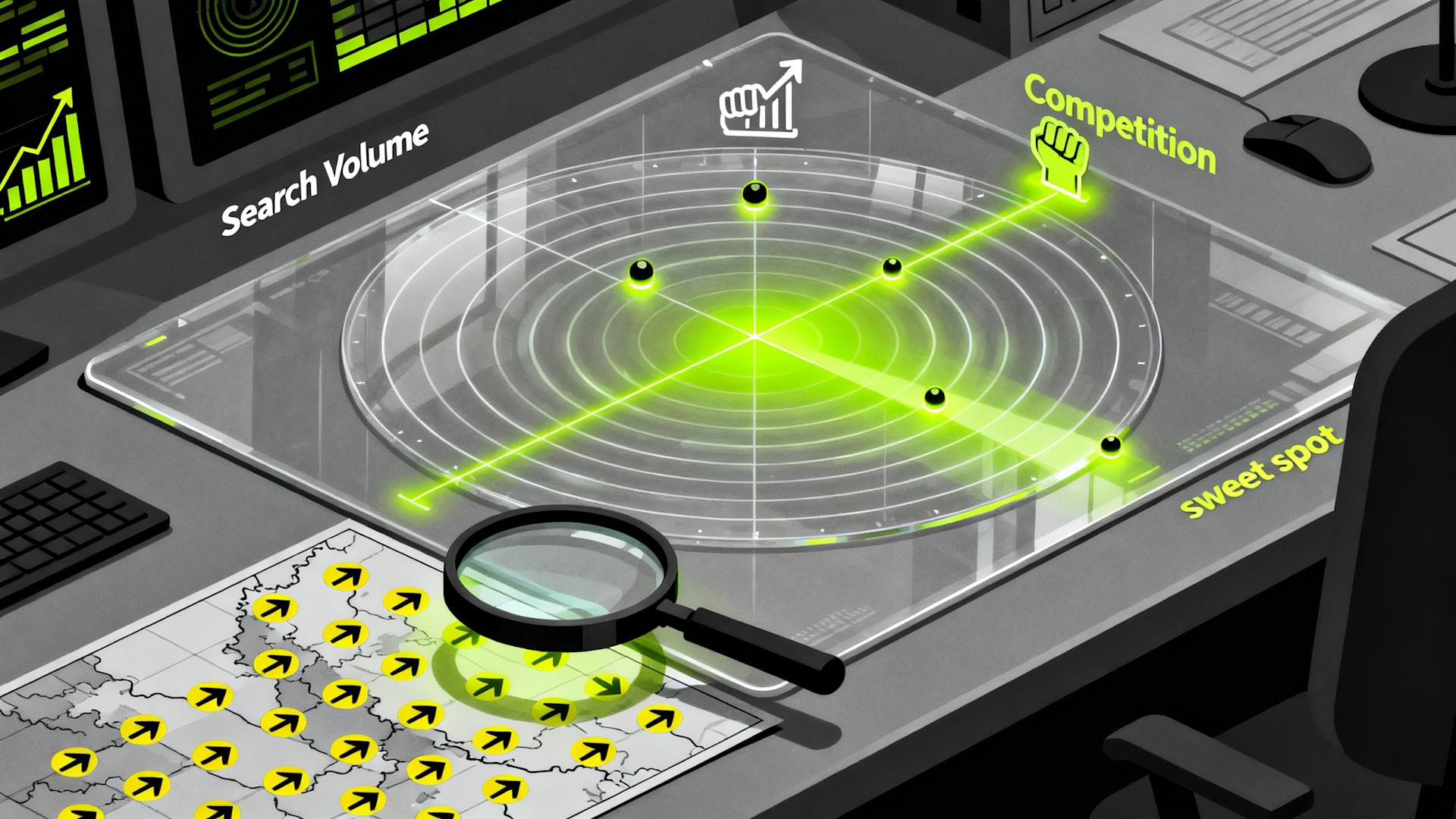
Step 2: Research Search Volume and Competition
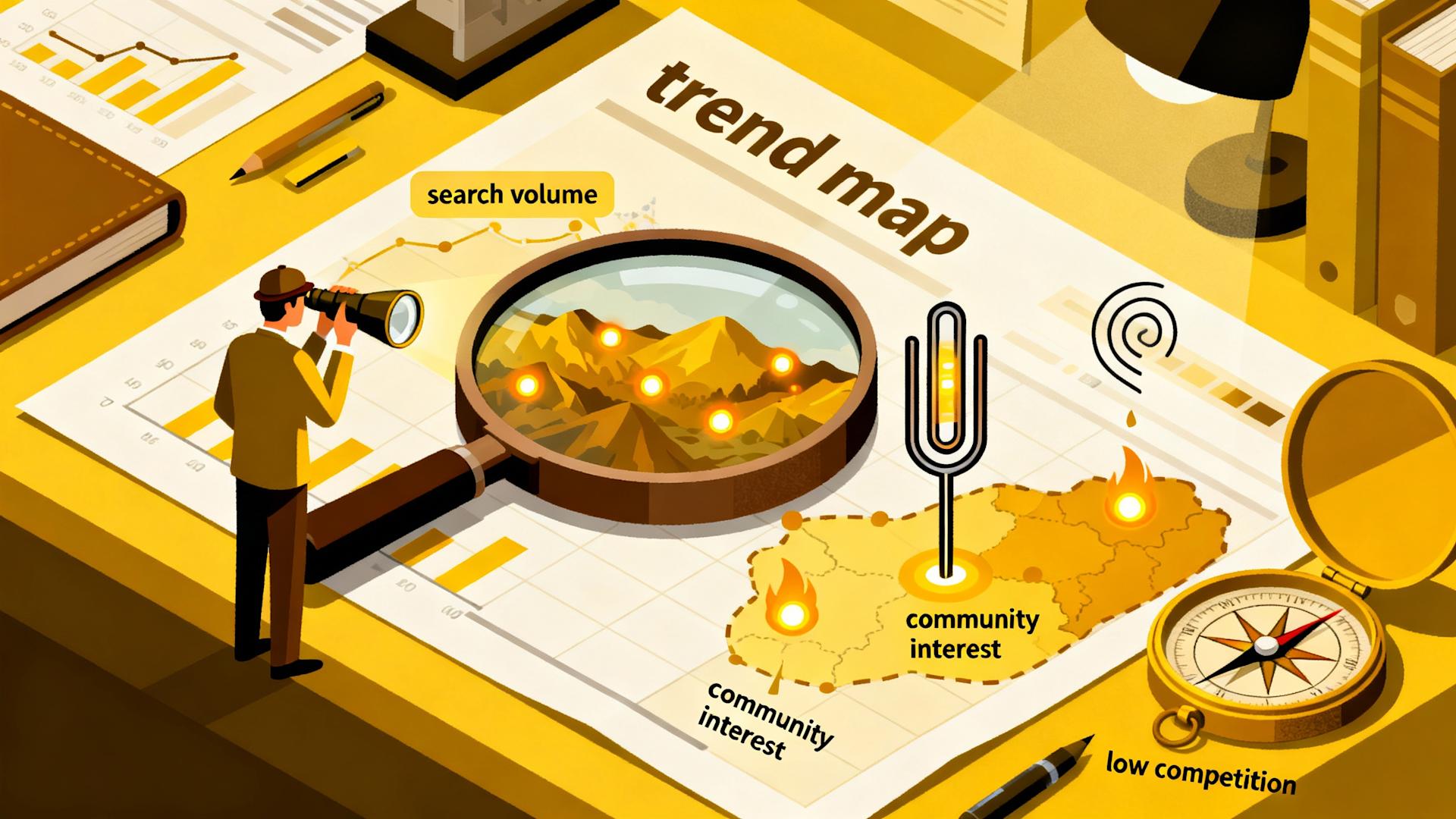
Use tools to assess whether sufficient audience demand exists for each potential topic. YouTube's search bar autocomplete reveals common searches and search volume relative indicators. TubeBuddy or VidIQ provide specific search volume estimates and competition scores. Google Trends shows whether interest in topics is rising, stable, or declining. Reddit, Quora, and niche forums reveal questions people actually ask and problems they genuinely need solved.
The ideal topic shows substantial search volume (indicating demand exists), manageable competition (indicating you can rank despite competitors), and growing or stable trends (indicating sustained rather than flash-in-pan relevance).
Step 3: Analyze Competitor Performance
Study how existing videos on your potential topics perform by searching your topic on YouTube, examining the top 10-20 results, noting their view counts relative to channel size and publish date, checking whether highly viewed videos come from small or large channels, and identifying gaps or weaknesses you could address better.
Strong competitor performance validates demand, if videos on your topic generate hundreds of thousands or millions of views, audience interest clearly exists. However, all strong performance from channels with massive subscriber bases suggests algorithmic favoritism you can't easily overcome. The sweet spot is topics where smaller channels achieve viral success, proving that great content can succeed regardless of channel size.
Step 4: Identify Your Unique Angle
Even validated high-demand topics require differentiation to justify creating another video on the subject. Your unique angle might be explaining concepts more clearly than competitors, providing more recent or accurate information, offering a contrarian perspective backed by evidence, combining topics in novel ways, or leveraging unique credentials or experiences competitors lack.
The worst approach is creating functionally identical content to successful competitors hoping to capture spillover audience. The algorithm and viewers both reward distinctive value, not derivative repetition.
Topic Categories With Viral Potential
Certain topic types consistently show higher viral probability across diverse niches.
Problem-Solution Topics
Content addressing specific problems your audience faces with actionable solutions reliably performs well because it delivers clear, measurable value. Viewers searching for solutions arrive with high intent, watch through to find answers, and share solutions that work with others facing the same problems.
Identify problem-solution topics by monitoring comments asking for help on popular videos, searching "how to" + your niche keywords, exploring Reddit threads where people request advice, and reflecting on your own struggles learning your niche.
Effective problem-solution videos clearly define the problem ensuring viewers recognize relevance, explain why the problem occurs building understanding, provide step-by-step solutions viewers can implement immediately, and demonstrate results proving the solution works.
Comparison and Versus Topics
Comparison content helps viewers make decisions by evaluating options, satisfying a clear audience need while generating engagement from supporters of each option debating in comments. These topics work particularly well for product-focused niches, software or tool comparisons, technique or strategy evaluations, and platform or service assessments.
Create compelling comparisons by choosing genuinely comparable options at similar levels, establishing fair evaluation criteria upfront, providing balanced analysis acknowledging strengths and weaknesses of each, and making clear recommendations based on different use cases or priorities.
Myth-Busting and Contrarian Topics
Content that challenges common misconceptions or conventional wisdom in your niche generates engagement through surprise and debate. These topics work when you have evidence supporting your contrarian position and can articulate your perspective persuasively.
Effective myth-busting identifies widely believed but incorrect information in your niche, provides evidence explaining why the common belief is wrong, explains why the misconception persists despite being incorrect, and offers the correct understanding with supporting proof.
The critical requirement is genuine insight rather than contrarianism for attention. Challenging conventional wisdom with weak arguments damages credibility, while well-argued contrarian positions establish authority.
Transformation and Before-After Topics
Content documenting journeys, experiments, or transformations captivates audiences through vicarious experience and curiosity about outcomes. These topics work across fitness and health niches, skill development and learning, business and income growth, and lifestyle changes and challenges.
Compelling transformation content sets clear baseline establishing starting point, documents the process maintaining engagement throughout the journey, shows genuine results without exaggeration or deception, and extracts lessons viewers can apply to their own journeys.
Trending and Timely Topics
Content capitalizing on current events, trending topics, or timely relevance can achieve rapid viral growth by riding existing attention waves. The challenge is balancing speed with quality, trending topics require fast production to remain relevant while maintaining standards that justify algorithmic promotion.
Identify trending opportunities through YouTube's Trending tab and Explore page, Google Trends for rising topics, Twitter trending sections for real-time developments, and niche-specific news sources or forums.
Successful trending content adds unique perspective rather than rehashing obvious takes, produces quickly without sacrificing quality, remains relevant beyond the immediate news cycle when possible, and connects trends to evergreen principles in your niche.
Topic Research Tools and Methods
Systematic research uncovers high-potential topics you wouldn't discover through casual observation.
YouTube Search Autocomplete
YouTube's search bar reveals what people actually search for by typing broad keywords and noting autocomplete suggestions, typing specific questions ("how to," "why does," "what is"), trying different word orders and phrasings, and noting which suggestions appear most prominently.
Autocomplete suggestions represent real search queries with sufficient volume that YouTube's algorithm surfaces them, making this free research method surprisingly powerful for topic discovery.
Comment Section Mining
Your own and competitors' comment sections contain explicit requests for specific content by reading through comments on popular videos systematically, noting repeated questions or requests appearing across multiple videos, identifying problems or challenges viewers mention facing, and recognizing gaps where viewers say "I wish someone would explain X."
Comments represent viewers explicitly telling you what they want to watch, this feedback is marketing gold that most creators ignore.
Reddit and Forum Research
Niche-specific subreddits and forums reveal problems and questions that passionate community members discuss by joining active subreddits related to your niche, searching for "beginner," "help," "advice," or "question" posts, noting which types of questions appear most frequently, and identifying topics generating most discussion and engagement.
These communities represent your target audience in their natural habitat discussing exactly what interests or frustrates them without prompting, invaluable insight for topic selection.
Competitor Gap Analysis
Analyze successful channels to identify topics they haven't covered or covered poorly by reviewing top-performing content from several successful competitors, noting which types of content generate most views, identifying topics they've promised but not delivered, and finding questions their audiences ask that remain unanswered.
Competitor analysis reveals both what works (topics to approach from your angle) and what's missing (opportunities to provide unique value).
Keyword Research Tools
Services like TubeBuddy, VidIQ, and traditional SEO tools provide quantitative data about search volume and competition by entering topic ideas to see monthly search estimates, checking competition scores to assess difficulty ranking, analyzing related keywords for topic variations, and tracking whether search volume trends up or down over time.
While not essential, these tools accelerate research by providing objective data that reduces guesswork about topic potential.
Balancing Evergreen and Trending Topics
Optimal content strategies combine sustainable evergreen topics with timely trending content rather than focusing exclusively on either.
Evergreen Content Benefits
Evergreen topics remain relevant for months or years, continuing to accumulate views long after publication through search traffic and suggested videos. These topics provide foundation for sustainable channel growth by generating consistent views that compound over time, building library of content that continually attracts new subscribers, and establishing authority through comprehensive coverage of fundamental topics.
Ideal evergreen topics address fundamental questions or problems in your niche, teach skills that remain relevant long-term, explain concepts that don't quickly become outdated, and solve problems that consistently affect your audience.
Trending Content Benefits
Trending topics capitalize on existing attention, potentially generating explosive short-term growth that expands your audience. These topics provide opportunities for rapid viral success, channel discovery during peak interest periods, subscriber acquisition when audiences actively seek content on trending topics, and momentum that can carry over to your evergreen content.
The challenge with trending topics is their short relevance window, delay means missing the opportunity entirely, while producing too quickly often sacrifices quality.
Strategic Balance
Successful channels typically maintain 70-80% evergreen content providing foundation and 20-30% timely content capitalizing on trends. This balance provides reliable base growth while enabling periodic viral spikes that accelerate channel development.
Implement this balance by maintaining consistent production of evergreen foundation content, monitoring trends to identify opportunities that align with your niche, producing timely content only when you can execute well quickly, and returning to evergreen topics after trend windows close.
Testing Topic Performance Before Full Production
Smart creators validate topic potential before investing full production effort.
Community Post Testing
If you have 500+ subscribers enabling community posts, test topic interest by posting your topic idea asking if subscribers would watch such a video, presenting multiple topic options and asking which interests them most, or sharing a brief version of your unique angle and gauging response.
Community post engagement provides early signal about topic appeal, though remember that existing subscribers may not represent your potential broader audience.
Title A/B Testing
Create multiple potential titles for your topic and test them by checking which phrasing generates more autocomplete suggestions, searching competitors' similar topics to see which title styles rank best, or asking niche communities which title they'd most likely click.
Title testing helps optimize your presentation of topics before committing to full production.
Short-Form Content Validation
Create YouTube Shorts or TikToks on your topic idea before investing in long-form production. If the short-form version generates strong engagement and comments requesting more detail, it validates interest justifying full video production. If short-form content flops, you've saved the time you would have wasted producing unsuccessful long-form content.
This testing approach is particularly effective for topics where you're uncertain about audience interest, letting data rather than assumptions guide production decisions.

4. Thumbnail & Title Formula for High CTR
Even exceptional content fails if nobody clicks to watch it, making thumbnail and title optimization the gatekeepers of viral potential.
The Psychology of Click-Worthy Thumbnails
Thumbnails function as visual advertisements competing for attention against hundreds of alternatives in viewers' browse feeds and suggested videos. Understanding the psychological principles that drive clicks helps you design systematically rather than guessing.
Pattern Interrupt Through Contrast
Human visual attention gravitates toward elements that differ from their surroundings. Thumbnails that stand out through bold color contrast, distinctive composition, or unexpected elements capture wandering attention and trigger conscious evaluation rather than being scrolled past automatically.
Effective contrast strategies include using colors complementary to YouTube's white/black interface (bright yellows, oranges, reds, or purples stand out while grays and muted tones disappear), creating clear foreground/background separation rather than busy cluttered compositions, and featuring one dominant visual element rather than multiple competing focal points.
Emotion Reading and Mirror Neurons
Humans instinctively read facial expressions and mirror those emotions, making faces with clear emotions among the most powerful thumbnail elements. When viewers see a face expressing shock, excitement, confusion, or any strong emotion, mirror neurons activate making them feel echoes of that emotion, creating subconscious connection before they've consciously decided whether to click.
Leverage emotional resonance by featuring clear human faces with exaggerated readable expressions when appropriate, ensuring faces are large enough that expressions read clearly at thumbnail size, matching face emotions to your video's tone and topic, and avoiding generic neutral expressions that fail to trigger emotional response.
The Curiosity Gap Principle
Just as verbal hooks create curiosity gaps, visual thumbnails should present partial information that viewers' brains feel compelled to complete. Effective curiosity gaps show results without revealing process, present contradictions or surprises without explanation, establish stakes without showing resolution, or imply transformation without detailing the journey.
The critical balance is creating intrigue without confusion. Thumbnails that are too vague or abstract fail because viewers can't determine whether clicking will satisfy their curiosity about something they care about.

Technical Thumbnail Design Principles
Even psychologically optimized concepts fail if technical execution is poor.
The Three-Second Readability Test
Viewers decide whether to click within 1-3 seconds of seeing your thumbnail, meaning every element must communicate clearly at a glance. Test thumbnail readability by viewing at actual display size (not full-screen in design software), checking whether the main point communicates in under 3 seconds, ensuring text is readable without zooming or squinting, and verifying the thumbnail remains clear at mobile phone sizes where most viewing occurs.
Thumbnails that require studying to understand fail this test and generate low CTR regardless of visual appeal.
Text Overlay Strategy
Text on thumbnails can significantly boost CTR when executed well or completely undermine thumbnails when done poorly. The keys to effective text overlays include keeping word count to 3-5 words maximum (fewer is often better), using bold sans-serif fonts sized large enough to read at thumbnail scale, creating contrast between text and background through color, shadows, or outlines, and positioning text to complement rather than obscure important visual elements.
Text should amplify your thumbnail's message or create additional curiosity rather than simply restating your title verbatim.
Color Theory and Visibility
Certain colors naturally stand out in YouTube's interface while others fade into the background. High-visibility color strategies include using warm colors (reds, oranges, yellows) that attract attention, creating sufficient contrast between foreground and background elements, avoiding colors that blend with YouTube's white or dark gray interface themes, and maintaining consistent brand colors across thumbnails for channel recognition.
The most visible color combinations typically involve complementary colors (opposite on the color wheel) creating natural visual tension that captures attention.
Composition and Focal Points
Strong thumbnails guide viewers' eyes to the most important element through deliberate composition. Effective composition techniques include the rule of thirds placing primary elements at intersection points, creating clear visual hierarchy establishing a primary focal point supported by secondary elements, using directional cues (faces looking toward text, arrows pointing to key elements) that guide attention flow, and maintaining negative space preventing cluttered overwhelming designs.
Title Writing Frameworks
Titles work in concert with thumbnails, with each element reinforcing the other's message while accomplishing complementary goals.
The Value-Front Title Formula
Lead with the specific value or benefit viewers receive, followed by context or methodology. This straightforward approach works particularly well for educational and tutorial content where viewers have clear informational needs.
Structure: [Specific Benefit] + [Method/Context] + [Optional Qualifier]
Examples: "Get 10,000 YouTube Subscribers in 30 Days (Without Paid Ads)" "Fix Video Lag in 5 Minutes | Works on Any Computer" "Master Python in One Weekend - Complete Beginner Guide"
This formula succeeds through clarity and specificity, promising concrete value that justifies clicking and watching.
The Curiosity-Gap Title Formula
Create intrigue about surprising information or outcomes without fully revealing the answer, compelling clicks from viewers who need to satisfy their curiosity. This approach works across content types but requires authentic delivery on the established gap.
Structure: [Intriguing Statement] + [Context Creating Stakes]
Examples: "This Mistake Cost Me $50,000 (Don't Do This)" "I Tried Every AI Tool For 30 Days - Only One Actually Worked" "The YouTube Algorithm Changed Everything Yesterday"
The key is ensuring your curiosity gap feels specific and significant rather than vague clickbait that could mean anything.
The How-To Title Formula
Straightforward instructional titles that clearly state what viewers will learn. This formula capitalizes on high-intent search traffic from people actively seeking solutions.
Structure: How to [Achieve Specific Outcome] + [Optional Qualifier]
Examples: "How to Edit YouTube Videos 10x Faster Using AI" "How to Grow YouTube Channel From Zero (2025 Strategy)" "How to Fix Blurry Videos Before Uploading"
This formula works because it matches exactly what people type when searching for help, making your content easily discoverable through search traffic.
The Listicle Title Formula
Number-based titles suggesting organized, digestible information that respects viewers' time. Listicles perform reliably because they set clear expectations about content structure and time investment.
Structure: [Number] + [Topic/Items] + [Qualifier or Benefit]
Examples: "7 AI Tools That Actually Save Time (Not Just Hype)" "3 Thumbnail Mistakes Killing Your Views (And How to Fix Them)" "10 YouTube Shorts Ideas That Go Viral Every Time"
Odd numbers (especially 3, 5, and 7) tend to perform better than even numbers, possibly because they feel more authentic than the artificially rounded "10" or "5."
The Controversy or Challenge Title Formula
Titles that challenge conventional wisdom or present controversial perspectives generate clicks through intrigue and potential disagreement. This approach works when you have substance backing your contrarian position.
Structure: [Controversial Statement] + [Opposing Common Belief]
Examples: "YouTube Shorts Are KILLING Your Channel Growth" "Why Small Channels Actually Have Advantages Over Large Ones" "Stop Posting Daily - Here's What Actually Works"
This formula generates engagement through debate but requires authentic evidence supporting your position to maintain credibility and viewer satisfaction.
Thumbnail-Title Alignment
Your thumbnail and title must work as coordinated system rather than independent elements.
Complementary Rather Than Redundant
The thumbnail and title should each communicate different aspects of your video's value rather than simply repeating the same message twice. Effective coordination patterns include thumbnail showing emotional payoff while title explains context, thumbnail presenting visual result while title describes method, or thumbnail creating curiosity while title provides just enough context to make clicking feel purposeful.
Avoid putting the exact same text from your title in your thumbnail, this redundancy wastes the opportunity to communicate multiple dimensions of your video's value.
The Read-Together Test
View your thumbnail and title together as viewers will encounter them by checking whether they form a cohesive message, verifying that each element reinforces rather than contradicts the other, ensuring the combination creates compelling reason to click, and testing whether any confusion or ambiguity exists when consuming both elements quickly.
If viewing them together creates confusion about what your video actually covers, redesign one or both elements until the message becomes crystal clear.
Platform-Specific Considerations
Thumbnails display differently across devices and contexts requiring optimization for varied viewing scenarios including mobile phones (where most viewing occurs and thumbnails appear smallest), desktop browse features (where thumbnails appear larger), suggested videos sidebar (where thumbnails are rectangular rather than square), and search results (where title receives more visual emphasis than thumbnail).
Test your thumbnails at various display sizes ensuring the core message remains clear in the smallest mobile format where most clicks originate.
Common Thumbnail and Title Mistakes
Several recurring errors undermine otherwise solid content.
The Overcomplicated Thumbnail - Including too many elements, excessive text, multiple focal points, or cluttered composition makes thumbnails visually confusing rather than compelling. Viewers scroll past rather than taking time to decipher what they're seeing.
The Misleading Promise - Creating thumbnails or titles that promise content you don't actually deliver generates clicks but triggers massive retention issues and algorithmic punishment. Short-term CTR gains become long-term channel suppression.
The Generic Copy - Thumbnails and titles that could apply to any video on your topic fail to differentiate your specific content, causing viewers to scroll past toward more distinctive alternatives.
The Invisible Branding - Failing to develop any consistent visual style or branding across thumbnails means viewers don't recognize your content in crowded feeds, missing opportunities for repeat viewership from people who've enjoyed previous content.
The Resolution Failure - Exporting thumbnails at incorrect dimensions (YouTube requires 1280x720), using low-quality images that appear pixelated, or failing to optimize file size causing slow loading all create technical barriers to effectiveness.
A/B Testing and Iteration
Systematic testing improves thumbnail and title performance over time rather than hoping for accidental success.
YouTube's Native A/B Testing
Some creators have access to YouTube's built-in thumbnail testing allowing you to upload multiple thumbnail options and let YouTube automatically test which generates better CTR. If you have access, leverage this feature by creating 2-3 distinctly different thumbnail approaches (not minor variations), letting tests run for at least 48-72 hours, analyzing not just which thumbnail wins but why it might have won, and applying winning principles to future thumbnails.
Manual Testing Through Reuploads
Without native A/B testing, some creators test by uploading a video with one thumbnail, monitoring performance for 48 hours, then changing the thumbnail and monitoring the next 48 hours. This approach provides rough indication of relative performance though it's confounded by timing variables.
Cross-Video Pattern Analysis
The most accessible testing approach involves creating varied thumbnail styles across multiple videos and analyzing which styles correlate with better CTR in your analytics. Look for patterns by checking YouTube Studio Analytics for each video's CTR, grouping videos by thumbnail style or approach, comparing average CTR across groups, and implementing successful patterns more frequently while abandoning unsuccessful approaches.
Tools and Resources for Creation
Professional-looking thumbnails don't require expensive software or design expertise.
Canva provides templates, stock photos, fonts, and intuitive interfaces making thumbnail design accessible to non-designers. The free version includes sufficient features for excellent thumbnails, while paid version unlocks additional stock media and features.
Photopea offers free browser-based Photoshop alternative with advanced editing capabilities for creators comfortable with more complex interfaces.
Remove.bg automatically removes image backgrounds, isolating subjects for clean thumbnail compositions without manual masking.
Unsplash and Pexels provide free high-quality stock photography when your own footage doesn't provide ideal thumbnail images.
For creators using AI tools like Clippie AI, automated thumbnail generation based on video content can provide starting points that you customize with additional text, branding, or creative elements. AI-generated thumbnails work best when treated as drafts requiring human refinement rather than final products.
5. How to Repeat Viral Success Consistently
Producing one viral video is exciting but building a sustainable channel requires engineering repeatable viral systems rather than hoping for lucky accidents.
The Viral Video Analysis Framework
When you produce a high-performing video, resist the temptation to simply celebrate and move on. Instead, systematically analyze exactly what made it successful so you can intentionally replicate those elements.
Traffic Source Analysis
Navigate to YouTube Studio > Analytics > Reach tab and examine where views originated for your viral video. Check whether browse features drove most views (indicating exceptional thumbnail/title), suggested videos generated traffic (indicating strong engagement and session generation), search traffic dominated (indicating excellent SEO and evergreen appeal), or external sources contributed significantly (indicating shareability).
Understanding your viral video's primary traffic source reveals what specific optimization aspect succeeded most, guiding where to focus improvement efforts for future content.
Audience Retention Patterns
Study the retention graph for viral videos with particular attention to where viewers stayed engaged versus videos that underperformed. Identify at what timestamp retention first drops below 50%, whether the video maintains above-average retention throughout, which specific moments show retention spikes (indicating particularly engaging content), and whether viewers rewatch sections (visible as spikes on the retention graph).
Compare retention patterns between your best and worst performing videos to identify what differentiates success from failure.
Engagement Metrics Comparison
Review how engagement metrics differ between viral and non-viral content by checking likes per view percentage (viral content typically shows 4-8%+ while average content might be 1-3%), comments per view (indicating content generated discussion), shares and saves (indicating viewer found content valuable enough to reference later), and subscriber conversion rate (percentage of viewers who subscribed after watching).
Higher engagement signals communicate to the algorithm that your content provides exceptional value, triggering amplified distribution.
Topic and Format Breakdown
Analyze the specific topic choices and format approaches that drove success by determining whether the topic had high search volume, whether you provided unique perspective competitors lacked, which format elements (tutorial structure, story-driven narrative, comparison format, etc.) resonated, and whether the video's length was optimal for retention.
Successful topics and formats deserve replication with variations rather than abandonment after single success.
Creating Content Series and Sequels
Strategic series development capitalizes on proven successes while building audience loyalty.
The Direct Sequel Approach
When a video performs exceptionally well, creating direct sequels or follow-ups capitalizes on existing interest while serving audiences who want more. Sequel strategies include "Part 2" continuing deeper into the topic, "Updated" versions when circumstances change or you gain new insights, "Advanced" versions building on foundational content from the viral video, and "Common Mistakes" or "FAQ" videos addressing questions from the original video's comments.
Sequels leverage the original video's audience, traffic, and algorithmic momentum while demonstrating to the algorithm that you consistently produce content on topics viewers care about.
The Topic Cluster Strategy
Rather than creating isolated one-off videos, develop topic clusters where 5-10 videos explore different aspects of the same broader subject. This approach generates internal traffic between related videos, positions you as comprehensive authority on the subject, allows covering topics from multiple angles increasing viral probability, and creates binge-watching opportunities that generate session signals the algorithm rewards.
Structure topic clusters by identifying your viral video's core subject, brainstorming 5-10 related subtopics or angles, creating a content calendar producing the cluster over 4-8 weeks, and strategically linking cluster videos through cards, end screens, and playlists.
The Format Replication Strategy
If your viral video succeeded partly because of format, perhaps comparison structure, transformation documentation, or specific presentation style, applying that format to different topics increases viral probability. This approach maintains what worked while avoiding repetitive content that audiences tire of.
Format replication involves analyzing structural elements (pacing, sections, presentation approach) separately from topic, identifying which formats your audience responds to most positively, creating templates or processes for efficiently producing that format, and systematically applying successful formats across varied topics maintaining novelty.
Building a Content Calendar Around Viral Potential
Random posting hoping for viral success generates inconsistent results. Strategic content calendars engineer consistent opportunities for high performance.
The 70-20-10 Content Framework
Allocate your content production effort strategically across three categories ensuring consistency while maintaining growth potential.
70% Core Content addresses proven topics in your niche with established demand. This foundational content generates reliable views, serves your existing audience, builds topical authority, and provides consistent watch time supporting channel health.
20% Experimental Content tests new topics, formats, or approaches with viral potential but higher uncertainty. This exploratory content discovers new successful directions, prevents creative stagnation, attracts new audience segments, and occasionally produces breakthrough viral successes.
10% Trending Content capitalizes on timely opportunities with potential for rapid viral growth but short relevance windows. This opportunistic content catches viral waves, introduces your channel to new audiences during peak interest, and provides growth spikes that accelerate channel development.
This balance provides stability through core content while maintaining upside through strategic experimentation and trend-jacking.
Seasonal and Cyclical Planning
Certain topics perform better at specific times, making calendar awareness strategic. Plan content calendar considering annual cycles (tax advice in spring, fitness content in January, holiday content in December), platform patterns (YouTube advertising CPMs are highest in Q4, lowest in January), school calendars (educational content performs differently during school year vs. summer), and niche-specific cycles (gaming content around major releases, finance content around earnings seasons).
Strategic timing amplifies content's natural performance potential rather than fighting against temporal headwinds.
The Batch Production System
Producing multiple videos in concentrated sessions increases consistency while reducing per-video production time. Batch production strategies include dedicating specific days to scripting multiple videos, filming several videos in single sessions with efficient setup/breakdown, editing multiple videos consecutively applying learned efficiency, and scheduling uploads maintaining regular posting rhythm without daily production pressure.
This approach is particularly effective when using tools like Clippie AI that enable rapid editing of multiple videos in sequence, applying consistent styles and optimizations across batches.
Leveraging Analytics for Continuous Improvement
Data-driven optimization beats intuition-based guessing for consistent improvement.
Weekly Analytics Review Protocol
Schedule dedicated time weekly for reviewing performance metrics and extracting insights. Your review should examine which videos outperformed or underperformed expectations and why, how average view duration trends across recent uploads, whether CTR is improving or declining over time, which traffic sources drive most views currently, and where audience geography and demographics are shifting.
This regular review creates feedback loops between your content decisions and performance outcomes, accelerating learning and improvement.
Comparative Video Analysis
Rather than reviewing videos in isolation, compare performance across similar content identifying patterns. Group videos by topic type, format, or upload timing, then compare CTR, retention, engagement rates, and total views across groups to determine which factors most influence success.
This comparative analysis reveals what works in your specific niche for your specific audience rather than relying on generic best practices that may not apply to your situation.
Subscriber vs. Non-Subscriber Performance
Check how your content performs differently for subscribers versus new viewers by examining YouTube Analytics traffic sources, comparing retention rates between subscriber and non-subscriber viewers, and analyzing whether your content primarily serves existing audience or attracts new viewers.
If subscriber views dominate, you're successfully serving your existing community but potentially not reaching new audiences. If non-subscriber views dominate, you're attracting new viewers but potentially not converting them to subscribers effectively. The ideal balance depends on your channel goals, but understanding the split helps optimize appropriately.
Community Engagement for Viral Amplification
Active audience engagement amplifies viral potential and provides invaluable feedback for improvement.
Strategic Comment Response
Responding to comments doesn't just build community, it triggers algorithmic signals and encourages additional engagement. Prioritize responding to early comments within the first few hours after upload, questions that other viewers likely share (your response helps everyone), thoughtful comments demonstrating genuine engagement, and critical feedback providing improvement opportunities.
Your responses should add value through additional insights, demonstrate appreciation for viewer engagement, and encourage continued discussion that extends engagement metrics.
Community Posts for Topic Validation
Use YouTube community posts (available at 500+ subscribers) to validate topic ideas before production, poll audiences about preferred content directions, share behind-scenes content building connection, and maintain channel visibility between uploads.
Community posts generate engagement that keeps your channel active in subscribers' feeds while providing direct audience input that improves content-market fit.
Creating Engagement-Optimized Content
Certain content types naturally generate higher engagement that amplifies viral potential. Engagement-optimized approaches include asking specific questions that viewers want to answer in comments, presenting controversial opinions that generate debate, creating content with multiple valid perspectives encouraging discussion, and acknowledging and responding to feedback from previous videos demonstrating you listen.
The Compounding Content Strategy
Long-term channel success comes from content that compounds rather than fading after initial promotion.
Evergreen Content That Ages Well
Create content that remains relevant and continues accumulating views for months or years by addressing fundamental problems that don't change, teaching skills that remain valuable long-term, explaining concepts not subject to rapid evolution, and structuring content to remain accurate despite minor industry changes.
Evergreen content provides compounding returns as each video continues generating views, watch time, and subscribers long after publication. A strong evergreen catalog ensures your channel grows even during production breaks.
Strategic Internal Linking
Connect your videos through cards, end screens, and verbal references creating pathways that guide viewers through your content catalog. Effective internal linking directs viewers from popular videos to related content they're likely to enjoy, creates series pathways encouraging binge-watching, promotes newer content through established high-traffic videos, and builds topical clusters demonstrating comprehensive coverage.
This linking strategy extends viewer sessions, generates additional watch time, and positions your channel as comprehensive resource rather than collection of isolated videos.
The Content Repurposing Framework
Maximize return on content creation effort by repurposing single videos across multiple formats and platforms. Strategic repurposing includes extracting YouTube Shorts from long-form content highlighting key moments, adapting video content for TikTok with platform-specific optimizations, creating blog posts from video transcripts for SEO benefits, and developing email content referencing and promoting video material.
Tools like Clippie AI specifically facilitate this repurposing by enabling rapid generation of multiple video versions optimized for different platforms without duplicative manual editing.
Maintaining Creative Sustainability
Consistent viral success requires sustainable creative processes preventing burnout.
The Idea Bank System
Maintain organized repository of content ideas preventing creative blocks by capturing topic ideas immediately when inspiration strikes, organizing ideas by category, priority, or production requirements, regularly reviewing and refining your idea inventory, and maintaining sufficient backlog (20-30 ideas) to prevent pressure.
This system ensures you're never scrambling for ideas while allowing strategic selection based on current circumstances rather than forced immediate production of whatever comes to mind.
Strategic Breaks and Batch Production
Prevent burnout through intentional production rhythms balancing intensity with recovery by batch-producing content during high-energy periods creating upload buffer, scheduling strategic breaks after intensive production phases, maintaining reserves of completed content preventing panic during low-motivation periods, and varying content types within production cycles maintaining creative engagement.
Sustainability beats intensity over long-term channel building, consistent moderate output outperforms irregular extreme effort.
Continuous Learning and Adaptation
The YouTube landscape evolves constantly requiring ongoing learning and adaptation by following platform announcements and official creator guidance, studying successful creators in and beyond your niche, experimenting with new formats and approaches regularly, and attending creator events or communities sharing knowledge.
The creators maintaining viral success over years adapt continuously rather than rigidly adhering to strategies that worked previously but gradually lose effectiveness.
FAQs
1. How many videos do I need to post before getting a viral video?
There's no magic number, some creators produce viral videos with their first few uploads while others create hundreds before achieving breakthrough success. However, understanding realistic expectations helps maintain motivation during the journey. Most creators need 20-50 well-optimized videos before producing their first genuinely viral video, though this varies enormously based on niche competition, content quality, and optimization sophistication. The key insight is that each video provides learning opportunities and data about what resonates with your audience. Systematic creators analyzing performance and iterating based on data typically achieve viral success faster than those randomly posting without strategic reflection. Rather than asking "how many videos until virality," ask "am I improving my optimization with each upload and learning from performance data?" If you're creating 50 videos without analyzing what works and doesn't, you're unlikely to suddenly stumble into viral success. If you're systematically testing hooks, topics, and thumbnails while implementing learnings, viral breakthrough becomes increasingly probable with each strategic upload.
2. Can small channels with zero subscribers get viral videos?
Absolutely yes, some of YouTube's most viral videos come from tiny channels or even first uploads. The algorithm prioritizes content quality signals (CTR, retention, engagement) over channel size when determining distribution. A video from a zero-subscriber channel that generates 70%+ early retention and 10% CTR during initial testing receives expanded distribution regardless of the creator's existing audience. In fact, small channels sometimes have advantages for viral potential because they're not burdened by audience expectations or established content patterns that can constrain creativity. The algorithm's testing and expansion model specifically enables small channel virality, if your content resonates with test audiences, YouTube aggressively promotes it to broader viewers seeking exceptional content. Many creators have experienced the surreal experience of their first or second video achieving millions of views while their channel shows zero subscriber history. The critical factors aren't channel size but rather content engagement signals. Small creators should focus on engineering exceptional first-impression metrics through compelling thumbnails, effective hooks, and strong retention rather than believing they need to "build an audience first" before attempting viral content. Your first viral video often becomes the mechanism for building that initial audience.
3. Is it better to focus on YouTube Shorts or traditional videos for viral success?
Both formats offer distinct viral pathways with different advantages and challenges. YouTube Shorts show higher viral velocity with videos potentially exploding from zero to millions of views within 24-48 hours if engagement signals are exceptional, making them excellent for rapid channel discovery and subscriber acquisition. However, Shorts typically generate lower watch time per view, less consistent long-term traffic, and lower monetization revenue compared to traditional content. Traditional long-form videos show slower but more sustainable viral growth with views accumulating over days, weeks, or months through search and suggested traffic. They generate substantially more watch time per viewer, create stronger viewer-creator connections through extended engagement, and typically generate higher advertising revenue per view. The optimal strategy for most creators is leveraging both formats strategically by creating long-form foundational content as your primary channel offering, extracting Shorts from long-form videos or creating complementary Shorts content, using Shorts to introduce your channel to new audiences, and directing Short viewers to long-form content for deeper engagement. Tools like Clippie AI specifically facilitate this dual-format strategy by enabling efficient creation of both long-form and Short content optimized for each platform's algorithmic priorities. Rather than choosing between formats, strategic creators use Shorts as discovery mechanism feeding audiences to long-form content where deeper monetization and community building occurs.
4. How important is posting frequency for getting viral videos?
Posting frequency influences viral probability less than most creators believe, but the relationship is more nuanced than simply "quality over quantity." The algorithm evaluates each video independently, posting seven mediocre videos weekly doesn't outperform one exceptional video weekly. However, posting frequency does affect your statistical probability of viral success by creating more "at-bats" for achieving exceptional performance, generating more data for learning what works, maintaining channel activity that keeps you visible to existing subscribers, and accelerating the learning curve through practice and iteration. The optimal frequency balances production capacity with quality maintenance. Posting daily while maintaining excellent quality accelerates growth, but posting daily while sacrificing quality that tanks retention hurts more than posting weekly with excellent retention. Most successful creators find sustainable frequency between 1-4 videos weekly for traditional content or 3-7 Shorts weekly, with the specific optimal frequency varying by niche, production complexity, and individual capacity. The critical principle is never sacrificing content quality to hit arbitrary posting frequency targets. One viral video from ten high-quality uploads generates more long-term value than zero viral videos from thirty rushed mediocre uploads. Focus on systematically improving your optimization with each upload rather than maximizing raw video count.
5. What should I do after getting my first viral video?
Your response to initial viral success dramatically influences whether you build on momentum or waste the opportunity. First, analyze exactly what made the video succeed by examining traffic sources, retention patterns, engagement metrics, topic selection, thumbnail/title effectiveness, and comparing against your other content to identify success differentiators. Second, capitalize on momentum immediately by creating direct sequels or related content while interest is high, pinning comments directing viewers to your best existing content, engaging extensively with new comments building community, and updating your channel homepage to feature your best content for new profile visitors. Third, resist the temptation to immediately try replicating your exact viral video as this often fails, viewers wanted that specific video but rarely want identical content repeatedly. Instead, replicate the principles (topic type, format approach, optimization elements) while maintaining novelty. Fourth, set realistic expectations understanding that your next video won't necessarily match viral performance, even exceptional creators show performance variation across uploads. Your goal is increasing your average performance and hit rate rather than achieving identical virality with every upload. Finally, use subscriber growth from viral success strategically by consistently delivering the content type that attracted those subscribers, maintaining engagement with your expanded audience, and focusing on watch time per subscriber rather than just raw subscriber counts. Many creators waste viral momentum by dramatically changing content after success, confusing new subscribers and failing to convert viral success into sustainable channel growth.
6. How can I make my existing videos more likely to go viral after they're already published?
While most viral success happens within a video's first 72 hours, several post-publication strategies can revive underperforming content or extend viral momentum. First, test new thumbnails and titles if your existing ones show poor CTR, YouTube allows changing these elements anytime, potentially triggering renewed algorithmic testing if new versions perform better. Wait 48-72 hours between tests to accumulate meaningful performance data. Second, promote through external traffic sources by sharing strategically in relevant subreddits, Facebook groups, Twitter threads, or niche communities where your target audience congregates, embedding videos in blog posts or newsletters, or creating Shorts that reference and link to your long-form content driving traffic. Third, optimize for search discovery by improving descriptions with relevant keywords, adding comprehensive timestamps for easier navigation, creating playlists that position the video alongside related content, and building backlinks from external sites. Fourth, leverage community posts and comments by creating community posts referencing older content for subscribers who missed it, pinning comments on newer videos directing to relevant older content, and verbally referencing older videos in new content encouraging back-catalog exploration. However, manage expectations realistically, while these strategies can generate new life for existing content, videos that fundamentally failed to engage audiences during initial testing rarely transform into viral successes through post-publication changes alone. The most reliable path to viral success is engineering excellence before publication rather than hoping to revive poor performers afterward.
7. Does using AI tools like Clippie AI hurt my chances of going viral?
Using AI tools doesn't inherently hurt viral chances, what matters is whether the final output engages audiences effectively regardless of production method. YouTube's algorithm and viewers care about engagement signals (CTR, retention, likes, comments) not the specific tools used to create content. Many successful viral videos use AI assistance for various production elements without algorithmic penalty. The critical factors are maintaining originality and quality despite AI assistance by adding substantial creative input and customization rather than using default templates, ensuring the final product provides genuine viewer value, maintaining your distinctive style and perspective, and avoiding the obviously generic appearance that comes from zero human refinement of AI output. Clippie AI specifically addresses these concerns through extensive customization capabilities, platform-specific optimization that improves algorithmic performance, professional caption accuracy that boosts accessibility and retention, and production efficiency that enables creating more strategic content rather than just more content. The creators finding success with AI tools treat them as production accelerators, handling tedious editing, caption generation, and technical optimization, while maintaining creative control over concept development, storytelling, and unique perspective that differentiates their content. The risk isn't AI usage itself but rather over-reliance on AI without adding the human creative elements that create genuine connection and value. Used strategically, AI tools like Clippie enable creators to produce more high-quality content optimized for viral success than would be possible through manual production alone.
Conclusion
The dream of consistently producing viral YouTube videos is neither impossible fantasy nor pure luck accessible only to algorithmic favorites. Systematic viral success follows identifiable patterns and mechanical principles that any creator can study, understand, and implement regardless of their current channel size or past performance. The difference between creators who occasionally stumble into viral success and those who engineer it repeatedly comes down to understanding systems rather than hoping for accidents.
Throughout this comprehensive guide, you've discovered that YouTube's algorithm operates through predictable testing and expansion phases that reward specific engagement signals including click-through rate, average view duration, audience retention patterns, and session generation. Understanding these mechanical factors transforms content creation from artistic expression into strategic engineering where you intentionally optimize every element to maximize viral probability.
The systematic framework for consistent viral success requires mastery across five interconnected dimensions. First, algorithmic literacy including understanding how YouTube decides which content to promote, which specific signals trigger distribution expansion, how different traffic sources contribute to viral growth, and what engagement patterns the algorithm rewards most heavily. Second, hook engineering that captures and maintains attention through the critical early seconds determining whether viewers stay or leave, employing psychological principles like pattern interruption and curiosity gaps, and avoiding the common mistakes that kill retention immediately.
Third, strategic topic selection that validates demand before production, identifies high-potential subjects through systematic research, balances evergreen foundation with trending opportunities, and ensures you're creating content audiences actually want rather than what you randomly decide to make. Fourth, thumbnail and title optimization that generates click-through rates high enough to trigger algorithmic testing, employs psychological principles of attention capture, maintains authentic alignment between promise and delivery, and systematically tests and iterates based on performance data.
Fifth, systems for repeatable success including analyzing what makes your best content work, creating series and sequels that capitalize on proven successes, maintaining strategic content calendars engineered for consistent viral opportunities, and building sustainable creative processes that prevent burnout while maintaining quality.
The Compounding Advantage of Systematic Approach
The most powerful aspect of systematic viral engineering is the compounding advantage it creates over time. Creators relying on luck might produce one viral video in fifty uploads, a 2% success rate that generates occasional excitement but inconsistent growth. Systematic creators implementing the frameworks in this guide often achieve 40-60% above-average performance rates with genuinely viral videos occurring in 1 of every 5-10 uploads, a 10-20% hit rate that's 5-10x better than random chance.
This probability advantage compounds dramatically over consistent production. A creator posting one video weekly with 10% viral hit rate produces approximately 5 viral videos yearly. Over three years, that's 15 viral videos driving massive subscriber growth, established authority, and monetization success. A creator with 2% hit rate produces approximately 3 viral videos over the same period, enough to maintain hope but insufficient for transformative channel development.
The difference isn't talent, luck, or algorithmic favoritism, it's systematic approach versus random hope.
Tools That Amplify Strategic Frameworks
Strategic frameworks become exponentially more powerful when combined with modern AI tools that handle tedious technical work while you focus on creative and strategic optimization. Manually editing every video element from scratch consumes time that should be invested in analyzing performance data, researching topics, designing compelling thumbnails, and engineering effective hooks.
Clippie AI specifically accelerates viral probability by enabling efficient production of high-quality, platform-optimized content while maintaining the creative control essential for distinctive value. The platform's caption accuracy ensures professional polish that boosts retention, platform-specific optimization improves algorithmic distribution, and production efficiency allows testing more strategic approaches rather than being buried in manual editing.
The competitive advantage belongs to creators who combine strategic frameworks with efficient production tools, engineering exceptional content faster than competitors stuck in manual production workflows.
Your Systematic Path Forward
If you're currently creating content without systematic approach, hoping for viral lightning strikes while posting inconsistently optimized videos, this guide provides the complete framework for transformation. Start by analyzing your existing content identifying which videos performed best and why, studying their traffic sources and retention patterns, comparing their topics and formats against underperformers, and extracting principles to replicate in future content.
Implement the topic validation process for your next videos researching demand before production, identifying high-potential subjects through search volume and competitor analysis, ensuring you create what audiences want rather than random ideas, and validating topics through community posts or short-form testing.
Engineer compelling hooks for every upload testing different approaches systematically, maintaining the first 3-8 seconds as your highest-priority optimization, analyzing retention graphs to identify which hooks work best, and iterating continuously based on performance data.
Optimize thumbnails and titles systematically by testing different visual approaches and title formulas, analyzing CTR data identifying what works for your specific audience, maintaining complementary rather than redundant thumbnail-title combinations, and avoiding the common mistakes that undermine otherwise strong content.
Build systems for sustainable consistency by creating content calendars balancing foundation with experimentation, batch producing content maintaining regular posting without daily pressure, analyzing performance weekly implementing continuous improvement, and maintaining creative sustainability preventing burnout.
Clippie AI is the fastest way to create professionally optimized content engineered for viral success while maintaining the production velocity needed to test strategies and iterate based on results. Whether you're building toward your first viral video or optimizing your hit rate after initial successes, start creating with Clippie today, and experience how efficiently you can produce the strategically engineered, algorithmically optimized content that YouTube rewards with explosive distribution.
Start Your Free Clippie Trial Now and begin implementing the systematic viral framework that transforms content creation from hoping for luck into engineering consistent high-performance results. Your first, or next, viral video starts with the strategic decisions you make today.
Related Blog Posts
1. YouTube Analytics Deep-Dive: Reading Data Like a Pro Creator: Master complete YouTube Analytics interpretation including understanding every available metric, identifying meaningful patterns in your data, correlating content decisions with performance outcomes, and implementing data-driven optimization that accelerates channel growth faster than intuition-based guessing.
2. The Complete YouTube Shorts Strategy: Algorithm, Formats, and Monetization: Discover everything you need to dominate YouTube Shorts including the Shorts-specific algorithm mechanics that differ from traditional YouTube, content formats consistently generating millions of views, optimal posting strategies for maximum reach, and monetization approaches that make Shorts financially viable despite lower per-view revenue.
3. Building a Six-Figure YouTube Channel: Business Strategies Beyond Ad Revenue: Explore comprehensive monetization beyond AdSense including channel membership optimization that converts casual viewers into paying supporters, strategic brand partnership approaches that generate five-figure deals, digital product creation leveraging your audience trust, and business model development that creates sustainable creator income independent of algorithmic fluctuations.
Make an AI story video
Write a script or let AI write one. Clippie turns it into a narrated video with AI scenes, voiceover and captions.
Read more

How to Make Top 5 Ranking Videos in 2026 (Step-by-Step)
Build ranking Shorts that can still earn: pick a debatable topic, set clear criteria, source clips you may use, script the countdown, add your commentary.

How to Create Short-Form Videos Using AI: 8 Steps (2026)
A beginner workflow for AI videos on TikTok, Reels and Shorts: pick a format, script a hook, add visuals, voice and captions, export at 9:16, label AI.

7 Free CapCut Alternatives for Short-Form Video (2026)
Compare Edits, YouTube Create, VN, Clipchamp, Canva, DaVinci Resolve and Shotcut: what each gives free users, what it caps first and where it falls short.