
5 TikTok Hooks That Instantly Increase Watch Time
Master the exact hook formulas driving 70-90% retention on TikTok. Complete guide with proven templates, niche adaptations, psychological principles, and common mistakes to avoid.
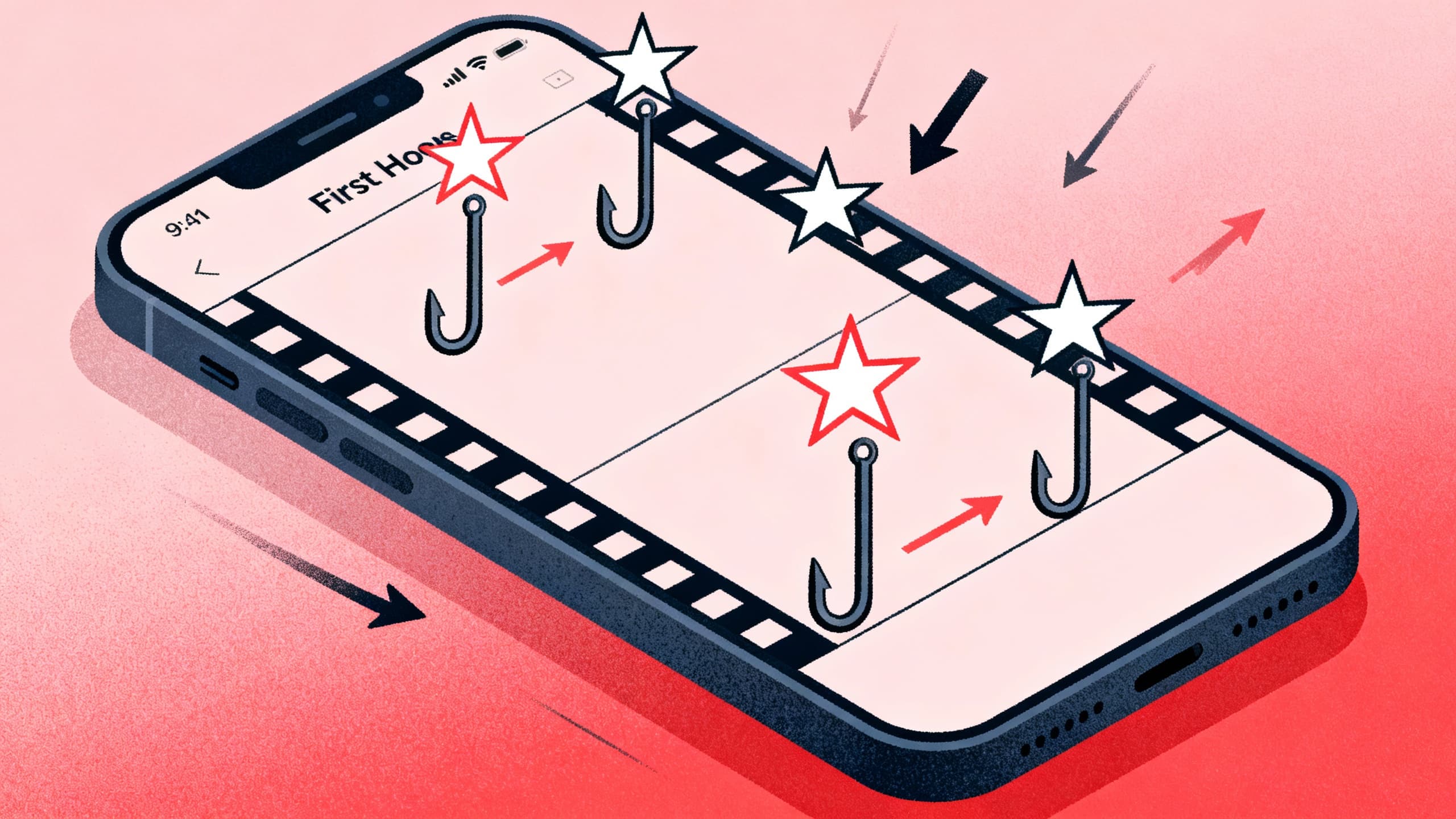
The brutal reality of TikTok and short-form content success is that 90% of viewers decide whether to watch or scroll within the first 1-3 seconds of your video based almost entirely on your opening hook, with average retention rates of 30-40% for mediocre hooks versus 70-90% for exceptional hooks creating 2-3x difference in total views through algorithmic amplification, meaning your hook quality matters more than production value, content quality, or posting consistency combined since even exceptional content buried under weak hooks never receives the views required to demonstrate value. This harsh selection pressure has created evolutionary arms race where successful creators continuously refine and test hooks while unsuccessful creators blame algorithms or content quality despite fundamental hook failure destroying their content before it has chance to succeed.
Yet most creators approach hooks randomly or formulaically, either copying trending phrases without understanding underlying psychological principles making them effective, using generic openings that blend into endless scroll creating zero differentiation or stopping power, burying actual hook under unnecessary preamble wasting critical first seconds on setup rather than impact, or treating hooks as afterthought writing them last and giving them minimal creative attention despite being most important element determining video success or failure. This systematic hook neglect guarantees mediocre performance regardless of content quality, exceptional storytelling, valuable information, or entertaining content becomes completely irrelevant if hook fails to stop scroll and capture initial attention required for audience to experience the value.
The sophisticated understanding of hook psychology, mechanics, and structure separates creators achieving consistent 70-90% retention and millions of views from those struggling with 30-40% retention and hundreds of views despite comparable or superior content quality. The difference isn't talent, budget, or mysterious algorithmic favor, it's systematic application of proven hook principles, relentless testing and optimization of opening seconds, and deep understanding of psychological triggers driving human attention and decision-making in infinite scroll environments. Mastering hooks isn't creative mysticism but learnable systematic skill accessible to any creator willing to study principles, test approaches, and iterate based on data rather than assumptions or copying surface patterns without understanding deeper mechanics.
The Algorithmic and Psychological Stakes
Understanding why hooks matter so dramatically reveals optimization priority and effort allocation.
The algorithmic promotion mechanism rewards retention disproportionately where TikTok's algorithm uses average watch time percentage as primary quality signal determining promotion, videos achieving 70-90% retention receive exponentially more views than identical content at 30-40% retention through algorithmic amplification, the first impression (thousands of initial views) determines whether algorithm continues promoting or suppresses content, and hook quality essentially determines which algorithmic tier your content enters, poor hooks doom content to low-view tier regardless of quality while exceptional hooks enable testing in high-view tier where content quality determines ultimate success. The algorithmic leverage means 10-second hook optimization effort can increase total views 5-10x more than 10 hours improving remaining content, the ROI on hook optimization is extraordinary.
The attention economics in infinite scroll environments create ruthless selection pressure where users encounter 100-300+ videos in typical TikTok session creating overwhelming choice and very low switching cost (single swipe to next video), decision-making is purely System 1 (instant unconscious emotional reaction) not System 2 (deliberate rational evaluation), and default behavior is scrolling not watching requiring hook to interrupt automatic pattern. The psychological environment is hostile to attention capture, hooks must trigger involuntary attention before conscious decision-making even begins. Logical rational hooks fail because they assume conscious evaluation happening before scroll, emotional instant hooks succeed by triggering automatic attention response.
The compound effect of retention on growth shows retention improvements multiplying impact through algorithmic promotion increasing total views 3-10x for same number of impressions, higher-quality viewers completing videos and engaging more creating better subsequent algorithmic signals, improved conversion to followers and repeat viewers from audiences that fully experience content value, and positive feedback loops where algorithm shows content to progressively better-matched audiences improving retention further. The retention optimization compounds advantages exponentially, small improvements create disproportionate growth through multiple amplification mechanisms.
The competitive landscape evolution shows hook quality arms race accelerating where average creator hook quality improves yearly as education spreads and successful patterns are copied, audience hook tolerance continues rising requiring increasingly sophisticated hooks to achieve same stopping power, and competitive advantage comes from systematic hook testing and optimization rather than one-time pattern copying. The hooks working in 2023 are becoming less effective 2026 as audiences develop resistance, continuous evolution and testing is required not static formula application.
What This Comprehensive Guide Delivers
This tutorial provides complete systematic framework for creating and optimizing hooks driving exceptional retention.
The foundational understanding section establishes why hooks work through psychological principles of attention and decision-making, algorithmic mechanics rewarding retention and punishing poor hooks, measurable impact of hook quality on total video performance, and realistic expectations about testing and optimization versus magical formulas. Understanding mechanics prevents cargo cult copying of patterns without comprehension enabling genuine mastery.
The five proven hook frameworks provide specific templates and examples including pattern interrupt hooks stopping scroll through surprise or shock, curiosity gap hooks withholding resolution creating compulsion to watch, bold claim hooks making dramatic promises requiring validation, story hooks using narrative structure creating investment, and direct value hooks promising specific benefit immediately. Each framework includes psychological principle, specific templates, successful examples, and adaptation guidance.
The niche-specific adaptation section translates universal principles into category-optimized hooks including educational content hooks, entertainment and story hooks, product review and recommendation hooks, lifestyle and personal content hooks, and business and professional content hooks. The adaptations prevent generic formulaic hooks showing how principles customize for different content types and audiences.
The optimization and testing framework provides systematic approach to hook improvement including A/B testing methodology for scientific comparison, metrics and analytics interpretation revealing hook performance, iteration cycles improving hooks systematically, and common failure patterns preventing improvement. The systematic approach replaces guesswork with data-driven optimization.
The mistake avoidance section identifies critical errors destroying hooks including burying the hook under preamble, using vague or generic openings, overcomplicating or confusing viewers, creating clickbait hooks content doesn't deliver on, and neglecting visual hook elements focusing only on verbal. Learning what to avoid prevents common failures while focusing effort on high-impact improvements.
By completing this guide, you'll understand both the psychological and algorithmic principles driving hook effectiveness and the practical templates and optimization systems for consistently creating hooks achieving 70-90% retention and dramatic viewership growth.
Table of Contents
Why Hooks Determine Your Video's Fate
The Best Hook Styles That Always Work
Script Templates for High Retention
Adapt Hooks for Any Niche
Common Hook Mistakes to Avoid
FAQs
Conclusion

1. Why Hooks Determine Your Video's Fate
Establishing the foundational importance of hooks through algorithmic mechanics and audience psychology.
The 1-3 Second Decision Window
Understanding the compressed timeline where video success or failure is determined.
The scroll behavior reality shows ruthless selection happening almost instantaneously where user attention span on TikTok averages 1.7 seconds before scroll decision, barely enough to register what video is about, the decision is unconscious emotional not conscious rational (System 1 not System 2 decision-making), and neurological studies show brain makes keep-or-scroll decision within 0.5-1 second with remaining time confirming initial instinct. The compressed timeline means hooks must work at unconscious automatic level triggering involuntary attention before conscious evaluation even begins. Hooks trying to convince through logic or explanation fail because they assume attention you haven't yet earned, successful hooks capture attention first then deliver value.
The cognitive processing limitation reveals what's possible in 1-3 seconds where viewers can register simple visual pattern or shocking image, process 3-7 words maximum with comprehension, detect emotional tone and energy level, and make crude categorical judgment (interesting/not interesting, relevant/irrelevant, novel/seen before). Complex ideas, nuanced arguments, or detailed information cannot register in available timeframe, hooks must be radically simple and instantly comprehensible. The creators trying to establish context, explain premise, or build up to hook waste critical seconds on information viewers cannot process before scrolling, successful hooks deliver maximum impact in minimum time.
The default behavior momentum shows scroll is autopilot requiring interruption where infinite scroll creates psychological momentum to keep scrolling (intermittent reward schedule creating compulsive behavior), stopping requires conscious decision overriding automatic behavior, and hooks must be strong enough to break scroll momentum triggering "wait, what?" moment forcing attention. Mild interest or moderate curiosity isn't sufficient, hooks need to create interruption strong enough to override compulsive scrolling. The threshold for stopping is high and rising as audiences become increasingly desensitized, hooks must be exceptional not just good.
The attention allocation psychology reveals viewer calculation happening unconsciously where brain asks "is stopping and watching this worth opportunity cost of other content I could see instead?", comparison is against idealized vision of infinite scroll's best content not just next video, and threshold for stopping rises with every mediocre video encountered (each disappointing video makes viewer more selective going forward). The hook competes not just against next video but against aggregate of all content viewer has seen, hook must signal exceptional value to justify stopping in context of literally millions of alternative videos available.
How TikTok's Algorithm Uses Retention
The specific algorithmic mechanisms translating hook quality into distribution and views.
The initial testing phase determines content's algorithmic fate where new videos receive 200-500 initial views testing audience response regardless of account size, algorithm measures completion rate, likes, comments, shares, and rewatches in this initial sample, videos passing retention threshold (typically 40-50% minimum, higher for competitive niches) receive second round of promotion with larger audience (2,000-10,000 views), while videos failing threshold get suppressed receiving minimal additional promotion. The initial testing means your hook literally determines whether content receives real promotion or dies in obscurity, there's no second chance if initial retention fails.
The retention threshold dynamics show algorithmic promotion requirements where minimum viable retention is approximately 40-50% to avoid suppression, competitive threshold for promotion is 60-70% in most niches, exceptional content achieving 80-90%+ retention receives maximum algorithmic boost, and thresholds vary by content length (longer videos have lower retention requirements, but hooks still critical). The retention determines algorithmic tier more than any other factor, content at 70% retention can receive 10-100x more views than identical content at 30% retention purely through algorithmic amplification differences.
The compound promotion mechanism shows retention creating exponential view growth where initial high retention triggers larger promotional batches, continued strong retention in expanded audience triggers even larger promotion, algorithm tests content with progressively broader audiences as performance proves quality, and successful videos can reach millions of views through successive promotional waves. The exponential growth means small retention improvements have disproportionate impact, improving from 50% to 60% retention might double total views, while improving from 60% to 70% might increase views 5x through algorithmic amplification.
The death spiral of poor retention shows negative algorithmic feedback loops where low initial retention causes small second batch or immediate suppression, poor performance in small second batch confirms algorithm's assessment content is low-quality, content gets categorized as low-value receiving minimal future promotion even if later videos improve, and account authority potentially decreases from pattern of low-retention content affecting future uploads. The algorithmic consequences of poor hooks extend beyond single video, systematic hook failure damages account standing requiring deliberate rehabilitation through improved retention.

The Compounding Cost of Weak Hooks
Calculating the actual opportunity cost of mediocre versus exceptional hooks.
The direct view loss from retention differences shows immediate impact where video achieving 40% retention on 1,000 impressions generates 400 views, identical video achieving 70% retention generates 700 views, 75% more views from same impressions, but algorithmic amplification multiplies this difference where 40% retention receives minimal promotion staying near 1,000 total views, while 70% retention triggers promotional waves reaching 10,000-100,000+ views creating 10-100x total difference. The direct calculation shows single hook improvement creating 10,000-100,000 additional views per video, worth extraordinary optimization effort.
The follower growth impact compounds over channel lifetime where each video with poor hook loses 50-500 potential followers that would have converted from high-retention version, over 100 videos the follower deficit grows to 5,000-50,000 followers lost to poor hooks, and each lost follower means lost future views, engagement, and monetization opportunity. The compounding follower loss from systematic hook failure can mean difference between 10,000 subscriber channel and 200,000 subscriber channel over same time period producing same content volume, hook quality is literally the difference between failure and success for many creators.
The monetization and revenue implications translate retention to business outcomes where higher retention drives more total views increasing ad revenue proportionally, better follower conversion from high-retention content builds audience for sponsorships and product sales, and improved audience quality (people who watch completely are more engaged and valuable) increases revenue per follower. The revenue impact of hooks is direct and substantial, creator earning $1,000 monthly from content might earn $3,000-5,000 monthly from identical content with optimized hooks through increased views, followers, and engagement.
The opportunity cost of optimization neglect shows what's lost to hook failure where creators spend 5-10 hours producing video that receives 500 views due to poor 30-second hook, spending 1-2 hours optimizing hook might increase views to 5,000-50,000 making hook optimization providing 10-100x better return on time investment than production effort, yet most creators invest 90% of time on content and 10% on hook despite hooks providing majority of return. The resource misallocation is staggering, optimizing hooks provides better ROI than almost any other creative improvement.
The Data: Hook Performance Benchmarks
Establishing realistic expectations and targets for hook effectiveness.
The retention tier framework categorizes performance levels where 0-30% retention indicates critical hook failure requiring immediate attention (content likely suppressed algorithmically), 30-50% retention shows weak hooks underperforming but not catastrophically (content receives minimal promotion, difficult to grow), 50-70% retention demonstrates solid performance enabling growth (content receives decent algorithmic support), 70-85% retention indicates exceptional hooks driving strong growth (maximum algorithmic promotion), and 85-95%+ retention represents elite performance usually requiring perfect hook-content alignment. Most creators operate in 30-50% tier struggling to grow, reaching 60-70% tier typically unlocks dramatic growth.
The niche and content length variations show context-dependent standards where educational content averaging 45-65% retention considered good (longer format reduces completion), entertainment and story content targeting 70-85% retention (shorter and designed for completion), trending challenge or dance content achieving 80-90% retention (very short and highly engaging), and longer narrative content (60+ seconds) accepting 40-60% retention as strong performance. The benchmarks vary but principles remain, hooks must achieve top-quartile retention within content category to drive growth.
The improvement trajectory shows realistic optimization path where beginner creators typically achieve 25-40% retention with intuitive hooks, improving to 50-60% retention requires understanding basic hook principles (weeks of learning and testing), reaching 70%+ retention demands systematic optimization and testing (months of refinement), and sustaining 75-85% average requires continuous evolution and adaptation (ongoing effort). The mastery timeline shows hook optimization is skill developed over months not one-time formula, expect gradual improvement not instant transformation.
The testing and variance reality shows performance fluctuation where same hook can achieve 60% retention on one video and 75% on another due to testing variance and audience batch differences, minimum 3-5 videos needed to assess hook pattern reliability versus random variation, and systematic A/B testing required to confidently attribute retention differences to specific hook changes versus noise. The data volatility means avoiding premature conclusions from single video, systematic testing over multiple videos reveals genuine patterns.

2. The Best Hook Styles That Always Work
The five proven psychological frameworks consistently driving exceptional retention across niches and content types.
Hook Style #1: The Pattern Interrupt (Shock and Surprise)
Creating involuntary attention through violation of expectations and surprising stimuli.
The psychological mechanism shows how surprise captures attention automatically where unexpected stimulus triggers orienting response, automatic neurological reaction forcing attention to novel or surprising information, violation of expectations creates cognitive dissonance requiring resolution, and surprise bypasses conscious attention control, viewers stop scrolling before deciding to stop. The pattern interrupt works at neurological level making it most reliable hook category, it exploits automatic attention mechanisms rather than requiring conscious interest.
The specific shock techniques that consistently work include dramatic contradictory statements violating expectations ("I made $10,000 by being lazy"), surprising visual or action starting immediately (person doing something shocking or unexpected in first frame), shocking statistics or claims ("90% of you are doing this completely wrong"), unexpected reversals or plot twists presented upfront ("Everything you know about [X] is backwards"), and taboo or controversial statements triggering automatic attention ("I'm about to tell you why [commonly accepted thing] is actually terrible"). The shock must register within 1 second, delayed surprise loses effectiveness.
The execution requirements for effective pattern interrupts include starting with shocking element immediately, zero preamble or setup, making shock visual and verbal simultaneously (don't just say shocking thing, show shocking thing), ensuring shock is genuinely surprising not predictably provocative (audiences develop resistance to formulaic shock), and maintaining connection between shock hook and actual content value (clickbait shock without substance damages retention later). The pattern interrupt hook that promises value it doesn't deliver ultimately fails through poor mid-video retention, initial stop must lead to satisfying complete view.
Successful examples across niches demonstrate versatility where productivity: "I deleted all my productivity apps and got more done" (contradicts productivity advice expectations), cooking: "I burned this $100 steak on purpose and it's better" (shocking deliberate failure), business: "I shut down my $50K/month business and I'm happier" (contradicts success narrative), fitness: "I stopped working out and got in better shape" (violates fitness expectations), and relationships: "My partner and I don't talk for days and our relationship improved" (contradicts relationship advice). The pattern is contradicting strongly-held expectations within niche creating cognitive dissonance requiring resolution.
The balance with credibility prevents pattern interrupt becoming pure clickbait where shock must have genuine basis in content, even if provocatively framed, you must deliver on surprising claim not just use it for attention, revealing nuance and context that explains apparently contradictory claim validates shock rather than exposing it as manipulation, and brand consistency matters, constant shocking claims damage credibility making audiences skeptical. The pattern interrupt is powerful tool used strategically not crutch for every video, excessive shock creates desensitization and credibility problems.

Hook Style #2: The Curiosity Gap (Incomplete Information)
Creating psychological need for resolution through strategically withheld information.
The psychological mechanism exploits information gap theory where human brains experience discomfort from incomplete information creating need for closure, curiosity is strongest when we know something exists but don't know what it is (teasing that there's answer creates more curiosity than complete ignorance or complete knowledge), and the gap between what we know and what we want to know creates psychological tension only resolvable by watching. The curiosity gap hook creates loop that can only be closed by watching video to completion, powerful retention driver when executed correctly.
The specific gap creation techniques include revealing incomplete story ("What she said next changed everything"), showing consequence without cause ("This one change doubled my income" without revealing what change is), posing intriguing question without immediate answer ("Want to know the real reason [X] happens?"), displaying number or list without revealing items ("5 things I wish I knew before [X]"), and showing end result without revealing process ("This is what happened after I did [surprising thing]"). The key is specificity, vague gaps ("I have something to tell you") create weak curiosity while specific gaps ("I discovered why your [specific thing] isn't working") create strong compulsion.
The execution requirements for effective curiosity gaps include creating gap in first 1-2 seconds, not after setup or introduction, making gap specific enough to create genuine curiosity not just vague mystery, ensuring payoff is satisfying and worth curiosity investment (delivering genuine value closing loop), and avoiding frustration by closing gap within reasonable timeframe, dragging out revelation too long creates annoyance. The curiosity gap balance is narrow, too vague creates confusion rather than curiosity, too specific eliminates gap, too slow a payoff creates frustration.
Successful examples demonstrating principles include educational: "This is why you can't focus (and it's not what you think)" (specific gap with promised revelation), story: "Day 47 of trying to convince my roommate I'm from the future" (ongoing mystery with partial information), product: "I tested 20 productivity apps and only one passed" (number creates structure, identity withheld), business: "The mistake that cost me $30K (and how I'd avoid it)" (consequence shown, cause withheld), and lifestyle: "Everyone asks how I afford this lifestyle, here's the truth" (question posed, answer promised). The pattern creates specific answerable question viewers want resolved.
The payoff and delivery importance determines whether curiosity gap drives retention or resentment where satisfying answer must be delivered, never use pure clickbait that doesn't deliver, timing of reveal affects retention curve, too fast wastes hook, too slow creates frustration (typically reveal major element 30-50% through video), and partial revelations maintaining curiosity throughout video create multiple retention points not just initial. The sophisticated use of curiosity gap creates nested loops, initial gap gets viewers watching, new gaps emerge keeping them watching, and final revelations satisfy all curiosity creating complete satisfying experience.
Hook Style #3: The Bold Claim (Dramatic Promise)
Making specific high-stakes claims demanding validation through viewing.
The psychological mechanism leverages skepticism and desire for proof where bold specific claims create immediate "prove it" response requiring viewers to watch validation, humans are naturally skeptical of dramatic claims creating need to see evidence before dismissing or accepting, the bolder the claim the stronger the attention capture (within credibility bounds), and social proof or credentials in hook increase willingness to consider bold claims. The bold claim hook works by creating stakes, claim is so dramatic viewer must watch to see if you can actually support it or if you're full of it.
The specific bold claim formulas that consistently work include time or effort claims ("I did [X impressive result] in [surprisingly short time]"), money or value claims ("I made/saved $[specific amount] doing [specific thing]"), transformation claims ("I went from [terrible state] to [amazing state] in [timeframe]"), counter-consensus claims ("Everyone says [X] but I proved [opposite] instead"), and superlative claims ("The fastest/easiest/best way to [desired outcome]"). The key is specificity, "I made money online" is weak while "I made $847 in 3 days selling [specific thing]" is strong through concrete specific details.
The execution requirements for credible bold claims include making claim immediately in first 2 seconds, delay kills impact, including specific numbers, timeframes, or details increasing credibility and creating concrete stakes, showing quick proof or evidence snapshot validating you're not lying (brief result screen, transformation photo, etc.), and matching claim magnitude to your authority, bigger claims require more credibility. The balance between bold enough to capture attention and credible enough to believe determines effectiveness, too bold becomes unbelievable clickbait, too modest fails to create sufficient interest.
Successful examples across content types demonstrate applications where productivity: "I completed 40 hours of work in 12 hours using this system" (specific time claim with method promise), fitness: "I lost 15 pounds in 30 days eating pizza every day" (contradictory claim with specificity), business: "I got 1,000 email subscribers in one week with zero audience" (specific result with surprising constraint), creative: "I taught myself [skill] to professional level in 90 days" (transformation claim with timeline), and education: "This changed my GPA from 2.1 to 3.8 in one semester" (dramatic specific transformation). The pattern combines specificity, drama, and implicit promise of showing how.
The credibility and proof balance prevents bold claims becoming ineffective clickbait where you must have genuine ability to support claim, exaggeration or fabrication damages credibility permanently, showing micro-proof in hook (brief result screen, statistic, transformation image) increases belief and commitment, explaining unexpected or counterintuitive element preventing dismissal as impossible, and delivering comprehensive proof and explanation in video body satisfying curiosity and validating attention investment. The bold claim hook is promise, fulfilling promise builds authority and trust while breaking promise creates resentment and lost audience.
Hook Style #4: The Story Hook (In-Media-Res Opening)
Using narrative structure and compelling storytelling to create immediate investment.
The psychological mechanism exploits human narrative addiction where stories are uniquely engaging to human brains, we're neurologically wired to process and remember narrative information, starting stories mid-action creates immediate stakes and questions demanding resolution, character and conflict create emotional investment driving retention beyond mere information interest, and narrative structure (setup, conflict, resolution) creates natural retention arc through video. The story hook works by triggering story-following instinct, once invested in narrative we compulsively need to see resolution.
The specific in-media-res techniques that work include starting at moment of highest drama or tension ("She looked at me and said the words I was dreading"), opening with surprising action mid-sequence ("I'm standing in the CEO's office holding the resignation letter"), beginning with consequence requiring backstory explanation ("This is the text that ended my 5-year relationship"), showing conflict at peak tension ("We've been arguing for 20 minutes and neither of us will back down"), and dropping into middle of interesting scenario ("Day 12 of living in my car to save for [goal]"). The technique is starting at most engaging moment then filling in context, never starting at chronological beginning which is usually boring setup.
The execution requirements for compelling story hooks include starting with most dramatic or interesting moment, not chronological beginning, including enough context in hook that viewers understand stakes and scenario, creating clear question or tension requiring watching for resolution ("what happens?", "how did this happen?", "how does it turn out?"), and matching story energy and drama to niche and audience, overly dramatic personal story might feel off-brand for business content. The story hook must create immediate stakes and questions in first 3 seconds, delayed stakes or unclear scenarios lose attention before establishing narrative investment.
Successful examples demonstrating narrative hooks include personal: "The exact moment I realized my life had to change" (transformation story promise), business: "I accidentally sent that email to my entire company" (conflict and consequence setup), educational: "I used to be the person doing [mistake] until this happened" (relatability plus transformation), relationship: "This is the conversation that saved my marriage" (stakes and resolution promise), and journey: "Month 8 of building [project], here's where we are" (ongoing narrative investment). The pattern creates human drama or journey viewers want to follow.
The narrative arc and resolution determines whether story hook drives complete retention where promising story must deliver satisfying narrative arc, setup (hook provides), conflict development (builds through video), and resolution (satisfying conclusion), pacing tension and release preventing boredom while maintaining investment, and connecting story to broader value or lesson preventing "so what?" reaction at conclusion. The story hook is most engaging format but requires genuine storytelling skill, weak or meandering narratives lose audience despite strong hook.
Hook Style #5: The Direct Value Promise (Specific Benefit)
Clearly promising immediate practical value relevant to viewer needs and desires.
The psychological mechanism leverages self-interest and practical value where viewers constantly scan for content providing tangible benefit to their lives, specific promises of value capture attention from people currently seeking that value, immediate applicability creates sense of urgency, value available right now in this video, and clarity reduces friction, viewers know exactly what they'll get reducing decision-making overhead. The direct value hook works through transparency and relevance, no mystery or drama, just clear promise of practical benefit that target audience wants.
The specific value promise formulas include how-to format ("How to [achieve desired outcome] in [timeframe]"), mistake-avoidance format ("5 [mistakes in activity] that are costing you [negative consequence]"), tool or resource format ("The [tool/resource] that [solves specific problem]"), framework or system format ("The 3-step system I use to [achieve result]"), and comparison or ranking format ("I tested [number] [things] to find the best [solution]"). The key is specificity and relevance, vague promises ("tips for success") fail while specific promises ("3 email subject lines that doubled my open rates") succeed through concrete actionable value.
The execution requirements for effective value promises include stating value proposition in first 1-2 seconds clearly and specifically, targeting value that's genuinely relevant and desired by intended audience, including quantification or specifics making value concrete ("3 tips" better than "some tips", "$500" better than "money"), and visual reinforcement of value promise (showing result, demonstrating outcome, displaying framework). The value promise must be immediately clear, confusion or vagueness kills the hook even if eventual value is strong.
Successful examples across educational niches demonstrate applications where productivity: "3 apps that saved me 10 hours this week" (specific tools with quantified benefit), finance: "The budget rule that helped me save $5,000 in 90 days" (specific framework with concrete result), fitness: "How I meal prep for the entire week in 2 hours" (time-saving system with specific outcome), business: "The cold email template that gets 40% response rates" (specific tool with quantified performance), and creative: "5 Premiere Pro shortcuts that cut my editing time in half" (specific techniques with efficiency benefit). The pattern promises concrete immediately applicable value.
The delivery and overdelivery importance determines whether value hook builds loyalty or resentment where promised value must be fully delivered, never clickbait or misleading promises, overdelivering creates positive surprise and loyalty (promise 3 tips, deliver 5; promise one framework, show two), providing immediately actionable specific information not vague generalities, and demonstrating value through show-don't-tell (actually demonstrate tip working, show actual result, provide concrete example). The value hook is straightforward transaction, viewer gives attention, you provide value. Honor the transaction fully to build sustainable audience.

3. Script Templates for High Retention
Exact fill-in-the-blank formulas and frameworks for creating hooks in each category.
Pattern Interrupt Templates
Plug-and-play formats for shock and surprise hooks.
Template 1: The Contradiction Formula "I [did surprising opposite action] and [achieved unexpected positive result]" Example applications: "I stopped using my calendar and became more productive", "I deleted all my followers and grew faster", "I raised my prices and got more customers", "I quit planning and achieved more goals", "I stopped networking and built better connections"
Template 2: The Shocking Statistic "[X]% of people doing [common activity] are making this huge mistake" Example applications: "94% of people using planners are actually getting less done", "80% of successful businesses ignore this common advice", "67% of your productivity tips are making you less efficient", "90% of content creators are optimizing the wrong metric", "73% of people trying to [goal] do this backwards"
Template 3: The Taboo Statement "I'm going to say what nobody else will: [controversial but defensible claim]" Example applications: "I'm going to say what nobody else will: your goals are probably wrong", "The truth nobody wants to hear about [topic]", "Why [commonly accepted thing] is actually hurting you", "The dark side of [positive thing] nobody talks about", "I'm about to ruin [popular thing] for you"
Template 4: The Visual Shock [Immediately show unexpected or surprising visual] + "[Brief shocking context]" Example applications: [Destroyed expensive item] "This is what happens when you [mistake]", [Unexpected location/situation] "I'm doing [normal thing] in [shocking place]", [Surprising transformation] "Before and after [counterintuitive approach]", [Unexpected action] "Watch what happens when I [surprising thing]"
Curiosity Gap Templates
Frameworks for creating irresistible incomplete information.
Template 1: The Mystery Number "[Number] [things] that [impressive result] (number [X] will surprise you)" Example applications: "5 apps that doubled my productivity (number 3 costs $0)", "7 mistakes killing your growth (number 5 is doing it to everyone)", "3 changes that transformed my business (number 2 is controversial)", "4 habits that added 2 hours to my day (number 4 seems backwards)", "6 tools I couldn't live without (number 1 isn't what you think)"
Template 2: The Consequence Without Cause "This [specific change] [specific impressive result] and here's how" Example applications: "This one setting doubled my video views and here's how", "This mindset shift made me $10K and here's how", "This small change saved me 15 hours weekly and here's how", "This decision ended my burnout and here's how", "This technique tripled my retention and here's how"
Template 3: The Transformation Tease "I went from [terrible specific state] to [amazing specific state], here's what changed" Example applications: "I went from 200 views to 200K views, here's what changed", "I went from broke to $10K/month, here's what changed", "I went from overwhelmed to calm, here's what changed", "I went from 2 hours editing to 20 minutes, here's what changed", "I went from ignored to booked out, here's what changed"
Template 4: The Question Hook "Want to know [intriguing question about desired outcome]?" Example applications: "Want to know why your content isn't going viral?", "Want to know the real reason you're not consistent?", "Want to know what successful creators do differently?", "Want to know why you procrastinate (it's not what you think)?", "Want to know the mistake killing your growth?"
Bold Claim Templates
Formulas for dramatic credible promises.
Template 1: The Time/Effort Claim "I [achieved impressive result] in [surprisingly short time] doing [specific thing]" Example applications: "I gained 10K followers in 30 days posting only 3 times weekly", "I learned video editing in 2 weeks spending 30 minutes daily", "I made $5K in one weekend selling [specific thing]", "I got 1M views in my first month doing this", "I doubled my productivity in 7 days with this system"
Template 2: The Transformation Claim "I went from [specific bad state] to [specific good state] in [time] with [method]" Example applications: "I went from 0 to 50K subscribers in 90 days with this strategy", "I went from broke to profitable in 60 days using this approach", "I went from 10% retention to 80% retention in 2 weeks", "I went from 0 experience to paid client in 30 days", "I went from burnout to balanced in 14 days"
Template 3: The Counter-Consensus Claim "Everyone says [common advice] but I [achieved result] doing the opposite" Example applications: "Everyone says post daily but I grew faster posting twice weekly", "Everyone says niche down but I succeeded staying broad", "Everyone says [X] but I proved [opposite] works better", "Ignore this common advice and get better results", "The popular strategy that's actually hurting you"
Template 4: The Superlative Claim "The [fastest/easiest/best] way to [desired outcome] (and I tested [number] approaches)" Example applications: "The fastest way to gain subscribers (I tested 15 methods)", "The easiest way to improve retention (after trying everything)", "The best productivity app (I tested 30 options)", "The most effective hook formula (proven across 200 videos)", "The simplest system for consistency (after years of complexity)"

Story Hook Templates
Narrative frameworks creating immediate investment.
Template 1: The Dramatic Moment "[Dramatic statement/action], let me explain how I got here" Example applications: "I just quit my 6-figure job, let me explain how I got here", "She said the words that changed everything, let me explain how I got here", "I'm standing in front of 1,000 people terrified, let me explain how I got here", "I accidentally deleted my entire business, let me explain how I got here", "This is the text that ended it, let me explain how I got here"
Template 2: The Conflict Opening "[Describe tense/conflicted situation], here's what happened next" Example applications: "We've been arguing about this decision for weeks, here's what happened next", "I had $47 and 7 days to make rent, here's what happened next", "My biggest client just fired me, here's what happened next", "I got the results and my heart sank, here's what happened next", "They said it was impossible, here's what happened next"
Template 3: The Journey Checkpoint "Day/Month/Week [number] of [journey/challenge], here's where we are" Example applications: "Day 67 of building this business, here's where we are", "Week 12 of this productivity experiment, here's where we are", "Month 3 of going viral daily, here's where we are", "48 hours into this challenge, here's where we are", "One year later, here's where we are"
Template 4: The Before/After Setup "I used to be [relatable struggle], this is what changed everything" Example applications: "I used to scroll for hours feeling terrible, this is what changed everything", "I used to burn out every 3 months, this is what changed everything", "I used to hate creating content, this is what changed everything", "I used to never finish projects, this is what changed everything", "I used to compare myself constantly, this is what changed everything"
Direct Value Templates
Clear straightforward benefit promises.
Template 1: The How-To Promise "How to [achieve desired outcome] in [timeframe] (without [common obstacle])" Example applications: "How to gain 1K followers in 30 days (without posting daily)", "How to edit videos in 20 minutes (without expensive software)", "How to batch a week of content in 2 hours (without burnout)", "How to double your retention (without changing your content)", "How to monetize before 1K subscribers (without breaking TOS)"
Template 2: The Mistake-Avoidance "[Number] [niche] mistakes that are [negative consequence], and how to fix them" Example applications: "5 TikTok mistakes that are killing your growth, and how to fix them", "3 productivity habits that are making you less efficient, and how to fix them", "7 content mistakes costing you thousands of views, and how to fix them", "4 editing errors destroying your retention, and how to fix them", "6 hook failures that prevent videos from going viral, and how to fix them"
Template 3: The Tool/Resource "The [tool/resource] that [solves specific problem] (I use it for [specific application])" Example applications: "The app that tripled my productivity (I use it for deep work sessions)", "The template that gets 10X more engagement (I use it for every post)", "The technique that doubled my output (I use it for batch creation)", "The framework that eliminated my procrastination (I use it for every project)", "The system that made me consistent (I use it for habit building)"
Template 4: The Comparison/Test "I tested [number] [things] and found the [superlative] one for [desired outcome]" Example applications: "I tested 25 productivity apps and found the best one for focus", "I tried 10 posting schedules and found the optimal one for growth", "I compared 15 editing tools and found the fastest one for beginners", "I tested 30 hooks and found the highest-converting one", "I analyzed 50 viral videos and found the common pattern"

4. Adapt Hooks for Any Niche
Translating universal psychological principles into category-specific optimized hooks.
Educational and Tutorial Content Hooks
How learning-focused content should frame hooks differently.
The pain point emphasis works exceptionally well for educational content where frustrated learners actively seeking solutions respond to problems they recognize ("Struggling with [specific common challenge]? Here's why"), mistake-identification hooks capture attention of people making those mistakes unknowingly ("You're probably doing [task] wrong, here's the right way"), efficiency and time-saving hooks appeal to busy learners ("The 20-minute method that replaced my 3-hour process"), and difficulty-reduction hooks attract people intimidated by complexity ("The ridiculously simple way to [seemingly complex skill]"). The educational hook should identify with viewer's current struggle then promise resolution.
The credibility-building element matters more in educational content where brief authority signals increase trust and commitment ("After teaching 10,000 students, here's what actually works"), proof or results upfront validate claims ("This student went from [bad] to [good] using this method"), credentials or experience mentioned quickly establish expertise ("As a [relevant profession], I see this mistake constantly"), and demonstrating understanding of nuance prevents dismissal as oversimplification. The educational credibility shouldn't dominate hook but quick signal builds permission to teach.
Successful educational hook examples across learning niches include technical skills: "This 3-minute Premiere Pro trick saves me hours every week", language learning: "The pronunciation mistake 90% of learners make (and how to fix it)", business skills: "The email template that gets 60% response rates from strangers", creative skills: "The color theory rule that instantly improved my designs", and productivity: "Why your to-do list makes you less productive (and what to use instead)". The pattern combines pain point identification with concrete solution promise.
The how-to versus why-to balance shows educational content benefits from both where how-to hooks promise practical instruction ("How to [do specific thing]"), why-to hooks promise understanding ("Why [common approach] doesn't work"), and combined hooks promise both understanding and application ("Why you procrastinate and the system that fixed it for me"). The sophisticated educational content explains principles (why) enabling application across contexts not just prescriptive steps (how).

Entertainment and Story Content Hooks
How narrative and entertainment content hooks differently than educational.
The drama and emotion emphasis drives entertainment hooks where human conflict and drama automatically capture attention ("She told me she was leaving, here's what I said"), emotional intensity creates investment ("The angriest I've ever been in my life"), relatability through universal experiences ("That moment when you realize you've been lied to"), and humor or absurdity interrupts scroll ("I tried living like a medieval peasant for a week"). The entertainment hook sells experience and emotion not information or instruction.
The character and stakes introduction creates investment quickly where introducing compelling character provides someone to root for ("Meet the woman who changed my entire perspective"), establishing clear stakes creates tension ("I had 24 hours to [accomplish challenging thing]"), showing vulnerability or authenticity builds connection ("The embarrassing truth about how I [relatable failure]"), and creating mystery about character or situation drives curiosity ("Nobody knows what she does for a living"). The entertainment hook makes viewers care about people and outcomes.
Successful entertainment hook examples across story niches include personal stories: "This is the breakup text that taught me everything", day-in-life content: "Day in the life of someone with [interesting characteristic]", challenge content: "I survived on $5 for 3 days, here's how", relationship content: "The conversation that saved my relationship", and comedy content: "POV: You're a [relatable character] dealing with [relatable situation]". The pattern emphasizes human experience, emotion, and relatability.
The pacing and energy requirements for entertainment show faster rhythm needed where entertainment hooks benefit from high energy and momentum, quick cutting and dynamic visuals enhance entertainment hooks, music and sound design support emotional tone, and verbal delivery showing personality and character. The entertainment hook should feel alive and energetic not flat or monotone, personality and performance matter enormously.
Product Review and Recommendation Hooks
How content recommending purchases or solutions should open.
The problem-solution framing works best for review content where identifying specific painful problem creates relevance ("If you struggle with [problem], this will help"), positioning product as solution to established need ("I found the thing that finally solved [common frustration]"), comparison framing helps decision-making viewers ("I tested 10 [products] to find the best one"), and outcome-focused hooks emphasize results not features ("This [product] saved me 10 hours weekly"). The review hook should help viewers solve problems not just describe products.
The credibility and testing emphasis validates recommendations where mentioning testing multiple options shows due diligence ("After trying 15 [products], this one won"), sharing personal sustained use demonstrates genuine endorsement ("I've used this daily for 6 months, here's my honest take"), acknowledging downsides builds trust ("The best [product] for [use case], but not for everyone"), and specific results or metrics provide evidence ("This app increased my productivity by 40%"). The review hook should signal thorough informed opinion not superficial impression.
Successful review hook examples across recommendation niches include software/apps: "This free app does what $100 alternatives can't", physical products: "I bought 5 [product types] and only one survived my test", services: "I tried 3 [services] so you don't have to, here's the winner", courses/education: "The $10 course that taught me more than my $1,000 course", and methods/systems: "I tested every productivity method for a year, this one won". The pattern emphasizes comparative testing and clear recommendations.
The affiliate transparency balance maintains trust while monetizing where disclosing affiliate relationship upfront builds trust (though not necessarily in first 3 seconds), emphasizing genuine testing and honest opinions regardless of affiliate status, recommending non-affiliate alternatives when actually superior, and providing both positive and negative aspects showing balanced assessment. The recommendation hook should serve viewer's interests first with monetization as byproduct not primary purpose.
Lifestyle and Personal Content Hooks
How vlog-style and personality-driven content should open.
The relatability and authenticity emphasis drives lifestyle hooks where sharing genuine personal experience creates connection ("The honest truth about [lifestyle topic]"), vulnerability about struggles resonates emotionally ("I've been struggling with [relatable issue] and here's what helped"), behind-the-scenes glimpses provide insider perspective ("What nobody shows you about [lifestyle/experience]"), and real talk without polish feels authentic and refreshing ("Can we talk about [topic] honestly for a second?"). The lifestyle hook should feel like conversation with friend not performance for audience.
The aspiration and inspiration balance appeals to viewer desires where showing desirable lifestyle creates aspirational motivation ("How I afford to [enviable lifestyle element]"), transformation stories inspire belief in possibility ("From [relatable starting point] to [impressive current state]"), routines and systems provide replicable frameworks ("My 5 AM morning routine that changed everything"), and positive mindset or philosophical content offers emotional value ("The mindset shift that made me happier"). The lifestyle hook can inspire while remaining authentic and relatable.
Successful lifestyle hook examples across personal niches include daily routines: "My Sunday reset routine that sets up my entire week", finance/budgeting: "How I save 50% of my income living in [expensive city]", wellness: "The 5-minute morning practice that transformed my mental health", minimalism: "I got rid of 80% of my stuff, here's what I kept", and mindset: "The question I ask myself every morning that changed my life". The pattern shares personal systems and transformations inviting replication or inspiration.
The personal brand consistency ensures hooks align with channel identity where maintaining consistent energy and personality across hooks builds brand recognition, authentic voice and perspective differentiates from generic lifestyle content, values and priorities consistent with overall channel messaging, and evolution and growth transparent with audience creating authentic development arc. The lifestyle hook should feel naturally consistent with creator's personality and brand not forced or performative.
Business and Professional Content Hooks
How monetization, entrepreneurship, and professional content opens effectively.
The results and metrics emphasis validates business hooks where concrete numbers and results provide credibility ("How I made $10K in 30 days selling [specific thing]"), before/after financial transformations demonstrate possibility ("From $0 to $5K monthly in 90 days"), specific strategies and tactics promise replicability ("The cold outreach strategy that landed 10 clients"), and ROI framing shows value ("The $100 investment that returned $10,000"). The business hook should provide concrete proof and specific actionable value.
The mistake and lesson framing teaches through experience where expensive mistakes create valuable lessons ("The $5K mistake that taught me [valuable lesson]"), failed attempts provide contrast with successful approaches ("I failed at [approach] 10 times before discovering what works"), industry insights from insider perspective ("What [businesses] don't tell you about [topic]"), and contrarian or unconventional wisdom challenges accepted practices ("Why [common business advice] is costing you money"). The business hook using failure and lessons feels authentic and educational.
Successful business hook examples across professional niches include entrepreneurship: "I built a $10K/month business with zero audience, here's how", freelancing: "The proposal template that gets me hired 80% of the time", investing: "The investing mistake that cost me $50K (and how to avoid it)", career: "How I negotiated a 40% raise in 10 minutes", and marketing: "The content strategy that grew my audience 10X in 90 days". The pattern combines concrete results with replicable strategies.
The credibility and authority building establishes expertise appropriately where briefly mentioning relevant experience or results ("After building 3 businesses to 6 figures..."), acknowledging complexity and nuance prevents appearing oversimplistic, sharing both successes and failures maintains authenticity, and focusing on principles and systems not just tactics shows deeper understanding. The business hook should signal legitimate experience without arrogance or excessive self-promotion.

5. Common Hook Mistakes to Avoid
The critical errors destroying hooks that even knowledgeable creators make unconsciously.
Burying the Hook Under Preamble
The most common and damaging hook mistake across all experience levels.
The setup and introduction trap kills hooks before they start where creators begin with "Hey guys, welcome back to my channel" wasting 2-3 critical seconds on unnecessary greeting, providing context or background before the hook ("So I've been thinking about [topic]..."), explaining why they're making video before hooking viewer ("A lot of you asked about [topic] so I wanted to..."), and generally treating first 5-10 seconds as introduction segment rather than critical hook moment. The preamble assumes attention you haven't yet earned, viewers scroll before reaching actual hook.
The correct hook-first structure delivers immediate impact where first 1-3 seconds contain most compelling hook element (surprising claim, dramatic moment, intriguing question), brief context or explanation follows hook only after attention is secured (seconds 4-10), introduction elements come after hook and context if at all (many successful videos never include traditional introduction), and continuous hooks or interest maintenance prevents retention drop after strong opening. The structural principle is earning attention before using it, hook first, context second, everything else after.
The editing and script revision approach fixes buried hooks where identify most compelling element in entire video opening, usually buried 10-30 seconds in, move that element to absolute first words/frame, eliminate all setup, greeting, and preamble before hook, and test whether opening 3 seconds could stand alone as interesting, if not, hook isn't strong enough or positioned wrong. The revision often reveals compelling hook exists but is buried under unnecessary introduction that should be ruthlessly cut.
The specific preamble types to eliminate include channel/personal introductions ("Hey everyone, it's [name] here"), meta-commentary about video ("I'm going to talk about [topic]"), context or background ("So lately I've been..."), and justification or explanation ("A lot of people have asked me..."). All these can come after hook if needed, never before. The only content before hook should be hook itself.
Using Vague or Generic Hooks
Hooks that could apply to hundreds of videos providing no differentiation or specificity.
The generic hook failure shows through lack of specificity where "I have something to tell you" could be about literally anything providing zero actual information, "You won't believe what happened" is so overused it triggers skepticism not curiosity, "This changed my life" without specifying what is meaninglessly vague, "The secret to [broad topic]" is too general to create genuine interest, and "You need to see this" provides no reason why viewer specifically needs to see it. The generic hooks fail because they don't give brain specific concrete information to evaluate, just vague promises easily ignored.
The specificity transformation makes hooks concrete and compelling where "3 apps that saved me 10 hours this week" is specific concrete actionable, "I made $847 in 3 days selling notion templates" provides exact numbers and method, "This breathing technique stopped my panic attacks in 60 seconds" specifies problem, solution, and timeframe, "I tested 15 productivity methods and only one worked" provides scope and conclusion, and "Why you can't focus (it's not what you think)" addresses specific problem with curiosity gap. The specific hooks give viewers concrete reason to watch, they know exactly what they're getting.
The vague-to-specific revision process improves weak hooks where identify what your hook is actually about, what specific value, claim, story, or information, make every element concrete, replace "something" with specific thing, "changed my life" with specific transformation, "you won't believe" with specific surprising element, test whether hook could apply to other videos, if yes, it's too generic, and add numbers, names, specific details making hook unique to this video. The revision typically reveals you're hiding specificity that should be prominent.
The specificity without overwhelming balances detail and simplicity where specific doesn't mean complex, "3 apps" is more specific than "some apps" without being complicated, concrete numbers and names increase specificity without adding length, and details should clarify not obscure, add information making hook more understandable not more complex. The specific hook is clearer not more complicated than vague version.
Overcomplicating or Confusing the Hook
Making hooks require too much cognitive effort to understand defeating instant comprehension requirement.
The complexity failure modes prevent immediate comprehension where hooks requiring background knowledge to understand ("The [technical term] that changed [industry concept]"), multi-step logic or reasoning ("Because [A] leads to [B] which causes [C]..."), too many elements or ideas simultaneously ("I'm going to show you how [X], why [Y], when [Z]..."), and jargon or terminology unfamiliar to target audience. The complex hooks assume attention and cognitive effort viewers haven't yet committed, they require understanding you haven't yet earned attention to build.
The simplicity imperative for effective hooks where hook must be comprehensible to target audience in 1-2 seconds maximum, using common language and concepts requiring zero background knowledge, presenting single clear idea or promise not multiple simultaneous concepts, and creating instant "I understand what this is about" reaction not confusion or uncertainty. The simple hook can promise complex ideas but hook itself must be immediately clear, you can promise to explain complex concept (that's simple hook) without explaining it in hook (that's complex hook).
The confusion detection and revision identifies problem hooks where test hook on friend or family with zero context, do they immediately understand premise?, if explaining what hook means is necessary, it's too complex, if hook requires reading/listening twice to comprehend, it's too complex, and if you can't explain hook in 5 words or less, it's probably too complex. The revision simplifies to essence, what's the single core idea? How can it be stated most simply?
The simplicity without boring balances clarity and interest where simple doesn't mean generic, "3 apps that saved me 10 hours" is simple and specific, clear hooks can still use surprise, contradiction, or curiosity, just clearly, and familiar language and concepts create instant comprehension enabling other elements to create interest. The simple hook is platform for interest not substitute for it, simplicity enables surprise or curiosity to work by ensuring comprehension.
Creating Clickbait Without Delivering Value
Making promises hooks can't deliver destroying trust and retention.
The clickbait backfire effect shows long-term damage from broken promises where initial click-through might be high but retention crashes when content doesn't deliver, algorithm detects poor retention suppressing video despite good CTR, audience learns creator makes false promises damaging trust on future videos, and reputation for clickbait spreads through comments and discussion poisoning brand. The clickbait might generate short-term clicks but destroys long-term growth, temporary spike followed by algorithmic suppression and audience abandonment.
The promise-fulfillment alignment ensures hooks are honest where hook should promise what video actually delivers, no exaggeration or misleading framing, delivering on hook promise should happen early in video confirming value to viewers who stuck around, overdelivering on promise creates positive surprise and trust ("promised 3 tips, delivered 5"), and matching tone and energy, dramatic hook requires dramatic delivery, not clickbait hook then boring content. The aligned hook and content builds trust through consistency, you deliver what you promise every time.
The specific clickbait failures to avoid include promising information video doesn't contain ("The secret to [X]" when video doesn't reveal secret), exaggerating results or claims beyond what's actually true, using misleading implications or suggestions ("This will change your life" when it's minor technique), showing unrelated imagery or scenarios in hook not appearing in video, and burying promised value at end requiring watching to 90% when hook implied immediate delivery. The failures break implicit contract between creator and viewer damaging relationship.
The value-first mentality prevents clickbait temptation where creating genuinely valuable content eliminates need for misleading hooks, hooks emphasizing actual value delivered not exaggerated promises, building reputation for overdelivering creating permission for bold hooks, and trusting that genuine value will perform better long-term than clickbait tricks. The sustainable approach builds audience that trusts you and algorithmic favor through consistent delivery.
Neglecting Visual Hook Elements
Focusing entirely on verbal hook while ignoring visual components viewers see first.
The visual-first reality on TikTok shows image processes before words where viewers see video before hearing audio (many scroll with sound off initially), visual impression forms in 0.3-0.5 seconds, faster than processing words, compelling visual can stop scroll before verbal hook even registers, and visual and verbal hooks should work together reinforcing single message. The visual hook is often more important than verbal, neglecting it wastes first impression opportunity.
The visual hook techniques that work include shocking or unusual imagery in first frame, unexpected visual stops scroll, text overlay reinforcing verbal hook, words appear on screen matching audio, dynamic movement or action, static shots less engaging than motion, expressions and emotions, faces showing strong emotion capture attention, and visual contrast or color, standing out from surrounding feed visually. The visual should support and enhance verbal hook not contradict or ignore it.
The visual-verbal alignment creates coherent impact where text on screen matches spoken words reinforcing message, imagery supports verbal claim or promise (showing result claimed, displaying tool mentioned), energy and tone consistent between visual and verbal (dramatic claim needs dramatic visual, calm claim needs calm visual), and single coherent message communicated through both channels not competing messages. The alignment creates unified clear hook versus confusion from mismatched elements.
The sound-off optimization ensures hooks work without audio where significant percentage of viewers scroll with sound off initially, text overlays communicate verbal hook visually enabling comprehension without audio, visual storytelling conveys hook through imagery alone if needed, and captions or text ensure accessibility regardless of audio. The hook working both with and without sound maximizes effectiveness across all viewing contexts.
FAQs
1. How do I know if my hook is actually working or failing?
The hook performance assessment requires examining multiple data points systematically revealing genuine effectiveness versus random variation. The primary metrics for hook evaluation include average watch time percentage showing what portion of viewers complete video (70%+ excellent, 50-70% good, 30-50% weak, below 30% failing, though benchmarks vary by content length), watch time graph shape in analytics revealing exactly where viewers drop off (strong hooks show gradual decline not cliff after 3 seconds), traffic sources breakdown showing whether hook performs better in certain contexts (For You page vs. Following feed vs. external), and audience retention percentage comparing to your historical average and category benchmarks. The specific hook diagnosis from analytics patterns shows sharp drop-off in first 3-5 seconds indicates hook failure stopping viewers who clicked from watching, gradual decline suggests hook worked but mid-content fails to maintain interest, and immediate cliff then plateau suggests hook captured some viewers while losing others instantly. The comparison analysis approach includes comparing retention across videos with different hooks holding other variables constant, A/B testing same content with different hooks measuring performance difference, and tracking hook performance over multiple videos avoiding premature conclusions from single video variance. The non-quantitative signals include comment section feedback mentioning hook specifically (positive or negative), rewatches and shares indicating high engagement suggesting strong hook, and personal observation of which hooks felt most compelling during creation. The testing timeline recognition shows single video insufficient for definitive assessment requiring 3-5 videos with similar hooks seeing pattern, new hook styles requiring testing period as audience adjusts, and algorithm testing batches creating variance requiring patience. The honest interpretation framework includes acknowledging that poor performing video might have weak hook despite creator thinking it's strong, accepting data over intuition when metrics clearly show hook failure, recognizing that "good hook" is defined by results not creativity or effort, and being willing to abandon approaches that consistently underperform regardless of personal attachment. The improvement iteration cycle includes identifying specific failure point (first 3 seconds? Particular phrase? Visual element?), hypothesizing improvement addressing failure, testing improved hook systematically, and repeating until achieving target retention level. The realistic expectations include understanding that not every hook will work perfectly, even experts have failures, expecting gradual improvement over months not instant transformation, and recognizing platform and niche variations making universal benchmarks imprecise. The common misinterpretation mistakes to avoid include blaming algorithm or timing when hook is actual problem, assuming strong hook means bad content when retention is good initially but declines, comparing retention to viral outliers rather than realistic category benchmarks, and changing hooks too frequently preventing pattern learning. The systematic assessment approach includes weekly review of retention metrics across all recent videos, identifying best and worst performing hooks, analyzing common elements in successes and failures, and deliberately testing variations of successful hooks while avoiding patterns of failures.
2. Can I use the same hook style for every video, or do I need to vary them?
The hook variation strategy requires balancing proven effectiveness with audience fatigue prevention and testing optimization. The case for consistency using proven hooks includes that if particular hook style consistently achieves 70-80% retention, continuing its use makes sense maximizing performance, building template and framework around successful hooks enables efficient systematic production, audience familiarity with format can increase effectiveness as they learn to trust your hooks, and brand consistency in hook style can become recognizable signature creating immediate recognition. The case for variation testing different approaches includes audience fatigue from repetitive hook patterns reducing effectiveness over time even if initially successful, platform algorithm potentially favoring variety and novelty rewarding trying new approaches, different content types potentially requiring different optimal hooks, and continuous testing enabling discovering even better approaches than current best. The strategic balance most successful creators use includes maintaining core hook style for 60-70% of content using proven effective approaches, varying hook style for 20-30% of content testing alternatives and preventing complete staleness, and occasionally trying completely different approaches (10% of content) enabling breakthrough discovery. The rotation strategy within proven hooks includes using 2-3 different hook styles that all perform well rotating between them, varying specific execution within hook style (different pattern interrupts, different curiosity gaps) while maintaining general approach, and season or trend-based variation where timely hooks replace evergreen occasionally. The fatigue monitoring includes watching for declining retention in previously successful hook patterns suggesting audience tiring, comment feedback mentioning predictability or repetitiveness, and performance comparison showing new variations outperforming standard approaches. The testing framework for new hooks includes trying new approach on 3-5 videos minimum before judging effectiveness avoiding premature conclusion, tracking performance against your successful baseline not absolute perfection, being willing to abandon ineffective approaches quickly while also giving them fair trial, and documenting testing results building systematic understanding of what works. The niche-specific considerations show some content types benefit more from consistency (educational content where familiar structure helps) while others benefit from variety (entertainment where novelty maintains interest). The personal energy and creativity factors include using variety preventing creator burnout from repetitive formula, maintaining enthusiasm and authenticity preventing hook delivery becoming stale, and balancing systematic optimization with creative expression enabling sustainability. The realistic recommendation for most creators includes establishing 2-3 proven hook styles through testing and measuring, primarily rotating between these proven approaches (70-80% of content), consistently testing new variations and approaches (20-30% of content) maintaining freshness and learning, and being willing to evolve primary hooks as audience and platform change. The permission framework includes permission to use same hook style repeatedly if it consistently works, proven effectiveness beats novelty for novelty's sake, permission to experiment extensively seeking even better approaches, optimization is ongoing not one-time, and permission to evolve and change approaches over time, what works changes requiring adaptation.
3. Should my hook be different for TikTok versus YouTube Shorts versus Instagram Reels?
The cross-platform hook strategy requires understanding platform differences while recognizing substantial overlap in psychological principles. The platform cultural differences show TikTok emphasizing trends, challenges, and highly formatted viral patterns with fast-paced energetic hooks, YouTube Shorts balancing between TikTok-style trendy hooks and YouTube's more educational informational content, and Instagram Reels emphasizing aesthetic polish and aspirational content with hooks reflecting lifestyle orientation. The algorithmic variation shows TikTok's For You page highly sensitive to hook performance with ruthless selection on retention, YouTube's algorithm also retention-focused but potentially more forgiving with longer evaluation window, and Instagram's algorithm balancing between engagement metrics and relationship/following patterns. The audience behavior differences include TikTok users expecting rapid-fire highly formatted content with extreme brevity and energy, YouTube users potentially more patient with slightly slower hooks given platform's traditional long-form content, and Instagram users potentially more aesthetic-focused appreciating beautiful or aspirational hooks. The technical format differences show all three platforms using vertical 9:16 format enabling cross-posting identical videos, though platform watermarks or specific UI elements vary, duration norms varying slightly (TikTok: 15-60 seconds most common; Shorts: up to 60 seconds; Reels: 15-90 seconds), and caption/text positioning considerations varying due to different UI element placement. The practical hook adaptation recommendations include starting with strong universal hook working across all platforms for efficient cross-posting, testing platform-specific variations if you have capacity to produce different versions, considering adding platform-specific elements (trending sounds on TikTok, YouTube-specific CTAs) while maintaining core hook, and monitoring performance differences revealing if platforms truly require different approaches for your specific content. The efficient cross-platform strategy most creators use includes creating single strong hook optimized for TikTok's high standards (strictest retention requirements), cross-posting identical or minimally adapted content to Shorts and Reels, tracking performance differences across platforms revealing if adaptation needed, and producing platform-specific versions only if clear performance improvement justifies additional effort. The specific adaptation scenarios where different hooks might help include educational content potentially using slightly more explanatory hooks on YouTube versus pure entertainment hooks on TikTok, trending or challenge content requiring platform-specific hooks referencing platform culture, and established accounts with different audience demographics on each platform justifying customization. The testing approach includes posting identical hooks across all platforms measuring comparative performance, testing platform-specific variations on subset of content evaluating improvement, calculating whether performance improvement justifies production overhead of separate versions, and defaulting to single universal hook unless clear benefit from customization. The realistic assessment for most creators shows psychological hook principles are universal across platforms, surprise, curiosity, boldness, story, value all work everywhere, platform differences matter less than hook quality fundamentals, and efficient single-hook cross-posting enables higher volume and consistency than attempting perfect platform optimization, with platform-specific optimization worth investing in only once achieving baseline success through universal strong hooks.
4. How long should I spend optimizing my hook versus creating the actual content?
The time allocation optimization requires recognizing hook's disproportionate impact while maintaining content quality and sustainable workflow. The ROI analysis framework shows hook optimization providing potentially 10-100x impact on views versus equivalent time on content improvement, since poor hook means zero views regardless of content quality while strong hook enables content to demonstrate value, 1-2 hours on hook optimization potentially increasing views 3-10x through retention improvement, while 1-2 hours on content improvement might increase retention 5-10% providing much smaller multiplicative effect. The time investment comparison shows typical content creation workflow might allocate 5-10 hours to production and editing with 15-30 minutes to hook as afterthought, while optimized workflow might allocate 1-2 hours to hook development and testing with 3-5 hours to content production recognizing hook's disproportionate importance. The specific hook optimization activities worth time investment include researching successful hooks in your niche studying patterns and principles (30-60 minutes weekly), brainstorming 5-10 hook options for each video selecting strongest (15-30 minutes per video), scripting and rehearsing hook delivery ensuring polished execution (10-20 minutes per video), filming multiple hook variations for A/B testing (additional 10-20 minutes), and reviewing hook performance in analytics learning from results (15-30 minutes weekly). The total hook investment of 2-3 hours per video plus ongoing learning might seem excessive but provides orders of magnitude better returns than equivalent time on content production. The content quality maintenance requirement prevents hook optimization from completely dominating workflow where content must still deliver value hook promises, poor content with great hook performs worse than great content with good hook through retention cliff after initial engagement, and sustainable workflow requires balancing both without excessive time investment in either. The efficient workflow integration includes developing hook templates and frameworks reducing hook creation time through systematic approach, batching hook development for multiple videos in single creative session, using proven formulas reducing time reinventing approaches, and building hook optimization into early ideation phase not treating as separate late-stage activity. The time savings from experience shows beginners might spend 2-3 hours per hook while experienced creators might develop strong hooks in 20-30 minutes through pattern recognition and template usage. The realistic time allocation recommendations include beginners: invest heavily in hook learning and optimization initially (40-50% of total time) building skills and templates, intermediate creators: allocate 20-30% of workflow time to hooks once frameworks established, advanced creators: maintain 15-20% time on hooks through efficient templated approaches but continuous testing, and all levels: front-load hook effort in workflow, don't leave to last minute or treat as afterthought. The specific weekly time budgets for creator producing 5-7 videos weekly might allocate 2-3 hours to hook learning and template development (ongoing education), 3-5 hours to actual hook creation across all videos (30-45 minutes per video), 10-15 hours to content production and editing, 1-2 hours to hook performance review and iteration, totaling 16-25 hours with approximately 25-30% spent on hook-related activities. The permission framework includes permission to invest substantial time in hooks, it's not wasted effort but highest-ROI activity, permission to reduce content production perfection slightly if needed to enable hook optimization, better to have great hook with good content than perfect content nobody sees, but also commitment to maintaining content quality that delivers on hook promises, sustainable success requires both strong hooks and valuable content.
5. What if my niche or content type doesn't fit these hook formulas?
The formula adaptation challenge reveals that psychological principles are universal while specific execution varies by context requiring understanding principles enabling custom application. The universal psychological principles underlying all hooks include surprise and pattern interruption work across all niches (though what surprises varies), curiosity and information gaps are fundamental human psychology not niche-specific, bold claims and promises capture attention universally when credible, story and narrative are neurologically preferred information format across all humans, and direct value appeals to self-interest regardless of specific niche. The niche-specific execution variation shows educational tech content uses these principles with different content than relationship advice, B2B professional content applies principles with different tone and framing than entertainment content, children's content uses same psychology with different execution than adult content, and serious topics like health or finance require different execution than comedy or lifestyle content while using same underlying principles. The formula customization approach includes understanding principle behind formula not just surface pattern (why does pattern interrupt work? What psychological mechanism drives it?), identifying how that principle manifests in your specific niche and content (what surprises your particular audience? What creates curiosity in your context?), testing execution variations finding what works for your audience while maintaining psychological principle, and developing niche-specific templates based on successful tests creating replicable frameworks. The specific challenging niche examples and solutions show highly technical or professional content might struggle with entertainment-style hooks but can use educational value hooks, surprise statistics, or mistake-identification approaches very effectively, sensitive topics (mental health, trauma, serious illness) requiring toning down shock and drama while using gentle curiosity gaps or personal story hooks, children's content needing age-appropriate surprise and direct value rather than complex curiosity gaps, and B2B professional audiences responding better to credibility-building bold claims than pure entertainment hooks. The hybrid and creative approaches enable using formulas as starting points not rigid constraints where combine multiple principles (pattern interrupt + curiosity gap), modify formulas for context (soften bold claim language for professional audience, increase energy for entertainment audience), and develop completely novel approaches based on principles once understanding psychological foundations. The testing and validation for unusual niches shows that data trumps assumptions about what should work where your niche might respond better to hooks you assume won't work, systematic testing reveals niche-specific preferences not available from general education, and small engaged niche audiences enable faster testing iteration than massive general audiences. The expert creator in niche has advantage understanding audience psychology deeply enabling custom hook creation, while beginner can start with general formulas adapting based on performance feedback. The realistic approach for "difficult" niches includes starting with universal formulas testing in your context, tracking performance carefully revealing what works versus assumptions, deliberately testing variations addressing perceived niche constraints, and developing custom frameworks based on successful patterns rather than assuming formulas don't apply. The permission framework includes permission to modify formulas extensively, they're starting points not rigid rules requiring exact replication, permission to develop completely novel approaches if testing shows better performance in your niche, but also recognition that most "my niche is different" beliefs are unfounded, psychological principles are universal and formulas work surprisingly broadly when genuinely tested rather than assumed to fail.
6. How do I test different hooks scientifically without just guessing?
The systematic hook testing framework enables data-driven optimization replacing intuition with measurement and methodology. The A/B testing approach for hooks includes creating 2-3 hook variations for same core content, posting each variation at different times to different audience samples, measuring retention and performance for each variation, and identifying winning hook pattern based on data not feelings. The specific implementation methodology shows testing same video concept with different hooks not completely different videos (isolating hook variable), maintaining all other elements identical (thumbnail, content, length, posting time pattern) so hook is only difference, using sufficient sample size (minimum 500-1000 views per variation) before drawing conclusions, and tracking specific metrics (average watch time %, first 3-second retention, completion rate, engagement rate). The timing and posting strategy for valid testing includes posting variations at similar times/days avoiding timing bias (Monday morning vs. Friday night), spacing tests enough to avoid algorithm cross-contamination (24-48 hours between variations minimum), or using TikTok's native A/B test feature if available for cleaner comparison, and understanding that algorithmic batch testing creates variance requiring multiple tests for pattern confirmation. The documentation system enabling learning includes spreadsheet tracking hooks tested with specific wording/approach, retention and performance metrics for each test, hypothesis about why variation won or lost, and patterns emerging across multiple tests revealing reliable principles. The multi-video pattern recognition shows single test can have misleading results due to algorithmic variance or audience batch differences, minimum 3-5 tests of hook pattern needed for confidence, and consistent pattern across multiple tests provides reliable signal versus noise. The specific metrics to track include average watch time percentage (primary retention metric), watch time graph shape showing where viewers drop (first 3 seconds vs. gradual decline), completion rate percentage (watches to end), engagement rate (likes, comments, shares per view), traffic source performance (For You page vs. Following feed), and total views reached (though influenced by algorithm beyond just hook). The statistical significance consideration shows small performance differences might be random variance not real effect, looking for substantial differences (10-20%+ retention improvement) indicating genuine hook superiority, and consistent pattern across multiple tests providing stronger evidence than single dramatic result. The qualitative feedback integration supplements quantitative data through comment section revealing viewer reactions to hooks, rewatches or saves indicating high engagement suggesting strong hook, negative feedback about misleading hooks warning of clickbait problem, and personal observation of which hooks felt most authentic and energizing during creation. The testing limitations recognition includes understanding that algorithm's initial audience batch affects results beyond hook quality, trending topics or sounds influencing performance independent of hook, and day/time/season variations creating noise in data. The practical testing cadence for different production volumes shows high-volume creators (daily posting) can A/B test 2-3 variations weekly gathering data quickly, moderate-volume creators (3-4 weekly) might test variation every other video, and low-volume creators might focus on different hook styles across videos rather than formal A/B testing. The iteration framework based on testing includes identifying best-performing hook approaches from tests, developing templates based on successful patterns, testing variations within successful template, abandoning consistently poor-performing approaches regardless of personal preference, and continuous testing since audience and platform evolve requiring ongoing optimization. The realistic recommendation includes implementing basic testing tracking hooks and retention systematically, conducting formal A/B tests on 20-30% of content when possible, analyzing patterns across all videos not just formal tests, and using testing to build increasingly refined understanding of what works for your specific audience and niche.
7. Can hooks be too good, creating high CTR but low retention if content doesn't match?
The hook-content alignment problem reveals critical balance between attention capture and satisfaction delivery affecting both immediate retention and long-term audience trust. The mechanics of misalignment showing short-term and long-term consequences include strong hook generating high click-through or initial views through effective attention capture, but content failing to deliver on hook promise causing viewers to leave quickly creating poor retention, algorithm detecting poor retention despite good CTR suppressing video as low-quality (retention matters more than initial clicks), and audience learning creator makes misleading hooks damaging trust and reducing future engagement. The specific misalignment patterns include hook promising specific information or value that content doesn't deliver (classic clickbait), hook creating expectation of tone or style that content doesn't match (dramatic hook with boring delivery), hook attracting wrong audience who aren't interested in actual content (viral hook bringing viewers outside target niche), and hook being more interesting or compelling than actual content making video anticlimactic. The algorithmic consequences of misalignment show TikTok and YouTube algorithms explicitly optimize for retention not just clicks, high CTR with low retention signals clickbait reducing video and channel authority, algorithm learns to show your content to audiences less likely to click reducing overall reach, and pattern of misalignment damages account standing affecting future uploads. The audience relationship damage compounds over time where single misleading hook might be forgiven but pattern creates distrust, audiences learn to scroll past your content expecting disappointment, comment sections fill with complaints about misleading hooks damaging social proof, and loyal audience growth becomes impossible as viewers don't trust your content enough to follow. The correct alignment approach ensures sustainable success through making hooks promise what content actually delivers, no exaggeration or misleading framing, matching hook energy and tone to content delivery maintaining consistent experience, targeting hooks to attract your actual target audience not broad viral appeal from wrong viewers, and ensuring content is as compelling as hook, not just good enough but matching hook's promise of value. The content improvement to match hook quality includes investing in making content as engaging as hooks justify, if hooks are exceptional but content is mediocre, upgrade content not downgrade hooks, developing storytelling, pacing, and delivery skills enabling content to sustain attention hook captures, and structuring content to deliver on hook promise early confirming value to viewers who clicked. The hook moderation when content can't match includes being realistic about content quality, if content is mediocre, making exceptional hooks hurts rather than helps through misalignment, using slightly less aggressive hooks aligned with actual content value, and improving content gradually while using hooks matched to current quality level maintaining alignment. The testing and diagnosis of alignment issues includes examining retention graph for cliff at 5-15 seconds after hook suggesting misalignment, hook worked but content failed to deliver, comparing performance across videos identifying whether high-performing hooks have corresponding high retention or low retention despite good hooks, monitoring comment feedback for complaints about misleading hooks or unmet expectations, and analyzing whether viral videos (if you have them) came from aligned hooks and quality content or misaligned hooks with disappointed audiences. The strategic long-term approach balances optimization where hooks should be as strong as possible while remaining aligned with content quality and promises, content quality should continuously improve enabling stronger hooks over time, and reputation for delivering on promises enables making bold hooks that might seem like clickbait from untrusted source but are credible from trusted creator. The permission framework includes permission to make bold compelling hooks if content genuinely delivers matching value, strong hooks aren't inherently bad, recognition that sustainable growth requires alignment not just viral moments, and commitment to improving both hooks and content in tandem maintaining synchronization as both improve.
Conclusion
The hook mastery represents the highest-leverage skill in short-form content creation determining whether exceptional content reaches millions or languishes in obscurity with hundreds of views, whether sustainable algorithmic promotion and channel growth occur or creators struggle perpetually against suppression, and whether audiences discover and appreciate your value or scroll past never knowing what they're missing. The comprehensive framework provided in this guide, from understanding psychological and algorithmic principles driving hook effectiveness through five proven hook styles, specific script templates, niche adaptations, and critical mistake avoidance, equips you with complete systematic approach to creating hooks achieving 70-90% retention and transforming content performance.
The psychological foundation reveals hooks working at neurological level triggering automatic attention responses before conscious decision-making, exploiting fundamental human patterns around surprise, curiosity, social proof, narrative, and self-interest, and succeeding or failing within 1-3 second decision window requiring radical simplicity and immediate impact. Understanding these principles prevents cargo-cult copying of surface patterns without comprehension, enables creative adaptation across any niche or content type, and provides foundation for continuous innovation and testing as audiences evolve and platforms change.
The five proven hook frameworks provide robust toolkit for any content creator where pattern interrupts use shock and surprise triggering involuntary attention, curiosity gaps strategically withhold information creating psychological need for resolution, bold claims make dramatic promises requiring validation through watching, story hooks use narrative structure creating emotional investment, and direct value promises clearly state specific relevant benefits. No single framework is universally superior, optimal choice depends on content type, niche culture, audience preferences, and creator strengths, with sophisticated creators developing fluency across all five styles deploying each strategically based on specific video and context.
The script templates translate abstract principles into concrete actionable formulas enabling immediate implementation where fill-in-the-blank structures provide starting points for hook creation, successful examples demonstrate principles in practice across diverse niches, and templates serve as training wheels developing hook intuition enabling eventually creating original hooks based on principles rather than relying on templates. The templates aren't meant for rigid mechanical application but as learning tools building understanding through practice and pattern recognition.
The niche-specific adaptations prevent generic formulaic hooks showing how universal principles customize for educational content, entertainment and stories, product reviews, lifestyle and personal content, and business and professional material. The adaptations demonstrate that psychological principles are truly universal, not restricted to specific content types, while execution varies based on audience expectations, content goals, and creator positioning. Learning to adapt frameworks for your specific situation rather than forcing generic approaches creates authentic effective hooks resonating with your particular audience.
The mistake avoidance section identifies critical failures destroying hooks including burying hooks under preamble wasting critical first seconds, using vague generic hooks providing no differentiation, overcomplicating hooks preventing instant comprehension, creating clickbait without delivering value destroying trust and retention, and neglecting visual elements focusing only on verbal hooks. Learning what to avoid prevents common failures while focusing creative energy on high-impact hook elements driving results.
The systematic testing and optimization framework replaces guesswork with data-driven improvement where A/B testing variations reveals genuine performance differences, retention analytics diagnose specific hook failures, iteration cycles continuously refine approaches, and long-term pattern tracking builds increasingly sophisticated understanding of your specific audience and niche. The testing discipline transforms hook creation from one-time creative act into ongoing optimization process compounding advantages over months and years.
Your Hook Optimization Action Plan
Begin immediately improving hook performance through systematic implementation of framework:
Week 1: Analysis and learning - Review last 10-20 videos identifying retention patterns and hook failures, study successful creators in your niche analyzing their hook approaches, identify which of the five hook frameworks they use most effectively, and develop initial hypothesis about optimal hooks for your content type and audience.
Week 2: Template testing - Create 5-10 videos using different hook templates from this guide testing pattern interrupt, curiosity gap, bold claim, story hook, and direct value approaches, maintain content quality and consistency isolating hook as variable being tested, track retention metrics carefully for each approach, and document which frameworks perform best for your specific content.
Week 3-4: Optimization and refinement - Double down on best-performing hook frameworks from initial testing using them for majority of content, test variations within successful frameworks refining specific execution, implement mistake avoidance eliminating preambles, vague language, overcomplexity, clickbait, and visual neglect, and develop personal hook templates based on proven patterns in your tests.
Month 2-3: Systematic improvement - Establish sustainable testing cadence allocating 20-30% of content to hook experimentation, build hook development into early ideation phase treating hooks as first-order consideration not afterthought, analyze patterns across all content identifying systematic improvements versus random variation, and continuously refine templates and frameworks based on accumulating data and experience.
Ongoing mastery - Maintain dedicated hook optimization time preventing reverting to mediocre hooks through laziness or time pressure, stay current with evolving hook trends and patterns as platforms and audiences change, balance proven frameworks with ongoing experimentation preventing stagnation, and remember that hook optimization provides highest ROI of any content improvement activity justifying sustained focus and effort.
Clippie AI dramatically accelerates hook testing and optimization through rapid video production enabling testing 5-10 hook variations in time traditional workflow produces one video, integrated workflow supporting systematic A/B testing of different hooks with identical content, batch processing capability enabling efficient hook variation production, and analytics integration tracking performance patterns across hook approaches. The platform's efficiency enables the systematic testing and iteration required for hook mastery without the production bottleneck limiting traditional workflows.
Start Your Free Clippie Trial Now and implement the systematic hook optimization framework transforming your content performance through 70-90% retention rates, algorithmic promotion, and dramatic viewership growth. Your optimized hook strategy, the exceptional retention it drives, and the channel growth it enables start with the systematic implementation and testing commitment you make today.
Related Blog Posts
1. Complete Guide to TikTok Retention: Analyzing the Algorithm's Ranking Factors: Comprehensive deep-dive into TikTok's algorithmic ranking system including how retention metrics determine promotion tier, the specific retention benchmarks for different algorithmic outcomes, retention optimization strategies beyond just hooks, and systematic approach to analyzing and improving retention across entire video duration.
2. The Psychology of Viral Content: Why Some Videos Explode and Others Don't: Scientific analysis of psychological and algorithmic factors driving viral success including emotional triggers and psychological mechanisms making content shareable, network effects and social dynamics enabling exponential spread, algorithmic amplification patterns determining which content receives maximum promotion, and systematic framework for creating consistently high-performing content.
3. Batch Content Creation Mastery: Producing 30 High-Retention Videos in One Week: Complete systematic framework for efficient high-volume production including batch production workflows enabling sustainable high-frequency posting, quality control systems maintaining consistency across high-volume output, creative processes preventing burnout and staleness in systematic production, and integration with testing frameworks enabling rapid iteration and improvement.
Make an AI story video
Write a script or let AI write one. Clippie turns it into a narrated video with AI scenes, voiceover and captions.
Read more

15 Faceless Psychology Channel Ideas for 2026 (With Examples)
Psychology Shorts and long-form video concepts you can make without showing your face, plus the accuracy habits and YouTube rules that keep them monetized.

How to Make Storytelling Videos Automatically in 2026
Turn a bank of stories into finished Shorts with a 7-step pipeline: what to automate, what to keep human, weekly batching, and a 2-minute quality check.

How to Make Top 5 Ranking Videos in 2026 (Step-by-Step)
Build ranking Shorts that can still earn: pick a debatable topic, set clear criteria, source clips you may use, script the countdown, add your commentary.