
10 YouTube Niches That Are Growing Fast (Faceless & Camera-On)
Discover 10 rapidly growing YouTube niches with high demand and manageable competition. Complete analysis of faceless and camera-on opportunities for new creators in 2025.

Every aspiring YouTube creator confronts the same fundamental strategic question before recording their first video: which niche should I focus on? This decision determines not just what content you'll create but fundamentally shapes your channel's growth trajectory, monetization potential, competitive landscape, required time investment, and ultimate likelihood of building sustainable audience and income. The difference between struggling for years with minimal traction versus achieving meaningful growth within 6-12 months often comes down to this single strategic choice made before production even begins.
The challenge is that most creators choose niches based on personal interest alone without validating whether genuine audience demand exists, whether competition is manageable for new creators, whether monetization potential justifies time investment, or whether their specific approach offers differentiation in crowded markets. This passion-first strategy works occasionally when personal interests coincidentally align with market opportunities, but more often condemns creators to producing excellent content nobody discovers because they've entered oversaturated niches or underserved microscopic audiences incapable of supporting channel growth.
The alternative systematic approach analyzes YouTube's current landscape identifying niches showing strong growth momentum indicating expanding rather than static audiences, sufficient demand supporting multiple successful channels, manageable competition where quality content can achieve visibility, strong monetization potential through advertising revenue, sponsorships, or products, and format flexibility accommodating both faceless and camera-on approaches matching creators' comfort levels. This analytical approach doesn't eliminate the importance of personal interest, sustainable content creation requires some genuine engagement with your topic, but it ensures interest aligns with genuine opportunity rather than wishful thinking.
Why Niche Selection Matters More Than Ever in 2025
The creator economy has matured substantially since YouTube's early days when simply producing decent videos in almost any category could achieve success. Today's environment demands more strategic positioning.
The competition density problem has intensified dramatically as YouTube now hosts over 114 million active channels with 500+ hours of content uploaded every minute, creating overwhelming volume competing for finite viewer attention. Most popular broad niches (gaming, beauty, lifestyle, general vlogging) show extreme saturation where new channels struggle gaining visibility regardless of content quality. The algorithm increasingly favors established channels with proven engagement history, making breakthrough extremely difficult in crowded categories without exceptional differentiation or existing audience migration.
The specificity advantage emerges as strategic response to saturation because narrow focused niches face less direct competition making algorithmic visibility achievable, enable demonstrating unique expertise or perspective creating differentiation, allow serving specific audience needs better than generalist channels, and facilitate building loyal engaged communities around shared interests. The counterintuitive reality is that narrower niches often grow faster than broad categories because you can dominate specific topics rather than being invisible in massive categories.
The format flexibility imperative matters because creators' comfort levels vary dramatically, some excel on camera projecting personality naturally while others prefer anonymity or lack presentation confidence. Niches offering both faceless and camera-on viable approaches provide greater accessibility enabling creators to choose formats matching their strengths rather than forcing uncomfortable presentation styles. This flexibility particularly matters for experts with valuable knowledge but limited presentation experience or desire for privacy.
The monetization diversity requirement recognizes that advertising revenue alone often proves insufficient, requiring channels to support multiple revenue streams including sponsorships and brand deals, digital products (courses, ebooks, templates), affiliate marketing commissions, membership and community monetization, and consulting or services. Niches enabling diverse monetization mature into sustainable businesses versus advertising-dependent channels vulnerable to CPM fluctuations and policy changes.
What You'll Discover in This Comprehensive Analysis
This guide provides detailed examination of 10 YouTube niches showing strong growth momentum in 2025, offering genuine opportunity for new creators willing to approach them strategically. Unlike generic "top niches" lists recycling the same oversaturated categories, this analysis focuses on specific opportunities where demand is expanding, competition remains manageable, and strategic positioning can achieve success.
We'll begin by examining what's actually driving YouTube trends in 2025 including the algorithmic changes favoring specific content types, audience behavior shifts influencing content consumption, technological capabilities enabling new content formats, and economic factors affecting creator monetization. Understanding these underlying forces helps you recognize why certain niches are growing and whether that growth is sustainable versus temporary trend.
Next, you'll discover the 10 high-growth niches specifically selected for combining strong demand with manageable competition, examining each niche's specific growth drivers, competitive landscape and difficulty level, monetization potential and revenue paths, format requirements and faceless viability, and strategic positioning approach for new creators. This detailed analysis enables informed decisions about which niches match your interests, skills, and goals.
We'll explore best practices for faceless content specifically since this format has become increasingly viable and popular, understanding which niches work best without camera presence, the production approaches enabling faceless success, tools and techniques making faceless content efficient, and how to build personality and connection despite anonymity. Faceless format removes major barrier preventing many potential creators from starting while offering production efficiency advantages.
The evergreen analysis examines which opportunities offer sustainable long-term potential versus temporary trending topics, helping you distinguish between niches providing years of growth opportunity and those representing short-term windows. This long-term perspective prevents investing effort in niches with limited shelf life.
Finally, you'll learn the strategic framework for picking a niche you can actually grow in, considering not just market opportunity but your specific situation including existing expertise or credible learning path, genuine interest sustaining long-term consistency, production capabilities and resource constraints, time availability and efficiency requirements, and differentiation angle creating competitive advantage. The best niche is one where market opportunity intersects with your specific capabilities and authentic interest.
By the end of this analysis, you'll have complete clarity on which YouTube niches offer genuine opportunity for growth in 2025, how to position strategically within your chosen niche, and whether faceless or camera-on approaches better suit your specific situation and goals.
Table of Contents
What's Driving YouTube Trends Right Now
10 High-Demand Niches with Strong Growth
Best Faceless Niches for New Creators
Evergreen Niches That Always Perform
Picking a Niche You Can Actually Grow In
FAQs
Conclusion

1. What's Driving YouTube Trends Right Now
Understanding the forces shaping YouTube's evolution helps identify which niches offer genuine sustainable opportunity versus temporary hype.
Algorithmic Evolution and Content Preferences
YouTube's recommendation algorithm has undergone substantial shifts in 2023-2025 that directly affect which content types receive promotion.
The watch time dominance means algorithm prioritizes total watch minutes over raw view counts, favoring content that keeps viewers engaged through entire videos and directs them toward watching more content. This shift benefits certain content types including longer-form detailed content (15-30+ minutes) that can accumulate substantial watch time, tutorial and educational content where viewers watch through to completion seeking solutions, and content series encouraging binge-watching of multiple related videos. This watch time focus makes depth and comprehensiveness more algorithmically valuable than clickbait brevity.
The Shorts prioritization reflects YouTube's strategic response to TikTok competition by aggressively promoting short-form vertical content in dedicated feeds and recommending Shorts to broader audiences than traditional videos. Channels consistently producing quality Shorts receive substantial algorithmic favor including preferential homepage placement, suggested video promotion, and subscriber acquisition opportunities. This Shorts emphasis creates two-track strategy opportunity where channels maintain both Shorts for discovery and traditional videos for depth and monetization.
The topical authority rewarding shows algorithm increasingly favoring channels demonstrating expertise in specific topics rather than generalist content. Channels producing multiple related videos on focused topics receive boosted visibility for all content in that topic area, creating virtuous cycles where success begets more success. This authority emphasis rewards niche focus over broad variety, benefiting creators who go deep on specific subjects rather than covering random topics.
The engagement signal weighting means comments, likes, shares, and saves increasingly influence distribution beyond just watch time. Content generating active audience participation receives amplification even if watch time is moderate. This engagement emphasis benefits controversial or discussion-worthy topics, how-to content viewers save for reference, and community-building content fostering interaction. Creators can optimize for engagement through strategic CTAs, question-posing, and community cultivation.
Audience Behavior and Consumption Pattern Shifts
Viewer preferences and behavior have evolved substantially influencing which content types succeed.
The learning and skill development boom shows massive audience growth for educational content as people increasingly use YouTube as primary learning platform. The pandemic accelerated self-education trends that continue growing, with viewers seeking career advancement skills, hobby development tutorials, financial literacy education, health and wellness knowledge, and productivity and personal development content. This learning emphasis creates opportunities for expertise-based channels across countless specific skills and topics.
The authenticity preference reveals audiences increasingly favoring genuine personality and real experience over polished corporate content. Viewers respond to creators showing vulnerability, sharing real challenges and mistakes, providing behind-the-scenes unfiltered access, and maintaining consistency between personality and content. This authenticity trend benefits individual creators over brands and rewards camera-on personal approaches, though faceless content can still demonstrate authenticity through voice, perspective, and transparency.
The value-density expectation shows audiences becoming more discerning about respecting their time, preferring content delivering substantial value quickly rather than padding and filler. Successful content now requires delivering on thumbnail/title promises immediately, providing actionable takeaways and specific information, maintaining tight pacing without wasted time, and respecting viewer intelligence with genuine depth. This value-density requirement rewards well-researched substantive content over surface-level generic advice.
The niche community belonging indicates viewers increasingly seeking specific communities sharing their interests rather than mass-appeal entertainment. Audiences want channels making them feel part of insider communities, addressing specific situations and problems, providing identity validation and belonging, and facilitating connection with like-minded people. This community desire benefits focused niche channels over broad generalist approaches.
Technological Capabilities Enabling New Formats
AI and production tool advances have opened new content possibilities and lowered production barriers.
The AI production democratization through tools like Clippie AI has made professional video production accessible to anyone regardless of technical skills, enabling faceless channels producing polished content efficiently, allowing rapid video production maintaining posting consistency, and providing professional captions, editing, and effects previously requiring specialized expertise. This technology democratization specifically benefits educational, tutorial, and faceless content where production efficiency enables competitive volume.
The remote collaboration capabilities enable geographically distributed teams producing content together, facilitating expert interviews and collaborations, allowing international perspective and diverse voices, and enabling channels scaling beyond solo creator capacity. These collaboration capabilities open new content formats and approaches previously requiring in-person coordination.
The interactive and live features provide real-time audience connection through live streaming becoming more accessible and profitable, premieres creating communal viewing experiences, polls and community posts maintaining engagement between uploads, and membership tiers offering exclusive content and perks. These interactive capabilities benefit community-building niches where audience relationship is central to value.
The multi-format optimization reflects platforms now supporting varied content types including traditional long-form videos, Shorts for discovery and virality, community posts maintaining visibility, live streams building connection, and podcasts capturing audio-first audiences. This format diversity enables channels maintaining presence through varied content types serving different consumption contexts and preferences.
Economic and Monetization Landscape Changes
Creator monetization has evolved beyond advertising toward diversified business models.
The sponsorship market maturation shows brands increasingly allocating marketing budgets toward YouTube creators, with sponsorship rates rising substantially for channels demonstrating engaged audiences, micro and nano influencers commanding premium rates in specific niches, and direct creator-brand relationships bypassing agencies and increasing creator revenue share. Certain niches particularly benefit from sponsorship abundance including technology and software, finance and investing, health and fitness, productivity and business tools, and e-commerce and consumer products.
The course and digital product explosion reflects audiences' willingness to pay for structured learning from creators they trust. Successful creators now commonly generate 50-80% of revenue from digital products rather than advertising, with courses, coaching, templates, and communities providing higher margins and more stable income than ad-dependent models. Niches with clear skill development paths benefit most from product monetization including software and technical skills, business and entrepreneurship, creative skills and hobbies, health and fitness transformation, and financial education.
The affiliate marketing sophistication shows strategic affiliate promotion becoming major revenue source for creators who build trust and provide genuine value. Audiences increasingly accept affiliate partnerships when recommendations are authentic and useful, with software tools, online services, physical products for hobbyists, courses and educational products, and financial services providing substantial commission opportunities. Review, tutorial, and recommendation-focused niches benefit most from affiliate monetization.
The platform revenue diversification includes YouTube Premium revenue sharing, Super Chat and Super Thanks during live streams, channel memberships for exclusive content, merchandise shelf integration, and YouTube Shorts fund distribution. These platform-native monetization options supplement advertising revenue particularly benefiting channels with highly engaged audiences regardless of absolute size.

2. 10 High-Demand Niches with Strong Growth
Detailed analysis of specific opportunities combining demand, manageable competition, and monetization potential.
Niche 1: AI Tools and Automation Tutorials
What it is: Content teaching people how to use AI tools (ChatGPT, Midjourney, Clippie AI, etc.) for productivity, creativity, business, or personal use. Includes tool reviews, workflow tutorials, comparison videos, and use case demonstrations.
Why it's growing: AI adoption is accelerating across all demographics and professions. People need practical guidance moving from AI awareness to actual implementation. Search volume for AI tool tutorials grew 340% in 2024 and continues rising as new tools emerge constantly requiring fresh educational content.
Competition level: Medium - Many creators are entering this space, but demand growth outpaces creator growth. Most content remains superficial overviews rather than deep practical tutorials, creating opportunity for substantive educational content. New tools continuously emerge providing fresh content opportunities.
Monetization potential: Excellent - High-CPM advertising ($15-30+), abundant software affiliate programs (20-50% commissions), sponsorship opportunities from AI companies, and digital product potential selling workflow templates, courses, or consulting. Many creators report $5,000-15,000 monthly at 50-100K subscribers.
Faceless viability: Excellent - Screen recording with voiceover is ideal format for tool demonstrations. No need for camera presence as viewers focus on screen content. This is one of the strongest faceless opportunities available.
Format requirements: Screen capture software, high-quality voiceover or AI narration, ability to clearly explain processes step-by-step, staying current with rapidly evolving tools and features.
Strategic positioning: Focus on specific use cases or professions (AI for writers, AI for designers, AI for small business) rather than general AI content. Create comprehensive resource libraries becoming go-to authority for specific tools or workflows. Develop signature workflows or approaches that differentiate your tutorials.
Getting started: Choose 2-3 AI tools you'll focus on initially becoming expert user. Create comprehensive tutorial series covering basics through advanced features. Monitor new feature releases and trends providing fresh content opportunities weekly.
Niche 2: Personal Finance for Millennials and Gen Z
What it is: Financial education specifically tailored to younger audiences covering budgeting, debt payoff, investing basics, side hustles, financial independence, and navigating economic challenges facing younger generations.
Why it's growing: Younger generations face unique financial challenges (student debt, housing affordability, gig economy) while lacking financial education. Economic uncertainty drives demand for practical money management guidance. Distrust of traditional financial institutions creates opportunity for relatable peer education.
Competition level: Medium-High - Popular topic with established creators, but constantly refreshing audience as people age into financial awareness. Most content is either too basic or too advanced, with opportunity in the middle delivering actionable specific guidance.
Monetization potential: Excellent - Financial services offer highest CPM advertising ($20-50+), abundant affiliate opportunities (investment platforms, banking, tools), digital product potential (budgeting templates, courses, coaching), and sponsorship from fintech companies. Successful creators report $10,000-30,000+ monthly at 100-250K subscribers.
Faceless viability: Good - Can work with screen recordings showing budgeting tools, animated explainers, or stock footage with voiceover. However, camera-on builds trust faster in personal finance where credibility matters substantially. Hybrid approach (mostly faceless with occasional face-to-camera for authenticity) works well.
Format requirements: Financial knowledge or credible learning path, ability to explain complex concepts simply, spreadsheet and visualization skills for demonstrations, awareness of regulations around financial advice, and transparency about credentials and disclaimers.
Strategic positioning: Focus on specific demographic segment (single parents, military members, freelancers, specific geographic region) or financial goal (paying off specific debt types, buying first house, reaching specific FIRE numbers). Combine practical how-to with personal journey sharing real numbers and experiences.
Getting started: Document your own financial journey with real numbers and challenges. Create foundational content covering budgeting basics, debt payoff, and investing fundamentals. Establish clear disclaimers about advice versus education. Engage with personal finance community learning constantly.
Niche 3: Ambient and Focus Content (Lo-fi, Study Music, Nature Sounds)
What it is: Background video content people play while working, studying, sleeping, or relaxing. Includes lo-fi music, rain sounds, coffee shop ambiance, nature scenes, fireplace videos, and white noise variations.
Why it's growing: Remote work and study-from-home increased demand for ambient background content. Platforms like YouTube replacing dedicated apps for background sound. Algorithmic playlists and autoplay benefit ambient content generating passive long watch sessions.
Competition level: Medium - Significant content exists, but the niche benefits multiple channels as viewers consume many videos consecutively. Success depends on SEO optimization, visual quality, and consistent content library development rather than subscriber counts.
Monetization potential: Good - Moderate CPM ($4-8 typically) but compensated by extraordinary watch time (viewers play videos for hours). Sponsorship opportunities from productivity tools, wellness brands, and furniture companies. Merchandise potential (lo-fi playlist covers, ambient sound downloads).
Faceless viability: Perfect - This niche is inherently faceless requiring no presenter. Success depends on audio/visual quality and library breadth rather than personality.
Format requirements: High-quality audio recording or sourcing, visually appealing but non-distracting video (animations, nature footage, cozy scenes), understanding of YouTube SEO for discovery, and patience building extensive content library that compounds value over time.
Strategic positioning: Develop distinctive visual or audio aesthetic creating recognizable brand. Focus on specific sub-niche (retro game music lo-fi, specific nature environments, study music for specific subjects). Build extensive library enabling playlist creation and channel becomes destination.
Getting started: Invest in quality audio (record, license, or source properly). Create visually consistent videos with your signature style. Develop content library systematically (aim for 50-100+ videos). Optimize all videos extensively for YouTube search. Focus on watch time metrics over subscriber counts initially.
Niche 4: Productivity Systems and Digital Organization
What it is: Content teaching people to organize their digital lives, manage time effectively, and optimize workflows using tools like Notion, Obsidian, todoist, calendars, and productivity methods (GTD, Zettelkasten, PARA, etc.).
Why it's growing: Remote work increased need for personal productivity systems without office structure. Tool proliferation (hundreds of productivity apps) creates confusion requiring guidance. Knowledge workers seeking competitive advantages through superior organization and focus.
Competition level: Medium - Growing creator field but demand expanding faster. Most content focuses on tool features rather than practical implementation systems, creating opportunity for substantive methodology content rather than surface-level tutorials.
Monetization potential: Very Good - Decent CPM ($10-20), excellent affiliate opportunities (productivity software subscriptions), strong digital product potential (templates, courses, notion databases, coaching), and sponsorships from productivity tool companies.
Faceless viability: Excellent - Screen recordings showing tools and systems work perfectly without camera. Can build significant channels entirely faceless. Occasional face-to-camera can build connection but isn't necessary.
Format requirements: Deep familiarity with productivity tools and methods, ability to design elegant organizational systems, teaching skills explaining complex workflows clearly, staying current with tool updates and new apps, and authentic examples from your own usage.
Strategic positioning: Develop signature system or approach combining multiple tools uniquely. Focus on specific profession or life situation (students, parents, entrepreneurs, creatives). Create visual brand through consistent aesthetic in system designs and demonstrations.
Getting started: Choose 2-3 productivity tools to master deeply. Develop your own comprehensive system documenting through content creation. Create template libraries providing immediate value. Build community around systematic productivity improvement.

Niche 5: Health Optimization and Biohacking
What it is: Evidence-based content on optimizing health, fitness, sleep, nutrition, and performance through scientific approaches, tracking, and experimentation. Includes supplement reviews, workout optimization, sleep improvement, stress management, and longevity strategies.
Why it's growing: Health consciousness increased post-pandemic. Wearables and tracking technology enable data-driven health optimization. Aging populations interested in longevity and healthspan extension. Distrust of traditional medical system drives interest in self-optimization.
Competition level: Medium - Established fitness/health channels exist, but biohacking as scientific systematic approach remains less saturated than general fitness. Opportunity exists for evidence-based analytical approaches versus broscience or pseudoscience common in health content.
Monetization potential: Excellent - Health products command high CPM ($12-25+), massive supplement and equipment affiliate opportunities, digital product potential (tracking templates, optimization protocols, courses), and sponsorships from health optimization brands. Successful creators report $8,000-25,000+ monthly at 75-200K subscribers.
Faceless viability: Moderate - Can work with screen recordings showing data/tracking, animations explaining concepts, and B-roll footage. However, physical demonstration and personal results documentation build substantial credibility in health niches. Consider hybrid approach showing tracking screens, workouts, and results without showing face consistently.
Format requirements: Scientific literacy to interpret studies accurately, ethical responsibility about health claims and advice, tracking tools and willingness to self-experiment, video production showing exercises or demonstrations, and disclaimers about medical advice versus education.
Strategic positioning: Focus on specific optimization area (sleep, strength, cognitive performance) or specific population (busy professionals, parents, students, elderly). Emphasize evidence-based systematic approaches distinguishing from broscience. Document your own optimization journey with tracked data.
Getting started: Choose specific health optimization focus area. Invest in basic tracking tools (wearable, apps). Create foundational content on measurement, baseline establishment, and basic interventions. Experiment systematically documenting results. Build content library around specific protocols and experiments.
Niche 6: Relationship Psychology and Communication Skills
What it is: Content teaching relationship dynamics, communication frameworks, attachment theory, dating strategy, conflict resolution, and interpersonal skills. Includes romantic relationships, friendships, family dynamics, and professional relationships.
Why it's growing: Social isolation and digital communication eroding relationship skills. Therapeutic concepts (attachment theory, boundaries, love languages) becoming mainstream. Dating app prevalence creating new relationship challenges requiring guidance. Mental health destigmatization making relationship improvement socially acceptable.
Competition level: Medium-High - Popular topic but constantly refreshing audience as life situations change. Most content is either academic/clinical or superficial relationship advice, with opportunity for practical balanced approaches. Specific demographic or situation focus can reduce competition.
Monetization potential: Good - Moderate-to-high CPM ($8-18), coaching and consultation opportunities, digital product potential (communication templates, courses, workbooks), book deals potential, and sponsorships from therapy apps and relationship-focused brands.
Faceless viability: Good - Can work with animations, stock footage, or screen recordings with diagrams. Camera-on builds personal connection and credibility faster, but faceless approaches work particularly for psychology-focused analytical content versus personal advice.
Format requirements: Psychology knowledge or credentials building trust, ethical boundaries around advice versus education, ability to explain complex interpersonal dynamics clearly, storytelling skills making abstract concepts concrete, and sensitivity to diverse relationship structures and situations.
Strategic positioning: Focus on specific relationship stage (dating, marriage, post-breakup) or demographic (neurodivergent individuals, specific age groups). Combine research-based frameworks with practical implementation guidance. Develop signature analytical approach to relationship dynamics.
Getting started: Choose specific relationship focus area. Study attachment theory, communication frameworks, and relevant psychology. Create foundational content on major frameworks and concepts. Use case study approach analyzing relationship patterns. Build community encouraging questions and discussion.
Niche 7: Remote Work and Digital Nomad Lifestyle
What it is: Content covering remote work skills, digital nomad destinations, online income strategies, location-independent business building, travel while working, visa strategies, and remote work tools and setups.
Why it's growing: Pandemic permanently shifted work culture toward remote flexibility. Younger generations prioritizing location freedom over traditional career paths. Countries introducing digital nomad visas expanding options. Technology making remote work increasingly feasible across professions.
Competition level: Medium - Growing field with established creators but expanding audience. Competition increases in general content but specific country guides, profession-specific remote work, and advanced business building remain less saturated.
Monetization potential: Very Good - Travel CPM varies ($5-15) but sponsorship opportunities excellent (VPNs, travel services, productivity tools, accommodation booking), affiliate income strong (gear, services, courses), and digital product potential (destination guides, remote work courses, visa strategy guides).
Faceless viability: Good - Can create content without face using screen recordings for tool tutorials, travel footage from stock or B-roll, and animated explainers. However, personal journey documentation benefits from camera presence building authenticity. Hybrid approach works well.
Format requirements: Remote work or digital nomad personal experience providing credibility, video production capability while traveling or working remotely, international travel logistics knowledge, legal/visa understanding for accuracy, and cultural sensitivity discussing different countries and cultures.
Strategic positioning: Focus on specific profession or income approach (freelance writing, software development, teaching online, e-commerce). Create comprehensive guides to specific countries or regions. Develop systems-focused content on business building versus travel glamorization.
Getting started: Document your own remote work or digital nomad journey authentically. Create country or city deep-dive guides. Produce skill-specific content on transitioning to remote income in your field. Build community of aspiring or current location-independent workers.
Niche 8: Home and DIY Renovation for Beginners
What it is: Approachable home improvement content teaching beginners to do basic renovations, repairs, and improvements themselves. Includes painting, tiling, basic electrical and plumbing, furniture building, and aesthetic upgrades.
Why it's growing: Housing costs driving homeownership among younger buyers needing to renovate. Social media (Pinterest, Instagram) creating awareness of home aesthetic possibilities. Pandemic home time increasing interest in living space optimization. Professional contractor costs driving DIY interest.
Competition level: Medium - DIY content exists extensively, but beginner-focused approachable content remains less common than expert-level or professional contractor content. Opportunity for teaching basics assuming zero prior knowledge.
Monetization potential: Excellent - Home improvement commands high CPM ($10-20+), extensive tool and material affiliate opportunities, sponsorships from home improvement retailers and brands, and digital product potential (project guides, material calculators, design templates). Successful creators report $6,000-18,000 monthly at 50-150K subscribers.
Faceless viability: Poor - This niche highly benefits from visual demonstration showing techniques, results, and processes. Overhead shots without showing face possible but significantly less effective than camera-presence demonstrating skills. This is strong camera-on opportunity.
Format requirements: Home renovation skills and experience, video production capability capturing projects, project planning and documentation skills, safety consciousness and responsible guidance, and patience for long-timeline projects requiring multiple videos.
Strategic positioning: Focus on specific home area (bathroom, kitchen, outdoor), specific skill (tiling, painting, woodworking), or specific property type (apartments, condos, old houses). Create comprehensive project series from planning through completion. Emphasize beginner-friendly low-cost approaches.
Getting started: Plan documentation of your own home projects. Create foundational content on essential tools, basic techniques, and safety. Produce project series showing complete renovations. Build supply lists and cost breakdowns providing practical value.
Niche 9: Language Learning Through Immersion and Stories
What it is: Language education content using comprehensible input methods, teaching through stories, conversations, media consumption, and natural acquisition rather than traditional grammar drills. Includes specific language learning, polyglot journeys, and methodology content.
Why it's growing: Travel resumption post-pandemic driving language interest. Online work enabling living abroad requiring language skills. Research validating comprehensible input methods over traditional instruction. YouTube's format ideal for immersion-style learning through video exposure.
Competition level: Low-Medium - Most language content focuses on vocabulary lists or grammar lessons rather than story-based immersion. Methodology content teaching language learning itself remains undersaturated. Opportunity for innovative teaching approaches.
Monetization potential: Good - Language education CPM decent ($6-12), course and digital product potential strong (comprehensive learning programs), tutoring and coaching opportunities, affiliate income from language apps and resources, and sponsorships from language learning companies.
Faceless viability: Good - Can teach using text, animations, screen recordings of media with explanations, and cultural content without personal camera presence. However, speaking the language on camera builds credibility. Consider hybrid showing cultural content, text, and occasional speaker footage.
Format requirements: Fluency or advanced proficiency in target language, understanding of acquisition theory and teaching methods, cultural knowledge beyond just language, content production in target language, and patience for audience building as learners progress slowly.
Strategic positioning: Focus on specific language with less YouTube content (not Spanish, French, or Mandarin where competition is intense). Create comprehensive beginner-through-advanced journey. Develop signature teaching method or approach. Combine language with culture, travel, or specific interests.
Getting started: Choose language where you have authentic fluency or deep learning experience. Create story-based content at various difficulty levels. Produce methodology videos teaching effective learning approaches. Document your own language learning journey if learning additional languages.
Niche 10: Niche Hobbies and Skills (Specific Deep Dives)
What it is: Highly focused content on specific hobbies, skills, or interests with passionate communities but limited mainstream content. Examples: fountain pens, mechanical keyboards, houseplants, specific craft techniques, niche collectibles, urban sketching, specific video game speedrunning, lock picking, or parkour.
Why it's growing: People seeking identity and community through specific interests. Pandemic driving hobby exploration and skill development. Internet enabling niche communities finding each other. YouTube's algorithmic authority rewarding deep expertise in specific topics.
Competition level: Low-Medium (varies by specific niche) - By definition, niche hobbies have limited content, though some have established creators. The key is finding niches with sufficient audience for sustainable channel while having manageable competition from few dedicated creators.
Monetization potential: Moderate-to-Very Good (varies significantly) - Niche audiences are often highly engaged and willing to purchase specialized products. Affiliate opportunities depend on commercial product availability. Community-building enables membership revenue. Niche expertise can command premium sponsorships from specialized brands.
Faceless viability: Varies Greatly - Some niches require demonstration (crafts, techniques) benefiting from camera presence, while others work excellently faceless (collecting, theory, analysis). Evaluate specific niche requirements.
Format requirements: Genuine expertise or authentic learning journey in the niche, connection to the hobby community, video production appropriate to niche (closeup filming for small items, demonstration capability for techniques), and passion sustaining long-term content creation on specific topic.
Strategic positioning: Become go-to comprehensive resource for your specific niche. Create beginner-through-advanced content library. Engage actively with niche community. Develop unique approaches or perspectives within the hobby. Consider combining multiple related niche interests creating unique intersection.
Getting started: Choose hobby where you have genuine expertise or deep engagement. Create foundational content covering basics and common questions. Produce deep-dive analysis or technique videos. Document your own projects and progress. Engage with existing niche community learning what content they want.
3. Best Faceless Niches for New Creators
Specific analysis of which niches work best without camera presence and how to succeed in faceless formats.
Why Faceless Content Has Become Viable
The stigma and limitations previously associated with faceless content have largely dissolved, creating genuine opportunities.
AI voiceover quality has reached professional standards where natural-sounding narration is indistinguishable from human voice actors using tools like Eleven Labs. This eliminates the robotic text-to-speech that once immediately signaled low-effort content, enabling faceless creators to maintain professional audio quality.
Production tool democratization through platforms like Clippie AI makes creating polished faceless content efficient and accessible. Screen recording, stock footage integration, animation tools, and automated editing enable professional production without extensive technical skills or expensive software.
Audience acceptance has normalized faceless content as audiences focus on value delivery rather than presenter appearance. Educational content particularly benefits from this shift as viewers seeking information care about clarity and usefulness more than presenter personality.
The privacy imperative matters increasingly to creators who want to protect personal privacy, separate professional from personal life, avoid recognition in public spaces, or maintain anonymity for professional reasons. Faceless approaches enable these creators to participate without exposure.
Top 5 Niches for Faceless Success
AI Tools and Automation (Niche #1 detailed above) represents the ideal faceless opportunity. Screen recording with voiceover is the natural format for demonstrating software tools. Viewers focus entirely on screen content rather than presenter. This niche combines perfect faceless suitability with strong growth and monetization potential.
Ambient and Focus Content (Niche #3 detailed above) is inherently faceless requiring no presenter whatsoever. Success depends purely on audio/visual quality and SEO rather than personality or camera presence. This represents easiest entry point for completely faceless channels.
Productivity Systems (Niche #4 detailed above) works excellently faceless through screen recordings showing tools and organizational systems. Viewers care about effectiveness of systems rather than who's presenting them. Occasional face-to-camera can build connection but isn't necessary for success.
True Crime and Mystery Storytelling uses narrative documentary style with stock footage, news clips, photos, and maps with voiceover narration. This format has produced some of YouTube's most successful faceless channels. Requires strong storytelling, thorough research, and ethical approach to sensitive content.
Compilation and List Content aggregates interesting information, rankings, or examples with voiceover narration and supporting visuals. Examples include "Top 10 [topic]," "Amazing [category] you didn't know about," or "[Number] of the most [adjective] [noun]." Success requires thorough research providing genuine value rather than superficial content and high production quality distinguishing from low-effort compilations.
Production Approaches for Faceless Content
Different faceless techniques suit different content types and creator preferences.
Screen recording with voiceover works ideally for tutorials, software demonstrations, website walkthroughs, data analysis, and educational content using slides or visual aids. This approach requires quality microphone or AI voiceover, screen capture software, clear explanation skills, and organized presentation structure.
Stock footage with narration enables creating professional-looking content without filming anything original. Platforms like Pexels, Pixabay, and premium services provide extensive footage. Success requires selecting relevant high-quality footage, writing compelling scripts, professional voiceover or AI narration, and skilled editing matching visuals to narrative.
Animation and motion graphics create visual interest through kinetic typography, character animation, whiteboard-style drawing, or infographic animation. Tools like Vyond, Animaker, or After Effects templates enable this approach. Requires learning animation tools or using animation-focused platforms, strong visual design sense, and balancing information density with visual appeal.
Compilation of existing content aggregates and contextualizes material from other sources with fair use commentary, attribution, and transformative value. Examples include reaction channels, news commentary, or educational analysis. Requires understanding fair use principles thoroughly, providing substantial added value beyond original content, proper attribution and ethical sourcing, and commentary demonstrating original analysis or perspective.
AI-generated visuals using tools like Midjourney, DALL-E, or Runway can create completely original imagery matching specific needs. This approach works for storytelling, abstract concepts, and creative content. Requires developing prompt engineering skills, aesthetic judgment selecting best outputs, understanding copyright implications of AI content, and supplementing AI imagery with other elements creating complete videos.
Building Personality and Connection Without Face
Faceless channels can still develop strong audience relationships through strategic approaches.
Voice and narration personality creates connection through vocal characteristics, enthusiasm and energy, consistent speaking style, humor and personality expression, and addressing audience directly creating conversational tone. Your voice becomes your brand identity requiring consistency and authenticity.
Visual branding consistency establishes recognition through consistent color schemes and visual style, recognizable intro/outro sequences, signature graphics and text treatments, recurring visual motifs or mascots, and cohesive aesthetic across all content. Visual consistency makes content instantly recognizable creating brand equity.
Community engagement builds relationships through active response to comments, incorporating audience suggestions and questions, community posts maintaining visibility between uploads, acknowledging regular commenters and supporters, and live streams or Q&As enabling real-time interaction. Engagement demonstrates you're real person who cares about audience despite anonymity.
Transparency and authenticity maintains trust by sharing real experiences and challenges, admitting mistakes or knowledge limitations, showing genuine enthusiasm for topics, maintaining consistent perspective and values, and being transparent about business relationships (sponsorships, affiliates). Authenticity doesn't require showing face, it requires honest communication.

4. Evergreen Niches That Always Perform
Distinguishing sustainable long-term opportunities from temporary trending topics.
What Makes a Niche Evergreen
Certain characteristics indicate whether a niche will provide years of opportunity or represent short-term window.
Fundamental human needs or interests that don't change with trends including financial security and wealth building, health and physical wellbeing, relationships and social connection, personal development and growth, and creativity and self-expression. These core human concerns ensure ongoing demand regardless of specific trend cycles.
Search-driven discovery rather than pure algorithmic recommendation indicates evergreen potential. People actively seeking solutions to problems or information on topics generate consistent search traffic year after year, while trend-dependent content relies on algorithmic promotion during brief relevance windows.
Skills with enduring value resist obsolescence including core life skills (communication, organization, financial management), transferable professional skills (writing, analysis, project management), fundamental creative abilities (drawing, music theory, photography basics), and timeless technical knowledge (mathematics, core programming concepts, scientific principles).
Refreshing audiences as people continuously enter life stages needing content ensures ongoing growth even in mature niches. Examples include new parents always emerging needing parenting content, young adults continuously reaching financial independence requiring money management education, and continuous stream of people pursuing fitness goals despite abundant existing content.
Evergreen Niches from the Top 10
Several niches analyzed earlier demonstrate strong evergreen characteristics.
Personal Finance (Niche #2) remains perpetually relevant as people always need money management skills, financial challenges persist across generations, economic uncertainty drives ongoing education needs, and audience continuously refreshes as young adults reach financial independence. This niche has supported successful channels for over a decade and will continue indefinitely.
Productivity and Organization (Niche #4) addresses timeless challenges as people always struggle with time management and organization, remote work permanently increased need for personal productivity systems, knowledge work continues expanding making productivity skills increasingly valuable, and each generation develops new tools requiring fresh guidance. Productivity fundamentals remain constant even as specific tools evolve.
Health Optimization (Niche #5) satisfies eternal human desire for health and longevity. People always seek to look, feel, and perform better, aging populations increasing interest in healthspan and longevity, wearables and tracking creating ongoing content opportunities, and scientific research continuously producing new actionable insights. Health and fitness have supported channels for decades and will continue.
Relationship Skills (Niche #6) addresses fundamental human needs that don't change. People always need communication skills and relationship guidance, digital communication creating new challenges requiring ongoing education, therapeutic concepts becoming mainstream expanding education opportunities, and refreshing audiences as people continuously enter new relationship stages. Dating, marriage, and interpersonal dynamics have always been and will remain high-demand topics.
DIY Home Improvement (Niche #8) serves ongoing practical needs since housing constantly requires maintenance and improvement, homeownership trends among younger buyers creating growing audience, renovation costs driving DIY interest, and property ownership being widespread permanent need. Home improvement channels have thrived for over 15 years and show no signs of saturation.

Evaluating Niche Longevity
Strategic questions help assess whether a niche opportunity will last.
Is this need or interest likely to exist in 5+ years? Consider whether the niche addresses temporary trend or enduring human concern. Technology-specific content risks obsolescence (remember Google+ tutorials?), while technology-agnostic skills remain valuable (productivity principles work regardless of specific tools).
Does the audience continuously refresh or is it finite? Niches where people "graduate" after achieving goals (losing weight, buying first house) require continuous new audience inflow. Ensure sufficient population continuously entering the journey, or recognize growth will plateau when saturating the static population.
How dependent is the niche on specific platforms, tools, or trends? Content too tightly coupled to specific products risks obsolescence when those products fade. Focus on underlying principles and flexible approaches rather than tool-specific content when possible, or accept need to continuously update content as tools evolve.
Does search traffic exist independent of algorithmic trends? Check Google Trends and YouTube search data for consistent search volume over time. Sustained search interest indicates genuine ongoing demand versus temporary algorithmic promotion creating artificial spike.
Are successful channels in this niche old or new? If most successful channels started years ago and maintain success, that indicates evergreen potential. If only recently launched channels succeed, the niche might be trending temporarily rather than providing lasting opportunity.

5. Picking a Niche You Can Actually Grow In
The strategic framework for choosing where you can realistically achieve success given your specific situation.
The Interest-Expertise-Opportunity Matrix
Optimal niche selection requires finding intersection of three critical dimensions.
Personal interest and passion determines sustainability as you'll create content regularly for months or years before meaningful success, requiring genuine interest preventing burnout. However, interest alone is insufficient, many passionate people fail in niches they love because market opportunity doesn't exist or competition is insurmountable.
Existing expertise or credible learning path provides competitive advantage since authentic expertise creates valuable differentiation, builds audience trust faster, and enables deeper content than surface-level generic advice. However, expertise alone doesn't guarantee success, many experts fail because they can't communicate effectively or no audience exists for their knowledge.
Market opportunity (demand, competition, monetization) determines whether your interest and expertise can translate into channel growth and income. However, opportunity alone doesn't ensure success, jumping into profitable niches you have no interest in leads to burnout and inauthentic content audiences detect.
The ideal niche exists at the intersection, topics where you have genuine interest sustaining long-term effort, meaningful expertise or authentic learning journey providing value and differentiation, and validated market opportunity showing audience demand with manageable competition and monetization potential.
Assessing Your Competitive Advantages
Understanding what unique value you bring helps identify niches where you can actually succeed.
Unique expertise or credentialing provides advantage in niches where authority matters (finance, health, technical skills, legal topics). Professional credentials, extensive personal experience, or unique background create differentiation and credibility competitors without those advantages cannot easily replicate.
Distinctive perspective or approach matters in crowded niches where differentiation requires unique angle. Examples include teaching mainstream topics through unconventional methods, combining two typically separate interests creating unique intersection, or applying principles from one domain to solve problems in another.
Production capabilities or resources enable certain content types others cannot easily produce. Examples include access to specific locations, equipment, or facilities, technical skills enabling advanced production quality, existing content or materials that can be repurposed, or team members bringing complementary capabilities.
Existing audience or distribution from other platforms, email lists, or businesses provides major advantage allowing you to bootstrap YouTube growth rather than starting from zero. Consider how you can leverage existing audiences you've built elsewhere.
Time availability and consistency matter enormously as algorithmic success requires consistent posting. If you can commit to posting 3-5x weekly while competitors post sporadically, consistency itself becomes competitive advantage. Evaluate realistically how much sustainable time you can dedicate.
Red Flags and Pitfalls to Avoid
Common mistakes that doom channels before they start.
Choosing purely based on CPM or monetization potential without genuine interest or expertise creates unsustainable situations where you burn out or produce inauthentic content audiences detect. Money follows value, focus on providing value in areas you're equipped to serve rather than chasing highest CPM regardless of fit.
Entering extremely saturated broad niches (gaming, beauty, general lifestyle, cooking, generic business advice) without clear differentiation makes gaining visibility nearly impossible regardless of content quality. If pursuing broad niches, you must have exceptional differentiation or existing audience to migrate.
Choosing micro-niches with insufficient audience produces content nobody watches regardless of quality because total addressable audience is too small. Validate that at least 50-100K people would plausibly be interested in your specific focus, or recognize growth will plateau quickly even with perfect execution.
Starting too broad without specific positioning makes standing out impossible and content unmemorable. "I make videos about productivity" describes ten thousand channels. "I teach software developers to optimize deep work using neuroscience-based protocols" is specific enough to differentiate and target.
Ignoring format requirements that don't match your capabilities, choosing home renovation if you can't demonstrate on camera, or tutorial content if you lack teaching ability, sets you up for producing poor content in your niche regardless of passion and demand.
Failing to research existing competition before committing leads to discovering too late that your planned niche already has dominant established creators making breakthrough extremely difficult. Always research competition before significant investment in channel development.
The Decision Framework
Systematic process for evaluating and selecting your niche.
Step 1: Generate candidate niches by brainstorming topics matching your interests, skills, and resources (aim for 5-10 possibilities), researching growing niches from lists like this article, identifying problems you've solved or knowledge you've gained that others might need, and noting underserved audiences or perspectives in existing content you consume.
Step 2: Research and validate demand by checking YouTube search autocomplete revealing what people actually search, using keyword research tools measuring search volume, analyzing successful channels in each niche noting view counts and subscriber growth, examining competitor comments identifying unmet needs and questions, and validating that substantial audience exists through multiple data sources.
Step 3: Assess competition and difficulty through searching your topic and analyzing the top 20-30 results, noting whether small channels succeed (indicating accessible competition) or only large established channels dominate, identifying weaknesses or gaps in existing content providing differentiation opportunities, and evaluating realistically whether you can create content matching or exceeding quality of top performers.
Step 4: Evaluate monetization potential by researching typical CPM for the niche through creator communities and articles, identifying affiliate programs and sponsorship opportunities available, considering digital product or service possibilities, and calculating rough revenue projections at various subscriber milestones ensuring the economics justify your investment.
Step 5: Test production feasibility creating 2-3 test videos (don't publish yet) in your candidate niches, evaluating which you can produce efficiently and sustainably, assessing which formats feel natural and authentic for you, measuring actual production time versus your available capacity, and noting which content you genuinely enjoyed creating despite it being work.
Step 6: Make strategic decision selecting the niche showing the best balance of interest, capability, and opportunity, committing fully for at least 50 videos before reconsidering, accepting that you're making informed bet rather than guaranteed success, and recognizing you can always pivot later but initial commitment increases success probability.
The First 90 Days Strategy
Once you've selected your niche, strategic execution matters enormously.
Create foundational content library covering essential topics beginners need including what is [topic], why [topic] matters, how to get started with [topic], common mistakes or misconceptions about [topic], and essential tools or resources for [topic]. This foundation provides value for discovery traffic from search while establishing your expertise.
Optimize every video for search and discovery through keyword research for each video topic, titles including primary keywords naturally, comprehensive descriptions with secondary keywords, strategic tags and hashtags, and engaging thumbnails following proven design principles. Search-driven discovery provides sustainable growth for new channels.
Maintain rigorous consistency posting on reliable schedule (ideally 2-3x weekly minimum) even when initial results disappoint, treating content creation as serious commitment rather than hobby, building content buffer preventing gaps during busy periods, and accepting that meaningful results require 3-6 months minimum of sustained effort.
Engage actively with early audience by responding to every comment building relationships, asking for feedback and content suggestions, incorporating viewer questions into future content, and building community feeling even with small audiences. Early supporters often become loyal advocates as your channel grows.
Analyze and iterate continuously reviewing analytics identifying what content performs best, noting patterns in successful videos you can replicate, adjusting based on data rather than assumptions, and systematically improving thumbnails, titles, and content based on learnings rather than random experimentation.
FAQs
1. Can I succeed in multiple niches or should I focus on just one?
For new creators, focusing on single niche dramatically increases success probability versus splitting efforts across multiple topics. The focus advantages include building algorithmic authority in specific topic area as YouTube increasingly rewards topical expertise, developing clear channel identity making it obvious who your content serves, enabling deeper knowledge and better content in focused area, simplifying content planning and production with focused scope, and accumulating content library establishing comprehensive resource in specific domain. Multiple successful channels report that their growth accelerated significantly after narrowing focus rather than trying to serve everyone. However, related subtopics within broader niche works fine, you can cover multiple AI tools (within AI niche), or both investing and debt payoff (within personal finance niche), as long as there's thematic consistency. The exception is once you've built successful channel, you can consider launching second channel in different niche if you have bandwidth, but attempting multiple simultaneous niches from scratch typically results in mediocre performance on all rather than success on any. The practical reality is that consistent quality posting in single niche is already challenging for most creators, adding multiple niches divides already-limited time and attention further reducing effectiveness everywhere. Commit to single well-chosen niche for at least your first 100 videos or 12 months before reconsidering. If you're torn between two niches, choose the one with better market opportunity and plan to explore the other later if first succeeds, or find creative intersection between them if possible. Some successful creators eventually expand to related topics after establishing authority in core niche, but starting broad and trying to narrow rarely works as well as starting focused and potentially expanding strategically.
2. How do I know if a niche is too competitive or if I still have a chance?
Competition assessment requires nuanced analysis rather than simple "too competitive" or "opportunity" binary judgment. Indicators suggesting manageable competition include small channels (under 10K subscribers) achieving strong views (10K-100K+ per video) indicating quality content gains visibility, search results showing variety of channel sizes rather than just established giants, clear gaps or weaknesses in existing content you could address better, and specific sub-niches within broader topics that have limited focused content. Conversely, warning signs of overwhelming competition include top search results dominated entirely by channels with 500K+ subscribers, essentially zero successful small channels in search or recommendations, existing content being extremely comprehensive and high-quality making differentiation difficult, and identical content being produced by dozens of established creators. However, "competitive niche" doesn't necessarily mean impossible, it means you need exceptional differentiation strategy. Succeeding in competitive spaces requires finding specific underserved angle within broad niche (personal finance for specific profession, productivity for specific life situation), bringing unique credentials or expertise creating authority competitors lack, employing production quality or format innovation standing out from crowd, or leveraging existing audience from other platforms bootstrapping growth. The practical test involves creating 5-10 high-quality videos in your planned niche and observing whether they achieve any organic reach (100-500+ views from recommendations or search) or whether they get essentially zero discovery. If you get no traction after 10 quality videos with good SEO, competition might be insurmountable for new channel. However, many creators give up too early, 50-100 videos might be needed before algorithmic momentum builds. The question isn't whether competition exists but whether you have specific strategy creating differentiation and whether you're willing to persist long enough to potentially breakthrough. Consider starting with smaller sub-niche within competitive space, establishing authority there, then potentially expanding to broader topics once you've built audience and algorithmic trust.
3. Should I choose a faceless niche or camera-on niche based solely on my comfort level?
Comfort level should absolutely influence your decision but shouldn't be the only factor. The balanced approach considers both format suitability for your chosen niche and your authentic presentation strengths. Some considerations include whether your niche genuinely works well faceless (AI tutorials, ambient content, screen-based teaching) or strongly benefits from camera presence (demonstrations, personal brand building, relationship content). If niche works excellently both ways, choose format matching your strengths and comfort. Consider whether your camera discomfort is permanent preference or temporary inexperience, many creators who initially preferred faceless discovered camera presence wasn't as uncomfortable as anticipated after trying it, while others confirmed faceless was genuinely better fit for their personality. Evaluate whether you can build sufficient connection and personality without camera, some people have naturally engaging voices and can create connection through audio, while others' personality comes through better visually. Remember that hybrid approaches work well where you're primarily faceless but occasionally appear on camera for specific content types, create primarily screen-based content but show face in intros/outros, or start faceless building audience then gradually introducing camera presence as you become comfortable. The strategic consideration is that camera-on generally builds trust and connection faster in certain niches (personal finance, health, relationship advice) where credibility and personality matter substantially. However, excellent faceless content in well-suited niches can absolutely build successful channels. Don't force yourself on camera if genuinely uncomfortable as inauthenticity shows and undermines content, but also don't automatically assume faceless is necessary if your discomfort is primarily inexperience rather than deep preference. Consider testing both approaches with a few videos (don't publish until deciding) to see which feels more natural and produces better content. The audience ultimately cares most about value delivered, if your faceless content is substantially better than your uncomfortable camera-on content, faceless is the right choice. If being on camera once you're warmed up produces more engaging authentic content, push through initial discomfort. The optimal decision considers both niche requirements and your authentic strengths rather than comfort level alone.
4. How long should I commit to a niche before deciding if it's working?
The minimum commitment should be 50 quality videos or 6 months of consistent posting, whichever comes later, before evaluating whether your niche is working. This timeline is necessary because YouTube's algorithm requires substantial data to understand your content and audience including 20-30 videos minimum before algorithmic patterns emerge clearly, 3-6 months for search SEO to mature and drive organic discovery, and time for building content library that compounds value and creates topical authority. Most creators dramatically underestimate time to meaningful results, expecting outcomes in weeks that typically require months. However, you should look for any positive signals within the commitment period rather than expecting immediate success. Positive indicators justifying continued investment include some videos achieving organic reach (100-1000+ views) from recommendations or search rather than zero discovery, gradual subscriber growth even if modest (5-20 per week climbing from initially 0-5), engagement through comments and likes showing real people finding value, and improving performance over time as you learn what works. Conversely, warning signs suggesting genuine problem include absolutely zero organic discovery across many videos despite good SEO (every video stuck at 10-50 views), no subscriber growth whatsoever over months, complete absence of comments or engagement, and no improvement despite systematic testing and iteration. If you see any positive signals, continue with confidence even if growth is slower than hoped. If you see genuinely zero traction after 50 quality videos, you likely need to pivot, either to different niche, dramatically different positioning within same niche, or addressing fundamental content quality issues. Many successful creators report that growth seemed impossible until suddenly accelerating around video 50-80 as algorithmic understanding reached critical mass. Others found success after pivoting following initial niche failures, applying lessons learned. The commitment period serves two purposes: giving your niche fair chance to work while preventing you from perpetually starting over without giving anything time to succeed, and building sufficient content and data to make informed evaluation of whether problems are fundamental niche selection issues versus execution challenges you can improve. Don't pivot prematurely, but also don't stubbornly persist in direction showing genuinely zero signals of working. The key is looking for trajectories and signals rather than absolute numbers, a channel growing from 5 to 20 weekly subscribers consistently is succeeding even if absolute numbers feel small.
5. What if the niche I'm most qualified for seems boring to me?
This situation is actually quite common and suggests important self-examination about your goals and motivations for creating content. Several considerations help think through this dilemma including whether the perceived boring nature reflects the topic itself or just your approach to it, many topics seem boring when taught conventionally but become engaging through unconventional presentation, storytelling, or specific application. Consider whether you can make your expert topic engaging through creative format, personal narrative, or unexpected applications. Evaluate how important financial success is versus creative satisfaction, if building profitable YouTube channel is primary goal, combining your expertise (for credibility and differentiation) with strategic content approach (to maintain your interest) might be optimal even if topic itself isn't your passion. However, if YouTube is creative outlet or passion project, forcing yourself to create content you find boring will lead to burnout and inauthentic content. Consider whether you can combine your valuable expertise with more exciting adjacent topics, perhaps your expertise provides unique lens for analyzing topics you do find interesting, or enables credibility in educational content about engaging applications of your knowledge. Remember that audience doesn't care whether you personally find topic exciting, they care whether content solves their problems or serves their interests. Your expert knowledge that you find mundane might be exactly what audience desperately needs. However, also recognize that your energy and enthusiasm (or lack thereof) will show in content affecting engagement and retention. Some creators find that teaching expertise to others actually increases their interest as they rediscover topics through beginners' fresh eyes. The most common successful approach involves finding specific angle or application of your expertise that genuinely interests you even if core topic doesn't, the finance expert who finds technical finance boring but enjoys teaching specific demographics, the developer who finds routine coding tedious but enjoys exploring exotic use cases or building unusual projects. If absolutely no angle on your qualified topic interests you, you likely need to either choose different niche where you have some expertise and more interest, or accept slower growth building expertise in topics you find more engaging. Success requires persistence, and persistence requires at least some genuine interest rather than pure calculation. The optimal approach often involves strategic compromise, choosing content that combines adequate interest to sustain you, sufficient expertise to differentiate you, and clear market opportunity to reward you.
6. How important is it to choose a highly monetizable niche versus following pure passion?
This represents one of YouTube's fundamental strategic tensions and the right answer depends entirely on your goals and circumstances. The monetization-focused approach makes sense if YouTube represents primary income source or income goal, you have financial pressures requiring revenue relatively quickly, you're willing to build expertise in profitable topics you're moderately interested in, and you view YouTube primarily as business requiring strategic positioning. The passion-focused approach makes sense if YouTube is creative outlet or side project rather than income source, you have financial stability from other income supporting patient growth, you'll abandon the project entirely if forced to create content you don't enjoy, and intrinsic satisfaction matters more than external reward. However, most successful creators find middle path combining elements of both. The strategic synthesis involves choosing topics where you have at least moderate genuine interest even if not burning passion, evaluating multiple interest areas selecting the one with best monetization potential, accepting that even passionate topics require discipline and work sometimes, and recognizing that financial success often increases enjoyment through validation and resources enabling better content. The practical reality is that pure passion without market validation leads to excellent content nobody watches, personally fulfilling but not sustainable. Pure monetization without any interest leads to burnout and inauthentic content audiences detect, potentially profitable short-term but not sustainable long-term. The optimal approach typically involves identifying 3-5 topics you have genuine interest in, researching which show best combination of demand and monetization, choosing the most profitable option from your interest list, and finding specific angles or approaches within that niche that maximize your genuine engagement. Also remember that interest often develops through expertise, many successful creators report becoming increasingly fascinated by topics they initially pursued primarily for strategic reasons once they developed deep knowledge and saw audience impact. Conversely, creators pursuing pure passion sometimes discover that market realities dampen enthusiasm when content doesn't reach audiences or generate income despite significant effort. If facing binary choice between boring high-monetization niche and exciting low-monetization niche, consider hybrid approaches including starting with moderate-interest profitable niche building audience and revenue, then expanding to passion topics once sustainable, or pursuing passion niche with clear realistic expectations about likely outcomes and timeline. The key is making informed intentional choice rather than defaulting to pure passion without considering sustainability or pure monetization without considering personal satisfaction. Both extremes typically fail, one through inability to sustain effort, the other through inability to sustain interest.
7. Should I research competitors before choosing my niche or after?
Research competitors during niche selection process, not after you've already committed. Competitor research should be early step in niche evaluation preventing you from investing in niches where success probability is extremely low. The optimal research sequence involves generating list of candidate niches (5-10 possibilities) based on your interests and expertise, conducting preliminary competition research during validation phase by searching each candidate niche on YouTube noting top channels, analyzing whether small channels succeed or only established giants dominate, identifying gaps or weaknesses in existing content, and checking multiple related search terms understanding full competitive landscape. Then select your niche from candidates that show both demand and manageable competition. After selection, conduct deeper competitive analysis including studying top 10-20 channels in your chosen niche noting their content strategies, posting frequency, production quality, and apparent monetization approaches, identifying their strengths you must match or exceed and weaknesses you can exploit, understanding their audience by reading comments noting what viewers appreciate and what they request, and analyzing their SEO approaches by examining titles, descriptions, and tags. This deep competitive analysis informs your differentiation strategy and content planning. The critical distinction is between healthy competition indicating proven demand versus insurmountable competition preventing visibility. Some competition is actually positive signal validating audience exists and demonstrating monetization potential. The warning signs are extreme competition with no successful small channels and existing content being so comprehensive that differentiation seems impossible. The goal of competitive research is not finding niches with zero competition (that often indicates insufficient demand) but rather finding niches where successful channels exist proving viability while gaps or opportunities remain for strategic differentiation. Research saves potentially months of effort in wrong direction, far better to discover niche is oversaturated during research phase than after creating 50 videos that get no views. Make competitor research systematic early step in your niche selection process rather than afterthought once you've already committed.
Conclusion
Selecting the right YouTube niche represents perhaps the single most important strategic decision in your creator journey, determining whether you struggle for years with minimal growth or achieve meaningful traction within 6-12 months. The difference between success and obscurity often has less to do with content quality or production value than with whether you've positioned yourself in niche with genuine opportunity, sufficient demand, manageable competition, strong monetization potential, and format flexibility matching your capabilities and preferences.
The 10 high-growth niches examined in this analysis, AI tools and automation, personal finance for younger generations, ambient and focus content, productivity systems, health optimization, relationship psychology, remote work and digital nomad lifestyle, beginner-friendly home DIY, language learning through immersion, and specific niche hobbies, represent genuine opportunities in 2025's creator landscape. These aren't arbitrary selections but rather niches showing quantifiable growth momentum, validated demand through multiple data sources, accessible competition where quality content can achieve visibility, and strong monetization potential through advertising, sponsorships, affiliate marketing, or digital products.
The faceless format viability across many of these niches fundamentally expands who can participate in content creation, enabling creators who prefer privacy or lack camera confidence to build successful channels through screen recordings, stock footage, animations, and professional AI voiceover. The technological advances specifically in 2023-2025, natural AI voices, AI-powered editing tools like Clippie AI, accessible animation platforms, and extensive stock asset libraries, have crossed the threshold where faceless content can match camera-on content's professional quality and audience engagement in appropriate niches.
The evergreen analysis reveals that several examined niches offer sustainable long-term opportunity rather than temporary trending windows. Personal finance, productivity, health, relationships, and home improvement address fundamental enduring human needs ensuring ongoing demand for years or decades rather than months. These evergreen niches provide foundation for building sustainable creator businesses that compound value over time rather than requiring constant pivots chasing temporary trends.
The Strategic Selection Framework
The framework for choosing your optimal niche requires finding intersection of three essential elements: genuine personal interest sustaining long-term consistent effort without burnout, meaningful expertise or authentic learning journey providing differentiation and value, and validated market opportunity showing demand with manageable competition and monetization potential.
Most failed channels result from optimizing for just one or two of these elements while ignoring others, pursuing pure passion without validating demand, jumping into profitable niches with no interest or expertise, or possessing deep expertise in topics with no audience. The strategic approach evaluates multiple candidate niches systematically across all three dimensions, choosing the option showing best overall balance rather than maximum score in single area.
The systematic validation process involves researching demand through search volume, successful channel analysis, and audience feedback mining, assessing competition through strategic analysis of top channels and identifying gaps or weaknesses, evaluating monetization through CPM research, affiliate/sponsorship investigation, and digital product potential, testing production feasibility through creating sample videos before committing, and analyzing your specific competitive advantages determining where you can actually differentiate.
The implementation strategy requires committing fully to your chosen niche for minimum 50 quality videos or 6 months before reconsidering, accepting that meaningful results require sustained effort over months not weeks, maintaining rigorous consistency in posting frequency and quality regardless of early results, engaging actively with early audience building community and relationships, and analyzing performance continuously while iterating systematically based on data rather than assumptions.
The Opportunity and Challenge Ahead
The YouTube landscape in 2025 presents both unprecedented opportunity and intense competition. The platform's massive scale, 2.7 billion monthly users consuming over 1 billion hours daily, ensures sufficient audience for countless niches and creators. The algorithmic sophistication now effectively connects specific content to appropriate audiences regardless of creator size, making breakthrough more achievable for quality content in appropriate niches than ever before.
However, the maturation of creator economy means casual approaches no longer suffice. Success requires strategic positioning in niches with genuine opportunity, systematic execution delivering consistent quality content, patience persisting through the 3-6 month period before algorithmic momentum typically begins, and continuous learning and iteration improving based on performance data rather than assumptions.
The creators succeeding in this environment are those who approach YouTube strategically, choosing niches analytically rather than randomly, committing fully to selected directions rather than perpetually starting over, delivering genuine value to specific audiences rather than generic content for everyone, and persisting systematically through inevitable early challenges rather than giving up prematurely.
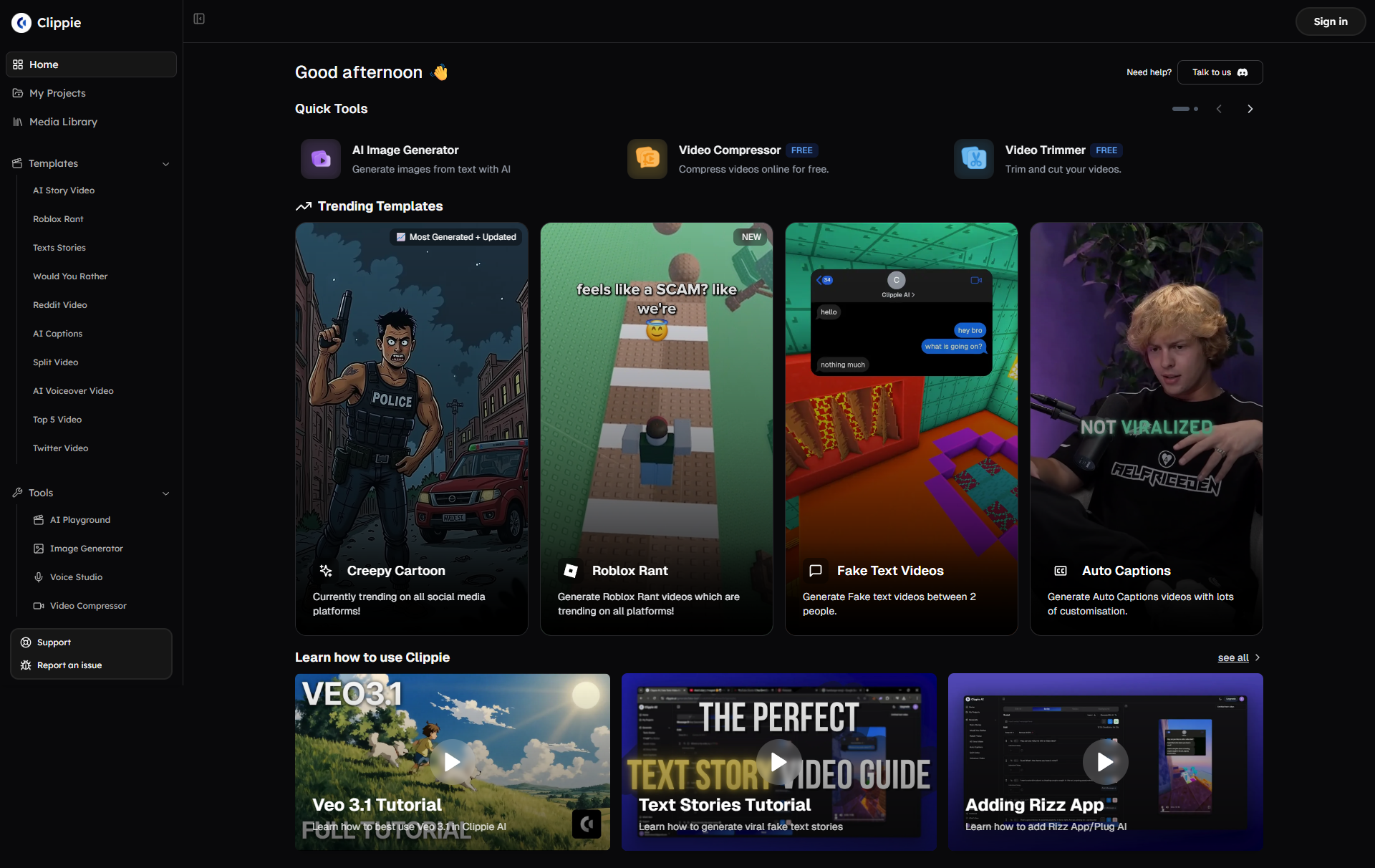
Whether you're pursuing faceless content through platforms like Clippie AI enabling efficient professional production, or camera-on personal brand building, the niches and strategies outlined in this analysis provide proven paths to YouTube success in 2025. The opportunity exists, the question is whether you'll approach it strategically, commit sufficiently, and persist long enough to realize the substantial rewards that await creators who position themselves thoughtfully in the right niches.
Start Your Free Clippie Trial Now and begin creating content in your chosen high-growth niche with efficient AI-powered production enabling the consistency and quality that YouTube success demands. Your YouTube journey starts with the strategic niche choice and systematic execution you implement today.
Related Blog Posts
1. The Complete YouTube SEO Guide: Ranking Videos in 2025's Algorithm: Master comprehensive YouTube optimization including keyword research strategies for finding high-opportunity topics, title and description optimization best practices, thumbnail psychology and design principles, and algorithmic factors determining video promotion and channel growth.
2. From Zero to 1,000 Subscribers: The Proven Roadmap for New YouTube Channels: Detailed strategic plan for reaching monetization threshold including content strategy for early growth phase, efficient production systems enabling consistency, audience building tactics beyond just uploading videos, and psychological strategies maintaining motivation through initial plateau period.
3. YouTube Monetization Mastery: Beyond AdSense to Six-Figure Creator Income: Comprehensive guide to diversified creator revenue including sponsorship negotiation and fulfillment strategies, digital product creation and marketing, affiliate marketing optimization for maximum conversion, membership and community monetization, and building sustainable creator business rather than advertising-dependent channel.
Make an AI story video
Write a script or let AI write one. Clippie turns it into a narrated video with AI scenes, voiceover and captions.
Read more

15 Faceless Psychology Channel Ideas for 2026 (With Examples)
Psychology Shorts and long-form video concepts you can make without showing your face, plus the accuracy habits and YouTube rules that keep them monetized.

How to Make Storytelling Videos Automatically in 2026
Turn a bank of stories into finished Shorts with a 7-step pipeline: what to automate, what to keep human, weekly batching, and a 2-minute quality check.

How to Make Top 5 Ranking Videos in 2026 (Step-by-Step)
Build ranking Shorts that can still earn: pick a debatable topic, set clear criteria, source clips you may use, script the countdown, add your commentary.