
How to Build a Personal Brand in 2026 Without Burning Out
How to build a personal brand in 2026 without burning out. Complete guide to sustainable content systems, strategic pillars, monetization paths & automated production with Clippie AI for long-term success.
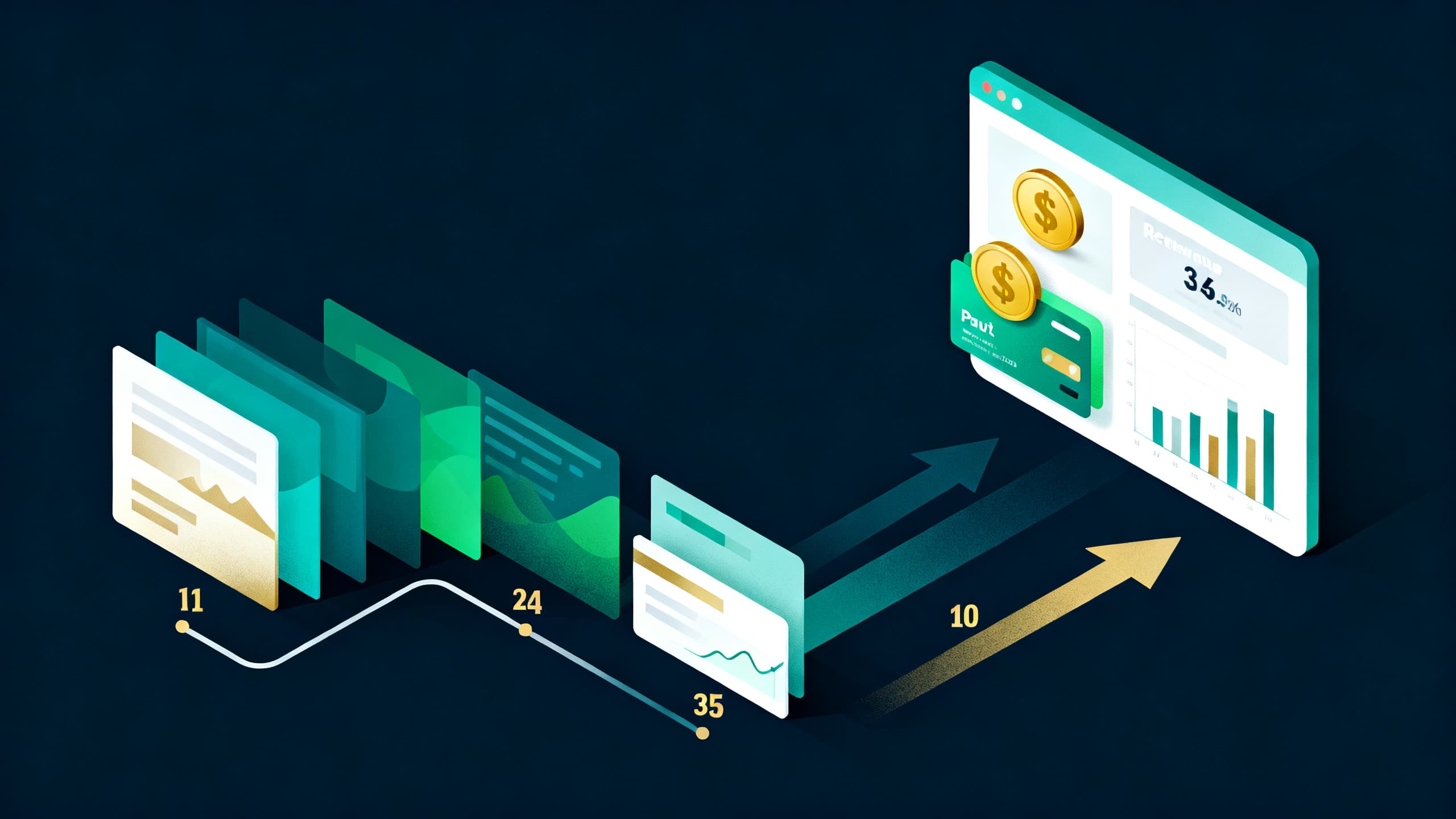
If you're searching for how to build a personal brand in 2026 without burning out, you're recognizing the fundamental tension between platforms rewarding consistent content creation (algorithms favor 3–7 weekly posts) and human sustainability limits (most creators burn out attempting daily posting within 6 months), where the solution isn't posting more but posting strategically through systematized content pillars, batch production workflows, and selective automation that preserves authentic voice while eliminating production friction. This comprehensive guide breaks down why individual personal brands consistently outperform company pages algorithmically and commercially (8–12x higher engagement, 3–5x faster trust-building), the framework for selecting sustainable content pillars aligned with expertise and audience needs (educational value, behind-the-scenes insights, contrarian perspectives, personal stories), proven posting systems that maintain consistency without daily content treadmills (batch production, strategic repurposing, quality-over-frequency approaches), legitimate monetization paths that convert audience attention into revenue without selling courses to followers (service offerings, consulting, strategic partnerships, affiliate alignment), and production automation systems that reduce creation time 60–80% while maintaining the authentic voice and strategic positioning that makes personal brands commercially viable.
Executive Summary: Personal brand building in 2026 requires rejecting the hustle-culture narrative of daily posting and constant content creation, which leads to 73% burnout rate within first year, in favor of sustainable systems: defining 3–4 core content pillars that align with expertise and business goals (not random trending topics), implementing batch production workflows that create week's content in 2–3 focused hours (not daily grinding), strategically repurposing single insights across multiple formats and platforms (multiplying reach without multiplying effort), building monetization infrastructure early (clear service offerings, consultation pathways, strategic partnerships before needing them), and selectively automating production bottlenecks (video editing, formatting, distribution) while preserving the authentic expertise demonstration and personal perspective that differentiate human creators from AI-generated content farms. This guide provides complete framework for building commercially viable personal brands generating $50K–$500K annual revenue through sustainable 5–10 hour weekly commitments rather than burnout-inducing full-time content treadmills.
Table of Contents
Why Personal Brands Outperform Pages
Choosing the Right Content Pillars
Posting Systems That Scale
Monetisation Paths for Personal Brands
Automating Brand Content With Clippie
Frequently Asked Questions
1. Why Personal Brands Outperform Pages
The Algorithmic Advantage: People Over Pages
Platform algorithm reality (2026):
LinkedIn algorithm ranking factors (confirmed):
Author engagement history (previous post performance, personal profile heavily weighted)
Network relationship strength (1st connections > company page followers)
Content type (native content > links, personal stories > corporate announcements)
Early engagement velocity (likes/comments first 60 minutes, personal networks more engaged)
Result: Personal profile posts receive 8–12x more organic reach than identical content posted to company page
Real data example:
Company page post:
Followers: 50,000
Organic reach: 2,500 (5% of followers)
Engagement: 75 likes, 8 comments
Engagement rate: 0.15%
CEO personal post (same content):
Connections: 5,000
Organic reach: 15,000 (300% of connections, algorithm amplification)
Engagement: 450 likes, 65 comments
Engagement rate: 3.4% (23x higher)
Why this happens:
Personal connection psychology:
People trust people, not brands (authenticity perception)
Personal posts feel like insights from expert, page posts feel like marketing
Engagement threshold lower (comfortable commenting on person's post, hesitant on corporate post)
Algorithm design philosophy:
Platforms want authentic human conversation (mission: connect people)
Corporate content flagged as promotional (deprioritized)
Personal content flagged as community contribution (amplified)
Instagram/TikTok parallel:
Creator accounts vs. business accounts:
Creator/personal: Full algorithm access (For You Page, Explore, Reels distribution)
Business: Limited reach (assumed promotional intent, shown primarily to existing followers)
Engagement data:
Creator account: Average 15–30% of followers see posts organically
Business account: Average 3–8% of followers see posts organically
Difference: 2–10x reach advantage for personal brands
The Trust-Building Velocity Difference
How long to establish trust:
Company/brand page approach:
Timeline: 12–24 months of consistent posting, customer testimonials, case studies
Mechanism: Repeated exposure + social proof accumulation + professional credibility signals
Conversion trigger: Prospect needs service, remembers brand, initiates inquiry
Example journey:
Month 1: Prospect discovers company page
Months 2–12: Occasional exposure (posts appear in feed sporadically)
Month 13: Prospect faces problem company solves
Month 14: Prospect researches options (considers company among others)
Month 15: Prospect reaches out (sales cycle begins)
Total: 15+ months from discovery to inquiry
Personal brand approach:
Timeline: 2–4 months of consistent posting, authentic sharing, expertise demonstration
Mechanism: Parasocial relationship building + expertise recognition + personal connection
Conversion trigger: Prospect feels they "know" creator, trusts judgment, initiates contact
Example journey:
Week 1: Prospect discovers personal content
Weeks 2–8: Regular exposure (follows creator, sees 15–30 posts)
Week 9: Prospect thinks "I feel like I know this person, their thinking resonates"
Week 10: Prospect faces problem creator solves
Week 11: Prospect reaches out directly ("I've been following you, I need help with X")
Total: 10–12 weeks from discovery to inquiry
Trust-building acceleration: 3–5x faster for personal brands
Why personal brands build trust faster:
Factor 1: Vulnerability and authenticity
Personal brands share struggles, failures, learning ("Here's what I got wrong")
Company pages avoid vulnerability (brand protection concerns)
Result: Personal = relatable and trustworthy, corporate = polished but distant
Factor 2: Consistent voice and perspective
Personal brands have single voice (creator's perspective throughout)
Company pages have inconsistent voice (multiple team members, changing messaging)
Result: Personal = coherent relationship building, corporate = fragmented touchpoints
Factor 3: Direct engagement
Personal brands engage in comments (creator responds personally)
Company pages engage generically (social media manager responds with brand voice)
Result: Personal = real relationship, corporate = transactional interaction
Factor 4: Expertise demonstration vs. capability claims
Personal brands demonstrate expertise (teach frameworks, share insights, solve problems publicly)
Company pages claim expertise ("We're experts in X", prove it through case studies only)
Result: Personal = proven through consistent demonstration, corporate = claimed but requires proof
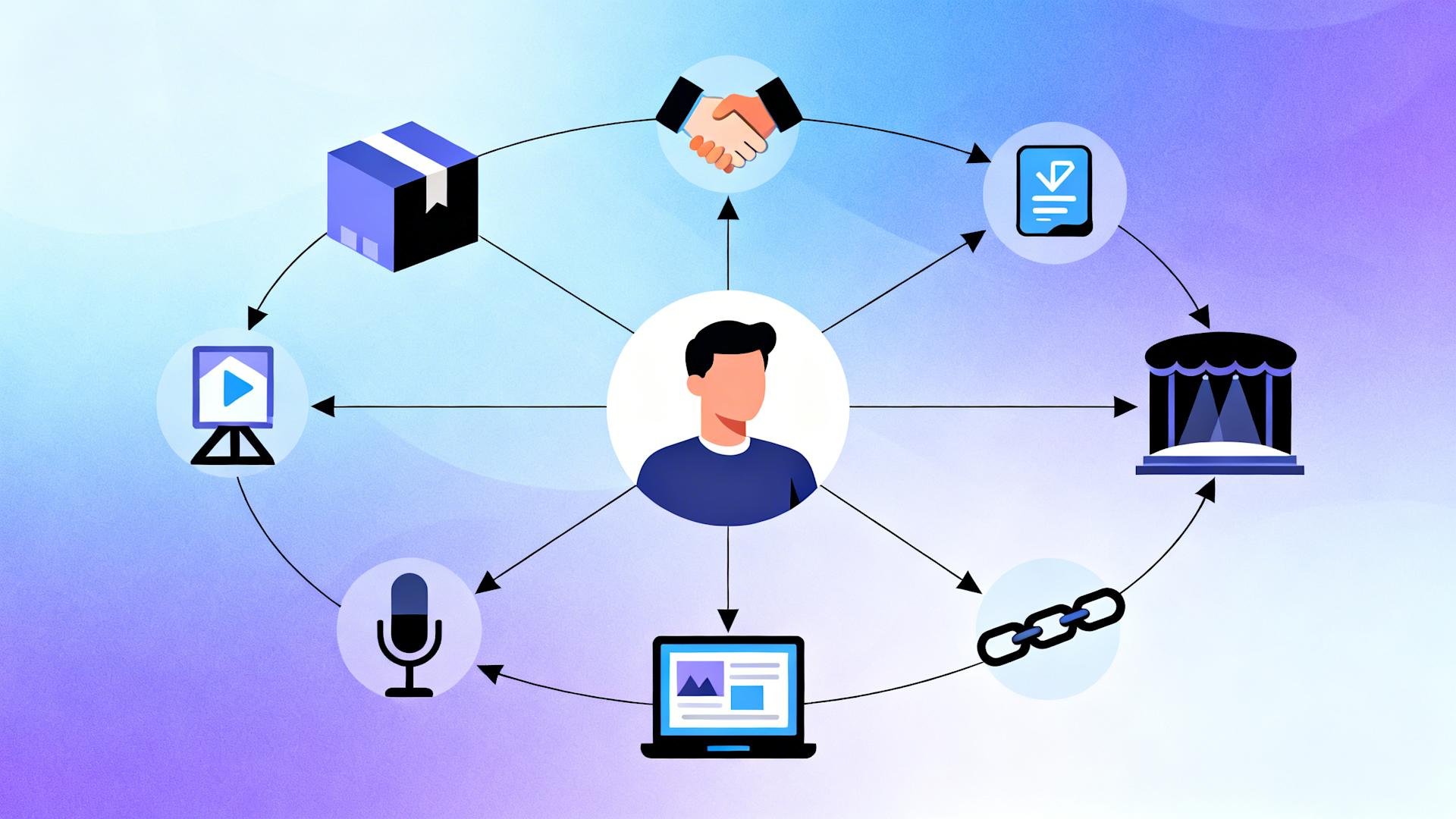
The Monetization Flexibility Advantage
Company page monetization paths (limited):
Primary: Direct service sales
Company page → Website → Contact form → Sales team → Proposal → Close
Long sales cycle (30–90 days typical B2B)
Friction-heavy (multiple steps, multiple stakeholders)
Secondary: Brand awareness for inbound
Company page builds visibility → Prospect searches company when ready → Sales process
Indirect, slow conversion
Limitations:
Single revenue model (company's core offering)
Can't pivot easily (brand tied to specific services)
No personal leverage (if you leave company, start from zero)
Personal brand monetization paths (diverse):
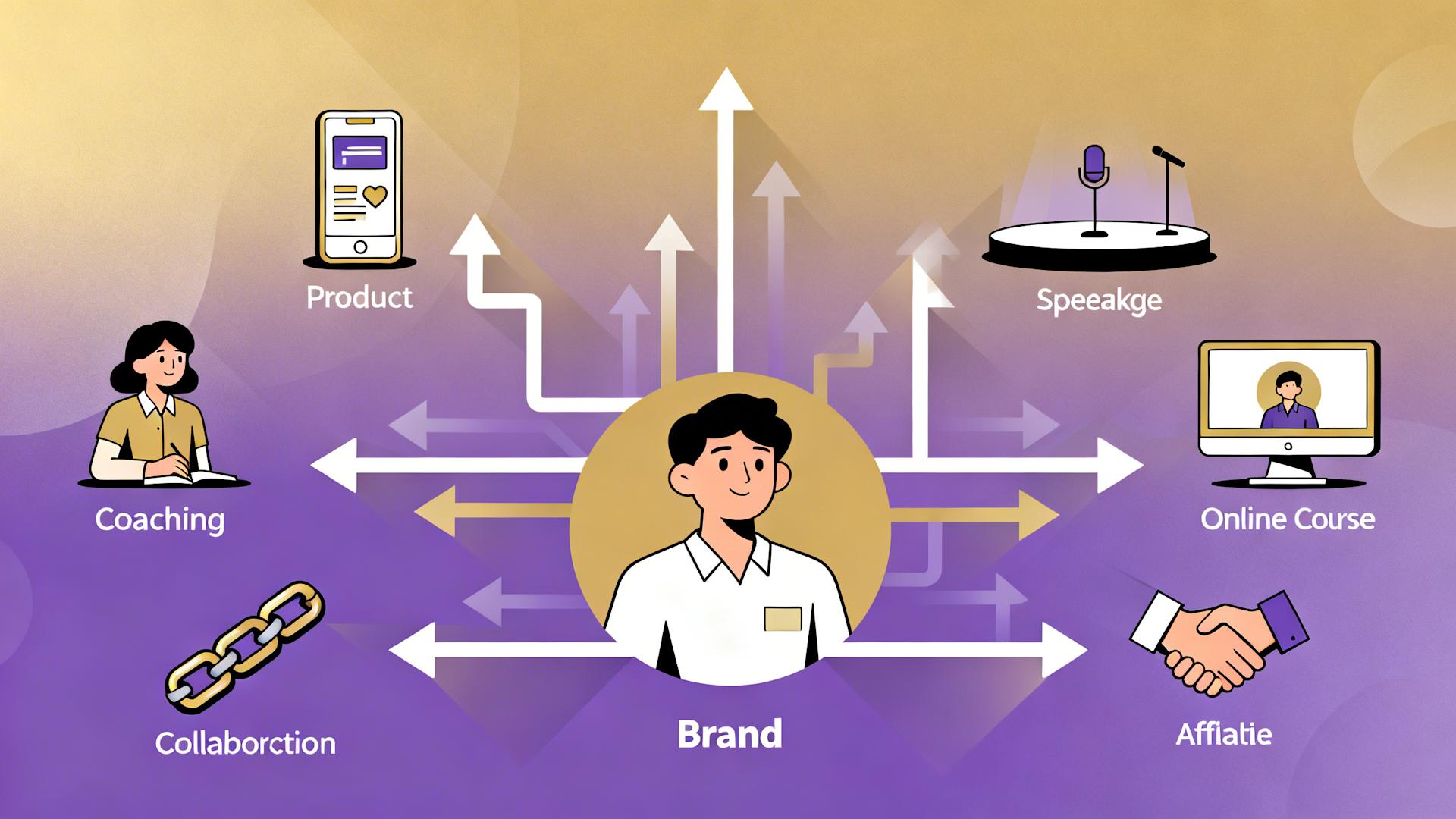
Path 1: Consulting/services (your expertise)
Personal brand → Direct DMs/consultation requests → Engagement
Short sales cycle (7–21 days typical)
Low friction (direct relationship, trust pre-established)
Path 2: Digital products (scalable)
Courses, templates, tools sold to audience
Created once, sold repeatedly (passive income potential)
Path 3: Speaking and workshops
Personal brand = authority signal (conference invitations)
Fee range: $5K–$50K per engagement
Path 4: Affiliate partnerships
Recommend tools/services you use
Earn commissions (10–30% typical)
Path 5: Strategic partnerships
Brands pay for access to your audience (sponsored content)
Companies hire you as advisor/consultant (board positions)
Path 6: Media and content
Book deals (publishers approach established brands)
Podcast sponsorships
Newsletter monetization
Path 7: Equity and ventures
Become advisor or investor in startups (personal brand = credibility signal)
Launch own ventures (audience = built-in distribution)
Advantages:
Multiple revenue streams (diversified, resilient)
Can pivot focus (change offerings without starting over, audience trusts you)
Personal leverage (brand follows you, not tied to employer)
Compounding value (larger audience = more opportunities across all paths)
Real example (marketing consultant):
Year 1 (building brand):
Primary: Consulting clients ($120K revenue)
Secondary: Affiliate commissions ($8K)
Total: $128K
Year 2 (diversifying):
Consulting: $180K (raised rates, more inbound)
Affiliates: $24K (larger audience)
Digital product (course): $45K (launched mid-year)
Speaking: $15K (3 engagements)
Total: $264K (106% increase, same working hours)
Year 3 (strategic leverage):
Consulting: $150K (reduced client load, premium pricing)
Affiliates: $36K
Digital products: $180K (course + templates)
Speaking: $40K (8 engagements, higher fees)
Advisory roles: $60K (2 companies, equity + cash)
Total: $466K (77% increase, 25% less client delivery time)
Company page equivalent: Single revenue stream ($120K–$250K consulting), no diversification possible
The Exit Strategy and Portability
Company page (not portable):
Build audience for employer
Leave company = lose audience (can't take followers)
Start new role = build from zero again
Personal brand (portable asset):
Build audience for yourself
Change employers = keep audience (followers stay with you)
Start new venture = instant distribution (audience follows your new direction)
Real scenarios:
Scenario 1: Career transition
Without personal brand:
Leave Company A (senior role, established internally)
Join Company B (unknown externally, must build credibility from scratch)
Timeline to establish authority: 18–24 months
With personal brand:
Leave Company A (25,000 LinkedIn followers, recognized expert)
Join Company B (bring audience, instant credibility in new role)
Announcement post: "Excited to join Company B as [role]" → 500+ congratulations, immediate visibility
Timeline to establish authority: 0 months (already established)
Scenario 2: Entrepreneurship
Without personal brand:
Leave employment to start consulting business
Need to build audience from zero (cold outreach, paid ads, networking)
First client: Month 3–6 (after extensive outreach)
Consistent pipeline: Month 9–12
With personal brand:
Leave employment (40,000 followers, established expertise)
Announcement: "Going independent, here's what I'm offering"
Inbound inquiries: 15–30 within first week
First clients: Week 1
Consistent pipeline: Immediate (ongoing inbound from content)
Scenario 3: Industry pivot
Without personal brand:
Decide to change focus (e.g., marketing → sales consulting)
No established credibility in new area
Must build proof and audience from zero
Timeline: 18–30 months to establish new authority
With personal brand:
Announce pivot to 50,000 followers
Leverage existing audience trust (they trust your judgment, will follow to new area)
Document learning journey publicly (audience learns with you)
Transfer authority (known expert in X pivoting to related Y = instant credibility in Y)
Timeline: 6–12 months to establish new authority (3x faster than starting from zero)
Asset valuation perspective:
Company page you managed:
Built from 5,000 → 50,000 followers
Value to you personally: $0 (can't take it, doesn't transfer)
Personal brand you built:
Grew from 0 → 50,000 followers
Value to you personally: $100K–$500K+ annually (monetization potential)
Exit value: $500K–$2M+ (if you sold business, audience = distribution asset)

2. Choosing the Right Content Pillars
The Content Pillar Framework: Focus Over Fragmentation
The scattershot approach (leads to burnout):
Random topic posting:
Monday: Motivational quote
Tuesday: Industry news commentary
Wednesday: Personal life update
Thursday: Trending topic hot take
Friday: Product/service promotion
Problems:
No coherent brand (audience doesn't know what you're about)
Difficult to create (every post requires new research, thinking, angle)
Doesn't build authority (jack of all trades, master of none perception)
Exhausting (constant context switching, creative depletion)
The pillar approach (sustainable and strategic):
3–4 defined content pillars:
Each pillar = consistent theme aligned with expertise and business goals
All content falls into one of these pillars (eliminates decision paralysis)
Deep expertise demonstration in focused areas (authority building)
Repeatable frameworks for creation (reduces cognitive load)
Example (business consultant):
Pillar 1: Strategy Frameworks (40% of content)
Share proprietary methodologies
Teach strategic thinking approaches
Break down complex business concepts
Pillar 2: Client Case Studies (30% of content)
Real results from consulting engagements
Problem → Approach → Outcome narratives
Proof of capability
Pillar 3: Industry Contrarian Takes (20% of content)
Challenge conventional business wisdom
Data-backed alternative perspectives
Thought leadership positioning
Pillar 4: Behind-the-Scenes Process (10% of content)
How you work, tools, systems
Humanizing, relatable content
Differentiates your approach
Benefits:
Clear brand identity ("This person teaches business strategy")
Easier creation (deep expertise in 3–4 areas > surface knowledge in 20 areas)
Authority building (consistent demonstration of expertise in specific domains)
Sustainable (can create pillar content indefinitely without burnout)
How to Select Your Content Pillars
The selection criteria (all must be satisfied):
Criterion 1: Expertise alignment
Question: Do you have genuine deep knowledge in this area?
Test: Could you create 100+ pieces of content on this topic without research?
Why it matters: Expertise = content creation speed (no learning curve), authority (genuine vs. performative)
Failing example: Choose "AI trends" pillar when you're not AI expert
Result: Every post requires hours of research, feels fraudulent, audience sees through it
Passing example: Choose "B2B sales process optimization" pillar when you've built/trained 10+ sales teams
Result: Drawing from experience, authentic insights, audience recognizes real expertise
Criterion 2: Business goal alignment
Question: Does this pillar support your revenue goals?
Test: If someone consumed 50 posts from this pillar, would they be more likely to hire you or buy your offering?
Why it matters: Personal brand should drive business outcomes, not just engagement
Failing example: Fitness coach choosing "travel tips" pillar
Result: Builds audience interested in travel, not fitness clients
Passing example: Fitness coach choosing "busy professional nutrition" pillar
Result: Builds audience of ideal clients (busy professionals), content demonstrates expertise they need
Criterion 3: Audience demand
Question: Do people actively seek information on this topic?
Test: Search volume, questions in your DMs/consultations, forum discussions
Why it matters: Creating content nobody wants = wasted effort
Failing example: "My opinions on random current events" pillar
Result: No one specifically seeking this (overcrowded, no unique demand for your take)
Passing example: "How to transition from corporate to consulting" pillar (you successfully did this)
Result: Thousands actively pursuing this transition, hungry for guidance from someone who's done it
Criterion 4: Longevity and depth
Question: Can you create content in this pillar for 2+ years without exhausting the topic?
Test: Brainstorm 20 potential post topics, if easy, pillar has depth
Why it matters: Personal brands compound over time (need topics that don't burn out quickly)
Failing example: "My 90-day startup journey" pillar
Result: After 90 days, pillar depleted (then what?)
Passing example: "Conversion rate optimization principles" pillar
Result: Endless depth (new experiments, case studies, frameworks, tools, never exhausted)
Criterion 5: Differentiation potential
Question: Can you bring unique perspective or approach to this topic?
Test: What do you know/believe that most others in your field don't?
Why it matters: Differentiation = memorability (stand out from noise)
Failing example: "General marketing tips" pillar with no unique angle
Result: Indistinguishable from 10,000 other marketing accounts
Passing example: "Anti-hustle marketing" pillar (contrarian position on sustainable growth)
Result: Distinctive, attracts specific audience who resonates with philosophy
The 3-Pillar Framework for Service Providers
Recommended structure for consultants, coaches, service providers:
Pillar 1: Educational/How-To (50% of content) Authority Building
Purpose: Demonstrate expertise through teaching
Content types:
Frameworks and methodologies
Step-by-step guides
Tool and technique breakdowns
Common mistake identification
Example topics (marketing consultant):
"The 4-step content distribution framework we use for every client"
"How to audit your LinkedIn profile for lead generation (checklist)"
"5 targeting mistakes that waste 60% of your ad budget"
Why this pillar:
Proves you know what you're talking about (teaching = demonstration)
Provides immediate value (audience gets actionable insights)
Attracts ideal clients (people seeking these solutions)
Creation efficiency:
Draw from client work (frameworks you already use)
Repurpose consultations (common advice becomes content)
Template-able (structure repeats, just change specific topic)
Pillar 2: Results/Proof (30% of content) Trust Building
Purpose: Prove you deliver outcomes, not just talk about them
Content types:
Client case studies
Before/after transformations
Results data and metrics
Testimonials and quotes
Example topics:
"How we increased SaaS trial-to-paid conversion 2.4x in 90 days"
"Client results: $40K revenue increase from LinkedIn optimization"
"6-month transformation: Startup → $500K ARR (our approach)"
Why this pillar:
Social proof (others succeeded with your help)
Credibility (not just theory, proven results)
Desirability (prospects want similar outcomes)
Creation efficiency:
Client work generates content naturally (document wins)
Template case study format (reusable structure)
Client testimonials supplement (gather systematically)
Pillar 3: Perspective/POV (20% of content) Differentiation
Purpose: Share unique viewpoint, challenge conventional wisdom, establish thought leadership
Content types:
Contrarian takes
Industry observations
Predictions and trends
Personal philosophy/approach
Example topics:
"Why posting daily on LinkedIn is hurting your brand (data inside)"
"The consulting industry's biggest lie (and what to do instead)"
"Unpopular opinion: Most businesses shouldn't hire marketing agencies yet"
Why this pillar:
Differentiation (unique thinking stands out)
Engagement (debate-worthy content generates discussion)
Brand personality (shows how you think, not just what you know)
Creation efficiency:
Develops naturally from experience (observations from client work)
Reactive to industry trends (see bad advice, counter it)
Personal convictions (things you genuinely believe, easy to write)
Content calendar example (weekly):
Monday: Educational (Pillar 1) "Framework for X"
Wednesday: Results (Pillar 2) "Client case study"
Friday: Educational (Pillar 1) "How to solve Y problem"
Sunday (optional): Perspective (Pillar 3) "Contrarian take on Z"
Total: 3–4 posts weekly (sustainable), all within defined pillars (focused)

The Personal Story Pillar (Optional 4th Pillar)
When to add a personal pillar:
Criteria:
Your journey is relevant to audience (transition story, overcoming challenge they face)
You're comfortable sharing (vulnerability required)
It supports business goals (humanizes expertise, doesn't distract from it)
Personal pillar content types:
Origin story (how you got into your field)
Challenges and lessons (failures, learning moments)
Behind-the-scenes (day-in-life, process reveals)
Values and philosophy (what drives your work)
Example topics (career transition coach):
"Why I left $200K corporate job to start consulting (and what I'd do differently)"
"The moment I realized employee life wasn't for me (client conversation that changed everything)"
"Behind the scenes: How I structure my week for 30 billable hours + content creation"
Frequency: 10–20% of content (1 post every 1–2 weeks)
Why it works:
Relatability (audience sees themselves in your story)
Trust (vulnerability builds connection)
Inspiration (proof that change is possible)
Why less is more:
Over-sharing = self-indulgent (audience tunes out)
Personal content should support professional brand (not replace it)
Balance: Enough to humanize, not so much you become personal diary
Warning signs you're over-using personal pillar:
Audience feedback: "This is interesting but how does it help me?"
Engagement declining (personal posts get likes but no business outcomes)
You're sharing to process emotions (therapy, not strategy)
Correction: Refocus on educational/results pillars (80%), use personal sparingly (20% maximum)
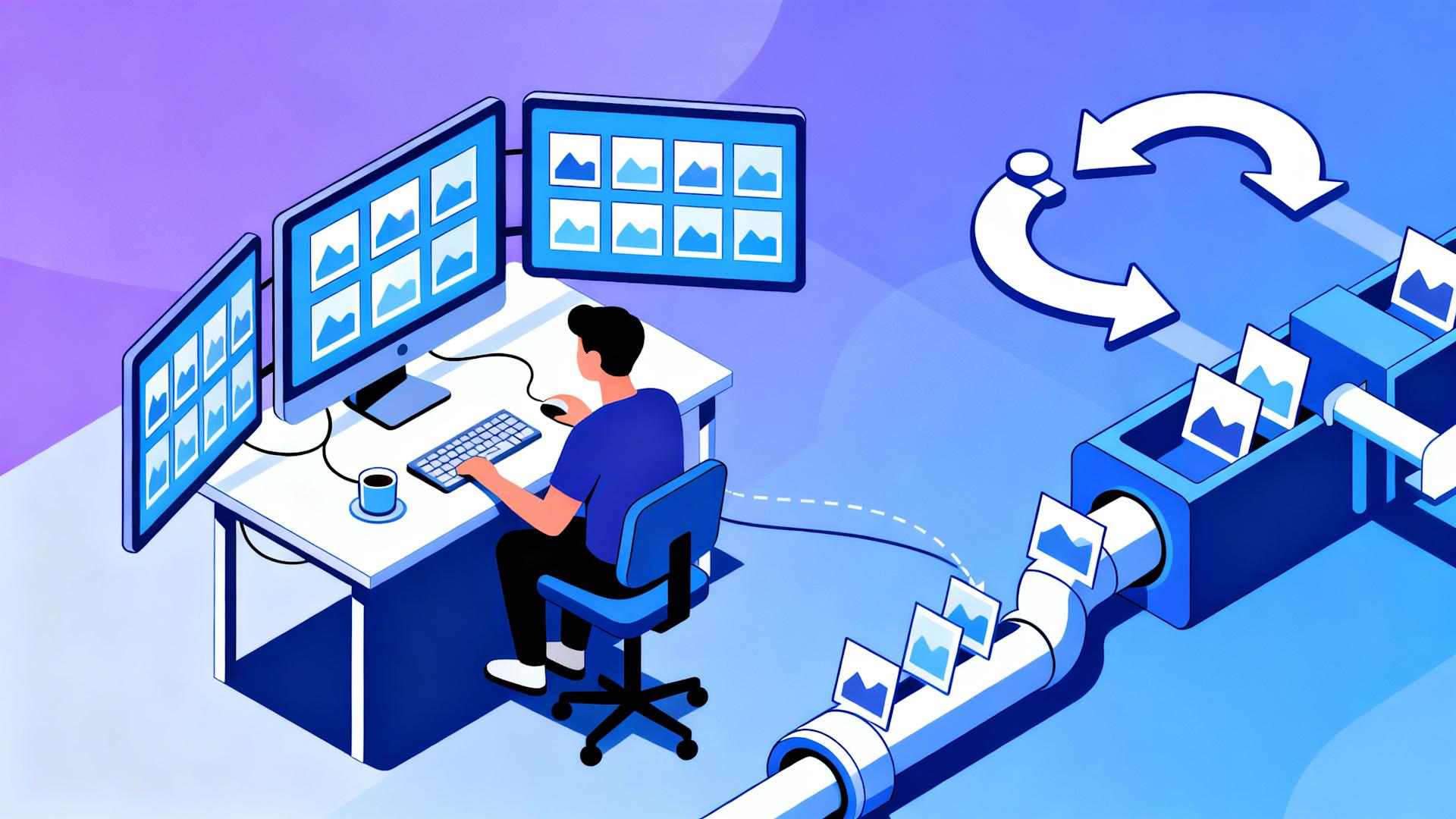
3. Posting Systems That Scale
The Burnout Cycle vs. The Sustainable System
The burnout cycle (why most personal brands fail):
Week 1–4: Enthusiasm phase
Post daily (excited, energized, lots to say)
Engagement feels rewarding
Time investment: 10–15 hours weekly (sustainable temporarily)
Week 5–12: Strain phase
Daily posting feels obligatory (excitement fades)
Creative depletion (running out of ideas)
Time investment: 12–20 hours weekly (encroaching on other work)
Quality declining (rushing content to meet daily quota)
Week 13–24: Resentment phase
Content creation feels like burden
Guilt when missing days
Time investment: Sporadic (trying to maintain but failing)
Inconsistency visible (gaps in posting)
Week 25+: Abandonment phase
Stop posting (burnout complete)
Account goes dormant
Momentum lost (months of work wasted)
Statistics:
73% of creators attempting daily posting quit within 12 months
89% of those who quit never restart consistently
The sustainable system (long-term success):
Foundation: Realistic frequency (3–5 posts weekly, not daily)
Rationale:
3–5 quality posts > 7 mediocre posts (algorithm rewards engagement, not quantity)
Sustainable indefinitely (4–8 hours weekly manageable long-term)
Protects quality (time to research, think, craft each piece)
Component 1: Batch production (create in focused blocks, not daily)
The daily creation problem:
Context switching (shift from client work to content creation daily)
Decision fatigue (what should I post today?)
Shallow thinking (no time for deep insights)
The batch production solution:
Sunday content creation block (2–4 hours):
9:00–9:30 AM: Planning
Review last week's performance (what worked)
Select 4 topics for upcoming week (from content pillars)
Outline key points for each post
9:30–11:30 AM: Creation
Write all 4 posts in single session (flow state, context-loaded)
Don't edit yet (get ideas out)
Aim for 80% complete drafts
11:30 AM–12:00 PM: Editing
Review each post (read aloud, tighten, strengthen)
Add CTAs and formatting
Finalize
12:00–12:15 PM: Scheduling
Load into scheduling tool (Buffer, Hootsuite, native LinkedIn)
Set posting times (Monday 9 AM, Tuesday 2 PM, Thursday 11 AM, Friday 4 PM)
Week's content complete
Benefits:
Efficiency: 4 hours Sunday vs. 1 hour daily × 4 = same time but different cognitive load
Flow state: Continuous creation vs. fragmented (deeper thinking)
Consistency: Week pre-planned (no daily scrambling)
Mental relief: Content handled, focus on client work during week
Component 2: Repurposing (one idea, multiple formats)
The single-use content waste:
Create long-form post for LinkedIn (90 minutes)
Post once, never use again
Miss opportunity for amplification
The strategic repurposing approach:
Core content creation (Sunday batch):
Create 4 in-depth pieces (e.g., framework posts, case studies)
Repurposing throughout week:
Monday: Post original long-form on LinkedIn (main platform)
Tuesday: Extract 3 key insights → Twitter thread (15 minutes to reformat)
Wednesday: Convert framework to short video script → Record quick explanation (20 minutes)
Thursday: Pull quote + expand into Instagram carousel (10 slides, 20 minutes)
Friday: Original post #2 on LinkedIn
Benefit: 1 core idea → 4–5 content pieces across platforms (4x reach, minimal additional time)
Example:
Original post (LinkedIn, 1,200 words):"The 4-step content distribution framework I use with every client: [Details]"
Repurposed versions:
Twitter thread: "Most businesses create content but never distribute it. Here's my 4-step distribution framework: [Thread with each step]"
Video (TikTok/Instagram Reel): 60-second explainer of framework (script = shortened post)
Instagram carousel: 10 slides, each highlighting one aspect of framework
Newsletter: Expanded version with additional examples (add 400 words to original post)
Total time:
Original: 90 minutes
Repurposed: 45 minutes (all versions)
Output: 5 pieces of content (135 minutes total vs. 450 minutes if creating each from scratch)
Component 3: Evergreen content library (reduce new creation burden)
The concept: Create 20–40 timeless posts, strategically resurface periodically
Execution:
Phase 1 (Months 1–4): Library building
Create 30–40 evergreen posts (frameworks, core principles, case studies)
Cover fundamental topics in your expertise
Archive in Notion/Airtable (content library)
Phase 2 (Month 5+): Maintenance mode
New content: 2–3 original posts weekly (timely insights, recent case studies)
Resurfaced content: 1–2 evergreen posts weekly (refreshed with update)
Total: 4 posts weekly (reduced new creation by 25–50%)
Resurfacing technique:
Original post (6 months ago):"The 4-step sales framework I teach every client: [Framework details]"
Refreshed version (today):"6 months ago I shared this sales framework. Since then, 20+ clients have used it, results remain consistent: [Updated stats, new example]. Here's the framework again, plus 1 new insight: [Addition from recent experience]"
Why this works:
Most followers missed original (audience turnover, algorithm didn't show everyone)
Update demonstrates continued relevance
New insight adds value (not pure repost)
Time savings:
Original creation: 90 minutes
Refresh: 15 minutes (add update, minor edits)
Savings: 75 minutes (83% reduction)
The Posting Schedule That Actually Works
The optimal frequency research (2024–2026 data):
LinkedIn:
1–2x weekly: Minimal growth (insufficient momentum)
3–4x weekly: Optimal (2.3x reach vs. daily posting, sustainable)
5–7x daily: Diminishing returns (audience fatigue, burnout risk)
Recommended: 3–4x weekly
Instagram/TikTok:
1–3x weekly: Slow but steady growth
4–5x weekly: Strong growth (sweet spot)
7+ weekly (daily+): Burnout risk outweighs marginal gains
Recommended: 4–5x weekly
Twitter/X:
3–5x weekly: Minimum for presence
1–2x daily: Good engagement
3+ daily: Possible but requires systems (threads, reposts, comments count)
Recommended: 5–10x weekly
Multi-platform strategy:
Primary platform (where ideal clients are):
Post 3–4x weekly (high-quality, original content)
Secondary platform (diversification):
Post 2–3x weekly (repurposed from primary)
Tertiary platform (optional):
Post 1–2x weekly (top performers repurposed)
Example (B2B consultant):
Primary (LinkedIn): 4 posts weekly (Monday, Tuesday, Thursday, Friday)
Secondary (Twitter): 3 threads weekly (Wednesday, Friday, Sunday, repurposed LinkedIn posts)
Tertiary (YouTube): 1 video monthly (deep-dive topic, expanded from best-performing posts)
Total creation time: 4–6 hours weekly (batched Sunday + occasional video production)
Reach: 3x what single-platform daily posting would achieve (without 3x time investment)
The Strategic Silence Technique
Counter-intuitive burnout prevention: Intentional breaks
The concept: Occasionally go 7–14 days without posting (despite having content ready)
Why it works:
Prevents burnout:
Psychological relief (content creation not constant obligation)
Creative recharge (time to think, observe, refill creative well)
Scarcity value:
Constant posting = content expected (taken for granted)
Occasional absence = content valued ("Oh, [Name] posted, I want to read this")
Busy signal:
Silence implies client work (positive: "too busy delivering to post")
Versus constant posting implies availability (negative: "needs attention")
How to implement:
After major milestone:
Post announcement of big client win or personal achievement
Go silent 10–14 days (implication: focused on delivering)
Return with case study or framework post
Quarterly recharge:
Post 12 weeks consistently (3–4x weekly)
Take 1–2 week break (announce: "Taking time to work ON the business")
Return refreshed with new insights
Before launch:
Build anticipation for product/service launch
Go silent 5–7 days before launch
Return with announcement (absence built anticipation)
Important:
Planned breaks ≠ inconsistency (strategic vs. chaotic)
Communicate sometimes ("Heads down with clients this week" → positive signal)
Maintain engagement (comment on others' posts, respond to DMs, present but not posting)
4. Monetisation Paths for Personal Brands
The Monetization Timeline (Realistic Expectations)
Common mistake: Expect immediate monetization
Reality: Personal brand monetization follows predictable stages
Stage 1 (Months 1–3): Foundation Building $0–$5,000
What's happening:
Building audience (0 → 500–2,000 followers)
Establishing expertise (consistent content, voice development)
Learning what resonates (testing different topics, formats)
Monetization focus:
None (attempting to monetize too early damages authority)
Or minimal (existing clients only, no public promotion)
Expected revenue:
Personal brand-specific: $0–$500
May have existing revenue from other channels (not counting toward personal brand ROI yet)
Stage 2 (Months 4–8): Early Traction $5,000–$30,000
What's happening:
Audience growing (2,000 → 5,000–10,000 followers)
Consistent engagement (comments, DMs, shares)
Authority recognized (people seek your content)
Monetization activation:
First consultation requests (inbound DMs: "Can you help me with X?")
Service offerings clarified (specific packages, pricing established)
Strategic CTAs introduced (occasional mentions of services)
Expected revenue (6 months total):
Consulting/services: $15,000–$25,000 (3–8 clients from inbound)
Affiliate/partnerships: $500–$2,000 (if applicable)
Total: $15,500–$27,000 from personal brand
Stage 3 (Months 9–18): Consistent Pipeline $30,000–$150,000
What's happening:
Established authority (10,000–25,000 followers)
Predictable inbound (5–15 consultation requests monthly)
Brand recognition (mentioned by others, invited to speak/write)
Monetization expansion:
Core services scaled (8–20 clients from inbound over 12 months)
Additional revenue streams (speaking, affiliates, small digital products)
Premium pricing enabled (authority justifies higher rates)
Expected revenue (12 months total):
Consulting/services: $80,000–$120,000 (15–25 clients, higher rates)
Speaking/workshops: $5,000–$15,000 (2–5 engagements)
Digital products: $3,000–$10,000 (if launched)
Affiliate/partnerships: $2,000–$5,000
Total: $90,000–$150,000 from personal brand
Stage 4 (Months 19–36): Diversified Authority $150,000–$500,000+
What's happening:
Strong brand (25,000–100,000+ followers)
Consistent opportunities (inbound exceeds capacity)
Industry recognition (thought leader status)
Monetization optimization:
Core services: Premium pricing, selective clients
Digital products: Scaled (courses, templates, programs)
Strategic partnerships: Board seats, advisor roles, equity
Media: Book deals, podcast, newsletter monetization
Expected revenue (annual):
Consulting/services: $100,000–$300,000 (selective, high-ticket)
Digital products: $50,000–$150,000 (established, evergreen)
Speaking/media: $20,000–$50,000
Partnerships/equity: $30,000–$100,000+
Total: $200,000–$600,000+ from personal brand ecosystem
Path 1: Consulting and Service Offerings (Primary Revenue)
The foundation: Your expertise delivered directly to clients
Service structure evolution:
Stage 1 (Months 4–8): Hourly or project-based
Offer: "1-hour consultation" or "Project audit/optimization"
Pricing: $200–$500/hour or $2,500–$5,000/project
Why this stage: Low commitment (easy for prospects to say yes), flexibility (learning what clients need)
Stage 2 (Months 9–18): Retainers and packages
Offer: "3-month consulting package" or "Monthly retainer"
Pricing: $5,000–$15,000 per package or $3,000–$8,000/month retainer
Why this stage: Recurring revenue (predictable income), deeper client relationships (better results = testimonials)
Stage 3 (Months 19+): Premium done-for-you or high-touch
Offer: "Done-for-you implementation" or "Executive coaching program"
Pricing: $25,000–$100,000+ per engagement
Why this stage: Authority commands premium, selective clients (quality over quantity), higher impact work
Conversion mechanics:
From content to consultation:
Step 1: Content demonstrates expertise
Educational posts show you know solutions
Case studies prove you deliver results
Framework posts reveal methodology
Step 2: Prospect recognizes fit
"This person solves problems I have"
"Their thinking resonates with my situation"
"I trust their expertise based on consistent content"
Step 3: CTA prompts action
Strategic CTAs in posts: "If you want help implementing this: [link to book consultation]"
Link in bio: Calendly/booking tool (frictionless)
DM responses: Template offering consultation when appropriate
Step 4: Consultation converts to engagement
Free 20–30 minute consultation (value-first approach)
Diagnose prospect's situation (demonstrate expertise in real-time)
Offer specific solution (your service matched to their need)
Close rate: 40–65% (pre-qualified through content)
Pricing strategy for personal brand services:
Authority-based pricing (not time-based):
Wrong: "I'll work 20 hours at $200/hour = $4,000"
Right: "This will increase your revenue $50K annually. My fee: $15,000 (30% of first-year value)"
Personal brand premium:
Unknown consultant: $5,000 for project
Established personal brand: $15,000 for same project (3x premium for authority)
Justification: Lower perceived risk (proven through public content), higher demand (inbound not outbound), brand value (association with known expert)
Path 2: Digital Products (Scalable Revenue)
When to launch: After 8–12 months of consistent content (established authority)
Product types by audience size:
5,000–15,000 followers:
Templates and checklists ($9–$29)
Mini-courses (2–4 hours of content, $49–$197)
Launch revenue potential: $2,000–$10,000
15,000–50,000 followers:
Comprehensive courses (8–20 hours, $197–$997)
Membership communities ($29–$99/month)
Launch revenue potential: $15,000–$75,000
50,000+ followers:
Premium programs ($997–$5,000)
Multi-tier communities ($99–$499/month)
Launch revenue potential: $50,000–$500,000+
The product creation process:
Step 1: Validate demand (before building)
Poll audience: "Would you be interested in [product concept]?"
Analyze engagement: Which content topics get most saves/shares? (high-value topics)
DM questions: What do people ask for help with repeatedly?
Step 2: Pre-sell (before completion)
Announce product in development
Offer early-bird pricing (30–50% discount)
Collect pre-orders (validates interest, funds creation)
Goal: Pre-sell to 20–50 people (proves viability)
Step 3: Create MVP (minimum viable product)
Don't aim for perfection (first version = 70–80% of vision)
Core value delivered (solves main problem)
Iteration later (improve based on feedback)
Step 4: Launch to full audience
5–7 day launch sequence
Daily content during launch (value + product mentions)
Conversion rate: 0.5–2% of engaged audience (10,000 followers, 1% = 100 sales × $197 = $19,700)
Step 5: Evergreen sales
Ongoing availability (no launch pressure)
Occasional mentions in content (1–2x monthly)
Automated email sequences (convert new followers)
Expected economics:
Year 1 (launch year):
Initial launch: $15,000–$50,000
Evergreen: $500–$3,000/month
Total: $21,000–$86,000
Year 2 (optimized):
Evergreen improved: $2,000–$8,000/month
Re-launch: $25,000–$75,000
Total: $49,000–$171,000
Time investment:
Creation: 60–120 hours (one-time)
Maintenance: 2–5 hours monthly (updates, support)
ROI: $350–$1,425 per hour (year 1), higher in subsequent years
Path 3: Speaking and Workshops (Authority Monetization)
The opportunity: Personal brand = credibility signal for conference organizers
Fee ranges (2026):
0–10,000 followers:
Fee: $0–$2,500 (often unpaid or travel-only, building resume)
Opportunity: Local events, small conferences
10,000–50,000 followers:
Fee: $2,500–$10,000 per engagement
Opportunity: Industry conferences, corporate workshops
50,000–200,000 followers:
Fee: $10,000–$30,000 per engagement
Opportunity: Major conferences, keynote speaking
200,000+ followers:
Fee: $30,000–$100,000+ per engagement
Opportunity: Headline speaker, exclusive events
How to get speaking opportunities:
Inbound (personal brand attracts invitations):
Conference organizers discover your content
Reach out with speaking invitation
Requires: Consistent thought leadership content, clear expertise demonstration
Outbound (proactive pursuit):
Identify target conferences
Submit speaking proposals (topic aligned with your content pillars)
Reference your content as credibility (social proof)
Speaking engagement ROI:
Direct revenue: $5,000–$30,000 per event (fee)
Indirect benefits:
Audience exposure (500–5,000 attendees discover you)
Follower growth (+200–2,000 followers per event)
Client acquisition (1–5 consulting clients from attendees)
Content creation (record talk, repurpose as content)
Network expansion (meet other speakers, organizers)
Total value per event: $15,000–$80,000 (direct + indirect)
Time investment: 20–40 hours (preparation, travel, delivery, follow-up)
Effective hourly rate: $375–$2,000
Path 4: Strategic Partnerships and Affiliates
The low-effort monetization path:
Affiliate marketing:
Promote tools/services you genuinely use
Earn commission (10–50% depending on product)
Integration: Mention in relevant content (not forced promotion)
Example:
Content: "Here's my tech stack for content creation"
Tools mentioned: Notion ($5/month per referral), Calendly ($8/month), Clippie AI (30% recurring commission)
Audience: 25,000 followers
Conversions: 200 tool signups over year
Revenue: $6,000–$15,000 annually (recurring for SaaS)
Strategic advisor/board roles:
Companies pay for access to your expertise + audience
Compensation: Cash ($20,000–$100,000 annually) + equity (0.25–2%)
Time: 5–10 hours monthly (advisory, not execution)
Requirements: 30,000+ followers, established authority, relevant expertise
Partnership opportunities:
Co-create products with complementary brands
Revenue share (30–50% of sales generated)
Example: Software tool partners with you to create course teaching their platform → you earn % of course sales + affiliate commissions
Total passive income potential: $15,000–$100,000+ annually (from partnerships/affiliates combined)
5. Automating Brand Content With Clippie
The Personal Brand Automation Paradox
The tension: Personal brands require authenticity (you can't fully outsource) but also consistency (requires significant time investment)
The failed automation attempts:
Attempt 1: Generic AI content
Tools: ChatGPT writes entire posts
Result: Robotic, generic, no personal voice (audience sees through it immediately)
Outcome: Engagement plummets, authority damaged
Attempt 2: Complete outsourcing
Hire: Social media manager or agency
Result: Content doesn't sound like you, lacks genuine expertise
Outcome: Inconsistent brand, no trust-building
Attempt 3: Template overuse
Tools: Repost same format repeatedly with minor changes
Result: Boring, repetitive, no fresh thinking
Outcome: Audience fatigue, unfollows
The solution: Selective automation (automate production, preserve thinking)
What can be automated (without losing authenticity):
Video editing and formatting
Subtitle generation and styling
Multi-platform reformatting
Scheduling and distribution
Repurposing (same idea, different formats)
What can't be automated (must remain human):
Core insights and perspectives (your unique thinking)
Personal stories and experiences (your journey)
Client examples and case studies (your work)
Strategic positioning (your business goals)
The Clippie AI Personal Brand Workflow
The hybrid approach: Your voice + AI execution
Stage 1: Thinking and ideation (human-only, 20–30 minutes weekly)
Sunday morning brainstorm:
Review last week's performance (which posts resonated)
Identify 4 topics for upcoming week (aligned with content pillars)
Jot down key points for each (bullet points, not full scripts)
Example:
Topic 1 (Monday): Framework for LinkedIn profile optimization
Key points: Headline mistakes, about section structure, experience positioning, CTA placement
Topic 2 (Wednesday): Case study of recent client win
Key points: Starting situation, our approach, specific changes made, measurable results
Topic 3 (Friday): Contrarian take on posting frequency
Key points: Daily posting advice vs. reality, engagement rate data, quality > quantity argument
Topic 4 (Sunday): Personal story about consulting transition
Key points: Corporate frustration, decision moment, first 6 months challenges, lessons learned
Stage 2: Content creation via voice memo (human thinking, minimal production, 20–40 minutes)
Recording process:
Walk through each topic verbally (5–10 minutes per topic)
Phone voice memo while walking, driving, or relaxing (no setup required)
Conversational tone (explaining to friend, not scripted performance)
Don't worry about "ums" or imperfections (AI will clean up)
Example (speaking into phone):
"Okay, so LinkedIn profile optimization. Most people completely miss this. They think headline should be their job title. Wrong. Your headline should be benefit-focused. Like instead of 'Marketing Consultant,' say 'I help B2B companies generate 30–50 qualified demos monthly through LinkedIn.' See the difference? One describes what you are, other describes what you do FOR clients.
Same with about section. People write like resume. Boring. Instead, tell story: what problem you solve, why you're qualified, how you help. Keep it first-person, conversational.
Experience section, this is where you can get strategic. Don't just list job duties. For each role, include results. 'Increased sales 40%' not 'Managed sales team.' Numbers matter.
And CTAs, link at bottom of about section. 'Book free consultation here' with Calendly link. Make it easy.
Client example: [shares specific case]. Their profile was getting zero inquiries. We optimized headline, rewrote about section, added CTAs. Now getting 3–5 consultation requests monthly. That's the power of optimized profile."
Time: 7 minutes of speaking (vs. 60–90 minutes writing from scratch)
Stage 3: AI processing and video generation (Clippie AI, automated)
Upload voice memo to Clippie AI:
Automated steps:
Transcription: Speech-to-text (your exact words captured)
Structuring: AI identifies intro, main points, examples, conclusion
Refinement: Removes filler words ("um," "like," repeated phrases), improves clarity while preserving your voice
Script generation: Polished version ready for video
Template selection:
Choose "Educational Framework" template (for Monday's post)
Your custom voice already configured (cloned from previous sample, sounds like you)
Your branding applied automatically (colors, fonts, logo)
Video generation:
AI selects relevant B-roll (professional visuals matching content)
Generates animated subtitles (word-by-word, engagement-optimized)
Adds text overlays (key points highlighted)
Applies your intro/outro (consistent branding)
Renders final video (60–90 seconds, polished)
Time: 2–3 minutes (automated processing, you review when ready)
Stage 4: Review and refinement (human quality control, 15–20 minutes for all 4 videos)
What you check:
Accuracy (did transcription catch everything correctly?)
Flow (does structure make sense?)
Emphasis (are right points highlighted?)
Branding (logo, colors correct?)
Minor adjustments:
Fix any transcription errors (rare, but possible)
Reorder points if needed (drag-and-drop)
Adjust text overlay timing (if desired)
Approve for export
Stage 5: Multi-platform distribution (Clippie AI automation, 10 minutes)
Export settings:
LinkedIn: 1:1 square or 16:9 landscape (Clippie generates both)
Instagram/TikTok: 9:16 vertical
YouTube: 16:9 horizontal
Scheduling:
Upload to native platform schedulers or Buffer/Hootsuite
Monday 9 AM (LinkedIn), Tuesday 6 PM (Instagram), Wednesday 11 AM (TikTok), etc.
Week's video content scheduled
Total workflow time:
Ideation: 20 minutes (Sunday morning)
Voice memos: 30 minutes (4 topics × 7 min each)
AI processing: 3 minutes (automated, concurrent)
Review: 20 minutes (all videos)
Distribution: 10 minutes (scheduling)
Total: 83 minutes (under 1.5 hours for entire week's video content)
Comparison to manual video production:
Manual: 4 videos × 90 minutes each = 360 minutes (6 hours)
Clippie AI: 83 minutes
Time savings: 277 minutes (4.6 hours weekly, 77% reduction)
Preserving Authentic Voice Through AI
The concern: "Will AI make me sound robotic or generic?"
The Clippie AI solution:
Feature 1: Custom voice cloning
How it works:
You record 10 minutes of sample speech (reading provided script)
Clippie AI analyzes your vocal characteristics (pitch, pace, tone, inflections)
Generates custom AI voice model (sounds like you, not generic computer)
Result:
Videos narrated in "your" voice (even when you didn't record)
Consistency across all content (recognizable to audience)
Time saved (no recording studio, editing, retakes)
Why it maintains brand:
Audience hears familiar voice (builds parasocial relationship)
Your unique speaking style preserved (casual, authoritative, humorous, whatever your natural tone)
No robotic TTS sound (premium neural voices indistinguishable from human)
Feature 2: Conversational input preservation
How it works:
You speak naturally in voice memos (stream of consciousness)
AI transcribes preserving your phrases and style
Refinement removes filler but keeps your voice patterns
Example:
Your voice memo: "So here's the thing, most people think they need to post every single day. But I've worked with hundreds of clients at this point, and you know what I see? The ones posting 3–4 times weekly with really valuable stuff? They're crushing the daily posters. Every time. It's not even close."
AI-refined version (still sounds like you): "Most people think they need to post daily. But after working with hundreds of clients, here's what I see: those posting 3–4 times weekly with high-value content consistently outperform daily posters. Every time."
Your personality maintained:
Direct, conversational style preserved
"Here's what I see" phrasing kept (your voice)
Conviction and confidence maintained ("every time, not even close")
Feature 3: Personal example integration
How it works:
Clippie AI prompts you to include client examples in voice memos
When you mention case study, AI flags for inclusion
Your real-world experience becomes content differentiation
Example:
Generic (what AI might generate if writing from scratch):"Optimizing LinkedIn profiles helps consultants get more clients."
Your actual content (from voice memo):"Last month, client came to me getting zero LinkedIn inquiries. We spent 90 minutes optimizing headline, about section, adding strategic CTAs. Two weeks later, she booked 3 consultations. Now averaging 5 inquiries monthly. That's the power of profile optimization."
Why this matters:
Specificity = credibility (real example, not theory)
Your work = content (drawing from experience)
Can't be replicated by AI alone (requires your real client stories)
The Batch Production System (Clippie-Enhanced)
The complete Sunday workflow:
9:00–9:20 AM: Planning (20 minutes)
Review analytics (last week's top performers)
Select 4 topics (aligned with content pillars)
Outline key points (bullets only)
9:20–9:50 AM: Voice memo recording (30 minutes)
Record 4 voice memos (7–8 minutes each)
Conversational, unscripted explanations
Include client examples, personal perspectives
9:50–9:53 AM: Upload to Clippie AI (3 minutes)
Upload all 4 voice memos
Select templates (Educational, Case Study, Contrarian, Personal)
Configure: Custom voice, branding, format preferences
Initiate batch processing
9:53–10:20 AM: Break (while AI processes)
Get coffee, walk, breakfast
AI working in background (transcription, structuring, video generation)
10:20–10:40 AM: Review and refinement (20 minutes)
All 4 videos generated and ready
Quick review each (accuracy, flow, branding)
Minor adjustments if needed (95% perfect first-pass)
Approve all
10:40–10:50 AM: Export and scheduling (10 minutes)
Export multi-format (LinkedIn, Instagram, TikTok, YouTube)
Load into schedulers
Queue for week (Mon, Wed, Fri, Sun)
Total time: 90 minutes (entire week's video content complete)
Additional time savings:
Written content (optional, if you also post text):
Transcripts from videos = blog posts (AI generates from video script)
4 videos → 4 blog posts (1,000–1,500 words each) with zero additional writing
Time: 0 minutes (automated export)
Social snippets:
AI extracts 3–5 key quotes from each video
Creates image graphics (quote + your branding)
Ready for Twitter, LinkedIn carousels, Instagram stories
Time: 0 minutes (automated)
Total content output from 90-minute Sunday session:
4 videos (primary content)
4 blog posts (from transcripts)
15–20 social snippets (quotes, graphics)
Cross-platform presence: 20+ content pieces from single batch session
Real-World Personal Brand Case Study (Clippie AI User)
Creator: Leadership coach and consultant
Starting point:
6,800 LinkedIn followers (modest, engaged audience)
Posting 2–3x monthly (inconsistent, whenever "had time")
3–4 inbound inquiries monthly (sporadic)
Revenue: $145K annually (client work, not from personal brand specifically)
Time for content: "None" (client delivery = full-time)
Challenge: Wanted consistent personal brand presence but couldn't sacrifice billable hours for content creation
Implemented Clippie AI workflow (Month 1–9):
Month 1: System setup
Created custom voice clone (10-minute recording)
Set up brand kit (colors, logo, fonts)
Batch-created first 12 videos (3 weeks of content)
Established Sunday 90-minute routine
Initial results (Month 1):
Posted 4x weekly (massive consistency increase)
Video format new for audience (higher engagement than previous text-only)
Profile visits: +180% (video drove curiosity)
Time investment: 90 min weekly (vs. "impossible" before)
Month 2–3: Momentum building
Continued 4x weekly posting (48 videos over 12 weeks)
Refined topics based on engagement (leadership frameworks + case studies performed best)
Follower growth: +1,400 (6,800 → 8,200)
Performance:
Average video views: 2,500–4,000
Engagement rate: 4.8% (above LinkedIn average)
Inbound DMs: 12–15 monthly (3–4x increase)
Consultation bookings: 6–8 monthly (from content)
Month 4–6: Authority establishment
Content mix optimized: 50% frameworks, 30% case studies, 20% contrarian takes
Added repurposing: Video → blog post → email newsletter
Follower growth: +2,200 (8,200 → 10,400)
Business impact:
Clients closed from inbound: 8 over 3 months (avg $18K engagements)
Revenue from personal brand: $144K (in 3 months, nearly equaling full previous year)
Speaking invitation: Industry conference ($8K fee)
Podcast appearances: 3 (expanded reach)
Month 7–9: Scaled authority
Raised rates (demand exceeded capacity, $18K → $28K avg engagement)
Launched digital product (leadership framework course, $297)
Follower growth: +1,600 (10,400 → 12,000)
Revenue breakdown (Month 7–9):
Consulting: $84K (3 clients, premium pricing)
Digital product: $32K (108 sales)
Speaking: $16K (2 conferences)
Advisory role: $15K (quarterly retainer for leadership advice to startup)
Total: $147K (in 3 months)
9-month transformation:
Follower growth:
Start: 6,800
Month 9: 12,000
Growth: 76% (5,200 new followers)
Content output:
Pre-Clippie: 6 posts over 3 months (2/month)
Post-Clippie: 144 videos over 9 months (16/month)
Increase: 8x volume
Time investment:
Pre-Clippie: Sporadic, unsustainable (content creation abandoned frequently)
Post-Clippie: 90 min weekly, consistent (manageable alongside client work)
Net change: Formalized 6.5 hours monthly (previously zero due to impossibility)
Revenue impact:
Previous annual: $145K (pre-personal brand focus)
9-month period: $335K+ (from all sources, personal brand-driven)
Annualized trajectory: $445K (3x increase)
Qualitative changes:
Client quality improved (inbound = better fit, self-qualified)
Reduced active selling (content does pre-selling, consultations feel collaborative not sales-y)
Leveraged opportunities (speaking, advisory, wouldn't exist without brand visibility)
Psychological shift ("I'm a thought leader, not just consultant")
Key success factors:
Sustainable system (90-minute Sunday batch = indefinitely maintainable)
Voice preservation (custom voice clone = authentic brand, not robotic)
Content quality (time savings allowed focus on thinking, not production)
Consistency compounding (4x weekly over 9 months = 144 touchpoints with audience)
Multi-revenue unlock (brand enabled consulting + digital + speaking + advisory)
6. Frequently Asked Questions
How long until I see results from personal brand building?
Realistic timeline by outcome type:
Follower growth:
Months 1–3: 200–1,000 new followers (early traction)
Months 4–6: 500–2,000 additional (momentum building)
Months 7–12: 1,000–5,000 additional (compounding)
Total Year 1: 1,700–8,000 followers (varies by niche, consistency, platform)
Engagement and visibility:
Week 4–8: First meaningful engagement (comments, shares, DMs)
Month 3–4: Consistent engagement (predictable interactions)
Month 6–9: Recognition (people mention you, share your content unprompted)
Business outcomes (consulting/services):
Month 3–5: First inquiries (DMs asking about services)
Month 4–6: First clients (1–3 closed from inbound)
Month 7–12: Consistent pipeline (5–15 clients from brand over 6 months)
Revenue:
Months 1–6: $0–$30,000 (foundation building + early clients)
Months 7–12: $30,000–$100,000 (established pipeline)
Year 2: $75,000–$250,000 (compounding authority)
Speaking/partnerships:
Months 9–12: First speaking invitation (local/small events)
Months 13–18: Paid speaking ($2,500–$10,000 engagements)
Months 19–24: Strategic partnerships (advisory roles, affiliates)
Key principle: Personal brand = delayed gratification (3–6 month lag before meaningful results) but compounding returns (Year 2 easier than Year 1, Year 3 easier than Year 2)
What accelerates timeline:
Existing network (1,000+ connections = faster start)
Clear positioning (specific niche = faster authority establishment)
Consistent posting (4–7x weekly vs. sporadic)
Conversion infrastructure (clear CTAs, booking systems ready)
What slows timeline:
Broad/vague positioning (generic consultant = slower differentiation)
Inconsistent posting (gaps kill momentum)
No monetization path (content without business connection)
Quality issues (rushed content damages authority)
What if I don't have time for content creation alongside my work?
The time audit reality check:
How much time personal branding actually requires (with systems):
Minimum viable personal brand:
Weekly time: 2–3 hours (Sunday batch production)
Output: 3–4 posts weekly (sustainable, effective)
Business results: $50K–$150K annual revenue (within 12–18 months)
Optimized personal brand:
Weekly time: 5–7 hours (Sunday batch + daily engagement)
Output: 5–7 posts weekly + active commenting
Business results: $150K–$400K annual revenue (within 18–24 months)
Comparison to "no time" claim:
Time spent on activities with lower ROI:
Scrolling social media: 5–15 hours weekly (average adult)
Watching TV/streaming: 10–20 hours weekly
Email management: 5–10 hours weekly
Inefficient meetings: 3–8 hours weekly
Reality: Most people have time, but haven't prioritized personal brand building
The trade-off equation:
Option A: No personal brand building
Time invested: 0 hours
Client acquisition: Cold outreach (15–25 hours monthly), networking events (5–10 hours monthly)
Total business development time: 20–35 hours monthly
Results: 2–5 clients annually from outbound efforts
Option B: Strategic personal brand building (Clippie AI-enabled)
Time invested: 10–12 hours monthly (Sunday batches + engagement)
Client acquisition: Inbound (consultation calls only, 5–10 hours monthly)
Total business development time: 15–22 hours monthly
Results: 10–25 clients annually from inbound
Net time comparison:
Personal brand approach saves 5–13 hours monthly vs. traditional outbound
Plus generates 2–5x more clients
ROI: Time saved + better outcomes
The batching solution (if truly time-constrained):
Monthly mega-batch (alternative to weekly):
One Sunday per month: 4–6 hours
Create 12–16 videos (3–4x weekly for full month)
Schedule all in advance
Result: Entire month's content in single session
Delegation options:
Admin tasks: Hire VA for scheduling, engagement monitoring ($200–$500/month)
Editing: Use Clippie AI for automation (vs. hiring video editor $500–$2,000/month)
Strategy: Keep thinking/ideation yourself (non-delegatable for authenticity)
Key insight: With right systems (Clippie AI batch production), personal branding requires less time than traditional client acquisition methods while delivering superior results
Can I build a personal brand if I'm naturally private or introverted?
Yes, personal brand ≠ extroversion or oversharing
The privacy-preserving personal brand:
What you share:
Professional expertise (frameworks, methodologies, insights)
Client results (anonymized case studies, permission-based)
Industry observations (trends, analysis, predictions)
Strategic thinking (your unique perspective on business topics)
What you don't share:
Personal life details (family, relationships, hobbies, unless relevant)
Location/schedule (privacy and security)
Controversial personal opinions (politics, religion, unless aligned with brand)
Vulnerability for vulnerability's sake (oversharing ≠ authenticity)
Examples of private/introverted successful personal brands:
Software engineer (faceless, technical focus):
40K Twitter followers
Shares coding tutorials, tech insights, project breakdowns
Zero personal life content
Monetization: Consulting ($200K annually), course sales ($80K)
Business strategist (professional-only presence):
25K LinkedIn followers
Shares frameworks, case studies, contrarian business takes
Occasional "behind the scenes" of consulting work (not personal life)
Monetization: High-ticket consulting ($400K annually)
The introvert-friendly formats:
Written content (no camera, no voice):
LinkedIn long-form posts
Twitter threads
Blog articles
Advantage: Thinking time, editing, no performance pressure
Faceless video (Clippie AI):
Your scripts, AI voiceover
B-roll visuals (no personal appearance)
Advantage: Video format benefits without camera discomfort
Podcast interviews (prepared conversation):
Invited as guest expert (not hosting)
Prepared talking points
Advantage: Controlled environment, expertise showcase, no spontaneous performance
Email newsletter:
Direct, intimate communication
Written format (editing opportunity)
Advantage: Deep connection without public visibility
Boundary-setting strategies:
Decide in advance:
What's shareable (professional wins, challenges, lessons)
What's private (family, health, finances, specific clients without permission)
Stick to boundaries (don't let engagement pressure push you to overshare)
Batch and schedule (avoid real-time pressure):
Pre-create content in private (no live pressure)
Schedule posts (not posting in moment)
Result: Control narrative, no spontaneity stress
Limit engagement windows:
Check/respond to comments 2x daily (not constantly)
Set DM boundaries ("I respond within 24 hours, not immediately")
Result: Prevent always-on stress
Key principle: Personal brand = professional expertise made public, not personal life made public. Introverts often build stronger brands (thoughtful, substantive content vs. performative extroversion).
What if my employer/company has rules about personal social media?
The corporate social media navigation:
Common employer concerns:
Brand confusion (audience thinks you speak for company)
Competitive information (sharing proprietary knowledge)
Time theft (content creation during work hours)
Reputational risk (your controversial opinions reflect on employer)
How to build compliant personal brand:
Strategy 1: Clear separation
Bio disclaimer: "Opinions my own, not my employer's"
Topic separation:
Personal brand: General industry expertise (not company-specific)
Example: "Marketing strategies" not "How we do marketing at [Company]"
Result: No brand confusion, employer comfort
Strategy 2: Value-add positioning
Frame to employer: "My personal brand increases [Company]'s visibility. When I'm recognized as expert, it reflects well on employer."
Evidence:
Your content occasionally mentions working at [Company] (positive association)
Industry visibility benefits recruiting ("Want to work with [Name]? Join [Company]")
Thought leadership elevates company brand
Strategy 3: Proactive communication
Before building brand:
Discuss with manager: "I'm building personal brand in [topic]. Will benefit my professional development. Wanted to ensure alignment with company policies."
Get written approval (email confirmation = protection)
Clarify: Content created outside work hours, no proprietary info shared
Strategy 4: Delayed gratification (if necessary)
If current employer prohibits:
Build on personal time, minimal visibility initially
Focus on evergreen content library (20–40 posts ready)
When you leave (for new role or independent): Launch with content backlog
Advantage: Day 1 of new chapter = instant visibility vs. starting from zero
The exit strategy (building portable asset):
While employed:
Build personal brand (within policy boundaries)
Grow audience (your asset, not company's)
Establish expertise (independent of employer)
When changing jobs:
Personal brand transfers (followers stay with you)
New employer benefits (you bring visibility, credibility)
Negotiating leverage ("I have 30K followers, I can drive visibility for your company")
Industries with strict restrictions:
Finance, legal, healthcare:
Compliance concerns (regulatory, confidentiality)
Solution: Focus on educational content (not client-specific), get compliance approval for posts
Government, military:
Public affairs clearance often required
Solution: Build expertise brand in non-classified area, clear content through channels
Key principle: Personal brand should enhance career, not conflict with it. Strategic navigation of employer policies possible, when in doubt, communicate and get approval rather than assume.
Conclusion: Sustainable Authority Building
Building a personal brand in 2026 without burning out requires rejecting the hustle-culture narrative that demands daily posting, constant content creation, and performative personality, replacing it with strategic systems: focused content pillars aligned with genuine expertise (not trending topics), batch production workflows creating week's content in 2–3 hours (not daily grinding), selective automation handling production bottlenecks while preserving authentic voice (Clippie AI for editing/formatting, your thinking for insights), and multi-stream monetization infrastructure (consulting, digital products, speaking, partnerships) that converts audience attention into $50K–$500K annual revenue through sustainable 5–10 hour weekly commitments.
The five-pillar sustainable personal brand framework:
Pillar 1: Leverage algorithmic and trust advantages (personal profiles outperform company pages 8–12x, build trust 3–5x faster)
Pillar 2: Select 3–4 strategic content pillars (expertise alignment + business goals + audience demand + differentiation potential)
Pillar 3: Implement sustainable posting systems (3–5 weekly posts, batch production, strategic repurposing, evergreen library maintenance)
Pillar 4: Build multi-stream monetization (services, digital products, speaking, partnerships, diversified, resilient revenue)
Pillar 5: Automate production intelligently (video editing, formatting, distribution via Clippie AI while preserving personal thinking/expertise)
Choose Clippie AI if you want:
Sustainable weekly workflow
(90-minute Sunday batch creates entire week's video content, 77% time reduction vs. manual)
Authentic voice preservation
(custom voice cloning + conversational input = sounds like you, builds real connection)
Faceless professional option
(build authority without camera requirement, premium AI voiceover + strategic B-roll)
Multi-platform efficiency
(create once, export for LinkedIn/Instagram/TikTok/YouTube, 4x reach without 4x effort)
Long-term consistency
(system sustainable for years, not months, compounding authority building)
For consultants, coaches, service providers, and knowledge workers building $100K–$1M businesses through personal brand authority, whether solopreneurs, agency owners, corporate professionals, or transitioning entrepreneurs, Clippie AI removes the production time barrier that causes 73% of creators to abandon personal branding within first year, enabling consistent content creation that compounds into sustainable client acquisition, speaking opportunities, digital product sales, and strategic partnerships without sacrificing billable client work or burning out from content treadmills.
The difference between professionals who attempt personal branding and quit within 6 months (overwhelmed by production demands, inconsistent posting, zero ROI) and those who build sustainable $200K–$800K annual revenue streams from personal brands is not expertise, charisma, or follower counts, it's having production systems that reduce weekly content creation from 6–10 hours (unsustainable alongside full-time work) to 90 minutes (indefinitely maintainable), preserving authentic expertise demonstration and strategic positioning while eliminating the editing, formatting, and distribution friction that causes burnout.
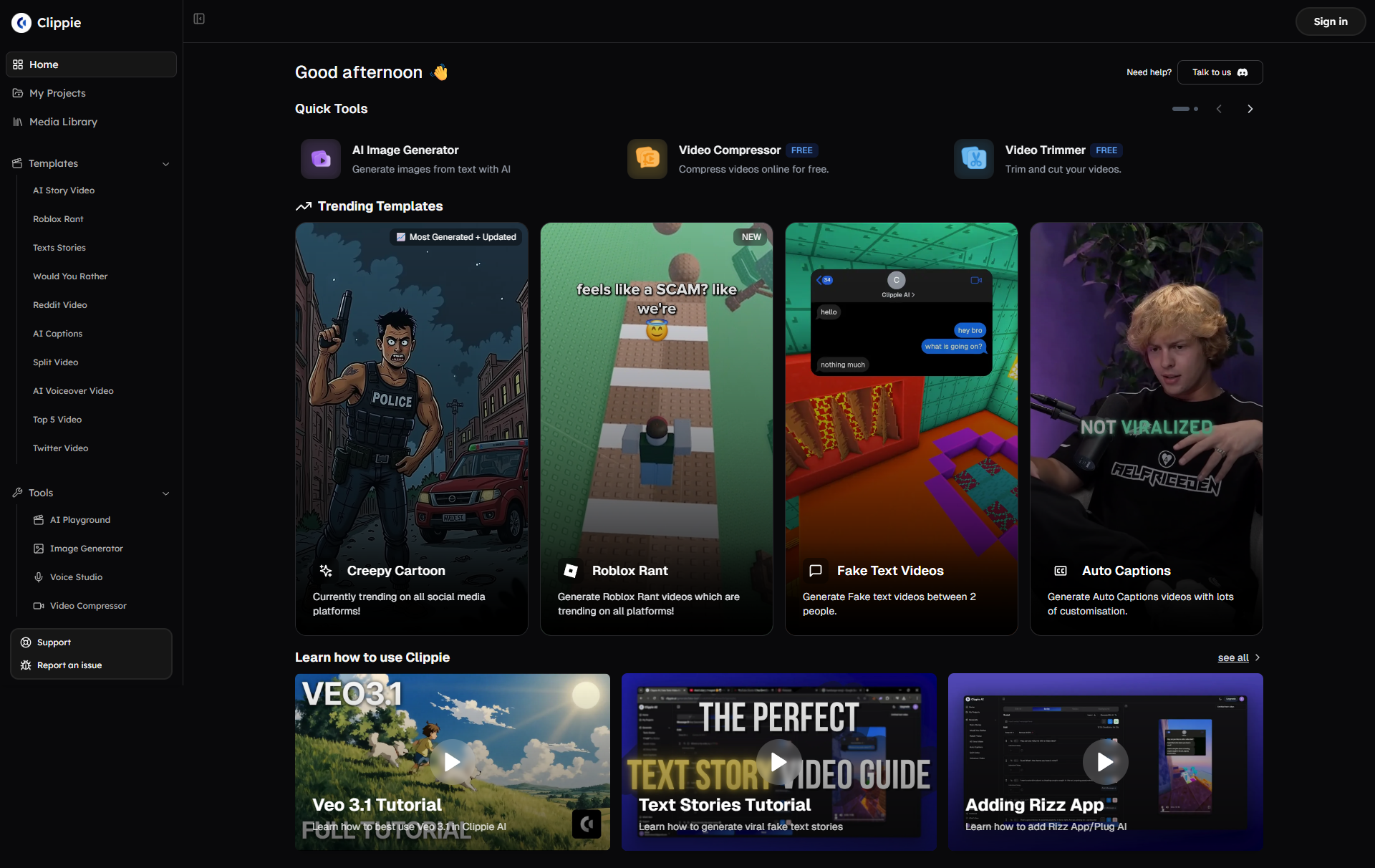
Ready to build your sustainable personal brand? Start your Clippie AI trial and create your first month of authority content in under 6 hours total, begin the 6–12 month journey to consistent inbound clients, speaking opportunities, and diversified revenue streams without daily posting treadmills or production burnout.
Make an AI story video
Write a script or let AI write one. Clippie turns it into a narrated video with AI scenes, voiceover and captions.
Read more

How to Make Top 5 Ranking Videos in 2026 (Step-by-Step)
Build ranking Shorts that can still earn: pick a debatable topic, set clear criteria, source clips you may use, script the countdown, add your commentary.

How to Create Short-Form Videos Using AI: 8 Steps (2026)
A beginner workflow for AI videos on TikTok, Reels and Shorts: pick a format, script a hook, add visuals, voice and captions, export at 9:16, label AI.
7 Free CapCut Alternatives for Short-Form Video (2026)
Compare Edits, YouTube Create, VN, Clipchamp, Canva, DaVinci Resolve and Shotcut: what each gives free users, what it caps first and where it falls short.