
YouTube's FIFA World Cup 2026 Deal Explained: What It Means for Faceless Creators
YouTube is an official FIFA World Cup 2026 Preferred Platform. Here's what the deal actually unlocks, who can legally use match footage, what it does NOT give independent channels, and how faceless creators can win anyway.
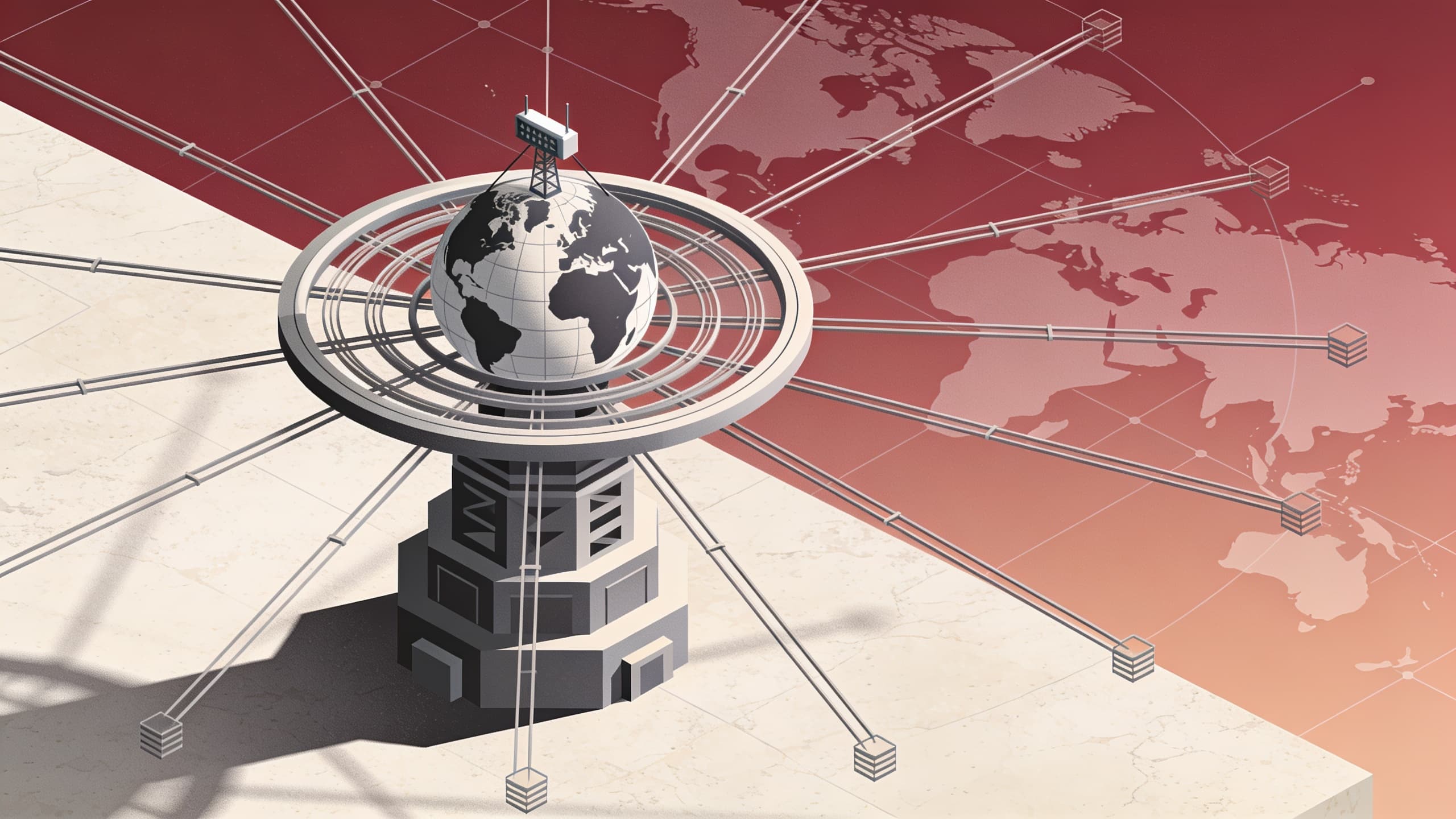
If you searched for the YouTube World Cup 2026 partnership, you probably saw the headlines about a "game-changing" deal and want to know one thing: does it let me, a faceless creator, finally post World Cup content? The honest answer is yes and no, and the difference decides whether you build a channel or get it struck. YouTube is now an official FIFA World Cup 2026 Preferred Platform, but most of the footage and streaming access goes to broadcasters and a hand-picked creator roster, not the public. This guide breaks down exactly what the deal unlocks, who gets what, and how independent faceless creators can capture the search wave without rights to a single clip.
Executive summary
This explainer is for faceless and automation creators trying to figure out their place in the YouTube–FIFA World Cup 2026 partnership. You'll learn what the Preferred Platform deal actually includes, the four things it unlocks and who receives each one, the hard line between media partners and ordinary creators on match footage, and what the deal does not give you. Then you'll get the real opportunity: five copyright-safe formats that ride World Cup search demand, and how to produce them without ever touching broadcast footage.
Table of contents
What the YouTube–FIFA World Cup 2026 partnership actually is
The 4 things the deal unlocks (and who gets each one)
Media partners vs. creators: who can legally use match footage
What the partnership does NOT give independent channels
The real opportunity for faceless creators
How to capture World Cup search demand without rights access
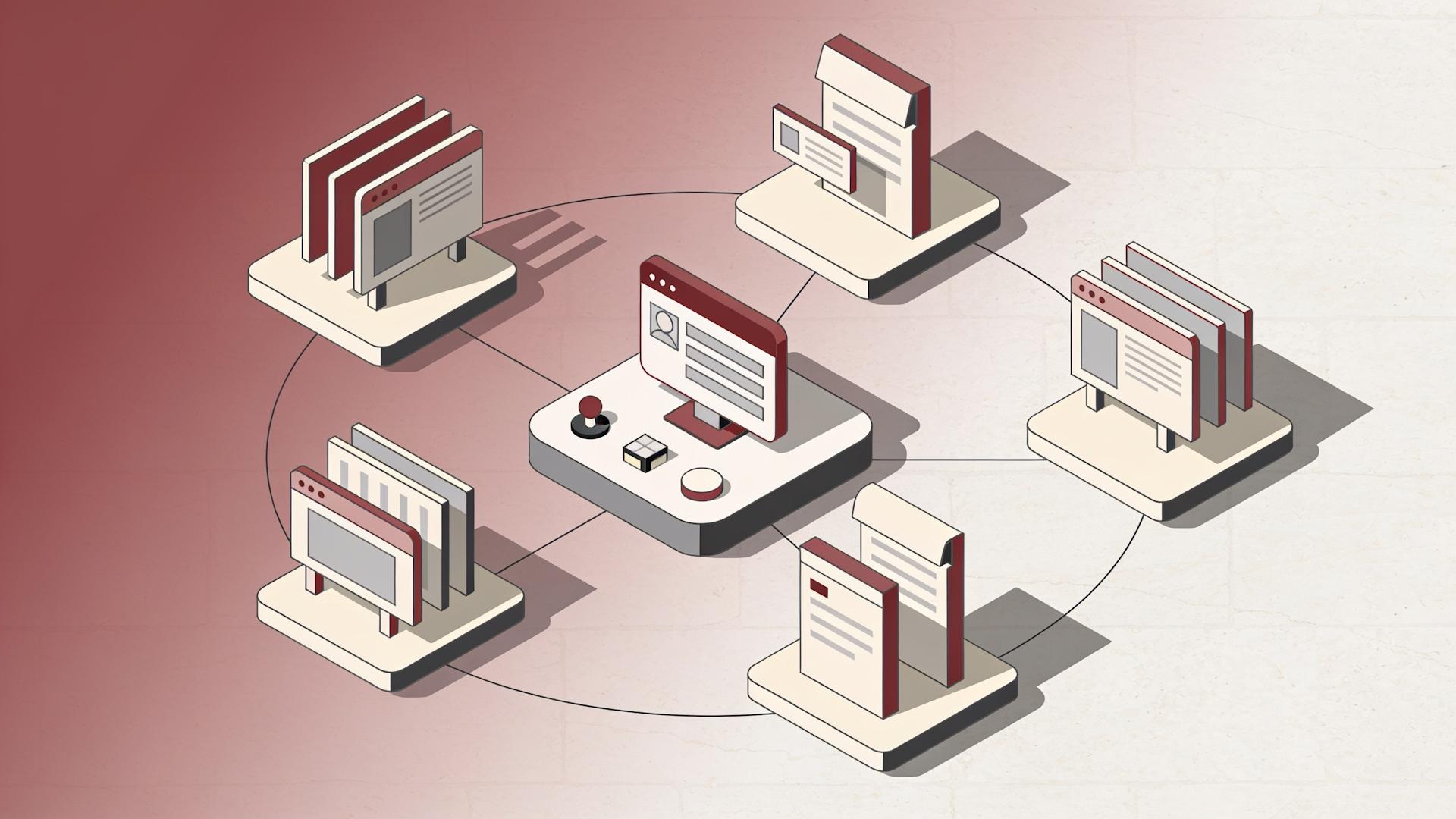
5 faceless content formats that fit the rules
How Clippie fits a copyright-safe World Cup workflow
What to avoid: footage reuploads, Content ID, and strikes
Frequently asked questions

What the YouTube–FIFA World Cup 2026 partnership actually is
In March 2026, FIFA named YouTube an official "Preferred Platform" for the World Cup 2026. The tournament runs June 11 to July 19 across Canada, Mexico, and the United States, 48 teams, 104 matches, and an expected global audience in the billions.
The deal restructures how the World Cup appears on YouTube: more premium content, new streaming windows for broadcasters, archive access, and a curated creator program. TikTok signed a similar Preferred Platform agreement earlier in the year, so the same pattern applies across both platforms.

The 4 things the deal unlocks (and who gets each one)
#1 Live match openings. For the first time, rights-holding broadcasters (FIFA's "media partners") can live-stream the first 10 minutes of every match on their own YouTube channels. Who gets it: media partners only.
#2 Select full-match streaming. A number of matches can be streamed in full on partner channels. Who gets it: select media partners.
#3 Expanded content library and monetization. Media partners gain access to extended highlights, behind-the-scenes footage, Shorts, and video-on-demand, plus enhanced ways to monetize it. Who gets it: media partners.
#4 Creator access and the archive. A global cohort of invited creators gets unprecedented access for tactical analysis, behind-the-scenes, and human-interest content, and FIFA's digital archive, full past matches and iconic moments, is unlocked on FIFA's official channel. There's even a first-ever YouTube FIFA Creator Cup in New York on July 12. Who gets it: a hand-picked roster; everyone else can watch the archive on FIFA's channel but receives no footage rights.
Media partners vs. creators: who can legally use match footage
This is the distinction that matters for your channel.
Media partners are broadcasters who already hold World Cup rights in their market. They received the streaming windows, the footage library, and the monetization upgrades.
Invited creators are a curated group given special access under FIFA's terms.
Everyone else including your faceless channel has the same rights as before: none to match footage.
The archive being "on YouTube" means it lives on FIFA's channel for you to watch, not a library you can pull clips from.

What the partnership does NOT give independent channels
It does not let you reupload match footage, goals, or highlights.
It does not waive Content ID, FIFA owns the audiovisual rights and enforces them. Rights holders have removed even fan-shot celebration clips in the past.
It does not make your "World Cup highlights" channel safe. Ripping broadcast footage still risks claims, demonetization, and strikes.
Treat the partnership as a signal that football demand is exploding on YouTube, not as permission to use footage.

The real opportunity for faceless creators
What it is: the partnership pours attention onto World Cup content across YouTube, which lifts search and suggested-video demand for every football topic, including the original, faceless content you can legally make.
Why it matters: you don't need footage to capture intent. Fans search for analysis, rankings, predictions, and stories far more than they search for raw clips they can already see on official channels.
How to apply it: build content around the questions fans ask, using your own narration plus AI-generated or licensed visuals.

How to capture World Cup search demand without rights access
Target question-based queries: "why did [team] lose," "who is [breakout player]," "best XI of the group stage."
Move fast after each match day while interest peaks.
Differentiate with a take analysis and opinion are yours to publish; footage is not.
Build a cluster so each video links to the next, compounding watch time across the tournament.
5 faceless content formats that fit the rules
Tactical and analysis explainers your narration over AI visuals and simple diagrams.
Ranking and listicle videos stat-driven countdowns, no clips needed. See the full method for
Prediction and preview videos bracket forecasts, "who advances," matchup breakdowns.
Player and team story videos narrative profiles built with AI imagery.
Stat-graphic Shorts one surprising number, your commentary, a clean visual.
For the end-to-end production walkthrough, see how to create copyright-safe World Cup videos with AI.

How Clippie fits a copyright-safe World Cup workflow
Clippie AI is built for exactly this kind of footage-free production. It turns a script into a finished faceless video using AI voiceover, AI-generated images, and synced captions in one place, so you can publish analysis, rankings, and previews without an editor or a single broadcast clip. Start from its AI story video generator and adapt the script to any format above.
Your output scales with your plan's export minutes, 30 on Lite, 120 on Creator, 250 on Pro, so choose the tier that matches a tournament-season posting schedule.

What to avoid: footage reuploads, Content ID, and strikes
Avoid downloading and re-cutting broadcast footage, even "edited" or zoomed to dodge detection. Content ID and the Copyright Match Tool catch reuploads, and the dodge itself violates YouTube's terms.
Avoid assuming the partnership covers you. It covers broadcasters and invited creators.
Avoid copyrighted music and press photos, use cleared audio and AI-generated or licensed images.
Frequently asked questions
Does the YouTube–FIFA deal let me post World Cup highlights? No. The footage and streaming rights went to rights-holding broadcasters and an invited creator cohort. Independent channels still cannot legally reupload match footage.
Can I watch the FIFA archive but not use it? Yes. The archive of past matches and iconic moments is viewable on FIFA's official YouTube channel, but it isn't a clip library you're licensed to reuse.
What World Cup content can I legally make as a faceless creator? Analysis, rankings, predictions, previews, and player stories, built from your own script and AI-generated or licensed visuals rather than broadcast clips.
Will I get a strike for a World Cup video? Not if your visuals and audio are original or licensed. Strikes and claims come from using copyrighted footage, music, or images you don't have rights to.
Is TikTok the same as YouTube here? Broadly yes. TikTok also signed a Preferred Platform deal, with footage and access concentrated among partners and invited creators rather than the general public.
How do I produce this content without editing skills? Use an all-in-one faceless tool like Clippie AI to generate the voiceover, images, and captions from a script, then export and upload.
What to do next
Don't wait for footage rights you won't get. Pick one legal format, start with an analysis or prediction video, write a tight script, and produce it with Clippie's AI story video generator. The search wave is here now; the channels that publish original World Cup content this month are the ones that capture it.
Read more

Best AI Tools for Faceless YouTube Channels in 2026
A faceless YouTube channel needs one good tool per stage, not thirty. Research, scripting, voice, video and thumbnail picks, plus three stacks by budget
Best AI Video Tools for Faceless Content in 2026
The right tool depends on what you make: story shorts, prompt-to-video, repurposing, captions or avatars. Honest picks for each, plus where each one fails.

The Psychology Behind Viral Short-Form Videos, Minus the Myths
Viewers decide fast, but not for the reasons most guides repeat. Seven patterns behind videos people finish, plus how to read your own retention curve.