
Are AI Story Videos Still Worth Making in 2026?
Two AI story videos can use the same tool and get opposite results. What changed in 2026, which formats hold attention, and what YouTube won't monetize.
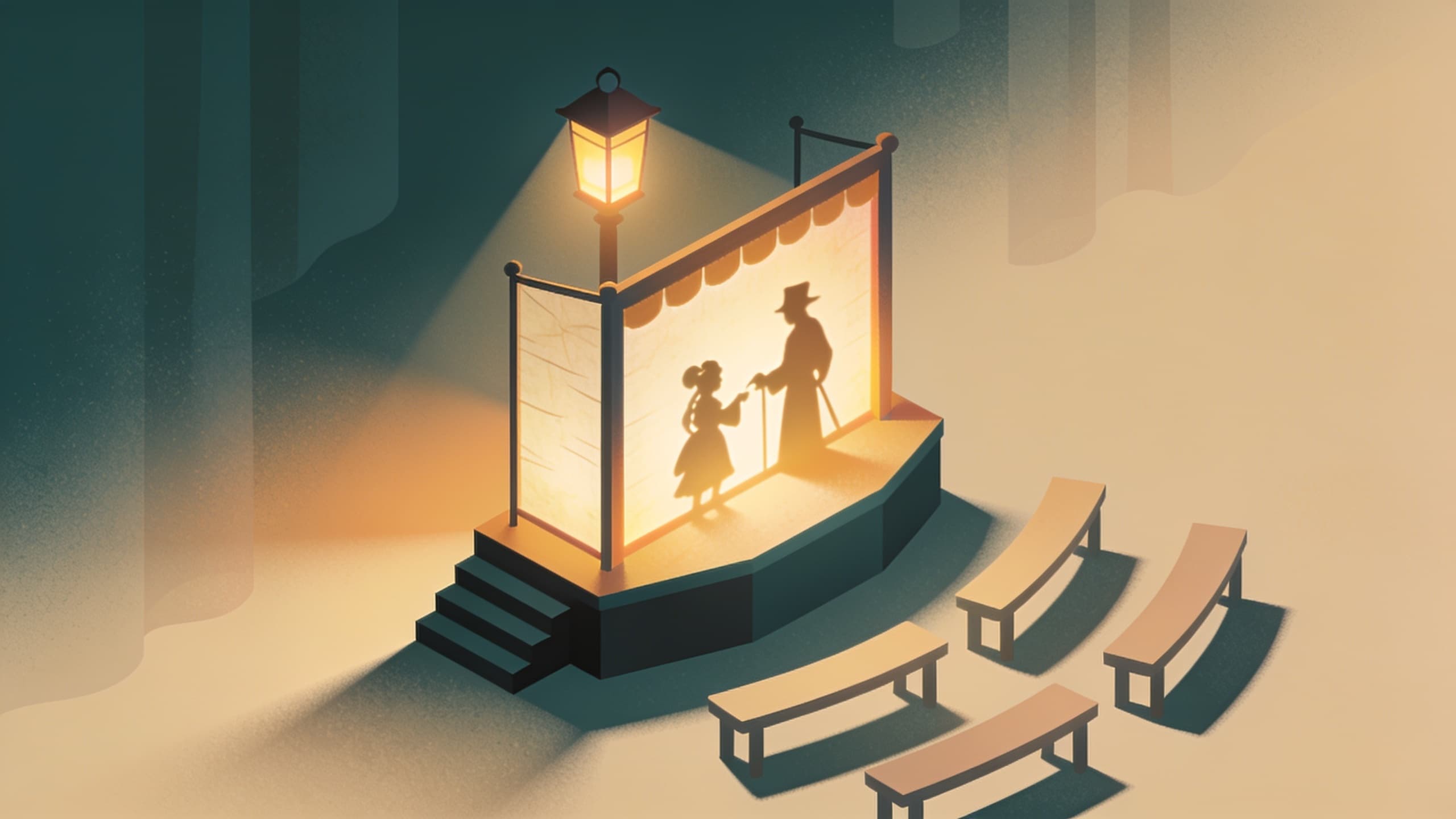
If you're asking whether AI story videos are still worth making, you've probably noticed that two channels can use the same tool, the same voice and the same visual style, and one of them collects millions of views while the other collects nothing. This guide explains what separates them.
It matters now because the rules moved underneath the format. YouTube spent 2025 and 2026 narrowing what it will monetize, and the specific thing it named was templated storytelling: the same character in the same situation with the same outcome, video after video. That's precisely what the easy version of this format produces.
Executive summary: AI story videos still work, and they still monetize, when the story is genuinely yours. What stopped working is the templated version. This guide covers why the format took off, exactly what YouTube's rules now say about story content, which five story formats still hold attention, what separates a video that works from one that doesn't, and whether there's still room for a new channel.
Table of Contents
Do AI Story Videos Still Work in 2026?
Why AI Story Videos Took Off
What Changed: YouTube's Rules on Story Content
The Story Formats That Still Hold Attention
Format #1: Original Narrative Series
Format #2: Animated and Dark Cartoon Stories
Format #3: History and True Events
Format #4: Fake Text Message Drama
Format #5: Reddit and Confession Narration
What Separates a Story Video That Works
Is It Too Late to Start an AI Story Channel?
Mistakes That Make AI Story Videos Look Mass-Produced
FAQs
What to Do Next

Do AI Story Videos Still Work in 2026?
Yes, but the easy version doesn't. Story videos still hold attention and still monetize when the story is your own invention. What stopped working is the templated version, which YouTube now names directly: characters put in the same situation with the same outcome, upload after upload.
What that means practically: the tools aren't the problem and never were. YouTube's policies explicitly allow using AI to visualize a character and a narrative you invented, and to edit scripts or generate background visuals. The question is whether a viewer could swap one of your videos for another and not notice.
Where the format still has room: niches where the writing is hard. Anything that requires research, a distinct world or a real point of view is much harder to mass-produce, which is exactly why it still earns. Clippie's rundown of monetizable faceless niches for 2026 covers five that still have space.
The honest summary: this is no longer a format you can enter by buying a tool. It's a writing format with an AI production line attached.

Why AI Story Videos Took Off
AI story videos spread because they solved the hardest problem in faceless content: holding attention with nobody on camera. A narrative does that by itself, and text-to-video tooling made illustrating one cheap enough that a single creator could write, produce and publish an episode every day.
What the tooling removed: the need to film, to draw, to record narration, or to time captions by hand. A script became a finished video in one pass, which collapsed the cost of an idea from hours to minutes.
Why story specifically: other faceless formats depend on information or novelty, which runs out. Stories renew themselves, because a new character or a new situation is a new video without a new format.
What that produced: thousands of channels running the same three or four structures, usually Reddit narration, fake text conversations, animated horror and AI-illustrated drama. The accessibility that built the format is also what made it uniform, and uniformity is the thing the platforms started acting on.

What Changed: YouTube's Rules on Story Content
YouTube renamed its repetitious content policy to "inauthentic content" in July 2025, and detailed the categories in 2026. Story channels sit at the centre of it, because the policy's own examples describe templated storytelling rather than AI use in general.
What the policy says isn't monetizable:
Videos where characters are put in the same situation over and over with the same outcome.
Templated storylines, image slideshows or scrolling text with little narrative or educational value.
AI-generated content built from generic templates that adds none of the creator's own insight.
Readings of material you didn't originally create, which falls under the separate reused content policy and applies even with the original writer's permission.
AI personas presenting as human experts on health, legal, financial or political topics.
What it explicitly allows:
A series following recurring characters where each episode has a distinct storyline, focus or concept.
The same intro and outro on every video, as long as the bulk of the content differs.
Using AI to visualize a character and narrative you invented.
Using AI to edit scripts or generate original background visuals.
One more rule worth knowing: realistic synthetic scenes that a viewer could mistake for real footage need YouTube's altered content disclosure. Clearly stylized animation doesn't, which is one reason stylized story formats carry less friction than photoreal ones.

The Story Formats That Still Hold Attention
Five story formats still hold up: original narrative series, animated and dark cartoon stories, history and true events, fake text message drama, and Reddit narration. They're ordered by how much original work sits inside them, which is also the order of how safely they monetize.
Format #1: Original Narrative Series
What it is: fiction you invent, with your own characters, world and arcs, illustrated by AI and narrated across episodes.
Why it holds up best: it's the case YouTube names as allowed, and it's the only story format where nobody else can produce your next video. Recurring characters also build a reason to return, which is rare in faceless content.
What it costs you: writing time. This format lives or dies on whether each episode genuinely differs from the last.
How to run it: keep a story bible with characters, rules and a running arc, and give every episode its own problem and resolution. Clippie's AI story video generator handles the production side, turning a finished script into illustrated scenes with voiceover and captions, so the work stays in the writing.
Format #2: Animated and Dark Cartoon Stories
What it is: stylized animation over narrated fiction, usually horror, mystery or moral-dilemma stories.
Why it holds up: the style itself is a brand. A consistent visual world makes a channel recognizable in the feed, and because the output is clearly unrealistic, it sits outside the synthetic content disclosure requirement.
The risk: style consistency slides into story sameness. Identical pacing, identical structure and identical twists across twenty uploads is the pattern the policy targets, however distinctive the art looks.
How to run it: vary story length and structure deliberately, and let some episodes resolve while others don't. Our dark cartoon story video tutorial walks through building the look.
Format #3: History and True Events
What it is: real events told as narrative, from single incidents to a series around a theme.
Why it holds up: research is a moat. A well-sourced historical story can't be generated from a prompt, and the audience skews toward topics advertisers value.
The risk: accuracy and realism. Getting facts wrong destroys the channel's credibility, and photoreal reconstructions of real events need the altered content label, since a viewer could mistake them for footage.
How to run it: cite your sources on screen, keep the visuals stylized rather than photoreal, and pick events with a genuine turn rather than a list of dates.
Format #4: Fake Text Message Drama
What it is: fictional conversations that play out as an on-screen chat, with narration or read-aloud voices.
Why it holds up: you wrote the conversation, so the script is original by definition. The format also reads fast, which suits vertical feeds.
The risk: it's the most template-shaped format on this list. The chat interface is fixed, so if the plots repeat too, the videos become interchangeable in exactly the way the policy describes.
How to run it: change the relationship, the stakes and the ending between episodes, not just the names. If you can summarize five of your videos in one sentence, that's the problem.
Format #5: Reddit and Confession Narration
What it is: a post from Reddit or a confession forum read aloud over background footage.
Why it ranks last: YouTube's reused content policy names readings of material you didn't originally create, and that applies even when you have permission. Background gameplay you didn't record compounds the issue.
How to make it safer: treat the post as a prompt rather than a script. Rewrite it as your own story with a different structure and ending, and use visuals you generated or recorded. At that point you're running Format #1, which is the whole argument.
What Separates a Story Video That Works
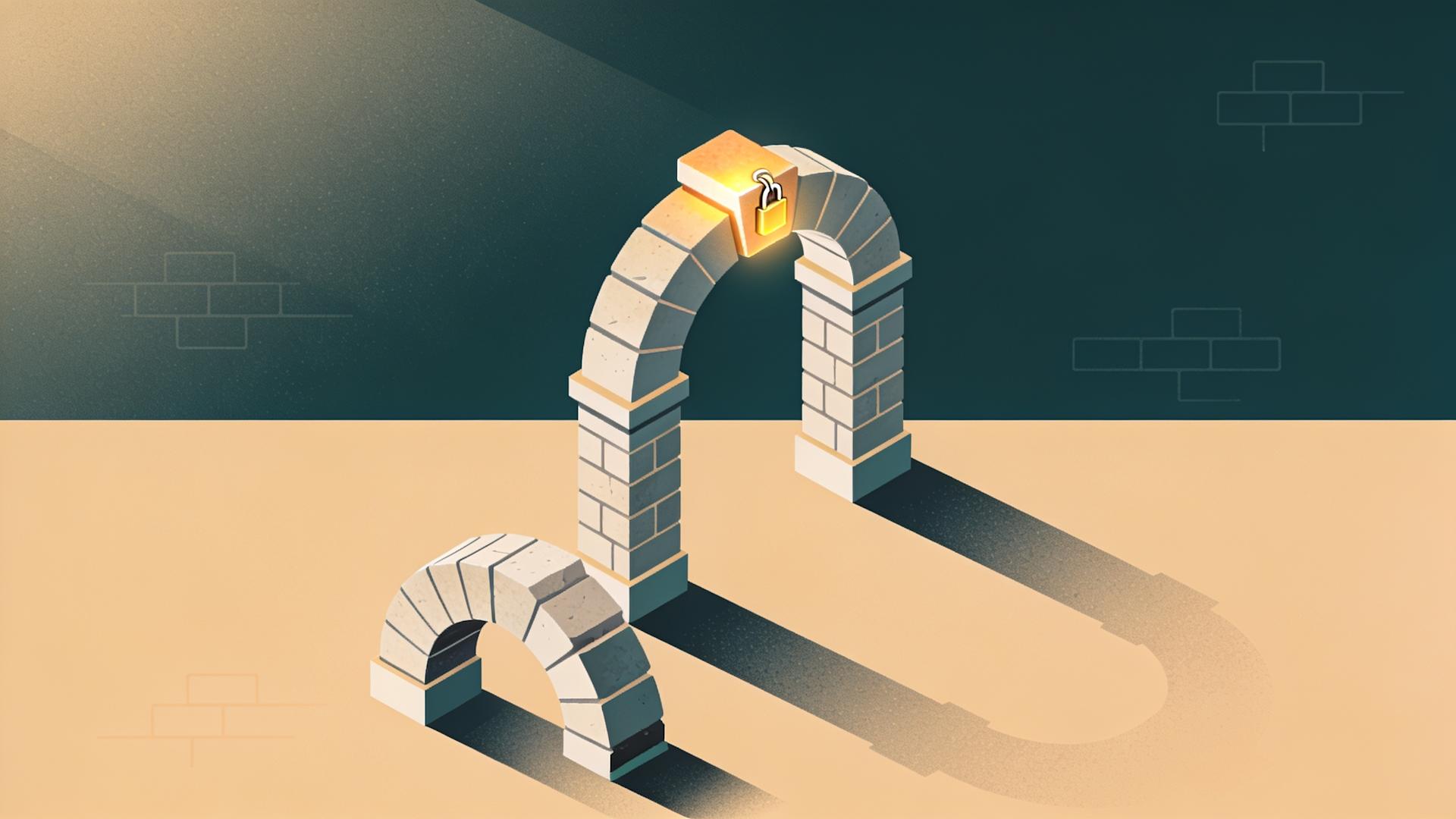
Four things: a stake in the first line, one story per video, a turn the viewer didn't see coming, and visuals that track the story rather than fill time. Tools have almost nothing to do with it, which is why two channels using identical software get opposite results.
Open on the stake, not the setup. The first sentence should tell the viewer what someone stands to lose. Background can arrive later, or not at all.
One story, one video. A story with two threads loses both. Split it into episodes instead.
Earn the turn. The moment the viewer didn't predict is the entire reason they stay. If your story has no turn, it isn't a story yet.
Match visuals to beats. A scene change should mark a change in the story, not arrive on a timer.
Keep one narrator. A consistent voice is what makes a library feel like a channel rather than a folder of uploads.
End with a reason to return. Resolve the episode and open the next one, which is what turns viewers into subscribers.
If you want to see the production side, this full AI story video tutorial runs through one build end to end, from script to export.

Is It Too Late to Start an AI Story Channel?
It's late for the templated version and early for the written one. The generic lane is crowded and getting harder to monetize, while the formats that need research, a distinct world or real writing are still thinly populated, because most channels can't sustain them.
The barrier moved from production to writing. Anyone can generate the visuals, which means the visuals are no longer the differentiator.
Pick a niche with room. Broad horror and generic drama are saturated. A specific world, a specific era or a specific kind of story is not.
Don't plan on Shorts income alone. From February 1, 2027, earning from the Shorts revenue pool in a month requires 10 million qualified Shorts views over the previous 90 days, so build toward long-form watch hours or off-platform income too.
Test the format before you commit. Write ten episode outlines. If three of them are the same episode, change the concept rather than the tooling.
When you're ready to build rather than decide, our guide to how to create AI story videos covers the production workflow step by step.
Mistakes That Make AI Story Videos Look Mass-Produced
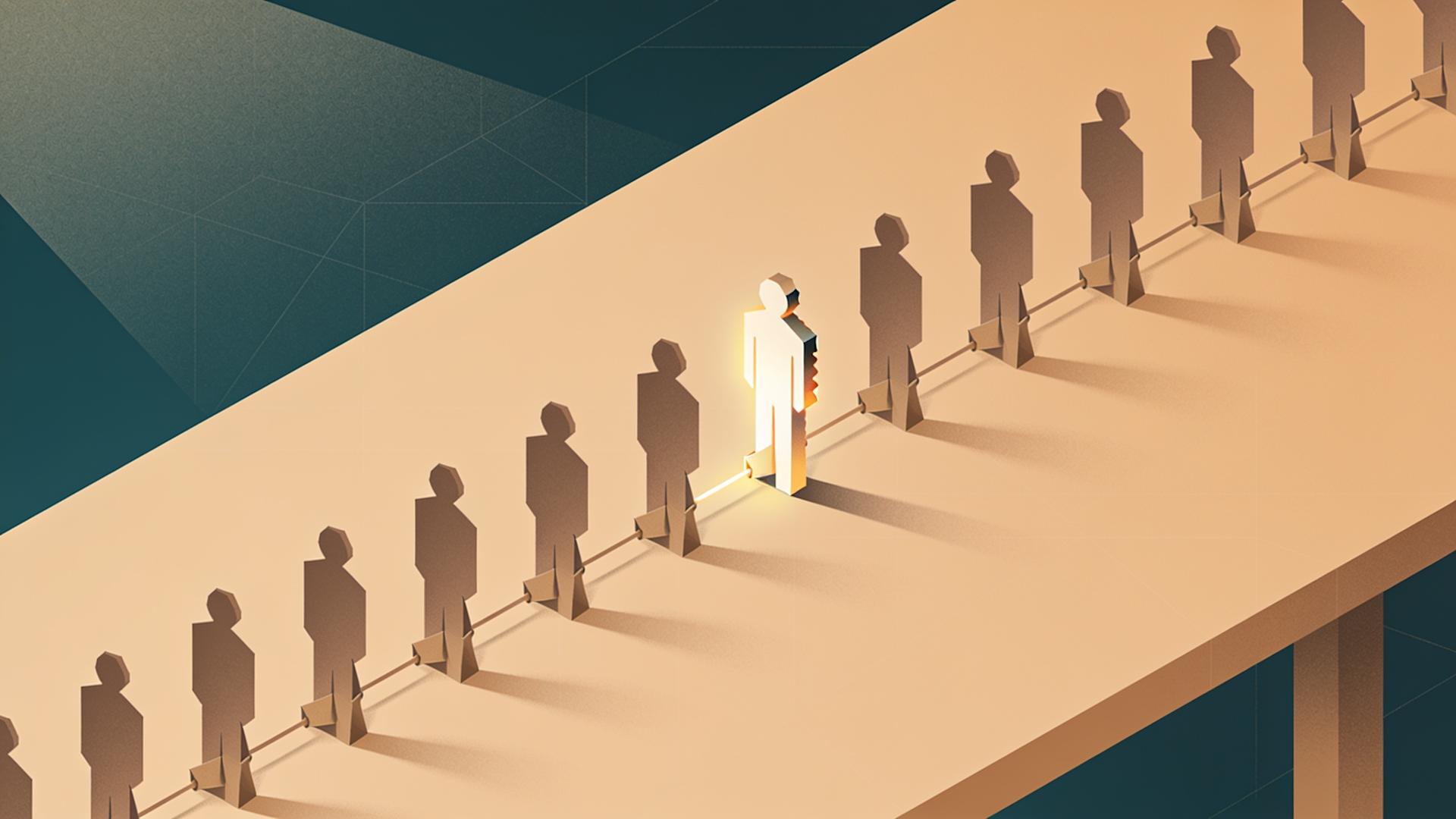
Most story channels that fail review make the same handful of errors, and every one of them is visible from the outside. If a stranger scrolling your channel page can't tell two uploads apart, a policy reviewer won't be able to either, whatever the stories say.
Mistake #1: Same situation, new name. The single most cited example in YouTube's policy. Change the situation, not the label.
Mistake #2: Reading text you didn't write. Narrating posts, articles or forum threads falls under reused content, permission or not.
Mistake #3: One pacing forever. Identical run times, identical structure and identical music across a library reads as a template even when the stories differ.
Mistake #4: Claimed music in a Short over a minute. The Short is blocked outright, so the upload earns nothing regardless of performance.
Mistake #5: Photoreal scenes with no label. Realistic synthetic footage needs YouTube's altered content disclosure.
Mistake #6: Publishing faster than you can write. Volume is the multiplier on this format, and it multiplies sameness just as efficiently as quality.
FAQs
Are AI story videos allowed on YouTube?
Yes. YouTube treats AI as a production tool and explicitly allows using it to visualize a character and narrative you invented, or to edit scripts and generate background visuals. What it won't monetize is templated output with no original input, and AI personas giving advice on health, legal, financial or political topics.
Can you monetize Reddit story videos?
Usually not in their simplest form. YouTube's reused content policy names readings of material you didn't originally create, and that applies even with the writer's permission. Rewriting a post into your own story, with your own structure, ending and visuals, moves it out of that category and into original fiction.
Do AI story videos need the altered content label?
Only when they look real. Realistic synthetic scenes a viewer could mistake for actual footage require YouTube's disclosure, which typically affects historical reconstructions and photoreal drama. Clearly stylized animation and illustrated stories don't need it, and neither does using AI for scripts, captions or thumbnails.
Are Shorts or long-form better for AI story videos?
They do different jobs. Shorts find the audience and test which stories land, while long-form accumulates watch hours and carries more ad placements. From February 2027, Shorts pool earnings need 10 million qualified views per 90 days, so a story channel planning on income should build long-form too.
How many videos before you know whether it's working?
Enough to tell a format problem from a patience problem, which is usually a few dozen rather than a handful. A better early test is the writing: if you can't produce ten genuinely different episodes from your concept, the concept will fail before the audience ever does.
Does using an AI voice hurt a story channel?
No rule penalizes it, and the policies target templated and reused content rather than the tool that made the audio. What does hurt is switching voices between uploads, since a consistent narrator is a large part of what makes viewers recognize a channel in the feed.
What to Do Next
Step 1: Write ten episode outlines before you generate anything. If three repeat, the concept isn't ready.
Step 2: Pick the format that matches your writing, not your tooling. Original series and history reward research; text drama rewards dialogue.
Step 3: Build a style you can repeat and a structure you can vary. Consistent look, changing story.
Step 4: Decide your monetization route now, given the February 2027 Shorts thresholds, and plan long-form or off-platform income accordingly.
Step 5: Review your last ten uploads side by side every month. The day they blur together is the day to change something.
Read more
Best AI Video Tools for Faceless Content in 2026
The right tool depends on what you make: story shorts, prompt-to-video, repurposing, captions or avatars. Honest picks for each, plus where each one fails.
The Psychology Behind Viral Short-Form Videos, Minus the Myths
Viewers decide fast, but not for the reasons most guides repeat. Seven patterns behind videos people finish, plus how to read your own retention curve.
How to Create YouTube Shorts Faster Using AI (2026 Workflow)
AI can take a YouTube Short from script to export in one sitting. Here's the six-step workflow, the 2026 specs, and what to keep manual as volume rises.