
The Creator's Guide to Avoiding Burnout
Complete framework for preventing creator burnout through sustainable workflows, early warning sign recognition, automation tools, and mental health strategies. Build a creator business that lasts.
The creator economy's explosive growth throughout 2020-2025 has generated unprecedented opportunity for independent creators to build substantial businesses generating six-figure incomes through content creation, sponsorships, digital products, and diversified revenue streams, yet this same growth has precipitated silent epidemic of creator burnout destroying channels, careers, and lives as talented creators push themselves to unsustainable extremes chasing algorithmic favor, audience growth, and revenue targets until physical exhaustion, emotional depletion, creative bankruptcy, and psychological collapse force abandonment of channels, businesses, and sometimes entire careers they've invested years building. The burnout crisis affects creators at every level from aspiring beginners to established personalities with millions of subscribers, transcends content categories from entertainment to education to business, and represents fundamental design flaw in how creator businesses are typically structured prioritizing short-term growth and engagement metrics over long-term sustainability and creator wellbeing.
The devastating consequences of creator burnout extend far beyond temporary fatigue or "needing a break", they include complete channel abandonment leaving audiences without explanation and destroying businesses that generated substantial income, physical health deterioration through stress-related illness, sleep disruption, and neglect of basic self-care, mental health crises including anxiety, depression, panic attacks, and in extreme cases suicidal ideation, relationship damage from isolation, emotional unavailability, and work obsession consuming all attention and energy, creative death where formerly passionate creators lose all joy and inspiration becoming unable to create even when trying, and financial devastation when primary or sole income source collapses suddenly with no contingency plan. The human cost of burnout is catastrophic and largely invisible, successful channels that suddenly stop posting often represent human tragedy not just abandoned business ventures.
Yet creator burnout is neither inevitable nor necessary consequence of building successful content business, it results from specific systematic failures in workflow design, business structure, psychological boundaries, and cultural norms that can be identified, corrected, and prevented through deliberate strategic intervention. The creators achieving sustainable long-term success spanning 5-10+ years consistently demonstrate specific patterns and practices fundamentally different from those who burn out and abandon channels within 1-3 years despite comparable or superior talent and initial success. Understanding these patterns and implementing protective systems before crisis enables building creator businesses that sustain rather than destroy the humans operating them, producing consistent quality content and revenue while maintaining psychological wellbeing, physical health, and life satisfaction that makes the work worthwhile.
The Creator Burnout Crisis in Context
Understanding the structural factors driving widespread burnout reveals systemic solutions beyond individual resilience.
The algorithmic pressure and posting frequency escalation creates relentless production treadmill where platforms algorithmically favor high-frequency posting (daily or multiple-daily for TikTok, 3-5 weekly for YouTube), competitive dynamics mean creators posting more frequently accumulate insurmountable growth advantages over those posting less, audience expectations evolve to anticipate regular consistent content creating pressure to maintain schedules, and breaking consistency often causes algorithmic suppression requiring months to recover momentum. The frequency pressure pushes creators toward unsustainable production volumes exceeding healthy capacity indefinitely.
The revenue instability and financial pressure compounds stress where most creators depend entirely on platform ad revenue creating complete income dependence on algorithmic whims and platform policy changes, sponsorship income requires maintaining growth metrics and engagement rates creating pressure to optimize for sponsor-attractive analytics, diversification to courses, products, or services requires additional work beyond content creation, and irregular income creates financial anxiety requiring working through exhaustion to maintain revenue. The financial precarity prevents taking necessary breaks or reducing output even when burnout symptoms appear.
The isolation and lack of systemic support leaves creators without crucial resources where working independently without colleagues or organizational structure eliminates natural boundaries and support systems, competitive rather than collaborative creator culture reduces willingness to show vulnerability or ask for help, lack of professional norms around sustainable work hours and practices means creators self-exploit without realizing it's abnormal, and absence of workplace protections means no sick leave, vacation time, or other buffers traditional employment provides. The isolation means creators often burn out completely before recognizing they need help.
The identity fusion and passion exploitation creates psychological vulnerability where "do what you love" ideology obscures that content creation is work requiring boundaries, tying identity to channel success makes performance metrics feel like personal worth indicators, passion for content creates willingness to sacrifice wellbeing that wouldn't occur in conventional job, and audience relationships create sense of obligation that prevents prioritizing self-care. The psychological dynamics make creators particularly susceptible to self-exploitation and burnout.
What This Comprehensive Guide Delivers
This framework provides complete systematic approach to burnout prevention and sustainable creator business design.
The burnout mechanics section establishes foundational understanding of what creator burnout actually is including physical, emotional, creative, and social dimensions of burnout distinct from simple fatigue, how burnout develops progressively through identifiable stages, why certain creator workflows and business structures systematically produce burnout, and why individual "resilience" alone cannot prevent structural burnout causes. Understanding mechanics prevents misdiagnosing systemic problems as personal weakness.
The early warning signs section enables catching burnout before crisis through recognizing physical exhaustion and stress symptoms, identifying emotional depletion and psychological warning signs, detecting creative bankruptcy and inspiration loss, noticing social withdrawal and relationship deterioration, and understanding when "pushing through" becomes dangerous versus productive. Early detection enables intervention before irreversible damage occurs.
The sustainable workflow design section provides concrete systems preventing burnout including production calendaring preventing overcommitment, batching and automation reducing daily burden, boundaries and work hours protecting recovery time, delegation and outsourcing for high-volume operations, and buffer and flexibility preventing schedule rigidity. Systematic workflow redesign eliminates structural burnout causes.
The psychological and physical health practices section addresses individual resilience factors including stress management and mindfulness practices, physical health fundamentals (sleep, exercise, nutrition), social connection and community building, professional support (therapy, coaching, accountability), and identity boundaries separating self-worth from metrics. Individual practices complement structural solutions.
The business model restructuring section enables sustainable economics including diversification reducing algorithmic dependence, passive and semi-passive income reducing constant production pressure, strategic breaks and seasonality building recovery into business model, team building and scaling beyond solo operation, and long-term perspective balancing growth with sustainability. Business design determines whether operation is sustainable or burnout-generating.
By completing this guide, you'll understand both why creator burnout happens so frequently and how to design creator business and lifestyle preventing it while maintaining competitive content quality, audience growth, and revenue generation enabling sustainable long-term success.
Table of Contents
Why Creator Burnout Happens
Recognizing Early Warning Signs
How to Build a Sustainable Workflow
Tools That Reduce Editing Overload
Balancing Growth With Mental Health
FAQs
Conclusion
1. Why Creator Burnout Happens
Understanding the structural and psychological factors systematically producing creator burnout.
The Algorithmic Treadmill and Posting Frequency Pressure
How platform mechanics create unsustainable production demands.
The frequency-reward algorithmic structure platforms employ creates systematic pressure for increasing output where TikTok's algorithm explicitly favors creators posting daily or multiple times daily with dramatic visibility advantages, YouTube's system rewards consistent posting schedules with better recommendation and search placement, Instagram's feed and algorithm similarly prioritize active frequent posters, and cross-platform presence multiplies pressure requiring daily content across multiple channels. The algorithmic structure effectively punishes sustainable moderate posting creating competitive disadvantage for creators maintaining boundaries.
The competitive escalation dynamics show posting frequency arms race where successful creators posting daily force others to match frequency to remain competitive, audience expectations evolve as daily posting normalizes creating pressure to maintain pace, breaking posting consistency causes algorithmic suppression requiring months to recover momentum, and competitive anxiety drives creators to unsustainable schedules fearing being "left behind" by more aggressive competitors. The competitive pressure makes moderation feel like strategic failure rather than health necessity.
The discovery and growth mechanics favor volume over everything where posting frequency is single biggest controllable factor affecting growth rate on most platforms, 10 videos weekly generates 5-10x more views and growth than 2 videos weekly even if individual video quality is lower, testing and iteration requiring volume mean high-frequency posters learn faster and optimize better, and early channel growth requiring extreme volume to escape algorithmic obscurity and achieve critical mass. The growth mechanics essentially require temporary or permanent unsustainable volume for success.
The revenue dependence on volume compounds pressure where ad revenue scales directly with views requiring high volume for substantial income, CPM and monetization efficiency improve with higher view counts creating volume-dependent profitability, sponsorship attractiveness correlates with growth metrics requiring sustained posting frequency maintaining momentum, and alternative monetization (products, courses, services) often requires audience size achievable only through high-volume consistent posting. The economics reward unsustainability.
The Revenue Instability and Financial Anxiety
How income precarity creates pressure preventing appropriate boundaries and self-care.
The algorithmic income volatility creates chronic financial stress where small algorithmic changes can reduce views and income 30-70% overnight without warning or recourse, platform policy changes affecting monetization occur unpredictably, CPM and ad revenue fluctuates seasonally and based on economic conditions, and viral success or failure dramatically swings monthly income creating feast-or-famine cycles. The volatility makes income unpredictable creating constant background anxiety preventing relaxation or boundary setting.
The lack of income stability mechanisms traditional employment provides leaves creators vulnerable where no sick leave means stopping production immediately reduces income potentially catastrophically, no vacation time means breaks directly sacrifice revenue and potentially algorithmic standing, no unemployment insurance means channel failure can mean immediate poverty with no safety net, and irregular income prevents reliable financial planning increasing stress and forcing working through exhaustion. The absence of basic employment protections makes creator work uniquely precarious.
The revenue concentration and single-point-of-failure risk shows dangerous dependence where most creators derive 70-90% of income from single platform (usually YouTube ad revenue), platform suspension or demonetization can eliminate income instantly without appeal or recourse, algorithm changes reducing channel visibility can tank income without creator doing anything wrong, and building new revenue sources requires time and energy creators can't spare from content production maintaining current income. The concentration creates catastrophic failure risk forcing constant anxiety and overwork.
The growth-revenue correlation creates perpetual pressure where income growth requires audience growth which requires increasing or maintaining high posting frequency, revenue plateaus or declines if growth stops creating treadmill effect where you must keep running to stay in place, pressure to continuously exceed past performance prevents ever feeling "successful" or able to reduce pace, and long-term financial security requires either scaling to very large audience or diversifying revenue requiring additional work beyond content production. The revenue dynamics prevent sustainable steady-state operation.
The Isolation and Lack of Structural Support
How working independently without organizational support systems accelerates burnout.
The absence of organizational boundaries and protections leaves creators without basic work structures where no employer or manager enforcing reasonable hours means creators self-exploit without external limits, no organizational policies about vacation, sick leave, or work-life balance means inventing personal policies without social support, no colleagues providing feedback and reality-checking means losing perspective about what's reasonable or sustainable, and no HR or occupational health resources means addressing burnout alone without organizational support. The lack of structure means creators must provide all boundaries themselves when facing pressure to eliminate boundaries.
The competitive isolation preventing community support shows creators operating as competitors not colleagues where sharing vulnerabilities or struggles risks competitive disadvantage if others exploit your weakness, culture of highlighting success and hiding struggles prevents honest discussion of challenges, fear of appearing unsuccessful or weak prevents seeking help until crisis, and lack of trust and genuine community means creators face challenges alone without emotional or practical support. The isolation prevents accessing help that would prevent burnout escalation.
The knowledge and skill gaps creators face without professional training where most creators are self-taught without business management, project management, or workflow optimization training, lacking knowledge about burnout warning signs, prevention strategies, and recovery approaches means not recognizing or addressing problems early, absence of professional development or skills training means relying on trial-and-error rather than established best practices, and missing business skills (accounting, operations, strategic planning) creates additional stress and inefficiency. The knowledge gaps mean creators repeatedly make preventable mistakes accelerating burnout.
The lack of advocacy and collective voice means systemic problems remain unaddressed where creators have no union or collective bargaining power to push for better platform policies, no organizational advocacy pressuring platforms to prioritize creator wellbeing over engagement metrics, no collective action addressing exploitative sponsor or platform practices, and each creator navigating systemic problems individually rather than collectively advocating for structural solutions. The lack of advocacy means systemic causes of burnout remain unchallenged.
The Identity Fusion and Passion Exploitation
How psychological dynamics unique to creator work accelerate burnout vulnerability.
The "do what you love" ideology and passion exploitation obscures work dynamics where framing content creation as passion project rather than work makes boundaries feel inappropriate or ungrateful, assumption that doing what you love means you shouldn't need breaks or boundaries enables self-exploitation, willingness to sacrifice wellbeing for passion that wouldn't occur in conventional job, and inability to recognize when passion becomes unsustainable burden rather than joy. The passion framing prevents treating content creation as work requiring appropriate protections.
The identity fusion with channel success creates existential stakes where tying self-worth to subscriber counts, views, and engagement metrics makes performance feel like personal value, channel setbacks feel like personal failures not business challenges, inability to separate creator identity from business outcomes means all business stress becomes personal psychological stress, and fear that taking breaks or reducing output means personal weakness or failure. The identity fusion makes normal business challenges feel like existential threats.
The audience relationship and obligation feelings create pressure preventing boundaries where parasocial relationships make creators feel responsible for audience happiness and expectations, disappointing audience by reducing output or taking breaks feels like betraying people who depend on you, audience demands and expectations feel like obligations not reasonable requests to be evaluated, and audience criticism or disappointment triggers shame and inadequacy rather than being evaluated as business feedback. The relationship dynamics prevent treating audience as customers versus personal relationships.
The visibility of success and invisibility of struggle creates unrealistic comparisons where social media highlights show only success and finished products never showing struggle, editing, or failure, comparison to seemingly effortless success of others makes your struggles feel like personal inadequacy, lack of transparency about reality of creator work prevents recognizing that struggles are normal not personal failures, and perception that "real" creators don't struggle with burnout or exhaustion prevents seeking help or acknowledging problems. The visibility dynamics create shame around normal challenges.
The Workflow and Production Trap
How typical creator production workflows systematically generate exhaustion and burnout.
The manual daily production treadmill creates unsustainable workload where producing one video daily through manual workflow requires 3-8 hours of sustained focused work, sequential production (complete video 1 before starting video 2) prevents efficiency gains and requires constant context switching, lack of systems and templates means reinventing workflow for each video, and daily shipping deadline creates constant pressure and stress preventing rest or recovery. The workflow demands amount to working 40-60+ hour weeks producing content before considering other business responsibilities.
The editing bottleneck and technical burden consumes enormous time and energy where video editing is typically most time-consuming production phase (60-70% of production time), technical editing skills require years developing and constant learning as software evolves, perfectionism and quality standards inflate editing time as creators notice every imperfection, and editing requires sustained concentration and cognitive energy depleting reserves rapidly. The editing burden alone can make high-frequency posting unsustainable.
The lack of systematization and automation forces constant manual effort where treating each video as unique project rather than systematic production prevents efficiency improvements, failing to develop templates, frameworks, and reusable systems means recreating decisions constantly, missing opportunities for automation and AI assistance means doing manually what could be automated, and lack of batch production and workflow optimization wastes time on redundant tasks. The inefficiency multiplies workload unnecessarily.
The scope creep and feature bloat progressively increases work without corresponding benefit where videos become longer and more complex over time without conscious decision, adding production elements (animations, graphics, B-roll, effects) that increase time investment without improving engagement proportionally, perfectionism and comparison to other creators drives continuous quality escalation, and never questioning whether additional effort produces proportional value. The scope creep means workload increases continuously without revenue or engagement increasing proportionally.

2. Recognizing Early Warning Signs
Identifying burnout symptoms before crisis enabling early intervention and prevention.
Physical Exhaustion and Stress Symptoms
Recognizing bodily signals indicating unsustainable stress and depletion.
The chronic fatigue and energy depletion represents primary physical burnout indicator where waking up exhausted despite adequate sleep (or inability to get adequate sleep), constant physical tiredness not relieved by rest or breaks, dramatically reduced stamina and energy compared to baseline, needing stimulants (coffee, energy drinks) to function through day, and physical exhaustion disproportionate to actual work output. The persistent fatigue signals body is depleted beyond normal recovery capacity.
The sleep disruption patterns indicate stress and burnout where difficulty falling asleep despite exhaustion from racing thoughts about content, work, metrics, waking frequently during night or very early morning with inability to return to sleep, sleep quality poor with restless anxious sleep not providing restoration, sleep schedule irregularity from working late and inconsistent routines, and dreaming about content creation, algorithms, or audience. The sleep problems both result from and exacerbate burnout creating vicious cycle.
The stress-related physical symptoms provide clear warning signs where tension headaches or migraines increasing in frequency, digestive problems (stomach pain, nausea, changes in appetite), muscle tension particularly in neck, shoulders, back from computer work and stress, frequent minor illnesses as immune system weakens from chronic stress, and stress-related conditions (high blood pressure, inflammation, pain) developing or worsening. The physical symptoms represent body communicating that stress exceeds healthy capacity.
The neglect of basic physical health shows priorities becoming dangerously imbalanced where skipping meals or eating poorly due to work pressure and time constraints, abandoning exercise routines or never establishing them despite knowing importance, ignoring medical appointments or delaying addressing health concerns, neglecting basic hygiene or self-care during intense production periods, and physical appearance deteriorating (weight changes, looking exhausted, poor grooming). The self-neglect indicates health has become completely subordinate to work demands.
Emotional Depletion and Psychological Warning Signs
Recognizing mental health symptoms indicating burnout progression.
The emotional numbness and anhedonia signals psychological depletion where loss of pleasure or satisfaction from content creation that once felt rewarding, inability to feel excited or enthusiastic about projects or achievements, general emotional flatness and difficulty accessing emotions, loss of interest in hobbies, relationships, or activities outside work, and feeling disconnected from own life as if going through motions. The emotional numbness represents psychological protective shutdown from chronic stress.
The anxiety and constant worry indicates unsustainable stress levels where persistent background anxiety about content, performance, audience, revenue without being able to relax, catastrophic thinking where mind jumps to worst-case scenarios (channel dying, losing income, audience abandonment), physical anxiety symptoms (racing heart, shallow breathing, chest tightness, panic attacks), obsessive checking of analytics, comments, metrics unable to disengage mentally, and generalized anxiety spreading from work stress to other life areas. The anxiety escalation signals nervous system dysregulation from chronic activation.
The irritability and emotional reactivity shows depleted emotional resources where increased irritability and shorter temper with audience, friends, family, feeling overwhelmed and stressed by minor challenges or requests, emotional outbursts or crying that feel disproportionate to trigger, hypersensitivity to criticism or negative feedback taking everything personally, and difficulty regulating emotions with mood swings or emotional volatility. The reactivity indicates emotional reserves are exhausted leaving no buffer for normal challenges.
The loss of meaning and purpose represents advanced burnout stage where questioning why you're doing this and whether it matters or is worthwhile, cynicism about content creation, audiences, or platforms replacing former enthusiasm, feeling trapped or resentful about work that once felt meaningful, difficulty remembering why you started or what you hoped to achieve, and existential despair or meaninglessness about creative work and life direction. The meaning loss represents deepest level of burnout affecting core motivation and identity.
Creative Bankruptcy and Inspiration Loss
Recognizing when creative capacity becomes depleted and unsustainable.
The idea generation difficulty signals creative depletion where struggling to generate content ideas that once came easily, everything feeling derivative or already done, creative ideation sessions feeling forced and unproductive, increased reliance on copying others or trending topics rather than original ideas, and panic about running out of ideas or having nothing valuable to say. The ideation difficulty represents creative well running dry from over-extraction without replenishment.
The quality decline and decreased standards shows unsustainable compromise where noticing quality of recent content is lower than past work, making compromises and accepting "good enough" that would have been unacceptable before, difficulty maintaining attention to detail or craftsmanship during production, increasing errors or sloppiness in final videos, and losing pride in work or feeling ashamed of output quality. The quality decline indicates inability to maintain standards due to exhaustion.
The creative avoidance and procrastination represents psychological resistance where procrastinating on content creation despite deadlines and pressure, difficulty starting work with mental blocks and avoidance behaviors, distraction seeking and time-wasting during scheduled production time, dread or anxiety when thinking about content creation, and requiring increasing willpower and forced discipline to produce anything. The avoidance signals psyche protecting itself from activity that feels depleting or threatening.
The loss of creative joy and flow indicates fundamental relationship change with work where content creation feeling like burden or obligation rather than creative expression, unable to enter flow state or deeply engage with creative process, work feeling mechanical and effortful rather than energizing, missing the excitement and passion that initially motivated creative work, and creating out of duty or necessity rather than genuine desire or inspiration. The joy loss represents work transitioning from intrinsically motivated passion to externally driven obligation.
Social Withdrawal and Relationship Deterioration
Recognizing how burnout affects relationships and social connection.
The isolation and social withdrawal shows emotional depletion affecting relationships where declining social invitations or avoiding friends and family, reducing communication and connection with people outside work, feeling too exhausted or depleted for social interaction, preferring to isolate rather than engage in formerly enjoyable social activities, and relationships becoming perfunctory or obligatory rather than meaningful. The withdrawal represents lack of emotional energy for connection and relationship maintenance.
The relationship conflict and deterioration indicates burnout affecting closest connections where increased conflict with partner, family, or close friends, irritability and emotional reactivity damaging important relationships, work obsession crowding out relationship time and attention, resentment from loved ones about work prioritization, and feeling disconnected or emotionally unavailable in relationships. The relationship damage represents collateral harm from unsustainable work intensity.
The loss of work-life boundaries shows unhealthy integration where work thoughts and stress dominating personal time and relationships, inability to be mentally present in personal life due to work preoccupation, relationships and personal time feeling like interruptions from work rather than life priorities, guilt about taking personal time or prioritizing relationships over content, and work identity consuming personal identity until nothing exists outside creator role. The boundary loss represents complete domination of life by work demands.
The community and audience relationship exhaustion shows even professional relationships becoming burdensome where feeling drained or resentful of audience rather than appreciative and connected, community management and engagement feeling exhausting and depleting, cynicism about audience motivations or parasocial dynamics, avoiding or dreading audience interaction that once felt rewarding, and feeling trapped by audience expectations and obligations. The audience exhaustion indicates even relationships central to work becoming depleting rather than energizing.
When "Pushing Through" Becomes Dangerous
Understanding when persistence becomes self-destructive requiring immediate intervention.
The persistence versus harmful pushing distinction requires nuanced judgment where healthy persistence involves temporary increased effort with clear endpoint and recovery plan, while harmful pushing means continuing despite warning signs with no recovery timeline. The distinction between productive challenge and destructive overwork includes: normal tiredness versus chronic exhaustion unrelieved by rest, temporary stress versus sustained stress showing physical symptoms, maintaining quality and enjoyment versus quality decline and joylessness, and having choice and control versus feeling trapped and compelled.
The danger signals requiring immediate action include physical collapse or medical crisis (emergency room visit, diagnosed stress-related conditions, serious illness), acute mental health crisis (suicidal thoughts, severe depression or anxiety, panic attacks, dissociation), complete inability to produce content or function in creator role, relationship breakdown or serious family crisis, and substance abuse or dangerous coping mechanisms emerging. These signals indicate burnout has progressed to crisis requiring immediate help and potentially complete work cessation.
The professional help necessity shows when self-help is insufficient where burnout symptoms persist despite lifestyle changes and boundaries, mental health symptoms affecting functioning or safety, physical health problems requiring medical intervention, relationship crises requiring professional support, or inability to reduce work intensity despite knowing it's necessary. The professional help (therapy, medical care, coaching) provides external support and expertise beyond self-management capacity.
The strategic channel pause or pivot becomes necessary when burnout is severe including taking complete break from content for 2-6 weeks allowing genuine recovery, reducing posting frequency dramatically (50-75% reduction) accepting algorithmic consequences, pivoting to less demanding content format or style reducing production burden, bringing in team members or collaborators sharing workload, or in extreme cases, stepping back from channel entirely prioritizing health. The strategic pause prioritizes long-term sustainability over short-term metrics.
3. How to Build a Sustainable Workflow
Systematic workflow redesign eliminating structural burnout causes while maintaining content quality.
Production Calendaring and Realistic Capacity Planning
Creating production schedules matching actual human capacity rather than algorithmic demands.
The honest capacity assessment requires brutal realism about sustainable production where tracking actual time required for complete video production (ideation, scripting, filming, editing, publishing, promotion), accounting for all non-production work (community management, email, planning, business operations), recognizing cognitive and creative capacity limits beyond just time (can't edit 8 hours daily sustainably), including personal life needs and responsibilities (relationships, health, rest, hobbies), and identifying your sustainable work hours per week (typically 30-40 for most humans, not 60-80). The honest assessment reveals that "posting daily" may simply be unsustainable for your situation, and that's okay.
The buffer building and strategic surplus creates resilience where maintaining 2-4 weeks of completed content ahead of publishing schedule protects against illness, burnout, or life disruptions without missing posts, creating space for lower-productivity periods or creative droughts, enabling taking breaks without channel going dark, and reducing daily pressure and urgency making work more enjoyable. The buffer transforms content creation from constant crisis to controlled sustainable operation.
The realistic production calendar balances consistency with sustainability where planning content realistically based on honest capacity assessment not aspirational goals, building recovery time and easy content into schedule not constantly maximal effort, allowing flexibility for reduced productivity periods or creative dry spells, scheduling lower-intensity content types during predictably busy or stressful life periods, and being willing to reduce posting frequency if current schedule unsustainable. The realistic calendar prevents systematic overcommitment causing burnout.
The content complexity and effort management prevents scope creep where consciously varying content complexity (mix of simple, moderate, complex productions), limiting high-effort projects to sustainable frequency (one elaborate video monthly, not weekly), avoiding unnecessary production elements that don't improve engagement proportionally, periodically auditing whether complexity increases serve audience or just perfectionism, and being willing to simplify format if current approach unsustainable. The complexity management ensures effort matches sustainable capacity.
Batching, Automation, and Efficiency Multipliers
Workflow optimization reducing time and energy required for same output.
The batch production methodology creates dramatic efficiency gains where filming multiple videos in single session eliminates repeated setup and breakdown (hair, makeup, set, lighting), researching and scripting multiple related topics together eliminates redundant research, editing similar videos sequentially improves efficiency through repetition and muscle memory, creating series or themed content enables systematic production reducing decisions, and batch production typically creates 30-50% efficiency improvement meaning 10 videos in batch takes 1.5x time of single video not 10x time. The batching enables higher volume without proportionally higher effort.
The template and framework development eliminates repetitive decisions where creating video structure templates (intro, main content, conclusion frameworks) reused across videos, developing shot lists and b-roll templates for recurring content types, building editing presets and style templates maintaining consistency efficiently, creating thumbnail and title formulas reducing packaging decisions, and establishing systematic workflows for each production stage. The templates and frameworks transform production from reinventing everything each time to executing proven systems.
The AI and automation integration eliminates or reduces manual tasks where AI tools for script generation, editing assistance, caption creation, thumbnail design, automated publishing and scheduling across platforms, analytics aggregation and reporting, and community management assistance (filtering, categorizing, suggesting responses). The automation eliminates or reduces dozens of hours monthly of manual repetitive work, with Clippie AI specifically enabling 5-15 minute video production versus 45-90 minutes manual workflow creating 3-6x efficiency improvement.
The delegation and outsourcing strategy removes tasks from your plate where identifying what only you can do (typically: being on camera, creative direction, core content) versus what others can do (editing, thumbnails, community management, publishing, analytics), starting with highest-value delegations (typically editing and community management), using virtual assistants or specialized freelancers affordably, and calculating ROI where assistant at $15-25/hour saves you 10-20 hours monthly providing enormous value. The delegation enables focusing energy on irreplaceable creative work.
Boundaries and Work Hours Protection
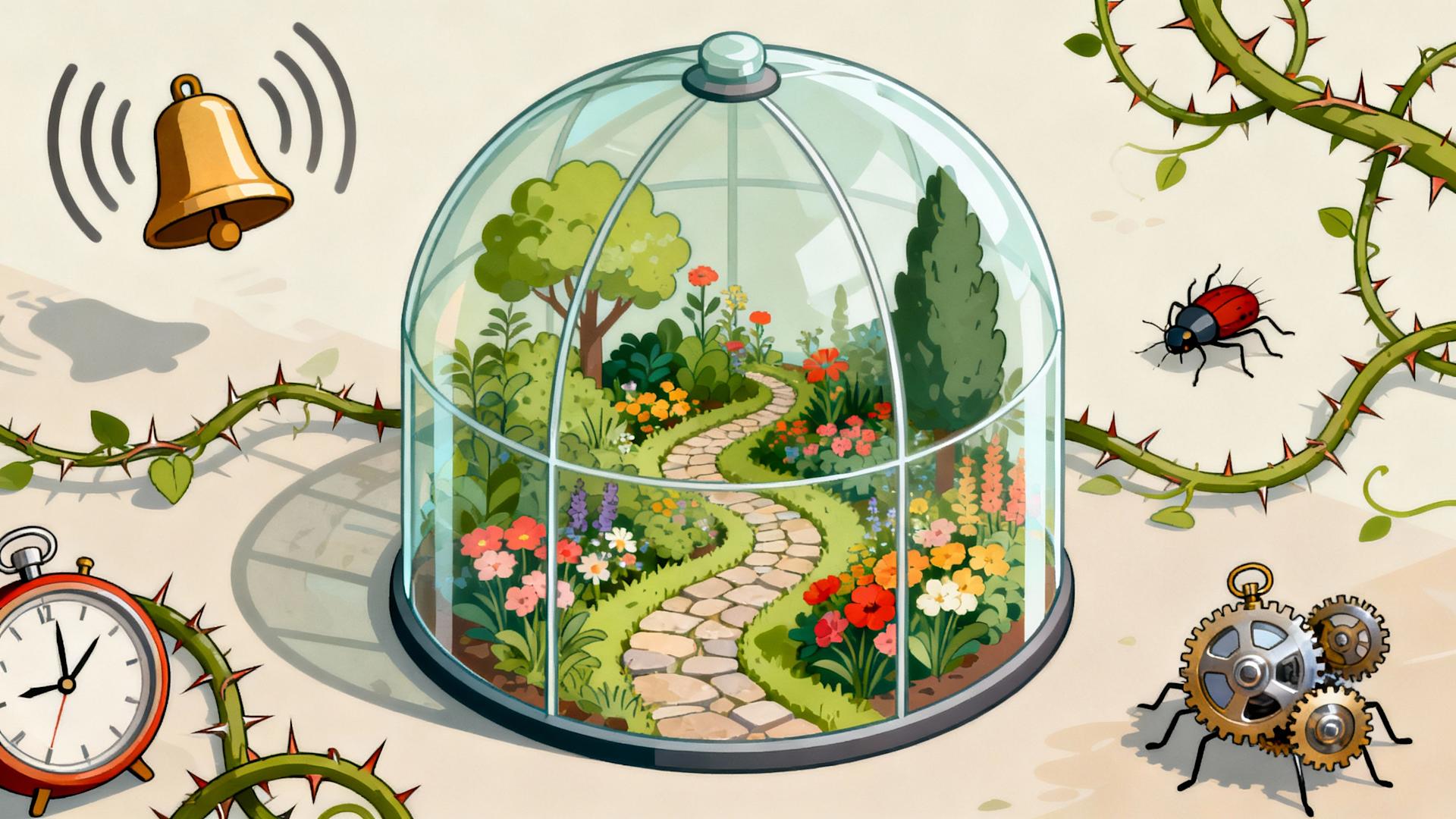
Creating psychological and temporal separation between work and rest enabling recovery.
The work hours definition and enforcement creates necessary boundaries where defining specific work hours (e.g., 9am-5pm Monday-Friday) and actually stopping at end despite temptation to continue, communicating boundaries to audience (response times, availability) managing expectations, physically separating work from personal space (dedicated office or workspace ending work when leaving), turning off notifications and disconnecting from work outside hours, and treating work hours as seriously as you would employment hours. The defined hours prevent work consuming all waking time.
The no-work days and true rest provides essential recovery where taking at least one full day weekly completely away from content and work, protecting weekends or designated days for personal life and relationships, planning genuine vacation time (1-2 weeks every few months) completely disconnecting, not doing "light work" or checking in during rest days (this prevents genuine recovery), and treating rest as essential to productivity not theft from work. The true rest prevents chronic depletion requiring extended burnout recovery.
The boundary communication and audience management enables maintaining limits where being transparent with audience about posting schedule and expectations, explaining breaks or reduced content as normal and healthy not abandonment, not apologizing for reasonable boundaries or rest creating inappropriate guilt, ignoring or limiting audience pressure to post more or work differently, and recognizing that audience respects boundaries communicated confidently. The communication prevents audience dynamics pressuring boundary violation.
The work-life integration versus separation finds optimal balance for your situation where some creators thrive with complete separation (work is work, home is sacred), others prefer integration (flexible work timing, mixing work and life), recognizing neither approach is universally superior, optimal varies by personality and life stage, and experimenting to find what enables your rest, recovery, and life satisfaction. The personalized approach recognizes one-size-fits-all boundary advice doesn't work for everyone.
Strategic Flexibility and Recovery Systems
Building adaptability and recovery capacity into operational model.
The intentional lower-effort content provides flexibility where developing content formats requiring less production effort for use when needed (Q&As, repurposed content, simple formats), scheduling easier content during predictably busy or stressful periods, giving yourself permission to produce simpler content without guilt, recognizing that audience often engages well with simpler authentic content, and using lower-effort content strategically preventing burnout not as permanent solution. The flexibility enables maintaining consistency without unsustainable constant maximal effort.
The acceptable quality range prevents perfectionism paralysis where defining your "good enough" standard that's professional and valuable but doesn't require perfection, recognizing 80% quality at sustainable pace beats 100% quality at unsustainable pace destroying your health, giving yourself permission to publish work that meets good-enough standard even if not perfect, limiting revisions and refinement preventing endless tweaking, and accepting that your harshest critic is yourself, audience often can't tell difference between 85% and 95% quality. The acceptable range prevents perfectionism driving unsustainable workload.
The recovery protocols after high-effort periods restore capacity where planning explicit recovery after intense production sprints or high-effort projects, reducing workload below normal during recovery not returning immediately to regular schedule, prioritizing rest, sleep, exercise, social connection during recovery, potentially publishing buffer content during recovery rather than creating new, and recognizing recovery time as essential to sustainable high performance not weakness. The planned recovery prevents chronic depletion from never truly recovering between high-effort periods.
The channel contingency and break planning enables genuine time off where building substantial content buffer enabling 2-4 week breaks without channel going dark, planning breaks in advance both for yourself and communicating to audience, potentially using guest creators or collaboration content during breaks, having content library or repurposed material for extended breaks, and accepting that taking needed breaks matters more than theoretical algorithmic consequences. The break planning enables actually taking rest when needed.
4. Tools That Reduce Editing Overload
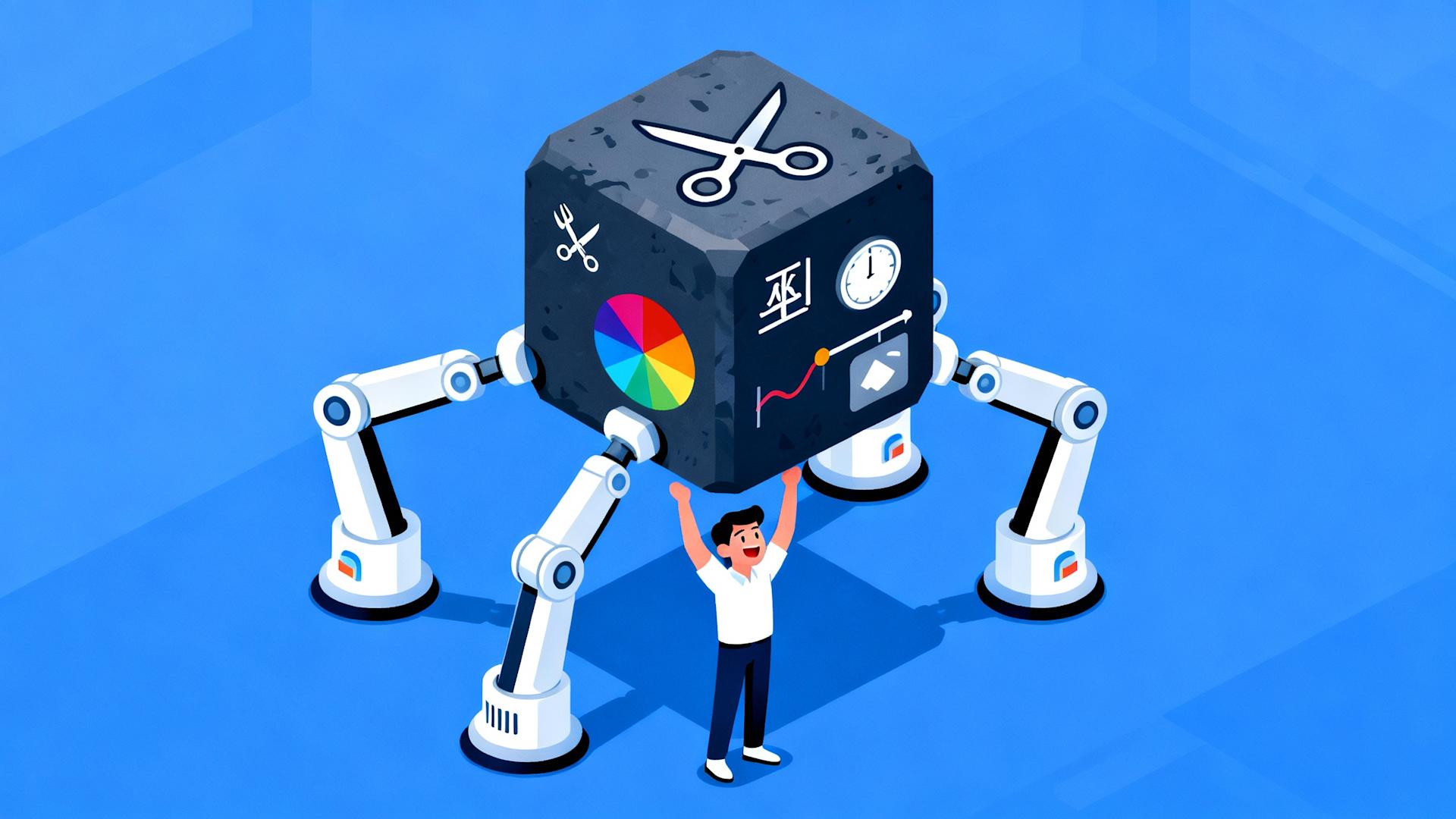
Specific technology and platforms dramatically reducing production burden and time investment.
Clippie AI: Comprehensive Automation for Faceless Content
How AI-powered end-to-end production eliminates editing bottleneck for story videos.
Clippie's complete workflow automation addresses editing overload directly where story text to final video in 5-15 minutes versus 45-90 minutes manual editing, eliminating need for manual video editing skills or time-consuming editing work, automated scene generation, voice synthesis, caption creation, and export optimization, consistent professional quality without requiring perfectionism or extensive refinement, and batch processing enabling creating 10-20 videos in focused session then automated production. The automation eliminates editing as major time consumer and cognitive burden.
The burnout prevention through efficiency Clippie enables shows dramatic impact where 3-6x production efficiency means sustainable daily posting without proportionally increased work, reduced decision-making overhead (templates, presets, automation) prevents decision fatigue, batch production flexibility enables working when you have energy not forcing daily grinding, consistent quality without perfectionism reduces stress and rework, and time saved enables other business activities, rest, or personal life. The efficiency transforms brutal daily grind into sustainable systematic operation.
The sustainable high-volume production model Clippie enables includes producing 50-100+ videos weekly becoming realistic for solo creator with supportive workflow, maintaining quality and consistency across high volume without exhaustion, algorithmic benefits of high posting frequency without proportional human cost, business model enabling profitable operation through volume not just virality, and mental bandwidth for strategy, optimization, community rather than consumed by production. The high-volume capacity shifts competitive positioning while maintaining wellbeing.
The realistic Clippie integration for burnout prevention includes using Clippie for bulk consistent daily content maintaining algorithmic favor, reserving energy for occasional special projects or different formats, accepting "good enough" automation quality rather than perfectionist manual editing, treating time saved as actual free time or rest not opportunity for more work, and recognizing efficiency tool's value is enabling sustainability not just increasing output. The integration uses automation for wellbeing not just productivity maximization.
AI Writing Tools: Reducing Creative Overhead
How AI assistance reduces ideation and scripting burden preventing creative exhaustion.
ChatGPT and language AI for content development reduces creative load where generating story ideas, video concepts, or topic variations from brief prompts, developing complete video scripts or outlines from concepts, overcoming writer's block or creative droughts through AI collaboration, researching and gathering information for content efficiently, and refinement and editing assistance improving drafts quickly. The AI writing reduces hours of ideation and scripting to minutes preventing creative depletion.
The creative collaboration versus replacement shows AI augmenting not replacing where AI generates raw material or options that human curates and refines (you maintain creative control and voice), AI handles mechanical aspects (structure, format, information organization) while human adds insight and personality, overcoming blank page paralysis through AI providing starting points, and enhancing rather than replacing creative work. The augmentation prevents creative exhaustion while maintaining authenticity and quality.
The sustainable ideation practice with AI assistance includes using AI for bulk idea generation then human selecting best concepts, developing frameworks and templates AI can work within maintaining brand consistency, refining AI outputs adding personal voice and unique perspective, and treating AI as creative assistant not creative director. The practice prevents running dry on ideas causing panic and stress.
The writing tools beyond ChatGPT include Jasper, Claude, and others for long-form content or specific tones, specialized tools for headlines, titles, descriptions, grammar and style checking reducing editing burden (Grammarly, Hemingway), and content optimization tools suggesting improvements. The tool ecosystem enables efficient high-quality writing without hours of manual effort.
Video Editing Automation and AI Tools
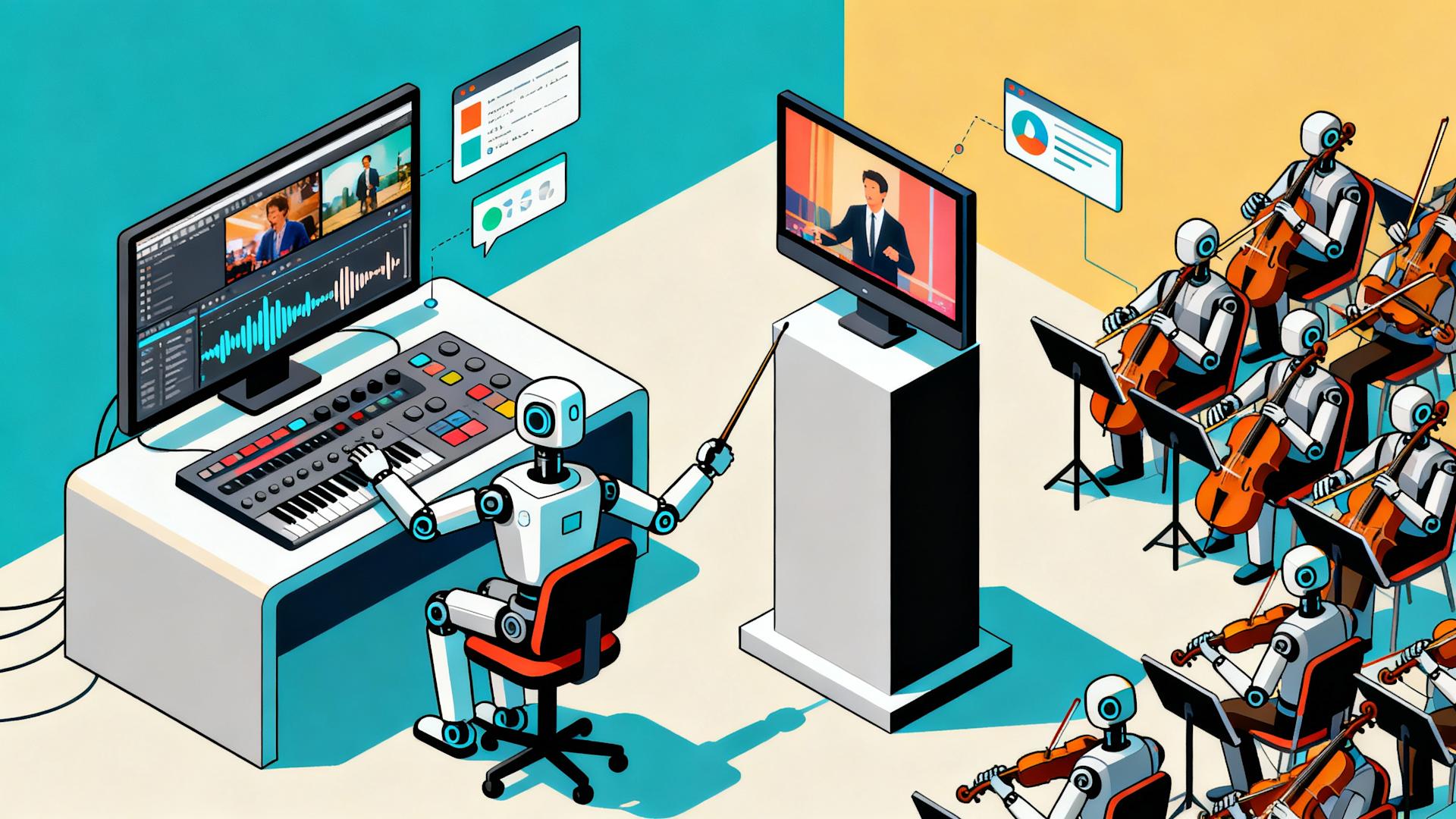
Technology reducing manual editing burden for creators maintaining traditional workflows.
CapCut and mobile-first editing provides accessible efficient editing where AI-powered features (auto-captions, background removal, effects) reduce manual work, template and preset systems enable consistent styling efficiently, mobile editing enabling working flexibly without dedicated editing setup, free access eliminating software cost barrier, and learning curve friendliness for non-editor creators. The accessible automation makes editing less burdensome for beginners.
Descript's text-based editing fundamentally simplifies editing where editing video by editing transcript rather than timeline, automatic transcription and caption generation, removing filler words and silences automatically, overdub AI voice for corrections without re-recording, and dramatically reduced editing time versus traditional timeline editing. The text-based paradigm makes editing accessible and faster for voice-heavy content.
Adobe Premiere and professional tools with AI enhancements show traditional software evolving where AI-powered features (auto-reframe, scene edit detection, speech enhancement) reduce manual work, cloud collaboration enabling team workflows and outsourcing editing, templates and presets systems for efficiency, and comprehensive capability for complex productions. The AI integration makes professional tools faster and more accessible.
The editing delegation and outsourcing removes burden entirely where hiring video editor or editing service (Fiverr, Upwork, specialized services), training editor on your style and requirements through templates and examples, typical cost $50-200 per video depending on complexity and editor rates, calculating ROI where 3-5 hours saved at $25-50/hour personal time value exceeds editing cost, and liberating creative energy for irreplaceable work (being on camera, creative direction). The delegation enables sustainable high-volume production.
Workflow and Productivity Management Tools
Systems organizing and streamlining work reducing cognitive overhead and stress.
Content calendar and planning tools provide structure and reduce decision-making where Notion, Airtable, or spreadsheets organizing content ideas, schedules, and production status, calendar view enabling advance planning and buffer building, reducing daily "what should I create" decision fatigue through planned calendar, tracking production stages preventing tasks falling through cracks, and team coordination if working with others. The planning tools transform chaos into organized systematic operation.
Project management for content production tracks work systematically where Trello, Asana, Monday, or similar tracking content through production stages (idea → script → film → edit → publish), clear status visibility preventing confusion or forgotten tasks, deadline and reminder systems preventing last-minute crunches, template workflows for consistent process, and team assignment and coordination if applicable. The project management reduces mental burden of tracking everything.
Automation and integration tools eliminate repetitive tasks where Zapier or Make connecting tools and automating workflows, automated publishing and scheduling across platforms, analytics aggregation and reporting, social media management tools (Buffer, Hootsuite) for cross-posting and scheduling, and community management tools organizing and filtering engagement. The automation eliminates hours of manual repetitive administrative work.
Time tracking and awareness tools reveal time allocation where RescueTime, Toggl, or similar tracking how time is actually spent, identifying time sinks or inefficiencies in workflow, data-driven decisions about delegation or tool investment, and protecting boundaries by making work hours visible and finite. The awareness prevents time invisibly disappearing into work enabling realistic planning.
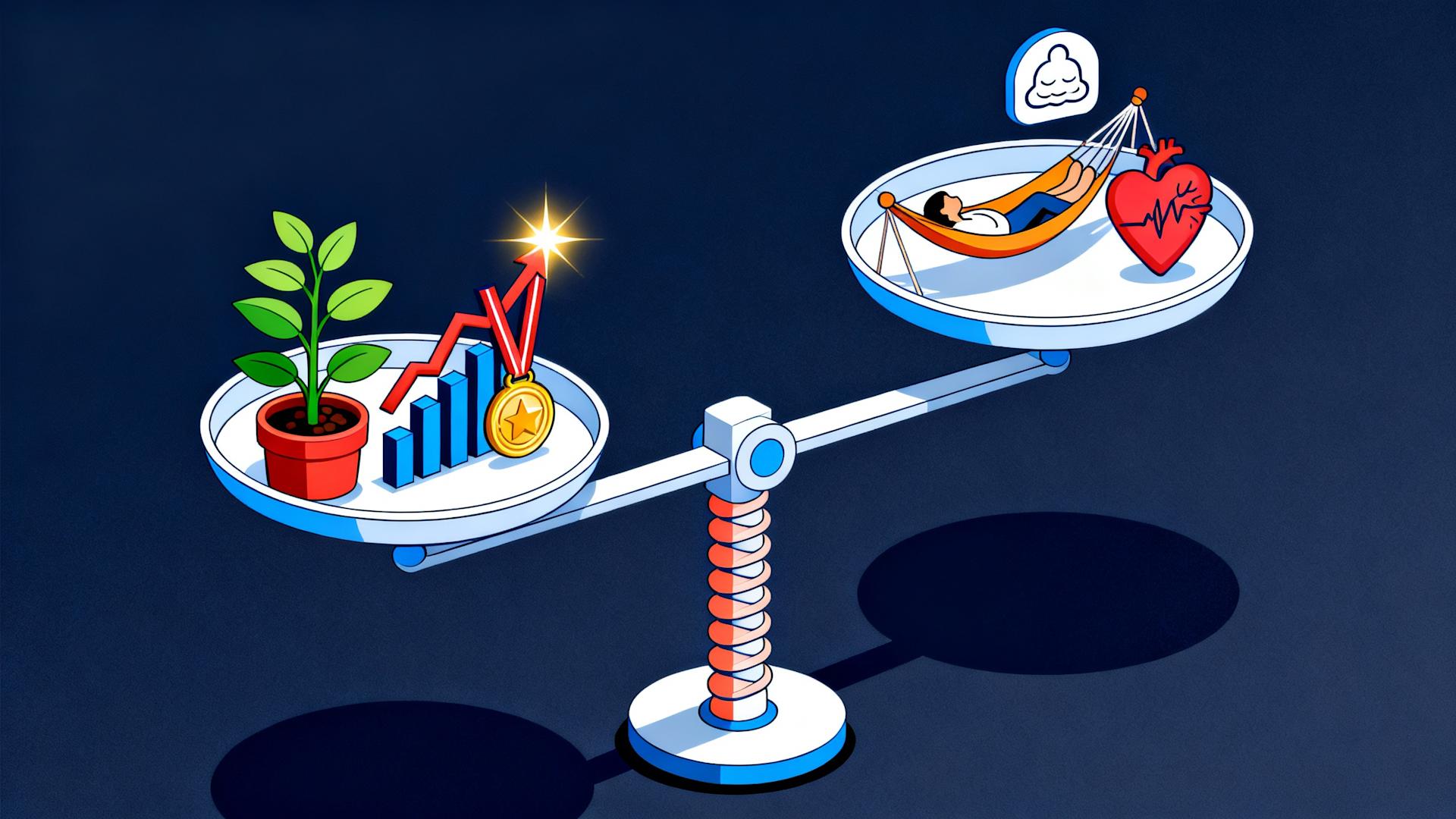
5. Balancing Growth With Mental Health
Strategic approach to business development prioritizing long-term sustainability over short-term metrics.
Redefining Success Beyond Metrics and Growth
Shifting mental models from growth-obsessed to sustainable wellbeing-inclusive success.
The metric obsession trap shows how numbers become dangerously central where constantly checking analytics, subscriber counts, views becomes compulsive behavior, self-worth and emotional state tied to daily or weekly metrics fluctuating based on numbers, catastrophizing about metric declines or failures reaching arbitrary milestones, comparing yourself to others' metrics feeling inadequate regardless of your actual success, and losing perspective that metrics are business data not personal worth indicators. The obsession creates constant anxiety and prevents satisfaction regardless of actual success.
The growth-at-all-costs mentality drives unsustainable decisions where prioritizing growth over health, relationships, or life satisfaction, accepting any sacrifice as necessary for channel growth, perpetual dissatisfaction because there's always someone bigger or growing faster, inability to feel successful or satisfied with current achievements, and never having "enough" subscribers, views, or revenue to feel accomplished. The mentality makes success inherently unattainable creating perpetual stress and striving.
The redefined success framework includes wellbeing and sustainability where success includes physical health, good relationships, life satisfaction beyond work, sustainable enjoyable work that doesn't destroy you, financial stability even if not maximized wealth, creative fulfillment and meaning not just numbers, and positive impact on audience not just large reach. The expanded definition recognizes that channel success destroying your health isn't actually success.
The enough threshold and satisfaction practice enables contentment where defining what "enough" looks like (subscribers, revenue, impact) that would feel satisfying, allowing yourself to feel satisfied and successful when achieving enough rather than constantly raising bar, practicing gratitude for current achievements and situation, periodic intentional reflection on progress and growth rather than focusing only on gaps, and recognizing satisfaction as choice and practice not achievement requiring specific metrics. The satisfaction practice prevents perpetual striving from destroying wellbeing.
Strategic Diversification and Passive Income
Business model design reducing pressure and creating stability enabling wellbeing.
The platform revenue diversification reduces precarity and pressure where developing revenue beyond single platform ad revenue (multi-platform, alternative monetization), sponsorships providing substantial income with less dependence on algorithmic views, digital products (courses, ebooks, templates) providing revenue with less ongoing work, membership or subscription community providing stable recurring revenue, and service offerings (coaching, consulting, speaking) leveraging audience for non-content revenue. The diversification reduces pressure to maximize any single metric or platform.
The passive and semi-passive income development reduces ongoing work pressure where creating evergreen content generating ongoing value (courses, books, tools, resources), affiliate marketing providing ongoing commission from valuable recommendations, automated digital product sales generating revenue without active involvement, library of content continuing to generate views and revenue, and membership community with sustainable management systems. The passive income enables taking breaks without revenue collapse.
The audience value focus versus pure growth shows alternative success path where building smaller deeply engaged community providing more revenue per follower than large disengaged audience, premium positioning enabling charging more for products, services, access, higher-quality audience relationships creating better business opportunities (speaking, partnerships, deals), and community sustainability outlasting algorithmic trends. The value focus reduces pressure to maximize subscriber count accepting smaller higher-value audience.
The longer-term investment approach reduces immediate pressure where building assets and systems providing long-term value not just immediate metrics (evergreen content library, community, brand, skills, relationships), accepting slower growth in exchange for sustainable wellbeing, strategic patience letting compound growth work rather than forcing immediate results, and multi-year perspective recognizing creator business takes years to mature. The long-term view reduces desperate urgency driving unhealthy decisions.
Community, Support, and Professional Help
Building support systems and accessing professional resources for mental health.
The creator community and peer support provides invaluable resources where finding mastermind or accountability groups with fellow creators, sharing struggles and vulnerabilities with people who understand creator challenges, reducing isolation through community connection and belonging, learning from others' experiences and solutions to common problems, and collective advocacy and pressure for better platform policies and norms. The community prevents isolation and provides reality-checking and support.
The professional therapy and coaching addresses mental health systematically where therapist experienced with entrepreneurship, performance, or creative challenges understanding unique stressors, regular therapy providing space processing stress, anxiety, burnout, identity issues, coaching for business strategy, productivity, workflow helping solve practical challenges, and reducing stigma around seeking professional help, it's professional development not weakness. The professional support provides expertise and perspective beyond self-help capacity.
The accountability and support structures create sustainable systems where accountability partner or group ensuring you maintain boundaries and self-care, coach or mentor providing guidance and reality-checking decisions, mastermind group providing business strategy and moral support, and formal commitments and check-ins making boundaries and wellbeing priorities not aspirations. The structures externalize enforcement of important behaviors reducing reliance on exhausted willpower.
The mental health resources and tools support ongoing wellbeing where meditation and mindfulness apps (Headspace, Calm, Insight Timer) for stress management, therapy apps (BetterHelp, Talkspace) for accessible professional support, stress management and relaxation practices (yoga, breathing exercises, progressive relaxation), journaling and reflection practices processing experiences and emotions, and education about burnout, mental health, and creator-specific challenges. The tools and resources enable proactive mental health management.
The Permission Framework and Identity Work
Psychological and identity-level work enabling sustainable creator business.
The permission to be human challenges productivity culture where giving yourself permission to have limits and need rest like all humans, recognizing that sustainable pace beats burnout and abandonment, allowing yourself to prioritize health and wellbeing without guilt, accepting that you don't have to optimize every moment or push maximum always, and treating yourself with compassion and reasonableness you'd show others. The self-compassion enables sustainable decisions rather than self-exploitation.
The identity separation work prevents channel performance dominating self-worth where consciously separating creator identity from complete identity (you're human first, creator second), building identity and self-worth outside content creation (relationships, hobbies, values, character), recognizing channel metrics are business data not personal worth indicators, developing psychological distance from audience feedback and criticism, and maintaining sense of self independent from subscriber counts or views. The identity work prevents channel setbacks from feeling like existential threats.
The enough and abundance mindset replaces scarcity and fear where cultivating belief and trust that you have enough and are enough, shifting from scarcity fear (not enough time, money, success) to abundance trust (enough opportunities exist), recognizing fear and urgency as poor decision-making states, making decisions from abundance and confidence not desperation and fear, and practicing gratitude and satisfaction with current reality. The mindset shift enables making decisions from wellbeing not desperation.
The values and meaning reconnection grounds work in deeper purpose where clarifying core values beyond metrics and money (impact, creativity, freedom, connection), ensuring creative work aligns with values and serves meaningful purpose, reconnecting with why you started and what genuinely matters to you, making decisions based on values alignment not just optimization, and finding meaning beyond external validation or success metrics. The values grounding prevents work becoming empty achievement-chasing losing all meaning.
FAQs
1. I'm already burned out, how do I recover while still maintaining my channel and income?
The burnout recovery while maintaining operations represents challenging situation requiring strategic triage and systematic approach. The immediate crisis management priorities include assessing burnout severity and determining if you need complete work cessation versus reduced load (if having suicidal thoughts, severe health crisis, or complete inability to function, you need immediate complete break and professional help, channel can wait), securing financial safety net enabling recovery (savings, support from family/friends, emergency measures), communicating honestly with audience about needing break or reduced schedule (vulnerability and transparency typically generate support not abandonment), and accessing professional support (therapist, doctor, coach) immediately not waiting. The crisis management prioritizes your survival and health over channel, you can rebuild channel, you can't rebuild health if you destroy it permanently. The strategic content reduction approaches enable maintaining presence without overwhelming burden where reducing posting frequency 50-75% accepting algorithmic consequences (posting twice weekly rather than daily, or weekly rather than three times, maintain presence without previous intensity), using content buffer if you built one, or creating buffer during lucid periods preparing for worse periods, repurposing or reposting old content reducing creation burden (compilation videos, "best of" series, updated republication of top content), bringing in guest creators or collaborators filling gaps or reducing your burden, and using lowest-effort content format you can sustain (Q&As, simple discussions, behind-scenes, unedited or minimally-edited authentic content). The reduced-effort approach maintains channel presence and audience connection while dramatically reducing personal burden. The financial survival strategies during recovery include tapping emergency funds or savings if available accepting channel income may decrease, developing passive or semi-passive income streams requiring minimal ongoing work (courses, digital products, affiliate income), seeking short-term financial support from family, friends, or community if needed and available, considering whether temporary conventional employment providing stable income during recovery makes sense, and recognizing some financial sacrifice may be necessary for health, you can rebuild finances, permanent health damage is irreversible. The prioritization should be health and survival first, then financial stability, then channel growth. The realistic recovery timeline expectations include burnout recovery taking weeks to months, not days, there's no quick fix, requiring sustained behavior change not just "taking a week off", rebuilding capacity gradually rather than returning immediately to previous intensity, accepting performance may be reduced during recovery period, and understanding recovery is investment in long-term sustainability not time lost. The rushed recovery commonly results in relapse making situation worse. The prevention of relapse during recovery includes implementing sustainable workflow changes not returning to burnout-generating patterns once feeling better, addressing root causes (overwork, lack of boundaries, identity fusion) not just symptoms, building recovery practices into ongoing routine not just during crisis, maintaining therapy or professional support through recovery and beyond, and accepting that returning to exact previous workflow will recreate burnout, something must change permanently. The recovery requires lifestyle and business redesign not just rest period. The honest assessment shows many creators resist needed changes hoping to recover while maintaining status quo, this almost never works. True recovery requires accepting that your previous approach wasn't sustainable and committing to different healthier approach even if it means slower growth or reduced income temporarily. Your health and long-term survival matter more than short-term channel metrics, always.
2. How do I know if I should take a break, reduce content, or completely quit?
The break-versus-quit decision requires honest self-assessment and understanding of different intervention levels. The break indicators suggesting temporary cessation followed by return include experiencing clear burnout symptoms but still having underlying love for creative work, temporary life circumstances creating unsustainable situation (illness, family crisis, major life transition), recent changes or intensification making work suddenly unsustainable (schedule increase, new obligations), and belief that structured break and workflow redesign could restore sustainability. The break serves creators who fundamentally want to continue but current approach is unsustainable. The break structure and duration considerations include minimum 2-4 weeks for meaningful recovery and perspective (one week rarely provides sufficient restoration), longer breaks (2-3 months) for severe burnout requiring deeper recovery, planned break with clear return date versus indefinite break risking never returning, communicating break clearly to audience with return timeline, and using break to genuinely rest and redesign workflow not just creating backlog. The effective break requires truly stepping away and recovering, not just shifting to different work. The content reduction indicators suggesting sustainable continuation with modification include burnout early stages where intervention can prevent crisis, willingness and ability to reduce posting frequency or content complexity substantially, financial ability to sustain channel on reduced output and revenue, and specific identifiable workflow changes making continuation sustainable. The reduction serves creators who can maintain channel healthily at lower intensity. The reduction implementation approaches include cutting posting frequency 50-70% (daily to 2-3 weekly, or three times weekly to once weekly), simplifying format dramatically removing high-effort elements, batching and systematizing production using efficiency tools dramatically, delegating or outsourcing major burdens like editing, and accepting reduced growth or metrics as tradeoff for sustainability. The reduction requires actually implementing and maintaining changes, not just intending to reduce while gradually returning to previous intensity. The quitting indicators suggesting permanent or extended cessation include complete loss of interest or passion for content creation with no underlying desire to continue, creative work causing or exacerbating serious mental or physical health problems, fundamental incompatibility between your personality/needs and creator work demands, inability to achieve financial sustainability despite sustained effort, and better opportunities or life paths becoming clear through creator experience. The quitting serves people for whom creator career simply isn't good fit or right path. The quitting approaches and considerations include planned transition reducing content gradually while developing alternative income/career, clear communication with audience about decision (honesty typically generates support and understanding), maintaining ownership and rights to content and channel enabling potential return if desired later, extracting lessons and value from experience applying to future work, and recognizing quitting isn't failure, it's mature decision prioritizing wellbeing and optimal life path. The quitting stigma often prevents people making healthy decision to leave unsustainable situation. The decision framework for discerning appropriate path includes if you have underlying passion/love for creative work but are just burned out → break or reduction, if specific identifiable changes would make work sustainable → reduction, if you've lost all interest or work is causing serious harm → quitting probably appropriate, if uncertain → try break or significant reduction first assessing whether desire to continue emerges with rest. The decision requires brutal honesty with yourself about whether you actually want to continue creating or feel obligated by sunk cost, audience, income, or identity. The permission framework includes permission to take needed breaks prioritizing health over channel, permission to dramatically reduce output and ambition if that's what's sustainable for you, permission to quit if content creation isn't right fit, your wellbeing matters more than channel, and recognition that you're not trapped, you always have agency to make different choices about your life and work. The creator work is choice, not obligation or identity, if it's not serving you, you can change the relationship or leave entirely. Many creators continue far too long in unsustainable situations due to perceived lack of alternatives or permission to make different choices.
3. How do I set boundaries with my audience without feeling guilty or losing their support?
The audience boundary setting challenge involves navigating parasocial relationship dynamics and managing guilt about disappointing people. The boundary necessity recognition shows creator-audience relationship requires limits where audience doesn't have right to unlimited access to your time, energy, and life, maintaining boundaries enables sustainable long-term creator career that serves audience better than burnout and abandonment, boundaries aren't selfishness, they're necessary for your health and capacity to create value, and audiences generally respect and support reasonable boundaries when communicated clearly and confidently. The boundary myths to dispel include that real creators don't need boundaries or can handle unlimited audience demands (false, everyone has limits), that setting boundaries will cause audience to leave or stop supporting you (usually false, audiences respect creators who model healthy behavior), that you owe audience constant availability and immediate responses (false, you owe content quality and consistency within reasonable limits, not personal relationship), and that saying no or limiting access is letting people down (false, maintaining capacity to show up long-term serves audience better than burning out trying to meet everyone's requests). The common necessary boundaries include work hours and response times (you're not available 24/7, responses come during business hours), communication channels and limits (email only, no DMs, contact form with expected response time), personal information and privacy protection (family, location, detailed personal life stays private), content demands and requests (you choose content based on strategy, not individual requests), and meeting or call requests (limited availability, clear process for considerations). The boundaries protect your energy, privacy, and autonomy. The communication approach for boundaries includes clarity and directness rather than apologizing or over-explaining ("I respond to messages Monday-Friday during business hours" rather than "I'm so sorry but I'm really busy and can't always respond immediately..."), confidence and matter-of-factness conveying these are normal professional boundaries not negotiable personal preferences, providing reasoning where appropriate but not requiring audience approval or permission, communicating proactively before boundaries are violated rather than reactively after problems, and consistency in enforcement showing these are real policies not flexible suggestions. The confident communication reduces pushback and increases compliance. The guilt management strategies address emotional difficulty of boundaries where recognizing guilt as trained response to prioritizing yourself, not signal you're doing something wrong, reframing boundaries as enabling better long-term service to audience (healthy creator produces better content consistently than burned-out creator), challenging obligation feelings, audience chose to follow you, you don't owe them unlimited access or accommodation, considering whether you'd expect same unlimited availability from others (probably not, your standards for yourself are likely unfairly harsh), and building tolerance for disappointing some people sometimes, impossible to please everyone, and attempting to causes burnout. The guilt feelings decrease with practice as you experience that boundaries don't destroy relationships. The positive boundary modeling shows most audiences respond well where many audience members respect boundaries and appreciate creator modeling healthy behavior, supporters often explicitly encourage boundaries when you communicate needs, pushback usually comes from small entitled minority not representative of overall audience, and maintaining boundaries attracts and retains emotionally healthy audience members while entitled demanding people often leave, improving overall community quality. The boundary enforcement improves audience quality and relationships. The specific boundary scripts and examples include response time boundary: "I respond to messages on weekdays during business hours. Thanks for your patience!", content request boundary: "Thanks for the suggestion! I plan content based on overall strategy but appreciate your input.", personal information boundary: "I keep my family/location/personal details private. Thanks for understanding!", meeting request boundary: "I have very limited availability for calls. Please use this contact form if you'd like to discuss potential collaboration.", and DM boundary: "I don't monitor DMs. Please email [address] for all inquiries." The clear scripts enable consistent boundary communication. The realistic expectations include some people will push back, feel entitled, or be disappointed, this is normal and okay, vast majority of audience will respect boundaries without issue, relationships with respectful audience members often improve with clear boundaries, initial discomfort and guilt decreases substantially with practice and experience, and maintaining boundaries gets easier over time as you build confidence and experience positive results. The boundary setting is skill developed through practice, not personality trait you either have or don't.
4. What if my entire identity and self-worth are tied to my channel, how do I separate them?
The identity fusion challenge represents deep psychological pattern requiring sustained intentional work to address. The identity fusion recognition shows problematic attachment where channel performance (views, subscribers, engagement) directly determines your mood and self-esteem, criticism or negative feedback feels like personal attack not business feedback, channel setbacks feel like existential threats or personal failures, difficulty describing yourself or your value outside creator identity, and imagining life without channel feels impossible or worthless. The fusion creates vulnerability where business fluctuations become psychological crises. The identity fusion causes include passion and investment making work feel like extension of self, public nature of content meaning work and personal identity are visibly connected, lack of separate identity development outside work, audience validation and attention meeting psychological needs, and gradual process of self and work merging as creator role consumes time and energy. The fusion typically develops gradually not intentionally. The consequences of identity fusion show why separation matters where business setbacks cause disproportionate emotional distress and mental health impacts, inability to maintain boundaries or reduce work because work feels like your entire self, difficulty making business decisions objectively when everything feels personal, vulnerability to audience opinion and feedback determining self-worth, and extreme difficulty recovering from burnout or setbacks because they feel like identity threats. The fusion creates emotional instability and prevents healthy business decisions. The identity separation work requires sustained intentional practice including deliberately cultivating identity elements outside content creation (relationships, hobbies, values, character traits, non-creator communities), building self-worth foundation based on inherent human worth not achievement or performance, practicing describing yourself without mentioning creator work or accomplishments, spending substantial time and energy on non-creator activities and relationships, and working with therapist specifically on identity issues and self-worth. The separation is therapeutic work not quick fix. The practical identity expansion approaches include weekly dedicated time for non-creator identity activities (hobbies, volunteering, learning, friendships), developing expertise or involvement in completely separate areas from content niche, building and maintaining relationships outside creator community or industry, defining core values and character traits independent of creator work, and creating life goals and meaning beyond channel metrics or creator success. The expansion requires protecting time and energy for non-creator identity development. The reframing channel relationship toward healthy perspective includes channel as business project you operate, not essential aspect of your identity, metrics as business data providing feedback, not personal worth indicators, audience feedback as customer input to evaluate objectively, not validation or rejection of you as person, channel success or failure as business outcomes, not identity or worth indicators, and creator role as job or career you do, not who you are as person. The reframing enables psychological distance and objectivity. The self-worth rebuilding on healthy foundation includes recognizing inherent human worth independent of achievement or production, identifying worth based on character, relationships, values, growth (things under your control), building self-compassion and self-acceptance not contingent on performance, celebrating process and effort not just outcomes and metrics, and developing sense of enough, you're enough as you are, not contingent on achieving some threshold. The work is therapeutic journey often requiring professional support. The realistic timeline and expectations include identity separation being deep psychological work taking months or years, not quick fix, requiring sustained practice and usually therapeutic support, and accepting setbacks and struggles as normal part of process. The work is worthwhile investment in psychological health and stability enabling sustainable creator career and overall wellbeing. Many creators resist this work because identity fusion feels motivating initially, desperation driving extraordinary effort. However, the long-term cost (emotional instability, burnout vulnerability, inability to separate from work) far exceeds short-term performance benefits. The separated identity enables more sustainable motivated high performance without psychological destruction, you can care deeply and work effectively while maintaining healthy identity boundaries.
5. Are there certain creator niches or content types more prone to burnout than others?
The burnout susceptibility varies significantly by content type and niche due to different structural demands and psychological factors. The high-burnout-risk content types include daily news or commentary requiring constant current event monitoring and immediate response creating constant pressure without breaks, highly edited entertainment or production-heavy content consuming 8-20+ hours per video making high frequency unsustainable, personality or personal content deriving value from creator's authentic sharing creating privacy erosion and emotional exhaustion, controversial or political content inviting harassment, threats, and emotional toll of constant conflict, and tutorial or educational content requiring extensive research, preparation, accuracy creating perfectionism pressure. These formats combine high production demands with psychological exhaustion factors. The moderate-burnout-risk formats include variety or multi-format content requiring diverse skills and constant creativity preventing systematization, collaboration-dependent content requiring coordination with others reducing control and flexibility, production-intensive gaming or technical content demanding equipment, setup, technical skill, and consistent quality, and reaction or review content requiring consuming substantial external content staying current. These formats have significant demands but more manageable than highest-risk categories. The lower-burnout-risk formats include evergreen educational content that remains valuable indefinitely reducing pressure for constant new creation, automated or partially-automated content (faceless videos, compilation, narration-based) dramatically reducing production burden, commentary or analysis on slower-moving topics not requiring daily updates, and interview or conversation formats where guests provide content reducing solo creation burden. These formats enable more sustainable production volumes. The niche-specific considerations beyond format show some niches culturally normalize unsustainable practices where productivity and hustle culture spaces ironically often drive creator burnout through unrealistic expectations, beauty and lifestyle content creating pressure for expensive production and constant perfection, gaming content's culture of marathon streaming sessions and constant availability, and finance content's pressure for continuous market monitoring and immediate response. The niche culture affects sustainable practices. The audience demographic and expectations affect burnout where younger audiences (teens, early twenties) expect more frequent content and rapid response, parasocial relationship intensity varies by content type (personality and lifestyle creating stronger parasocial bonds than faceless educational), audience entitlement levels and demands vary by niche and cultivation, and community management burden scales with audience size and toxicity level. The audience factors compound or reduce burnout independent of production demands. The business model and monetization affects sustainability where ad-revenue-dependent content requiring high volume for income drives unsustainable posting, sponsorship-dependent content creating pressure to maintain metrics and growth, service or product-based monetization potentially reducing content production pressure, and diversified revenue enabling sustainable content approach rather than pure algorithmic optimization. The business model determines whether sustainable content volume is financially viable. The strategic niche and format selection for sustainability includes choosing formats matching your natural energy and skills rather than forcing yourself into exhausting content types, selecting niches with reasonable production demands enabling desired posting frequency, considering lifestyle and schedule compatibility (daily content incompatible with demanding job or family obligations), and building content approach where quality and value don't require unsustainable effort or production complexity. The intentional selection prevents accidentally choosing inherently unsustainable approach. The format adaptation toward sustainability includes simplifying production by removing unnecessary complexity not adding proportional value, developing evergreen content library supplementing current content reducing constant new creation pressure, incorporating lower-effort formats periodically enabling sustainable overall workflow, and being willing to pivot format or niche if current approach proving unsustainable despite best efforts. The adaptation enables finding sustainable approach rather than abandoning altogether. The honest assessment requires acknowledging if you're in inherently high-burnout format or niche and making intentional sustainability choices, accepting certain formats may simply be incompatible with high-frequency posting at sustainable level, recognizing success is possible in any niche with appropriate workflow and boundaries, and sometimes pivoting to more sustainable format or niche being wisest long-term decision. Your long-term health and sustainability should inform niche and format selection, not just growth potential or current trends.
6. How can I tell if my tools and workflow are the problem versus my personal habits or psychology?
The workflow-versus-personal-factors distinction requires systematic assessment isolating different burnout contributors. The workflow and tool assessment questions include: Are you spending disproportionate time on production relative to content value created? (8 hours editing creating video that could be 90% quality in 2 hours suggests workflow problem), Are you doing manually what could be automated or delegated? (manual editing, caption creation, publishing tasks that automation handles), Are you recreating everything from scratch rather than using templates and systems? (each video being completely custom rather than systematized approach), Do you have efficient tools for your content type and volume? (manual editing for high-volume channel, expensive tools with unused features), and Is your production bottleneck technical/mechanical rather than creative? (editing taking hours vs. ideation taking hours). The workflow problems are systematic and affect everyone doing similar work, they're not personal to you. The personal habit and psychology assessment questions include: Are you perfectionist unable to accept good-enough and constantly over-refining? (personal trait not workflow issue), Do you have difficulty maintaining boundaries between work and personal time? (behavioral pattern not technical workflow), Are you emotionally dependent on metrics with self-worth tied to performance? (psychological pattern not workflow), Do you feel compelled to constantly check analytics, comments, metrics? (compulsive behavior not workflow necessity), and Do you struggle saying no to opportunities or requests even when overloaded? (boundaries issue not workflow). The personal factors affect you specifically based on your psychology and habits. The combined contributors requiring both solutions include workflow demanding unsustainable hours AND your inability to set boundaries (workflow enables overwork, psychology drives actualizing it), perfectionism applied to inefficient workflow creating exponential time waste (both perfectionism and workflow need addressing), and anxiety/obsession about metrics from platforms with engagement-optimized algorithms (algorithms exploit psychological vulnerability). The interaction effects compound problems. The systematic diagnosis approach includes tracking time spent on different activities for 1-2 weeks revealing where time actually goes (often surprises you, time invisibly consumed by inefficiency or compulsive behavior), comparing your workflow and time to others creating similar content (if you take 3x time as others, workflow problem likely), examining whether changing tools or process would address problem (if yes, workflow; if no, personal), and assessing whether problems persist across different projects and contexts (if yes, personal pattern; if content-specific, workflow). The diagnosis reveals intervention points. The workflow intervention approaches include investing in automation and efficiency tools dramatically reducing production time (Clippie for faceless content, editing software for traditional), developing templates, presets, and systematic approaches eliminating redundant decisions and work, delegating or outsourcing technical tasks (editing, thumbnails, publishing, community management), and learning workflow optimization and productivity specifically for content creation. The workflow improvements reduce objective time and effort requirements making sustainability more achievable. The personal habit and psychology intervention approaches include working with therapist or coach on perfectionism, boundaries, self-worth issues (professional help for deep patterns), implementing specific behavior changes (defined work hours, checking analytics only specific times, saying no practice), developing mindfulness and awareness practices catching yourself in problematic patterns, and building self-compassion and acceptance of good-enough reducing perfectionism. The personal work addresses psychological drivers of burnout. The integrated approach addressing both simultaneously includes improving workflow efficiency AND maintaining boundaries with recovered time (preventing efficiency gains just enabling more work), using tools AND working on perfectionism (preventing efficiency gains being lost to over-refinement), and building better systems AND addressing emotional dependence on metrics (systematic workflow reducing anxiety while therapy addresses root causes). The combined approach produces best results. The realistic expectation includes both workflow and personal factors likely contributing, most burnout results from interaction, workflow improvements provide immediate relief and enable personal work (hard to work on perfectionism while drowning in necessary work), personal work creates lasting change enabling maintaining improvements (without addressing perfectionism, better tools just enable different expression of same problem), and both require sustained attention, neither is one-time fix providing permanent solution. The ongoing work addresses burnout systematically across both dimensions.
7. Is it possible to build a successful creator business without risking burnout, or is it inevitable?
The sustainability question challenges the assumption that burnout is necessary cost of creator success. The burnout-is-inevitable myth comes from observing many successful creators experiencing burnout and assuming causation (success causes burnout), survivorship bias, we see survivors and attribute their success to approaches that include unhealthy practices, and cultural narratives glorifying hustle, grind, and sacrifice for success. However, correlation doesn't equal causation and many paths exist to success. The evidence that sustainable success is possible includes creators maintaining successful channels 5-10+ years without burnout through sustainable practices, research showing sustainable approaches often produce better long-term results than unsustainable sprints, and creators explicitly building success around wellness and boundaries achieving substantial success. The existence proofs show sustainability is achievable. The key sustainability factors enabling burnout-free success include realistic capacity planning matching workflow to actual human limits not algorithmic demands, systematic efficiency through tools, automation, templates, delegation making high-quality output achievable in reasonable time, strong boundaries protecting recovery time, relationships, health from work invasion, diversified business model reducing dependence on single platform or metric and pressure to optimize algorithmically, and psychological health practices including therapy, identity work, stress management preventing cumulative damage. The protective factors enable sustainable high performance. The common misconceptions about success and sacrifice include believing success requires sacrificing health, relationships, wellbeing (false, success built on these sacrifices often collapses), thinking sustainable pace means mediocrity or lack of ambition (false, sustainable high performance beats unsustainable sprints long-term), assuming visible successful creators' public image represents their full reality (false, many hide struggles and eventual burnout), and believing you must outwork competitors regardless of personal cost (false, strategic efficiency and sustainability create competitive advantages). The myths justify unhealthy approaches as necessary. The sustainable success case studies show examples of creators who've explicitly prioritized sustainability include those who post less frequently but maintain consistency indefinitely (quality and reliability over volume), who use automation and efficiency tools working smart rather than just hard (Clippie, AI tools, delegation), who maintain strict boundaries and work hours treating creation as job not life, who diversify revenue reducing algorithmic dependence and pressure, and who publicly share sustainable approach modeling health for creator community. The examples prove alternative paths exist. The strategic advantages of sustainable approach show long-term benefits where sustained operation 5-10 years compounds advantages over burn-and-crash competitors, quality and consistency possible when not exhausted produces better long-term audience loyalty, avoiding catastrophic burnout prevents having to rebuild after collapse, and sustainable creators able to capitalize on opportunities requiring sustained energy and capacity. The sustainability isn't just ethical choice, it's strategic competitive advantage. The lifestyle and satisfaction benefits beyond just business show sustainable creators report higher life satisfaction and wellbeing, maintain better relationships and social connections, have physical and mental health supporting longevity, feel more creative and inspired when not depleted, and enjoy their work rather than resenting it. The psychological and personal benefits make success actually worth achieving. The realistic path includes accepting sustainable growth may be slower initially (posting 3x weekly vs daily might mean slower initial growth), but longer-term health enables compounding advantages (5 years vs. burning out after 18 months), recognizing you're building business and life, not just chasing metrics, sustainability enables both, being willing to make decisions others won't (reducing output, maintaining boundaries, investing in efficiency) for long-term success, and measuring success by sustainability and satisfaction not just metrics or comparison to others. The sustainable path requires different definition of success. The permission framework includes permission to build success your way, on your timeline, with your boundaries, not comparing to others' unsustainable approaches, permission to prioritize health and wellbeing as primary success factors, if channel succeeds but destroys you, that's not success, permission to reject hustle culture and grind mentality, they're cultural narratives not requirements for success, and recognition that you have agency to design creator business serving your life rather than consuming it. The sustainable creator business is absolutely possible, it requires intentional design, boundary enforcement, and willingness to define success including wellbeing not just metrics. Thousands of creators are proving sustainable success is achievable, you can be one of them.
Conclusion
The creator burnout epidemic represents neither inevitable consequence of building successful content business nor personal weakness or failure among those who experience it, rather, it results from specific systematic structural problems in how creator businesses are typically designed, operated, and culturally normalized that can be identified, addressed, and prevented through deliberate intervention prioritizing long-term sustainability alongside growth and revenue. The comprehensive framework provided in this guide, from understanding why burnout happens so frequently through recognizing early warning signs, redesigning workflows toward sustainability, leveraging automation and efficiency tools, and restructuring business models balancing growth with mental health, equips creators with complete systematic approach to building creator businesses that sustain rather than destroy the humans operating them.
The structural analysis reveals creator burnout stems from identifiable systemic factors including algorithmic pressure for unsustainable posting frequency rewarding volume over sustainability, revenue instability creating financial anxiety preventing appropriate boundaries, isolation and lack of organizational support leaving creators without workplace protections or professional norms, identity fusion and passion exploitation enabling psychological vulnerability and self-exploitation, and workflow inefficiency forcing manual daily production grinding consuming 40-60+ hours weekly. These structural factors systematically produce burnout across creator population, they're not individual psychological weaknesses but predictable consequences of how creator economy currently operates.
The early warning sign recognition enables intervention before catastrophic crisis where physical symptoms (chronic fatigue, sleep disruption, stress-related illness, self-care neglect), emotional depletion (numbness, anxiety, irritability, meaning loss), creative bankruptcy (idea generation difficulty, quality decline, avoidance, joy loss), and social deterioration (withdrawal, relationship conflict, boundary erosion, audience exhaustion) provide clear signals that current approach is unsustainable requiring immediate intervention. The early detection prevents progression to crisis requiring extended recovery or permanent channel abandonment, recognizing burnout at early stages enables course correction while still maintaining channel operations and preventing catastrophic outcomes.
The sustainable workflow design provides concrete systematic solutions preventing burnout structurally through realistic capacity planning matching production to actual human capacity not algorithmic demands, strategic buffer and flexibility protecting against disruptions and providing recovery capacity, batching and automation reducing daily effort through systematic efficiency improvements (Clippie enabling 3-6x production efficiency for faceless content), boundaries and work hours creating necessary separation between work and recovery, and delegation and outsourcing removing burdens from your plate enabling focus on irreplaceable creative work. The workflow redesign eliminates structural burnout causes enabling sustainable high-quality production indefinitely.
The tool and automation integration dramatically reduces production burden where Clippie AI specifically addresses editing overload through 5-15 minute video production versus 45-90 minutes manual workflow eliminating major burnout contributor, AI writing tools reduce creative overhead and prevent ideation exhaustion, video editing automation and delegation removes technical production burden, and workflow management systems organize and streamline work reducing cognitive load and stress. The strategic tool integration transforms brutal grinding workflow into efficient sustainable operation enabling competitive output volumes without proportional human cost.
The psychological and business model work addresses deeper sustainability factors through redefining success beyond pure metrics including wellbeing and life satisfaction, diversifying revenue and developing passive income reducing pressure and creating stability, building community and accessing professional support addressing isolation and providing expertise, and conducting identity work separating self-worth from channel performance preventing business fluctuations from becoming psychological crises. The deeper work creates psychological resilience and business structures enabling long-term sustainable success.
Your Burnout Prevention and Recovery Action Plan
Begin immediately protecting your health and building sustainable creator business:
Immediate assessment (this week) - Honestly evaluate current burnout status using warning signs in this guide, track actual time and energy invested in content creation revealing reality versus perception, identify highest-burden workflow elements creating most stress and exhaustion, assess boundaries and work-life integration revealing where work invades life unsustainably, and determine whether you need immediate crisis intervention or preventive action.
Crisis intervention if needed (immediate if severe burnout) - Seek professional help (therapist, doctor) immediately if experiencing severe symptoms, take complete break of 2-4+ weeks if burnout is severe enabling genuine recovery, communicate honestly with audience about needing break for health, secure financial safety net through savings, support, or emergency measures, and focus entirely on recovery not content production, channel can wait, your health cannot.
Workflow redesign (weeks 1-4) - Implement realistic production calendar matching actual sustainable capacity, integrate efficiency tools dramatically reducing production burden (Clippie for faceless content creators reducing editing from hours to minutes), develop templates and systematic approaches eliminating redundant decisions and work, establish clear work hours and boundaries protecting recovery time, and build content buffer creating resilience and reducing daily urgency.
Psychological and lifestyle integration (weeks 4-12) - Begin therapy or coaching addressing burnout root causes and developing sustainable approaches, practice boundary setting and enforcement learning to protect capacity and prioritize wellbeing, develop identity outside content creation building self-worth beyond channel metrics, implement physical health fundamentals (consistent sleep schedule, regular exercise, nutritious eating), and build or strengthen social connections and relationships preventing isolation.
Business model restructuring (months 3-6) - Diversify revenue beyond single platform ad revenue reducing algorithmic dependence, develop passive or semi-passive income streams enabling sustainable operation, consider delegation or team building if growing beyond sustainable solo capacity, implement strategic flexibility and recovery systems building rest into business model, and adopt long-term sustainable growth perspective over short-term metric optimization.
Ongoing maintenance and evolution (continuous) - Monitor warning signs catching any burnout symptoms early enabling intervention, maintain boundaries and sustainable workflows preventing gradual erosion, continue therapy or professional support as ongoing practice not just crisis response, regularly reassess and adjust approach as channel grows and life circumstances change, and stay connected with creator community providing support and reducing isolation.
Clippie AI specifically addresses major burnout contributor for faceless content creators through comprehensive automation eliminating 45-90 minute manual editing burden, enabling 5-15 minute professional video production reducing daily production time 70-85%, supporting sustainable high-volume posting maintaining algorithmic favor without unsustainable daily grinding, providing batch processing capability producing 10-20+ videos in focused sessions, and creating workflow enabling competitive output while protecting mental health and preventing exhaustion.
Start Your Free Clippie Trial Now and experience the dramatic efficiency improvement enabling sustainable content creation without burnout, producing professional videos in 5-15 minutes versus 45-90 minutes manual workflow, maintaining competitive posting frequency without sacrificing health and wellbeing, and building creator business that sustains rather than destroys you. Your sustainable creator business, the long-term success it enables, and the health and happiness that make success worthwhile start with the burnout prevention commitment and workflow transformation you implement today.
Related Blog Posts
1. The Complete Content Calendar Guide: Planning Sustainable Systematic Production: Comprehensive framework for content planning and systematic production including capacity-based calendar design preventing overcommitment, buffer building and strategic flexibility protecting against burnout, workflow systematization through templates and frameworks, and balancing consistency with sustainability for long-term channel success without creator destruction.
2. Scaling Your Creator Business Without Scaling Your Hours: Automation and Delegation Strategies: Business development guide for growth beyond solo operation including strategic automation identifying highest-value automation opportunities, delegation and team building approaches enabling scaling without proportional time investment, passive and semi-passive income development reducing ongoing work requirements, and systems and processes creating sustainable scaled operations supporting wellbeing alongside growth.
3. The Psychology of Sustainable Creative Work: Building Identity and Meaning Beyond Metrics: Deep psychological exploration of creator mental health including identity work separating self-worth from channel performance, meaning and values reconnection grounding work in deeper purpose, community and relationship building preventing isolation and providing support, and professional mental health resources addressing creator-specific psychological challenges enabling sustainable fulfilling creative careers.
Make an AI story video
Write a script or let AI write one. Clippie turns it into a narrated video with AI scenes, voiceover and captions.
Read more

How to Make Top 5 Ranking Videos in 2026 (Step-by-Step)
Build ranking Shorts that can still earn: pick a debatable topic, set clear criteria, source clips you may use, script the countdown, add your commentary.
How to Create Short-Form Videos Using AI: 8 Steps (2026)
A beginner workflow for AI videos on TikTok, Reels and Shorts: pick a format, script a hook, add visuals, voice and captions, export at 9:16, label AI.
7 Free CapCut Alternatives for Short-Form Video (2026)
Compare Edits, YouTube Create, VN, Clipchamp, Canva, DaVinci Resolve and Shotcut: what each gives free users, what it caps first and where it falls short.