
How to Build a 30-Day Content Challenge for Yourself
Master 30-day content challenges for explosive creator growth. Psychology of challenges, theme selection, daily task planning, growth tracking, content recycling, and sustainable success strategies.

The 30-day content challenge phenomenon sweeping creator communities represents far more than arbitrary self-imposed deadline or productivity trend, it serves as sophisticated psychological and strategic framework leveraging habit formation science, public accountability dynamics, and compressed learning curves to accelerate creator growth achieving in single focused month what typically requires 6-12 months of sporadic unfocused effort, with successful challenge execution creating compound benefits including substantial content library (30+ high-quality pieces), measurable audience growth (typically 20-200% follower increase), dramatic skill improvement through intensive daily practice, sustainable habit formation transcending challenge timeframe, and psychological momentum propelling continued long-term success. The concentrated focused effort combined with systematic approach transforms challenges from exhausting unsustainable sprints into strategic catalysts for permanent capability development and growth trajectory shifts.
Yet most creators approaching 30-day challenges naively without understanding psychological mechanisms driving success or failure, choosing arbitrary themes without strategic alignment to growth objectives, planning unrealistic daily tasks guaranteeing burnout and abandonment, neglecting systematic tracking preventing learning and optimization, and failing to leverage challenge output after completion wasting extraordinary concentrated effort. The gap between successful transformative challenges and abandoned failed attempts stems not from willpower or talent differences but from strategic framework understanding what makes challenges work, how to design sustainable yet ambitious plans, systematic execution and tracking approaches, and post-challenge integration maintaining momentum while preventing burnout, transforming challenges from random experiments into strategic growth accelerators with predictable success patterns and measurable outcomes.
This comprehensive strategic framework provides complete roadmap for designing and executing successful 30-day content challenges from conceptual foundation through post-challenge integration, explaining precise psychological mechanisms making challenges effective behavior change tools, demonstrating strategic theme and format selection methodology aligning challenges with specific growth objectives and personal capabilities, establishing realistic yet ambitious daily task planning preventing both underwhelming effort and unsustainable burnout, providing systematic tracking and analysis frameworks extracting maximum learning and optimization from challenge experience, revealing content recycling and repurposing strategies multiplying challenge output value, and establishing post-challenge integration approaches maintaining gains while transitioning to sustainable long-term creation rhythm, enabling creators to leverage challenge format achieving transformative growth while building foundation for sustained long-term success.
The 30-Day Challenge Phenomenon
Understanding why challenges work and their role in creator growth trajectories.
The compressed timeline advantage accelerates growth where 30-day timeframe being long enough for meaningful progress and habit formation (21+ days for habit), short enough maintaining focus and motivation without losing momentum, creating urgency preventing procrastination and perfection paralysis, and psychological "finish line" making intensive effort feel temporarily sustainable. The bounded timeframe enables sustainable intensity impossible for indefinite commitments.
The public accountability amplification increases success probability where public commitment creating social pressure and motivation beyond private goals, community participation (joining existing challenges or creating public challenge) multiplying accountability, progress sharing and documentation creating external validation and encouragement, and public failure consequences (embarrassment, lost credibility) strengthening commitment. The social dynamics dramatically increase follow-through versus private intentions.
The intensive practice and skill acceleration compounds learning where daily practice creating 10-30x more repetition than typical sporadic creation, compressed feedback loops enabling rapid iteration and improvement, forced consistency revealing and fixing weaknesses impossible to hide with sporadic creation, and muscle memory and capability development through sheer volume and repetition. The intensive practice creates skill improvements typically requiring months of casual effort.
The psychological momentum and identity shift creates lasting change where completing challenge building confidence and self-efficacy ("I can do this"), identity evolution from aspiring to practicing creator through consistent action, momentum and habit formation transcending challenge timeframe, and proof of capability removing self-limiting beliefs and excuses. The psychological transformation often mattering more than tangible output or metrics.
What This Comprehensive Guide Delivers
This strategic framework provides complete challenge design and execution roadmap.
The challenge psychology section establishes foundational understanding including scientific mechanisms explaining challenge effectiveness, habit formation principles and timeline, motivation dynamics and sustainability factors, accountability structures and social dynamics, and failure patterns and prevention strategies. The psychological foundation enables designing challenges that actually work versus arbitrary deadlines.
The theme and format selection section provides strategic framework including growth objective alignment ensuring challenge serves actual goals, capability and resource assessment preventing unrealistic plans, format selection across content types and platforms, difficulty calibration balancing ambition with sustainability, and niche and audience considerations. The strategic selection prevents mismatched challenges doomed to failure or underwhelming results.
The daily task planning section establishes realistic execution framework including sustainable task scope preventing burnout, production workflow optimization enabling consistent daily output, time management and batching strategies, contingency planning for inevitable disruptions, and progress milestones and mini-goals maintaining motivation. The tactical planning transforms ambitious goals into executable daily actions.
The tracking and analytics section enables learning and optimization including metrics selection measuring meaningful progress, daily tracking methodology and tools, qualitative reflection and journaling, performance analysis and pattern recognition, and real-time optimization during challenge. The systematic tracking extracts maximum learning from challenge experience.
The post-challenge section maximizes and maintains value including content recycling and repurposing strategies, audience retention and momentum maintenance, habit integration into sustainable routine, reflection and learning documentation, and next steps preventing post-challenge crash. The integration framework prevents wasting challenge investment and maintains gains.
By mastering this complete framework, you'll design and execute transformative 30-day challenges achieving accelerated growth while building sustainable long-term success foundation.
Table of Contents
Why 30-Day Challenges Work
Picking a Theme & Format
Planning Daily Tasks
Tracking Growth & Insights
How to Recycle Challenge Content After
FAQs
Conclusion

1. Why 30-Day Challenges Work
Deep psychological and behavioral science explaining challenge effectiveness and optimal design.
The Science of Habit Formation and Behavioral Change
Understanding neurological and psychological mechanisms underlying successful challenges.
The 21-30 day habit formation timeline aligns with neuroplasticity where popular belief that habits form in 21 days stemming from research but being oversimplified, actual habit formation averaging 66 days in studies but varying 18-254 days by complexity and individual, 30 days being sufficient for initial habit establishment creating foundation for continuation, and neurological pathway strengthening through repetition creating automaticity and reduced cognitive load. The timeline makes 30-day challenges neurologically significant not arbitrary.
The consistency requirement for neural pathway development where daily practice creating strongest habit formation versus sporadic effort, missing days disrupting neural pathway strengthening requiring partial restart, consistency mattering more than perfection, better completing imperfect daily task than skipping waiting for perfect execution, and understanding that 80-90% consistency (24-27 of 30 days) being sufficient for habit formation. The daily requirement explains why challenges work better than loose ongoing intentions.
The identity-based habit formation creates lasting change where habits sticking when tied to identity not just outcomes ("I am a daily creator" versus "I want to grow audience"), consistent action reinforcing identity creating self-fulfilling cycle, 30-day proof of capability shifting self-perception from aspiring to practicing creator, and identity change being most powerful long-term behavior driver transcending motivation or willpower. The identity shift explains why challenges create lasting change beyond 30 days.
The compound effect of intensive practice accelerates skill development where 30 days of daily practice providing 10-30x repetition versus typical sporadic creation, compressed feedback loops enabling rapid learning and improvement, forced consistency revealing weaknesses and forcing solutions, and muscle memory and tacit knowledge development through sheer repetition volume. The practice intensity creates skill jumps typically requiring months of casual effort.
Psychological Motivation Dynamics and Sustainability
Understanding what maintains commitment and prevents abandonment during challenges.
The goal proximity effect increases motivation where beginning challenge with excitement and optimism about fresh start, motivation potentially waning mid-challenge (days 10-20) when novelty fades but finish line feels distant, motivation resurging as completion approaches (days 25-30) with finish line in sight, and understanding that predictable motivation curve enabling strategic countermeasures during difficult middle period. The motivation pattern explains challenge difficulty and enables planning support structures.
The sunk cost escalation prevents quitting where investment of time and effort making abandonment psychologically costly, public commitment creating reputational cost of failure, progress accumulation (completed days) making quitting waste previous investment, and understanding that sunk cost being double-edged, can motivate continuation or trap in failing approach. The psychological investment reduces abandonment likelihood but requires initial commitment.
The progress visibility and tracking maintains motivation where visible progress (completed day count, follower growth, skill improvement) providing tangible evidence of effort, tracking systems creating satisfaction from completion and momentum visualization, public sharing of progress generating external validation and encouragement, and understanding that invisible progress creating motivation crisis even when actual growth occurring. The visible tracking is essential motivational infrastructure not optional record-keeping.
The reward system and dopamine optimization sustains effort where completion of daily task providing immediate satisfaction and dopamine hit, milestone celebrations (day 10, 20, completion) creating larger reward moments, external recognition (comments, likes, follower growth) providing social reward, and understanding that reward timing and consistency being critical, delayed rewards reducing motivational power. The reward structure design affects sustainability and completion probability.
Accountability Structures and Social Dynamics
Leveraging external pressure and support for increased success rates.
The public commitment power increases follow-through where announcing challenge publicly creating accountability beyond private intention, specific concrete commitment (not vague "create more") making success/failure clearly defined, audience expecting follow-through creating social pressure and motivation, and research showing public goals having significantly higher completion rates than private goals. The public declaration transforms optional personal goal into social commitment.
The community participation advantage multiplies support where joining existing challenge (e.g., #30DayVideoChallenge) connecting with others attempting same goal, peer progress providing motivation, inspiration, and friendly competition, shared struggle and mutual support reducing isolation and increasing persistence, and community norms and expectations creating positive peer pressure. The community context provides support structure and accountability impossible with solo challenges.
The accountability partner or coach provides personalized support where daily check-ins with partner creating consistent external accountability, partner providing encouragement during difficult moments and celebrating wins, external observer identifying problems and patterns creator may miss, and personalized accountability being more powerful than diffuse public commitment. The individual accountability relationship creates strongest external motivation structure.
The progress documentation and public sharing maintains accountability where daily posting of completed content creating visible public record, transparency preventing hiding behind excuses or quiet abandonment, public viewing and engagement providing reward and validation, and documented progress creating permanent record of commitment and achievement. The public documentation creates reputational stakes and reward structure.

Strategic Advantages for Creator Growth
Understanding specific benefits challenges provide for content creator development.
The content library creation builds sustainable asset where 30-day challenge producing 30+ pieces of content creating substantial portfolio, content library enabling audience to binge consume discovering style and value, evergreen content continuing to provide value and discovery long after challenge ends, and understanding that content library having compounding value, 30 videos more valuable than 30x value of single video through cross-discovery. The output volume creates foundation for sustained growth.
The audience growth acceleration through consistency and volume where algorithms favoring consistent posting rewarding challenge with increased distribution, daily content providing daily audience touchpoints building relationship and loyalty, content volume increasing discovery opportunities and viral breakthrough probability, and consistent quality (from practice) converting discovery into loyal following. The algorithmic and psychological advantages compound creating growth acceleration.
The skill development compression through intensive practice where 30 days of daily practice creating skill improvements typically requiring 6-12 months sporadic effort, rapid iteration and feedback enabling continuous improvement and optimization, forced problem-solving developing capabilities impossible to build without pressure, and confidence building through proven capability removing self-limiting beliefs. The compressed learning curve creates permanent capability increases.
The momentum and habit formation transcending challenge where 30-day consistency creating momentum making continued creation easier not harder, habit formation reducing friction and activation energy required for daily creation, identity shift from "doing challenge" to "being creator" sustaining behavior, and understanding that challenge being catalyst for permanent change not just temporary intensive effort. The lasting behavior change is ultimate challenge value transcending content output or short-term growth.

2. Picking a Theme & Format
Strategic selection methodology aligning challenge design with growth objectives and personal capabilities.
Growth Objective Alignment and Strategic Selection
Ensuring challenge serves actual development goals not arbitrary productivity theater.
The primary objective identification focuses effort where determining specific goal challenge should serve: audience growth, skill development, content library building, habit formation, niche testing, or combination, concrete measurable objective enabling challenge success evaluation and design optimization, avoiding vague goals like "be more consistent" favoring specific outcomes like "achieve 10K followers" or "master video editing", and understanding that clear objective determining all subsequent challenge design decisions. The objective clarity prevents unfocused effort and enables strategic design.
The skill versus growth versus volume balance affects design where Skill Development Focus: Emphasizing learning and improvement accepting lower volume or audience impact (e.g., daily editing practice, storytelling experimentation), Audience Growth Focus: Prioritizing content optimized for reach and virality potentially accepting less skill development, Volume Focus: Maximizing output quantity building content library and habit potentially accepting lower individual quality, and understanding that most effective challenges balancing all three but having clear priority hierarchy. The balance determines format, scope, and daily task design.
The niche exploration versus doubling down decision affects theme where Niche Testing: Using challenge to test multiple content types or topics discovering what resonates, Doubling Down: Focusing challenge on proven successful niche building authority and momentum, understanding that testing valuable early in creator journey but doubling down more effective once niche proven, and accepting that split focus potentially diluting results but providing valuable market feedback. The strategic positioning determines whether challenge is exploratory or optimization focused.
The competitive landscape and opportunity assessment informs selection where researching existing challenges in target niche identifying gaps or opportunities, analyzing successful creators observing their challenge approaches and outcomes, understanding current platform trends and algorithm preferences informing theme selection, and avoiding oversaturated challenge themes unless bringing unique differentiation or advantage. The market context ensures challenge design aligns with actual opportunity not just personal preference.
Format Selection Across Content Types and Platforms
Choosing specific content format appropriate to capabilities and objectives.
The video content challenge formats show diverse options where Daily YouTube Shorts/TikTok/Reels: Short-form vertical video (30-90 seconds) enabling sustainable daily production, Daily Long-Form YouTube: 5-15 minute videos requiring more production but building deeper connection, Daily Tutorial/Educational: Teaching specific skill or topic building authority and providing clear value, Daily Vlog/Behind-the-Scenes: Personal documentation building parasocial relationship and authenticity, Story/Narrative Series: 30-part episodic story maintaining audience through serialization. The video formats balance production demands with audience engagement potential.
The written content challenge formats provide alternative approaches where Daily Blog Posts: 500-1,500 word articles building written content library and SEO presence, Daily Twitter/LinkedIn Posts: Micro-content building thought leadership and engagement, Daily Newsletter: Email list building and direct audience relationship development, Daily Story Chapters: Serialized fiction or narrative building anticipation and daily readership. The written formats enable challenges without video production requirements.
The audio content challenge formats leverage different medium where Daily Podcast Episodes: Short 10-20 minute audio content building podcast presence, Daily Voice Notes: Raw unedited audio providing authenticity and low production barrier, Daily Music/Audio Creation: For musicians or audio creators building catalog. The audio focus serves audio-first creators or audiences.
The hybrid and multi-format approaches maximize reach where Platform-Specific Variations: Creating same core content in formats for TikTok, YouTube, Instagram multiplying distribution, Complementary Formats: Pairing video with written or audio expanding content types, Repurposing Strategy: Creating primary format then adapting to multiple platforms/formats efficiently, and understanding that multi-format providing reach advantages but increasing production demands potentially affecting sustainability. The hybrid approach balances efficiency with maximum distribution.
Difficulty Calibration and Sustainability Assessment
Balancing ambition with realistic capability preventing unsustainable overcommitment.
The realistic capability assessment prevents overcommitment where honestly evaluating current production capacity and available time, considering existing obligations (work, family, other commitments) and realistic dedicated challenge time, understanding that optimistic planning ("I'll wake up 2 hours earlier daily!") typically failing while building on existing capacity succeeding, and accepting that starting conservative and exceeding being better than overcommitting and failing. The honest assessment prevents predictable burnout.
The production time estimation guides format selection where estimating actual time required for daily task including ideation, production, editing, publishing, understanding that beginners dramatically underestimating production time initially, adding 50-100% buffer to initial estimates accounting for learning curve and unexpected issues, and testing production time for 3-5 sample pieces before committing to 30-day challenge. The accurate time understanding prevents discovering unsustainability after commitment.
The complexity and quality trade-offs affect sustainability where High Complexity, Lower Volume: Fewer higher-quality polished pieces potentially better for some objectives, Lower Complexity, Higher Volume: More simpler pieces building volume and consistency, understanding that 30 days of simple sustainable content better than 10 days of complex content before burnout and abandonment, and accepting "good enough" quality enabling completion being more valuable than perfect quality causing failure. The sustainability prioritization ensures completion.
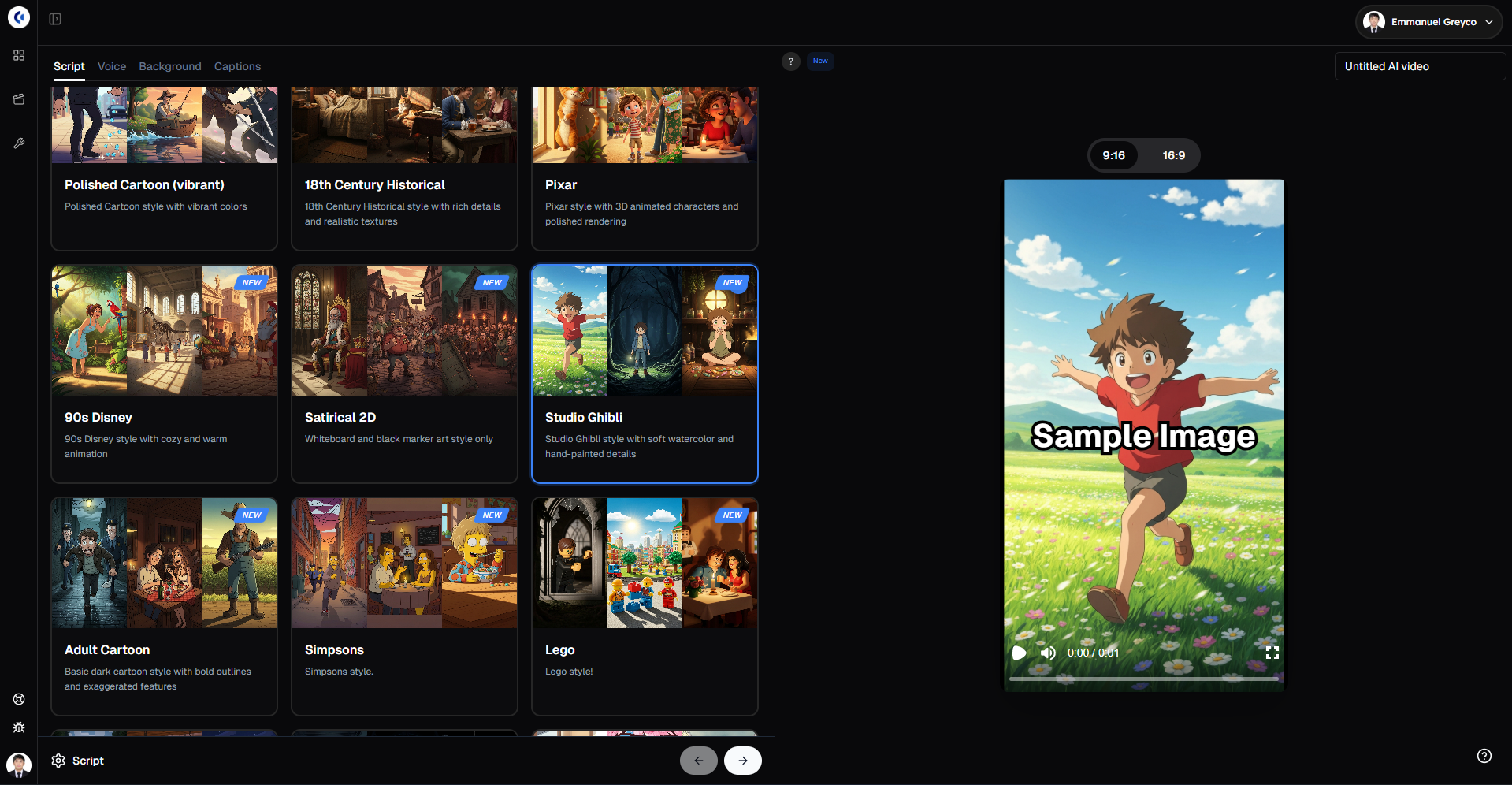
The AI tool and automation leverage enables higher ambition where tools like Clippie enabling professional video production in 5-15 minutes dramatically increasing sustainable daily output, ChatGPT and AI writing tools accelerating ideation and scriptwriting, automated posting and scheduling tools reducing publishing friction, and understanding that AI leverage potentially making previously unsustainable challenges achievable. The tool utilization expands realistic scope and ambition.
Niche and Audience Considerations
Aligning challenge theme with audience interests and growth strategy.
The audience interest alignment ensures relevance where choosing theme and format your target audience actually wants to consume not just what you want to create, researching audience preferences through comments, polls, analytics, and successful competitor content, balancing personal interest with audience demand, both required for sustainable success, and understanding that challenge providing opportunity to test audience response to new content directions. The audience focus prevents creating content nobody wants regardless of quality.
The niche authority building through focused challenge where concentrated effort in specific niche establishing expertise and authority, daily content on single topic positioning as go-to resource and building association, series or progression showing comprehensive coverage and commitment, and understanding that focused niche challenge more effective for authority building than scattered diverse content. The strategic focus accelerates niche positioning.
The evergreen versus trending balance affects long-term value where Evergreen Content: Timeless valuable content continuing to provide discovery and value months/years later, Trending Content: Timely reactive content capitalizing on current interest but having short shelf life, understanding that most successful challenges emphasizing evergreen content with selective trending integration, and accepting that evergreen content building lasting asset while trending maximizing short-term reach. The balance optimizes for both immediate growth and long-term value.
The challenge announcement and audience preparation maximizes engagement where announcing challenge in advance building anticipation and initial audience, explaining challenge format, frequency, and value proposition setting expectations, inviting audience participation or follow-along creating investment and accountability, and pre-challenge promotion ensuring audience ready and expecting daily content. The strategic launch maximizes challenge impact and audience engagement.

3. Planning Daily Tasks
Systematic approach to designing sustainable executable daily workflows preventing burnout and abandonment.
Sustainable Task Scope and Workflow Design
Creating realistic daily tasks balancing ambition with long-term sustainability.
The minimum viable daily task definition ensures completion where defining absolute minimum requirement for "completing" daily challenge (e.g., "publish 60-second video" not "publish perfect viral masterpiece"), ensuring minimum task being consistently achievable even on worst days, accepting that some days will produce minimum while others exceed creating average above minimum, and understanding that perfect being enemy of consistent, better completing 30 minimum viable tasks than abandoning after 15 attempting perfection. The sustainable minimum prevents all-or-nothing thinking causing abandonment.
The optimal task scope for most days balances quality and efficiency where defining ideal daily output when time and energy allow producing quality work, understanding that optimal being achievable 60-70% of days with typical effort and time, allowing flexibility between minimum and optimal accommodating real-life variability, and accepting that consistent optimal impossible without burnout, aiming for "good enough" sustainability. The realistic optimal prevents exhaustion while maintaining quality standards.
The scope flexibility and grace periods prevent rigid failure where accepting that some days will require minimum execution due to legitimate constraints, building 2-3 "wildcard" or "grace" days into plan expecting to use them, understanding that 26-27 completions of 30 being success not failure, and avoiding perfectionist all-or-nothing thinking where single difficult day causes complete abandonment. The flexibility acknowledges human reality while maintaining commitment.
The production workflow optimization maximizes efficiency where establishing consistent repeatable workflow reducing decision fatigue and wasted time, creating templates, presets, and systems eliminating repeated setup work, organizing assets and resources for quick access preventing time lost searching, and documenting workflow enabling consistency and identification of inefficiencies. The systematic approach reduces time and cognitive load for daily execution.

Time Management and Batching Strategies
Optimizing schedule and production rhythm for sustainable daily output.
The dedicated daily time block ensures consistency where scheduling specific daily time for challenge work preventing "I'll do it whenever" procrastination, treating challenge time as non-negotiable appointment with yourself, choosing optimal time based on personal energy and schedule (morning for many creators), and protecting dedicated time from other commitments and distractions. The scheduled commitment dramatically increases completion versus hoping to "find time."
The batch production and prep work increases efficiency where batching similar tasks reducing cognitive switching costs (e.g., writing all scripts one day, filming all footage another), pre-producing content during high-energy periods creating buffer for difficult days, preparing assets in advance (music, graphics, templates) enabling faster daily execution, and understanding that some batch work reducing daily burden while maintaining posting consistency. The batching strategy reduces average daily time requirement.
The realistic time requirement calculation prevents surprise overwhelm where tracking actual time spent on first several challenge days revealing true requirement, adding buffer time for unexpected issues and learning curve, being honest about available daily time given other commitments, and adjusting scope or format if time requirement proves unsustainable early in challenge. The empirical measurement prevents discovering unsustainability at day 15 when abandonment would waste all prior effort.
The time-saving tools and automation reduce production burden where using AI tools (Clippie for video, ChatGPT for scripts) dramatically reducing production time, automated posting/scheduling tools eliminating manual publishing step, keyboard shortcuts and workflow optimization in editing software, and understanding that time saved through tools enabling higher quality or more sustainable pace. The efficiency tools make ambitious challenges achievable.
Content Ideation and Planning Systems
Preventing daily creative paralysis through systematic idea generation and planning.
The complete 30-day content plan eliminates daily ideation burden where planning all 30 topics/ideas before challenge starts removing daily "what should I create?" decision, organizing ideas by difficulty tackling harder topics when energy high, allowing flexibility to swap planned topics when inspiration or trends emerge, and understanding that pre-planning preventing creative paralysis and procrastination. The advance planning removes major daily friction point.
The idea generation and brainstorming process builds content bank where dedicating focused time to generating 40-50 ideas before challenge (33% more than needed providing flexibility), using systematic prompts and frameworks preventing blank-page paralysis, researching trending topics and audience questions providing content direction, and maintaining ongoing idea capture system for spontaneous inspiration. The systematic ideation ensures never running dry.
The idea validation and prioritization optimizes content selection where evaluating ideas by probable audience interest and engagement potential, prioritizing ideas aligning with growth objectives and niche positioning, sequencing ideas for logical progression or variety preventing monotonous repetition, and testing high-uncertainty ideas early allowing pivot if needed. The strategic sequencing optimizes challenge impact beyond just completing 30 days.
The flexible contingency planning handles unforeseen issues where maintaining backup ideas for when planned content impossible due to circumstances, allowing spontaneous pivots when trending topics or inspiration emerges, having "emergency" simple reliable content formats for difficult days, and understanding that plan providing structure not rigid prison, flexibility prevents stress. The adaptable approach combines structure with real-world flexibility.
Contingency Planning and Failure Prevention
Anticipating obstacles and building systems preventing predictable failures.
The common failure point anticipation enables prevention where identifying likely challenges: mid-challenge motivation dip, time conflicts from unexpected obligations, technical issues or creative blocks, burnout from unsustainable pace, and pre-planning responses to each predictable challenge. The proactive planning prevents predictable failures.
The "life happens" buffer strategy accommodates disruption where building 2-3 flex days into 30-day plan expecting to use them, creating content buffer through batch production providing cushion for difficult days, accepting that 26-27 completions being success enabling grace for legitimate obstacles, and having pre-planned "emergency content" formats achievable even on worst days. The buffer prevents single bad day derailing entire challenge.
The accountability and support structure prevents quiet abandonment where establishing check-in system with accountability partner or community, public progress tracking creating reputational commitment preventing ghosting, planning mid-challenge reflection and recommitment points (day 10, 20), and having support network to encourage continuation during difficult moments. The external accountability prevents private rationalized abandonment.
The early adjustment and pivot protocol prevents persisting in failure where committing to honest assessment after first week identifying unsustainable elements, giving permission to adjust scope, format, or daily task if necessary for completion, understanding that completing modified challenge better than abandoning impossible challenge, and recognizing that early adjustment being strategic adaptation not failure. The adaptive approach values completion and learning over rigid perfection.

4. Tracking Growth & Insights
Systematic measurement and analysis framework extracting maximum learning from challenge experience.
Metrics Selection and Measurement Framework
Identifying and tracking meaningful progress indicators beyond vanity metrics.
The quantitative performance metrics measure tangible outcomes where Audience Growth: Follower/subscriber count daily or weekly, tracking growth velocity (followers per day/week), comparing to pre-challenge baseline growth rate, and understanding that audience growth being primary tangible outcome. Engagement Metrics: Likes, comments, shares per video tracking audience response quality, engagement rate (engagement/views) showing relative performance, comment sentiment and discussion quality revealing connection depth. Reach and Views: Video views, impressions, watch time measuring algorithmic favor, retention rate showing content quality and engagement, and understanding that reach growth indicating improving algorithmic performance. The comprehensive metrics provide complete performance picture.
The qualitative progress indicators measure intangible growth where Skill Development: Subjective assessment of editing, scripting, presentation improvement, comparing early versus later challenge content showing visible progress, tracking production time reduction as efficiency improves, and understanding that skill gains often mattering more than audience metrics. Creative Confidence: Self-reported confidence and creative anxiety levels, comfort with public sharing and vulnerability, reduced perfectionism and increased experimentation. Habit Strength: Daily creation feeling easier or harder over time, automatic versus effortful daily execution, missed days and recovery patterns. The qualitative measures capture psychological and capability growth.
The platform-specific analytics provide detailed insights where YouTube Analytics revealing traffic sources, retention curves, audience demographics, TikTok/Instagram insights showing discovery pathways and audience behavior, understanding which content types and topics performing best algorithmically, and identifying patterns in successful versus underperforming content. The platform data enables optimization during and after challenge.
The personal productivity and time metrics optimize workflow where tracking actual time spent on daily task revealing efficiency improvements, identifying bottlenecks and time-consuming elements for optimization, comparing estimated versus actual production time calibrating future planning, and understanding that time efficiency improvements enabling higher quality or sustainability. The time tracking optimizes production workflow.
Daily Tracking Methodology and Tools
Implementing systematic tracking creating comprehensive challenge record.
The daily tracking ritual and checklist ensures consistency where completing tracking immediately after daily task while data fresh, using simple consistent format reducing tracking burden and increasing compliance, combining quantitative metrics with qualitative notes capturing complete picture, and understanding that tracking ritual itself reinforcing completion and creating satisfaction. The systematic approach makes tracking sustainable not burdensome.
The tracking tools and systems enable efficient measurement where Spreadsheet Tracking: Simple spreadsheet recording daily metrics creating visual progress record, formulas calculating trends and averages automatically, charts visualizing progress revealing patterns and motivation. Dedicated Apps: Notion, Airtable, or specialized challenge apps providing structure and automation, mobile accessibility enabling immediate recording, progress visualization and streak tracking gamifying completion. Physical Journal: Handwritten tracking for those preferring analog, combining quantitative metrics with qualitative reflection, tactile satisfaction and ritual value. The tool choice based on personal preference and sustainability.
The metrics dashboard and visualization reveals patterns where creating visual dashboard showing key metrics and trends, graphs making progress visible and motivating during difficult moments, comparative visualizations showing improvement (day 1 vs day 15 vs day 30), and understanding that visual progress providing powerful motivation and satisfaction. The visualization transforms abstract numbers into compelling progress narrative.
The selective tracking preventing analysis paralysis maintains focus where tracking 5-10 most important metrics not obsessively measuring everything, accepting that some valuable progress being qualitative and hard to measure, avoiding letting tracking consume more time than actual creative work, and understanding that tracking serving learning and motivation not becoming end in itself. The balanced approach extracts value without overhead dominating productive work.
Qualitative Reflection and Learning Documentation
Capturing insights and lessons beyond numerical metrics.
The daily reflection practice captures learning where brief daily notes (5-10 minutes) reflecting on what worked well and what didn't, identifying specific challenges faced and solutions discovered, noting creative insights or ideas emerging during production, and understanding that reflection crystallizing tacit learning into explicit knowledge. The reflection practice prevents losing valuable lessons.
The weekly review and pattern recognition identifies trends where reviewing week's content and metrics identifying patterns and themes, comparing relative performance of different content types or topics, noting energy and motivation patterns throughout week, adjusting approach based on emerging insights, and understanding that weekly perspective revealing patterns invisible in daily execution. The periodic review enables strategic adjustment.
The mid-challenge assessment and adjustment enables optimization where structured reflection at day 10-15 evaluating initial assumptions versus reality, identifying what's working better or worse than expected, making strategic adjustments to scope, format, or approach if needed, and recommitting with adjusted understanding and plan. The mid-point check prevents persisting blindly in suboptimal approach.
The insight capture system prevents losing valuable learning where maintaining ongoing note/document capturing insights and lessons as they emerge, organizing insights by category (technical, creative, strategic, personal), reviewing and synthesizing insights during weekly reflections, and understanding that challenge generating valuable knowledge beyond content output. The systematic capture ensures learning isn't lost in busy daily execution.

Real-Time Optimization During Challenge
Using performance data to improve results while challenge ongoing.
The rapid testing and iteration enables improvement where testing different hooks, formats, topics observing performance differences, implementing successful patterns in subsequent content, abandoning or modifying unsuccessful approaches quickly, and understanding that 30-day timeframe enabling meaningful testing and optimization. The compressed iteration cycle accelerates learning.
The audience feedback integration guides optimization where monitoring comments for requests, questions, and reactions, conducting polls asking audience preferences directly, analyzing which content generating most discussion and sharing, adapting content based on demonstrated audience response, and understanding that audience signals revealing what resonates beyond creator assumptions. The feedback loop aligns content with actual audience preferences.
The algorithmic performance analysis reveals platform preferences where identifying which content receiving strongest algorithmic push, analyzing successful content for common elements and patterns, understanding platform-specific ranking factors through empirical observation, adapting approach to align with demonstrated platform preferences, and accepting that some optimization being platform-specific not universal truth. The algorithmic adaptation maximizes reach and growth.
The sustainable optimization preventing scope creep maintains completion focus where making improvements that enhance sustainability not just complexity, avoiding perfectionist optimization preventing completion, accepting "good enough" improvements enabling continued consistency, and understanding that completing challenge with modest optimization better than abandoning pursuing perfect optimization. The balanced approach improves results while maintaining core objective of completion.

5. How to Recycle Challenge Content After
Strategic repurposing and leverage strategies maximizing 30-day challenge output value.
Content Repurposing and Multi-Platform Distribution
Multiplying challenge content value through strategic reuse across formats and platforms.
The multi-platform redistribution strategy extends reach where posting challenge content to all relevant platforms (TikTok, YouTube Shorts, Instagram Reels, LinkedIn, Twitter) multiplying views without additional production, understanding that same content often performing differently across platforms, staggering posting across platforms extending content lifespan and touchpoints, and accepting that cross-posting being efficient highest-leverage content reuse. The platform multiplication dramatically increases content ROI.
The format adaptation and transformation creates new content where converting video content to written blog posts or articles capturing text-preferring audience, creating podcast or audio versions from video content serving audio-first consumers, extracting key quotes and insights for social media micro-content, designing infographics or carousels from educational content, and understanding that format transformation reaching different audiences with same core content. The transformation strategy serves diverse consumption preferences.
The compilation and "best of" collections create premium value where combining challenge content into themed compilations or playlists, creating "best moments" or highlights reel showcasing strongest content, developing series or courses from challenge content adding structure and positioning, packaging challenge output as lead magnet or paid product, and understanding that curated collections often more valuable than individual pieces. The compilation approach creates greater-than-sum-of-parts value.
The evergreen optimization and SEO extends lifespan where optimizing video titles, descriptions, tags for search and discovery, updating older challenge content with better hooks or thumbnails improving performance, creating transcripts and captions improving accessibility and SEO, strategic internal linking between related challenge pieces, and understanding that post-challenge optimization dramatically increasing long-term value. The evergreen optimization ensures challenge content continuing to deliver value months or years later.
Audience Retention and Momentum Maintenance
Converting challenge-built audience into sustained long-term following.
The transition messaging and expectation setting prevents audience drop-off where communicating post-challenge content plans to audience before challenge ends, setting expectations for post-challenge posting frequency preventing disappointment, explaining what changes and what stays the same maintaining connection, and understanding that abrupt transition creating confusion and unfollowing. The clear communication maintains audience through transition.
The sustainable posting frequency establishment maintains presence where determining realistic long-term posting frequency (typically lower than daily challenge pace), maintaining consistency at new frequency building ongoing habit and audience expectation, strategically using challenge content to supplement new content during transition, and understanding that sustainable consistency trumping unsustainable intensity. The realistic rhythm prevents post-challenge burnout and abandonment.
The series and recurring format development maintains engagement where transforming challenge into ongoing series or recurring content format, creating anticipation and habit around regular content schedule, maintaining connection established during challenge through continued value delivery, and understanding that challenge potentially revealing successful formats worth continuing. The continuation strategy leverages challenge momentum.
The community and relationship maintenance preserves connection where continuing engagement with audience beyond just posting content, responding to comments and building relationships established during challenge, maintaining authenticity and personality that attracted audience, and understanding that personal connection mattering more than posting frequency. The relationship focus sustains audience through reduced content volume.
Learning Integration and Skill Consolidation
Converting challenge experience into permanent capability and habit improvements.
The comprehensive challenge retrospective captures complete learning where conducting thorough post-challenge review analyzing what worked and what didn't, documenting key insights, skills gained, and lessons learned, identifying sustainable practices worth integrating into ongoing workflow, recognizing unsustainable elements to avoid repeating, and understanding that reflection crystallizing tacit learning into explicit transferable knowledge. The systematic review maximizes learning value.
The skill and workflow integration maintains improvements where identifying specific skills or techniques mastered during challenge, integrating proven workflow optimizations into standard production process, maintaining efficiency gains and eliminating wasteful practices identified, and understanding that challenge potentially transforming production capability permanently. The capability integration ensures challenge creating lasting improvement not temporary performance.
The habit maintenance and identity reinforcement sustains behavioral change where maintaining core habit of consistent creation even if at reduced frequency, reinforcing identity as "daily/consistent creator" established during challenge, building on momentum and confidence gained preventing regression, and understanding that challenge proving capability removing self-limiting beliefs. The psychological integration creates lasting behavior change.
The next challenge or evolution planning continues growth trajectory where reflecting on challenge success planning next growth step, potentially designing follow-up challenge building on foundation, evolving content approach based on challenge learnings, and understanding that challenge being growth catalyst not destination. The forward planning maintains momentum and continued development.
Monetization and Business Leverage
Converting challenge output and momentum into revenue opportunities.
The content library monetization generates income where using challenge content as lead magnet building email list for future product sales, creating paid compilation or course from challenge content, licensing or selling access to challenge content archive, and understanding that 30-piece content library having substantial potential value. The library monetization converts challenge effort into ongoing revenue.
The authority and credibility leverage creates opportunities where using completed challenge as credibility signal and proof of commitment, positioning as authority in niche through demonstrated expertise and consistency, leveraging challenge success in sponsorship pitches or brand partnerships, and understanding that challenge completion differentiating from aspiring creators never executing. The demonstrated capability creating business opportunities.
The audience monetization activation converts followers to customers where introducing products, services, or memberships to engaged audience built during challenge, understanding that challenge-built audience being warm and familiar with you, offering challenge-related products (templates, behind-scenes, extended content), and recognizing that 30-day relationship building creating foundation for monetization. The audience conversion leverages challenge relationship building.
The strategic partnerships and collaborations emerge from visibility where challenge visibility and consistency attracting potential collaboration opportunities, using challenge content as portfolio demonstrating capability to potential partners or clients, network building through challenge participation and community connecting with other creators, and understanding that challenge creating opportunities beyond direct content performance. The network effects multiply challenge value beyond metrics.
6. FAQs
1. What if I miss a day or fail to complete the full 30 days?
The failure and recovery question addresses inevitable challenges and mindset during difficulties. The realistic completion expectations show actual success rates where studies and creator reports suggesting 40-60% of challenge attempts being completed fully (all 30 days), 20-30% completing partially (20-29 days) still gaining substantial value, 20-40% abandoning early (under 20 days) typically due to unsustainable planning, and understanding that completion rates varying by challenge design, support structure, and creator experience. The statistics normalize imperfect completion versus treating it as unusual failure. The missing single days recovery protocol prevents abandonment where accepting that missing 1-2 days being normal and expected not catastrophic failure, getting back on track immediately next day rather than spiral of guilt and abandonment, using flex/grace days built into plan for legitimate missed days, understanding that 28-29 completions being success not failure, and avoiding all-or-nothing perfectionist thinking where single miss causes complete abandonment. The recovery mindset treats misses as bumps not catastrophes. The extended challenge modification maintains value where if missing multiple days early, considering extending challenge (e.g., 30 days of content in 35 calendar days), adjusting deadline maintaining daily task but accepting longer timeframe, understanding that extending being strategic adaptation not failure, and recognizing that consistency mattering more than arbitrary calendar constraint. The flexibility prevents throwing away progress due to rigid definition. The partial completion value recognition prevents dismissing incomplete attempts where 20 days of consistent creation still being 20x more than zero, 25 completions representing substantial skill development and content library, partial completion building foundation for future successful challenge, and understanding that "failed" challenges often being more valuable than never attempting. The value recognition prevents all-or-nothing evaluation. The learning from incomplete attempts informs future success where analyzing why challenge was unsustainable (too ambitious scope, poor time management, external circumstances), using incomplete attempt to calibrate realistic capacity for next attempt, understanding that first challenge often being learning experience informing successful second attempt, and recognizing that incomplete attempts being progress not failure. The learning mindset transforms "failures" into valuable feedback. The public handling of incompletion maintains integrity where if challenged publicly, honestly communicating if unable to complete rather than quietly abandoning, explaining circumstances or challenges faced maintaining transparency, potentially pivoting to modified challenge that's sustainable, and understanding that honesty building more credibility than false perfection. The transparency prevents reputational damage while maintaining authenticity. The honest recommendation is expect to miss 1-3 days and plan for it with flex days, get back on track immediately after miss rather than spiraling into abandonment, accept 26-29 completions as success not failure, learn from incomplete attempts informing better future planning, and remember that partial completion still providing substantial value over never attempting. The realistic resilient mindset enables recovery and completion versus perfectionist abandonment.
2. Should I plan all 30 topics in advance or improvise day by day?
The planning versus spontaneity question addresses creative workflow and sustainability trade-offs. The advance planning advantages show clear benefits where eliminating daily "what should I create?" decision removing major friction and procrastination opportunity, enabling strategic sequencing and variety preventing repetitive content, allowing research and preparation in advance improving content quality, providing complete roadmap creating confidence and reducing anxiety, and understanding that decision fatigue being real psychological cost of daily ideation. The planning approach removes daily creative paralysis and enables strategic thinking. The flexibility and spontaneity benefits show countervailing advantages where allowing response to trending topics and timely opportunities, accommodating creative inspiration and spontaneous ideas that emerge, preventing feeling trapped by rigid plan enabling organic evolution, and maintaining enthusiasm through spontaneity and novelty. The flexibility prevents feeling creatively constrained or mechanically executing plan. The hybrid optimal approach balances structure and flexibility where planning 80-90% of content in advance (24-27 of 30 topics), leaving 10-20% flexible for trending topics, inspiration, or audience requests, treating plan as guide not prison allowing thoughtful deviations, and understanding that structure enabling rather than constraining creativity by removing decision burden. The balanced approach provides strategic direction with creative freedom. The practical implementation of hybrid planning includes creating ranked list of 40-50 potential topics before challenge starts providing options, loosely sequencing topics but allowing swaps and reordering based on inspiration or trends, maintaining ongoing idea capture for spontaneous inspirations, reviewing week ahead each weekend making tactical adjustments to plan, and understanding that planning being iterative not one-time rigid commitment. The dynamic planning approach combines structure with responsiveness. The beginner versus experienced creator differences affect optimal approach where beginners benefiting more from complete advance planning removing decision burden and building confidence, experienced creators having internalized ideation and execution potentially thriving with more spontaneity, understanding that planning being scaffold that can be reduced as competence increases, and accepting that first challenge typically requiring more structure than subsequent attempts. The experience-appropriate approach matches planning level to capability. The time investment in planning shows ROI where dedicating 4-8 hours before challenge to comprehensive planning, understanding that upfront investment saving 10-20+ hours during challenge eliminating daily ideation, planning preventing mid-challenge crisis of "I don't know what to create today", and recognizing that planning time being highest-ROI time investment in challenge success. The front-loaded investment preventing distributed daily friction and paralysis. The honest recommendation is plan 80-90% of content in advance providing strategic direction and daily clarity, maintain flexibility for trending topics and spontaneous inspiration preventing rigid constraint, treat plan as iterative guide allowing thoughtful adjustment not rigid prison, and understand that structure enabling creativity by removing decision burden and anxiety. The structured flexibility approach optimizes for both strategic coherence and creative freedom.
3. How do I choose between different challenge themes and formats when multiple sound good?
The selection paralysis question addresses decision framework when facing multiple viable options. The strategic objective alignment evaluation provides decision filter where identifying primary goal (audience growth, skill development, content library, niche testing, habit formation), evaluating each potential challenge against primary objective choosing best alignment, understanding that all challenges providing multiple benefits but having different primary strengths, and accepting that perfect choice being less important than committed execution. The objective-first approach prevents choosing appealing challenge that doesn't serve actual goals. The realistic capability and sustainability assessment eliminates options where honestly evaluating production time and complexity for each option, eliminating challenges requiring more time or skill than available, prioritizing sustainable options enabling completion over impressive but unsustainable approaches, and understanding that completing achievable challenge better than abandoning ambitious one. The capability filter prevents predictable failure. The testing and validation approach reduces uncertainty where creating 3-5 sample pieces in each potential format before committing, measuring actual production time and difficulty versus assumptions, evaluating personal enjoyment and energy during production, and using empirical data making informed decision rather than abstract speculation. The testing approach reveals actual experience versus theoretical appeal. The phased or sequential approach enables multiple attempts where choosing one challenge for immediate attempt planning next challenge for future, understanding that challenge being repeatable growth tool not one-time event, accepting that addressing multiple growth areas requiring multiple challenges not comprehensive single challenge, and recognizing that sequential focused challenges often more effective than trying to do everything at once. The patient sequential approach enables addressing all interests over time. The coin flip final decision rule prevents analysis paralysis where if multiple options appear equally good after evaluation, making somewhat arbitrary choice and committing fully, understanding that execution quality mattering far more than choice between good options, accepting that analysis paralysis being real risk preventing action, and recognizing that learning from execution informing future choices. The decision forcing prevents endless deliberation. The portfolio approach for experienced creators combines elements where designing challenge incorporating elements from multiple appealing options, understanding that experienced creators having capacity for more complex challenges, potentially creating multi-format or hybrid challenge serving multiple objectives, and accepting that complexity requiring proportionally more experience and capability. The sophisticated integration approach available for advanced creators. The honest recommendation is choose challenge best aligned with primary strategic objective even if others also appealing, prioritize sustainable achievable format ensuring completion over impressive unsustainable option, test multiple options empirically if uncertain rather than abstract deliberation, understand that sequential challenges enabling addressing all interests over time, and recognize that commitment and execution mattering far more than choosing theoretically optimal challenge. The strategic committed approach succeeds regardless of choice among good options.
4. Can I realistically do a 30-day challenge while working a full-time job?
The time constraint question addresses feasibility within typical work and life obligations. The realistic time availability assessment shows typical constraints where full-time job typically consuming 8-10 hours daily including commute, family and personal obligations consuming 4-6 hours (meals, household, relationships, sleep 7-8 hours), leaving realistic 2-4 hours daily for all discretionary activities including challenge, and understanding that challenge requiring 1-2 hours daily maximum for sustainability. The honest accounting reveals actual available time. The challenge scope calibration for working professionals shows sustainable approaches where choosing format requiring 30-60 minutes daily maximum production time, leveraging AI tools (Clippie) dramatically reducing production time from hours to minutes, accepting simplified content or lower complexity enabling completion within constraints, and understanding that 30-90 second daily video being achievable for working professional where 10-minute daily video typically being unsustainable. The scope reduction enables feasibility. The time optimization and efficiency strategies maximize productivity where dedicating early morning time before work when energy highest and interruptions minimal, batch producing content on weekends creating buffer for difficult weekdays, using lunch breaks or evening time in focused 30-60 minute blocks, automating and streamlining all possible elements (scheduling, templates, workflows), and understanding that efficiency and focus enabling accomplishing in 45 minutes what might take 3 hours without optimization. The optimization approach creates feasibility within constraints. The working creator success patterns show proven approaches where many successful creators building audiences while working full-time initially, challenge being sustainable specifically because of finite 30-day timeframe, treating challenge as intensive temporary sprint knowing regular pace resumes after, and understanding that challenge potentially being catalyst for transition to full-time creation. The precedent proves feasibility despite being challenging. The realistic expectations and self-compassion approach prevents burnout where accepting that working while doing challenge being genuinely difficult not just excuse, planning for higher challenge abandonment risk due to constraints, using weekends for batch production and recovery, being prepared to use flex days or extend deadline if work demands surge, and understanding that attempting despite difficulty being valuable even if incomplete. The compassionate realism prevents unnecessary guilt while maintaining commitment. The strategic Friday night or weekend start timing helps where beginning challenge on weekend enabling producing first several days with full attention before work week, building initial momentum and confidence reducing mid-week challenge activation energy, understanding that starting Monday requiring creation after work potentially setting up difficult beginning, and accepting that timing strategy being minor but helpful optimization. The strategic launch timing removes initial barrier. The honest recommendation is 30-day challenge while working full-time is challenging but definitely achievable with appropriate scope and planning, choose format requiring 30-60 minutes daily maximum (short-form video ideal), leverage AI tools dramatically reducing production time, start on weekend building initial momentum, plan for using flex days and grace periods, and remember many successful creators building while working full-time, you're not attempting impossible. The realistic optimistic assessment acknowledges difficulty while affirming feasibility.
5. Should I make my challenge public or keep it private?
The public versus private accountability question addresses trade-offs in challenge visibility and commitment. The public challenge advantages show accountability benefits where public commitment creating social pressure and accountability beyond private intention, community support and encouragement from others following or joining challenge, public documentation creating permanent record preventing quiet abandonment, increased stakes and reputational consequences strengthening commitment, and research showing public goals having significantly higher completion rates. The public approach leveraging social psychology for success. The public vulnerability and growth visibility benefits show additional advantages where audience watching your growth and improvement in real-time building connection, transparency and authenticity from showing entire journey building trust and relatability, content generation from challenge itself (behind-scenes, reflections, results), and public success serving as portfolio and proof of capability. The visibility creating multiple benefits beyond pure accountability. The private challenge advantages show countervailing benefits where reduced pressure and fear of public failure enabling more experimentation, freedom to modify or abandon without public consequence, avoiding external judgment or criticism during vulnerable learning process, pure intrinsic motivation versus performing for audience, and flexibility to keep challenge private initially going public if successful. The privacy reducing anxiety and performance pressure. The hybrid selective sharing approach balances benefits where announcing challenge publicly creating accountability without daily public sharing, sharing completed work daily but keeping struggle and process private, revealing challenge after completion sharing results without real-time pressure, or gradually increasing visibility as confidence builds. The selective approach captures accountability benefits while managing vulnerability. The audience size and relationship considerations affect decision where small engaged community providing supportive accountability without overwhelming pressure, large audience potentially creating pressure and performance anxiety interfering with process, existing audience relationship and trust affecting comfort with public sharing, and understanding that optimal approach depending on personal psychology and audience dynamics. The context-dependent approach matches sharing level to situation. The failure and abandonment considerations in public challenges show risks where public challenge creating pressure potentially increasing burnout risk, public abandonment being psychologically costly potentially preventing future attempts, understanding that failure being more likely with first challenge attempt, and accepting that some people thriving under public pressure while others finding it paralyzing. The personality-dependent response suggests different optimal approaches for different creators. The honest recommendation is for most creators, public challenge creating beneficial accountability and support outweighing pressure risks, start with announcing intention publicly without committing to daily detailed sharing if desired, understand that you can adjust privacy level during challenge, not rigid permanent decision, recognize that public accountability dramatically increasing completion rates, and consider personality, if public pressure paralyzing versus motivating, adjust accordingly. The flexible public approach captures accountability benefits while managing pressure through selective sharing and maintaining adjustment flexibility.
Conclusion
The 30-day content challenge format represents sophisticated strategic framework leveraging habit formation science, public accountability dynamics, and compressed learning curves to accelerate creator growth achieving in single focused month what typically requires 6-12 months of sporadic unfocused effort, with successful challenge execution creating compound benefits including substantial content library (30+ high-quality pieces), measurable audience growth (typically 20-200% follower increase), dramatic skill improvement through intensive daily practice, sustainable habit formation transcending challenge timeframe, and psychological momentum propelling continued long-term success. The concentrated focused effort combined with systematic approach transforms challenges from exhausting unsustainable sprints into strategic catalysts for permanent capability development and growth trajectory shifts.
The psychological foundation analysis reveals challenges working through specific mechanisms including 21-30 day timeframe aligning with habit formation neuroplasticity creating initial automaticity and reduced cognitive load, intensive daily practice providing 10-30x repetition enabling compressed skill development typically requiring months, public commitment and accountability creating social pressure dramatically increasing completion rates versus private intentions, progress visibility and tracking providing dopamine rewards and motivation sustaining effort, and identity shift from aspiring to practicing creator creating lasting behavioral change transcending temporary intensive effort. The scientific understanding enables designing challenges that actually work versus arbitrary productivity theater.
The strategic theme and format selection framework ensures challenges serving actual growth objectives through primary objective identification (audience growth, skill development, content library, habit formation, niche testing) focusing design decisions, growth versus skill versus volume balance determining format and scope, niche exploration versus doubling down decision affecting content strategy, format selection across video, written, audio, and hybrid approaches matching capabilities and platforms, difficulty calibration balancing ambition with sustainability preventing burnout, and niche-audience alignment ensuring content serves actual audience interests. The strategic selection prevents mismatched challenges doomed to failure or underwhelming results serving no actual growth objective.
The daily task planning methodology creates sustainable executable workflows through minimum viable task definition preventing all-or-nothing abandonment, realistic scope balancing quality aspirations with completion necessity, production workflow optimization and batching strategies maximizing efficiency, complete 30-day content planning eliminating daily ideation paralysis, time management and dedicated daily blocks ensuring consistency, and contingency planning for predictable obstacles preventing common failure points. The tactical planning transforms ambitious goals into achievable daily actions completing despite real-world constraints and challenges.
The tracking and analytics framework extracts maximum learning from challenge experience including quantitative metrics (audience growth, engagement, reach) measuring tangible outcomes, qualitative indicators (skill development, creative confidence, habit strength) capturing psychological growth, daily tracking rituals and tools creating comprehensive record, weekly and mid-challenge reviews enabling real-time optimization, qualitative reflection and insight documentation preventing losing valuable lessons, and systematic analysis revealing patterns invisible during busy daily execution. The comprehensive tracking ensures challenge generating valuable knowledge and optimization beyond just content output.
The post-challenge content recycling and integration strategies maximize value including multi-platform distribution multiplying reach without additional production, format adaptation creating new content from challenge output, compilation and best-of collections creating premium value, evergreen optimization extending long-term value, audience retention and momentum maintenance preventing drop-off, sustainable posting frequency establishment, learning and skill integration converting temporary performance into permanent capability, and monetization leverage converting output and authority into revenue opportunities. The strategic repurposing and integration ensures challenge creating lasting value transcending 30-day intensive period.
Your 30-Day Challenge Success Action Plan
Design and execute transformative challenge through systematic strategic approach:
2-4 Weeks Before Challenge: Strategic Planning Phase - Identify primary growth objective and desired outcomes from challenge, evaluate multiple potential themes and formats against objectives and capabilities, test 3-5 sample pieces in chosen format measuring production time and difficulty, create complete 30-day content plan with all topics identified and sequenced, establish tracking systems and tools ready for daily measurement, and build accountability structure (public commitment, community, partner) ensuring follow-through.
Week 1 (Days 1-7): Launch and Momentum Building - Execute daily task with fresh energy and enthusiasm, track all metrics and complete daily reflection capturing learning, celebrate completing first week publicly maintaining motivation, review weekly performance identifying early patterns and needed adjustments, and maintain buffer through weekend batch production if possible.
Week 2-3 (Days 8-21): Middle Period and Persistence - Maintain daily execution through predictable motivation dip, use tracking and progress visualization maintaining motivation during difficult middle period, implement optimizations discovered during first week, engage with supportive community or accountability partner during challenges, and remember that mid-challenge difficulty being normal not sign of failure.
Week 4 (Days 22-30): Strong Finish and Completion - Feel renewed energy as finish line approaches, maintain quality and consistency through final week, plan and execute challenge completion celebration, conduct comprehensive retrospective capturing all learning and insights, and begin planning post-challenge sustainable routine and content strategy.
Post-Challenge: Integration and Leverage - Implement content recycling and repurposing strategies maximizing challenge output value, transition to sustainable long-term posting frequency maintaining audience connection, integrate proven workflows and skills into permanent production process, reflect on complete experience documenting transformation and capability growth, and potentially plan next challenge building on foundation while allowing recovery period.
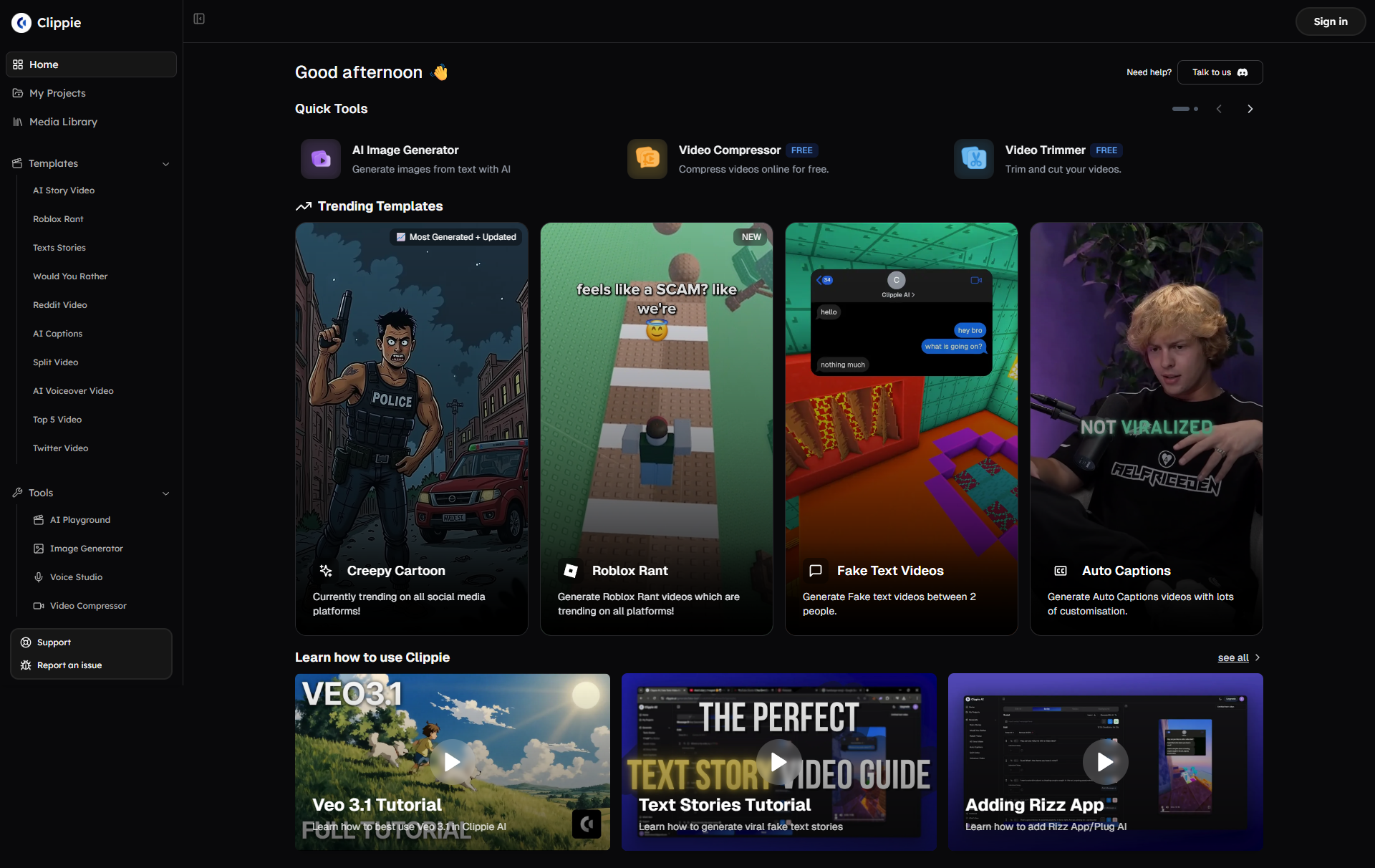
Clippie AI specifically enables sustainable daily challenge execution through 5-15 minute professional video production making daily posting achievable for working professionals, batch production capability creating content buffer reducing daily pressure, professional quality output meeting audience standards without extensive editing expertise, proven workflow enabling focus on content and strategy versus production grinding, and efficiency creating feasibility for ambitious 30-day challenges otherwise unsustainable.
Start Clippie Now and begin your transformative 30-day content challenge creating systematic daily output, building substantial content library and audience, developing sustainable creation habits and skills, and achieving accelerated growth through concentrated strategic effort. Your challenge success, the momentum it builds, the capabilities it develops, and the lasting transformation it creates start with the systematic strategic planning and committed execution you implement today.
Related Blog Posts
1. Habit Formation for Creators: Building Sustainable Daily Creation Practice: Comprehensive habit science guide including neurological mechanisms of habit formation, behavioral triggers and reward systems, identity-based habits creating lasting change, environmental design supporting desired behaviors, and sustainable habit maintenance preventing regression creating permanent creator lifestyle.
2. Content Batching Mastery: Producing 30+ Videos in Single Focused Session: Advanced batching methodology including comprehensive batch production workflow, time optimization and efficiency strategies, quality maintenance while maximizing volume, creative energy management preventing fatigue, and systematic approach enabling sustainable high-volume output.
3. From 0 to 10K Followers: Complete 90-Day Growth Blueprint: Accelerated audience building framework including strategic niche positioning and differentiation, algorithmic optimization across platforms, consistent content production systems, engagement and community building, momentum maintenance and sustainable scaling creating predictable growth trajectory.
Make an AI story video
Write a script or let AI write one. Clippie turns it into a narrated video with AI scenes, voiceover and captions.
Read more

How to Make Top 5 Ranking Videos in 2026 (Step-by-Step)
Build ranking Shorts that can still earn: pick a debatable topic, set clear criteria, source clips you may use, script the countdown, add your commentary.

How to Create Short-Form Videos Using AI: 8 Steps (2026)
A beginner workflow for AI videos on TikTok, Reels and Shorts: pick a format, script a hook, add visuals, voice and captions, export at 9:16, label AI.

7 Free CapCut Alternatives for Short-Form Video (2026)
Compare Edits, YouTube Create, VN, Clipchamp, Canva, DaVinci Resolve and Shotcut: what each gives free users, what it caps first and where it falls short.