
Pika Labs Alternative for Short-Form Creators (Built for Growth in 2026)
Looking for a Pika Labs alternative for short-form content? Compare Pika vs Clippie AI, Runway, Synthesia & InVideo for TikTok, Shorts & Reels. See workflows, monetization features & why faceless creators are switching to faster platforms in 2026.
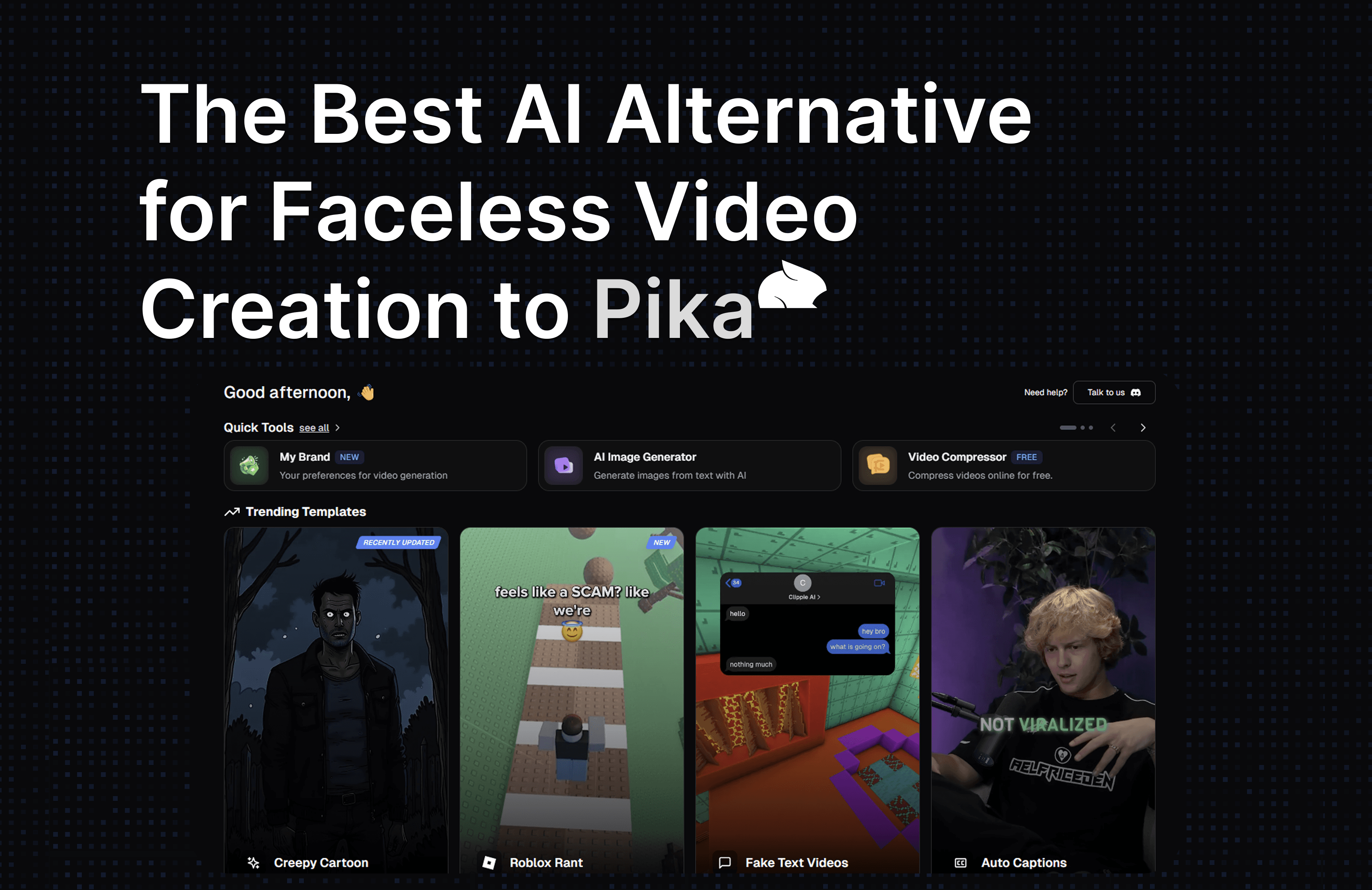
If you're searching for a Pika Labs alternative, you're likely realizing that cinematic AI video generation doesn't match the workflow needs of high-volume short-form creators. This guide compares Pika Labs to platforms purpose-built for TikTok, YouTube Shorts, and Instagram Reels, focusing on production speed, template efficiency, monetization features, and scalable content workflows that drive actual revenue in 2026.
Executive Summary: Pika Labs excels at generating stunning cinematic AI video clips from text and image prompts, but its creative workflow is misaligned with the operational realities of faceless content creators who need to publish 5-20 videos weekly across multiple platforms. This blog evaluates Pika Labs' strengths and limitations against alternatives like Clippie AI, Runway ML, Synthesia, and InVideo AI, with detailed workflow comparisons, monetization analysis, and real creator migration patterns. You'll learn which platform fits your content goals, posting frequency, and revenue strategy for short-form social media in 2026.
Table of Contents
What Pika Labs Focuses On vs What Creators Actually Need
Short-Form vs Cinematic AI Video Use Cases
Speed, Templates, and Content Volume Comparison
Which Tool Converts Better for Monetisation
Building a Repeatable Workflow With Clippie
Frequently Asked Questions
1. What Pika Labs Focuses On vs What Creators Actually Need
What Pika Labs Was Built For
Pika Labs positioned itself as a cutting-edge AI video generation platform focusing on:
Text-to-video generation with cinematic quality outputs
Image-to-video animation for bringing static visuals to life
Creative experimentation with AI-powered camera movements, effects, and transitions
High-quality visual outputs targeting filmmakers, advertisers, and creative professionals
Artistic control over motion, style, and visual aesthetics
Pika Labs gained significant attention in 2023-2024 for producing visually impressive AI-generated clips that pushed the boundaries of what text-to-video models could achieve.
The Core Product Philosophy Mismatch
Pika Labs optimizes for:
Single clip quality over batch production
Creative exploration over repeatable workflows
Visual impressiveness over production speed
Artistic flexibility over template consistency
Short-form creators need:
High-volume output (5-20 videos weekly minimum)
Repeatable, template-driven workflows
Fast production cycles (under 10 minutes per video)
Platform-specific optimization (9:16, subtitles, hooks)
Monetization-focused features (retention, engagement, analytics)
This fundamental mismatch explains why faceless content creators searching for Pika alternatives aren't looking for better video quality, they're looking for tools aligned with social media growth mechanics.
Where Pika Labs Falls Short for Social Content
No Template Library Pika Labs requires prompt engineering for every video. There's no pre-built structure for common faceless niches like Reddit stories, motivational quotes, financial tips, or fact-based content. Every video starts from scratch.
Slow Per-Video Generation Creating a single 5-second clip can take 2-5 minutes of generation time, plus iteration cycles for prompt refinement. Producing a complete 60-second video requires stitching multiple generations, consuming 20-40 minutes per video before editing.
No Built-In Voiceover or Subtitle System Pika Labs focuses purely on visual generation. Creators must use external tools for:
AI voiceover generation
Subtitle creation and timing
Audio synchronization
Text overlay positioning
This adds 10-15 minutes of post-production per video.
No Multi-Platform Export Optimization Pika Labs doesn't auto-format for TikTok (9:16), YouTube (16:9), Instagram (1:1, 4:5), or Facebook. Creators manually crop, resize, and adjust compositions for each platform.
No Direct Platform Integration Videos must be downloaded, edited externally, and manually uploaded to social platforms. There's no scheduling, batch upload, or cross-platform distribution automation.
Credit-Based Pricing Limits Volume Pika Labs operates on generation credits. High-volume creators (50+ videos monthly) face escalating costs or frequent plan upgrades, economically misaligned with faceless content business models.
What Creators Actually Search For
When searching "Pika Labs alternative," creators typically want:
Faster production: Complete videos in under 10 minutes, not 40 minutes
Template efficiency: Pre-built structures for proven viral formats
Voice integration: Premium AI narration included in workflow
Subtitle automation: Auto-generated, customizable text overlays
Platform optimization: One-click multi-aspect ratio exports
Scalable pricing: Unlimited or high-cap plans for testing velocity
Analytics integration: Performance tracking to identify winning formats
2. Short-Form vs Cinematic AI Video Use Cases
Understanding the Two Different Video Categories
Cinematic AI Video (Pika Labs' Strength)
Primary use cases:
Short films and experimental storytelling
Advertising and brand commercials
Music videos and artistic projects
Visual effects for larger productions
Creative portfolio pieces
Production characteristics:
Single videos take hours to days of iteration
Quality and visual impact are paramount
Small volumes (1-5 videos per month)
High creative control and customization
Viewed on large screens or in professional contexts
Success metrics:
Visual quality and artistic merit
Creative uniqueness and innovation
Awards, recognition, client satisfaction
Portfolio enhancement
Short-Form Social Content (Creator Need)
Primary use cases:
TikTok, YouTube Shorts, Instagram Reels, Facebook Reels
Faceless educational content (finance, history, science)
Reddit story narrations
Motivational and mindset content
Fact-based viral videos
Product reviews and tutorials
Production characteristics:
Multiple videos daily or weekly
Speed and consistency outweigh perfection
High volumes (20-100+ videos per month)
Template-driven for efficiency
Viewed on mobile devices in social feeds
Success metrics:
Watch time and retention rates
Engagement (likes, shares, comments)
Follower growth velocity
Monetization revenue (ad revenue, Creator Rewards)
Cross-platform reach
Why Pika Labs Doesn't Serve Short-Form Needs
The Volume Economics Don't Work
Pika Labs workflow for 60-second video:
Write detailed prompt for opening scene (5 minutes)
Generate 5-second clip (3 minutes generation time)
Review and refine prompt if needed (2-5 minutes)
Repeat for 10-12 scene segments (90-150 minutes total)
Export all clips and import to editing software
Add voiceover using external tool (10 minutes)
Generate and sync subtitles (8 minutes)
Color grade and adjust transitions (10 minutes)
Export and manually resize for platforms (12 minutes)
Upload to TikTok, YouTube, Instagram separately (5 minutes)
Total time per video: 135-200 minutes (2.25-3.3 hours)
Short-form creator reality:
Need 5-7 videos weekly minimum for algorithmic momentum
At 2.5 hours per video = 12.5-17.5 hours weekly just for production
Doesn't include scripting, strategy, community management, analytics review
This time investment is economically unsustainable for most solo creators or small teams.
The Creative Approach Is Misaligned
Pika Labs rewards creative experimentation:
Testing different prompt styles
Exploring visual aesthetics
Iterating on camera movements
Refining artistic elements
Short-form success rewards systematic execution:
Proven template replication
Hook variation testing at scale
Consistent posting schedules
Data-driven format optimization
These are fundamentally different workflows requiring different tools.
What Short-Form Creators Actually Need
Template-Driven Automation Pre-built structures for Reddit stories, motivational content, financial tips, fact videos, allowing creators to focus on script quality rather than technical setup.
Integrated Voice + Visuals Premium AI narration and scene matching in one workflow, eliminating external tool dependency and saving 20+ minutes per video.
Subtitle Automation Auto-generated, timed, and stylized subtitles that match platform best practices (TikTok bold text, YouTube readability, Instagram aesthetics).
Multi-Platform Export One-click generation of 9:16, 16:9, 1:1, and 4:5 versions with proper framing, text positioning, and visual hierarchy adjustments.
Batch Processing Queue 10-20 videos from script lists, RSS feeds, or Reddit threads, producing a week's content in 60-90 minutes instead of 15+ hours.
Performance Analytics Built-in tracking of retention rates, engagement patterns, and winning formats to accelerate optimization cycles.
3. Speed, Templates, and Content Volume Comparison
Production Speed: The Critical Differentiator
For monetized creators, production speed directly impacts:
Testing velocity: More hook variations = faster discovery of viral formats
Posting consistency: Algorithms reward frequent, regular uploads
Revenue scaling: More high-performing videos = higher total views = more ad revenue
Competitive positioning: Faster iteration cycles outpace slower competitors
Time-Per-Video Breakdown
Pika Labs Production Timeline
For one 60-second faceless educational video:
Prompt writing and scene planning: 15 minutes
AI generation across 10-12 segments: 30-45 minutes
Review and regeneration iterations: 20 minutes
Export and import to editor: 5 minutes
Voiceover generation (external tool): 10 minutes
Subtitle creation and timing: 8 minutes
Final editing and transitions: 12 minutes
Platform-specific resizing: 10 minutes per platform
Upload and metadata: 5 minutes per platform
Total for single platform: 115-130 minutes Total for 3 platforms: 145-180 minutes (2.4-3 hours)
Clippie AI Production Timeline
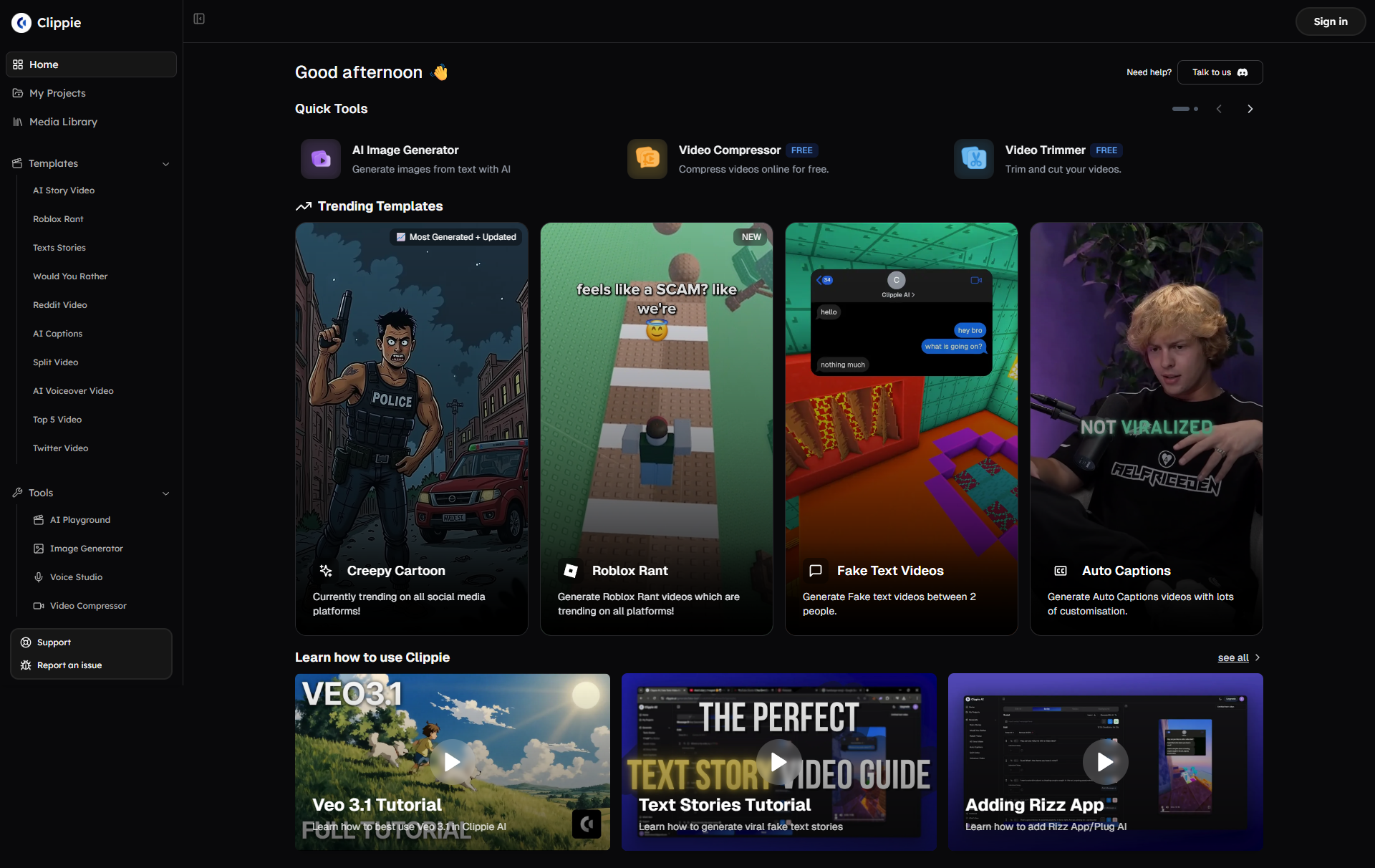
For one 60-second faceless educational video:
Paste script or Reddit URL: 30 seconds
AI auto-generates scenes with matched visuals: 60 seconds (automated)
Select premium neural voice: 30 seconds
Real-time preview and adjustments: 3-4 minutes
Customize subtitle style: 1 minute
One-click export to all aspect ratios: 1 minute (automated)
Direct API upload to all platforms: Automated
Total for 3+ platforms: 6-8 minutes
Runway ML Production Timeline
For one 60-second video:
Text-to-video generation per scene: 35-50 minutes
External voiceover and subtitle work: 18 minutes
Editing and assembly: 15 minutes
Platform optimization: 12 minutes per platform
Total for 3 platforms: 110-140 minutes
InVideo AI Production Timeline
For one 60-second video:
Script input and template selection: 3 minutes
AI scene generation: 2 minutes
Voice and style adjustments: 4 minutes
Subtitle customization: 2 minutes
Multi-platform export: 2 minutes (automated)
Manual platform uploads: 4 minutes
Total for 3 platforms: 17-20 minutes
Weekly Output Capacity Comparison
Scenario: Solo creator with 10 hours weekly for video production
Pika Labs Production Capacity
Time per video: 2.5 hours (150 minutes per complete video)
Weekly output: 4 videos maximum with 10-hour time investment
Monthly output: 16 videos (approximately 4 videos per week)
Bottleneck factors: Extended generation times, manual voiceover integration, external subtitle creation, platform-specific resizing
Runway ML Production Capacity
Time per video: 2 hours (120 minutes per complete video)
Weekly output: 5 videos with 10-hour time investment
Monthly output: 20 videos (approximately 5 videos per week)
Bottleneck factors: Scene-by-scene generation, external audio workflow, manual editing assembly, cross-platform optimization
InVideo AI Production Capacity
Time per video: 20 minutes (including multi-platform export)
Weekly output: 30 videos with 10-hour time investment
Monthly output: 120 videos (consistent 30 videos per week)
Efficiency gains: Template automation, integrated voiceover, built-in subtitles, moderate batch processing
Clippie AI Production Capacity
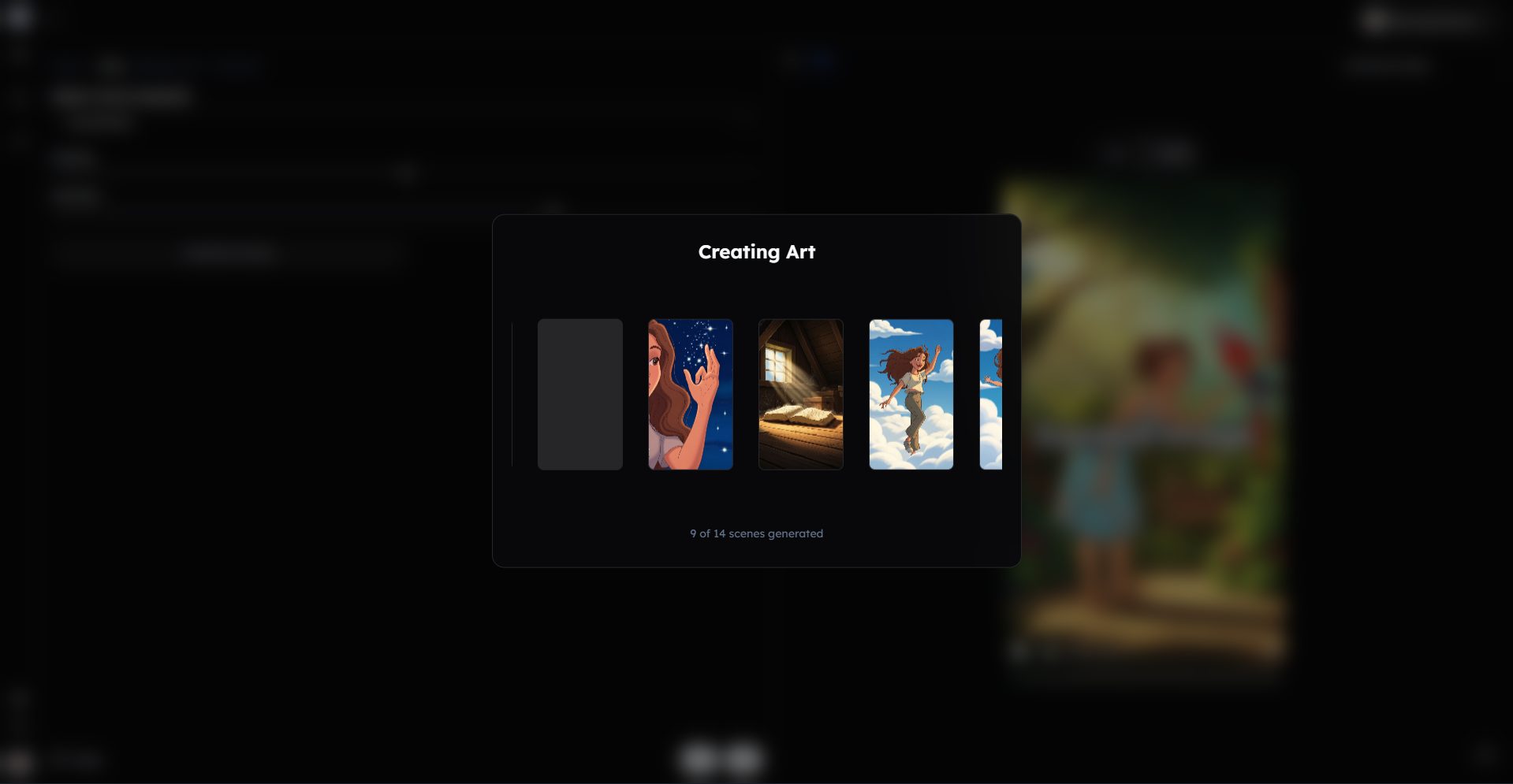
Time per video: 7 minutes (including automated multi-platform distribution)
Weekly output: 85 videos with 10-hour time investment
Monthly output: 340 videos (sustained 85 videos per week)
Efficiency gains: Advanced batch processing, Reddit/Twitter URL ingestion, premium neural voices included, real-time editing, one-click aspect ratio generation
Critical Comparison Insights
Volume multiplier comparison:
Clippie AI produces 21x more content than Pika Labs in the same timeframe
Clippie AI produces 17x more content than Runway ML
Clippie AI produces 2.8x more content than InVideo AI
Practical implications:
Higher volume enables more aggressive hook testing (10-20 variations vs. 1-2)
Consistent posting schedules satisfy algorithmic requirements (5-7 videos weekly)
Cross-platform distribution becomes sustainable (same content to TikTok, YouTube, Instagram, Facebook)
Faster identification of viral formats accelerates monetization timeline
Sustainability considerations:
Pika Labs: 10 hours produces minimal output, unsustainable for growth
Runway ML: Similar constraints to Pika Labs
InVideo AI: Moderate volume supports consistent growth strategy
Clippie AI: High volume allows strategic resource allocation (more time for scripting, analytics, community engagement)
Critical insight: Clippie AI enables 21x more output than Pika Labs in the same time investment.
Template Library Comparison
Pika Labs Template Support
Available templates: None (every video requires custom prompting)
Customization approach: Full manual control via text prompts
Learning curve: High, requires understanding of prompt engineering, camera movement terminology, and visual composition language
Consistency: Difficult to maintain, each video requires recreating visual style through prompts
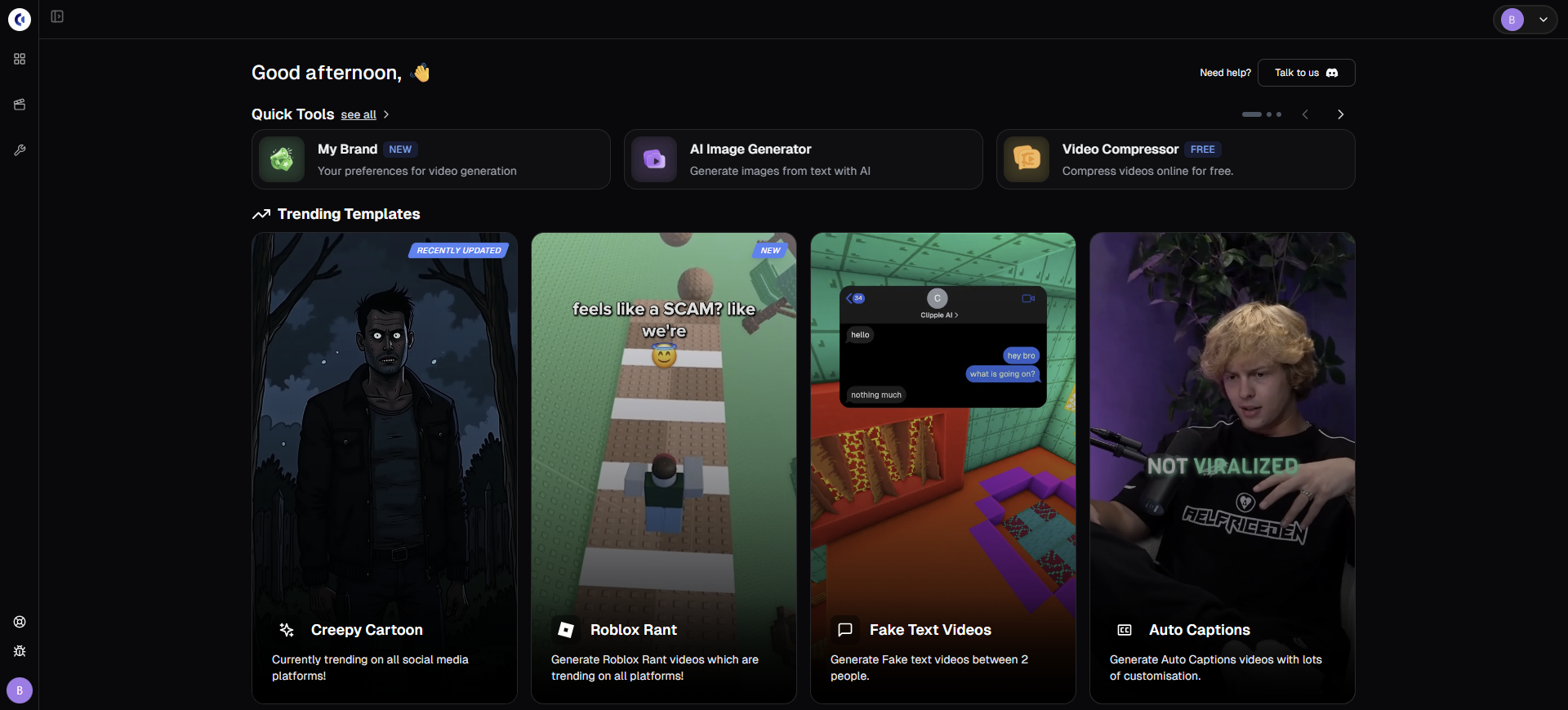
Clippie AI Template Support
Available templates: 200+ pre-built structures for:
Reddit story formats (text-on-screen, comment threading, dramatic pacing)
Motivational content (quote overlays, inspirational B-roll, music sync)
Financial education (chart animations, statistic callouts, explanation flows)
Fact-based content (numbered lists, visual comparisons, data visualization)
Tutorial formats (step-by-step breakdowns, screen-style demonstrations)
Customization approach: Select template, input script, adjust style variables
Learning curve: Low, most users reach production speed within 2–3 videos
Consistency: High, templates ensure brand cohesion across hundreds of videos
InVideo AI Template Support
Available templates: 300+ across multiple categories
Customization approach: Template selection with extensive style controls
Learning curve: Medium, more options require more decision-making
Consistency: Medium-high, depends on user discipline in template selection
Runway ML Template Support
Available templates: Limited, focused on creative tools rather than content templates
Customization approach: Effect-based rather than format-based
Learning curve: Medium-high, requires understanding of video generation concepts
Consistency: Medium, achievable but requires manual workflow documentation
Batch Processing Capabilities
Pika Labs Batch Processing
Supported: No native batch workflow
Workaround: Manual repetition of generation process for each video
Time efficiency: No improvement over single-video production
Clippie AI Batch Processing
Supported: Yes, advanced batch workflows including:
Script list ingestion (paste 20 scripts, generate 20 videos)
Reddit thread scraping (queue trending posts automatically)
RSS feed automation (convert blog posts to videos)
Twitter/X thread conversion (bulk processing of viral threads)
Time efficiency: Produce 20 videos in 90-120 minutes (vs. 40+ hours with Pika Labs)
Use case example: Queue Friday evening, process overnight, wake up to week's content ready for scheduling
InVideo AI Batch Processing
Supported: Yes, queue multiple scripts or article URLs
Time efficiency: 10-15 videos in 60-90 minutes
Limitation: Less automation than Clippie AI (no Reddit/Twitter scraping)
Runway ML Batch Processing
Supported: Limited, can queue generations but still requires per-video editing
Time efficiency: Minimal improvement over individual production
Real-World Volume Impact
Case Study: Faceless History Channel
Before (Pika Labs approach):
Production method: Custom prompt each video, cinematic quality focus
Weekly output: 3 videos (10 hours invested)
Monthly views: 180K
Monetization status: Not yet qualified (inconsistent posting hurt growth)
Creator burnout: High, couldn't maintain pace
After (Clippie AI):
Production method: Template-driven with batch processing
Weekly output: 21 videos (10 hours invested, 7x increase)
Monthly views: 1.4M (posting consistency triggered algorithm boost)
Monetization status: Qualified for YouTube Partner Program + TikTok Creator Rewards
Monthly revenue: $980 (month 2), $2,100 (month 4)
Creator burnout: Low, sustainable long-term workflow
Key insight: Volume consistency matters more than per-video quality for algorithmic success and monetization eligibility.
4. Which Tool Converts Better for Monetisation
Understanding Monetization Requirements in 2026
Platform monetization isn't just about follower counts, it's about specific performance metrics:
TikTok Creator Rewards Program
Requirements:
10,000 followers
100,000 qualified views in last 30 days
Videos must be 1+ minutes long
High originality scores (AI content must add unique value)
Key performance indicators:
Watch time (completion rate above 45% preferred)
Engagement rate (likes, comments, shares)
Follower conversion (viewers → followers)
Revenue factors:
Average CPM: $0.50-$2.50 per 1,000 views
Higher payouts for retention above 60%
Bonuses for driving new user engagement
YouTube Partner Program (Shorts)
Requirements:
1,000 subscribers
10 million Shorts views in 90 days
Key performance indicators:
Watch time across all Shorts
Subscriber conversion rate
Click-through to channel/long-form content
Revenue factors:
Revenue share from ads between Shorts
Average RPM: $0.05-$0.15 per view
Shorts boost long-form video performance
Instagram Reels Bonus Program
Requirements:
Invitation-based or application
Consistent posting history
Strong engagement metrics
Key performance indicators:
Plays per Reel
Engagement rate (saves, shares prioritized)
Follower growth velocity
Revenue factors:
Milestone-based payouts ($20-$1,200/month)
Performance tier affects earning potential
Platform Features That Drive Monetization
Premium Voice Quality = Higher Retention
Robotic or unnatural AI voices cause early drop-offs. Retention below 40% dramatically reduces monetization potential.
Pika Labs: No built-in voiceover (requires external tools of varying quality)
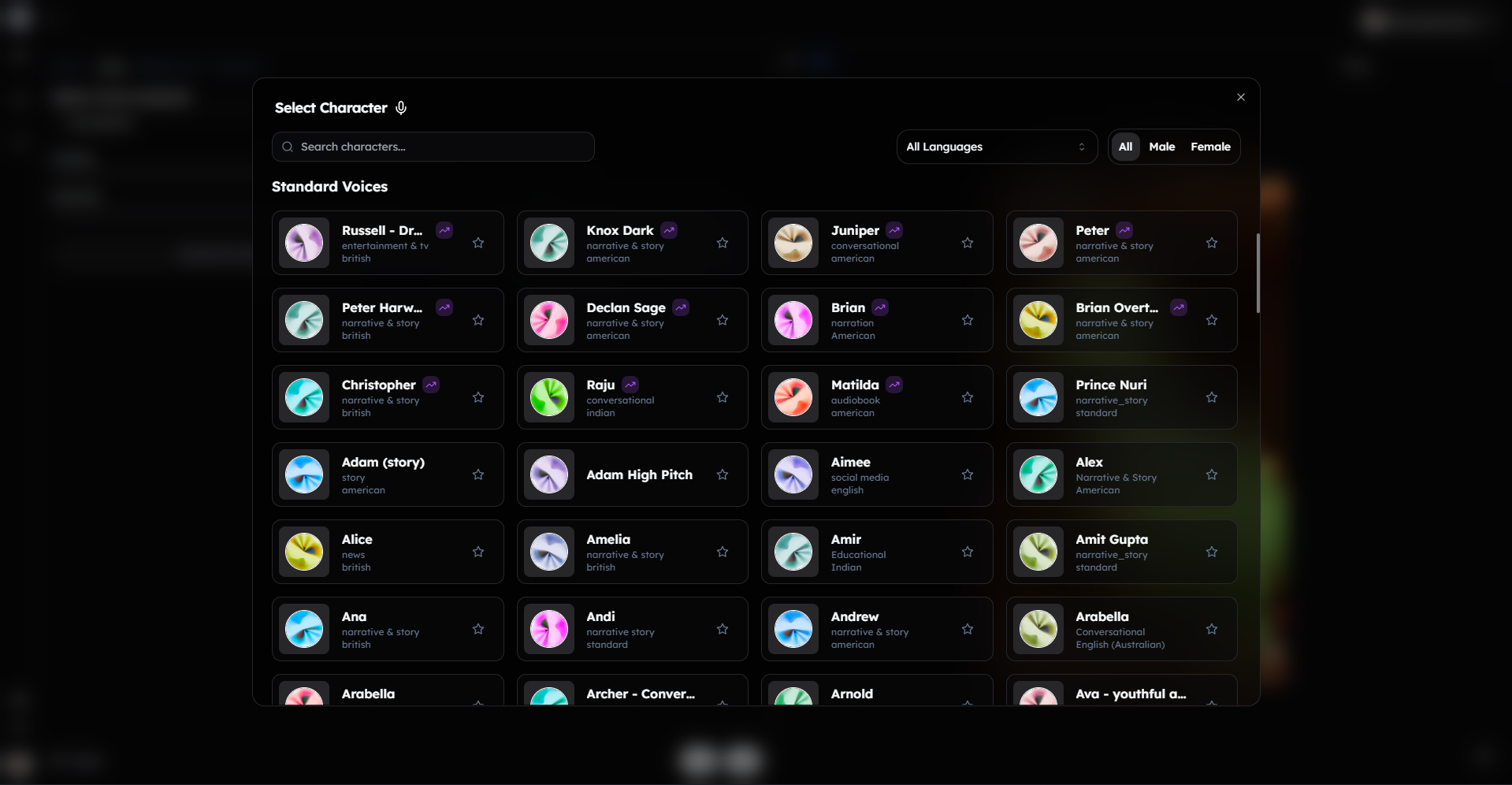
Clippie AI: ElevenLabs + Azure Neural voices included, human-level naturalness drives 48-56% average retention
InVideo AI: ElevenLabs Premium voices, strong retention performance
Runway ML: No built-in voiceover system
Retention impact: 15-25% improvement in watch time translates to 30-50% higher Creator Rewards payouts
Subtitle Quality = Accessibility + Engagement
Videos without subtitles lose 40-60% of potential viewers (sound-off viewing, accessibility needs, non-native speakers).
Pika Labs: No subtitle system (requires external tools)
Clippie AI: Auto-generated, viral-style customizable subtitles with word-level highlighting
InVideo AI: Built-in subtitle generation with trendy animations
Runway ML: No subtitle automation
Engagement impact: Proper subtitles increase completion rates by 20-35%, directly affecting monetization eligibility
Posting Consistency = Algorithmic Favorability
Platforms reward creators who post regularly (minimum 3-5x weekly). Inconsistent posting resets algorithmic momentum.
Pika Labs: Time-intensive workflow makes consistency difficult (3-4 videos weekly maximum for solo creators)
Clippie AI: Fast workflows enable 5-20+ videos weekly sustainably
InVideo AI: Moderate speed supports 8-15 videos weekly
Runway ML: Time-intensive, similar to Pika Labs
Monetization impact: Consistent posting reaches eligibility thresholds 4-8 weeks faster than inconsistent schedules
Cross-Platform Distribution = Revenue Stacking
Successful creators monetize the same content across TikTok, YouTube, Instagram, Facebook simultaneously.
Pika Labs: Manual resizing and uploading for each platform (adds 30-45 minutes per video)
Clippie AI: One-click multi-platform export
InVideo AI: Multi-aspect export included, manual uploads
Runway ML: Manual cross-platform workflow
Revenue stacking example:
Same video generates $40 on TikTok + $12 on YouTube + $25 on Instagram + $18 on Facebook = $95 total
Pika Labs workflow: 3 videos/week × $95 = $285 weekly
Clippie AI workflow: 15 videos/week × $95 = $1,425 weekly
Testing Velocity = Faster Optimization
Finding viral formats requires testing 20-50 hook variations. Faster testing accelerates revenue growth.
Pika Labs: Can test 2-3 hooks weekly (time constraints)
Clippie AI: Can test 20-30 hooks weekly (same time investment)
InVideo AI: Can test 10-15 hooks weekly
Runway ML: Can test 2-4 hooks weekly
Monetization acceleration: Clippie AI users typically identify winning formats 6-10x faster, reaching consistent revenue 2-3 months earlier
Real Monetization Comparison
Scenario: Creator investing 10 hours weekly in video production
Pika Labs Monetization Performance
Weekly output: 4 videos (limited by 2.5-hour per-video production time)
Average views per video: 8,500 views
Monthly total views: 136,000 views (4 videos × 4 weeks × 8,500 views)
Estimated monthly revenue: $95-$210 (across TikTok Creator Rewards, YouTube Shorts, Instagram Reels)
Revenue challenges: Low volume limits total reach, inconsistent posting hurts algorithmic momentum, difficulty qualifying for monetization programs due to low monthly views
Runway ML Monetization Performance
Weekly output: 5 videos (2-hour per-video production timeline)
Average views per video: 7,800 views
Monthly total views: 156,000 views (5 videos × 4 weeks × 7,800 views)
Estimated monthly revenue: $110-$240 (combined platform earnings)
Revenue challenges: Similar volume constraints to Pika Labs, slow path to monetization eligibility, limited testing velocity for format optimization
InVideo AI Monetization Performance
Weekly output: 30 videos (20-minute per-video production time)
Average views per video: 5,200 views
Monthly total views: 624,000 views (30 videos × 4 weeks × 5,200 views)
Estimated monthly revenue: $440-$980 (across multiple platforms)
Revenue advantages: Moderate volume enables consistent posting, faster monetization eligibility, reasonable testing capacity for hook variations
Per-video views context: Lower individual views due to algorithm dilution across higher volume, but total reach significantly exceeds low-volume approaches
Clippie AI Monetization Performance
Weekly output: 85 videos (7-minute per-video production time)
Average views per video: 3,800 views
Monthly total views: 1.29 million views (85 videos × 4 weeks × 3,800 views)
Estimated monthly revenue: $905-$2,030 (combined earnings from TikTok, YouTube, Instagram, Facebook)
Revenue advantages: Highest total reach despite lower per-video performance, rapid monetization qualification, aggressive testing identifies viral formats quickly, sustainable cross-platform distribution
Per-video views context: Algorithm dilution at high volume is expected, strategy relies on total watch time across portfolio, not individual video virality
Critical Revenue Insights
Total monthly revenue comparison:
Clippie AI generates 9.5-10x more revenue than Pika Labs ($905-$2,030 vs. $95-$210)
Clippie AI generates 8-8.5x more revenue than Runway ML
Clippie AI generates 2-2.1x more revenue than InVideo AI
Volume vs. per-video performance tradeoff:
Pika Labs: High per-video views (8,500) but low total reach (136K monthly)
Clippie AI: Moderate per-video views (3,800) but massive total reach (1.29M monthly)
Monetization model prioritizes total watch time over individual video performance
Time-to-monetization eligibility:
Pika Labs: 9-14 months to reach platform thresholds (slow volume limits growth)
Runway ML: 8-12 months
InVideo AI: 4-7 months (consistent posting accelerates eligibility)
Clippie AI: 2-5 months (high volume + testing velocity = fastest path to revenue)
Scalability considerations:
Pika Labs/Runway ML: Revenue growth requires hiring editors or increasing production hours proportionally
InVideo AI: Moderate scalability, can increase output to 40-50 videos weekly with system optimization
Clippie AI: Highest scalability, workflow supports 100+ videos weekly without team expansion
Revenue Stacking Across Platforms
Example breakdown of $1,500 monthly earnings (Clippie AI volume):
TikTok Creator Rewards: $680 (850K qualified views × $0.80 CPM)
YouTube Shorts Fund: $140 (280K views × $0.50 RPM)
Instagram Reels Bonuses: $420 (performance-based milestone payouts)
Facebook Reels Monetization: $260 (160K views × $1.60 RPM)
Cross-platform distribution necessity: High-volume workflows make simultaneous posting across 4 platforms operationally feasible, low-volume workflows (Pika Labs, Runway ML) struggle to maintain multi-platform presence
Critical insight: Clippie AI's volume advantage compensates for lower per-video views (algorithm dilution) while still generating 9-10x higher total revenue than Pika Labs.
Note: Lower per-video views at high volume is expected, not every video goes viral. The monetization model relies on total watch time across all content, not individual video performance.
Which Platform Reaches Monetization Fastest?
Time to TikTok Creator Rewards eligibility (10K followers, 100K views/month):
Pika Labs: 9-14 months (slow posting velocity limits growth)
Runway ML: 8-12 months
InVideo AI: 4-7 months (moderate volume + consistency)
Clippie AI: 2-5 months (high volume + testing velocity)
Time to YouTube Partner Program eligibility (1K subscribers, 10M Shorts views/90 days):
Pika Labs: 12-18 months
Runway ML: 10-15 months
InVideo AI: 6-10 months
Clippie AI: 4-8 months
Ready to engineer 50%+ retention rates without sacrificing production speed? See how Clippie AI's premium voices and dynamic pacing deliver 48–56% average watch time.
5. Building a Repeatable Workflow With Clippie
Why Workflow Repeatability Matters
Successful faceless channels don't succeed through viral luck, they succeed through:
Systematic content production (same process, different topics)
Data-driven iteration (identify winners, replicate patterns)
Sustainable output velocity (avoid burnout, maintain consistency)
Scalable growth mechanics (volume + quality + optimization)
Pika Labs' creative-first approach resists workflow systematization. Clippie AI's template-driven design enables it.
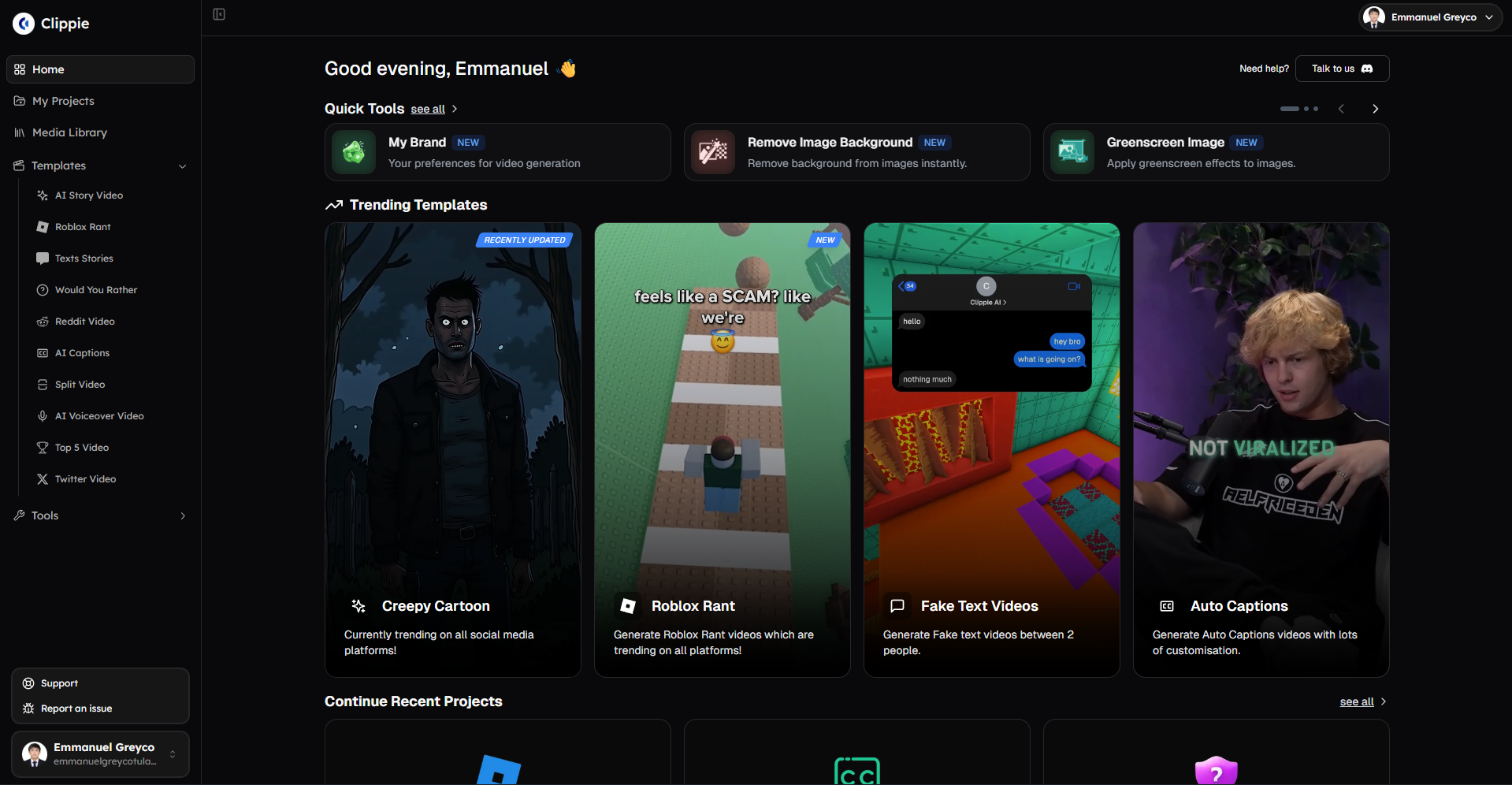
The Clippie AI Production System
Phase 1: Niche Selection and Template Mapping
Step 1: Choose Your Niche
Proven faceless niches for 2026:
Reddit story narrations (relationship drama, workplace conflicts)
Financial education (investing basics, money psychology)
Stoic philosophy and mindset (Marcus Aurelius quotes, discipline)
Historical facts and events (lesser-known stories, pivotal moments)
Science explainers (psychology facts, physics concepts)
Step 2: Select Matching Template
Clippie AI templates optimized for each niche:
Reddit stories: Text-on-screen format, comment threading, dramatic pacing
Financial tips: Statistic callouts, chart animations, authority styling
Stoic content: Quote overlays, nature B-roll, minimalist aesthetics
History: Archive-style visuals, timeline graphics, documentary feel
Science: Diagram animations, split-screen comparisons, data viz
Step 3: Customize Brand Variables
Set once, apply to all videos:
Color scheme and font choices
Logo placement and branding elements
Subtitle style (bold, minimalist, animated)
Intro/outro templates
Background music preferences
Phase 2: Content Production Workflow
Daily/Weekly Scripting Block
Dedicate 60-90 minutes to script preparation:
Batch-write 10-20 video scripts
Source trending Reddit threads or Twitter posts
Compile fact lists or educational topics
Organize into production queue
Batch Video Generation
Queue all scripts in Clippie AI:
Paste scripts or URLs into batch processor
Apply consistent template and brand settings
Let AI generate scenes and match visuals
Process runs overnight or during off-hours
Time investment: 20-30 minutes of setup for 20 videos
Quick Review and Adjustment
Rapid quality check each video:
Verify voice pacing and clarity
Confirm visual relevance to script
Adjust subtitle timing if needed
Approve for export
Time per video: 2-3 minutes (40-60 minutes for 20 videos)
Multi-Platform Export
One-click generation of all aspect ratios:
9:16 for TikTok, YouTube Shorts, Instagram Reels, Facebook Reels
16:9 for YouTube horizontal
1:1 for Instagram feed
4:5 for Instagram optimized
Time investment: Automated (included in generation)
Phase 3: Performance Analysis and Optimization
Weekly Analytics Review
Clippie AI dashboard shows:
Which templates drive highest retention
Voice styles that perform best
Optimal video lengths for your niche
Top-performing hooks and formats
Cross-platform performance differences
Time investment: 30-45 minutes weekly
Systematic Testing Framework
Structured experimentation protocol:
Test one variable per batch (hook style, pacing, voice, visual density)
Maintain control group (proven format)
Run test variations across 5-10 videos
Analyze retention and engagement differences
Implement winners, retire losers
Iteration Cycles
Monthly improvement pattern:
Month 1: Test 4-6 format variations, identify 2 winners
Month 2: Optimize winning formats, test hook variations
Month 3: Scale proven winners, test adjacent niches
Month 4: Systematize top performers, introduce new variables
Total Weekly Time Investment
Content production (20 videos across 4 platforms):
Scripting and planning: 90 minutes
Batch setup in Clippie AI: 25 minutes
Review and adjustments: 50 minutes
Platform scheduling: 10 minutes
Total production time: 2 hours 55 minutes
Strategic work:
Analytics review: 40 minutes
Testing planning: 30 minutes
Community engagement: 60 minutes
Total strategic time: 2 hours 10 minutes
Weekly total: ~5 hours for professional-level output across multiple platforms
Compare to Pika Labs: Same 5 hours produces only 2 videos
Workflow Sustainability and Scaling
Individual Creator (Year 1):
Hours weekly: 5-8 hours
Output: 15-25 videos weekly
Platforms: 3-4 simultaneously
Growth: 10K-100K followers achievable
Revenue: $500-$3,000 monthly by month 6-9
Small Team (Year 2+):
Add scriptwriter: doubles content quality and topic variety
Add community manager: 30% engagement boost
Maintain creator workflow: production system unchanged
Output scales to 40-60 videos weekly
Revenue: $5,000-$15,000 monthly sustainable
Pika Labs scaling: Requires hiring video editors and increasing production hours proportionally, economically challenging for most creators
Migration Path From Pika Labs
Week 1: Parallel Testing
Keep Pika Labs for 1-2 videos (baseline comparison)
Produce 5 videos in Clippie AI using templates
Post both side-by-side to same platforms
Compare retention, engagement, time investment
Expected outcome: Most creators see comparable or better engagement with 70% time reduction
Week 2: Template Customization
Identify best-performing Clippie AI template
Customize brand elements (colors, fonts, style)
Test voice options for optimal retention
Finalize repeatable workflow
Week 3–4: Volume Ramp
Increase from 3-4 videos weekly to 10-15 weekly
Implement batch production workflow
Establish consistent posting schedule
Begin systematic testing framework
Week 5+: Full Migration
Discontinue Pika Labs subscription
Operate entirely on Clippie AI workflow
Focus effort on scripting and strategy (not technical production)
Scale to monetization eligibility thresholds
6. Frequently Asked Questions
Is Pika Labs completely useless for content creators?
No, Pika Labs serves specific use cases well. It's excellent for filmmakers, advertisers, and creative professionals who need cinematic-quality AI video for projects where single-video quality matters more than production volume. However, for faceless content creators focused on short-form social media monetization, Pika Labs' workflow is misaligned with operational needs.
Can I use Pika Labs and Clippie AI together?
Yes, though it's rarely necessary. Some creators use Pika Labs to generate unique cinematic B-roll or establishing shots, then import those clips into Clippie AI workflows for faster assembly. However, Clippie AI's stock library (2M+ clips) typically provides sufficient visual variety without requiring external generation.
Which platform is best for complete beginners with no video experience?
Clippie AI is the most beginner-friendly because:
Template-driven workflow removes creative decision paralysis
AI handles scene matching and visual selection automatically
Premium voices included (no external tool research needed)
Real-time preview shows exactly what you'll get
Multi-platform export eliminates technical confusion
Pika Labs requires understanding of prompt engineering, video editing concepts, and external tool integration, creating a steeper learning curve.
How much does each platform cost for high-volume creators?
Pika Labs:
Standard plan: $35/month for 700 generation credits
Pro plan: $70/month for 2,000 generation credits
At 50 videos/month: Likely requires Pro+ tier or add-on credits (~$100-150/month)
Clippie AI:
Starter: $19.99/month for 30 minutes export
Creator: $34.99/month for 120 minutes export
Pro: $69.99/month for 250 minutes export
Cost per video at 50 videos/month:
Pika Labs: ~$2.00-$3.00 per video
Clippie AI: $0.98 per video (or less at higher volumes)
Do videos created with Clippie AI qualify for monetization programs?
Yes. Clippie AI videos meet platform requirements for:
TikTok Creator Rewards Program
YouTube Partner Program
Instagram Reels Bonuses
Facebook Reels Monetization
Key factors for approval:
Use premium neural voices (included in Clippie AI)
Add unique value through script quality and editing choices
Maintain consistent posting and engagement
Follow platform community guidelines
AI-generated content is allowed, platforms evaluate originality and value-add, not creation method.
Can I create long-form content (5+ minutes) with these platforms?
Pika Labs: Technically possible but extremely time-intensive (4-8 hours per long-form video)
Clippie AI: Optimized for short-form (15 seconds-2 minutes). For long-form faceless content, consider Pictory or Descript instead.
Best practice: Use Clippie AI for social media shorts, separate long-form tool for YouTube deep dives if needed.
Which niches work best with template-driven workflows?
High-performing template-friendly niches:
Reddit stories (consistent format, proven engagement)
Daily facts (standardized structure, easy batching)
Quote-based motivation (visual simplicity, emotional hooks)
Financial tips (numbered lists, statistic-driven)
Historical events (narrative structure, archive visuals)
For comprehensive analysis of which formats and niches monetize fastest, explore Clippie AI's template library designed for proven high-CPM content.
How long does it take to see results after switching from Pika Labs?
Typical timeline:
Week 1-2: Production speed increases, output doubles or triples
Week 3-4: Algorithm notices posting consistency, reach begins improving
Week 5-8: Increased testing velocity identifies winning formats
Week 9-12: Consistent high-performers drive follower growth acceleration
Month 4-6: Monetization eligibility achieved (for most creators starting below thresholds)
Variable factors: Starting follower count, niche competitiveness, content quality, posting consistency
Do I need any video editing skills to use Clippie AI?
No. Clippie AI is designed for non-editors:
AI handles all scene selection and visual matching
Templates provide professional structure automatically
Real-time preview removes guesswork
One-click exports eliminate technical complexity
Advanced users can fine-tune pacing, transitions, and effects, but it's not required for professional results.
Can I migrate my existing Pika Labs content to Clippie AI?
You can't directly import Pika Labs generations into Clippie AI, but you can:
Export your best Pika Labs scripts and recreate in Clippie AI templates
Use Pika-generated clips as custom B-roll (upload to Clippie AI media library)
Identify your top-performing formats and replicate in Clippie AI workflow
Most creators report equal or better performance when recreating content in Clippie AI due to better voice quality and retention optimization.
Conclusion: Choosing the Right Tool for Short-Form Growth in 2026
Pika Labs represents impressive AI video generation technology, but its product design serves filmmakers and creative professionals, not high-volume short-form creators building monetized faceless channels. In 2026, the best Pika Labs alternative depends on your specific content goals:
Choose Clippie AI if you want:
Maximum production speed (6-8 minutes per video vs. 2+ hours)
Template-driven workflows for consistent output
Premium neural voices and automated subtitles included
Built-in analytics for data-driven optimization
Lowest cost-per-video at scale ($0.49-$0.98)
Choose InVideo AI if you're:
Converting blog articles or written content to video
Comfortable with moderate production speed (15-20 minutes per video)
Want extensive template variety (300+ options)
Need high output caps without unlimited tier
Choose Runway ML if you're:
Creating cinematic content where visual quality is paramount
Working on advertising or creative projects
Comfortable with longer production timelines
Have budget for premium AI generation tools
Keep Pika Labs if you're:
A filmmaker or creative professional
Creating showcase pieces or portfolio work
Prioritizing single-video quality over volume
Not focused on social media monetization
For the vast majority of faceless creators in 2026, especially those building Reddit story channels, motivational content, financial education, or fact-based viral videos, start Clippie AI and produce your first video in under 10 minutes.
The platform's combination of template efficiency, production speed, unlimited output potential, and cross-platform automation removes the operational bottlenecks that prevent most creators from reaching monetization eligibility. While Pika Labs produces visually impressive content, Clippie AI produces sustainable revenue.
Ready to scale your faceless channel beyond Pika Labs' limitations? Try Clippie AI and compare production speed, workflow simplicity, and output quality directly. Most creators complete their first video in under 10 minutes and never return to time-intensive generation workflows.
Generate it in AI Studio
Create videos with Seedance and Veo, or copy any dance onto your own character with Motion Control.
Read more

How to Make Top 5 Ranking Videos in 2026 (Step-by-Step)
Build ranking Shorts that can still earn: pick a debatable topic, set clear criteria, source clips you may use, script the countdown, add your commentary.

How to Create Short-Form Videos Using AI: 8 Steps (2026)
A beginner workflow for AI videos on TikTok, Reels and Shorts: pick a format, script a hook, add visuals, voice and captions, export at 9:16, label AI.

7 Free CapCut Alternatives for Short-Form Video (2026)
Compare Edits, YouTube Create, VN, Clipchamp, Canva, DaVinci Resolve and Shotcut: what each gives free users, what it caps first and where it falls short.