
How Business Owners Can Use Video Instead of Paid Ads in 2026
Business owners replace paid ads with video in 2026: Why organic video replaces 40-60% ad budgets, 7 content types that drive sales, build complete sales funnel, predictable revenue & 80% easier with Clippie AI.

If you're searching for how business owners can use video instead of paid ads in 2026, you're recognizing the cost-efficiency transformation separating businesses building sustainable customer acquisition through organic video (producing 12-20 monthly videos generating 150-400 qualified leads at $0 direct cost vs. $2,000-$8,000 monthly ad spend, creating compound visibility where video library continues working indefinitely vs. ads stopping when budget depletes, achieving 8-15% conversion rates through trust-building content vs. 1-3% cold ad conversions) from those burning unsustainable marketing budgets on paid advertising (Facebook/Instagram ads averaging $1.50-$4.00 per click with 68-75% bounce rates, Google Ads CPCs of $2-$15 in competitive industries requiring minimum $3,000-$5,000 monthly spend for meaningful volume, ad fatigue creating declining ROAS over 6-12 months requiring constant creative refresh and audience expansion). This comprehensive guide explains why organic video is systematically replacing paid advertising budgets for 40-60% of small businesses (platform algorithms prioritizing video content with 3-8x organic reach advantage over static posts, discovery mechanisms surfacing valuable video to non-followers creating scalable awareness impossible with paid reach alone, trust-building capacity of educational video converting 2-5x higher than interrupt-based ads addressing skeptical cold traffic), identifies the 7 video content types driving sales without ad spend (educational how-to videos solving customer problems establishing expertise and attracting search traffic, behind-the-scenes transparency building authentic connection impossible through ads, customer success stories creating social proof converting hesitant prospects, product demonstration videos answering purchase questions reducing friction, frequently asked questions addressing objections systematically, comparison videos positioning against alternatives, problem-agitation-solution narratives creating urgency), delivers complete video sales funnel framework converting cold viewers to customers (awareness stage educational content attracting ideal customers through problem-solving value, consideration stage comparison and demonstration videos building preference, decision stage testimonial and offer videos driving purchase, retention stage onboarding and advanced usage videos preventing churn), provides systematic monetization approaches transforming content into predictable revenue (lead magnet videos capturing contact information enabling email nurture, tripwire offer videos converting cold traffic to paying customers immediately, core offer videos driving primary product/service sales, upsell videos increasing customer lifetime value), and positions Clippie AI as the production enabler making consistent business video creation 80% faster (reducing per-video production from 90-120 minutes to 15-25 minutes through automated editing, template-based brand consistency eliminating setup time, batch workflows enabling 12-20 monthly videos from single filming day).
Executive Summary: Business owners replacing paid advertising with organic video in 2026 achieve sustainable customer acquisition through systematic content production and distribution, starting with educational value-first videos solving customer problems and establishing expertise (how-to demonstrations, problem-solving frameworks, industry insights attracting ideal customers through search and social discovery algorithms), building comprehensive sales funnels addressing every customer journey stage (awareness content capturing attention through value delivery, consideration content building preference through demonstration and differentiation, decision content driving purchase through social proof and offer clarity, retention content preventing churn through onboarding and advanced usage instruction), monetizing content through multi-stage conversion strategy (lead capture videos building email lists for nurture sequences, low-ticket offer videos converting cold traffic immediately funding content production, core offer videos driving primary revenue, upsell videos increasing transaction value), measuring success through business metrics not vanity engagement (cost per lead comparing organic video $0 direct cost to paid advertising $15-$50 typical, customer acquisition cost including time investment remaining 60-80% lower than paid equivalents, lifetime value optimization through video-educated customers exhibiting higher retention and lower support costs), and scaling production through AI automation platforms like Clippie AI enabling consistent output impossible manually (12-20 monthly videos achievable from single 4-6 hour filming session, template-based editing maintaining quality while reducing post-production 80%, enabling one-person or small-team sustainable video marketing systems). Success requires abandoning perfectionism preventing consistent publishing (good video posted weekly outperforms perfect video posted monthly, algorithm and audience reward consistency), committing to 6-12 month timelines before evaluating ROI (organic video compounds unlike paid ads requiring immediate conversion), and measuring total customer acquisition cost including time investment not just direct ad spend comparison.
Table of Contents
Why Organic Video Is Replacing Paid Advertising Budgets for 40-60% of Small Businesses
The 7 Video Content Types That Drive Sales Without Any Ad Spend
How to Build a Complete Video Sales Funnel That Converts Cold Viewers to Customers
How to Turn Organic Video Content Into Predictable Monthly Revenue
How to Make Business Video Creation 80% Easier and Faster With Clippie AI
Frequently Asked Questions
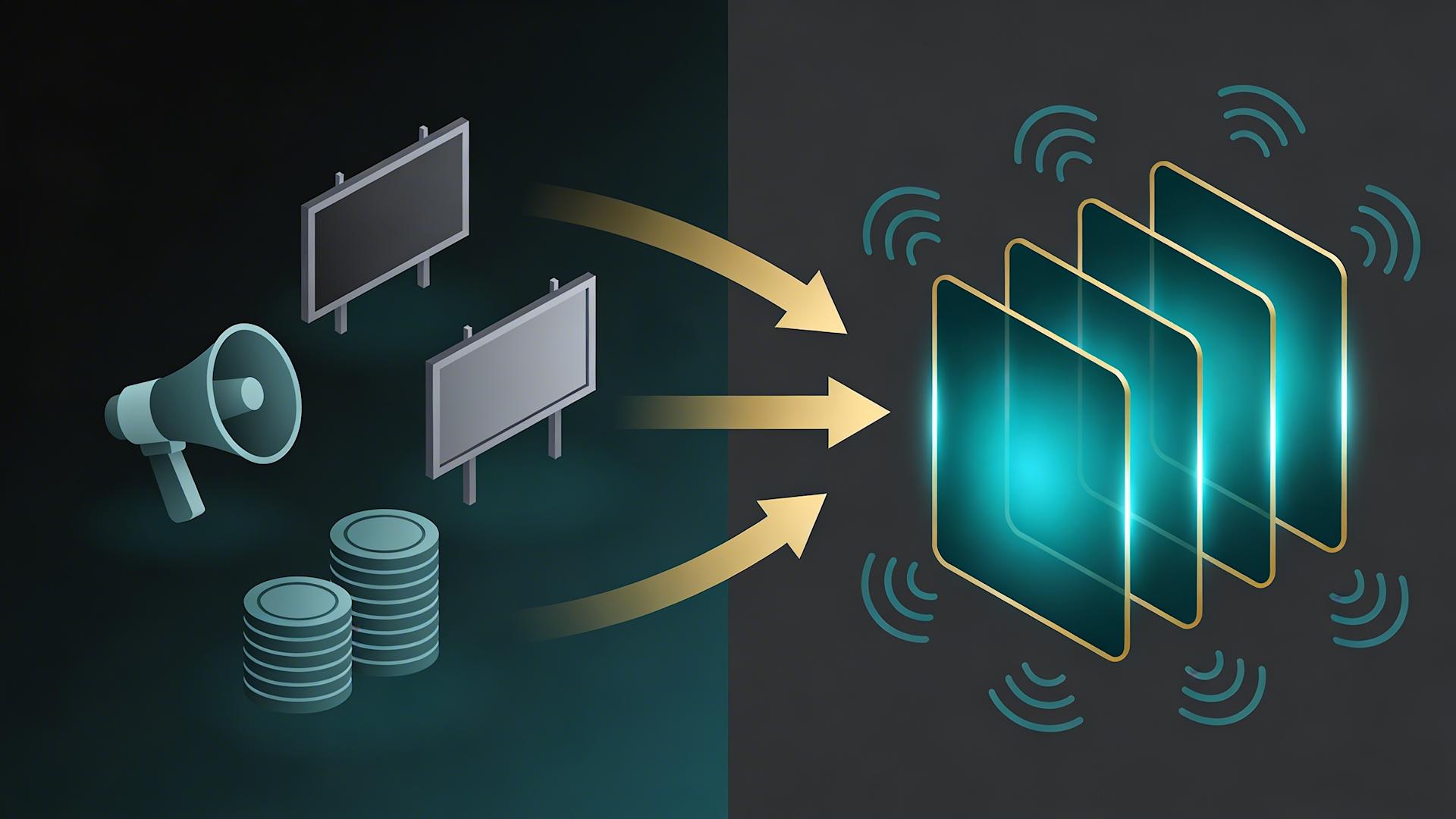
1. Why Organic Video Is Replacing Paid Advertising Budgets for 40-60% of Small Businesses
The small business marketing budget reallocation from paid advertising to organic video reflects fundamental economics, paid channels requiring perpetual investment to maintain visibility while organic video creates compounding assets generating ongoing returns. Understanding the specific cost structures and performance differences reveals why businesses achieving profitability through organic video abandon or dramatically reduce paid advertising dependence.
The Paid Advertising Cost Crisis
Typical small business paid advertising economics (2026):
Facebook/Instagram Ads:
Average CPC (cost per click): $1.50-$4.00
Average conversion rate (click to purchase): 2-3%
Cost per acquisition: $50-$133 per customer
Monthly budget for 50-100 customers: $2,500-$13,300
Sustainability issue: Revenue stops when budget stops (no compounding)
Google Ads:
Average CPC: $2-$15 (industry dependent)
Conversion rate: 3-5% (search intent higher than social)
Cost per acquisition: $40-$300 per customer
Minimum viable monthly spend: $3,000-$5,000 (below this, insufficient volume for optimization)
Challenge: Competitive industries require $8,000-$15,000 monthly for meaningful market share
Total paid advertising burden:
Combined social + search: $5,500-$18,300 monthly minimum
Annual cost: $66,000-$219,600
For business generating $300,000 annually: 22-73% of revenue consumed by customer acquisition
The paid advertising declining returns problem:
Month 1-3: Initial performance
Fresh creative, new audiences
ROAS (return on ad spend): 3-5x typical
Example: $5,000 spend → $15,000-$25,000 revenue
Month 4-6: Performance degradation
Ad fatigue sets in (audiences see same ads repeatedly)
Best audiences exhausted (lookalike expansion to lower-quality)
ROAS: 2-3x (declining)
Example: $5,000 spend → $10,000-$15,000 revenue
Month 7-12: Diminishing returns
Creative refresh required (additional cost and time)
Audience saturation (market limited in most local/niche businesses)
ROAS: 1.5-2.5x (marginal profitability)
Example: $5,000 spend → $7,500-$12,500 revenue
The hamster wheel effect:
Constant creative production to combat fatigue
Perpetual budget increases to maintain volume
No asset accumulation (ads disappear when budget stops)
Unsustainable for businesses without substantial venture funding
The Organic Video Alternative Economics
Small business organic video approach:
Production investment (monthly):
Time investment: 8-12 hours (filming 4-6 videos + editing with Clippie AI)
Tool cost: $35-$70 (Clippie AI subscription)
Equipment (one-time): $200-$500 (smartphone, lighting, microphone, if needed)
Monthly cost: $35-$70 ongoing (time valued separately)
Results timeline and compounding:
Month 1-3: Foundation building
12-18 videos published (4-6 monthly)
Organic reach: 5,000-15,000 total views
Lead generation: 20-60 leads (email captures, inquiries)
Revenue: $2,000-$8,000 (early conversions from video discovery)
Cost per lead: $0.58-$3.50 (subscription cost ÷ leads)
Month 4-6: Algorithm recognition
24-36 total videos in library (continuing 4-6 monthly)
Organic reach: 15,000-40,000 monthly views (algorithm favoring consistent creator)
Lead generation: 60-150 leads monthly
Revenue: $8,000-$20,000 monthly (conversion funnel maturing)
Cost per lead: $0.23-$1.17
Month 7-12: Compounding effects
42-72 total videos (comprehensive library)
Organic reach: 30,000-80,000 monthly views (older videos continue generating views)
Lead generation: 120-300 leads monthly
Revenue: $15,000-$40,000 monthly (established trust, strong positioning)
Cost per lead: $0.12-$0.58
The compounding advantage:
Video from Month 1 still generating views in Month 12 (evergreen content)
Each new video adds to cumulative library impact
Search rankings improve over time (YouTube SEO compounds)
Contrast to ads: Paid ads generate zero value after budget depletes
Year 1 comparison (same business):
Paid advertising approach:
Total investment: $66,000 (assuming $5,500 monthly minimum)
Customers acquired: 800-1,100 (variable based on ROAS decline)
Cost per customer: $60-$82.50
Asset created: $0 (no ongoing value when budget stops)
Organic video approach:
Total investment: $420-$840 (subscription) + $500 equipment one-time
Time investment: 96-144 hours (8-12 monthly)
At $50/hour value: $4,800-$7,200 time cost
Total cost: $5,720-$8,540
Customers acquired: 400-900 (ramp-up slower but accelerating)
Cost per customer: $6.36-$21.35
Asset created: 48-72 videos generating ongoing leads indefinitely
Savings: $57,460-$60,280 annually (91-92% lower customer acquisition cost)
Plus: Video library continues working in Year 2 with minimal additional investment
Platform Algorithm Advantages for Video
Why platforms prioritize video content:
Instagram algorithm (2026):
Video posts (Reels): 3-5x organic reach vs. static images
Reason: Instagram competing with TikTok (incentivizing video creation)
Average reach: Reels 15-25% of followers + discovery, static posts 3-8% of followers only
TikTok algorithm:
Video-only platform (no static content)
"For You" page: Shows content to non-followers based on engagement signals
Small accounts can go viral: 0 followers → 100K+ views possible (rare with other platforms)
YouTube algorithm:
Search engine + recommendation engine (dual discovery)
Evergreen value: Videos rank in search indefinitely
Average video lifespan: 2-5 years generating views (vs. social posts 24-48 hours)
LinkedIn algorithm (B2B businesses):
Video posts: 2-4x engagement vs. text/image posts
Professional audience: Decision-makers consuming educational content
Organic reach: Substantially higher than Facebook for B2B topics
The organic reach data:
Test: Same business, same message, different formats
Static image post:
Reach: 800 people (4% of 20,000 followers)
Engagement: 32 likes, 3 comments
Link clicks: 8
Leads generated: 0
Text post:
Reach: 1,200 people (6% of followers)
Engagement: 48 likes, 12 comments
Link clicks: 15
Leads generated: 1
Video post (Reels/TikTok/YouTube Shorts):
Reach: 8,400 people (42% of followers + 4,400 non-followers via discovery)
Engagement: 340 likes, 28 comments, 18 shares
Link clicks: 94
Leads generated: 12
Video advantage: 10.5x reach, 12x lead generation from identical message

Trust Building Through Educational Content
The paid ad credibility problem:
Consumer psychology toward ads:
Ad recognition: 85% of viewers consciously recognize ads (skepticism activated)
Trust level: 28% trust advertising messages (vs. 72% trust educational content)
Ad blocking: 42% of internet users employ ad blockers (paying to avoid ads)
Result: Uphill battle convincing skeptical audience to purchase
Organic video credibility advantage:
Educational content perception:
Perceived as helpful (not self-serving)
Expert positioning (teaching establishes authority)
Value-first approach (reciprocity psychology, gave value, willing to reciprocate)
Result: Warm, trusting audience receptive to offers
Conversion rate comparison:
Cold traffic (paid ads) to purchase:
Click-through rate: 2-4% (ad to landing page)
Landing page conversion: 1-3% (visitor to customer)
Overall conversion: 0.02-0.12% (impression to customer)
Warm traffic (organic video viewers) to purchase:
Video completion: 60-75% (engaged viewing)
CTA click rate: 5-12% (video to landing page)
Landing page conversion: 8-15% (trust pre-established via video)
Overall conversion: 0.4-1.8% (viewer to customer)
Organic video converts 3-15x higher than cold paid traffic
The 40-60% Budget Shift Data
Small business marketing budget trends (2023-2026):
2023 allocation:
Paid advertising: 65-75% of marketing budget
Organic content: 15-25%
Other (email, partnerships, etc.): 10-15%
2026 allocation:
Paid advertising: 35-45% of marketing budget (40-46% reduction)
Organic video: 40-50% (160-300% increase)
Other: 10-15%
Why the shift:
Paid ad costs increased 30-50% (2023-2026) while performance declined
Organic video ROI demonstrated superiority (3-10x better CAC)
Platform algorithm changes favoring video (forced adaptation)
Economic pressure: Small businesses cannot sustain rising ad costs
The businesses still using paid ads (and why):
Scenario 1: Profitable paid channels
ROAS consistently above 4x
LTV justifies CAC (customers worth $500+, CAC $80-$120 acceptable)
Strategy: Maintain paid ads, add organic video to reduce dependency
Scenario 2: Launch/speed requirements
New product launch (organic too slow to build awareness)
Time-sensitive promotions (Black Friday, limited offers)
Strategy: Paid ads for short-term push, organic for long-term sustainability
Scenario 3: Highly competitive local markets
Local service business (plumber, lawyer, dentist) in saturated market
Paid ads necessary for immediate visibility
Strategy: Combine paid (immediate leads) + organic video (authority building over time)
All three scenarios: Organic video reduces paid ad dependence 40-60%
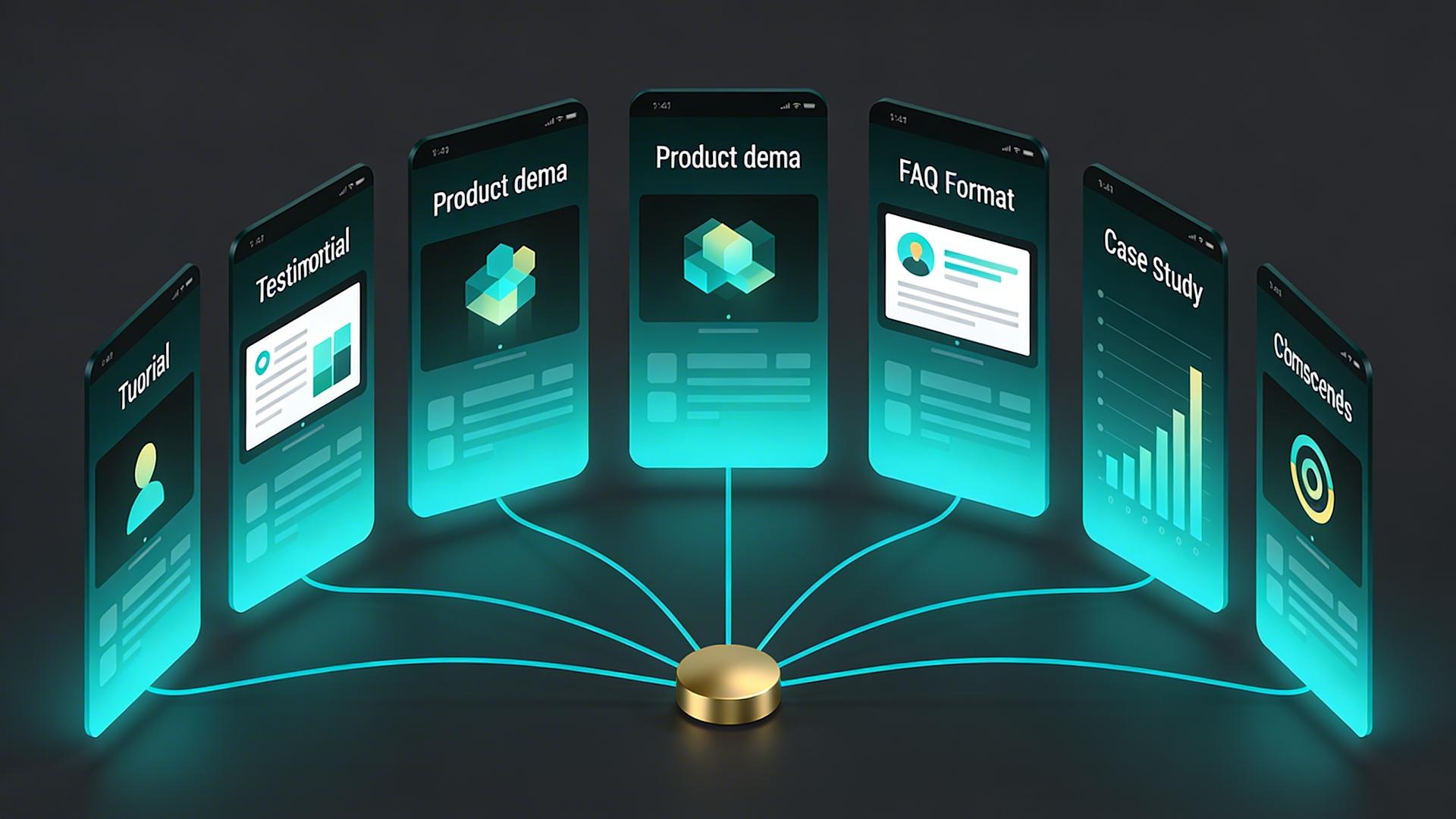
2. The 7 Video Content Types That Drive Sales Without Any Ad Spend
Organic video content generates sales through value delivery and trust building rather than interruptive promotion. These seven formats systematically attract ideal customers, address purchase objections, and drive conversions without requiring advertising spend.
Content Type #1: Educational How-To Videos
What they are:30-90 second (short-form) or 5-15 minute (long-form) tutorials teaching viewers to solve specific problems related to your product/service category.
Why they drive sales:
Search intent alignment: People searching "how to [problem]" are actively experiencing that problem (high buying intent)
Expertise demonstration: Teaching establishes authority and competence (trust building)
Value-first approach: Giving away valuable information triggers reciprocity (audience wants to give back through purchase)
Examples by business type:
SaaS company (project management tool):
"How to manage remote team projects without constant meetings"
"How to track project progress without micromanaging"
Value: Teaches project management principles
Soft sell: "Our tool automates this process, try free for 14 days"
E-commerce (fitness equipment):
"How to build home gym for under $500"
"How to create effective workout routine (15 minutes daily)"
Value: Practical fitness knowledge
Soft sell: "Equipment shown available in our store"
Local service (landscaping):
"How to prevent weeds naturally (no chemicals)"
"How to choose plants for shaded yards"
Value: Gardening expertise
Soft sell: "Need help? We design and maintain yards in [city]"
B2B consultant (HR consulting):
"How to conduct performance reviews that actually improve performance"
"How to reduce employee turnover by 40%"
Value: HR best practices
Soft sell: "We implement these systems for mid-size companies"
Performance benchmarks:
Metrics:
View duration: 70-85% (high completion, solving real problem)
Engagement: 6-12% (viewers comment with questions, gratitude)
Conversion rate: 2-5% (viewers to leads/customers)
Revenue per video (6-month lifespan):
Conservative: $500-$2,000 per educational video
Strong: $2,000-$8,000 per video
Based on: 5,000-20,000 views × 2-5% conversion × $50-$200 average transaction
Content Type #2: Behind-the-Scenes Transparency
What they are: 15-60 second glimpses into daily operations, production processes, team culture, or business challenges, creating authentic connection impossible through polished marketing.
Why they drive sales:
Authenticity signals: Raw, unpolished footage triggers trust (not fabricated marketing)
Humanization: Seeing real people running business creates emotional connection
Differentiation: Most competitors hide behind corporate facade (transparency stands out)
Examples:
Product-based business:
"How we pack your orders with care" (warehouse footage showing quality control)
"Meet Sarah, she's been hand-making our products for 8 years"
"When things go wrong: Here's how we fixed a production mistake"
Service business:
"Morning routine: How we prepare for client calls"
"Team training session: Staying current on [industry]"
"Celebrating wins: Client success stories that made our week"
Restaurant:
"5am kitchen prep: How we make everything fresh daily"
"Choosing ingredients: We're at the farmer's market every Saturday"
"Failed recipe test: Not everything makes it to the menu"
Why transparency sells:
Purchase psychology:
Uncertainty reduction: Seeing process eliminates "what am I actually buying?" doubt
Quality signals: Showing care and standards justifies pricing
Relationship building: Parasocial connection creates loyalty (customers defend brands they "know")
Performance data:
Engagement rate: 8-15% (highly shareable, relatable)
Customer retention: 35-50% higher among viewers of BTS content (feels invested in business)
Price sensitivity: 25-40% lower (willing to pay premium for "authentic" brands)
Content Type #3: Customer Success Stories and Testimonials
What they are: 30-90 second customer testimonials showing real results achieved with your product/service, social proof in video format.
Why they drive sales:
Third-party credibility: Customers more trusted than business claims (72% vs. 28%)
Results visualization: Seeing actual customer transformation creates belief
Objection handling: Testimonials address skepticism ("Did it actually work for someone like me?")
Format options:
Option 1: Customer-filmed testimonial
Customer records themselves on phone
Authentic, raw format (high trust signal)
Low production effort (customer does filming)
Script framework:
"Before [product]: I struggled with [specific problem]"
"After using [product]: I achieved [specific result]"
"I'd recommend this to [who should buy]"
Option 2: Business-produced case study
Interview customer (or use written testimonial + B-roll)
Show before/after visually
Include metrics (time saved, money earned, problem solved)
Example (fitness coach):
Before: Client struggling with weight (photo)
Journey: "I followed the program for 90 days"
After: Client 35 lbs lighter (photo)
Result: "I can finally keep up with my kids"
CTA: "Start your transformation, link in bio"
Performance:
Conversion lift: 40-70% (vs. pages without video testimonials)
Trust score: 4.2x higher than text reviews
Watch completion: 75-90% (viewers invested in outcome)
Content Type #4: Product/Service Demonstration
What they are: 45-90 second videos showing product in use or service being delivered, answering "Does this actually work?" through visual proof.
Why they drive sales:
Seeing is believing: Visual demonstration eliminates skepticism
Usage understanding: Shows exactly how product works (reduces "too complicated" hesitation)
Value justification: Seeing results justifies price
Examples:
Physical product:
"Watch this [product] in action: [time-lapse of result]"
"Three ways to use [product] most people don't know"
"Does it actually work? Live test with surprising result"
Software/app:
"How to [achieve result] in 60 seconds with [app]"
Screen recording showing exact workflow
Before: Manual process taking 15 minutes
After: Same result in 1 minute with software
Service business:
"Watch a roof transformation: Before, during, after"
Time-lapse showing service delivery
Final result with satisfied customer
The demonstration principle:
Weak demonstrations (don't convert well):
Showing product sitting on table (static)
Talking about features without showing them
Vague claims without proof
Strong demonstrations (convert 3-8%):
Product solving problem in real-time
Side-by-side comparison (before/after)
Specific, measurable results shown
Content Type #5: Frequently Asked Questions (FAQ Videos)
What they are: 30-60 second videos answering common customer questions, systematically addressing purchase objections.
Why they drive sales:
Objection removal: Each FAQ video eliminates one reason NOT to buy
Search optimization: "Does [product] work for [situation]?" typed into YouTube/Google daily
Sales support: Customers can watch FAQ instead of calling/emailing (scales support)
High-converting FAQ topics:
Pricing objections:
"Is [product] worth the price?" (value justification)
"Are there hidden fees?" (transparency)
"Can I try before buying?" (risk reduction)
Suitability questions:
"Will this work for [specific situation]?"
"Do I need [technical skill] to use this?"
"How long until I see results?"
Comparison questions:
"How is this different from [competitor]?"
"Why is this better than [cheaper alternative]?"
"What makes this unique?"
Logistics:
"How long does shipping take?"
"What's your return policy?"
"Do you offer payment plans?"
Production approach:
Batch filming:
List 20-30 common questions from sales conversations, support tickets, emails
Film answers to all in single session (2-3 hours)
Post 2-3 weekly (10-15 weeks of content)
Format:
State question clearly (first 3 seconds)
Answer directly (no preamble, just answer)
Provide proof if applicable (show, don't just tell)
Soft CTA at end ("Any other questions? Drop a comment")
Performance:
Conversion lift: 25-45% (vs. products without FAQ videos)
Support ticket reduction: 30-50% (customers self-serve via video)
Search traffic: 15-35% of total organic video traffic (high-intent searches)
Content Type #6: Comparison and "Versus" Videos
What they are: 60-120 second videos comparing your solution to alternatives, positioning strategically without aggressive competitor attacks.
Why they drive sales:
Decision assistance: Viewers actively comparing options (late-stage buying intent)
Positioning control: You frame the comparison (vs. letting competitor control narrative)
Differentiation clarity: Specific differences explained (not vague claims)
Comparison formats:
Format 1: Product vs. Product
"[Your product] vs. [Competitor]: Which is better for [specific use case]?"
Honest comparison (acknowledge competitor strengths)
Highlight your differentiators (what makes you unique/better for certain customers)
Format 2: DIY vs. Professional
"Should you DIY [task] or hire a pro?"
Explain when DIY makes sense (small scale, budget constraints)
When professional needed (complex, high-stakes, time-saving)
Positions your service: For customers where professional approach justified
Format 3: Budget vs. Premium
"Budget option vs. Premium option: Which should you choose?"
Explain trade-offs honestly
Positions your offering: Usually premium (justify higher price through value)
Example (marketing agency):
Video: "Agency vs. Freelancer vs. In-House: Which marketing approach is right for you?"
Freelancer approach:
Best for: Small budget, specific one-off projects
Limitation: Capacity constraints, single skill set
In-house team:
Best for: Large companies, consistent volume, need control
Limitation: Expensive ($120K+ annually), hard to find talent
Agency (our solution):
Best for: Growing companies needing multiple skills, want results not management
Advantage: Team expertise, scalable, accountable to performance
Soft CTA: "See if we're right fit, free consultation link below"
Outcome: Viewer self-selects (if they fit agency profile, they inquire)
Ethical comparison rules:
Do:
Accurate representation of competitors
Acknowledge competitor strengths
Focus on fit (not declaring outright "better")
Don't:
Lie about competitors
Cherry-pick unfair comparisons
Attack personally
Result: Trustworthy positioning (not desperate)
Content Type #7: Problem-Agitation-Solution (PAS) Narratives
What they are:60-90 second story-based videos following PAS framework, emotional engagement driving action.
Structure:
Problem (0-20 seconds):
Describe specific relatable problem
Make it visceral and painful
Example: "Waking up at 3am worrying about cash flow, again. Your business makes money but you're always broke."
Agitation (20-50 seconds):
Make problem worse (twist the knife)
Show consequences of not solving
Example: "Missing payroll. Turning down opportunities because you can't afford inventory. Your family asking 'when will the business start working?'"
Solution (50-90 seconds):
Introduce your product/service as solution
Show specific result achieved
Social proof (customer success)
Clear CTA
Example: "Cash flow management tool shows you real-time profitability. Sarah went from $12K debt to $45K cash reserve in 8 months. Try free for 30 days."
Why PAS drives sales:
Emotional engagement:
Problem resonates (viewer sees themselves)
Agitation creates urgency (pain of not solving)
Solution provides relief (desire for resolution)
Neuropsychology:
Pain avoidance stronger motivator than gain seeking (2-3x)
Story format bypasses logical skepticism (emotional processing)
Result: Action without overthinking
Performance:
Engagement: 10-18% (highly shareable, emotionally resonant)
Conversion: 4-9% (urgency drives action)
Best for: High-consideration purchases (pain point must be significant)
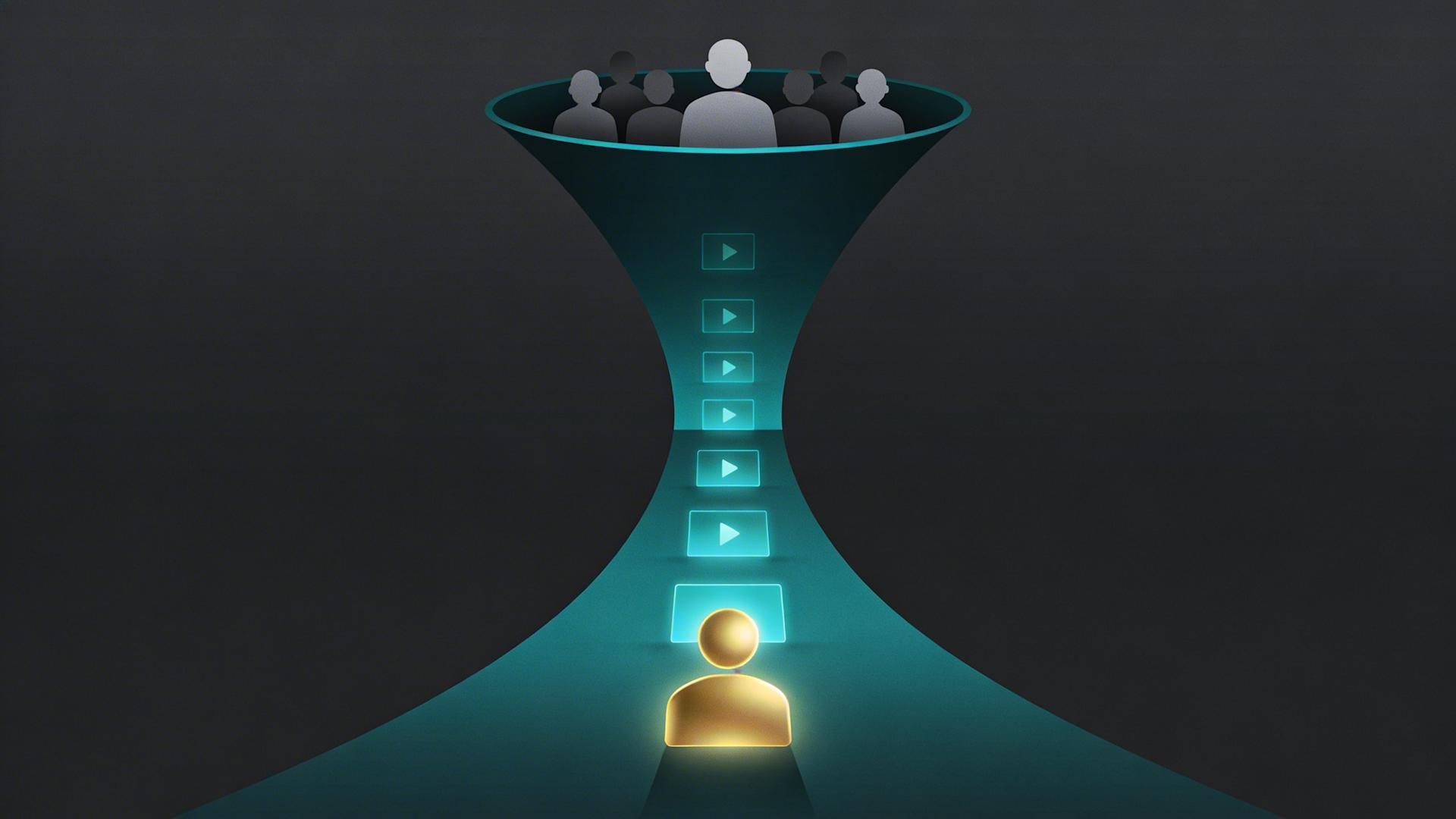
3. How to Build a Complete Video Sales Funnel That Converts Cold Viewers to Customers
Isolated videos generate sporadic results, systematic funnels guide viewers from initial discovery through purchase decision. This framework addresses every customer journey stage through strategic video content sequencing.
The 4-Stage Video Funnel Framework
Stage 1: Awareness (Top of Funnel)
Goal: Attract ideal customers who don't know you exist
Video types:
Educational how-to videos (solving problems in your category)
Industry insights and trends
Myth-busting and misconceptions
"What is [topic]" explainers
Characteristics:
No selling (pure value delivery)
Broad appeal (large audience)
Search-optimized (keywords in title/description)
CTA: "Subscribe for more [topic] tips"
Example (accounting software for freelancers):
"How to track business expenses properly (avoid IRS audit)"
"5 tax deductions freelancers always miss"
"Should you form an LLC? Honest breakdown"
Performance goals:
Reach: 5,000-20,000 views per video
Subscriber conversion: 1-3% (viewers who subscribe)
Success metric: Building audience of ideal customers
Stage 2: Consideration (Middle of Funnel)
Goal: Build preference for your specific solution
Video types:
Product/service demonstrations
Comparison videos (you vs. alternatives)
Behind-the-scenes (building trust)
Customer success stories
Characteristics:
Introduces your solution (not pushy)
Highlights differentiation
Builds trust through proof
CTA: "Learn more, link in description"
Example (same accounting software):
"How [Your Software] simplifies quarterly taxes (walkthrough)"
"DIY accounting vs. Software vs. Accountant: Which is right for you?"
"Behind-the-scenes: How we built features freelancers actually need"
"Meet Alex: How he saved $8,000 in taxes using [Software]"
Performance goals:
Reach: 2,000-8,000 views (narrower audience)
Website clicks: 5-12% (viewers to website)
Success metric: Traffic to landing pages increasing
Stage 3: Decision (Bottom of Funnel)
Goal: Convert interested prospects to paying customers
Video types:
Detailed product demos/tutorials
Pricing and plans explained
FAQ videos (addressing objections)
Limited-time offers and promotions
Characteristics:
Direct and specific
Addresses purchase objections
Clear pricing and value
Strong CTA: "Start free trial" or "Buy now, limited offer"
Example:
"Complete [Software] tutorial: Setup to first tax filing"
"Pricing explained: Which plan is right for you?"
"Will [Software] work if you're not tech-savvy?" (FAQ)
"New customer offer: 50% off first year (expires Sunday)"
Performance goals:
Reach: 500-2,000 views (qualified audience)
Conversion rate: 8-15% (viewers to customers)
Success metric: Sales directly attributed to video
Stage 4: Retention (Post-Purchase)
Goal: Prevent churn, increase lifetime value
Video types:
Onboarding and quick-start guides
Advanced features and tips
Best practices and optimization
Community highlights and wins
Characteristics:
Customer-only access (in product, email)
Maximizes product value
Reduces support burden
CTA: "Upgrade to Pro" or "Refer a friend"
Example:
"Your first 30 days: Getting the most from [Software]"
"Advanced: Automated expense categorization setup"
"How top users save 10+ hours monthly (tips from our community)"
"Refer a freelancer friend, you both get 3 months free"
Performance goals:
View rate: 40-60% of customers watch (high engagement)
Support ticket reduction: 25-40% (self-service via video)
Success metric: Lower churn, higher LTV
Funnel Content Calendar
Monthly production (16 videos total):
Awareness: 8 videos (50%)
Why: Largest audience, most important for top-of-funnel filling
Topics: Educational, how-to, trends
Distribution: YouTube, Instagram Reels, TikTok, LinkedIn
Consideration: 4 videos (25%)
Topics: Product demos, comparisons, behind-the-scenes, testimonials
Distribution: YouTube, website embeds, social media
Decision: 2 videos (12.5%)
Topics: Pricing, detailed demos, offer promotions
Distribution: Landing pages, email, retargeting
Retention: 2 videos (12.5%)
Topics: Onboarding, advanced tips
Distribution: Email, in-app, customer portal

The Measurement Framework
Tracking funnel effectiveness:
Stage metrics:
Awareness: Impressions, reach, subscriber growth
Consideration: Click-through rate, website visits, time on site
Decision: Conversion rate, sales attributed, revenue
Retention: Churn rate, support tickets, upsell rate
Funnel health indicators:
Healthy funnel:
Awareness videos reaching 5K-20K
10-15% of viewers moving to consideration content
8-15% of consideration viewers converting
50%+ of customers watching retention content
Unhealthy funnel (diagnosis):
High awareness, low consideration: Content not connecting to your solution (need more brand mentions in awareness content)
High consideration, low conversion: Objections not addressed (need more FAQ/testimonial content)
High churn: Onboarding inadequate (need better retention content)

4. How to Turn Organic Video Content Into Predictable Monthly Revenue
Organic video generates predictable revenue through systematic lead capture, nurture sequences, and multi-tier offer structure, converting cold viewers to email subscribers to customers through strategic content progression.
The Lead Magnet Video Strategy
What it is: Video offering immediate value in exchange for email address, building list for ongoing nurture.
Format:
Video hook:
"Want my complete [desirable resource]? It's free, I'll send it to you right now."
Example: "Want my client onboarding template that gets 95% of clients to provide materials on time? Free PDF, I'll email it immediately."
Value demonstration:
Show what they're getting (quick preview)
Explain benefit (what problem it solves)
Urgency (optional): "For a limited time" or "Normally sell this for $X"
CTA:
"Drop your email in the comments, I'll send it"
OR "Link in bio, get instant access"
OR "Visit [URL] to download now"
Backend automation:
Step 1: Email capture
Landing page: Simple form (name + email)
Immediate delivery: Auto-send lead magnet PDF/video
Step 2: Nurture sequence (automated email)
Email 1 (immediate): Delivery + welcome
Email 2 (Day 2): "Did you get a chance to use [lead magnet]? Here's how to get the most from it"
Email 3 (Day 5): Case study or testimonial (social proof)
Email 4 (Day 7): Core offer introduction (soft pitch)
Email 5 (Day 10): Objection handling (FAQ content)
Email 6 (Day 14): Direct offer with incentive ("Special offer for new subscribers: 20% off")
Conversion rate:
Email subscribers: 15-30% of video viewers (strong lead magnet)
Email-to-customer: 5-12% (over 30-day nurture)
Overall: 0.75-3.6% of viewers become customers via email funnel
The Tripwire Offer Video
What it is: Low-price offer ($7-$47) converting cold traffic immediately, funding content production and qualifying buyers.
Psychology:
Low barrier to entry (less decision friction than $500+ purchase)
Buyer behavior activation (once someone buys, more likely to buy again)
Principle: "Sell something small to sell something big"
Example offers by business:
Course creator:
Tripwire: $27 mini-course (1-2 hours content)
Core offer: $497 comprehensive course
Strategy: Mini-course proves teaching quality, upsells to full course
E-commerce:
Tripwire: Sample pack or starter kit ($19-$39)
Core offer: Full product line purchases
Strategy: Let customers try before buying full price
Service business:
Tripwire: $47 audit/assessment
Core offer: $3,000-$8,000 done-for-you service
Strategy: Low-cost engagement leads to high-ticket service
SaaS:
Tripwire: $1 trial for 30 days (vs. free trial)
Core offer: $49-$199/month subscription
Strategy: Paid trial filters serious users, reduces support on free-loaders
Tripwire video structure:
0-10 seconds: Hook
Bold promise or question
"Want to [achieve specific result] for less than a pizza?"
10-40 seconds: Value demonstration
Show what's included
Specific, tangible benefit
"This 47-minute masterclass shows you exactly how to [outcome]"
40-55 seconds: Social proof
"487 people bought this last month, here's what they're saying"
Quick testimonial clip
55-65 seconds: Offer and urgency
"Normally $97, today only $27"
Clear CTA: "Tap link to get instant access"
Performance:
Conversion rate: 3-8% (viewers to buyers)
Revenue per 1,000 views: $80-$220
Economics: 10K video views = $800-$2,200 revenue (funds content production)
The Core Offer Video
What it is: Primary product/service promotion, main revenue driver.
Approaches:
Approach 1: Direct pitch video
Traditional sales video format
Problem-solution-offer structure
3-8 minutes typically
Use case: Dedicated landing page traffic
Approach 2: Embedded education (recommended for organic)
Educational content (80%) + soft pitch (20%)
Example: "How to [solve problem]" tutorial that mentions your solution naturally
Use case: Social media and YouTube (less resistance to soft sell)
Core offer video structure (embedded education approach):
Minutes 0-1: Hook and problem
Attention grabber
Relatable problem statement
Minutes 1-6: Educational value
Teach legitimate solution to problem
Actionable tips viewer can use immediately
Builds trust: Not withholding value to force purchase
Minutes 6-8: Introduce your solution
"You can do this yourself using what I just taught, OR..."
"If you want this done faster/easier/better, we offer [product]"
Explain how your solution accelerates/simplifies what you taught
Minutes 8-10: Social proof and offer
Customer results
Clear pricing and guarantee
Strong CTA
Performance:
View-to-purchase: 1-4% (depending on price point)
Revenue per 1,000 views: $200-$800 (price dependent)
The Revenue Predictability Model
Once funnel is established (Month 6+):
Predictable metrics:
Input: Video views
Average monthly views: 40,000 (across all videos)
Funnel conversion:
Lead magnet conversion: 20% = 8,000 email subscribers annually
Email nurture conversion: 8% = 640 customers from email
Tripwire conversion: 4% of viewers = 1,600 tripwire customers
Core offer conversion: 2% of viewers = 800 core offer customers
Revenue calculation:
Email funnel: 640 customers × $200 average = $128,000
Tripwire: 1,600 × $27 = $43,200
Core offer direct: 800 × $300 average = $240,000
Total annual revenue: $411,200 from 40K monthly views
Divided monthly: $34,267 predictable revenue
Improvement levers:
Increase views: More content, better SEO
Improve conversion: Better CTAs, stronger offers
Increase pricing: Premium positioning, added value
5. How to Make Business Video Creation 80% Easier and Faster With Clippie AI
Business owners cite "time consuming" as #1 barrier to consistent video creation, manual filming, editing, and publishing requiring 2-4 hours per video makes weekly posting unsustainable. Clippie AI reduces per-video time from 120 minutes to 20-25 minutes through automated workflows.
The Manual Business Video Production Problem
Traditional workflow (per video):
Pre-production (15-20 minutes):
Script or outline creation
Equipment setup
Lighting and framing check
Filming (30-45 minutes):
Multiple takes (mistakes, stumbles)
Different angles or B-roll
Reviewing footage
Post-production (60-90 minutes):
Import footage
Watch and select best takes: 15 minutes
Rough cut and sequencing: 20 minutes
Remove mistakes and dead air: 15 minutes
Add captions: 15 minutes
Color/audio correction: 10 minutes
Export: 10 minutes
Create thumbnail: 10 minutes
Upload and optimize metadata: 5 minutes
Total: 105-155 minutes per video
Monthly burden (16 videos):
1,680-2,480 minutes = 28-41 hours monthly
For business owner: Unsustainable (core business suffers)
For delegated team: $1,400-$2,050 monthly cost at $50/hour
The Clippie AI Automated Workflow
Same video production with AI:
Pre-production (10-15 minutes):
Quick outline (talking points, not full script)
Setup (same as before)
Filming (20-30 minutes):
Record complete take (AI handles mistakes)
Don't worry about perfect delivery (AI removes filler)
Post-production (15-25 minutes total):
Upload to Clippie AI: 2 minutes
Removes silence and filler words
Generates captions automatically
Color/audio normalization
Exports multiple formats
AI processing (autonomous): 8-12 minutes
Human review and refinement: 10-15 minutes
Verify caption accuracy (fix 1-2 errors typically)
Adjust any pacing issues
Approve final output
Create thumbnail: 5 minutes (Canva template)
Upload and metadata: 3 minutes
Total: 45-70 minutes per video (57-68% time reduction)
Monthly burden (16 videos):
720-1,120 minutes = 12-18.7 hours monthly
Time savings: 16-22.3 hours monthly (56-68% reduction)
Cost savings: $800-$1,115 monthly (at $50/hour value)
Clippie AI Features for Business Owners
Feature: Filler word and silence removal
The business owner speech pattern problem:
Natural speech includes: "um," "uh," "like," "you know"
Pauses while thinking
False starts and corrections
Manual editing: Identify and cut each instance (time-consuming)
Clippie AI solution:
Automatically detects filler words
Removes or reduces silence gaps
Result: Professional, tight delivery without manual editing
Impact: Saves 15-20 minutes per video (filler removal tedious manually)
Feature: Automatic caption generation
The caption importance:
85% of social media watched muted (captions essential)
Accessibility (hearing impaired viewers)
SEO (YouTube indexes captions for search)
Manual captioning: Type and synchronize (15-20 minutes per video)
Clippie AI solution:
Speech-to-text with timing
Styled captions (brand colors, fonts)
Result: Professional captions in 30 seconds (AI processing time)
Impact: Saves 15-20 minutes per video
Feature: Multi-platform export
The platform requirement:
YouTube: 16:9 horizontal
Instagram/TikTok: 9:16 vertical
LinkedIn: 1:1 square (optimal)
Manual approach: Export and resize 3 times (20-30 minutes)
Clippie AI solution:
Single source generates all formats simultaneously
Platform-optimized aspect ratios
Result: All versions ready in one export (8-10 minutes total)
Impact: Saves 10-20 minutes per video
Feature: Brand template system
Business branding challenge:
Consistent intro/outro
Brand colors and fonts
Logo placement
Manual approach: Apply brand elements each video (8-12 minutes)
Clippie AI solution:
Create brand template once (30 minutes one-time)
Apply to all videos automatically
Result: Perfect brand consistency, zero ongoing time
Impact: Saves 8-12 minutes per video
Batch Production Workflow for Business Owners
Monthly video production (sustainable approach):
Week 1: Content planning (2 hours)
Review performance from last month
Brainstorm 16 video topics
Create brief outlines (bullet points)
Week 2: Batch filming day (4-6 hours)
Setup once (lighting, camera, background)
Film all 16 videos consecutively
Each video: 15-20 minutes
Total filming: 4-5.3 hours
Output: 16 raw videos
Week 3: Batch editing (6-8 hours)
Upload all 16 to Clippie AI: 30 minutes
AI processes overnight: Autonomous
Review all 16: 16 × 12 minutes = 3.2 hours
Create thumbnails: 16 × 5 minutes = 1.3 hours
Upload and schedule: 16 × 3 minutes = 0.8 hours
Total active time: 5.8 hours
Week 4: Monitoring and engagement
Respond to comments
Analyze performance
Adjust upcoming content based on data
Total monthly time: 11.8-16 hours (vs. 28-41 hours manual)
Savings: 12-25 hours monthly
Clippie AI Plans for Business Owners
Clippie Lite ($19.99/month):
30 minutes video export
Best for: Testing video marketing (4-6 videos monthly)
Clippie Creator ($34.99/month):
120 minutes video export
Best for: Consistent business video (12-20 videos monthly)
Recommended: Optimal for most small businesses
Clippie Pro ($69.99/month):
250 minutes video export
Best for: High-volume content (20-40+ videos monthly)
ROI calculation (Creator plan, 16 videos monthly):
Time saved:
Manual: 28-41 hours monthly
With Clippie AI: 12-18.7 hours monthly
Savings: 9.3-22.3 hours
Value of time saved:
At business owner rate of $100/hour: $930-$2,230 monthly
Plan cost: $34.99 monthly
ROI: 2,559-6,275%
Plus: Enables consistent posting (algorithm favor, audience growth)
Start making business video creation easier at clippie.ai.
6. Frequently Asked Questions
How long until organic video replaces paid ad revenue?
Answer: Organic video typically requires 6-12 months to match or exceed paid advertising results, with timeline varying based on consistency (weekly posting accelerates 40-60% vs. sporadic monthly), niche competition (low-competition niches see results in 4-6 months, saturated markets require 12-18 months), and starting authority (established brands with existing audiences see faster traction than completely new brands), making realistic expectation-setting critical, businesses should maintain reduced paid advertising during ramp-up period rather than eliminating entirely, with systematic approach of producing 12-20 monthly videos, measuring lead generation and revenue attribution monthly, and gradually reducing paid spend as organic performance proves sustainable revenue replacement
Realistic timeline expectations:
Month 1-3: Foundation (don't expect revenue replacement yet)
Focus: Publishing consistently, learning workflow
Video count: 12-24 total videos
Results: 50-150 leads, $2,000-$8,000 revenue
Don't: Eliminate paid ads yet (organic insufficient)
Month 4-6: Traction (early returns)
Algorithm recognition: Videos reaching more non-followers
Video count: 24-48 total
Results: 150-400 leads monthly, $8,000-$25,000 revenue
Action: Can reduce paid ads 30-50% if hitting targets
Month 7-12: Maturation (sustainable revenue)
Compounding library: Old videos still generating leads
Video count: 48-96 total
Results: 300-800 leads monthly, $25,000-$60,000+ revenue
Action: Paid ads now supplementary (10-30% of budget) vs. primary
Factors accelerating timeline:
High-intent niche:
Example: B2B SaaS solving specific problem
Searches highly qualified (buyers actively seeking solution)
Timeline: 4-6 months to meaningful revenue
Established brand/audience:
Starting with 5K+ social followers or email list
Day 1 video distribution to warm audience
Timeline: 3-5 months (faster warm-up)
Consistent publishing:
16-20 videos monthly (vs. 4-8)
Algorithm favors frequent creators
Timeline: 30-40% faster than sporadic posting
What NOT to do:
Don't eliminate paid ads Day 1:
Organic video takes time to compound
Business needs consistent leads during ramp-up
Strategy: Start organic WHILE maintaining paid (add, don't replace initially)
Don't give up at Month 3:
Month 1-4 feels slow (algorithm learning, audience building)
Most quit here (missing Month 6+ compound growth)
Principle: Organic video is marathon, not sprint
Can I really compete with paid ads using just organic video?
Answer: Organic video competes effectively against paid advertising through different competitive advantages, paid ads excel at immediate volume and precise targeting (generating 50-200 leads weekly immediately, targeting specific demographics and interests algorithmically), while organic video builds sustainable competitive moats through trust and authority (converting 2-5x higher than cold ads, creating compounding asset library, reducing customer acquisition cost 60-80% long-term), with ideal strategy combining both during growth phase (paid ads fund immediate operations while organic builds for sustainability), then reducing paid dependence as organic matures, rather than treating as pure either/or decision
What paid ads do better:
Immediate volume:
Turn on ads → Get traffic same day
Organic: Requires 60-120 days to build meaningful traffic
Winner for immediate needs: Paid ads
Precise targeting:
Target: "Women, age 25-40, interested in yoga, living in Austin, TX"
Organic: Broad reach, can't narrow to city+interest+demo simultaneously
Winner for specific targeting: Paid ads
Predictable scaling:
Double ad budget = approximately double leads (linear scaling)
Organic: Growth not linear (depends on content quality, algorithm luck)
Winner for predictable growth: Paid ads
What organic video does better:
Trust and conversion:
Organic video viewer: Watched 3-8 videos, feels they "know" you
Paid ad viewer: Interrupted while browsing, skeptical
Conversion rate: Organic 8-15%, Paid 1-3%
Winner: Organic video (fewer leads but higher conversion)
Cost efficiency (long-term):
Organic: $0 direct cost per lead (time investment only)
Paid: $15-$80 per lead (ongoing cash burn)
Winner for sustainability: Organic video
Compounding growth:
Organic: Video from Month 1 still generating leads in Month 12
Paid: Leads stop when budget stops
Winner for asset building: Organic video
Brand authority:
Organic: Teaching establishes expertise
Paid: Interruption advertising doesn't build authority
Winner for positioning: Organic video
The hybrid approach (recommended):
Phase 1: Launch (Month 1-6)
Paid ads: 70% of budget (immediate leads needed)
Organic video: 30% (building for future)
Goal: Fund operations while building organic
Phase 2: Growth (Month 7-12)
Paid ads: 40% of budget (still generating volume)
Organic video: 60% (now producing meaningful leads)
Goal: Transition to organic-primary
Phase 3: Maturity (Month 13+)
Paid ads: 10-30% (supplementary, testing, launches)
Organic video: 70-90% (primary lead source)
Goal: Sustainable, low-CAC growth
When organic alone works:
Sufficient runway:
6-12 months cash reserves
Can afford slow ramp (not desperate for immediate revenue)
High-value product:
LTV $500-$5,000+ per customer
Don't need huge volume (10-30 customers monthly sufficient)
Organic can generate this without paid
Strong existing audience:
10K+ social followers or email subscribers
Day 1 organic distribution to warm audience
Accelerates organic timeline significantly
What if I'm not comfortable on camera?
Answer: Camera discomfort affects 70-80% of business owners initially but systematically diminishes through exposure and technique, with alternatives including screen recording videos (software tutorials, presentations, data analysis requiring zero on-camera presence), voiceover-only videos (showing products, processes, graphics while narrating), and team delegation (having comfortable team member become video face while owner scripts content), combined with graduated exposure approach starting with shorter videos and increasing length as comfort builds, typically seeing confidence improvement within 5-10 videos making camera presence feel natural rather than performative, with data showing authentic "imperfect" delivery often outperforming polished professional presentation by 15-30% due to relatability and trust signals
Camera-free video alternatives:
Option 1: Screen recording (no camera needed)
Best for:
Software/SaaS companies (product demonstrations)
Data-driven businesses (showing analytics, reports)
Educators (presentation slides)
Tools:
Loom (free tier available)
Camtasia ($299 one-time)
OBS Studio (free, advanced)
Example video:
"How to analyze your Google Analytics data"
Screen: Shows Google Analytics dashboard
Voiceover: Explains what each metric means
Zero on-camera: Just voice + screen
Option 2: Voiceover + B-roll
Best for:
Product-based businesses (show products being used)
Service businesses (show work being done)
Process-focused content (manufacturing, cooking, building)
Production:
Film: Product/service footage (no people needed)
Record: Voiceover separately (easier than speaking on camera)
Edit: Sync voiceover to visuals
Example video:
"How we roast coffee beans for perfect flavor"
Visuals: Close-ups of roasting process
Voiceover: Explains each step
Result: Professional, engaging, no on-camera presence
Option 3: Delegate to team member
Approach:
Identify: Team member comfortable on camera
Owner role: Script, outline, strategy
Team member: Delivery on camera
Example:
Owner (camera-shy): Creates talking points, key messages
Employee (camera-comfortable): Delivers content on camera
Positioning: "Meet Sarah from our team, she'll walk you through..."
Building camera comfort (if you want to try):
Week 1-2: Private practice
Record yourself, watch back (don't publish)
Get comfortable seeing/hearing yourself
Goal: Familiarity, not perfection
Week 3-4: Short videos (15-30 seconds)
Start with very short content
Less pressure than long videos
Publish 2-3 (get feedback, build confidence)
Week 5-8: Standard videos (60-90 seconds)
Graduate to normal length
Typical experience: By video 5-8, feels much more natural
Month 3+: Confident delivery
Camera presence second nature
Focus on message, not self-consciousness
Pro tips for camera comfort:
Look at lens, not screen:
Watching yourself while recording = awkward
Look at camera lens = eye contact with viewer
Pretend talking to friend:
Not "performing for camera"
Casual conversation tone
Accept imperfection:
Stumbles, "ums," pauses = human (actually builds trust)
Overly polished = feels fake
Data: "Imperfect" authentic videos convert 15-30% better than studio-quality polished videos (trust factor)
Conclusion: Building Sustainable Customer Acquisition Through Organic Video
Business owners replacing paid advertising with organic video in 2026 create sustainable, scalable customer acquisition systems through consistent value-first content production, beginning with educational how-to videos, behind-the-scenes transparency, customer success stories, product demonstrations, FAQ content, comparison videos, and problem-solution narratives addressing every stage of customer awareness and consideration (attracting ideal customers through search-optimized problem-solving content, building preference through demonstration and differentiation, driving purchase through social proof and offer clarity, preventing churn through onboarding and advanced usage instruction), systematically converting viewers to customers through multi-stage funnel (lead magnet videos capturing email addresses for nurture sequences, tripwire offers converting cold traffic to paying customers immediately, core offer videos driving primary revenue, retention content maximizing lifetime value), measuring success through business metrics revealing true ROI (cost per lead, customer acquisition cost, lifetime value, revenue attribution through UTM tracking), and scaling production 80% through AI automation platforms like Clippie AI enabling 12-20 monthly videos from manageable time investment (reducing per-video production from 120 minutes to 20-25 minutes, maintaining brand consistency through template systems, enabling sustainable one-person video marketing operations).
The organic video marketing roadmap for business owners:
Month 1-3: Foundation establishment (producing first 12-24 videos following 7 core content types, implementing basic funnel with lead magnet and core offer, establishing Clippie AI workflow reducing production time 60-70%, measuring baseline performance and cost per lead comparing to paid advertising equivalents, maintaining reduced paid advertising budget funding operations during organic ramp-up)
Month 4-6: Systematic scaling (increasing to 16-20 monthly videos through batch production calendar, refining content based on performance data identifying highest-converting topics, implementing email nurture sequences converting leads to customers, achieving 150-400 monthly leads organically, reducing paid advertising spend 30-50% as organic proves sustainable)
Month 7-12: Revenue replacement (complete video sales funnel converting cold viewers through every customer journey stage, predictable monthly lead generation enabling revenue forecasting, paid advertising reduced to 10-30% of total customer acquisition representing supplementary rather than primary channel, documented customer acquisition cost 60-80% lower than paid equivalents proving sustainable competitive advantage)
Choose Clippie AI if you want:
Production efficiency enabling consistent output (20-25 minute per-video workflow vs. 120-minute manual enabling weekly posting without business disruption, automated filler removal and caption generation eliminating tedious manual tasks, batch processing supporting monthly filming day producing 16-20 videos in single session)
Professional quality without video expertise (template-based brand consistency maintaining polished appearance across all videos, intelligent audio/video optimization compensating for amateur production setup, multi-platform export creating YouTube, Instagram, TikTok, LinkedIn versions simultaneously)
Sustainable one-person operation (time requirements compatible with business owner schedules running primary operations, cost structure at $35-$70 monthly replacing $2,000-$8,000 paid advertising budgets, scalability supporting growth from 4-6 to 16-20 monthly videos without team expansion)
Business-focused simplicity (designed for business owners not video professionals, minimal learning curve enabling productivity within first week, support and resources specific to business video marketing not generic content creation)
For business owners at every stage, whether just starting video marketing seeking to reduce paid advertising dependence, established businesses optimizing customer acquisition costs, or scaling operations requiring sustainable growth infrastructure, organic video creation through systematic content frameworks combined with AI production efficiency via Clippie AI removes the fundamental barriers preventing small business video adoption: the 28-41 monthly hours manual production requires making consistent posting economically impossible, and the 6-12 month timeline to meaningful results requiring businesses to maintain patience and investment during ramp-up. Visit clippie.ai to explore how business owners are replacing $66,000-$220,000 annual paid advertising budgets with organic video systems generating equivalent or superior results at 90%+ lower cost, building sustainable competitive advantages through trust-based customer acquisition impossible to replicate through interrupt-based advertising.
Make an AI story video
Write a script or let AI write one. Clippie turns it into a narrated video with AI scenes, voiceover and captions.
Read more

How to Make Top 5 Ranking Videos in 2026 (Step-by-Step)
Build ranking Shorts that can still earn: pick a debatable topic, set clear criteria, source clips you may use, script the countdown, add your commentary.

How to Create Short-Form Videos Using AI: 8 Steps (2026)
A beginner workflow for AI videos on TikTok, Reels and Shorts: pick a format, script a hook, add visuals, voice and captions, export at 9:16, label AI.
7 Free CapCut Alternatives for Short-Form Video (2026)
Compare Edits, YouTube Create, VN, Clipchamp, Canva, DaVinci Resolve and Shotcut: what each gives free users, what it caps first and where it falls short.